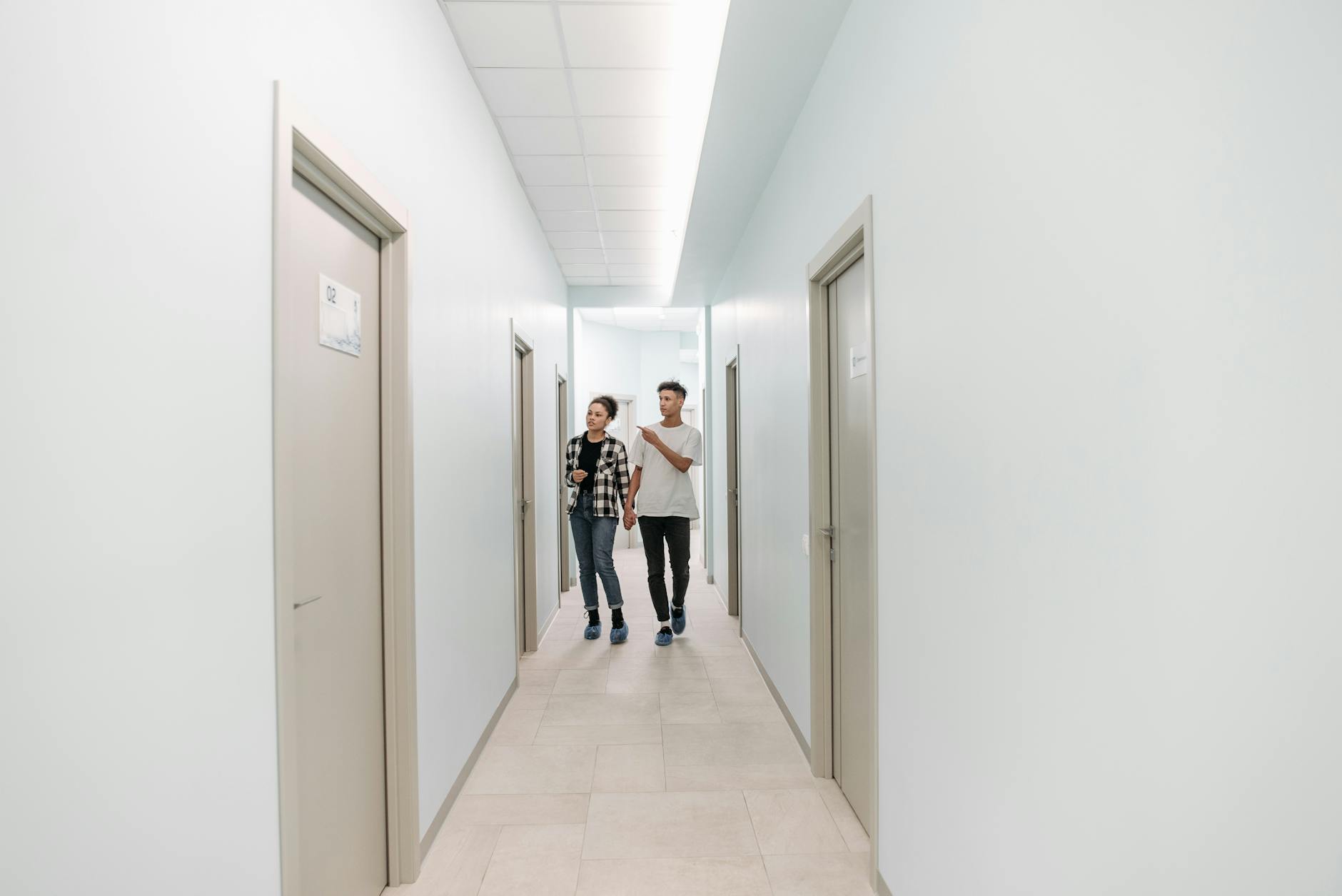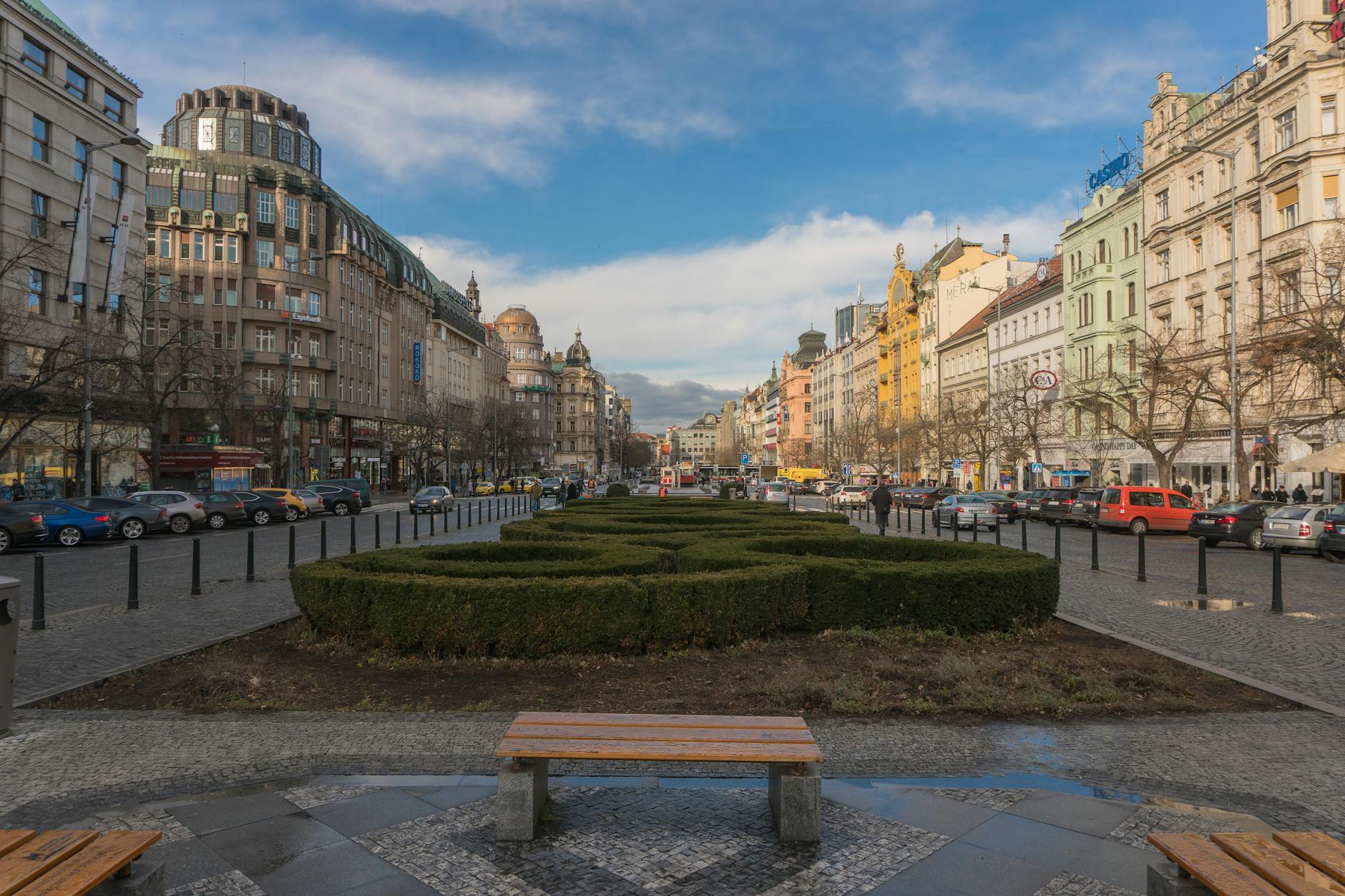
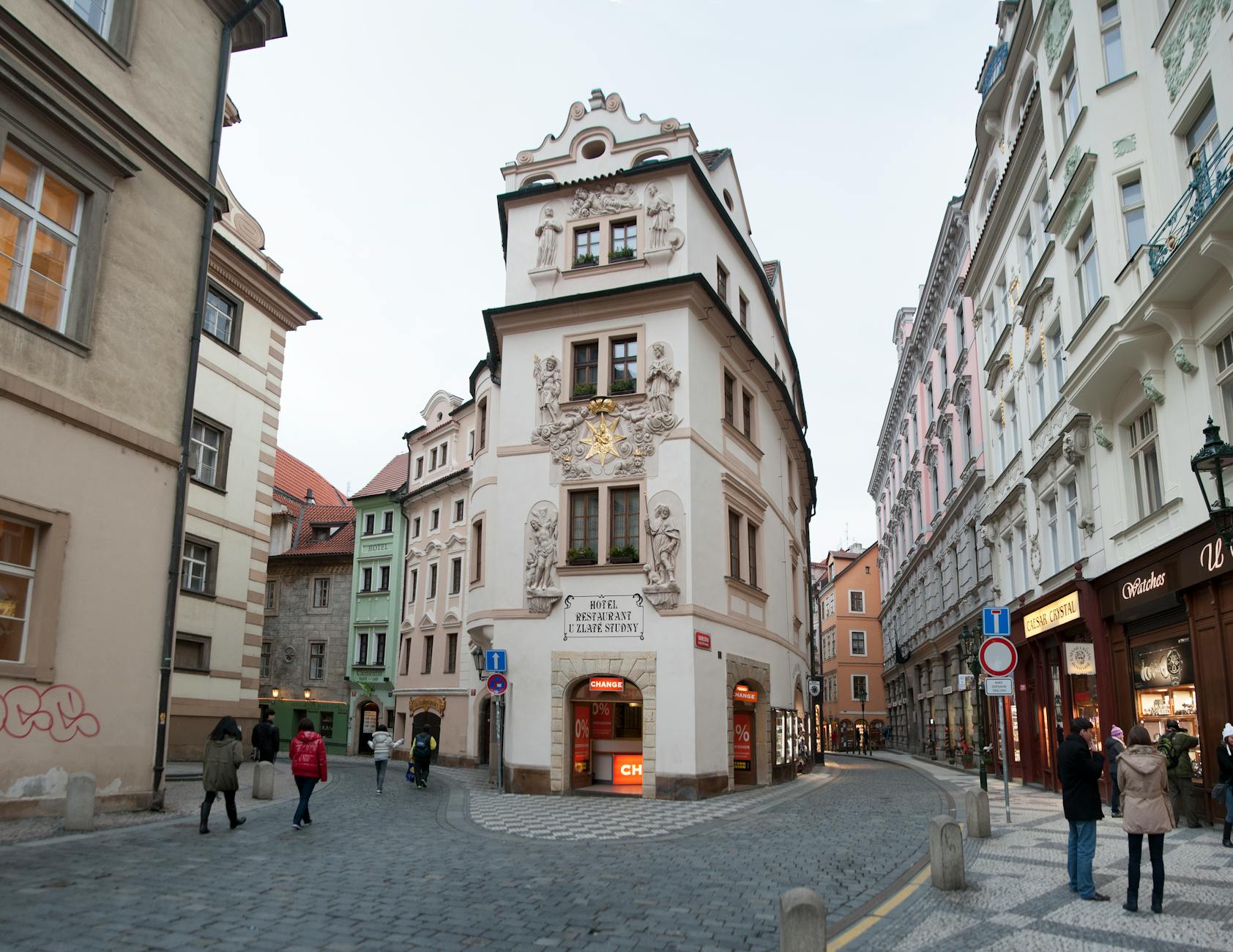
Prague can be manageable for travelers with medical constraints, but it is not effortless. The same qualities that make the city appealing, including historic streets, hills, cobblestones, bridges, castle approaches, tram routes, and compact sightseeing, can also create strain if medication, fatigue, pain, temperature sensitivity, diet, or appointment access has not been planned. The right Prague plan does not treat medical constraints as a footnote. It builds the trip around continuity: what the traveler needs every day, what could go wrong, where recovery can happen, and how quickly help can be reached if the plan stops working.
Start with the constraint, not the wish list
The traveler should begin by naming the actual constraint: medication timing, fatigue, mobility, respiratory sensitivity, pain, food requirements, immune risk, heat or cold sensitivity, sleep needs, dialysis, cardiac history, pregnancy, recent surgery, or another condition. Prague sightseeing should then be built around that reality rather than treated as a standard itinerary with a few medical notes attached.
This matters because Prague rewards walking and standing. A plan that looks gentle on a map can still include uneven stone, stairs, crowded interiors, hill climbs, and few quiet pauses. The traveler should decide which sights are worth the physical or medical cost.
- Define medication, fatigue, mobility, diet, immune, temperature, sleep, or clinical constraints first.
- Test each major sight against walking, standing, stairs, crowds, weather, and recovery needs.
- Cut low-value stops before the trip becomes medically thin.
Protect medication and documentation
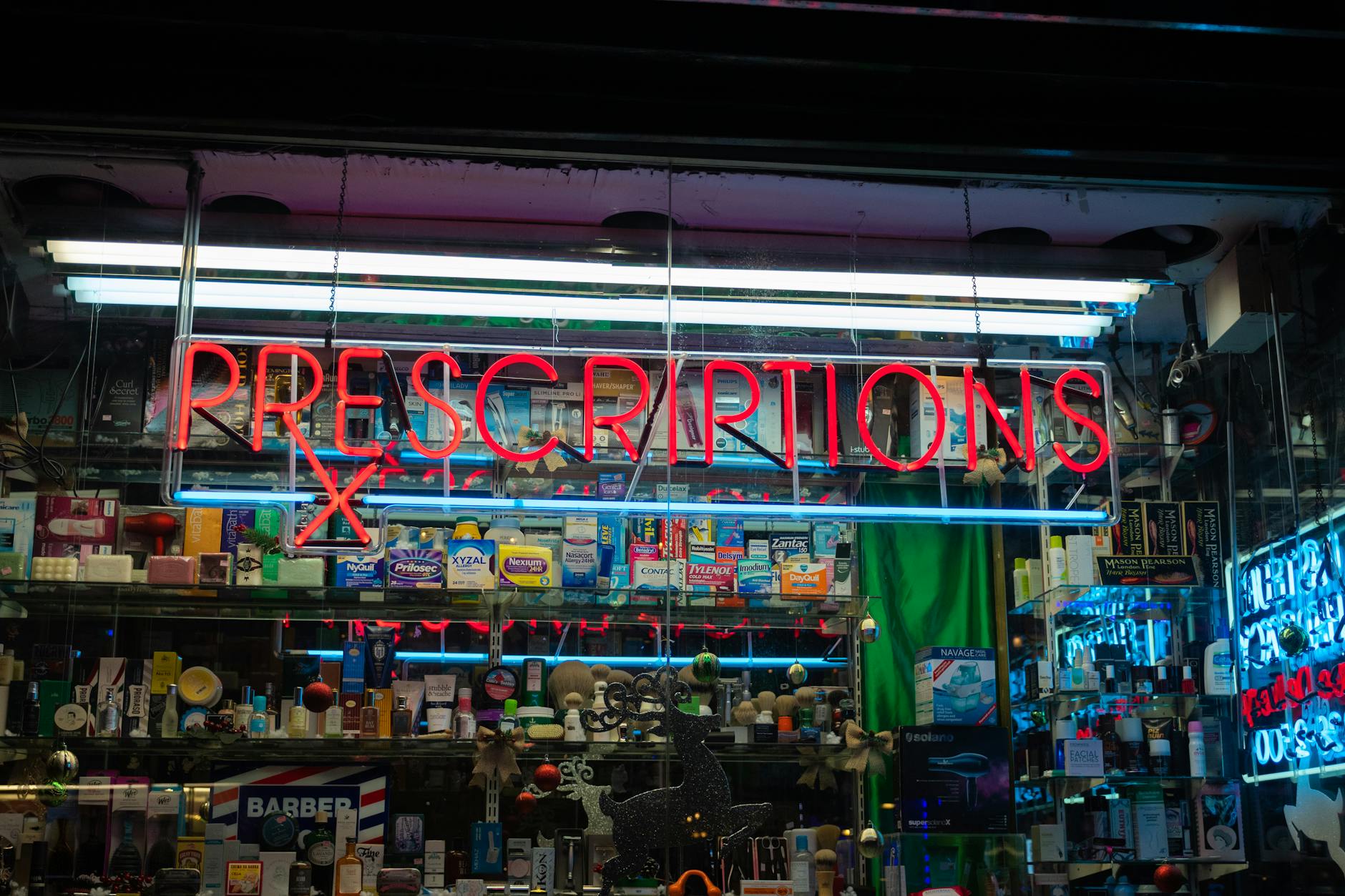
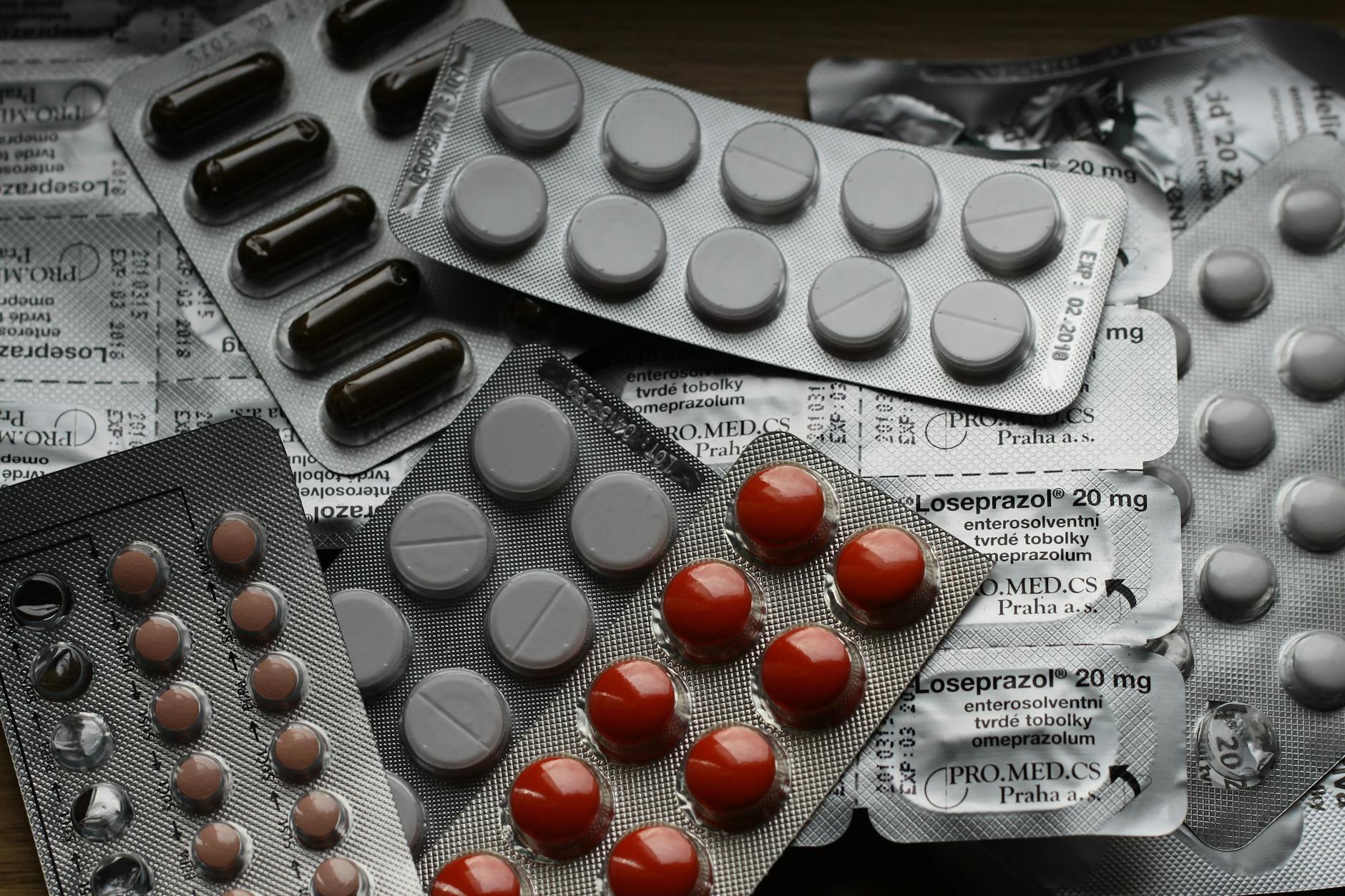
Medication continuity should be handled before departure. The traveler should carry enough supply, split critical medication between bags where appropriate, keep prescriptions and physician letters accessible, understand time-zone timing, and know whether any medication requires temperature control. Prague pharmacies can be useful, but they should not be the first line of planning for an essential supply.
Documentation should include insurance, emergency contacts, allergies, diagnoses, medication names, and local care instructions. If the traveler has a condition that could require urgent explanation, the information should be available even if the phone battery dies.
- Carry sufficient medication, prescriptions, physician notes, allergy details, and insurance information.
- Plan temperature control, time-zone dosing, and backup storage before departure.
- Do not rely on finding a Prague pharmacy replacement for essential medication at the last minute.
Choose lodging as a recovery platform
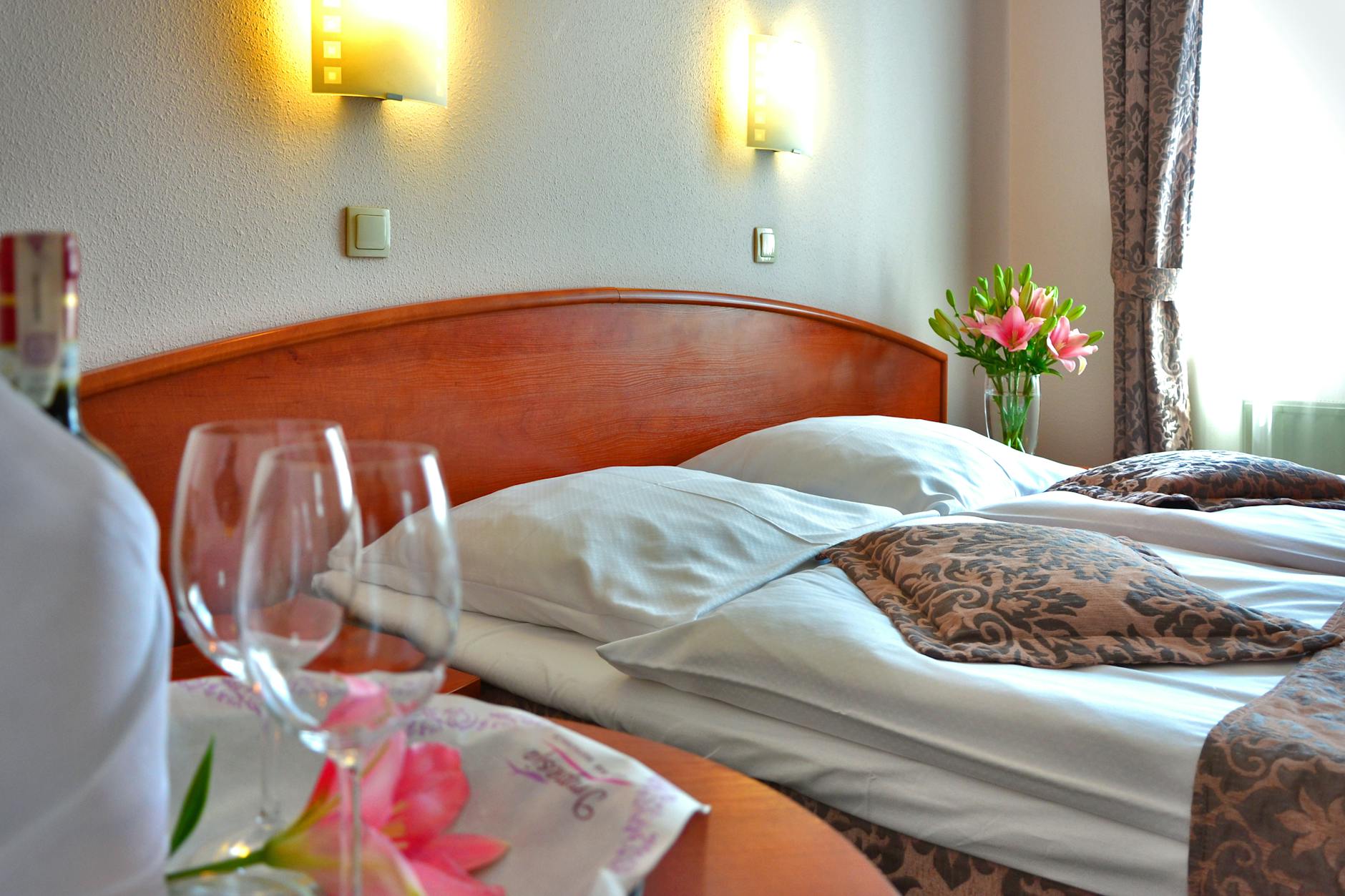
For a traveler with medical constraints, the Prague hotel is not just a place to sleep. It is the recovery platform. The room should support rest, medication routines, bathroom needs, temperature control, elevator access, quiet, food access, safe storage, and simple returns from the main day route. A beautiful room up stairs or far from transport can become a liability.
The traveler should confirm details directly when they matter: elevator availability, step-free entry, air conditioning, refrigerator, shower setup, bed height, nearby food, taxi access, and how quickly the traveler can get back during a flare or fatigue event.
- Check elevator, step-free entry, bathroom setup, refrigerator, air conditioning, quiet, and bed comfort.
- Choose a hotel that allows fast recovery breaks rather than maximizing scenic distance.
- Confirm critical access details directly instead of relying only on booking filters.
Make arrival and departure conservative
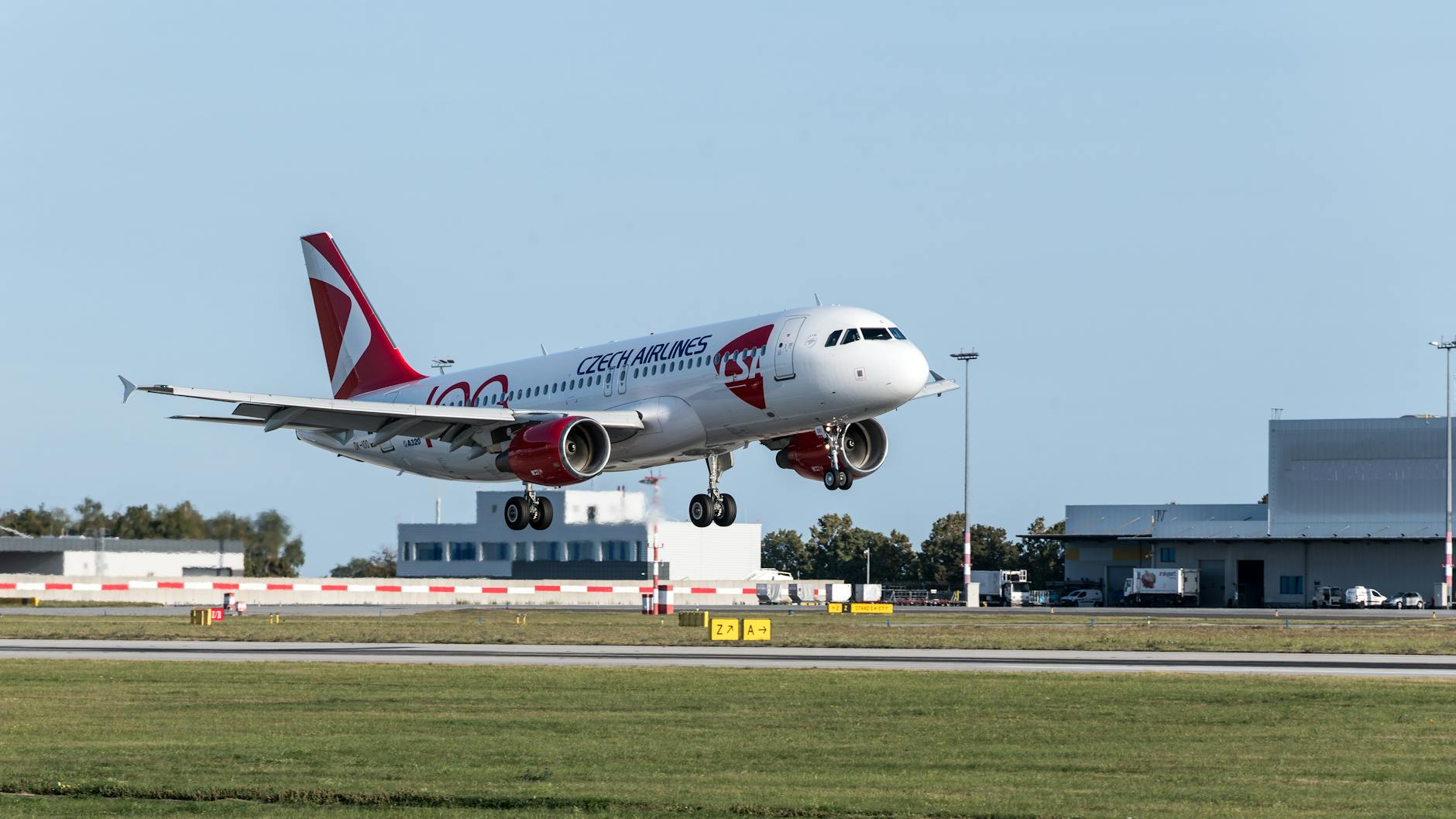
Vaclav Havel Airport, Hlavni nadrazi, taxis, airport buses, trams, metro links, and hotel pickups can all be workable, but a medically constrained traveler should avoid treating arrival as an endurance test. Delays, baggage, winter weather, rain, stairs, crowds, or a long walk from the stop to the hotel can consume the reserve needed for the first day.
The final departure matters just as much. The traveler should plan medication timing, meals, bathroom access, baggage handling, and a generous buffer instead of using the last morning for one more sight.
- Use conservative buffers for airport, rail, baggage, hotel check-in, and first-day recovery.
- Choose transfers by medical reserve, luggage burden, weather, and step exposure.
- Protect departure-day medication, food, bathroom, and airport timing.
Account for cobblestones, hills, and transit gaps
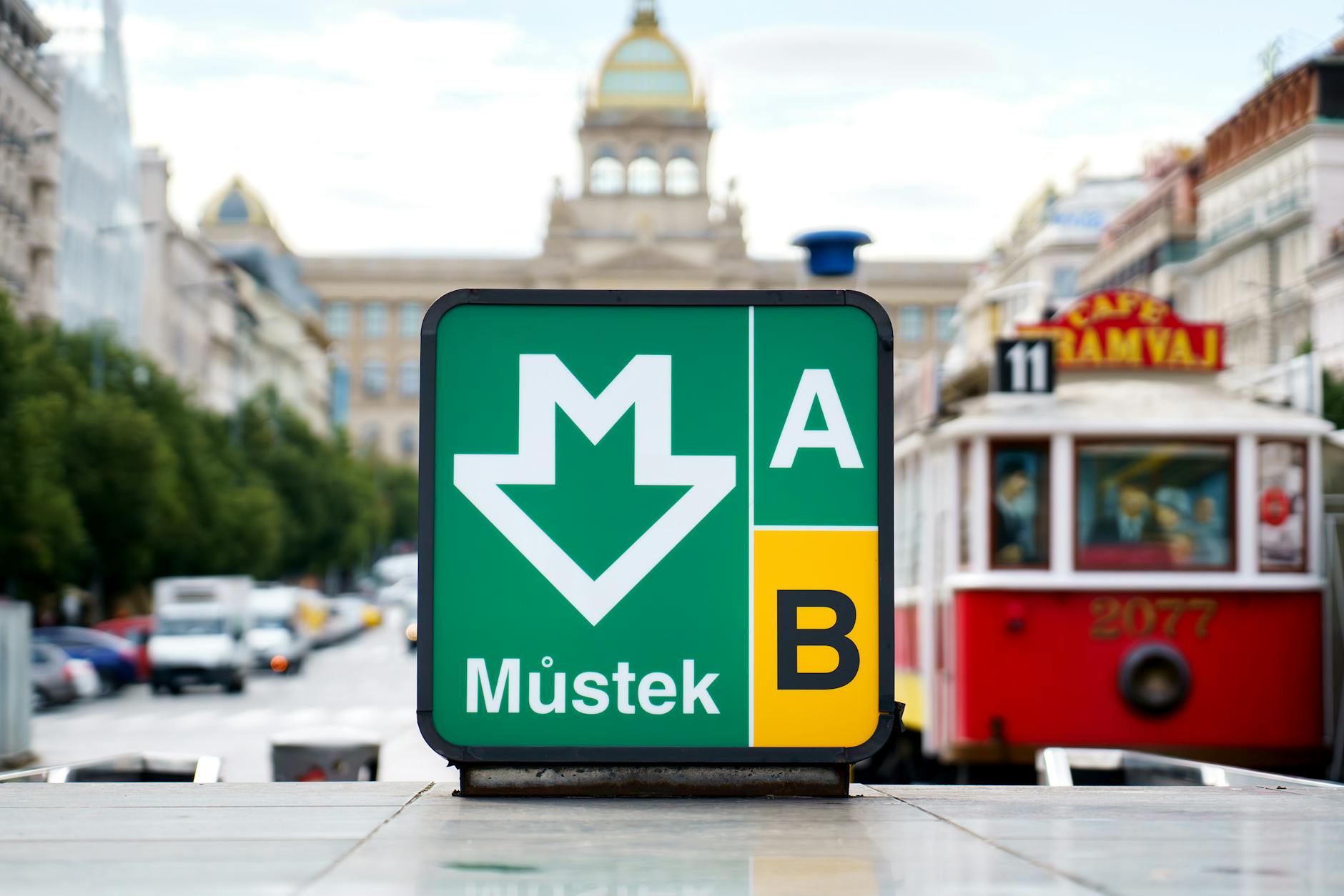
Prague's historic texture creates real access questions. Cobblestones, curbs, stairs, bridge approaches, castle slopes, tram steps, metro escalators, and crowded platforms can affect travelers with pain, balance issues, respiratory limitations, fatigue, or equipment. The traveler should examine the route between sights, not only the sights themselves.
A mixed strategy often works best: tram or metro for longer moves, taxis when weather or fatigue is high, short walks in flatter areas, and deliberate rest stops. The plan should preserve energy for the experiences that matter.
- Check cobblestones, curbs, stairs, slopes, bridge approaches, tram steps, and metro access.
- Use a mix of transit, taxis, short walks, and rests instead of relying on one mode.
- Save energy for priority sights rather than spending it on inefficient transfers.
Plan food, weather, and symptom triggers
Diet, hydration, temperature, and routine can matter as much as clinic access. A traveler with diabetes, allergies, gastrointestinal issues, cardiac concerns, migraines, respiratory sensitivity, or medication timing should identify reliable meals, water access, indoor breaks, and backup restaurants. Prague can be cold, damp, icy, hot, crowded, or smoky in ways that affect different conditions differently.
The traveler should know which conditions trigger symptoms and build the day around prevention. A museum break, hotel lunch, earlier dinner, or taxi ride may be the difference between a successful short trip and a day lost to recovery.
- Identify reliable meals, hydration, indoor breaks, bathrooms, and backup restaurants.
- Plan for cold, heat, rain, ice, smoke, crowds, and other condition-specific triggers.
- Use pacing and prevention before symptoms force a larger itinerary change.
When to order a short-term travel report
A traveler with a stable condition, a simple hotel, and flexible sightseeing may not need a custom Prague report. A report becomes useful when medication timing, clinic proximity, mobility, dietary constraints, fatigue, weather exposure, arrival stress, or insurance questions could affect whether the trip is practical.
The report should test hotel access, transfer choices, route effort, pharmacies, urgent-care options, food reliability, weather, recovery blocks, emergency information, budget, and what to cut. The value is a Prague plan that respects the medical constraint before it becomes the main event of the trip.
- Order when medical continuity, hotel access, route effort, transfers, diet, or clinic fallback need testing.
- Provide dates, condition limits, medication needs, hotel options, insurance, pace, budget, and emergency concerns.
- Use the report to decide whether the trip is workable and how to keep it that way.