Prague can be a rewarding stopover because the city is compact, visually distinct, and connected by airport buses, metro links, trams, rail, taxis, and walkable central routes. A traveler with a few spare hours can see enough to make the stop feel meaningful. But the same compactness can create overconfidence. A strong Prague transit plan starts with the hard constraints: flight or train times, border and security requirements, luggage, weather, arrival fatigue, and how much time remains after the return buffer is protected. The city should be fitted into the stopover, not forced into it.
Start with the real usable time
A Prague stopover should be calculated from usable time, not scheduled gap. The traveler must subtract deplaning or train arrival, border control if relevant, luggage storage, transport into the center, return transport, security, boarding, platform finding, and a disruption buffer. A six-hour layover may produce a much smaller city window.
The first decision is whether leaving the airport or station is worth the risk. Sometimes the best stopover is a clean hotel rest, lounge, airport meal, or station-side reset rather than a rushed city sprint.
- Subtract border, baggage, storage, transport, security, boarding, and disruption buffers from the gap.
- Decide whether the city window is strong enough before choosing sights.
- Use a rest or hotel plan when the stopover is too tight for a clean city visit.
Choose the transfer mode before the route
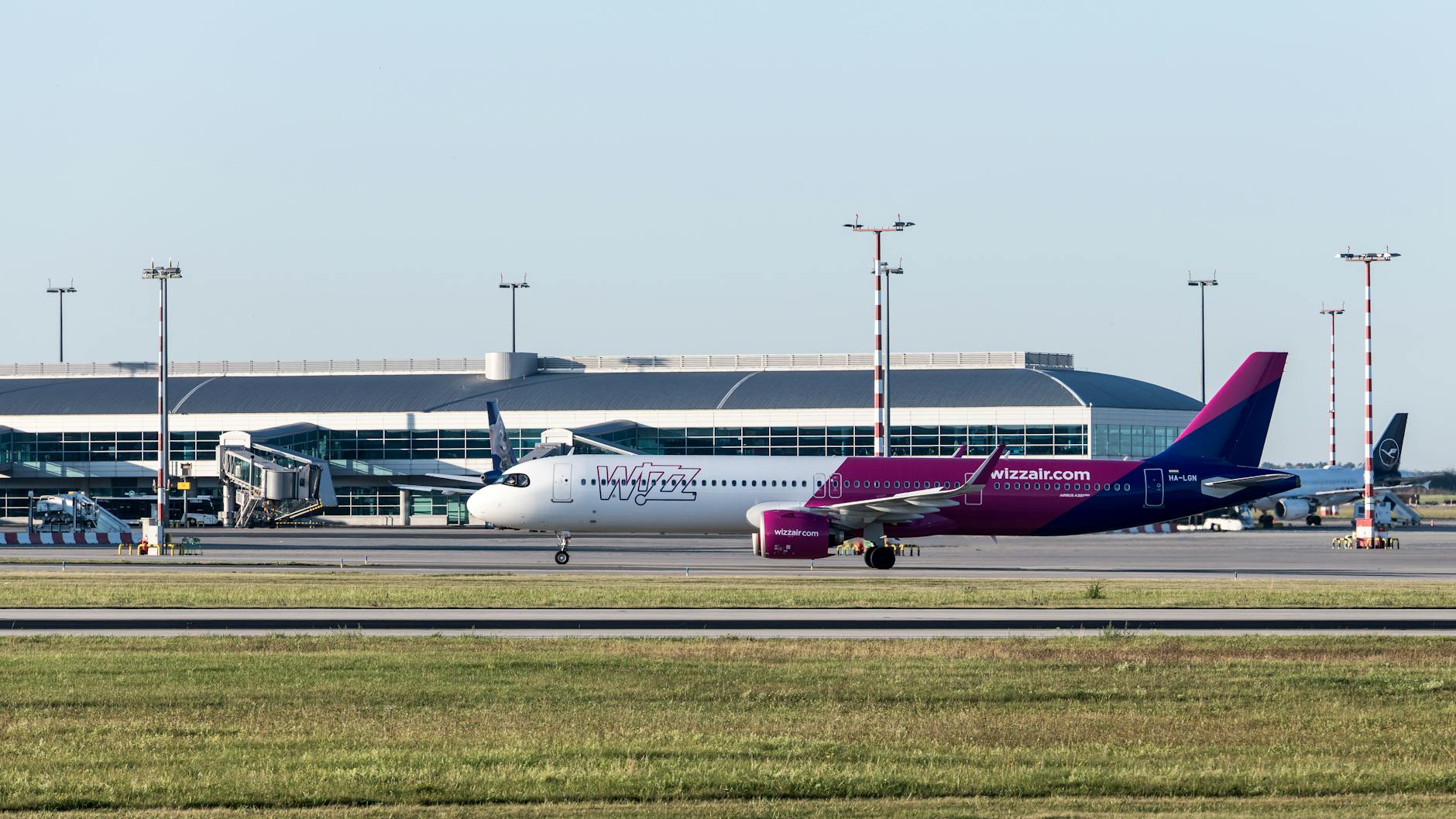
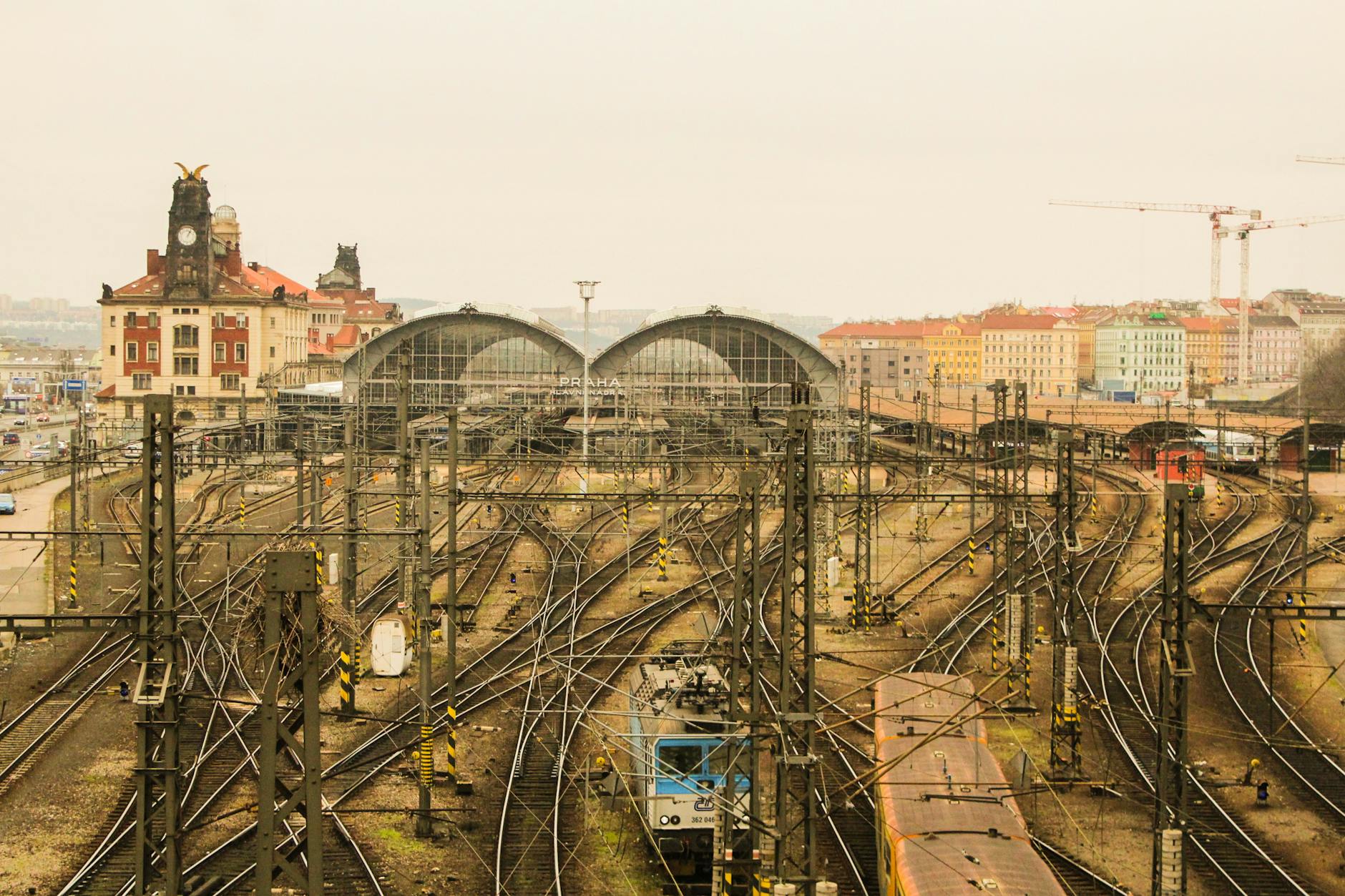
Prague's airport and rail links are manageable, but the traveler should choose the transfer mode before building the city plan. Airport bus and metro combinations, taxis, ride-hail, private transfers, Hlavni nadrazi rail access, and tram or metro connections all have different reliability, cost, and luggage implications.
A stopover traveler should avoid a route that depends on perfect connections. The return leg matters more than the outbound leg because missing the onward flight or train is the expensive failure.
- Compare airport bus, metro, taxi, ride-hail, private transfer, rail, tram, and walking segments.
- Choose the return route with more conservatism than the outbound route.
- Avoid city plans that depend on every connection working perfectly.
Solve luggage before moving through Prague
Luggage is one of the fastest ways to ruin a Prague stopover. Cobblestones, stairs, trams, pedestrian lanes, crowded bridges, station storage rules, and hotel access all make bags more consequential than travelers expect. The plan should identify whether bags are checked through, stored at the airport, stored at the station, held by a hotel, or carried.
If luggage must be carried, the route should shrink. A traveler with a backpack can handle more than a traveler with rolling cases and a tight train connection.
- Confirm whether bags are checked through, stored, held by a hotel, or carried.
- Check airport, station, and hotel storage rules before arrival.
- Shorten the route sharply if rolling luggage must move through the city.
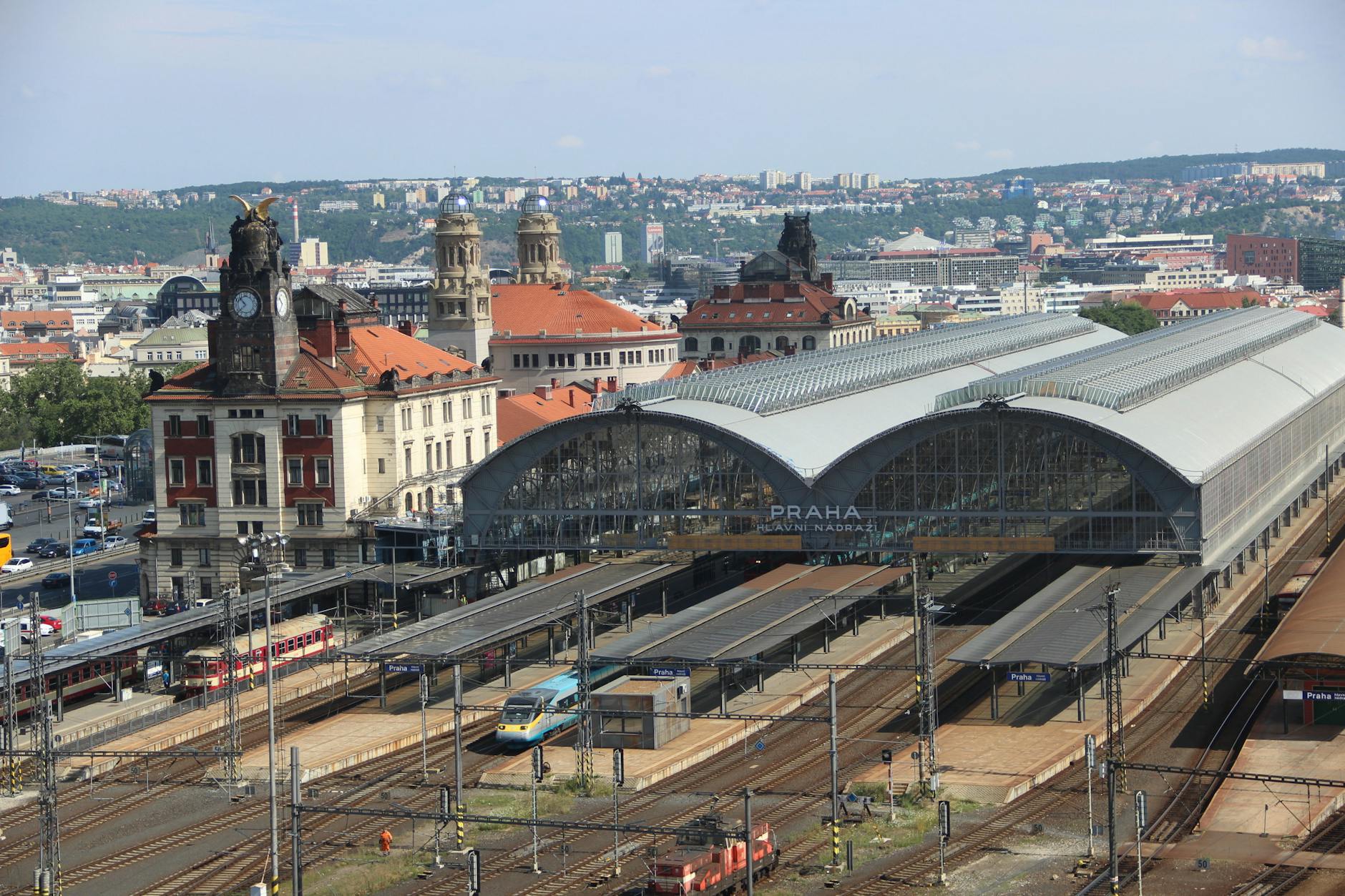
Pick one compact Prague route
A stopover is not the time to pretend Prague is fully available. The traveler should pick one compact route: Old Town and Charles Bridge, castle-side views, a river walk, a cafe-and-square reset, or a short tram-based overview. Each option should have a clear endpoint and a return path.
The right route depends on arrival point, luggage, weather, mobility, and time of day. A beautiful plan that crosses too many surfaces or neighborhoods can become stressful when the clock starts to matter.
- Choose one compact route rather than a miniature full itinerary.
- Match Old Town, Charles Bridge, castle views, river walks, cafes, or tram time to the actual window.
- Know the endpoint and return path before starting.
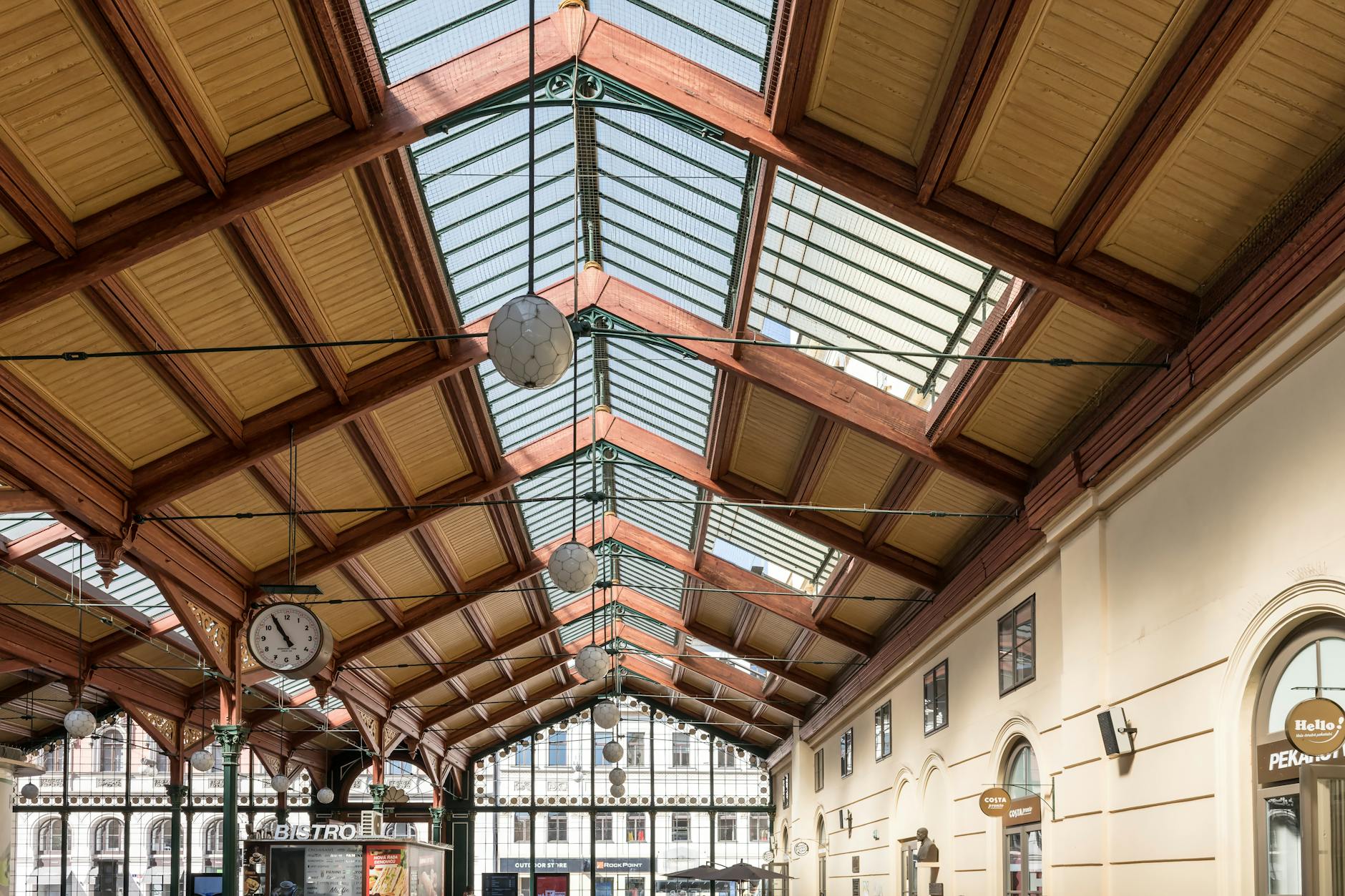
Account for documents, Schengen status, and onward risk
International stopovers require document discipline. The traveler should know whether entering the Czech Republic is allowed, whether Schengen entry or exit formalities apply, how many blank pages or visas are relevant, and whether onward airline or rail rules create risk. This is especially important for separate-ticket flights.
The traveler should also keep boarding passes, tickets, passport, insurance, and emergency contact access available. A relaxed stopover still depends on controlled paperwork.
- Check entry eligibility, Schengen implications, visas, passport validity, and separate-ticket risk.
- Keep boarding passes, rail tickets, passport, insurance, and emergency contacts accessible.
- Do not leave the secure or transit environment unless the document situation is clear.
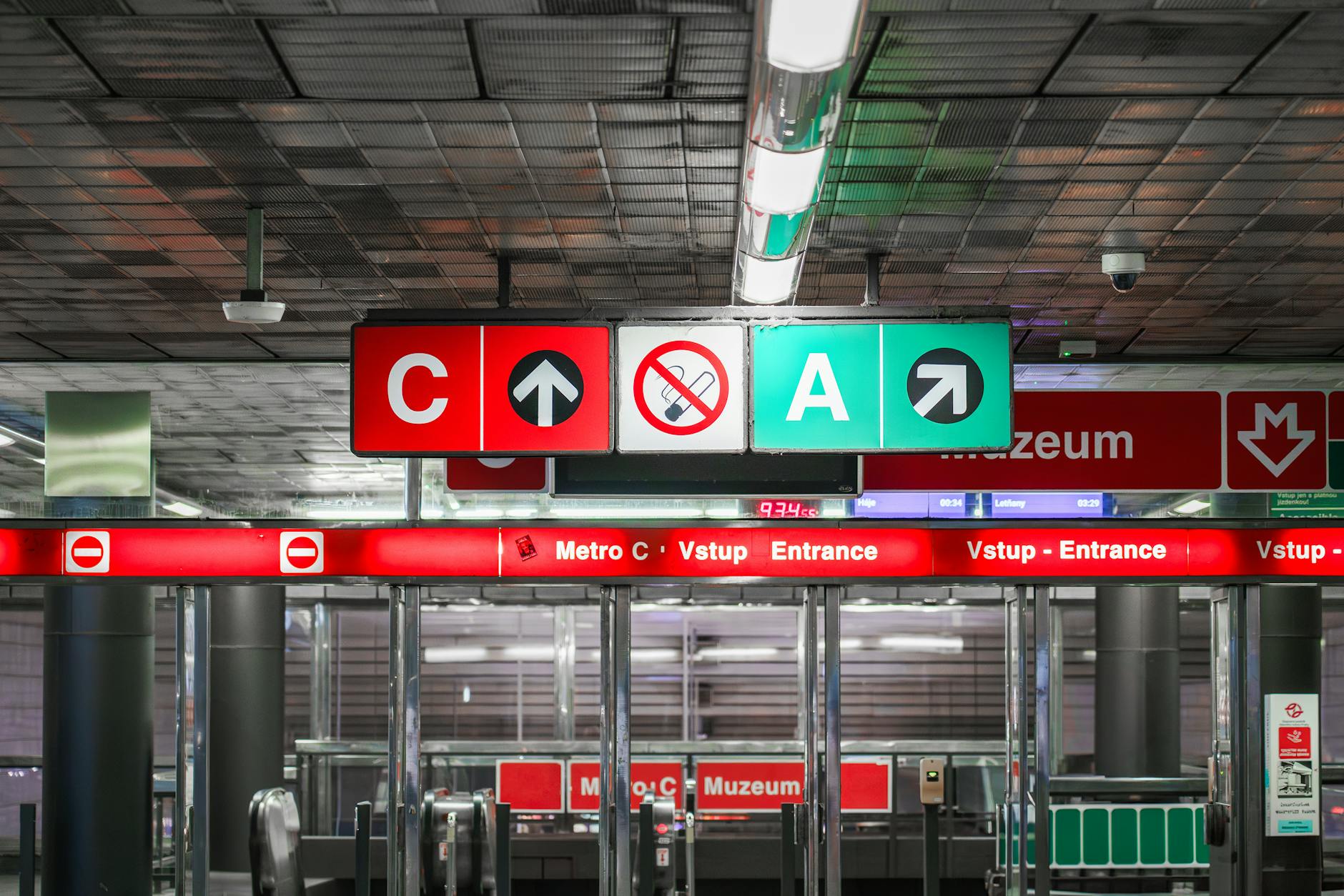
Use transit confidence, not transit romance
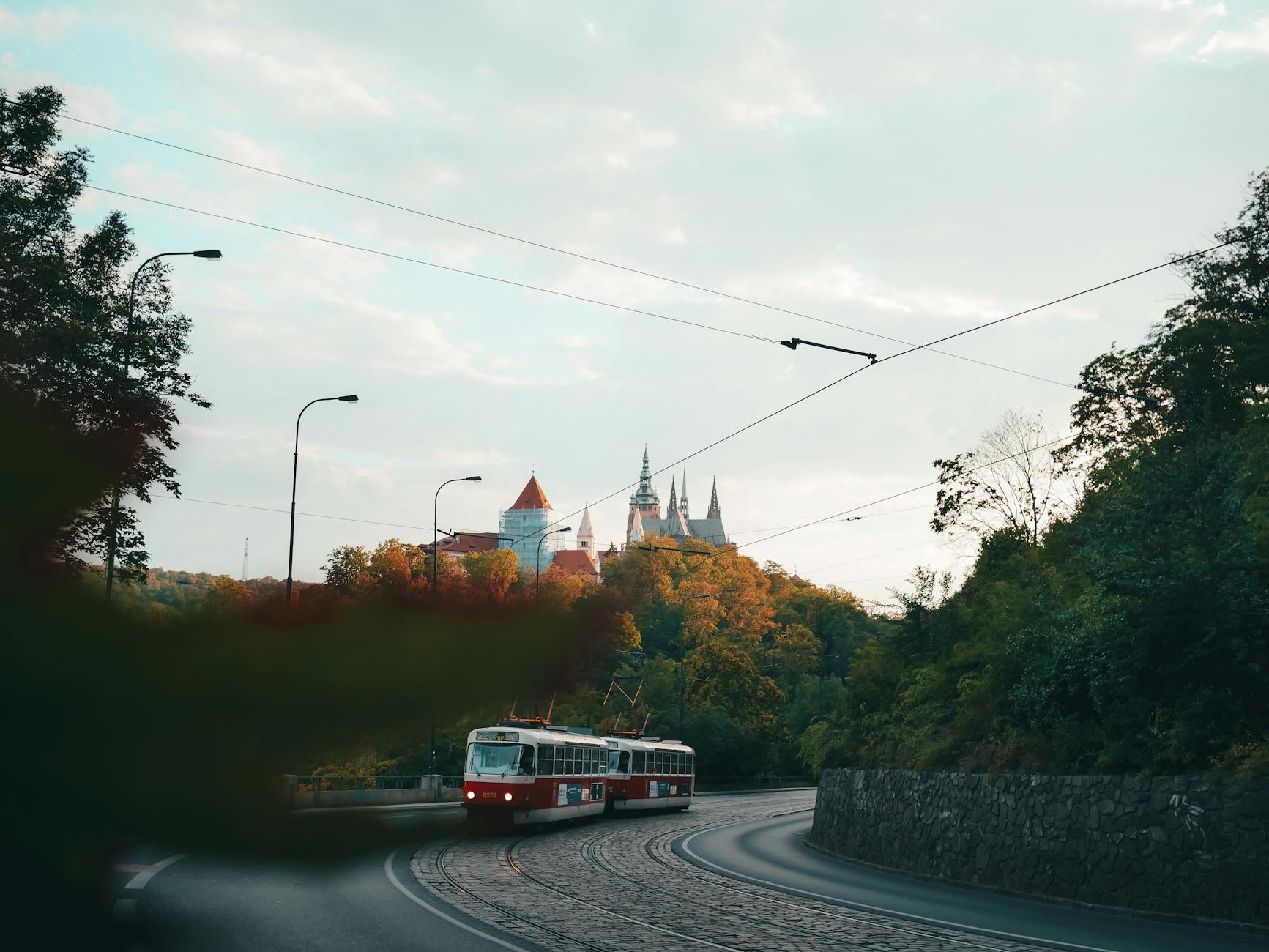
Prague's trams and metro can make a stopover feel efficient and local, but the traveler should use them only when the route is simple enough under time pressure. Ticket validation, stop names, platform direction, service changes, stairs, and crowding can consume attention.
A taxi or private transfer may be worth paying for on the return, especially with luggage, bad weather, late hours, or a hard departure. The goal is not to prove transit skill. The goal is to make the stopover work.
- Use metro and trams when the route, tickets, stops, and timing are simple.
- Pay for taxi or private transfer when luggage, weather, late hours, or departure risk justify it.
- Keep the return path boring enough to execute under pressure.
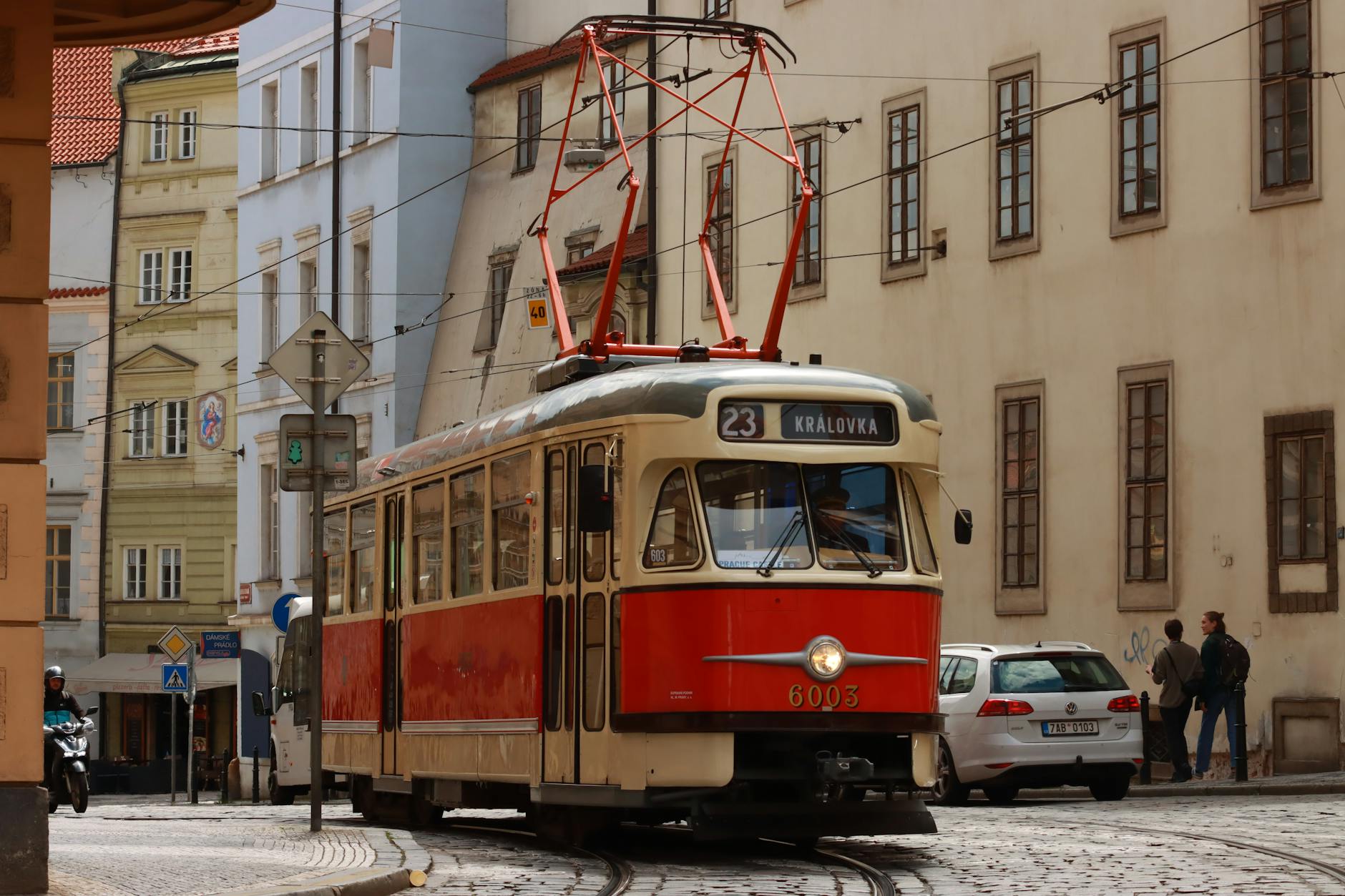
When to order a short-term travel report
A traveler with a long Prague stopover, no luggage, and a simple onward ticket may not need a custom report. A report becomes useful when separate tickets, border rules, luggage storage, mobility, airport-to-city timing, rail connections, late hours, weather, or deciding whether to leave the terminal could determine success.
The report should test usable time, entry rules, transfer options, luggage, hotel or lounge alternatives, compact routes, food, weather, return buffers, budget, and what to cut. The value is a stopover that feels intentional without risking the onward trip.
- Order when timing, documents, luggage, transfer mode, mobility, or separate-ticket risk need testing.
- Provide flight or train times, ticket structure, passport status, luggage, budget, and priorities.
- Use the report to decide whether Prague is worth leaving transit for at all.