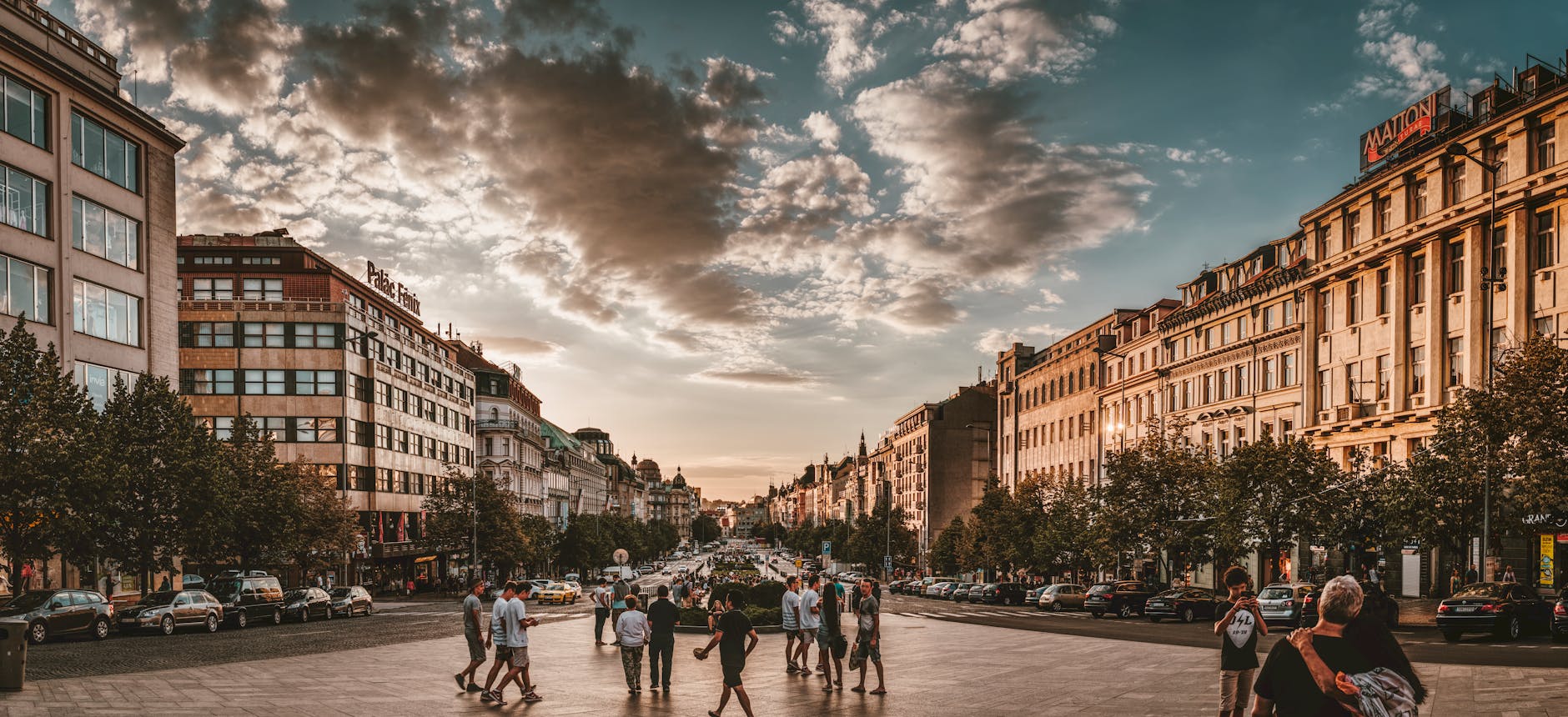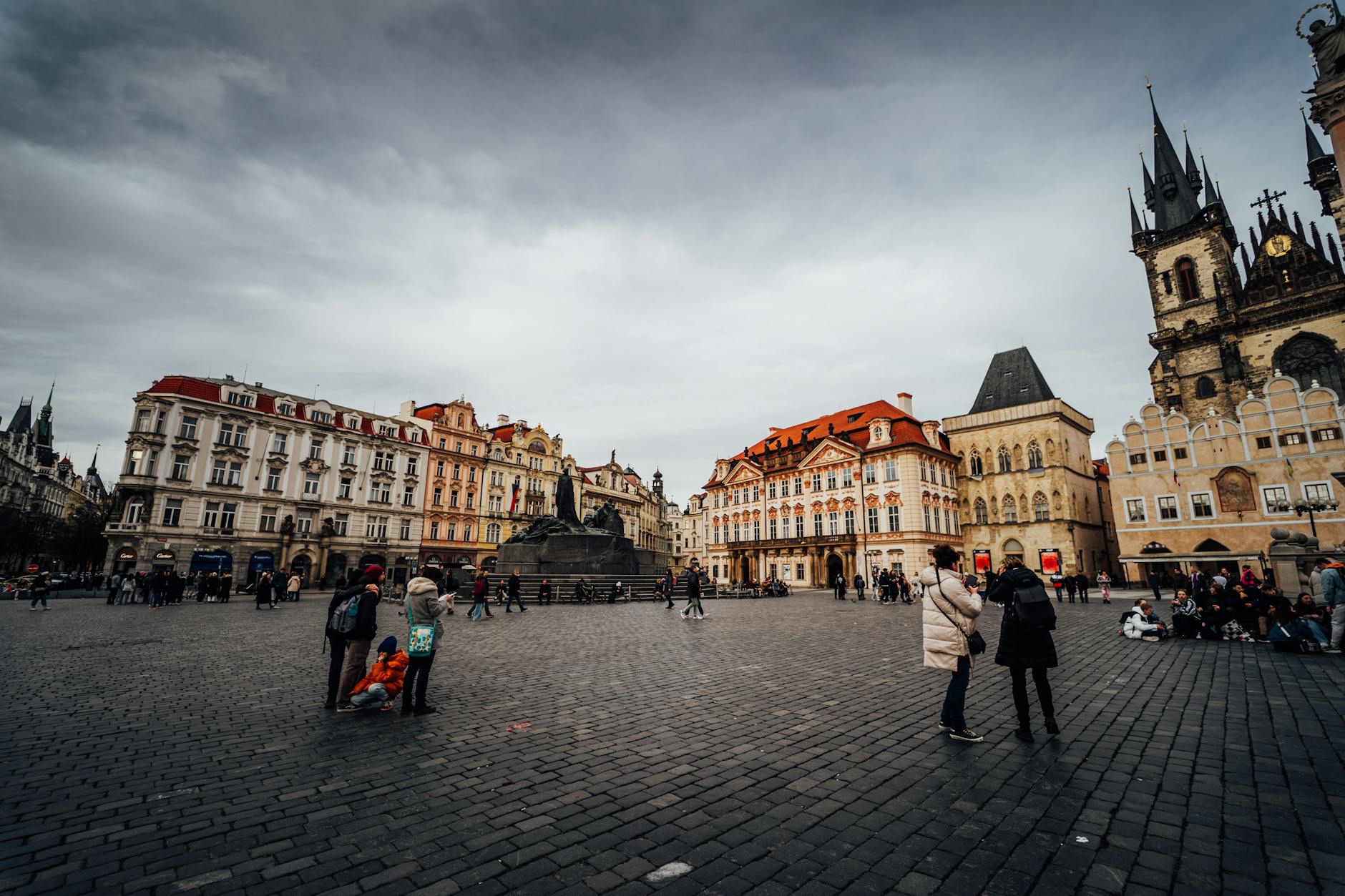
Prague is one of Europe's strongest short-stay tourist cities because the major sights are visually powerful and close enough to tempt a dense itinerary. Old Town Square, the Astronomical Clock, Charles Bridge, Prague Castle, St. Vitus Cathedral, the Vltava, historic cafes, trams, towers, and evening views can all fit into a few days. That is the opportunity and the problem. A tourist trip to Prague works best when the traveler plans the famous places by sequence, timing, terrain, and crowd pressure. The goal is not to see less. It is to see Prague in a way that leaves enough attention to enjoy it.
Build the route around crowd timing
Prague tourism is shaped by timing. Old Town Square, the Astronomical Clock, Charles Bridge, castle approaches, and seasonal markets can be absorbing or frustrating depending on the hour. A tourist who arrives at every famous place at the same time as everyone else may technically see the city while missing much of its quality.
The traveler should anchor the day with the highest-pressure sights early, late, or deliberately off-peak. This is especially important in summer, on weekends, around Christmas markets, and during school holidays. The best route usually protects a few strong moments rather than trying to force every sight into peak-hour movement.
- Plan Old Town Square, Charles Bridge, and Prague Castle by time of day.
- Use early mornings or quieter windows for the most crowded sights.
- Avoid stacking too many high-pressure tourist zones in one continuous walk.
Treat Charles Bridge as a timing decision
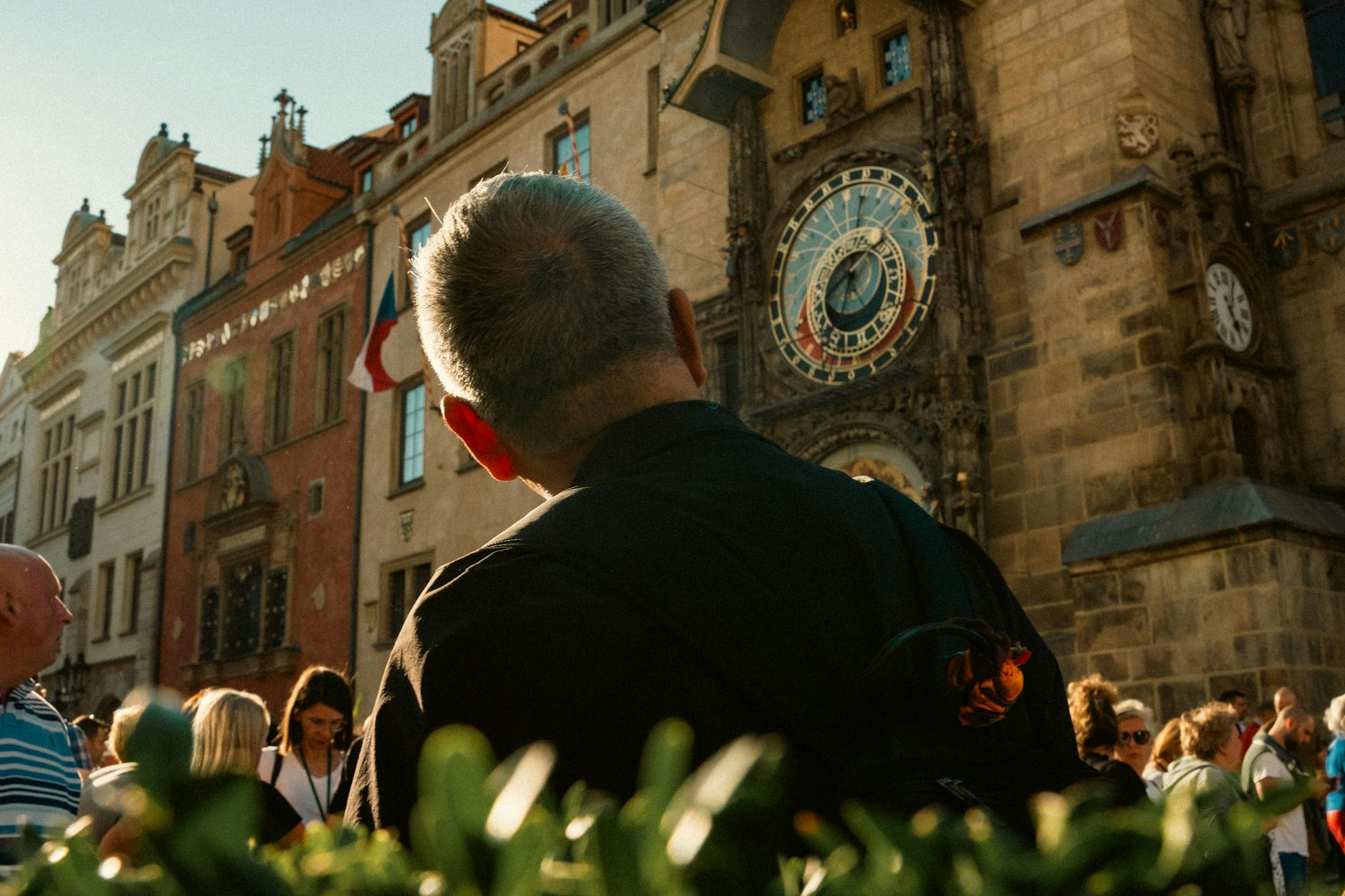
Charles Bridge is not just a crossing. It is one of the main tourist pressure points of the city. The bridge can be atmospheric in the early morning, crowded and slow during the day, beautiful at dusk, and awkward if the traveler is tired, carrying luggage, or trying to move quickly between appointments.
Tourists should decide whether the bridge is a sight, a photo stop, a route, or an evening experience. Those are different plans. If the bridge is treated as default transport, the rest of the day can be dragged into crowds.
- Visit Charles Bridge as an experience, not automatically as a practical route.
- Avoid crossing with luggage, tight timing, or low patience for crowds.
- Pair the bridge with Mala Strana, the river, or Old Town in a realistic loop.
Do not underestimate Prague Castle
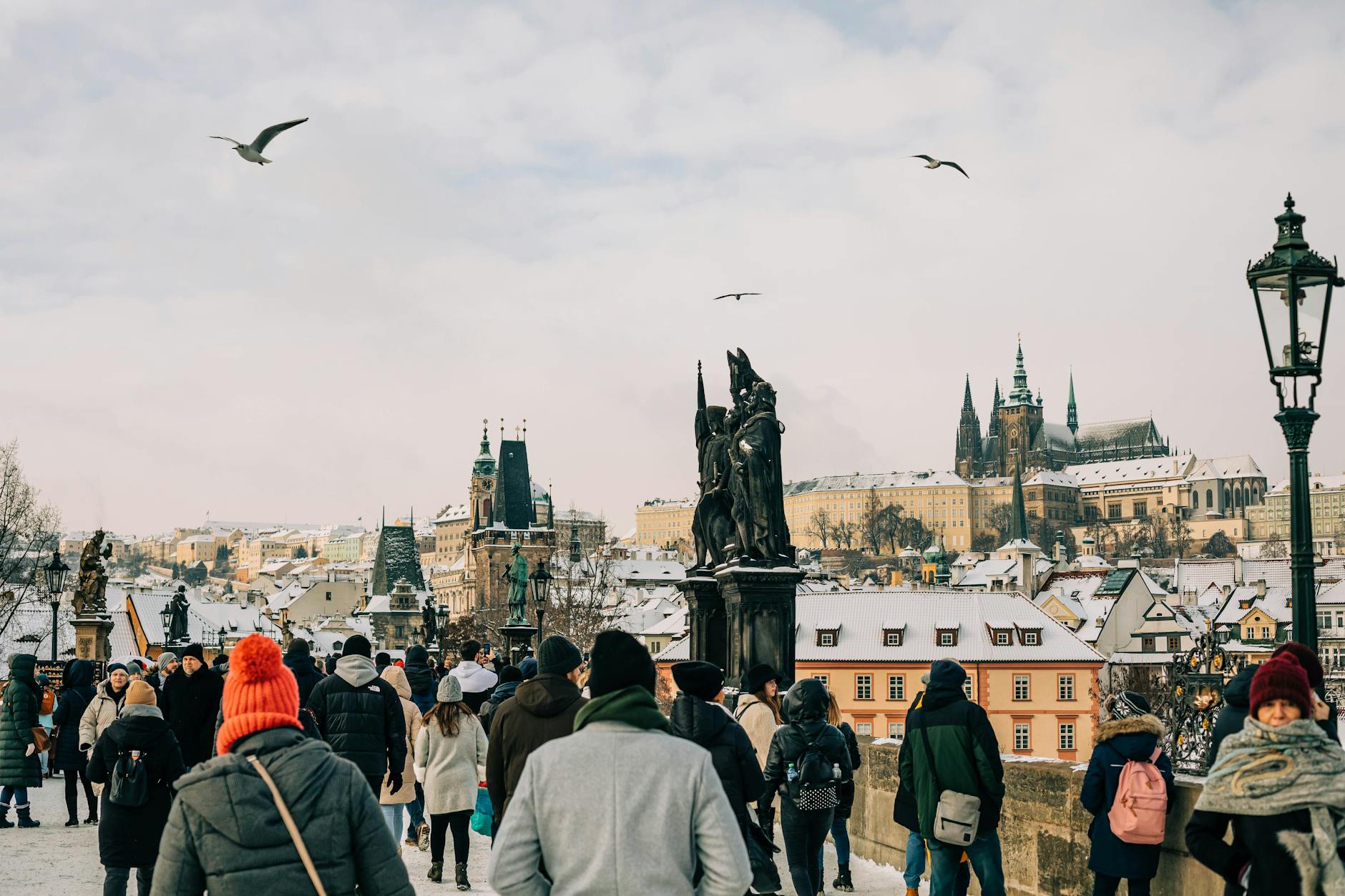
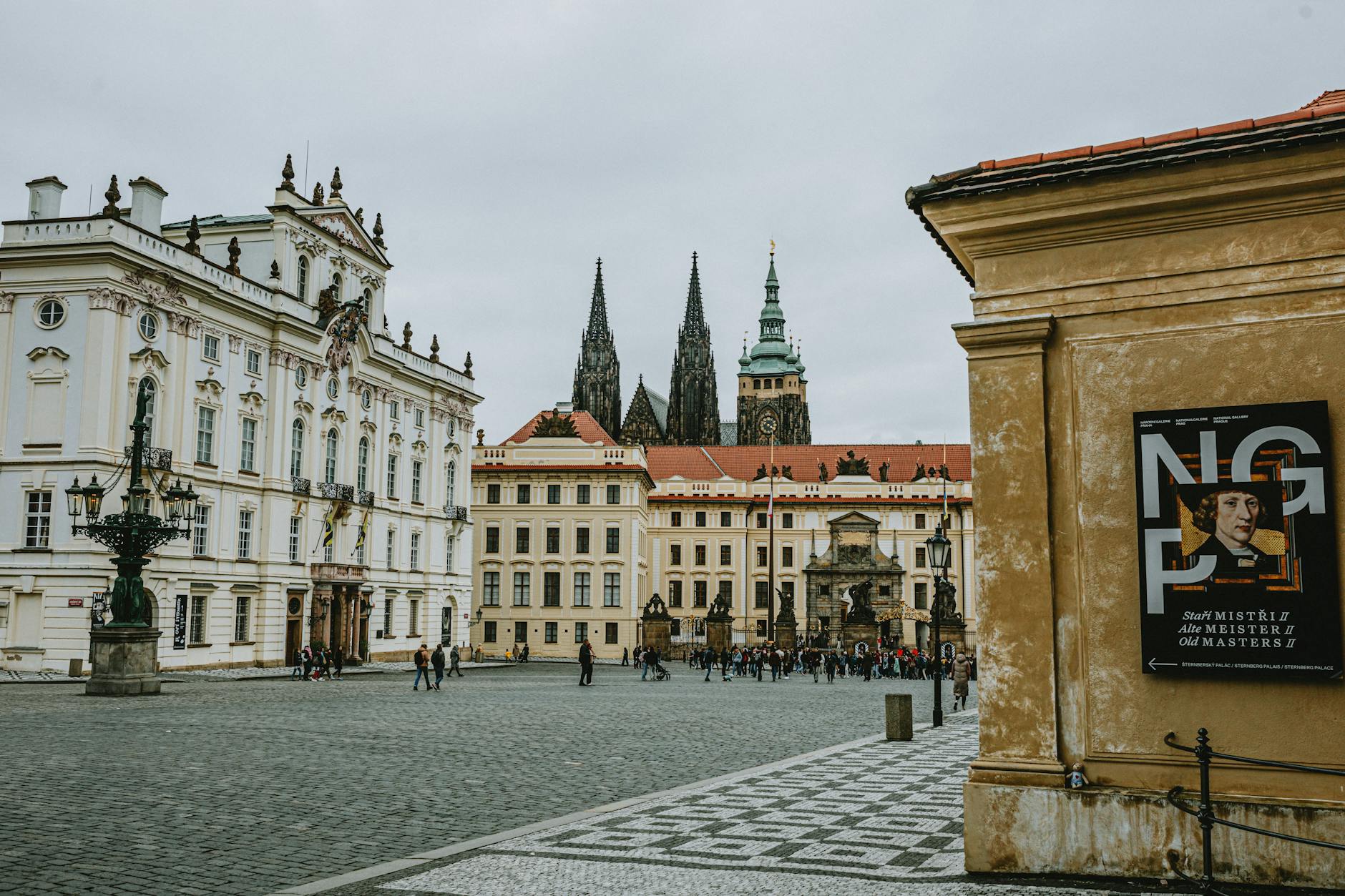
Prague Castle is a district-scale visit, not a quick photo stop. St. Vitus Cathedral, courtyards, viewpoints, security lines, galleries, Golden Lane, gardens, and the approach from Mala Strana can all require more time and walking than expected. Cobblestones, slopes, stairs, and weather make the visit more demanding than it looks on a simple map.
The tourist should decide in advance how deep the castle visit should be. A full interior visit, a cathedral-focused visit, a viewpoint walk, and a simple exterior pass-through require different energy and ticket choices.
- Budget real time for castle security, courtyards, cathedral lines, viewpoints, and descent.
- Choose between full interiors, selected sights, or a lighter exterior route.
- Plan footwear, weather, water, and rest before climbing into the castle area.
Use the river to slow the trip down
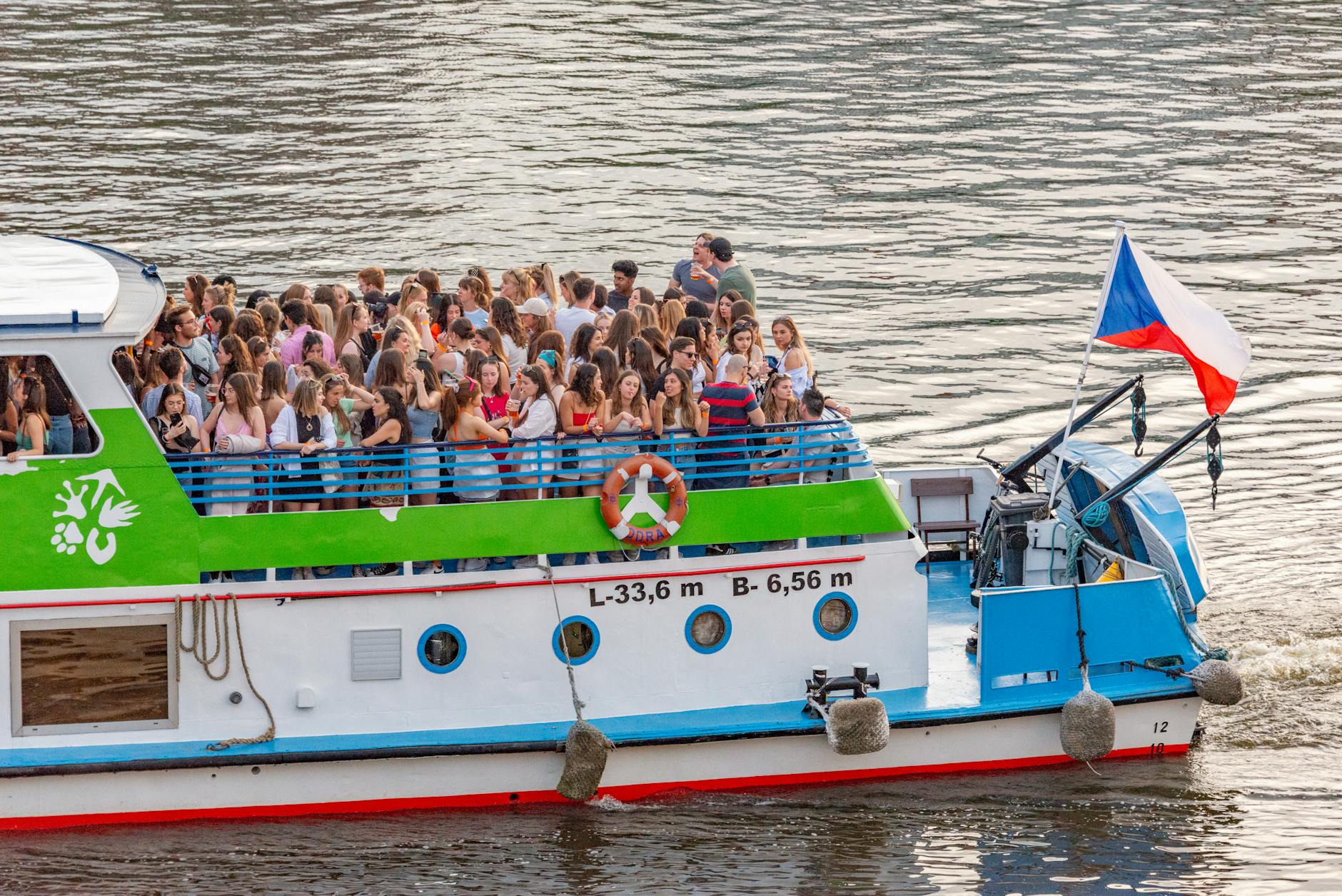
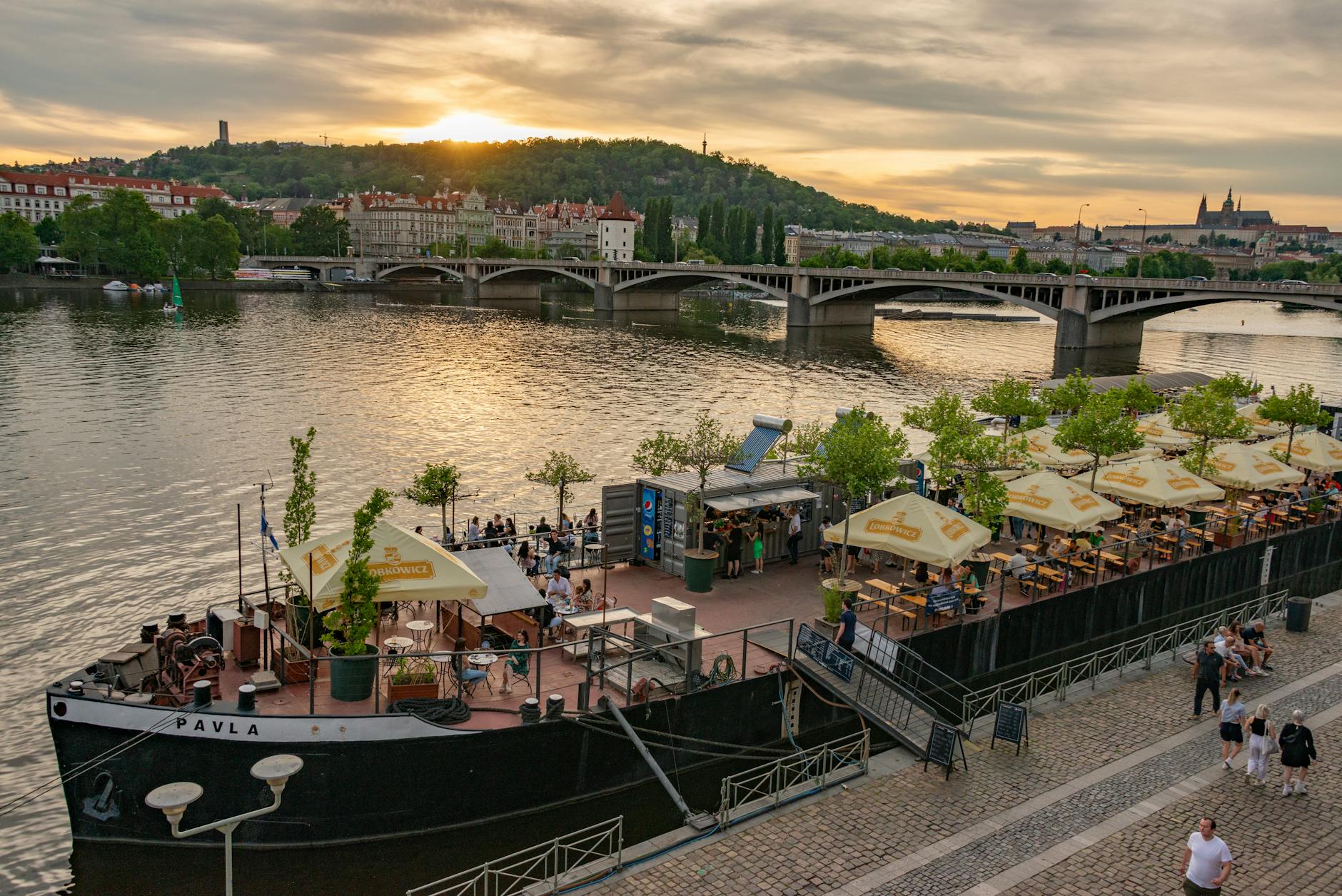
The Vltava is more than scenery. River walks, bridges, boat views, islands, and waterfront restaurants can give the trip breathing room between dense sights. A tourist itinerary that moves only from square to bridge to castle to tower can become visually rich but physically exhausting.
River time works especially well when the traveler needs a softer hour after Old Town crowds or before an evening plan. The useful question is whether the river segment restores attention or simply adds another obligation.
- Use river walks, bridges, islands, or boats as lower-pressure city time.
- Place river time between dense tourist sights to reduce fatigue.
- Choose boat trips carefully so they support the route rather than consuming a whole margin.
Learn enough transit to avoid tourist drift
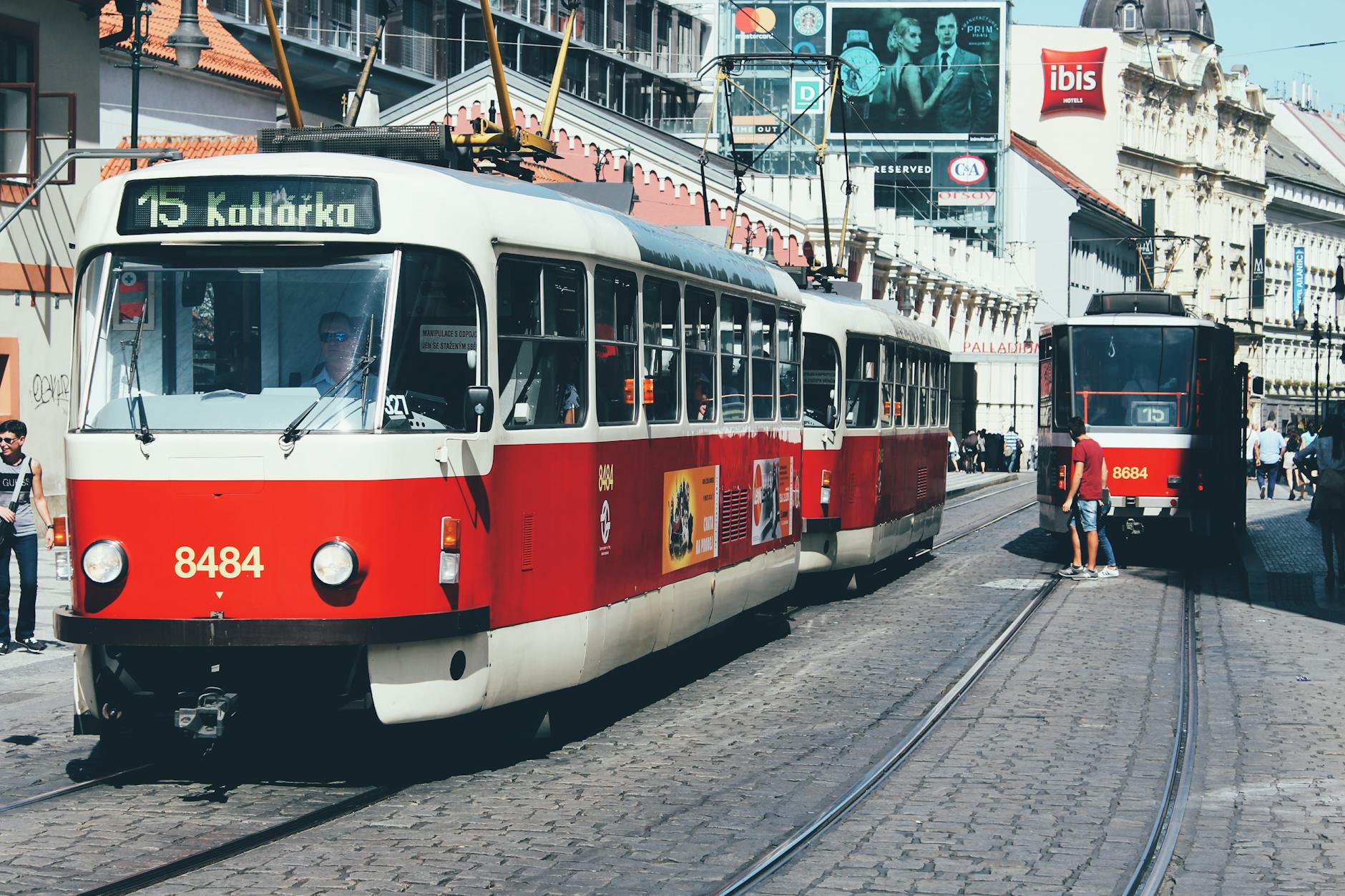
Prague rewards tourists who learn the tram and metro basics. Walking is useful, but relying only on walking can waste energy on repeated crossings, crowded streets, and cobblestone routes. Trams can connect the hotel, castle area, river, museums, and neighborhoods without making every day feel like a march.
The traveler should understand tickets, validation, stop names, route direction, and the final walk from the stop to the destination. A little transit confidence creates more freedom and fewer expensive improvised rides.
- Use trams and metro to protect energy instead of walking every segment.
- Check ticketing, validation, stop names, and direction before relying on transit.
- Keep taxis or ride-hail for luggage, poor weather, late returns, or fatigue.
Plan meals away from panic points
A Prague tourist can easily end up eating in the weakest places because they are hungry in the most crowded streets. Old Town tourist corridors, bridge approaches, and major squares may be convenient, but convenience can mean inflated prices, rushed service, and menus aimed at distracted visitors.
The traveler should identify several meal zones before the day starts: one near the hotel, one near the main sightseeing route, and one for the evening. Reservations matter for popular restaurants, weekends, and holiday seasons. Food should support the day, not rescue it after the plan has failed.
- Identify meal areas before hunger pushes the traveler into weak tourist restaurants.
- Reserve when a specific dinner matters or when weekends and holidays increase pressure.
- Keep snacks, water, and backup cafes in the plan for long walking days.
When to order a short-term travel report
A tourist with flexible days, good mobility, and a simple hotel may not need a custom Prague report. A report becomes useful when the traveler has limited time, several must-see sights, hotel uncertainty, mobility limits, dietary needs, evening plans, family or group preferences, or concern about wasting the trip in crowds.
The report should test hotel base, sightseeing sequence, crowd timing, tickets, transit, restaurants, weather, evening returns, budget, and what to cut. The value is a Prague tourist plan that feels full without becoming a checklist of friction.
- Order when timing, hotel base, tickets, crowds, meals, transit, or route effort need testing.
- Provide dates, hotel options, must-see sights, mobility, food needs, budget, and evening preferences.
- Use the report to protect the best Prague experiences instead of trying to force all of them.