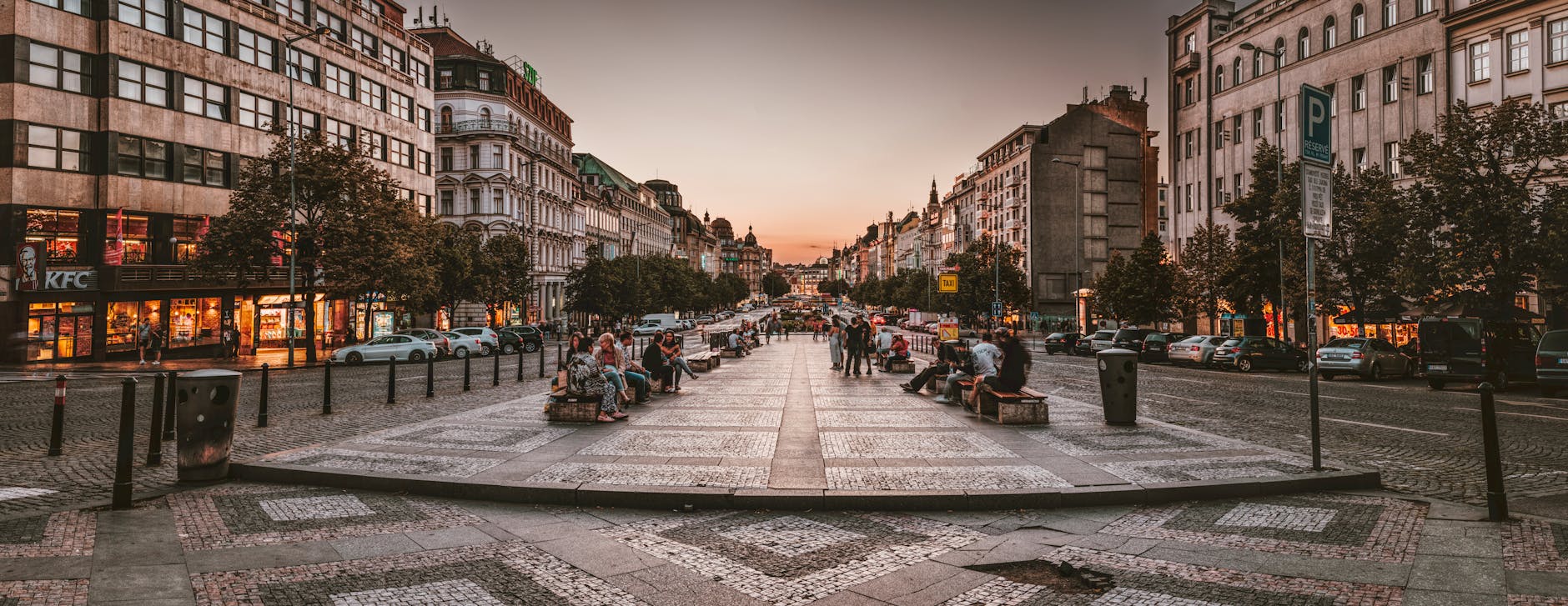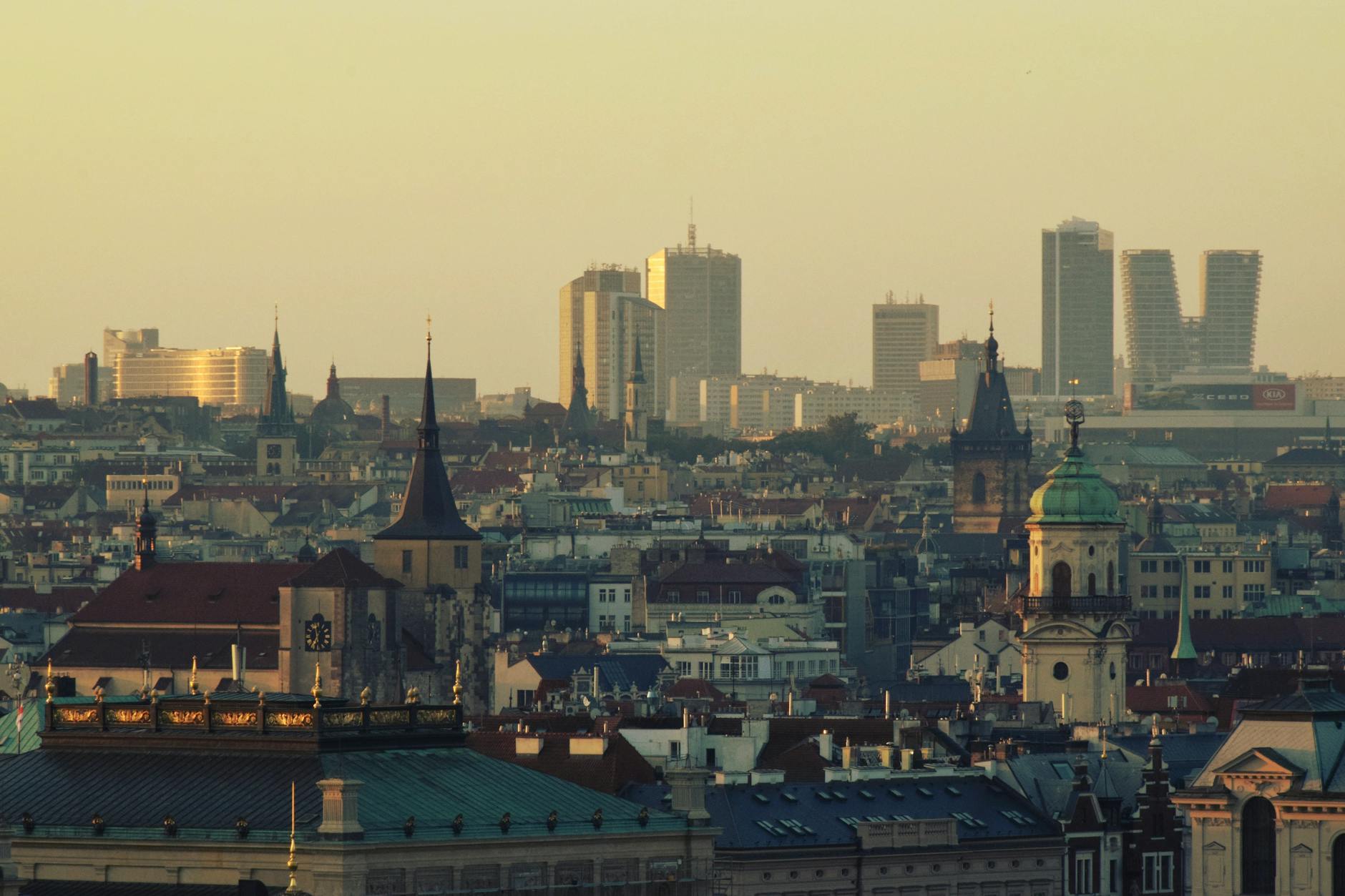
Prague can be a productive city for a short sales trip because it offers strong hotels, reliable restaurants, regional access, and a professional setting that can work well for clients, partners, distributors, and prospects. It can also make a sales traveler overconfident. The old center looks compact, but account locations, traffic, trams, hills, pedestrian zones, weather, and client dinner geography can all change how cleanly the day runs. A Prague sales trip should start with the commercial objective. Once the traveler knows which accounts matter most, where meetings sit, what materials must move, and when follow-up has to happen, the city can be used intelligently around the work.
Define the sales objective before the route
A Prague sales traveler should be clear about the purpose of the trip before choosing a hotel or filling the calendar. The visit may be for prospecting, account renewal, distributor review, buyer meetings, channel development, partnership work, or a trade-show follow-up. Those purposes do not have the same tolerance for delay or fatigue.
The traveler should rank every meeting by commercial value, decision-maker access, urgency, and probability of movement. A low-value coffee should not force a high-value buyer meeting into a weak time of day. The sales route should protect the conversations that can actually change revenue.
- Clarify whether the Prague trip is for prospects, account retention, distributors, buyers, renewals, or partners.
- Rank meetings by commercial value, urgency, decision-maker access, and likely next step.
- Build the itinerary around the strongest revenue opportunity rather than a full city schedule.
Map accounts and hotel geography together
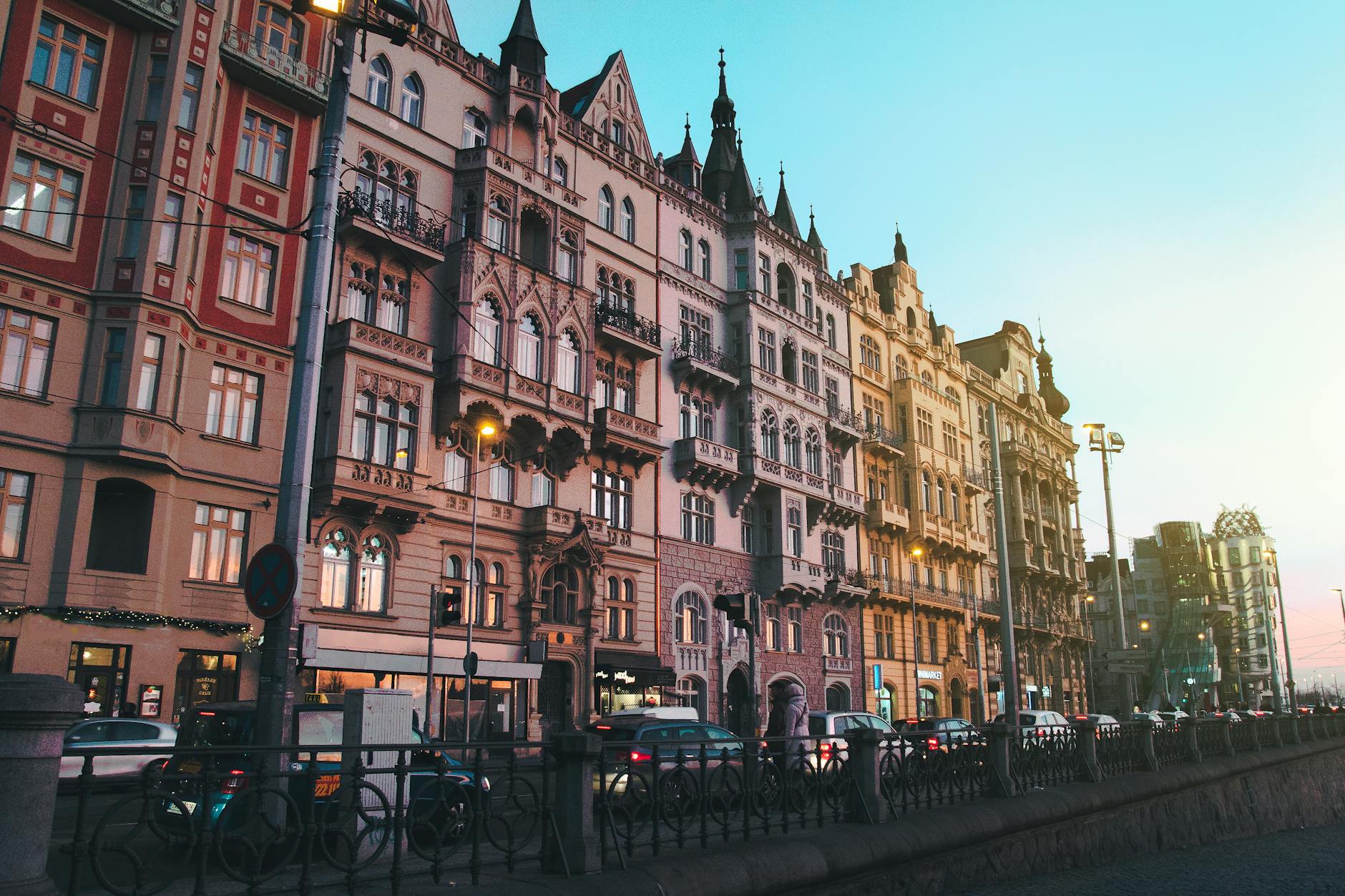
Prague sales meetings may sit in the old center, Nove Mesto, Karlin, Vinohrady, Pankrac, Smichov, Holesovice, a hotel conference room, a client's office, or a site outside the tourist core. The hotel should be chosen after those points are mapped. A beautiful old-town base can be inefficient if every serious appointment requires a taxi buffer or a tram transfer.
The traveler should check door-to-door timing at the real meeting hours, not just on a map. Cobblestones, pedestrian areas, rain, traffic, construction, and client security check-in can all affect whether the traveler arrives composed.
- Map prospects, existing accounts, restaurants, airport route, hotel options, and any secondary sites.
- Compare central Prague with Karlin, Pankrac, Smichov, Holesovice, and site-adjacent lodging.
- Test door-to-door timing for the actual meeting windows, including final approach friction.
Protect the first commercial moment
The first Prague meeting should not depend on perfect travel. Airport arrival, immigration, baggage, taxi or public transport choice, hotel check-in, food, device charging, clothing, and route testing all affect the first impression. If the first call is with a major customer or decision maker, same-day arrival may be a poor trade even when the flight schedule looks efficient.
A sales traveler should keep essentials in hand luggage and know the backup plan if a flight slips, a bag is delayed, or the client changes the meeting time. The trip should protect the highest-value interaction first.
- Plan airport arrival, luggage, transfer, check-in, clothing, food, charging, and route testing as one sequence.
- Avoid same-day arrival before a high-value meeting unless the risk is acceptable.
- Keep demo files, pricing notes, client contacts, and essential clothing out of checked luggage.
Control demos, samples, and sales materials
Sales trips often fail through small material gaps. Samples, demo devices, adapters, offline decks, pricing notes, contracts, catalogs, branded items, product gifts, and backup files should be planned before departure. Prague's visual charm does not make it easier to carry awkward materials across cobbled streets or up hotel stairs.
The traveler should decide what must be carried, shipped, printed locally, stored at the hotel, or duplicated digitally. If a sales demo depends on Wi-Fi, HDMI, USB-C, customs-friendly samples, or a local partner's equipment, that dependency should be tested before the meeting.
- Prepare samples, demo devices, adapters, decks, pricing notes, contracts, catalogs, and backups.
- Decide what is carried, shipped, printed, stored, or replaced if a bag is delayed.
- Check venue equipment and connectivity before the sales moment depends on them.
Make client meals serve the sale
Client meals in Prague can be valuable, especially when the purpose is relationship-building, partner confidence, distributor repair, or a more candid buyer conversation. The meal still needs to support the commercial purpose. Noise, privacy, location, dietary needs, reservation reliability, alcohol expectations, receipts, and the route back to the hotel all matter.
A memorable dinner near the old center can become a poor sales decision if it runs too late before a morning meeting or leaves no time for accurate follow-up. The traveler should reserve the meals that matter and keep lower-value meals simple.
- Choose client meals by commercial purpose, privacy, noise, location, dietary needs, receipts, and return route.
- Set alcohol and late-night boundaries around the next day's highest-value meeting.
- Reserve important meals and simplify solo meals so follow-up work still happens.
Protect follow-up before adding city time
The sales value of a Prague trip is often won or lost after the meeting. Notes, quotes, CRM updates, sample promises, revised decks, internal handoffs, introductions, and proposal timing need protected work blocks. Sightseeing should not consume the only window when the meeting details are still fresh.
Prague can still fit into the trip. A short walk, a focused dinner, an early river view, or a brief old-town detour can be worthwhile when the commercial next steps are already handled. The city should reward the work, not replace it.
- Protect time for notes, quotes, CRM updates, sample promises, proposals, and internal handoffs.
- Do follow-up while the client conversation is still specific.
- Add Prague moments only after the sales next steps are under control.
When to order a short-term travel report
A sales traveler with one familiar Prague account, one known hotel, and flexible timing may not need a custom report. A report becomes useful when multiple accounts, demos, samples, client meals, tight arrival, unclear hotel geography, airport timing, receipts, or follow-up windows could affect the commercial result.
The report should test account geography, hotel fit, airport transfer, meeting sequence, demo logistics, meals, transport, weather, receipts, follow-up blocks, budget, and what to cut. The value is a Prague sales trip that protects revenue before convenience.
- Order when accounts, demos, samples, meals, arrivals, or follow-up timing need testing.
- Provide meeting addresses, account priority, hotel options, materials, dates, budget, and constraints.
- Use the report to keep Prague logistics aligned with the sales objective.