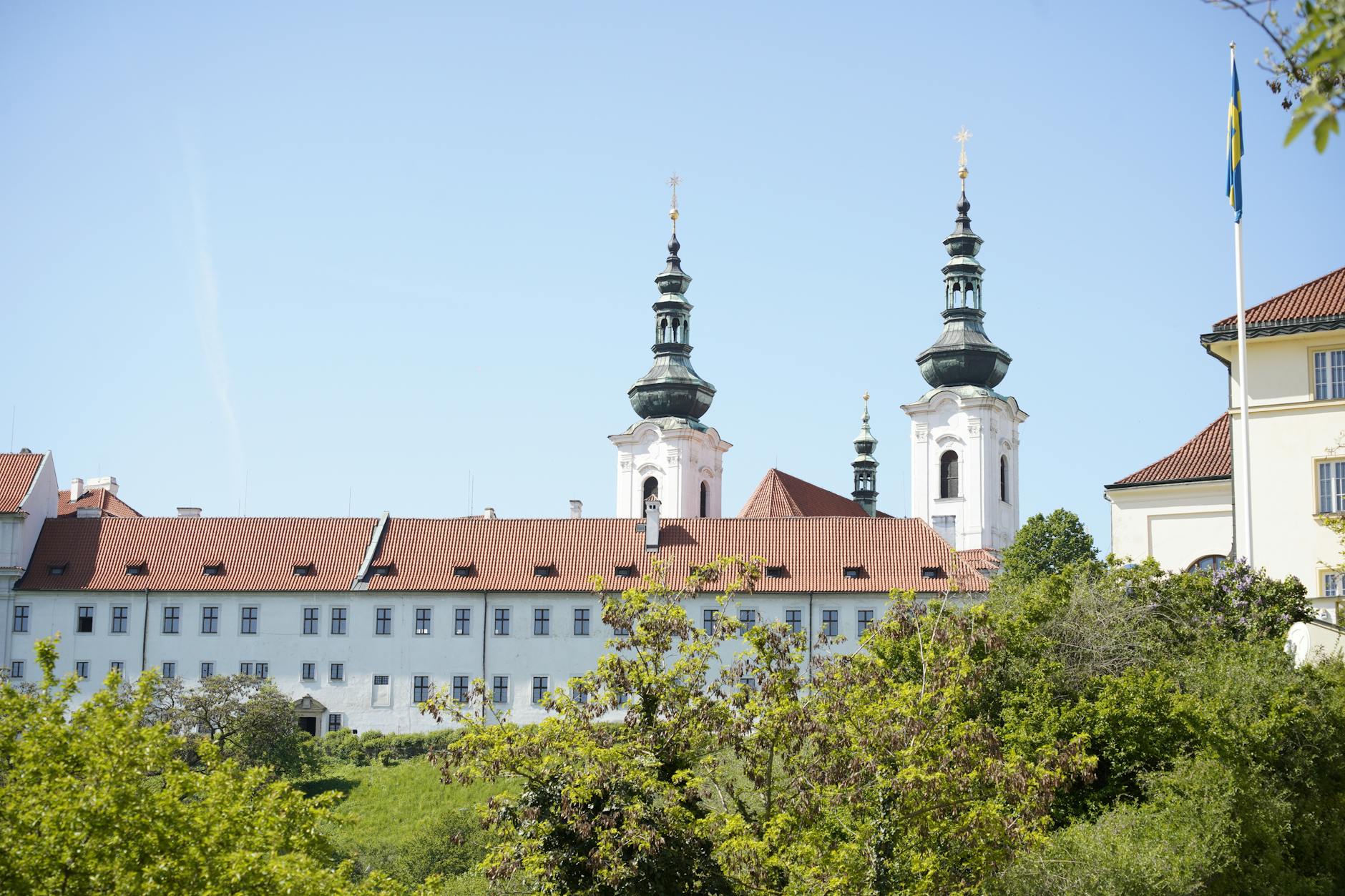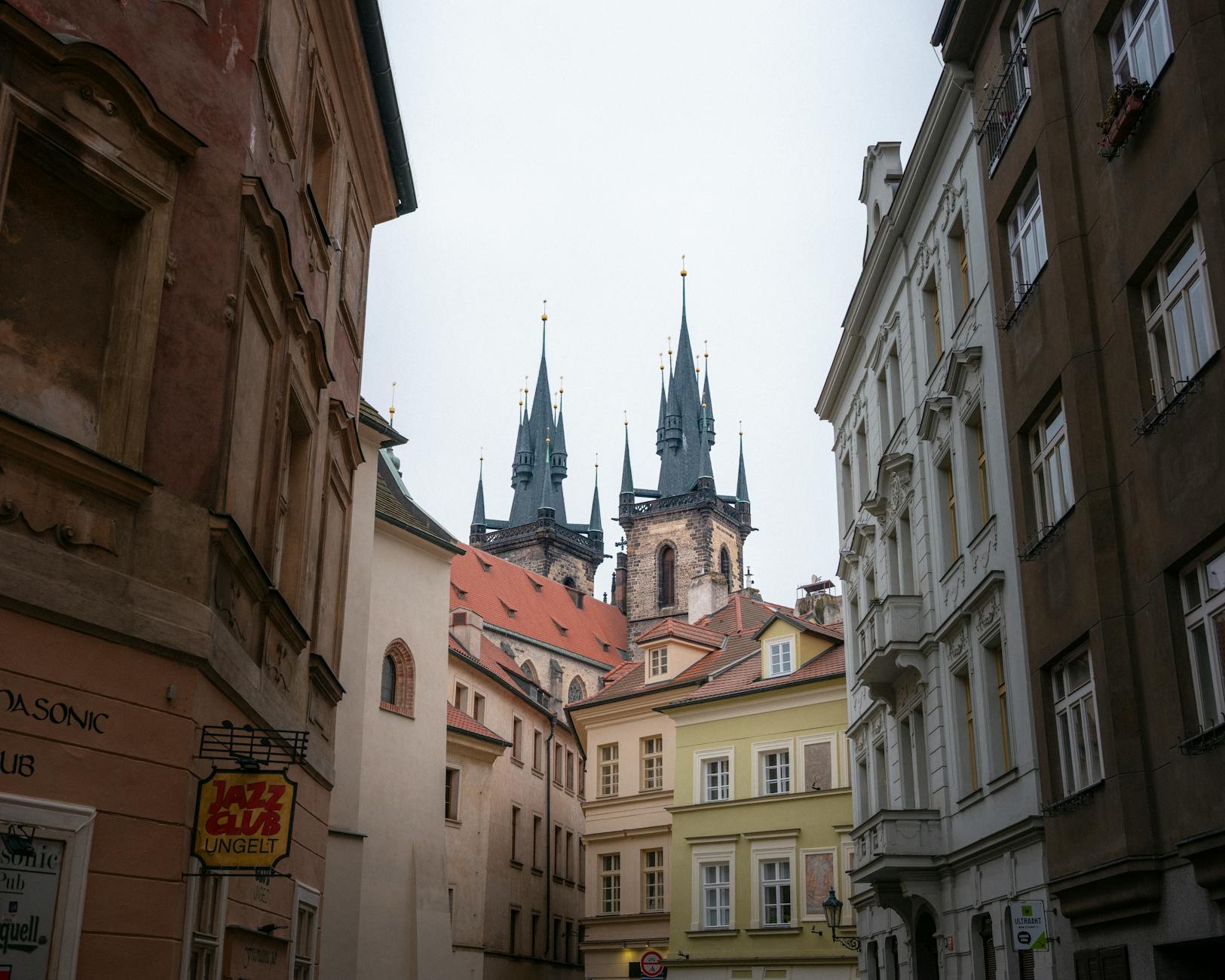
Prague can look like a city built for religious travel: cathedral towers, baroque churches, monastic libraries, chapels, Jewish heritage sites, pilgrimage objects, cemeteries, and centuries of sacred art sit inside a compact visitor map. That compactness can mislead a traveler. A religious or pilgrimage trip is not the same as a sightseeing walk with churches added along the way. A strong Prague plan starts with purpose. A traveler attending Mass, visiting the Infant Jesus of Prague, following Jewish heritage, studying sacred architecture, traveling with a parish group, or seeking personal reflection needs different timing, access checks, pacing, conduct, and neighborhood choices.
Define the spiritual purpose before the itinerary
A Prague religious trip should begin with the reason for travel. A Catholic pilgrimage to the Infant Jesus of Prague, a visit centered on St. Vitus Cathedral, a Jewish heritage itinerary, a parish group program, a sacred music trip, an architecture study, or a quiet personal retreat will not use the city in the same way. The traveler should state the purpose before choosing sites.
Without that discipline, Prague's churches become a checklist. The better plan protects the visits that matter most and treats secondary sites as optional, especially when opening hours, services, group movement, or fatigue compress the day.
- Clarify whether the trip is worship, pilgrimage, heritage, study, group travel, or personal reflection.
- Identify the few sacred visits that must not be crowded out by ordinary sightseeing.
- Leave optional churches and monuments as secondary choices rather than fixed obligations.
Check sacred-site access and operating rhythm
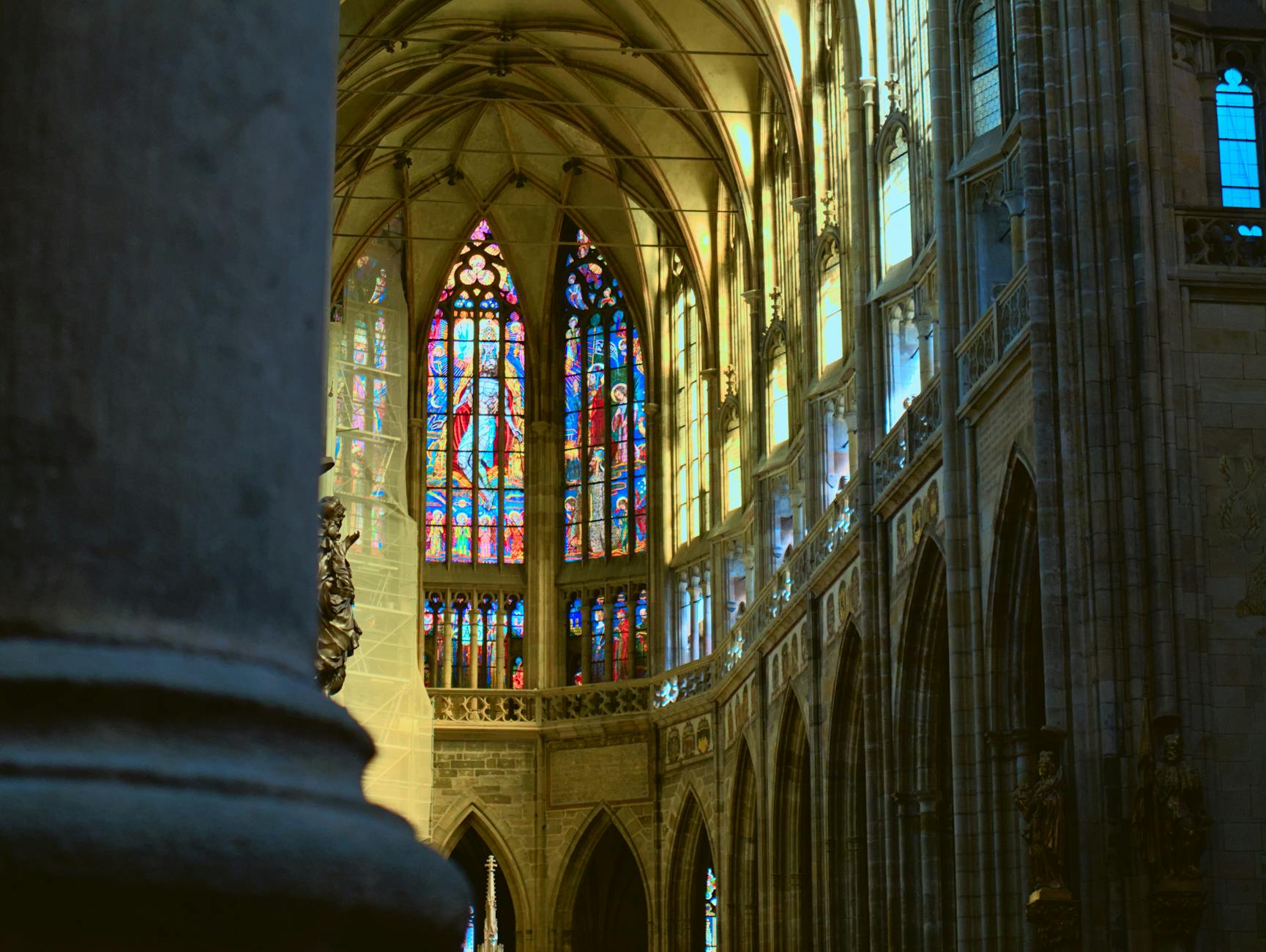
Prague's religious sites do not operate only as attractions. St. Vitus Cathedral, Loreta, the Church of Our Lady Victorious, St. Nicholas Church, Tyn Church, Strahov, the Jewish Quarter sites, cemeteries, chapels, and smaller parish churches can have worship times, ticketed areas, group limits, restoration work, security lines, or restricted photography.
The traveler should check hours close to departure, especially around holidays, concerts, feast days, winter schedules, and private events. A pilgrimage schedule that assumes every church is open whenever the group arrives is fragile.
- Verify hours, services, tickets, closures, concerts, group rules, and photography limits.
- Separate worship access from museum or tourist access when sites have multiple modes.
- Build alternatives for closures or queues at the castle, Loreta, Strahov, and Jewish Quarter sites.
Separate worship from sightseeing time
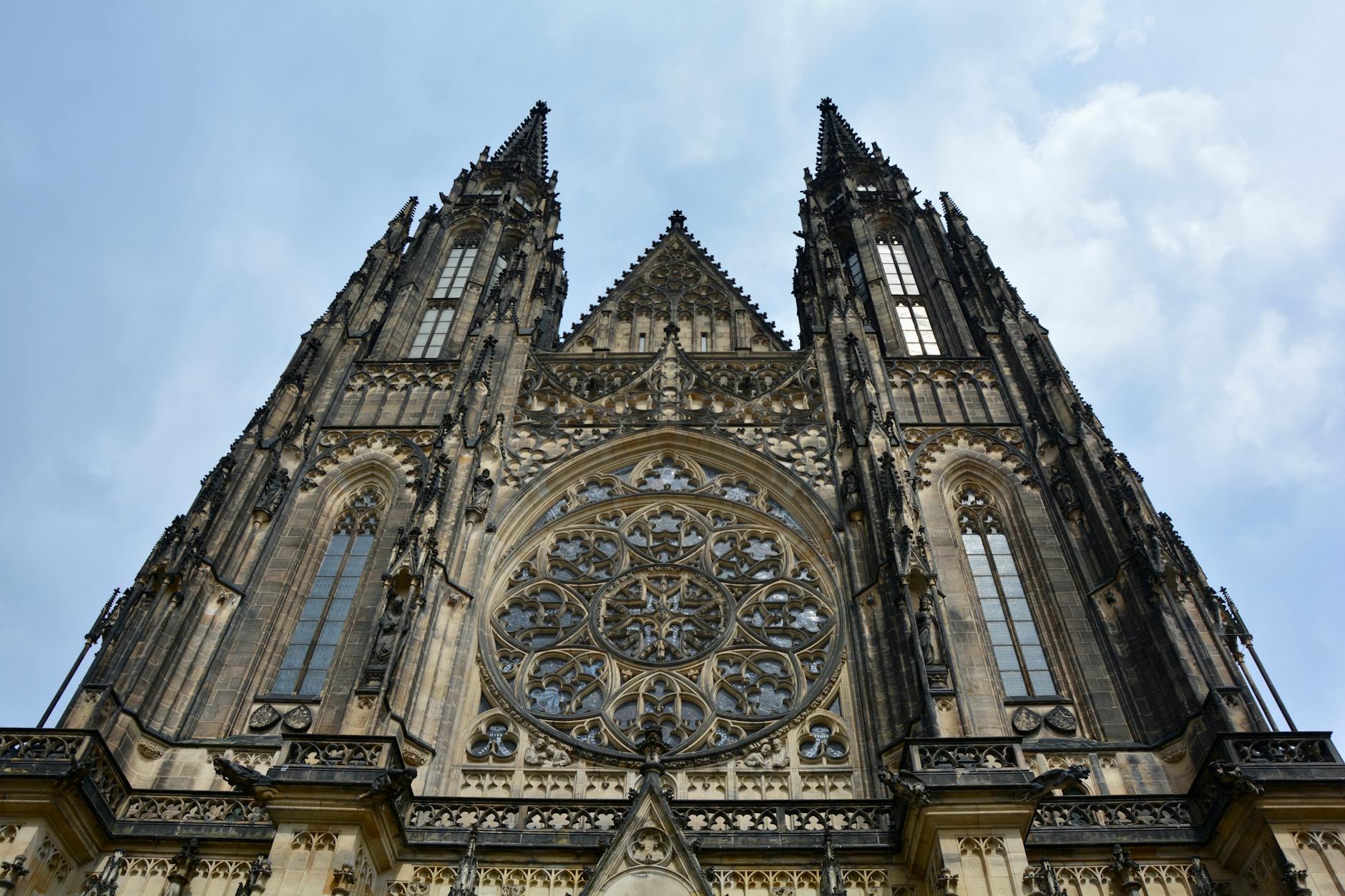
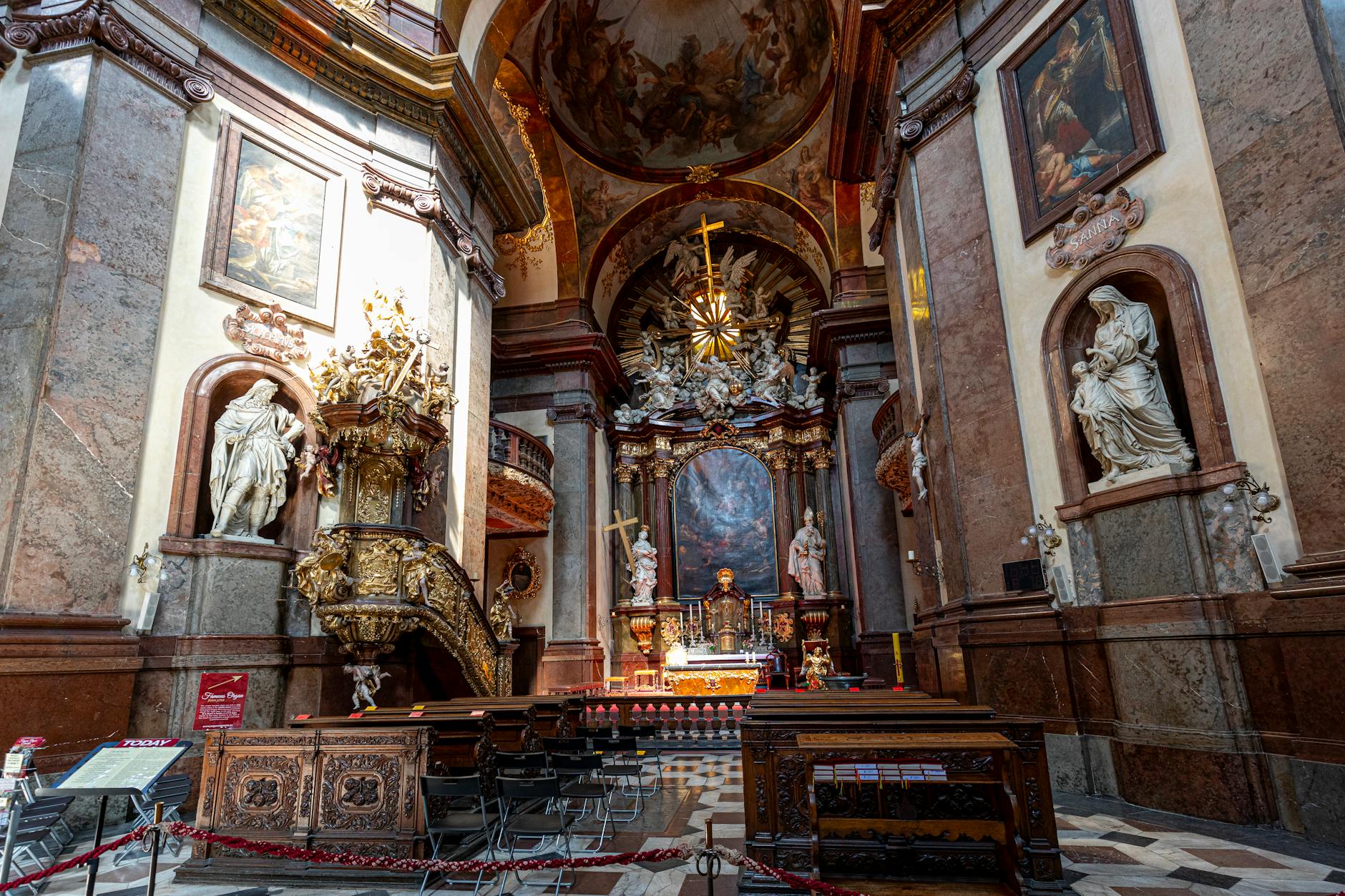
A religious traveler should protect time that is not treated as a photo stop. Mass, prayer, candle lighting, confession, personal reflection, music, a guided theological visit, or a cemetery visit may need unhurried space. Prague's central crowds can make that difficult unless the itinerary intentionally separates devotional time from ordinary touring.
The plan should also account for meals, restrooms, walking between sites, and quiet recovery after dense historical material. A day that moves from church to church without pauses can become physically efficient but spiritually thin.
- Reserve unhurried time for worship, prayer, reflection, music, or guided religious context.
- Avoid treating every sacred site as only a viewpoint or architectural stop.
- Use meal, rest, and quiet blocks to keep the trip purposeful rather than rushed.
Plan conduct, dress, and photography in advance
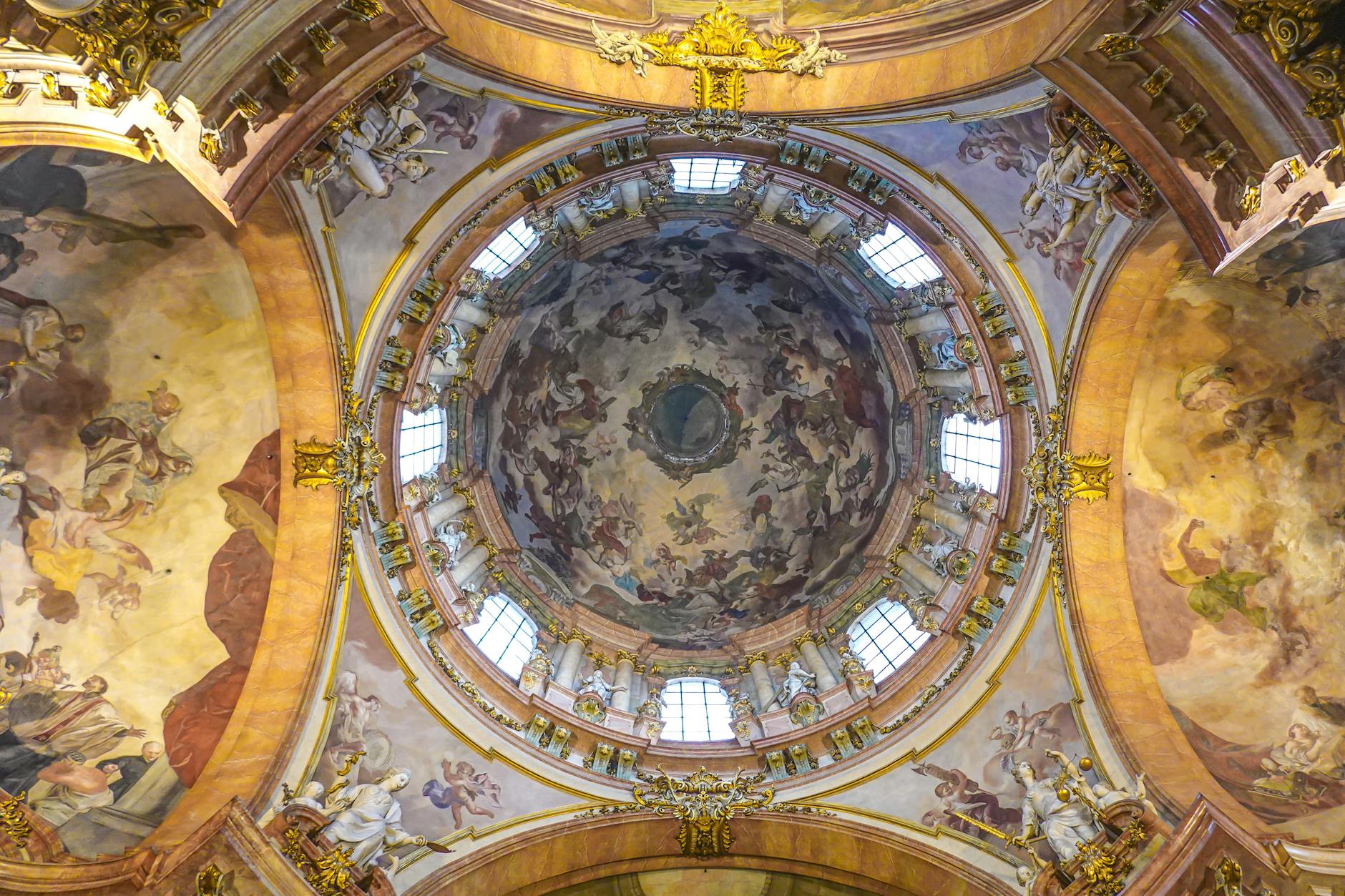
Prague's sacred spaces are heavily visited, but they are not neutral backdrops. Travelers should plan modest dress where appropriate, quiet conduct, phone discipline, group spacing, and photography restraint. A site may allow photos technically while still deserving discretion during worship, private prayer, or encounters with local congregants.
Group leaders should set expectations before arrival. It is easier to prevent noise, flash, blocked aisles, and careless selfies than to correct them inside a church, synagogue area, cemetery, or chapel.
- Prepare dress, phone use, quiet conduct, group spacing, and photography rules before arrival.
- Respect worshippers, cemetery settings, private prayer, clergy, staff, and local congregations.
- Give group members clear behavior expectations before entering sacred spaces.
Account for hills, cobblestones, stairs, and weather
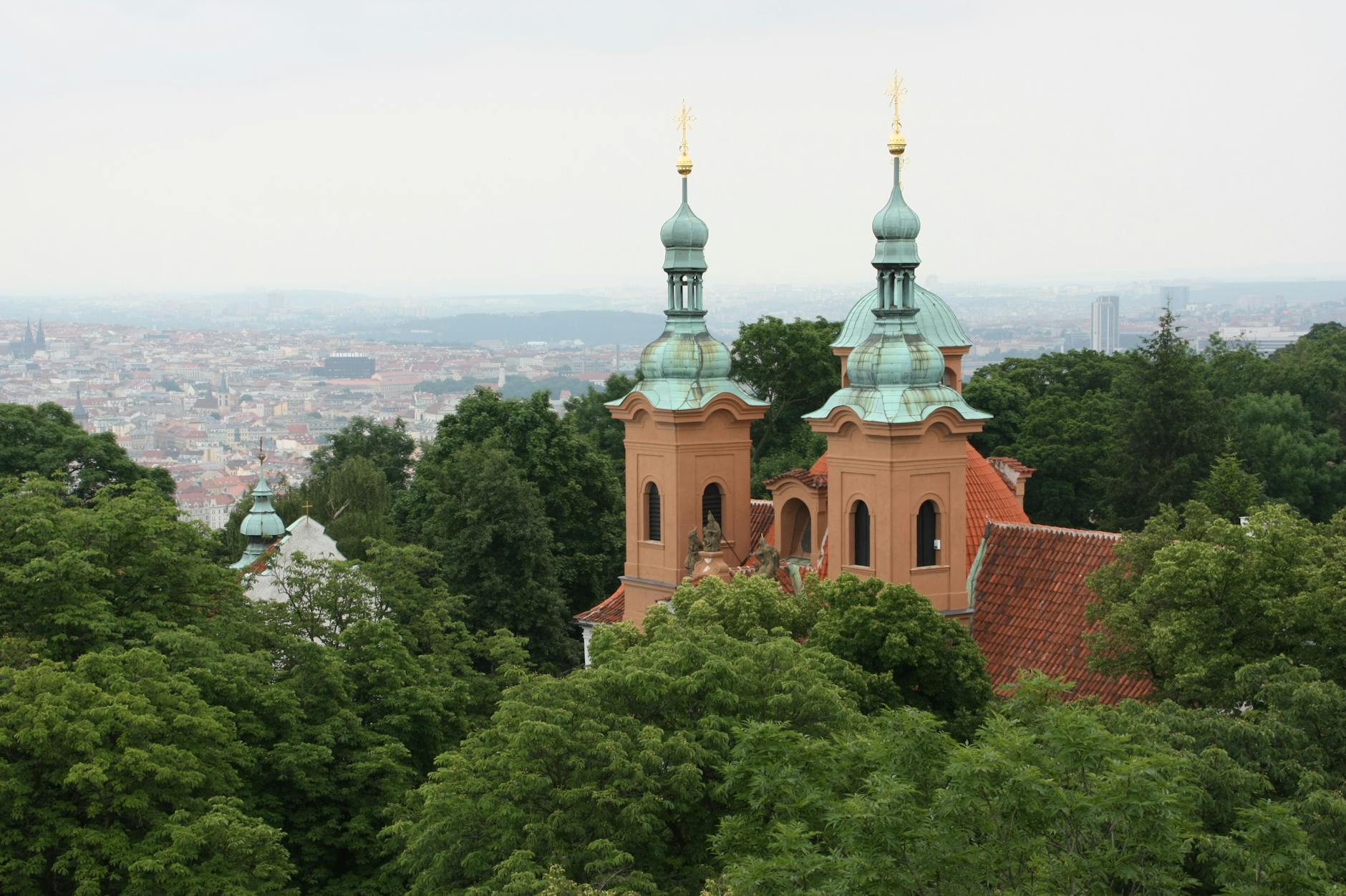
Religious sites in Prague can require more physical effort than the map suggests. Prague Castle, Loreta, Strahov, Mala Strana churches, bridges, old lanes, and elevated viewpoints involve hills, cobblestones, steps, uneven paving, and crowded pedestrian zones. Winter cold, summer heat, rain, and slippery stone can change the day quickly.
Pilgrimage groups should be honest about pace, mobility, footwear, seating, rest stops, taxis, tram options, and whether a site is worth the physical cost for every traveler. Reverent travel should not depend on ignoring bodies.
- Plan for hills, cobblestones, steps, crowds, cold, heat, rain, and slippery paving.
- Match sites to the mobility, stamina, footwear, and rest needs of the group.
- Use trams, taxis, seating breaks, and shorter routes when the spiritual purpose does not require strain.
Handle heritage and history with care
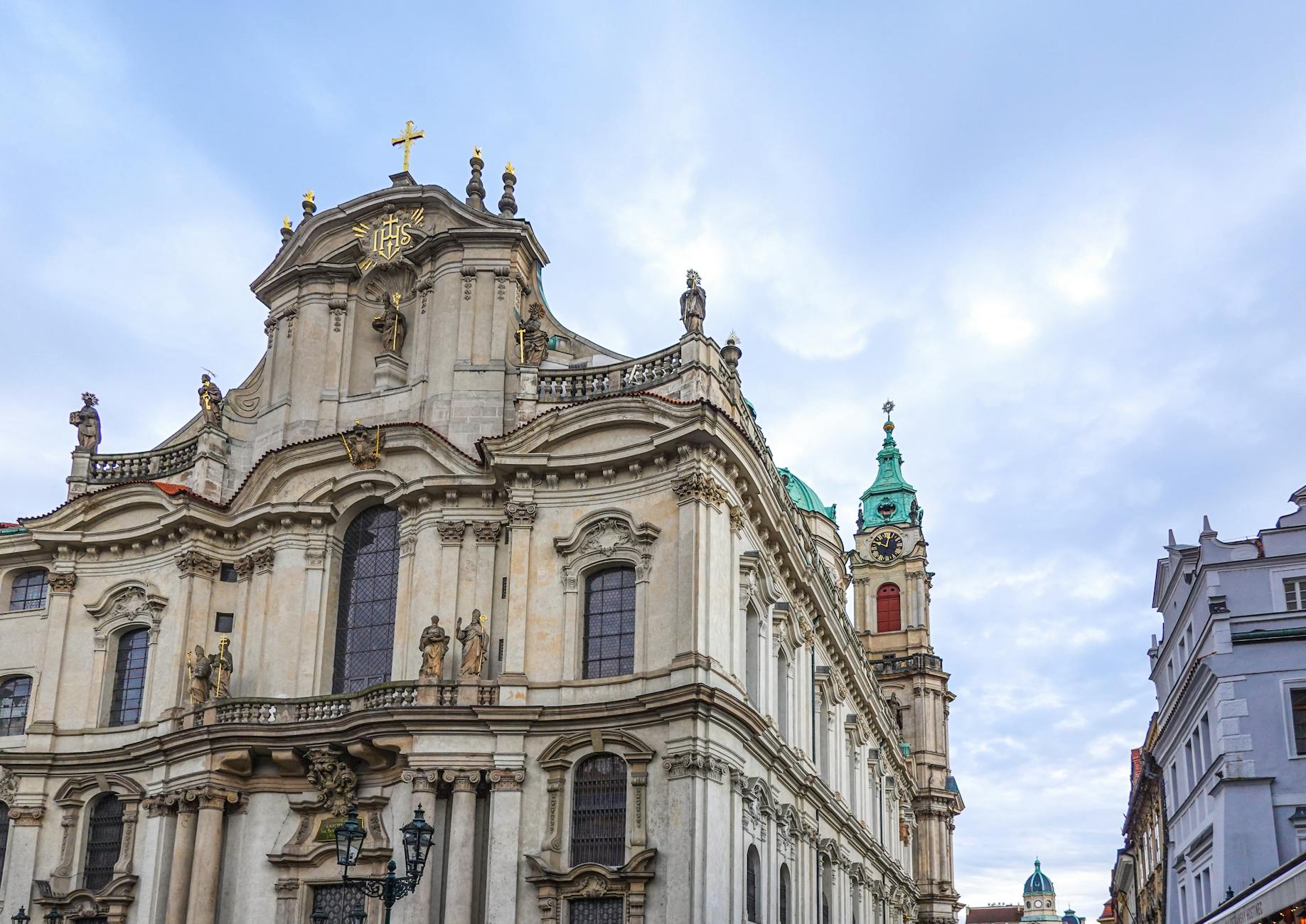
Prague's religious landscape includes beauty, power, violence, survival, nationalism, empire, reform, Catholic devotion, Jewish life, war memory, and modern tourism. A traveler should avoid flattening that history into attractive interiors. Jewish Quarter visits, cemetery stops, Holocaust memory, baroque triumphal art, and Reformation history need context and respect.
For multi-faith families or mixed groups, the itinerary should explain why each stop is included. A stronger trip gives travelers enough context to understand a site before asking them to react emotionally.
- Use context for Jewish heritage, Catholic devotion, Reformation history, war memory, and sacred art.
- Avoid turning cemeteries, synagogues, chapels, or trauma-linked sites into casual scenery.
- Explain why each stop belongs in the itinerary, especially for mixed-faith groups.
When to order a short-term travel report
A religious traveler with one simple church visit and flexible time may not need a custom Prague report. A report becomes useful when worship times, sacred-site access, Jewish or Christian heritage, group pacing, mobility, language, clergy contact, holidays, lodging, or crowd timing could determine whether the trip works.
The report should test purpose, site sequence, service access, tickets, dress, conduct, mobility, transport, quiet time, weather, lodging, meals, budget, and what to cut. The value is a Prague religious itinerary that respects the city and the traveler instead of treating sacred places as decorative stops.
- Order when worship, heritage sites, group movement, mobility, language, or holiday timing need testing.
- Provide faith tradition, priorities, dates, group size, mobility needs, lodging options, and budget.
- Use the report to keep sacred purpose stronger than the city's tourist momentum.