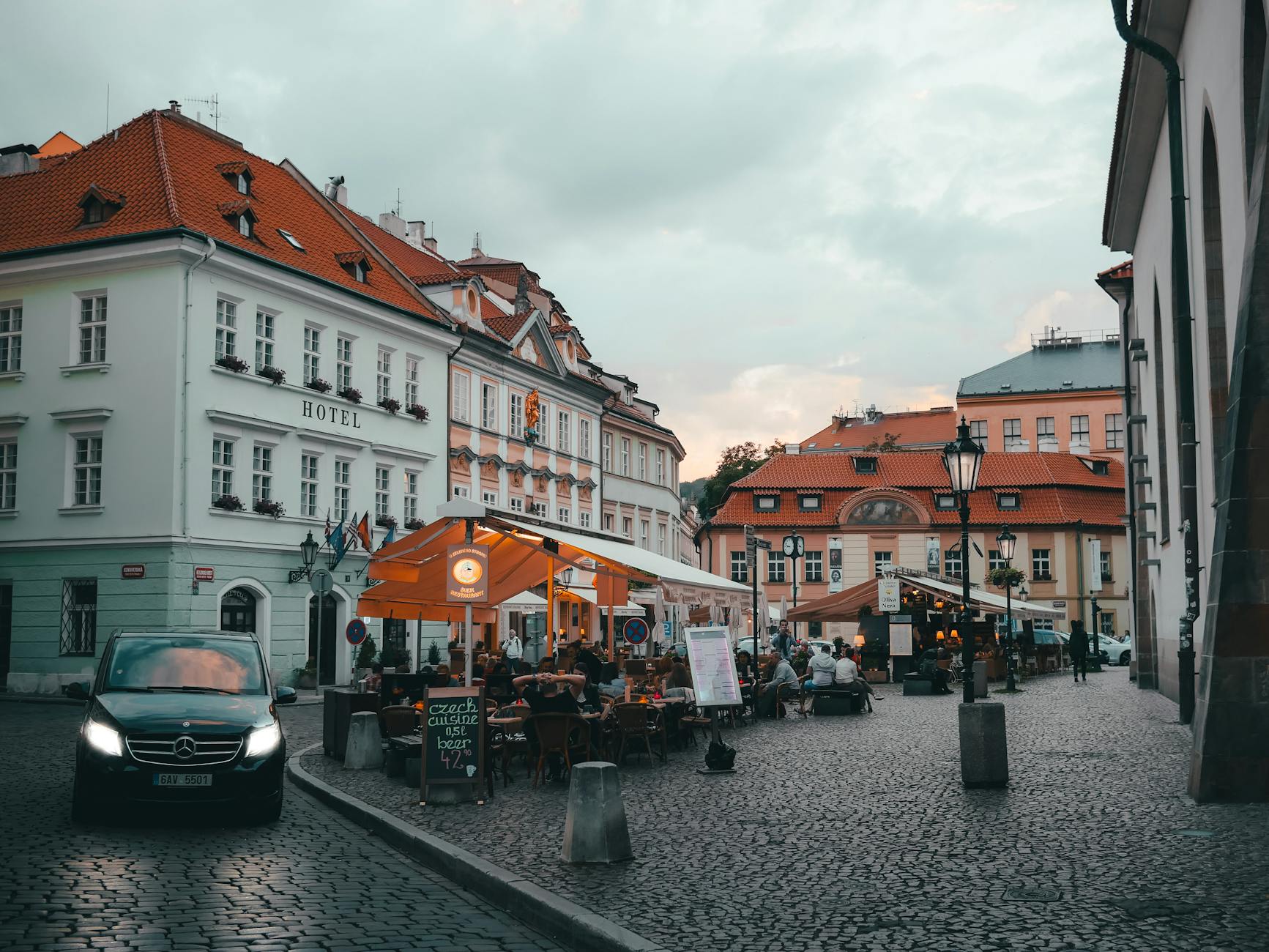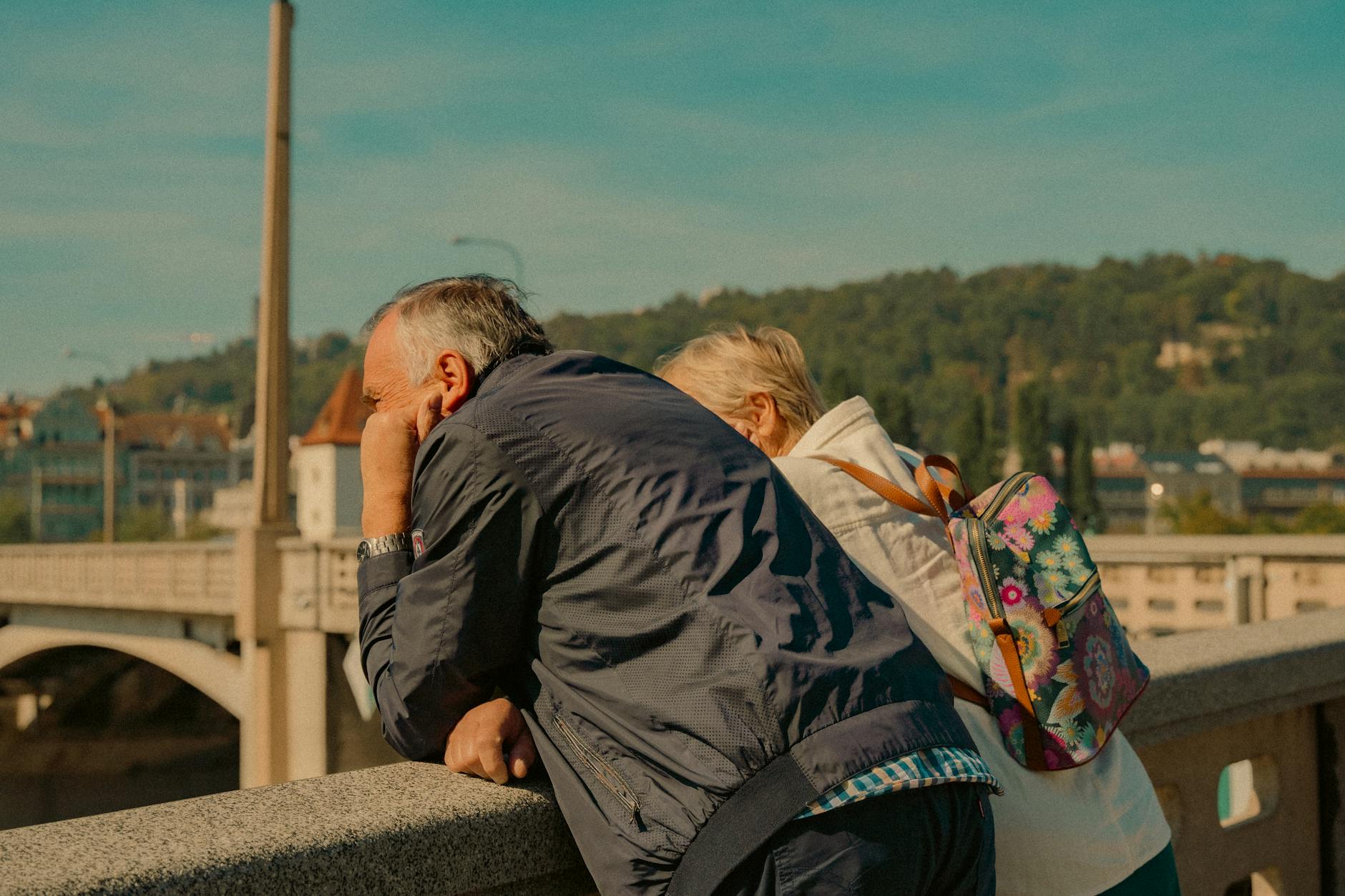
Prague can be excellent for older travelers because it offers history, music, river views, cafes, trams, museums, and compact neighborhoods. It can also be physically demanding. Cobblestones, slopes, stairs, crowds, winter weather, summer heat, and older buildings without easy access can change the trip quickly. The right Prague plan is not less ambitious. It is more deliberate. Older travelers often get the best version of the city when hotel access, route effort, rest breaks, medical needs, and crowd timing are planned before the famous sights are arranged.
Match the route to real mobility
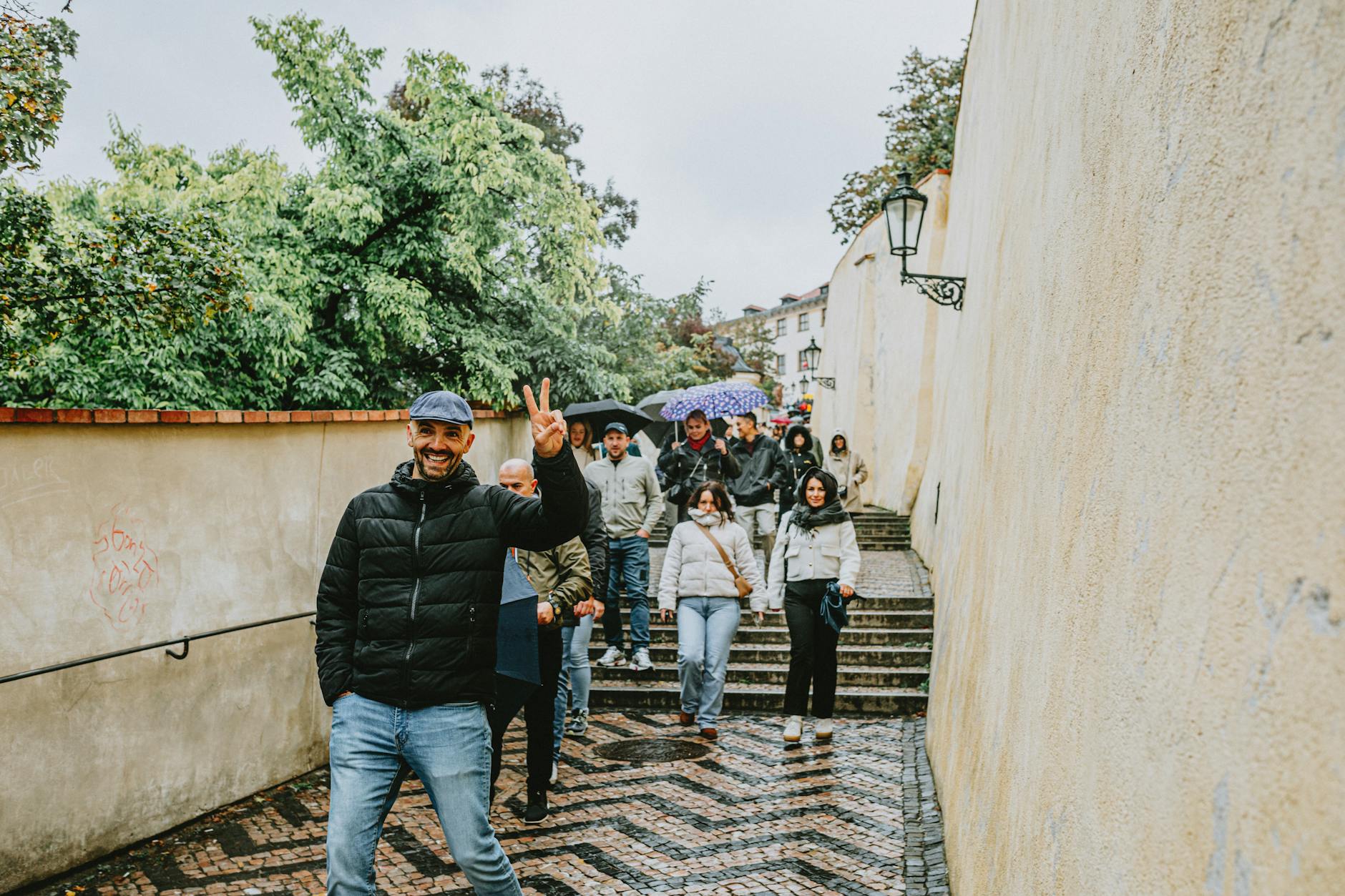
An older traveler should plan Prague by real walking capacity, not by map distance. Old Town, Charles Bridge, Mala Strana, Prague Castle, and river viewpoints can look close but involve cobblestones, inclines, stairs, crowds, and long periods without comfortable seating. A strong route should reduce unnecessary climbs and backtracking.
This does not mean skipping the city. It means choosing the order, transport, and breaks carefully enough that the traveler can enjoy the important places without spending the trip recovering from them.
- Plan around walking capacity, stairs, cobblestones, inclines, crowds, and seating needs.
- Use route order and transit to reduce backtracking and repeated climbs.
- Choose fewer strong stops over a physically punishing checklist.
Choose lodging for access and recovery
Hotel choice matters more for older travelers in Prague than it may appear. Elevators, step-free entry, air conditioning, bathroom safety, quiet rooms, taxi access, breakfast, nearby restaurants, and tram or metro proximity can determine whether the traveler has enough energy for the city.
A central historic hotel may be beautiful but difficult if it has stairs, small elevators, noise, or awkward vehicle access. The traveler should read access details and recent reviews closely, not only location scores.
- Check elevators, step-free entry, bathrooms, air conditioning, quiet rooms, and taxi access.
- Prioritize nearby meals, transit, and recovery over pure charm.
- Read recent reviews for stairs, noise, room access, and practical comfort.
Use trams, taxis, and pauses strategically
Prague's trams and metro can make the city much easier, but the traveler should still check stop locations, stairs, escalators, ticketing, and walking distance from platforms. Taxis or ride-hail may be better for late returns, rain, luggage, steep routes, or medical fatigue.
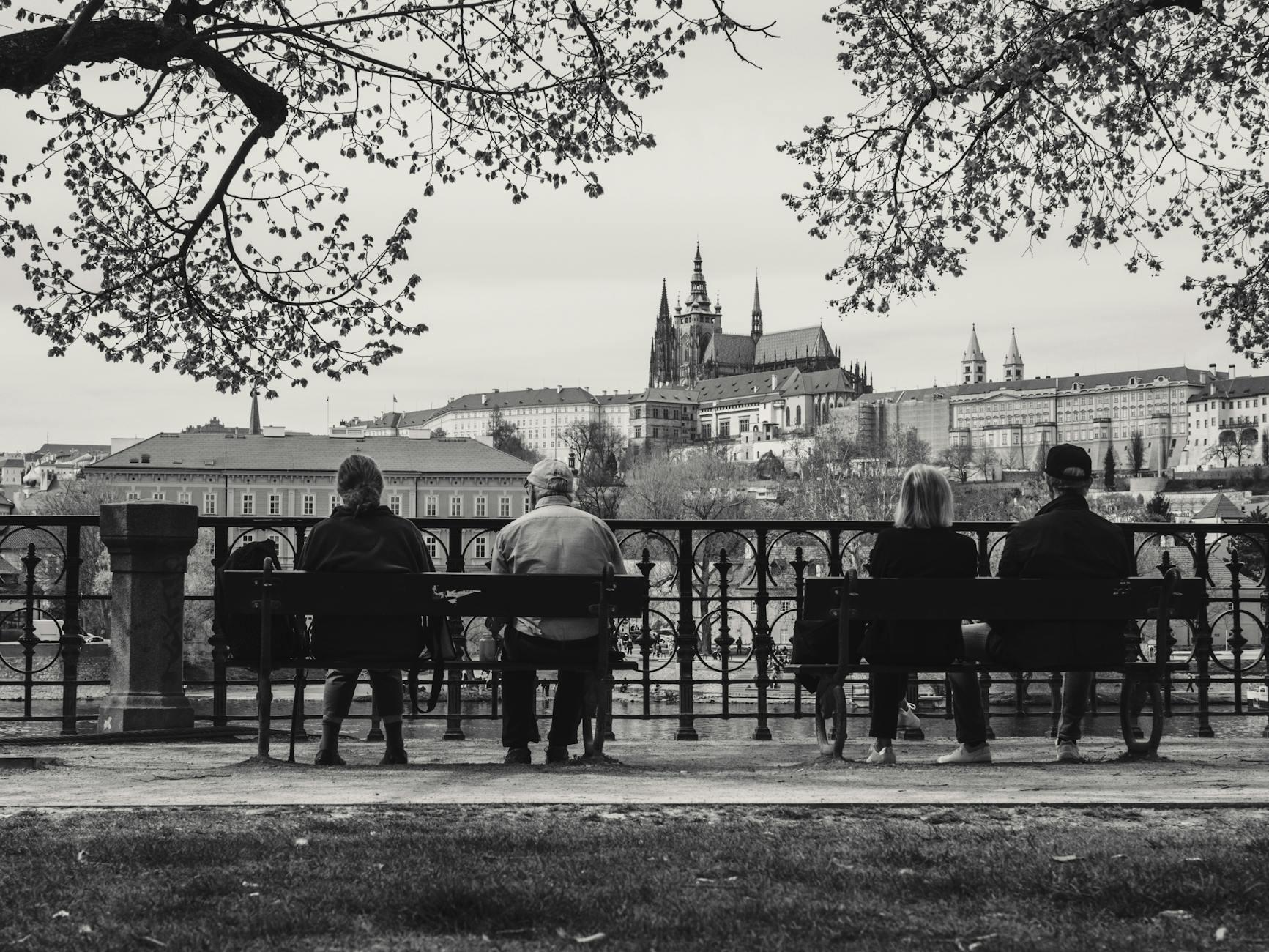
Pauses should be part of the itinerary. Cafes, benches, river viewpoints, hotel breaks, and slower museum visits can turn a demanding day into a manageable one.
- Check tram and metro stops, stairs, escalators, tickets, and final walking distance.
- Use taxis for rain, steep routes, luggage, late returns, or fatigue.
- Build cafe, bench, viewpoint, museum, and hotel breaks into the day.
Plan for weather and medical needs
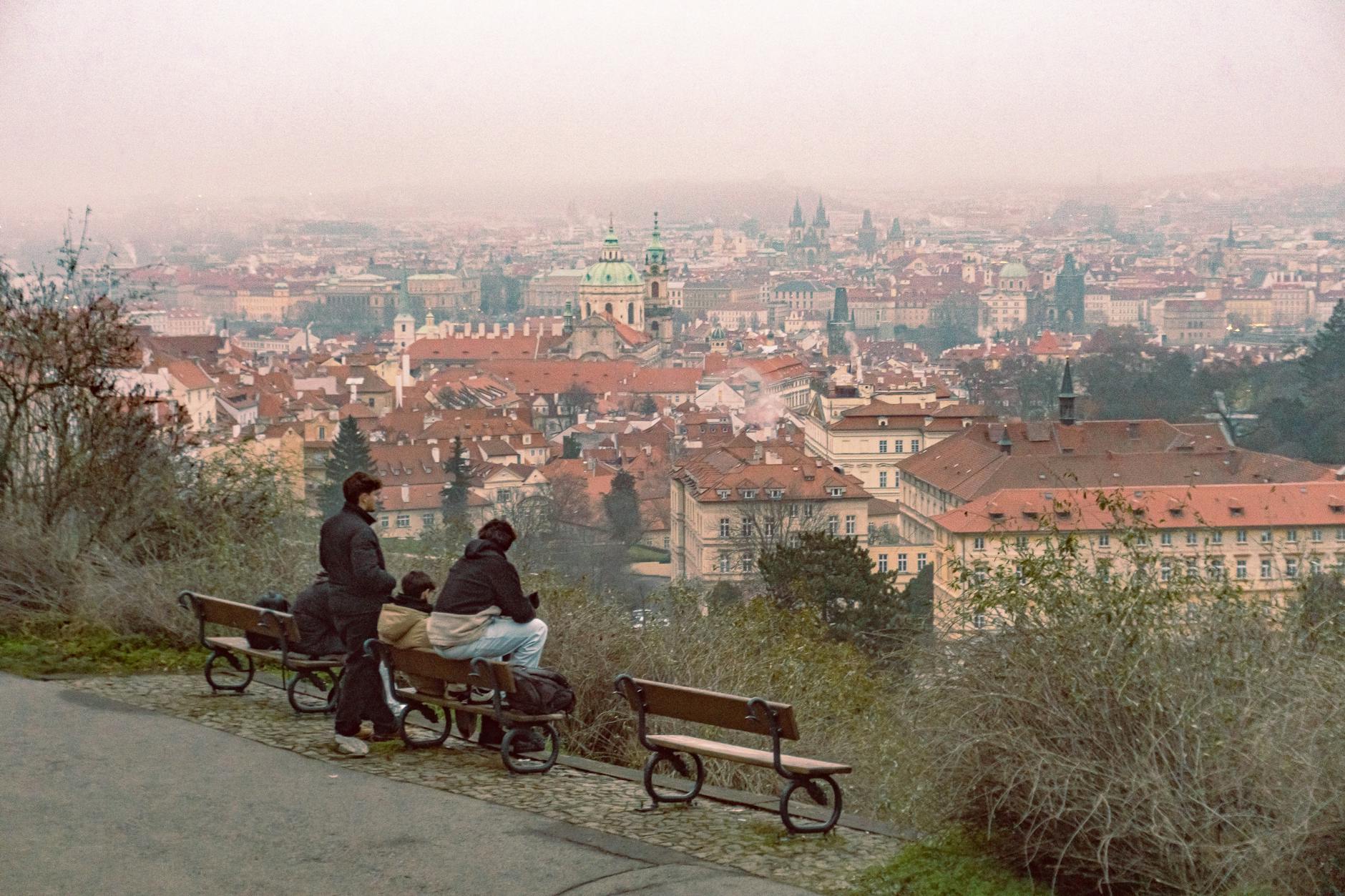
Weather can change the effort level of Prague travel. Winter ice, wet cobblestones, summer heat, wind near the river, and long exposed waits can affect balance, stamina, medication timing, and comfort. The traveler should pack and schedule for the actual season, not a generic European city break.
Medical planning should include prescriptions, pharmacies, insurance, mobility aids, hydration, restrooms, dietary needs, and what to do if a day needs to be shortened. A good plan leaves room to adapt without losing the whole trip.
- Plan shoes, layers, rain gear, sun protection, hydration, and heat or ice precautions.
- Carry medication, prescriptions, insurance details, and pharmacy information.
- Build flexible days so illness, fatigue, or weather can shorten the route without ruining the trip.
Avoid crowd-heavy timing
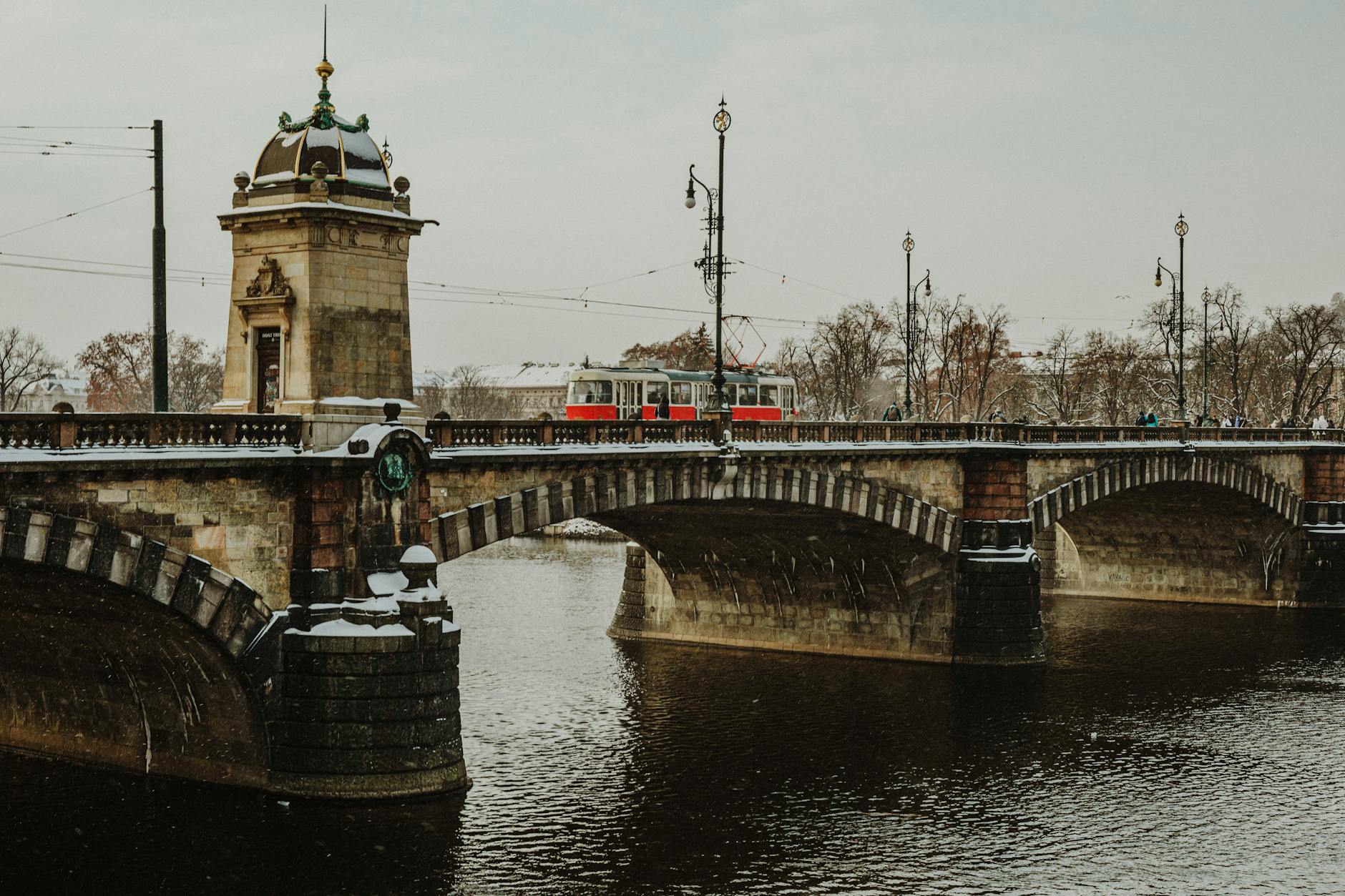
Crowds can be more than an annoyance for older travelers. They can make walking slower, seating harder to find, toilets less convenient, and pickpocket risk more relevant. Charles Bridge, Old Town Square, castle routes, Christmas markets, and peak summer streets should be timed with care.
The traveler should use early starts, slower lunch windows, quieter neighborhoods, and reserved tickets where useful. The goal is not to avoid Prague's famous places; it is to see them under conditions that are actually enjoyable.
- Time Charles Bridge, Old Town Square, castle routes, and markets around crowd pressure.
- Use early starts, reserved tickets, quieter streets, and planned lunch breaks.
- Treat toilets, seating, and crowd movement as real logistics.
Make meals and culture comfortable
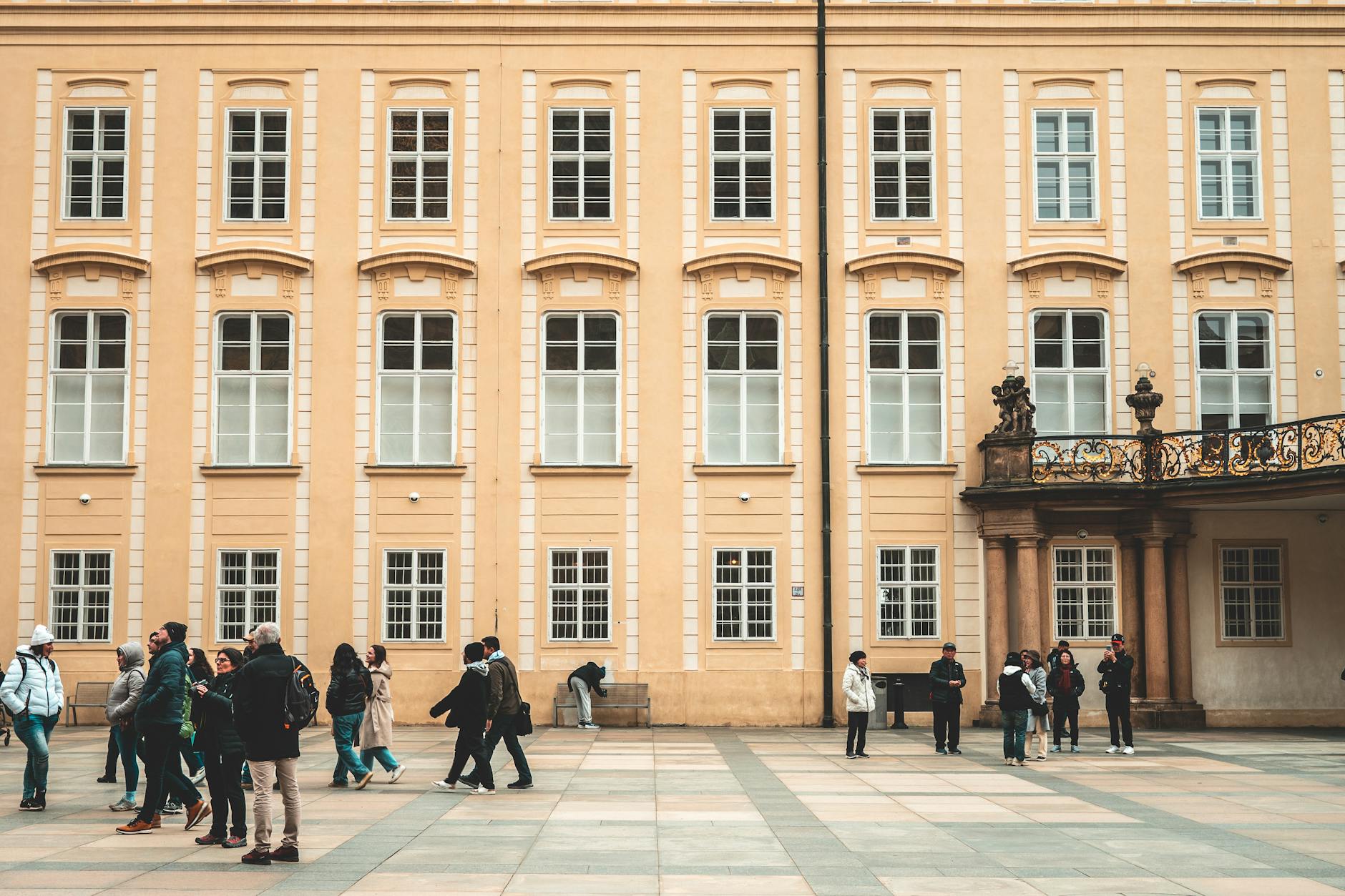
Older travelers may get more from Prague by choosing comfortable meals, music, museums, river views, and cafes rather than late, crowded, standing-heavy plans. Restaurant stairs, noise, seating, toilet access, dietary needs, and reservation timing should be checked, especially in historic areas.
Cultural experiences should fit the body's rhythm. A concert, guided tour, river view, or museum visit can be excellent if it does not require too much standing, difficult late transport, or a long walk back afterward.
- Check restaurant stairs, seating, noise, toilets, dietary fit, and reservation timing.
- Choose concerts, tours, museums, cafes, and river views that match stamina.
- Plan the return route before committing to evening events.
When to order a short-term travel report
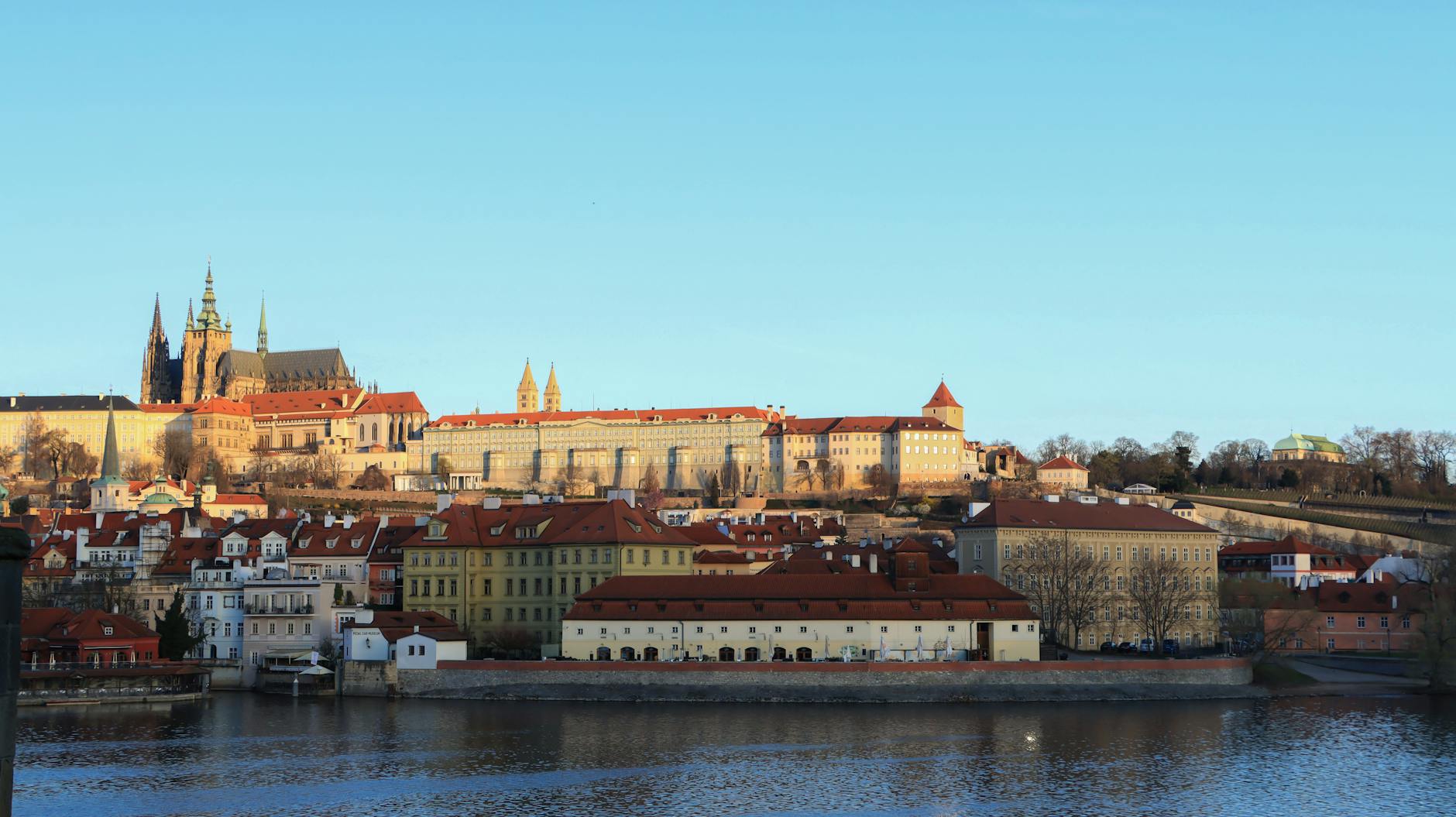
An older traveler with high mobility, flexible dates, and a simple itinerary may not need a custom Prague report. A report becomes useful when hotel access, walking tolerance, weather, medical needs, crowd timing, restaurant comfort, transit choices, or family pacing could determine whether the trip succeeds.
The report should test lodging access, route effort, tram and taxi use, rest breaks, toilets, seating, weather, medication logistics, meal comfort, tickets, budget, and what to cut. The value is a Prague trip that remains rich without forcing the traveler to fight the city all day.
- Order when mobility, hotel access, weather, medical needs, crowds, meals, or transit need testing.
- Provide dates, hotel options, walking tolerance, medical constraints, must-see places, budget, and pace.
- Use the report to make Prague comfortable enough to enjoy deeply.