Prague can serve luxury travelers very well, but the city does not become effortless just because the budget is high. The best rooms, tables, guides, drivers, concert seats, and private experiences still depend on location, timing, season, and how much crowd exposure the traveler is willing to tolerate. The right Prague luxury plan is selective. It should use money to buy access, quiet, timing, expertise, comfort, and recovery, not simply add more premium items to a crowded itinerary.
Choose the hotel for control, not status
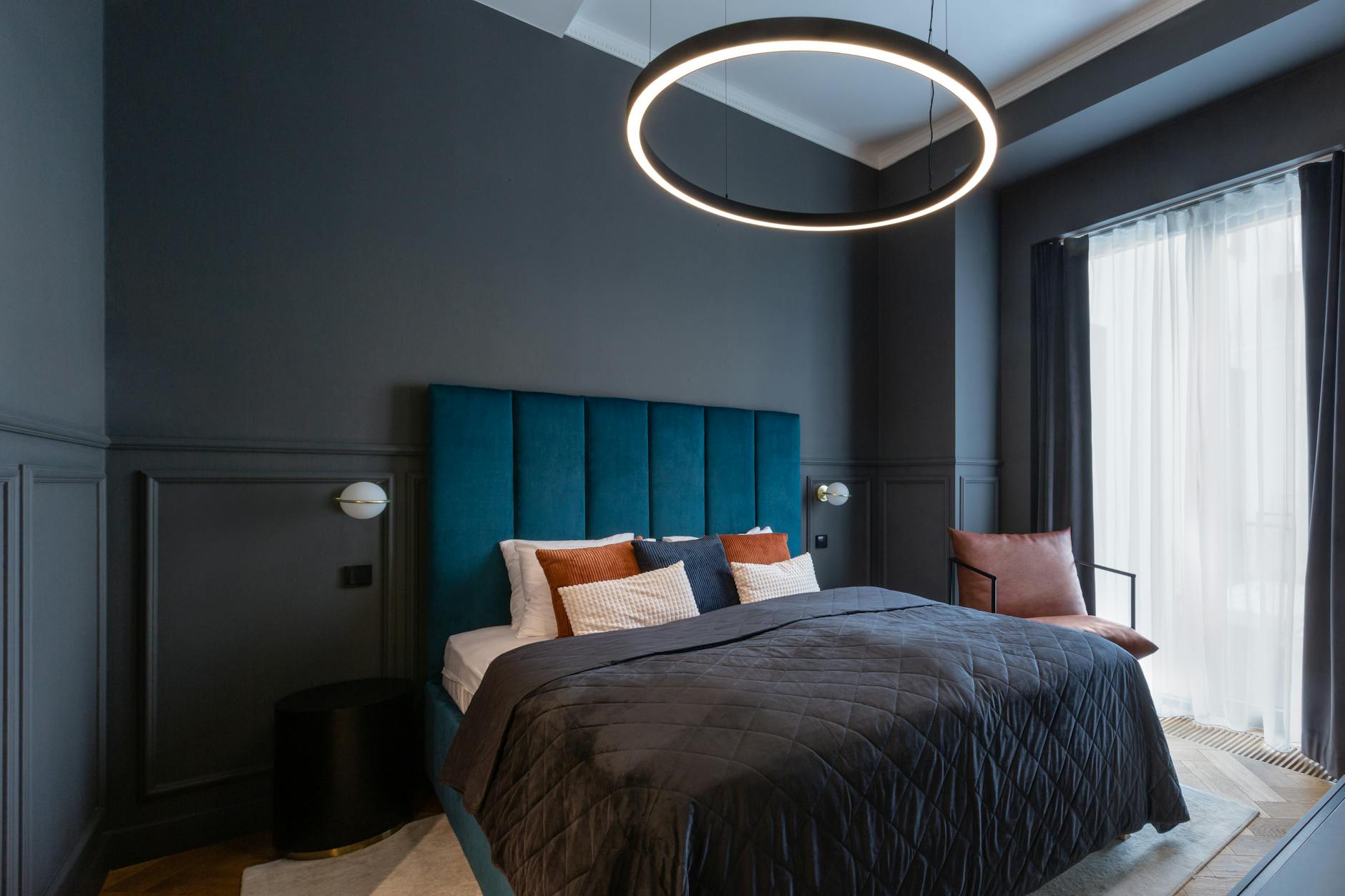
A luxury hotel in Prague should solve practical problems before it signals prestige. The traveler should assess suite layout, quiet, air conditioning, elevator access, vehicle approach, spa hours, breakfast, concierge quality, room service, and proximity to the experiences that matter. A famous address can still be awkward if every outing begins in a crowd.
Old Town, Mala Strana, Nove Mesto, and riverside locations all offer different tradeoffs. The right base should protect sleep, transfers, privacy, and easy returns after dinners or cultural events.
- Evaluate suites, quiet, air conditioning, elevator access, vehicle approach, spa, breakfast, and concierge depth.
- Choose location by privacy, transfers, dinner access, and crowd exposure.
- Do not let a prestigious address create needless daily friction.
Use private guiding for depth and timing
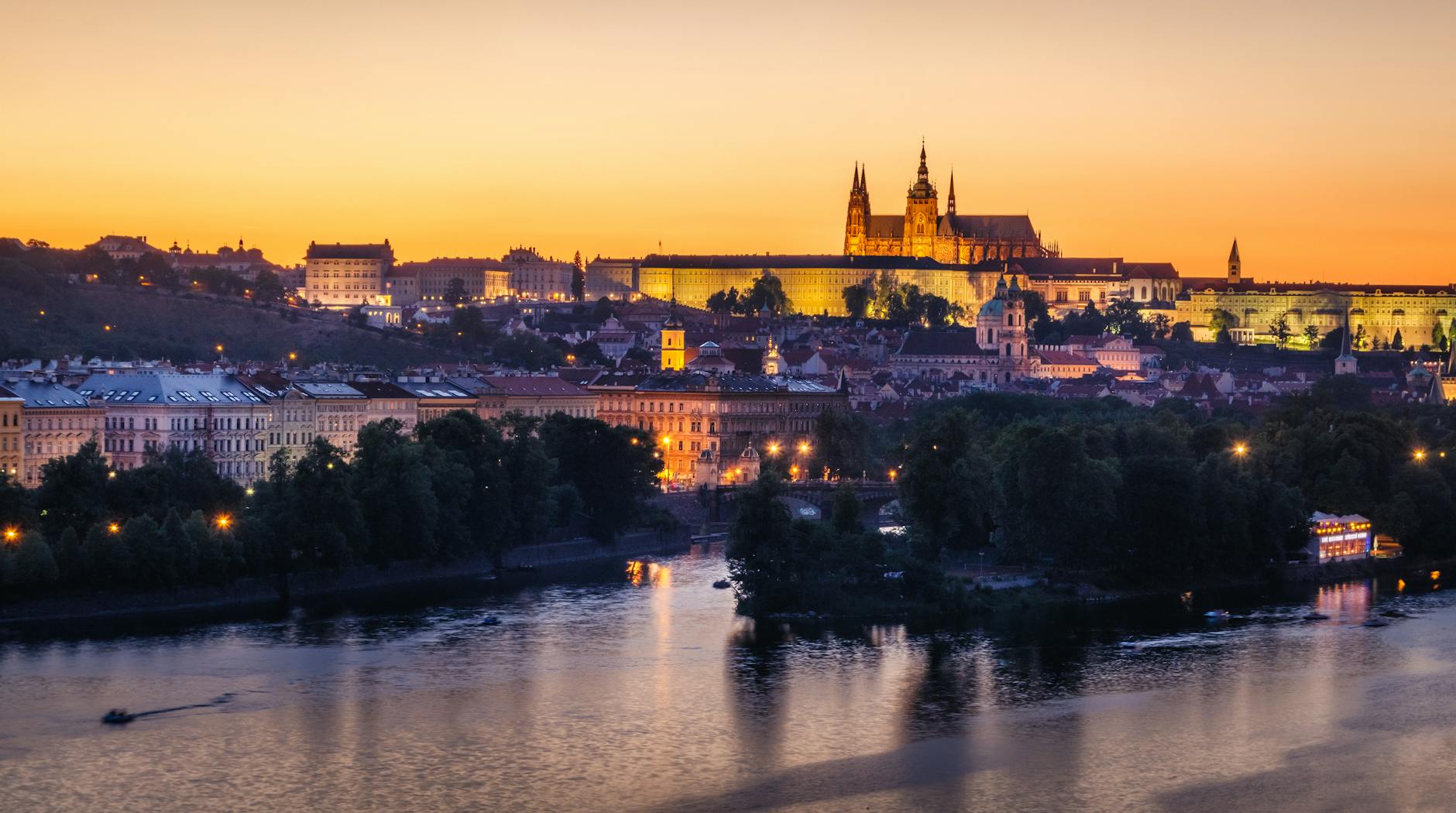
Prague's luxury value often comes from expertise rather than exclusivity. A strong private guide can shape Prague Castle, the Jewish Quarter, Old Town, architecture, music history, modern politics, or food culture around the traveler's interests. The guide can also manage crowd timing and route effort.
The traveler should clarify whether the guide is an art historian, licensed city guide, specialist, driver-guide, or general host. Those are different services, and each fits a different kind of trip.
- Use private guiding for history, architecture, music, Jewish heritage, food, or political context.
- Clarify guide qualifications, vehicle support, language, access, and exact route.
- Use timing expertise to reduce crowd exposure at major sights.
Make dining reservations strategic
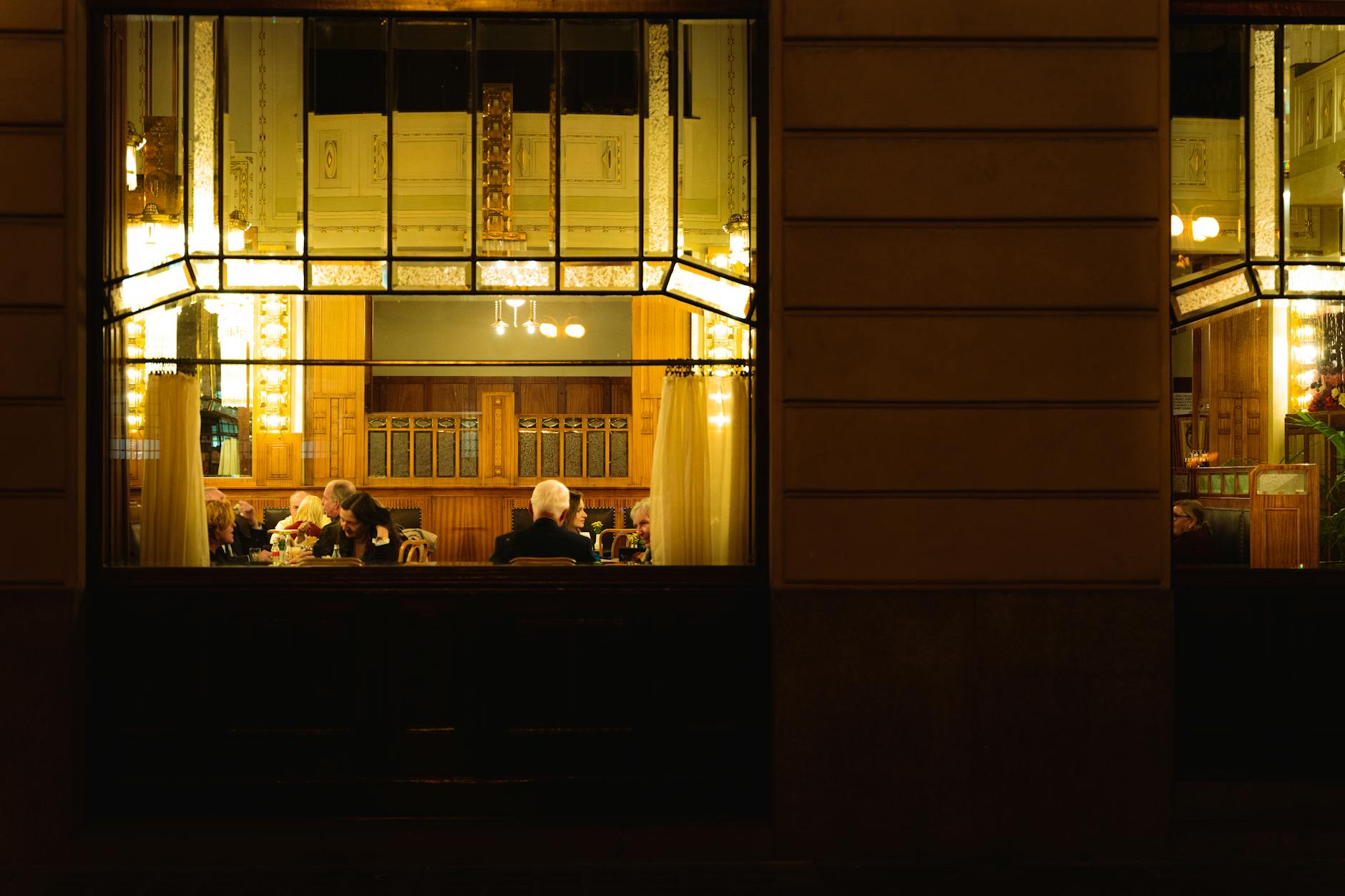
Fine dining in Prague should be matched to the trip's rhythm. A tasting menu after a long travel day, a late dinner before a private castle tour, or a loud room after a heavy meeting schedule may not feel luxurious. The traveler should plan restaurants around energy, transportation, dress, and whether the evening is meant for celebration, privacy, or local discovery.
Reservations, dietary notes, wine preferences, table location, cancellation rules, and driver timing should be handled early. Luxury dining feels different when the logistics disappear.
- Match tasting menus, wine, and late dinners to energy and next-day plans.
- Reserve early and note dietary needs, table preferences, dress, and cancellation terms.
- Coordinate drivers or easy return routes before the meal begins.
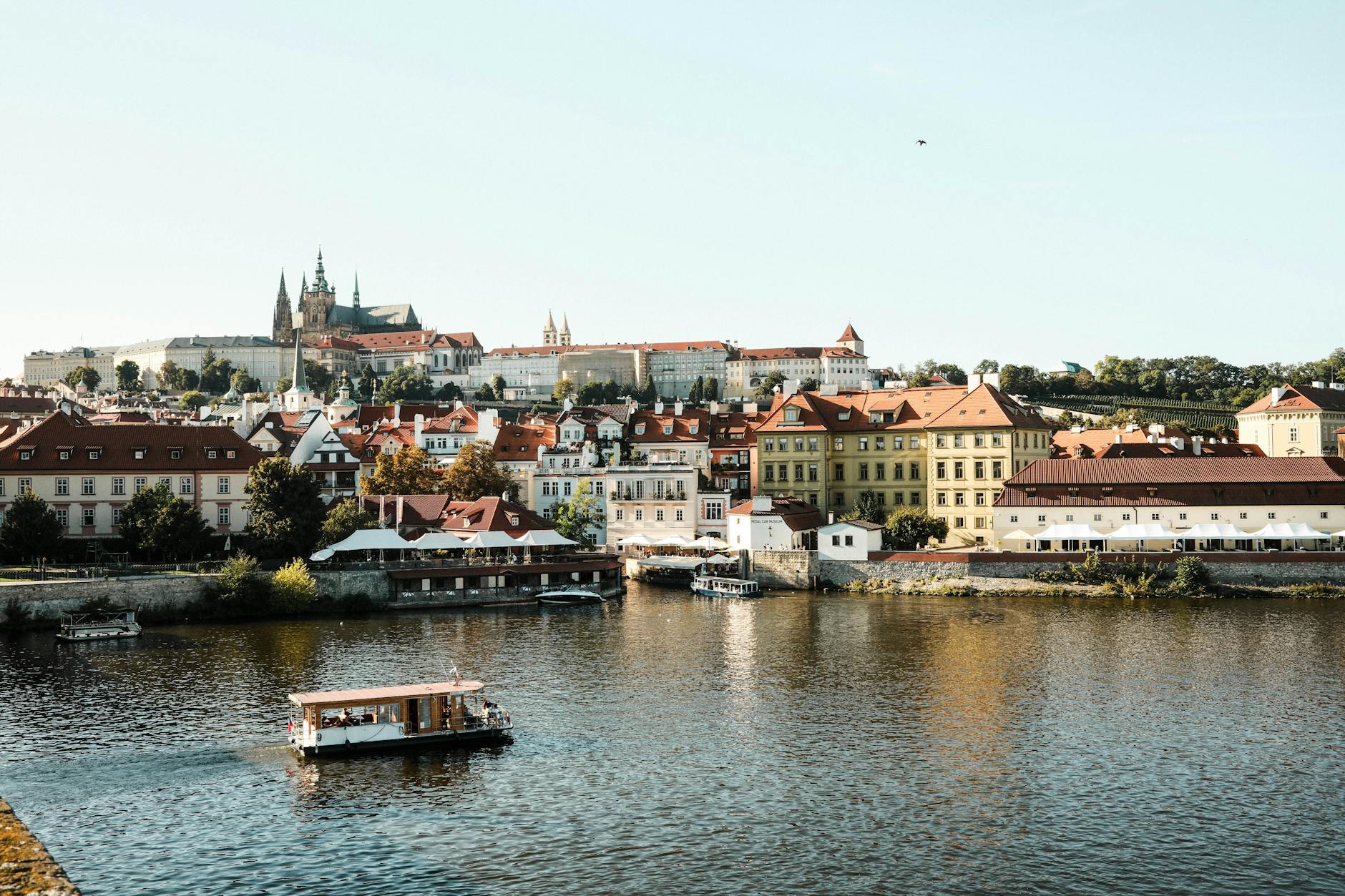
Plan culture with the right level of formality
Prague can support refined cultural travel through concerts, opera, chamber music, museum access, architecture tours, private viewings, and historic cafes. The traveler should check venue quality, seat location, dress expectations, start times, acoustics, and whether the experience is genuinely strong or merely packaged for tourists.
A luxury trip should avoid weak premium packaging. A quieter, better-curated cultural evening may be more valuable than an expensive but generic performance in a crowded hall.
- Check concert, opera, museum, and private tour quality before booking.
- Confirm seat location, dress, start time, transport, and post-event dining.
- Avoid paying premium prices for experiences built mainly for tourist volume.
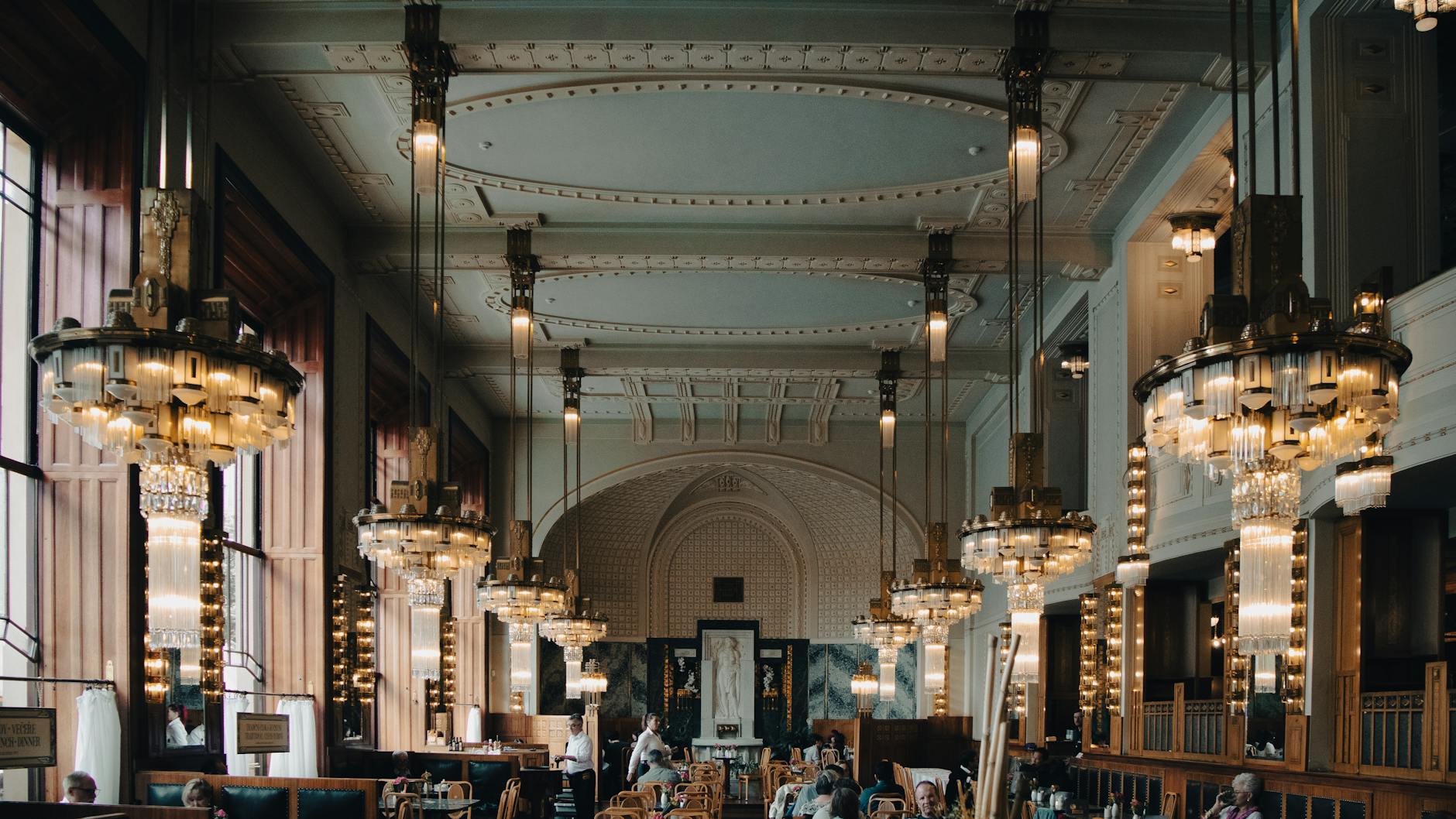
Reduce crowd exposure deliberately
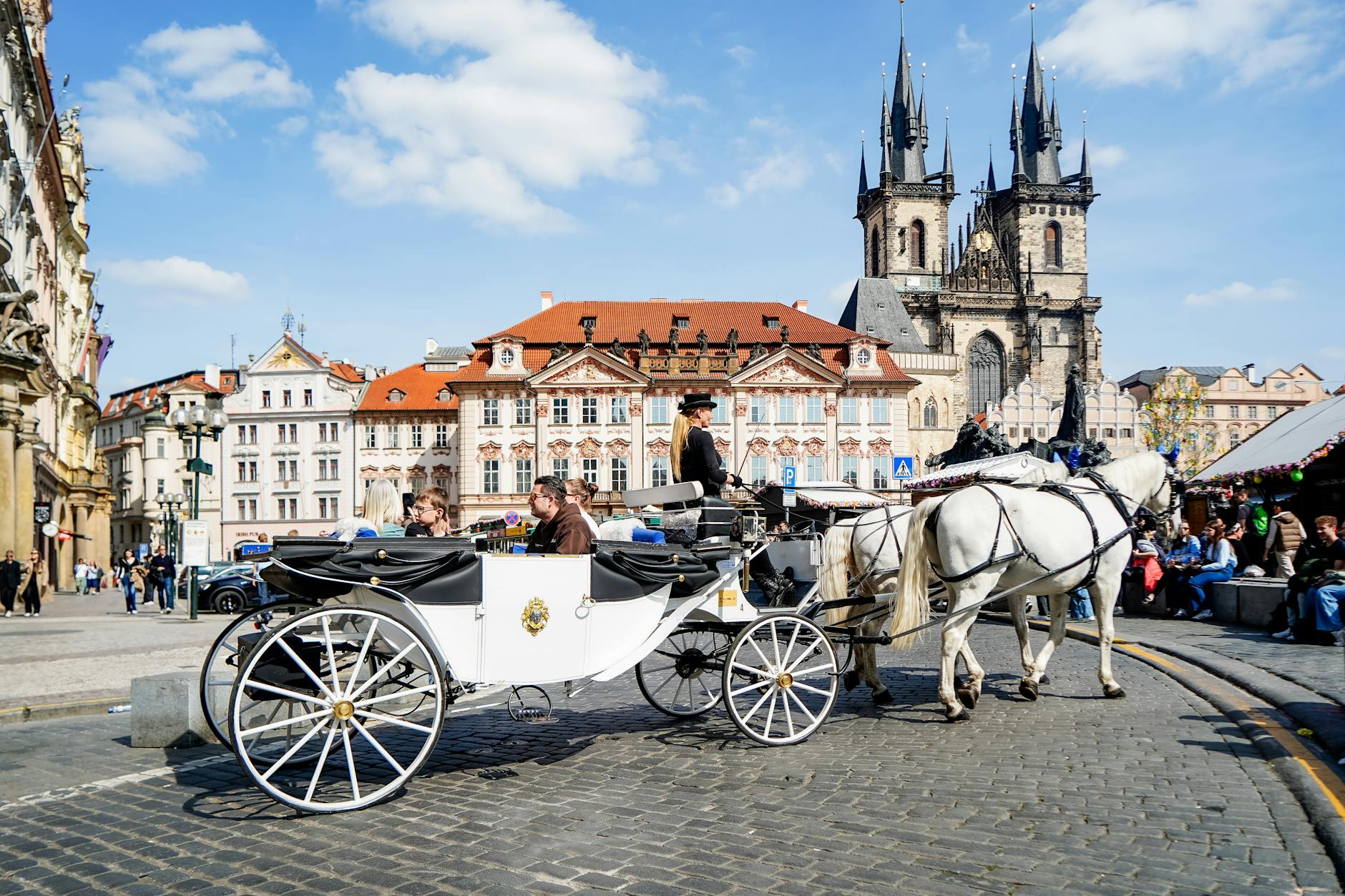
Luxury travelers often dislike Prague when they encounter it only at peak crowd hours. Charles Bridge, Old Town Square, castle routes, Christmas markets, and major viewpoints can feel dense and commercial if visited at the wrong time. The traveler should buy timing, not just access.
Early starts, private transfers, alternate entrances where available, quieter neighborhoods, table reservations, and off-peak routes can make the city feel much more composed. The itinerary should protect atmosphere as a real asset.
- Use early starts, off-peak routes, private transfers, and reserved tables to manage crowds.
- Avoid peak Old Town and castle timing when the atmosphere matters.
- Spend time in quieter neighborhoods rather than only famous corridors.
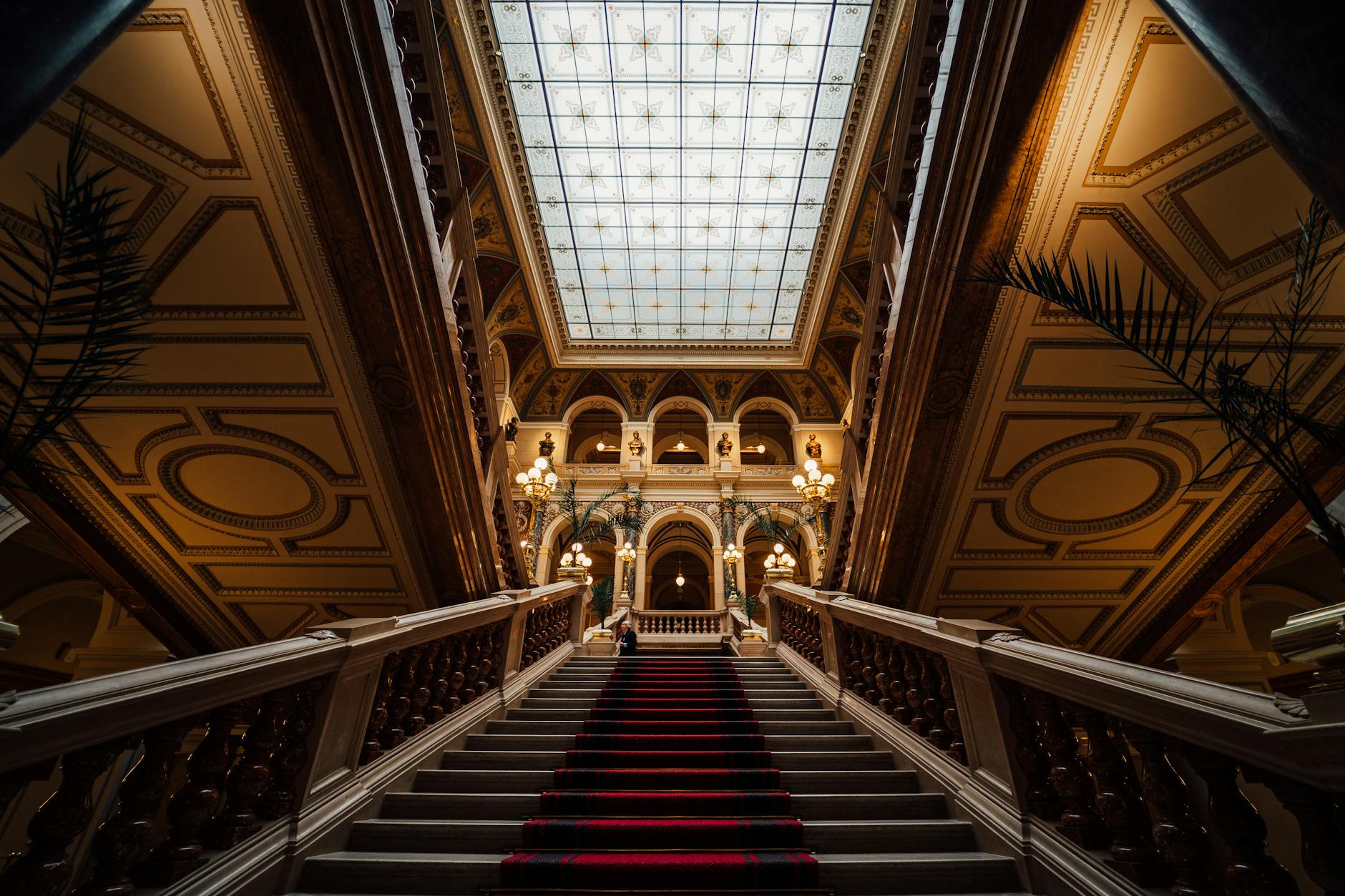
Treat transfers and shopping as design choices
Airport arrival, train movement, private drivers, luggage handling, shopping, tailoring, jewelry, glass, design objects, and shipping can all affect the trip. Luxury travelers should not wait until arrival to decide how bags, purchases, and time-sensitive appointments will be handled.
The plan should also protect discretion. Vehicle pickup points, hotel entrances, shopping appointments, and payment methods can make the difference between a smooth trip and an expensive one that still feels improvised.
- Plan airport transfers, drivers, luggage, pickup points, and payment methods in advance.
- Check shopping appointments, shipping, customs, fragile items, and return logistics.
- Use concierge support where it genuinely reduces friction or protects privacy.
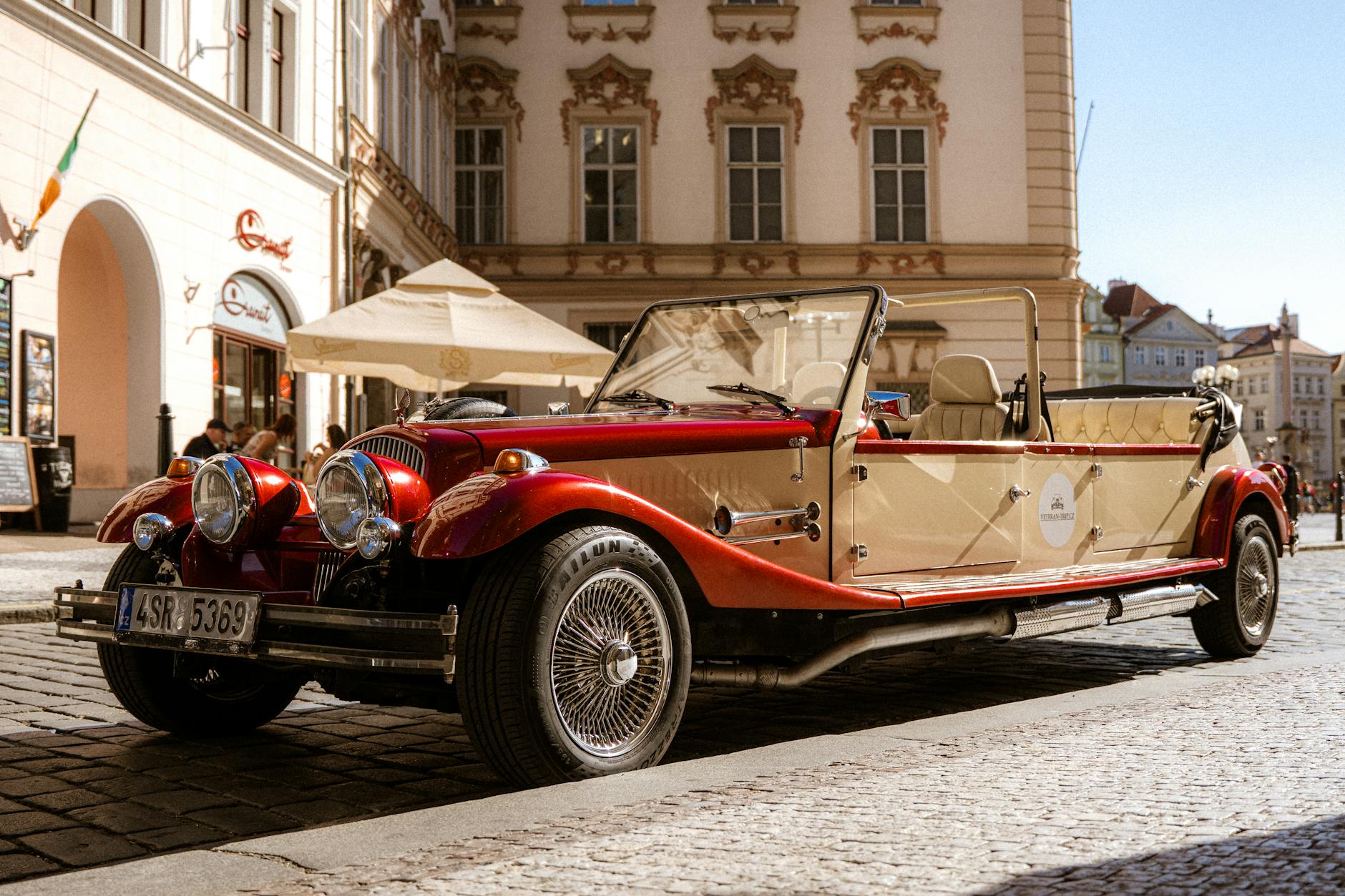
When to order a short-term travel report
A luxury traveler with a trusted local planner and flexible time may not need a custom Prague report. A report becomes useful when the traveler is choosing between hotels, private guides, cultural bookings, dining, drivers, shopping, crowd timing, or a short itinerary where expensive choices can still conflict with each other.
The report should test hotel fit, private access, dinner sequence, cultural quality, crowd timing, transfers, shopping, weather, recovery, budget logic, and what to cut. The value is making Prague feel carefully designed rather than merely upgraded.
- Order when hotels, guides, dining, drivers, culture, shopping, or timing need independent testing.
- Provide dates, hotel options, standards, interests, dining needs, mobility, budget, and privacy concerns.
- Use the report to buy quiet, timing, comfort, and judgment, not just expensive inventory.