A Prague trip for an investor or deal team member should be built around the decision the trip must support. The traveler may be meeting founders, management teams, advisers, lenders, legal counsel, portfolio companies, public-sector contacts, or asset operators. The city can provide a polished setting, but the transaction should shape the route. Prague's old-center charm can hide practical risks for deal work: confidential calls in public places, awkward hotel workspaces, cross-town movements, site visits outside the tourist core, and dinners that take over the evening. The stronger plan protects judgment, discretion, and the team's ability to synthesize what it learns.
Start with the deal question
An investor or deal team member should define the question the Prague trip must answer. The purpose may be to assess management credibility, inspect an asset, pressure-test operations, meet advisers, review a portfolio company, advance financing, or confirm whether a transaction should continue. Each purpose changes the meeting order.
The traveler should separate critical evidence from courtesy meetings. A full calendar is not the same as a useful diligence trip. If the team leaves Prague with pleasant conversations but no sharper decision, the itinerary was too vague.
- Define whether the trip is for diligence, site review, management meetings, financing, or transaction progress.
- Separate critical meetings from courtesy meetings before travel.
- Identify what evidence the trip must produce for the investment decision.
Map stakeholders before choosing the base
Deal work may take the traveler to central Prague, Karlin, Pankrac, Smichov, Holesovice, an industrial site, a hotel meeting room, an adviser office, a bank, or a rail-linked regional visit. Those points should be mapped before the hotel is selected. A prestige location can be wrong if it weakens the actual deal route.
Meeting sequence should follow information flow. A site visit may belong before a management session. Legal or accounting advisers may be more useful after the team has seen operations. The route should serve the decision process, not just reduce map distance.
- Map founders, management, advisers, lenders, site visits, restaurants, hotel options, and airport route.
- Sequence meetings so each one improves the next conversation.
- Choose lodging after the stakeholder geography and work blocks are clear.
Protect confidentiality and document control
Transaction travel carries confidentiality risk. Names, valuations, data-room notes, term sheets, board context, employment issues, legal questions, and timing assumptions should not be discussed casually in taxis, cafes, hotel lobbies, trams, or restaurants. Prague has many polished public spaces, but they are still public.
The team should plan device discipline before arrival. Laptops, phones, chargers, offline files, secure access, printed documents, and meeting notes all need a control plan. A short trip is a bad time to discover that the only quiet call space is a crowded lobby.
- Keep names, valuations, diligence notes, and strategy out of exposed public spaces.
- Plan laptops, phones, chargers, secure access, printed materials, and note handling deliberately.
- Use private rooms for sensitive calls, document review, and internal deal discussion.
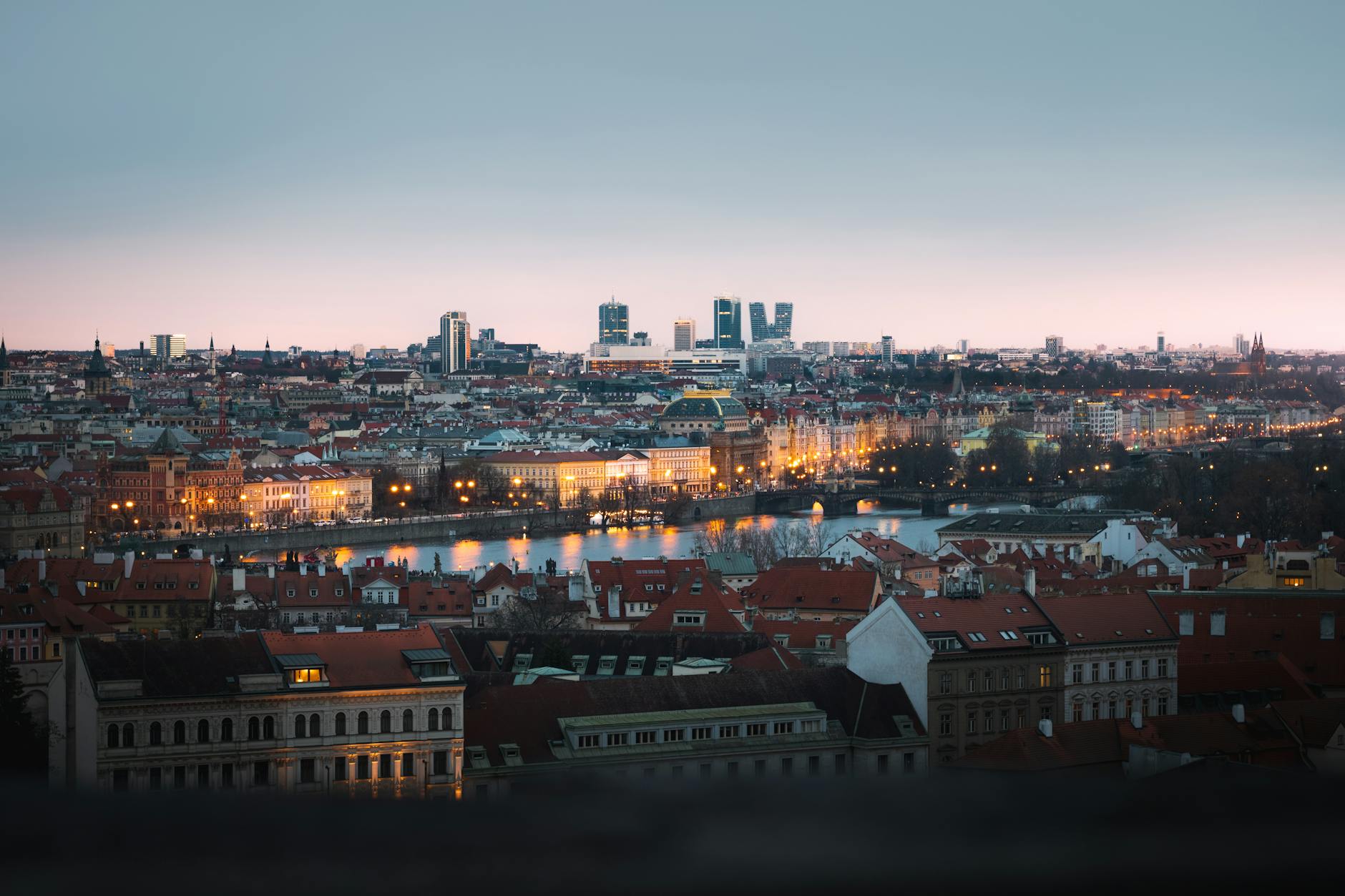
Choose hotel work conditions deliberately
The right Prague hotel for a deal trip is not automatically the most beautiful one. Investors and deal teams should evaluate room work setup, quiet, secure Wi-Fi, desk space, power, breakfast timing, late food, meeting rooms, lobby exposure, elevator access, vehicle pickup, and distance to the first meeting. A hotel can look impressive while making real work difficult.
The team should decide whether the hotel is a client-facing venue, a preparation base, or mainly a recovery base. If confidential review will happen there, privacy and room function deserve more weight than views.
- Check work setup, quiet, Wi-Fi, power, meeting rooms, food, pickup access, and route to meetings.
- Decide whether the hotel will host stakeholders or simply protect preparation and sleep.
- Avoid prestige choices that weaken discretion, recovery, or team alignment.

Leave time to synthesize
A deal team can stack Prague meetings tightly and still weaken the trip. Diligence sessions, management presentations, adviser meetings, site visits, and dinners all create information that needs to be compared. The team should protect internal debriefs, document review, red-flag discussion, and decision checkpoints.
This is where movement choices matter. A scenic cross-town dinner, a distant hotel, or an unnecessary courtesy meeting can consume the only useful synthesis block. The strongest deal day is usually the one that improves judgment, not the one that contains the most appointments.
- Protect internal debriefs, document review, red-flag discussion, and decision checkpoints.
- Avoid scheduling every hour with external meetings.
- Cut marginal meetings when they reduce the quality of a high-stakes conversation.
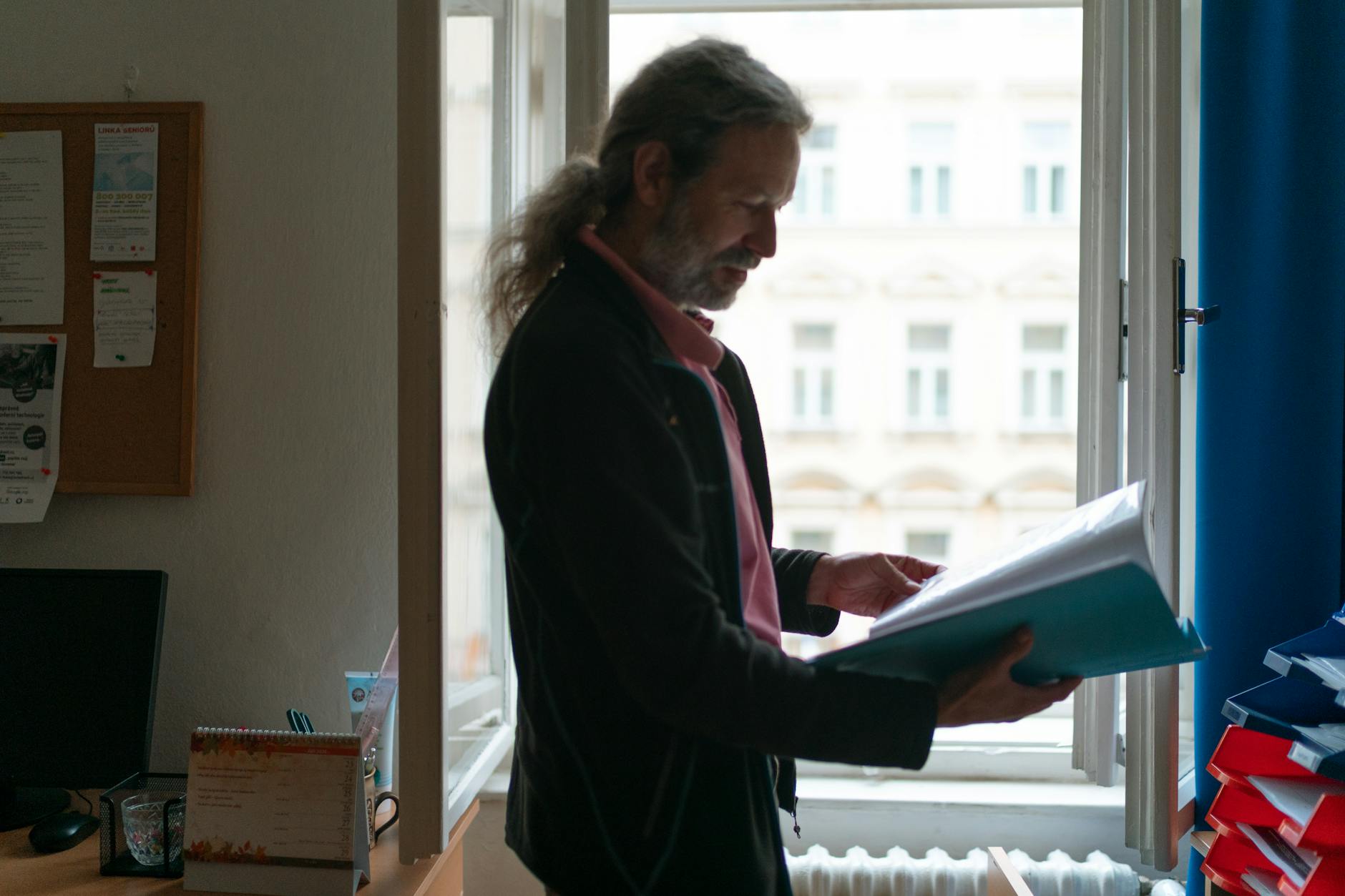
Use dinners and hospitality with discipline
Investor dinners in Prague can help reveal management style, partner expectations, adviser dynamics, and informal priorities. They can also blur the trip if hospitality replaces hard questions, alcohol runs late, sensitive topics are discussed in exposed rooms, or the next morning begins tired.
The traveler should decide which meals require privacy, which are relationship-building, and which are unnecessary. Restaurant choice should consider noise, transport, timing, dietary needs, payment flow, and whether the team needs a private debrief afterward.
- Use dinners to understand people and context without replacing diligence.
- Choose restaurants by privacy, noise, timing, dietary needs, payment, and return logistics.
- Keep hospitality compatible with next-day judgment and confidentiality.
When to order a short-term travel report
An investor or deal team member with one simple Prague meeting and a known hotel may not need a custom report. A report becomes useful when multiple stakeholders, site visits, confidentiality, document work, adviser dinners, tight airport timing, uncertain lodging, or city add-ons could affect the investment decision.
The report should test stakeholder geography, hotel work conditions, airport transfers, site visits, confidentiality, document control, team rhythm, meals, weather, receipts, budget, and what to cut. The value is a Prague trip that protects transaction judgment.
- Order when diligence sites, stakeholders, confidentiality, documents, or team rhythm need testing.
- Provide meeting addresses, deal purpose, hotel options, team size, dates, budget, and constraints.
- Use the report to keep travel logistics subordinate to the investment decision.