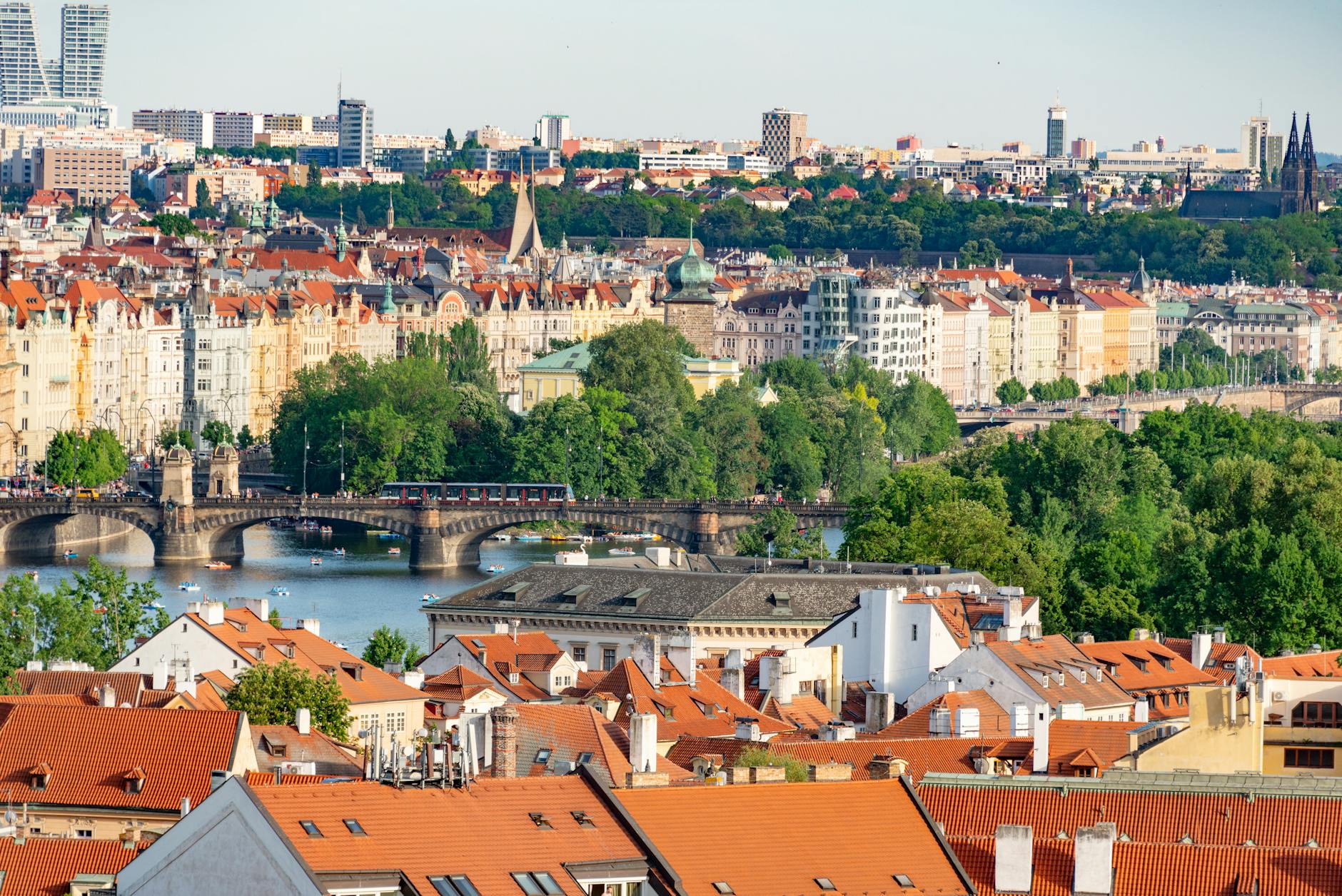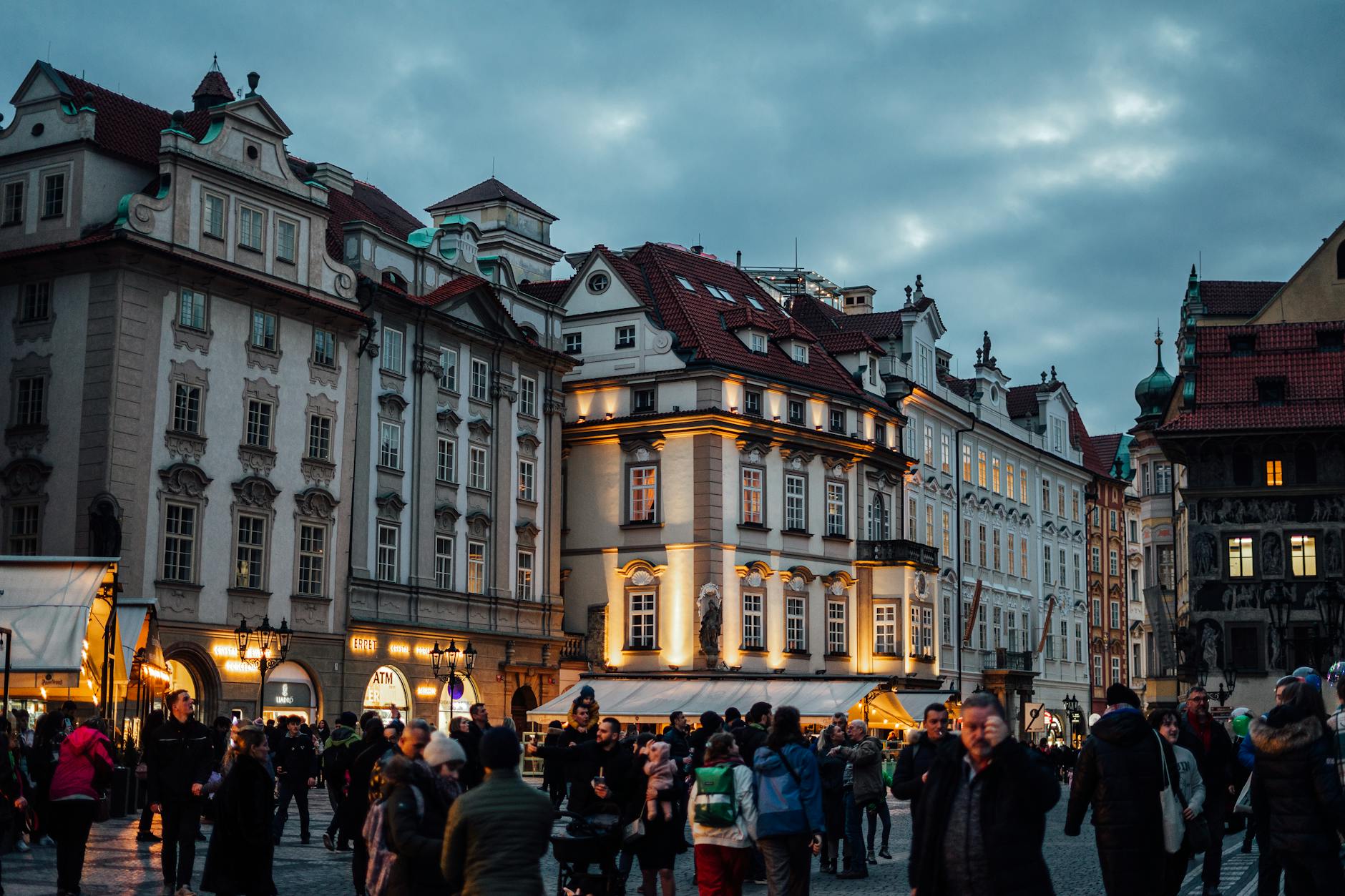
Prague is one of the easiest European cities to overplan on a first visit. The famous sights are powerful: Old Town Square, Charles Bridge, Prague Castle, the Astronomical Clock, the Vltava, historic cafes, tram routes, and evening views. But the city is also crowded, uneven underfoot, seasonal, and full of tourist friction. A good first Prague trip does not try to see everything. It builds a clear sequence, protects the best timing, and leaves enough space for the city to feel like a place rather than a procession of famous objects.
Choose a first-visit spine
A first-time visitor should give the trip a spine rather than collecting isolated landmarks. One strong route might connect Old Town Square, the Astronomical Clock, Charles Bridge, Mala Strana, and Prague Castle over a realistic span of time. Another might separate castle day, Old Town day, and river evening.
The point is not to make Prague small. It is to keep the first visit coherent. Without a sequence, the traveler can spend too much time doubling back through crowded streets and not enough time understanding what they are seeing.
- Build the visit around a clear route instead of disconnected landmarks.
- Separate Old Town, Charles Bridge, castle, river, and cafe time when needed.
- Avoid doubling back through crowded streets because the day lacks structure.
Time the icons carefully
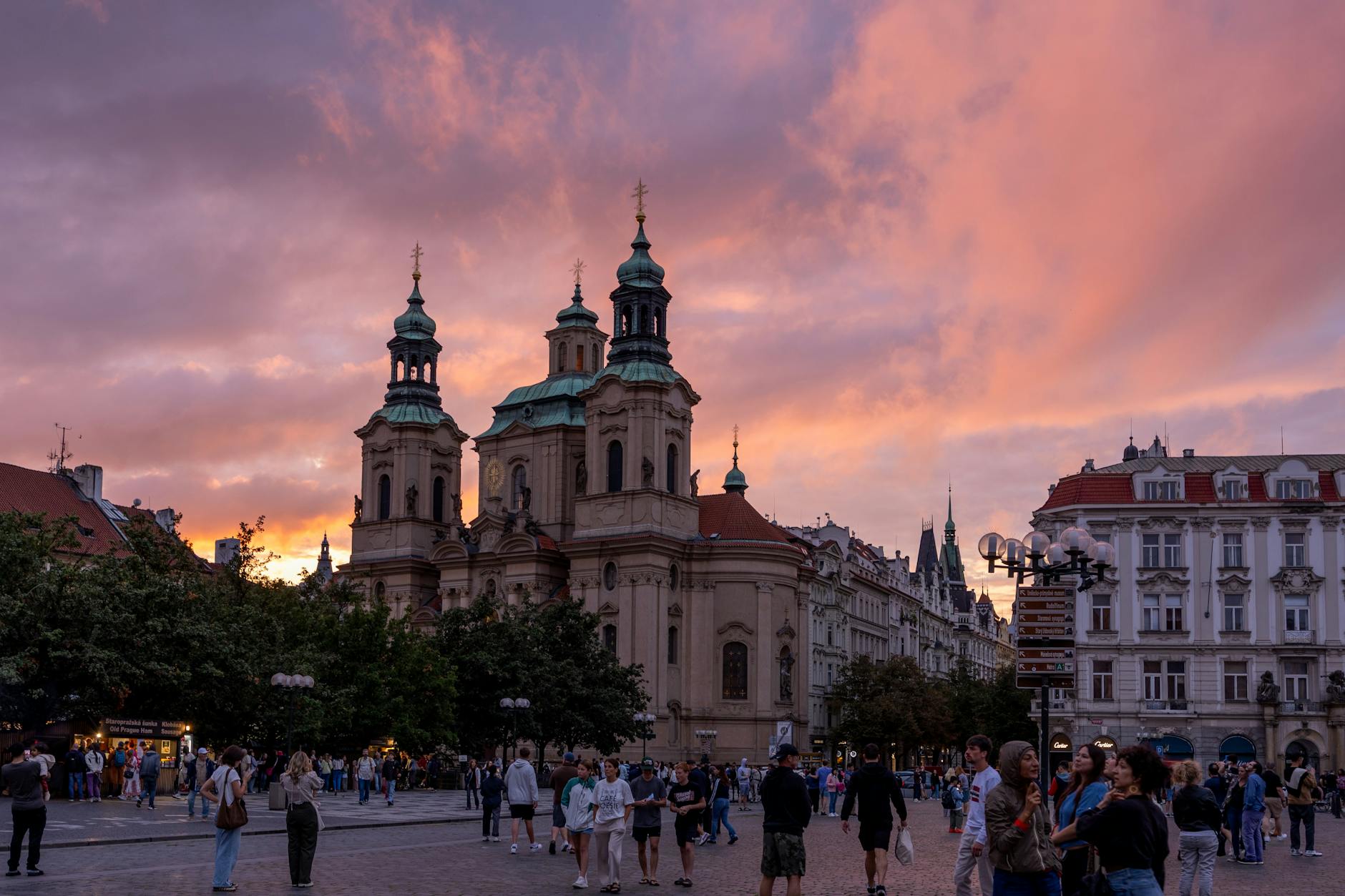
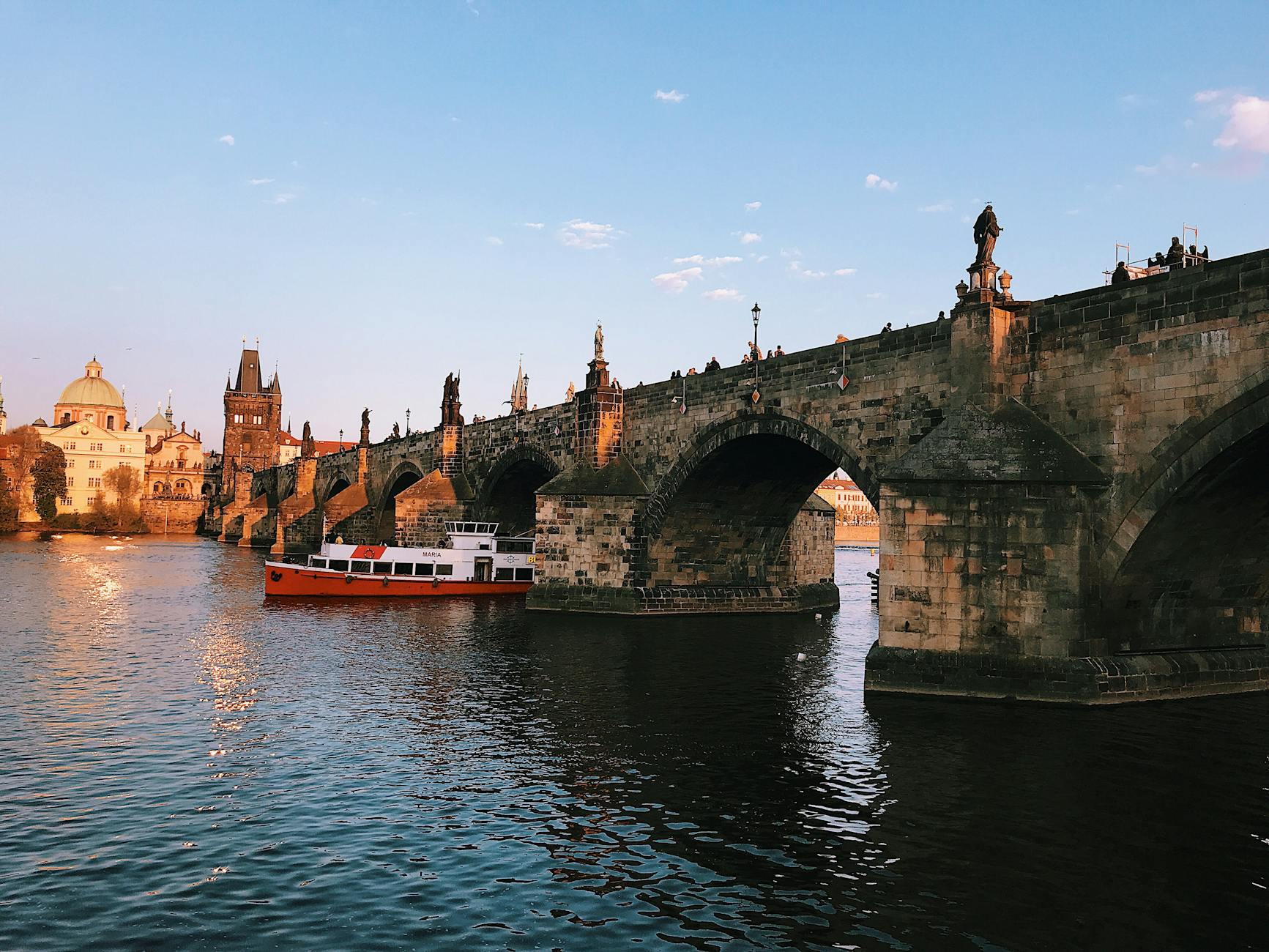
Prague's most famous places can feel very different depending on time of day and season. Charles Bridge at mid-day, Old Town Square near a clock show, and Prague Castle during peak tour traffic can be slow and crowded. Early mornings, later evenings, and shoulder-season choices can change the whole trip.
The first-time visitor should decide which sights are worth prime timing. Not every attraction needs the best hour, but the traveler should not accidentally spend the quietest window in a hotel lobby.
- Use early mornings or later evenings for the highest-crowd sights.
- Expect bottlenecks around Charles Bridge, Old Town Square, and castle routes.
- Protect the best timing for the sights that matter most to the traveler.
Take walking surfaces seriously
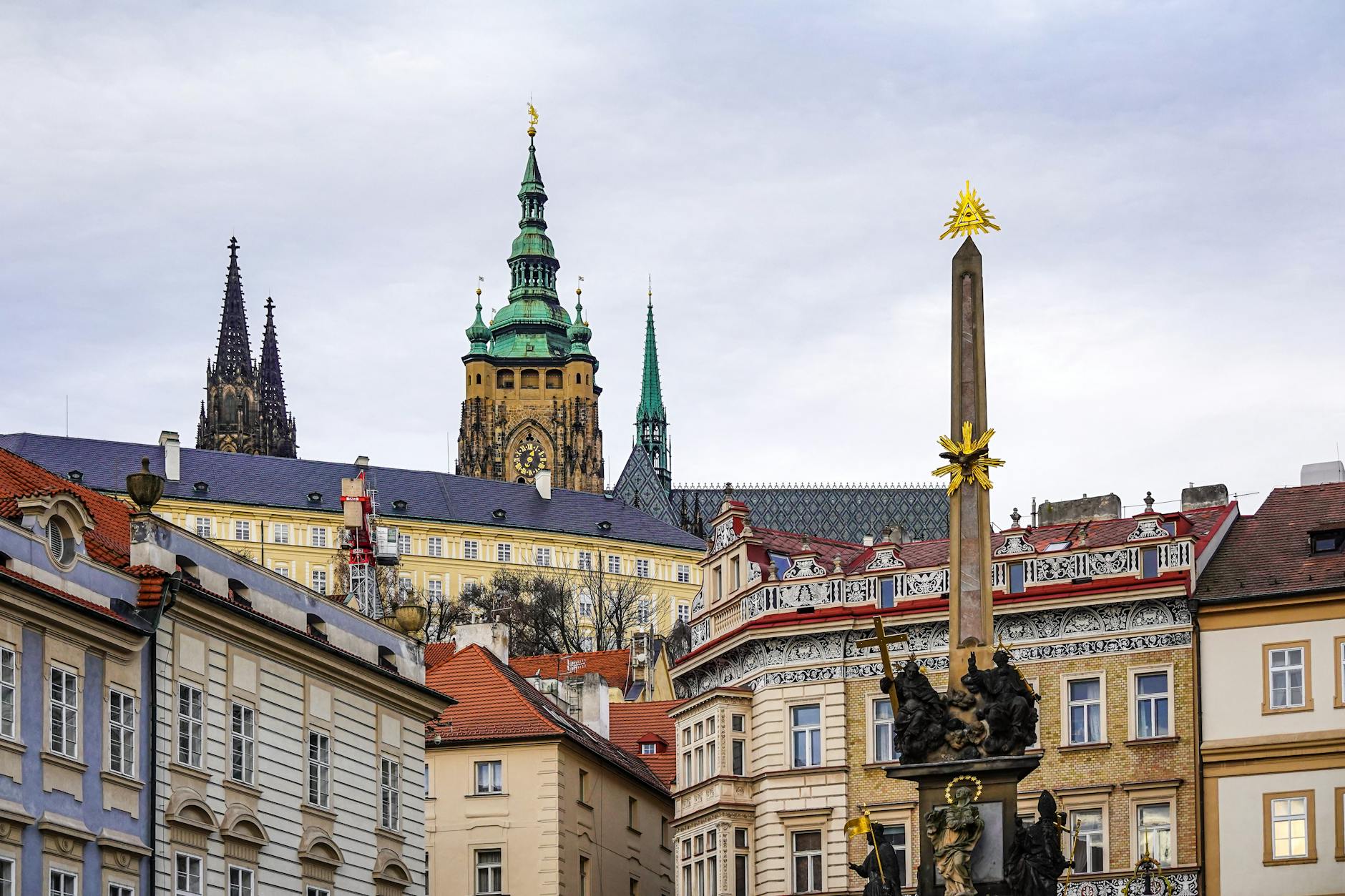
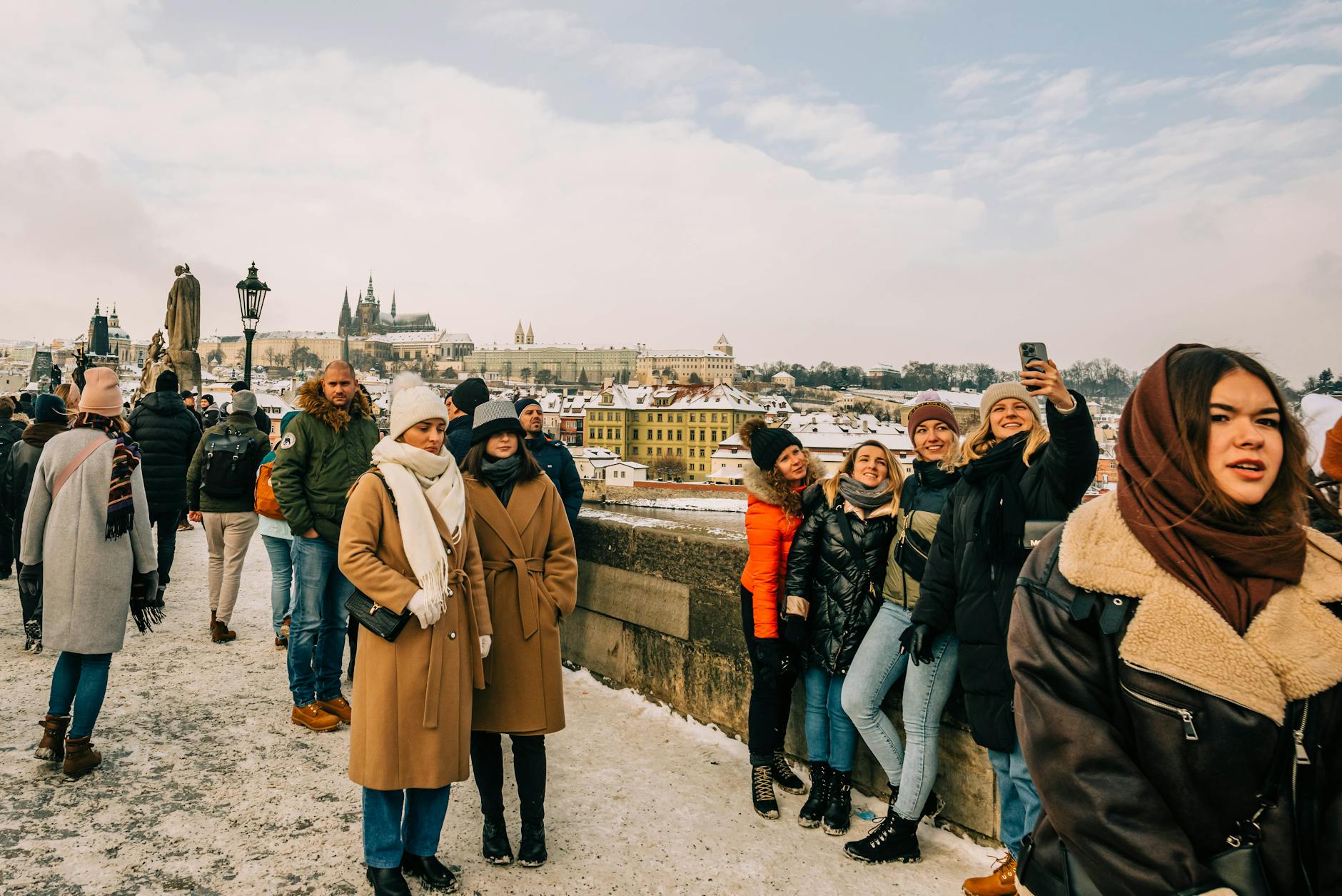
Prague is walkable, but walkable does not mean effortless. Cobblestones, slopes, stairs, bridge approaches, crowds, winter ice, summer heat, and long museum or castle days can wear people down. First-time visitors often underestimate the physical cost because distances look short on a map.
Comfortable shoes, sensible pacing, tram use, and route breaks matter. A traveler who protects their feet and energy will see more of Prague with less frustration.
- Expect cobblestones, slopes, stairs, crowds, weather, and long standing times.
- Use trams or metro strategically instead of walking every segment.
- Plan cafes, benches, river pauses, and hotel returns before fatigue takes over.
Choose the hotel for the trip you want
A first Prague hotel should be chosen by trip style. Staying in or near Old Town can reduce sightseeing friction but increase crowd and noise exposure. Nove Mesto can be practical. Mala Strana can feel atmospheric. Vinohrady, Karlin, and other neighborhoods can offer calmer evenings with transit access.
The traveler should check elevators, air conditioning, street noise, taxi access, stairs, breakfast timing, and distance to tram or metro. A charming building is not useful if it makes every day harder.
- Choose Old Town, Nove Mesto, Mala Strana, Vinohrady, or Karlin by trip rhythm.
- Check noise, elevators, air conditioning, stairs, taxi access, and transit distance.
- Do not choose a hotel only because it looks historic or central.
Plan tickets, context, and expectations
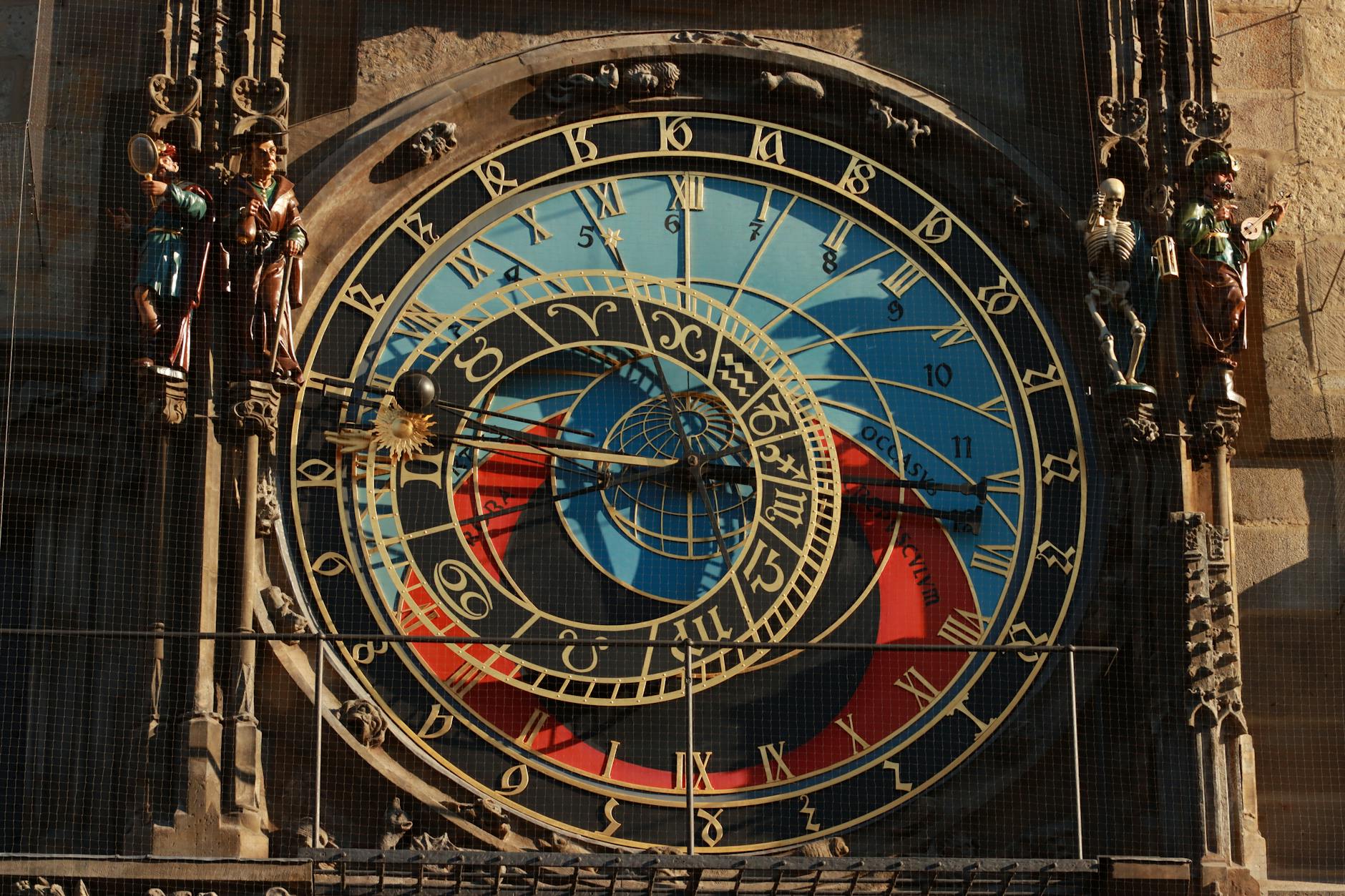
A first-time visitor should decide where they need tickets, guided context, or advance reservations. Prague Castle areas, Jewish Quarter sites, popular concerts, museums, and high-demand restaurants can require more planning than a casual walk through Old Town. The traveler should also understand what is free public atmosphere versus what needs a real visit plan.
Context matters in Prague. A guided walk, audio guide, or careful reading can make architecture, war history, religious history, and political history much more meaningful than a surface-level photo route.
- Check tickets and reservations for castle areas, Jewish Quarter sites, concerts, museums, and restaurants.
- Use guides or background reading where history matters to the traveler.
- Separate free public wandering from timed or ticketed visits.
Avoid tourist-friction mistakes
First-time visitors should be alert to ordinary tourist friction: weak exchange rates, crowded restaurants with poor value, confusing taxi choices, pickpocket risk in dense areas, late-night noise, and overpaying for convenience. Prague is not unusually difficult, but the most visited areas reward basic caution.
The traveler should plan payment methods, restaurant neighborhoods, transport choices, and simple safety habits before arrival. The goal is not fear; it is avoiding preventable irritations that steal time from the trip.
- Watch exchange rates, taxi choices, crowded areas, restaurant value, and late-night noise.
- Use sensible payment, bag, and phone habits in dense tourist zones.
- Research meals outside the most obvious streets when value matters.
When to order a short-term travel report
A first-time visitor with generous time and flexible expectations may not need a custom Prague report. A report becomes useful when the traveler has a short stay, mobility concerns, seasonal weather risk, hotel uncertainty, strong food or culture priorities, family members with different needs, or anxiety about crowds and logistics.
The report should test hotel base, route sequence, crowd timing, tickets, transit, walking effort, meals, weather, safety friction, budget, and what to cut. The value is a first Prague trip that feels complete enough without pretending the city can be mastered in one pass.
- Order when timing, hotel choice, crowds, mobility, tickets, food, or seasonality need testing.
- Provide dates, hotel options, must-see sights, walking tolerance, budget, and constraints.
- Use the report to turn the first visit into a sequence rather than a checklist.