Prague can work very well for families because the city has castles, towers, trams, river views, parks, music, street performers, museums, cafes, and enough visual drama to keep children curious. It can also become hard quickly if parents underestimate cobblestones, crowds, stairs, weather, and the distance between sights. The right Prague family plan is paced around children and adults together. It should protect sleep, meals, bathrooms, transport, and backup activities before trying to fit every famous place into a short stay.
Plan by stamina, not landmarks
A family should plan Prague around how long children can walk, stand, listen, wait, and stay interested. Old Town Square, Charles Bridge, Prague Castle, river walks, and museums can all be rewarding, but the sequence matters. A landmark that is magical at the start of the day may become a complaint after two hours of cobblestones.
Parents should choose a few anchors and leave space between them. The best family day usually includes one major sight, one flexible outdoor pause, one easy meal, and a clear way back to the hotel.
- Plan around walking, standing, waiting, listening, and attention span.
- Use one major sight and one flexible break as the core of a family day.
- Avoid turning Prague into a forced march through famous places.
Check strollers, steps, and surfaces
Prague can be difficult with strollers. Cobblestones, stairs, narrow sidewalks, tram steps, castle approaches, bridges, and crowded squares can make a simple route tiring. Families should decide when to use a stroller, carrier, taxi, tram, or shorter walking loop.
The answer depends on the child's age, season, hotel location, and how much gear the family carries. A compact route with fewer transitions often beats an ambitious plan that requires constant lifting and folding.
- Expect cobblestones, stairs, narrow sidewalks, crowds, and uneven castle approaches.
- Choose stroller, carrier, taxi, tram, or walking routes by age and terrain.
- Reduce transitions when family gear or child fatigue is likely to slow the day.
Choose lodging for family function
A family hotel or apartment in Prague should be judged by layout, beds, elevators, kitchen or breakfast, laundry, noise, air conditioning, bathtub or shower setup, nearby restaurants, and how quickly the family can return for naps or downtime. Charm matters less when children are overtired.
Old Town may reduce travel time but increase crowd and noise exposure. Nove Mesto, Mala Strana, Vinohrady, and other neighborhoods may offer calmer evenings with practical transit. The best base is the one that keeps daily logistics simple.
- Check room layout, beds, elevators, laundry, breakfast, noise, air conditioning, and bathroom setup.
- Choose the neighborhood by naps, meals, transit, and evening calm.
- Prioritize fast hotel returns over a view that complicates family movement.
Make the famous sights child-readable
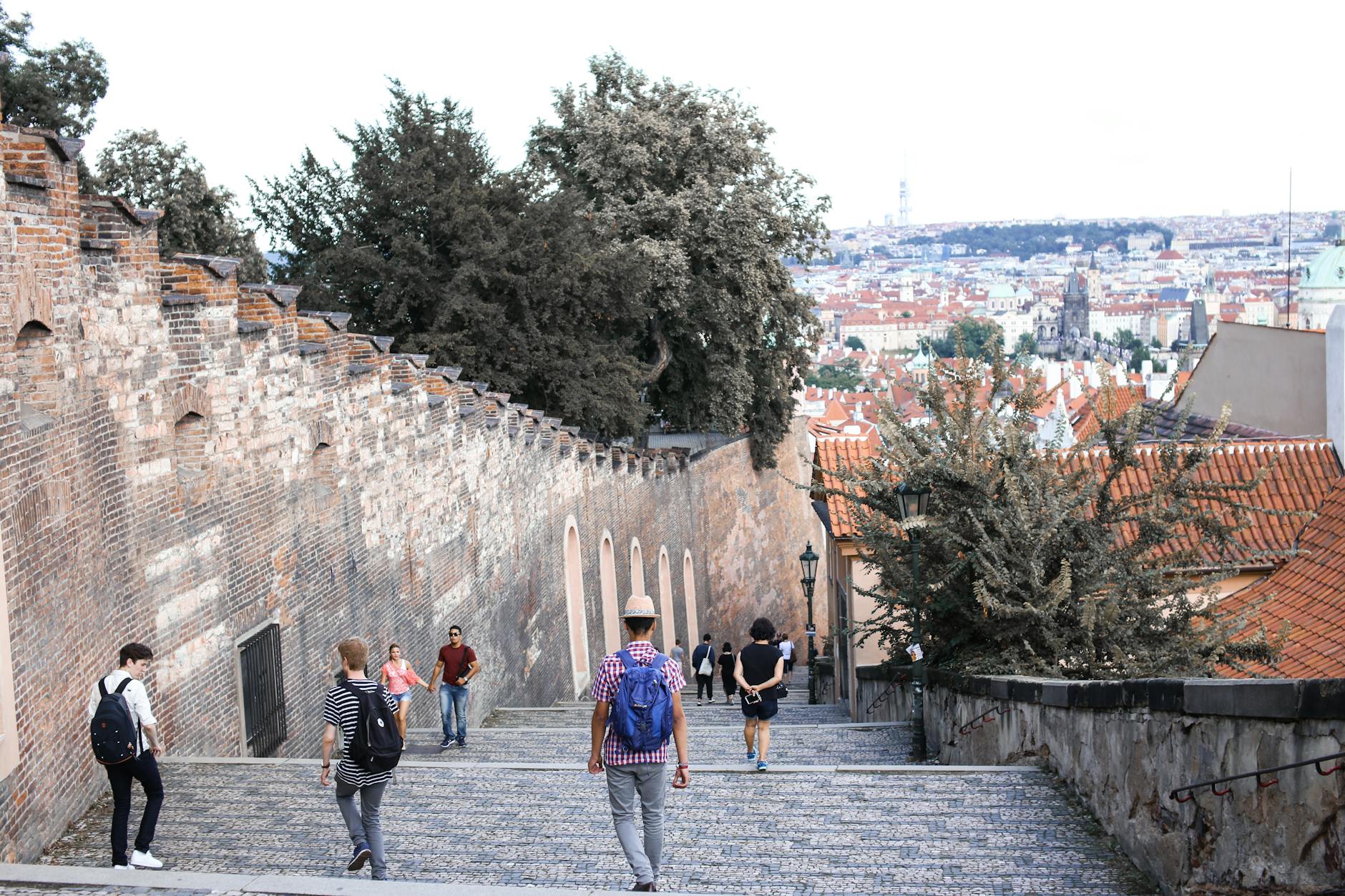
Prague's history is dense. Children may not care about every palace, war, saint, dynasty, or architectural style, but they can connect with stories about towers, clocks, bridges, kings, legends, music, and river views. Parents should translate the city into a few memorable ideas.
Short guided tours, scavenger hunts, audio snippets, sketching, photos, snacks, and viewpoint breaks can help. The goal is not to simplify Prague into cartoons, but to make the city legible enough for children to stay engaged.
- Use stories about towers, clocks, bridges, legends, music, and river views.
- Keep tours short and pair history with snacks, sketches, photos, or viewpoint breaks.
- Choose context that children can remember rather than facts adults feel obligated to cover.
Use parks, river time, and easy breaks
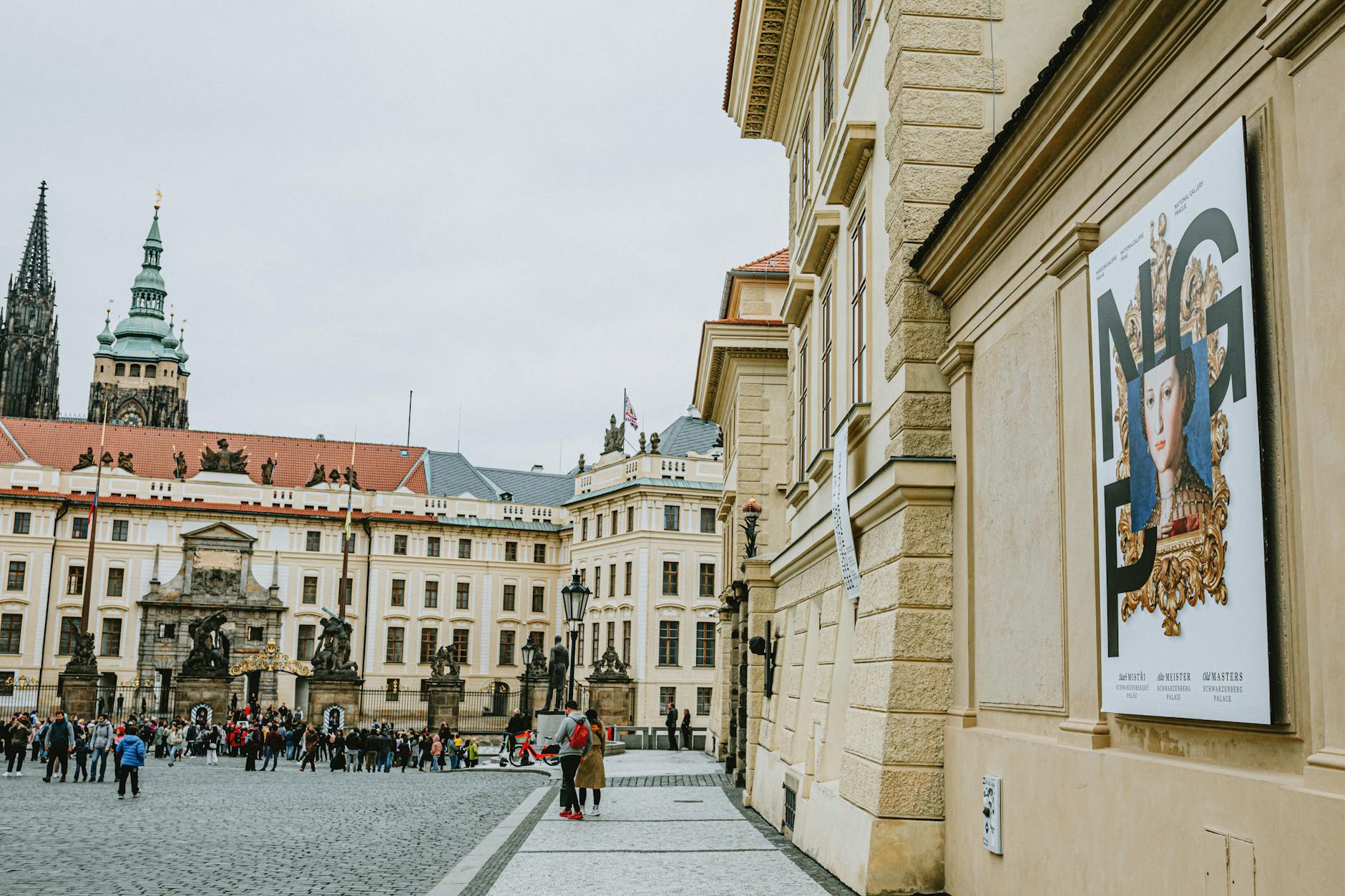
Families need open space and decompression. Prague's parks, islands, river edges, playgrounds, trams, boat views, and quieter cafes can reset the day when children have had enough of crowds and stone streets. These pauses should be planned, not treated as failure.
A family that alternates sights with low-pressure movement will often see more overall. The city becomes easier when everyone knows there is a break coming.
- Plan parks, playgrounds, river views, islands, trams, and low-pressure cafes into the route.
- Use breaks before children reach full fatigue.
- Treat open space as part of the Prague experience, not a detour from it.
Plan meals, bathrooms, and weather
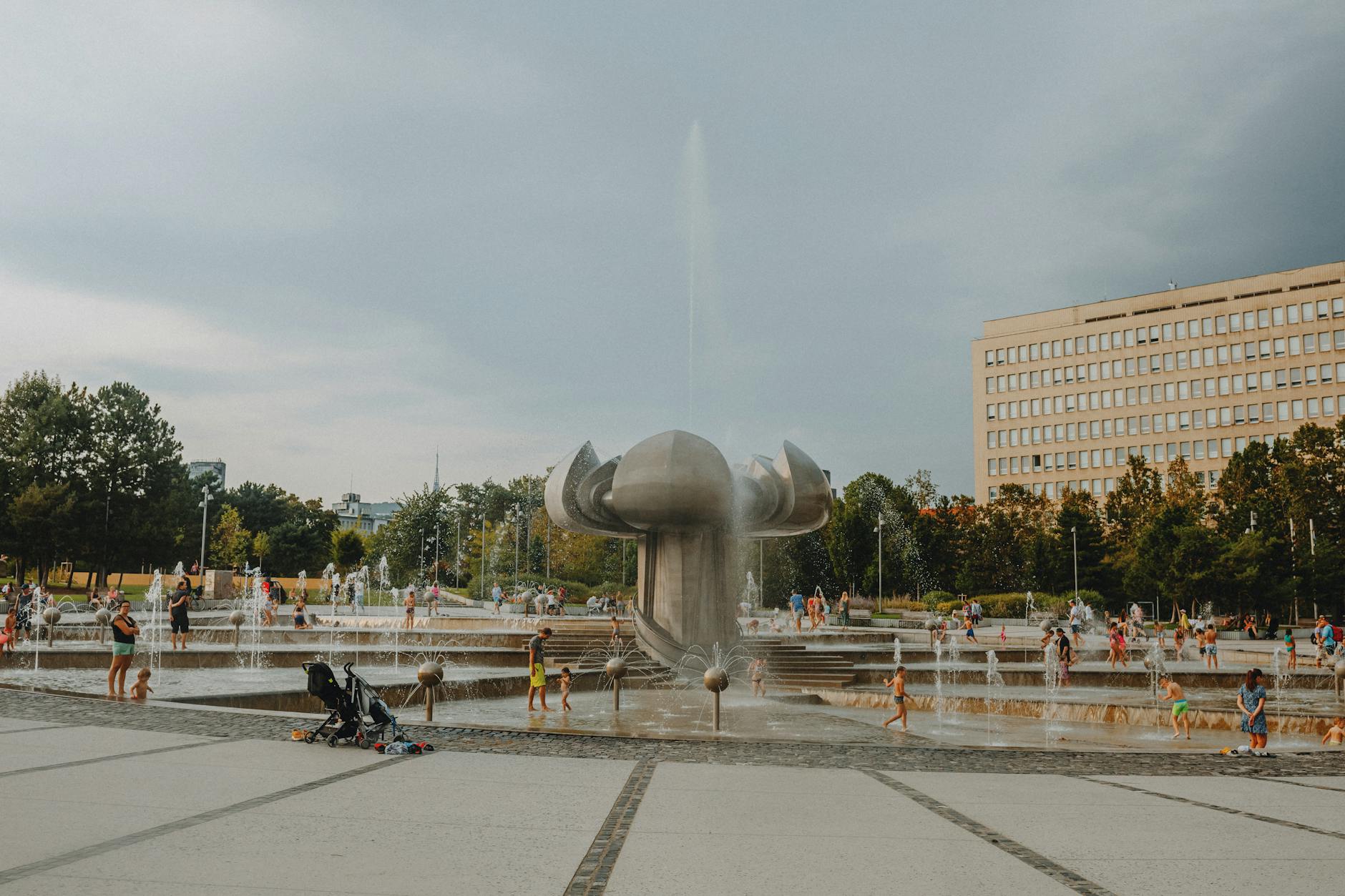
Family travel often succeeds or fails on ordinary logistics. Prague restaurants may have stairs, limited high chairs, slow service, crowded rooms, or menus that do not suit every child. Bathrooms, snacks, water, layers, rain gear, and winter warmth should be planned before the day gets difficult.
Parents should also check opening days and seasonal conditions. Christmas markets, summer crowds, winter ice, and rainy shoulder-season days all change what feels reasonable with children.
- Check restaurant stairs, high chairs, menus, service style, reservations, and nearby backups.
- Plan bathrooms, snacks, water, layers, rain gear, and seasonal clothing.
- Adjust the itinerary for markets, heat, winter ice, rain, and museum closing days.
When to order a short-term travel report
A family with older children, flexible time, and a simple hotel may not need a custom Prague report. A report becomes useful when the family has young children, stroller needs, mixed ages, medical or dietary constraints, limited days, uncertain lodging, or strong priorities that compete with child stamina.
The report should test hotel layout, route effort, stroller decisions, transit, meals, bathrooms, naps, parks, tickets, weather, budget, and what to cut. The value is a Prague family trip that feels rich without making every adult and child exhausted.
- Order when stroller use, mixed ages, hotel layout, meals, naps, weather, or route effort need testing.
- Provide child ages, hotel options, must-see sights, food needs, mobility, budget, and pace limits.
- Use the report to make Prague manageable for the whole family, not just interesting on paper.