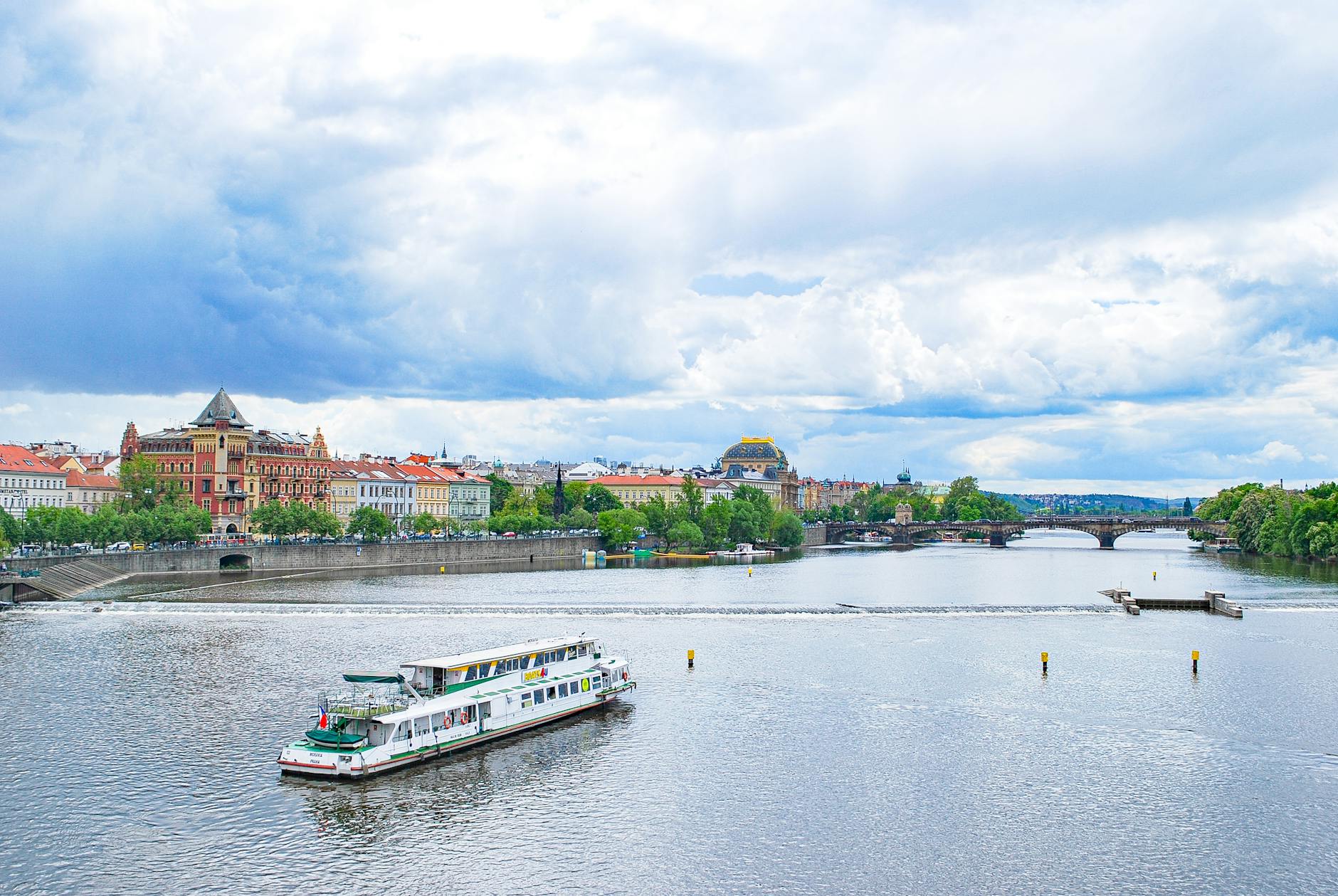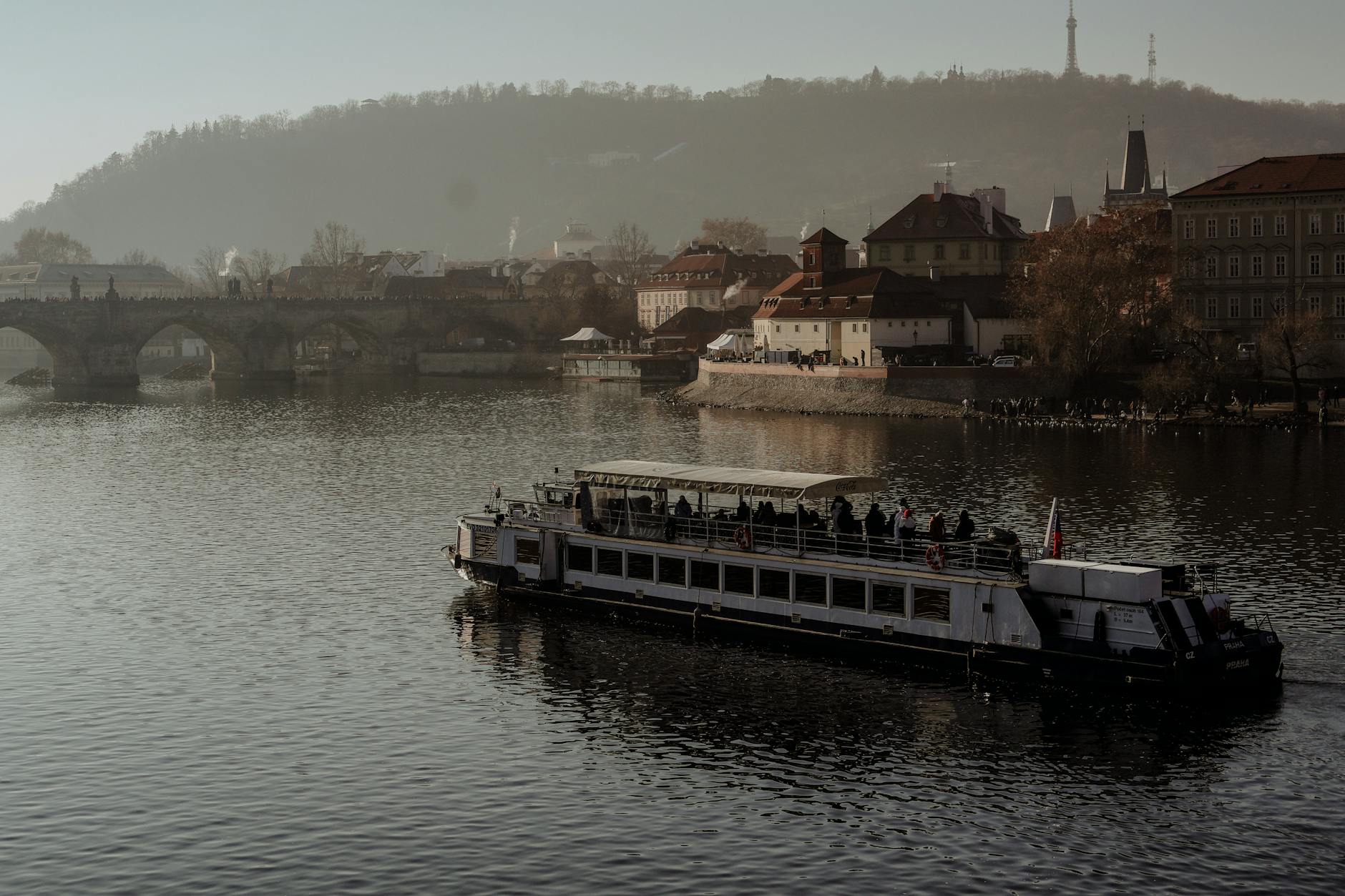
Prague is not a seaport, so a cruise traveler should not treat it like a normal port call. For most travelers, Prague enters the trip as a river-cruise extension, a pre- or post-cruise city stay, or a rail-and-flight add-on around a Danube, Elbe, Baltic, or Central Europe itinerary. That makes the logistics more consequential than the label suggests. The city can be an excellent addition because the Vltava, Charles Bridge, castle views, compact core, and strong hotels give the trip a memorable Central European finish. It can also feel rushed if the traveler underplans transfers, luggage, arrival fatigue, and the difference between river atmosphere and actual cruise convenience.
Treat Prague as an inland extension
A cruise traveler should first be honest about what Prague is in the itinerary. It may be a river-cruise extension, a pre-cruise staging city, a post-cruise decompression stop, or a separate add-on requiring airport, rail, coach, or private transfer planning. It is not a simple walk-off port call.
That distinction changes the whole plan. The traveler must account for arrival hour, hotel check-in, luggage handoff, fatigue, transfer reliability, and whether the Prague stay has enough time to justify the extra movement.
- Clarify whether Prague is pre-cruise, post-cruise, river-cruise extension, or separate add-on.
- Plan airport, rail, coach, or private transfer timing before adding sightseeing.
- Do not evaluate Prague like a same-day port stop with the ship nearby.
Know what a Vltava boat adds and does not add
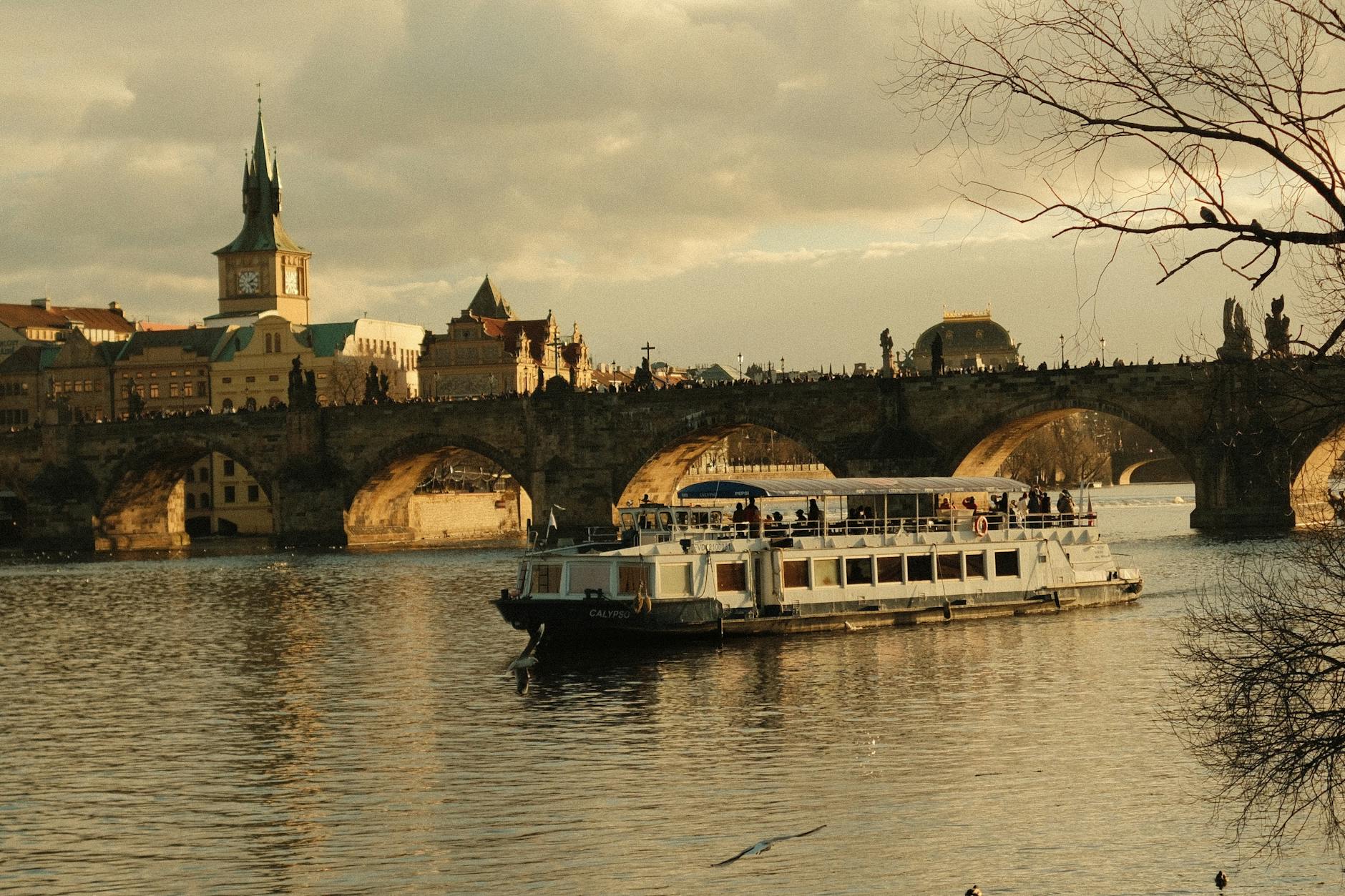
A Vltava boat ride can be pleasant, especially for travelers who want river views without another long walk. But it should not be confused with the purpose of a major river cruise. Short Prague boat rides are usually scenic orientation products, dinner cruises, or low-effort evening views, not deep regional travel.
The traveler should decide whether the boat serves the itinerary. For some people, it is a relaxed way to see bridges and skyline. For others, that time is better spent at the castle, in Old Town, or at dinner after a transfer-heavy day.
- Treat Vltava boat rides as scenic orientation, not as a substitute for a larger cruise product.
- Choose daytime, sunset, or dinner formats based on fatigue, weather, and meal plans.
- Skip the boat when it crowds out higher-priority Prague time.
Build the transfer day around luggage and fatigue
Cruise add-ons often fail on the transition day. Travelers may arrive from a ship, rail station, airport, or coach with luggage, early wake-ups, fixed pickup times, and uneven energy. Prague's cobblestones, steps, pedestrian areas, and hotel access can make luggage more awkward than expected.
The first day should be designed around friction. A central hotel with luggage storage, taxi access, clear check-in timing, and nearby dinner can matter more than squeezing in another monument.
- Plan luggage storage, check-in timing, taxi access, and hotel approach before sightseeing.
- Keep the first day lighter after ship, rail, coach, or airport movement.
- Avoid dragging cruise luggage through cobblestone pedestrian zones without a plan.
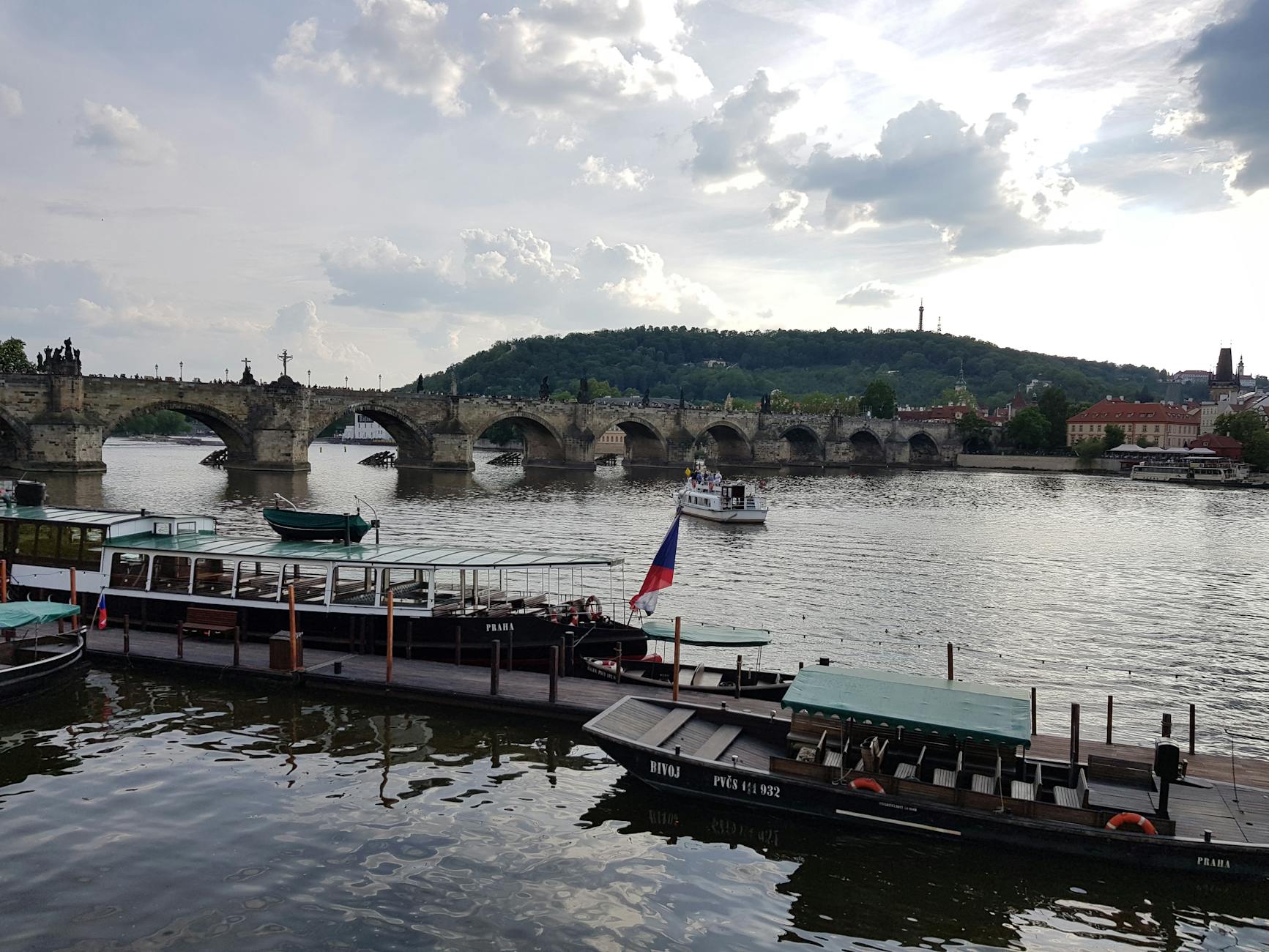
Choose the Prague hotel by access, not only charm
A cruise or port-call traveler may be carrying larger luggage, traveling with older companions, or arriving at an inconvenient hour. The Prague hotel should be judged by elevator access, taxi drop-off, porterage, step-free entry, room readiness, breakfast, rail or airport transfer ease, and proximity to the first realistic evening plan.
Charm still matters, but a beautiful hotel down a difficult lane can make a short add-on feel harder than it should. The right base lets the traveler enjoy Prague instead of managing the residue of the cruise transition.
- Check elevators, taxi drop-off, porterage, room readiness, breakfast, and step-free access.
- Balance Old Town, Mala Strana, Nove Mesto, and castle-side charm against transfer ease.
- Choose a base that works with luggage and arrival hour, not only postcard appeal.
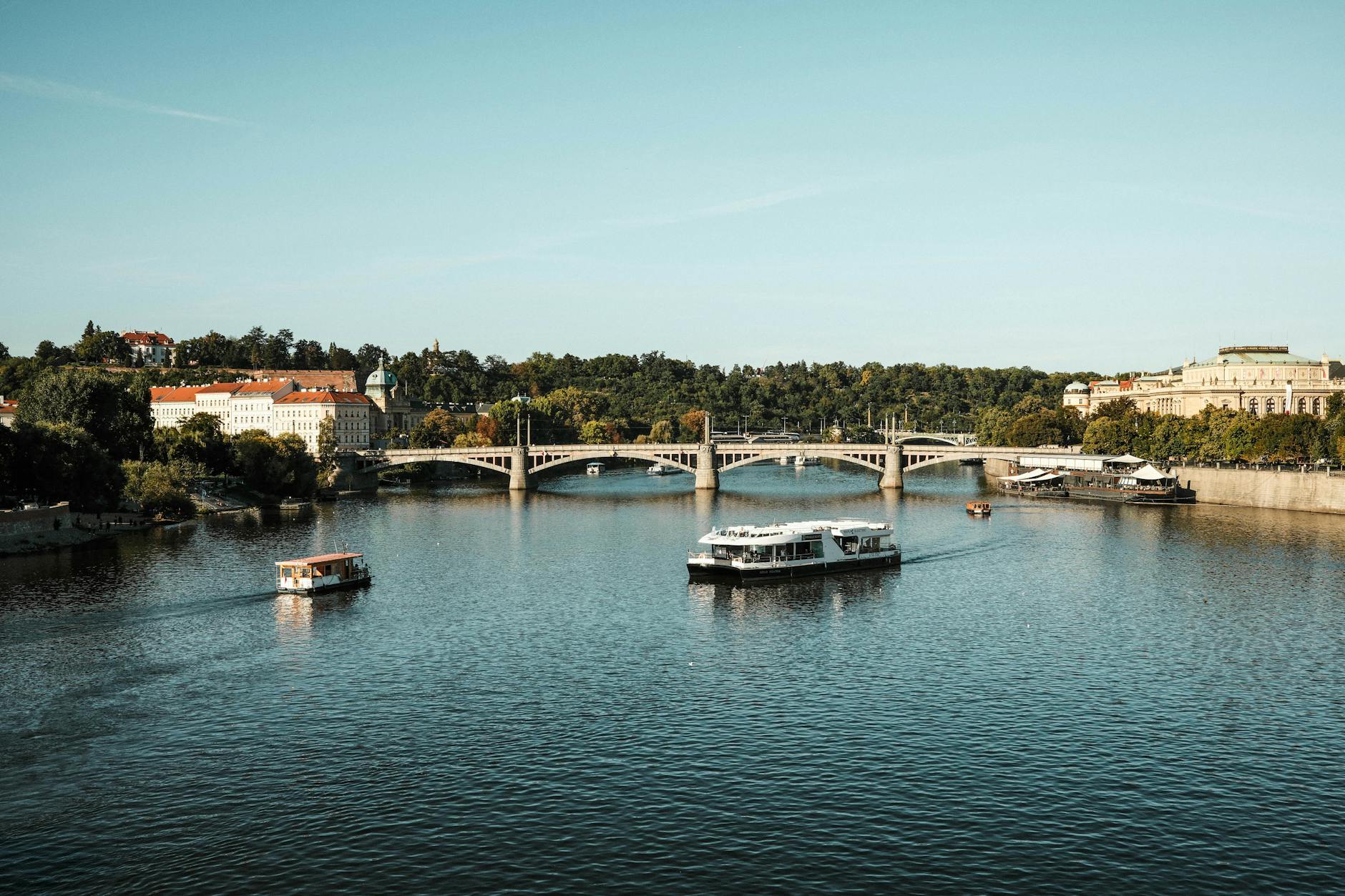
Pace castle, bridge, Old Town, and river time carefully
A short Prague extension usually tries to cover Prague Castle, Charles Bridge, Old Town Square, the Astronomical Clock, riverside views, and one or two meals. That is possible, but not if every stop is treated as equal. The traveler should choose a realistic spine for the stay.
Crowd timing matters. Charles Bridge and Old Town can be wonderful in quieter windows and frustrating in peak flow. Castle-side movement includes hills, security, and uneven surfaces. The river can provide lower-pressure time when walking stamina fades.
- Prioritize a route spine rather than forcing every famous stop into a short extension.
- Time Charles Bridge, Old Town, and castle visits around crowds, hills, and stamina.
- Use river walks or boat time as lower-pressure recovery when walking becomes too much.
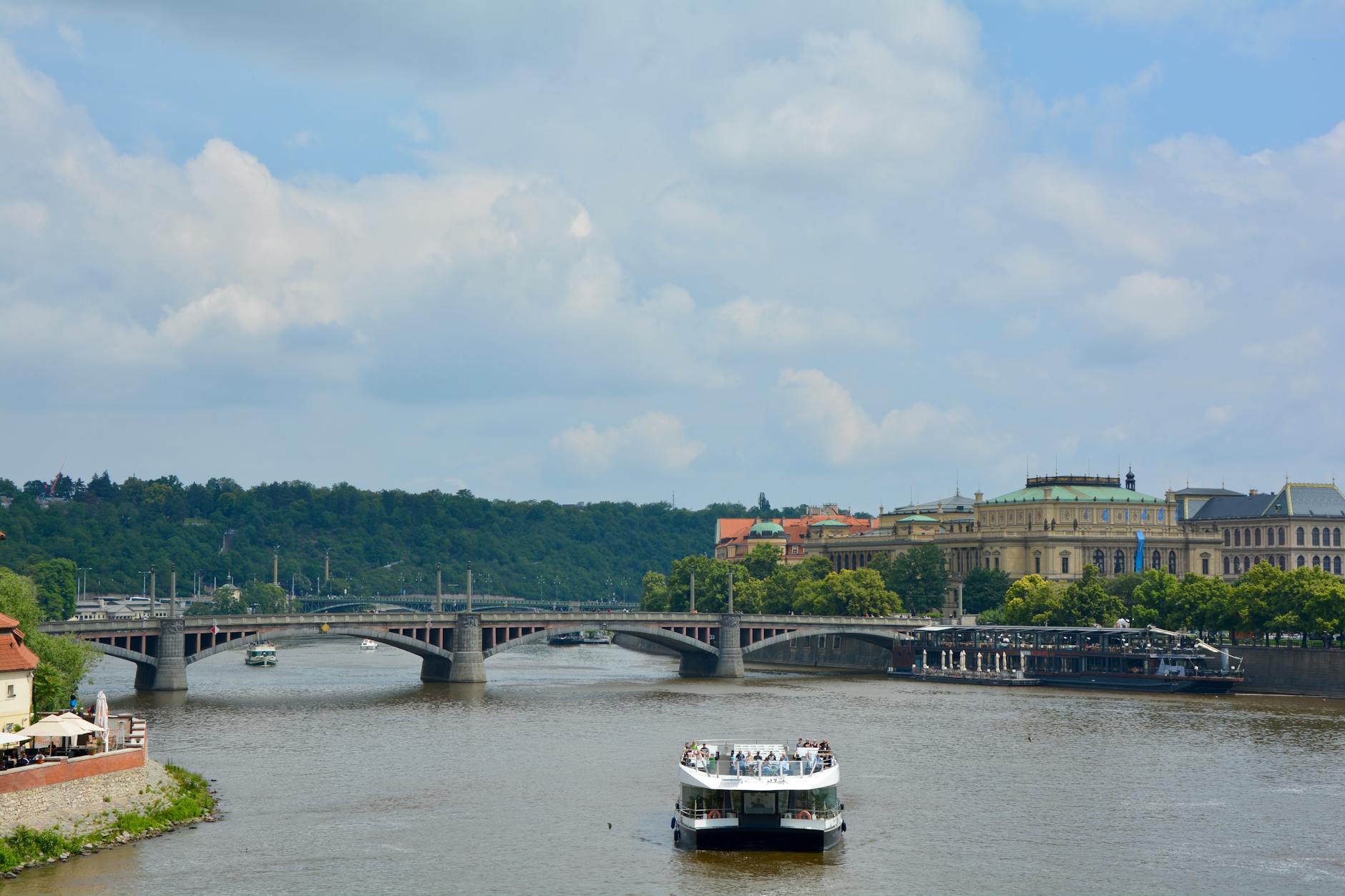
Protect onward travel timing
The Prague add-on often ends with a flight, train, coach pickup, or return to a cruise itinerary. The traveler should build the final morning around reliable timing, not wishful sightseeing. Airport transfers, station access, breakfast, checkout, traffic, weather, and luggage loading all deserve explicit planning.
A late final night can also weaken the departure. The best cruise extension usually ends cleanly: a controlled dinner, clear pickup instructions, packed bags, and a realistic transfer buffer.
- Plan airport, rail, coach, or cruise connection timing before adding final-morning sights.
- Confirm pickup points, luggage loading, checkout, breakfast, and transfer buffers.
- Keep the last night compatible with the next day's departure obligations.
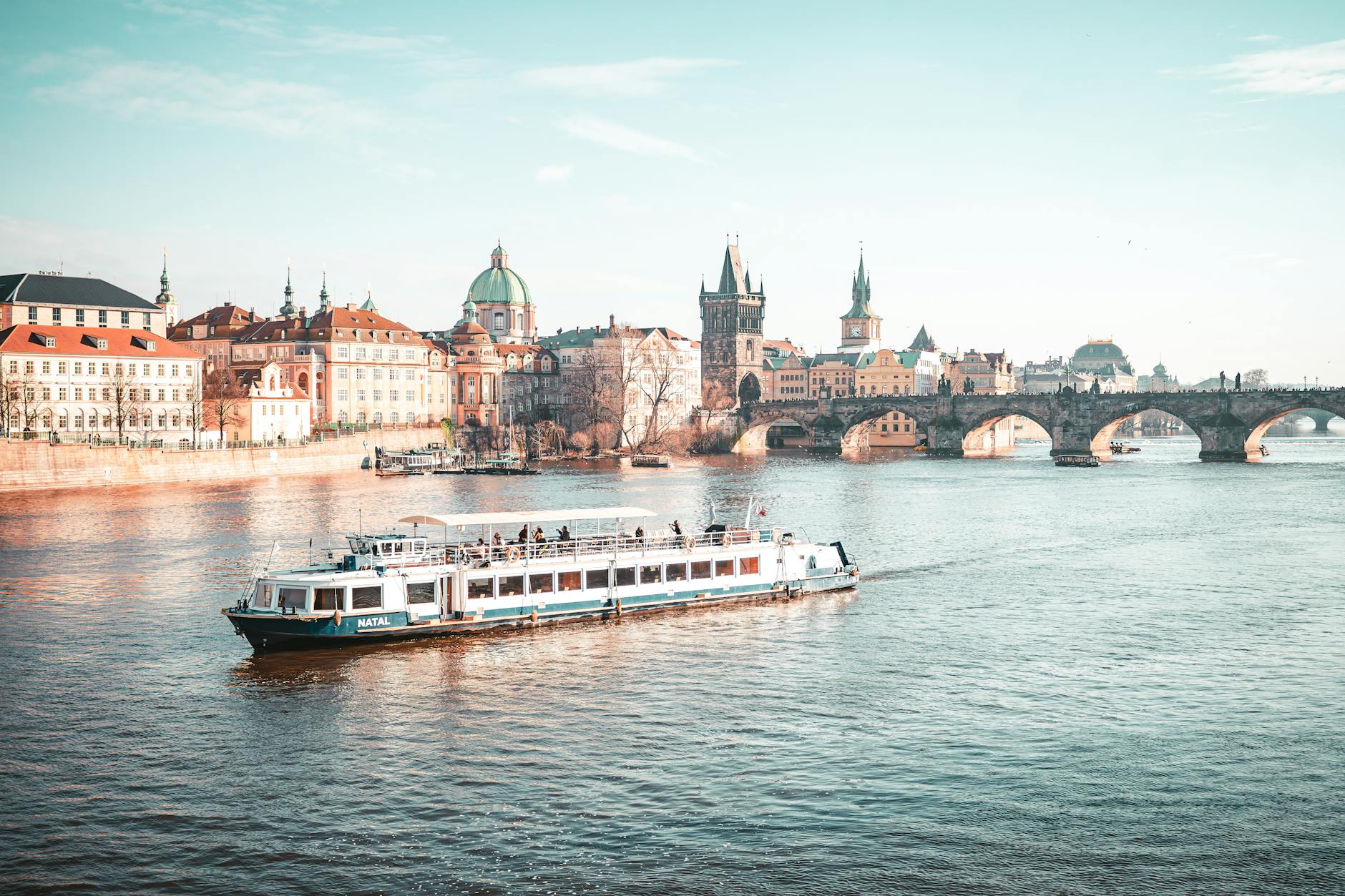
When to order a short-term travel report
A cruise traveler with a packaged Prague extension and generous timing may not need a custom report. A report becomes useful when transfers, luggage, hotel access, mobility, river-cruise handoff, flight timing, private touring, weather, or deciding whether to add Prague could affect the whole trip.
The report should test arrival sequence, transfer options, hotel fit, luggage handling, realistic sightseeing, Vltava boat value, meals, mobility, weather, onward timing, budget, and what to cut. The value is a Prague add-on that feels deliberate instead of bolted onto the cruise.
- Order when transfers, luggage, hotel access, cruise handoff, mobility, or departure timing need testing.
- Provide ship or tour details, dates, arrival mode, luggage, hotel options, mobility needs, and budget.
- Use the report to decide whether Prague strengthens the cruise itinerary or overextends it.