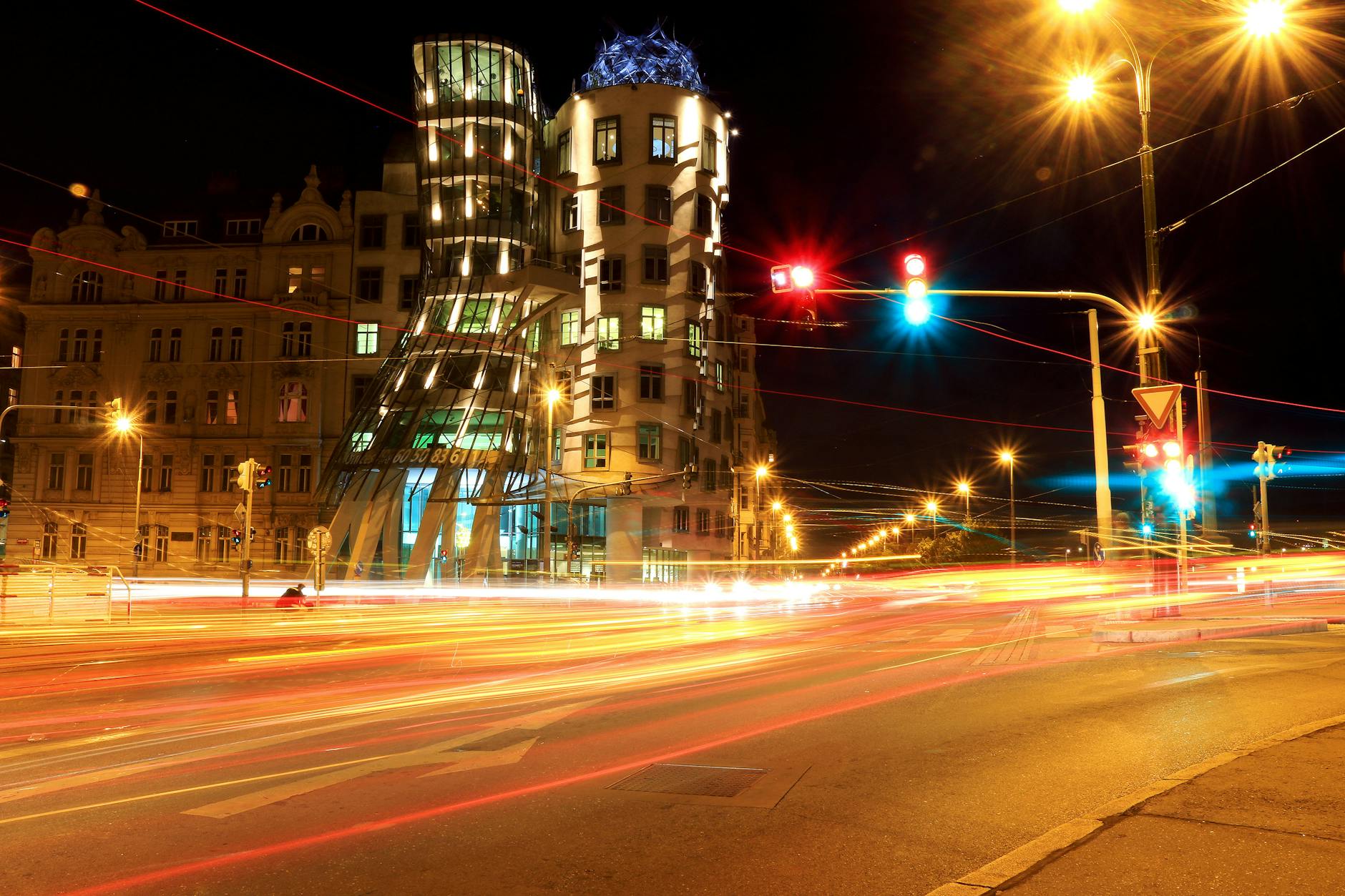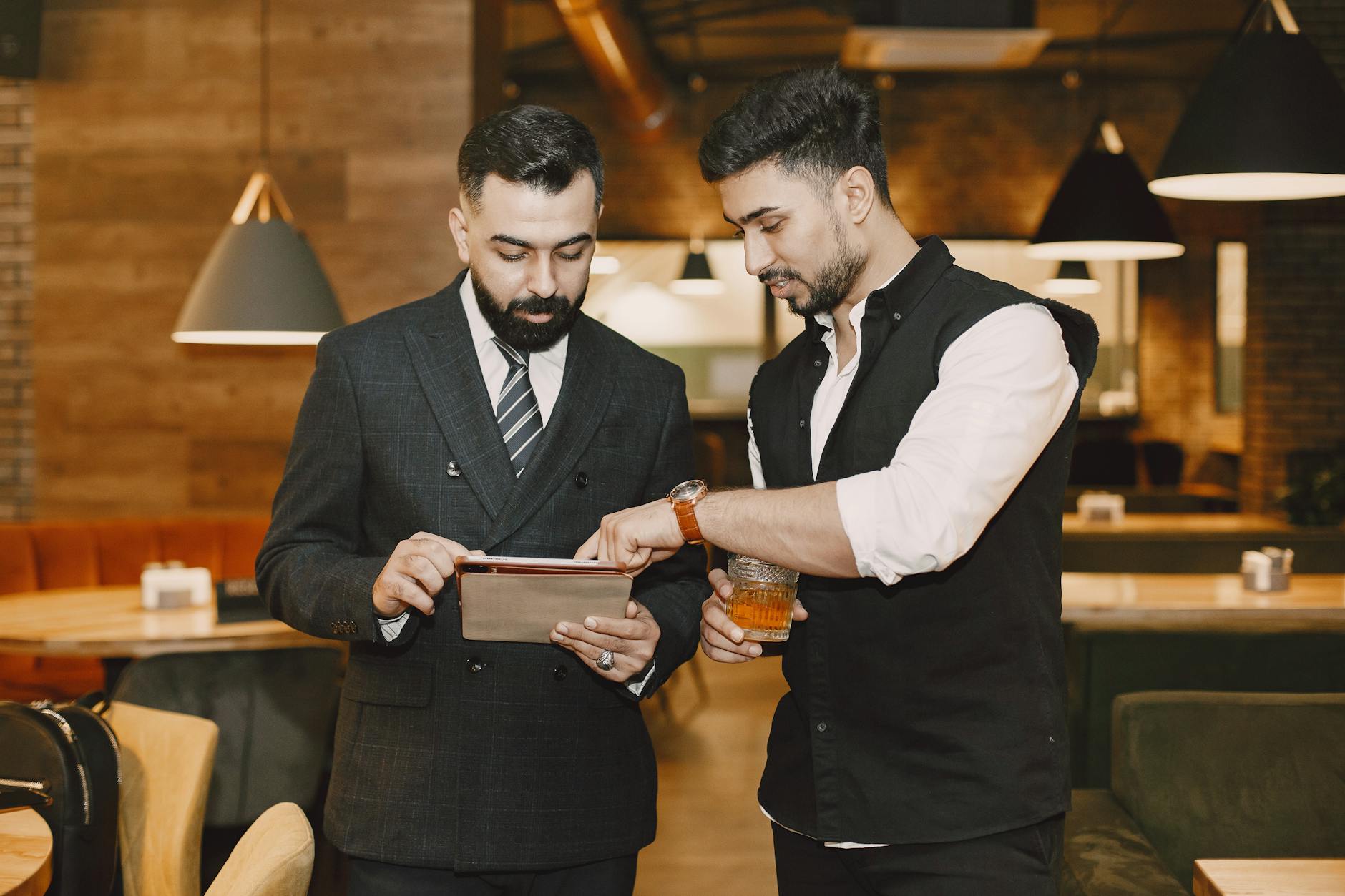
Prague can work well for consultants because it offers strong hotels, reliable urban transport, client-friendly restaurants, historic settings, and good connections for regional travel. It can also dilute a short engagement if the consultant underestimates transfer time, old-town crowd friction, hotel work needs, or the amount of private space required between client sessions. A Prague consulting trip should be planned around delivery: where the consultant needs to be credible, prepared, rested, connected, and discreet. The city can be enjoyed around that structure, but it should not control it.
Map the actual client geography
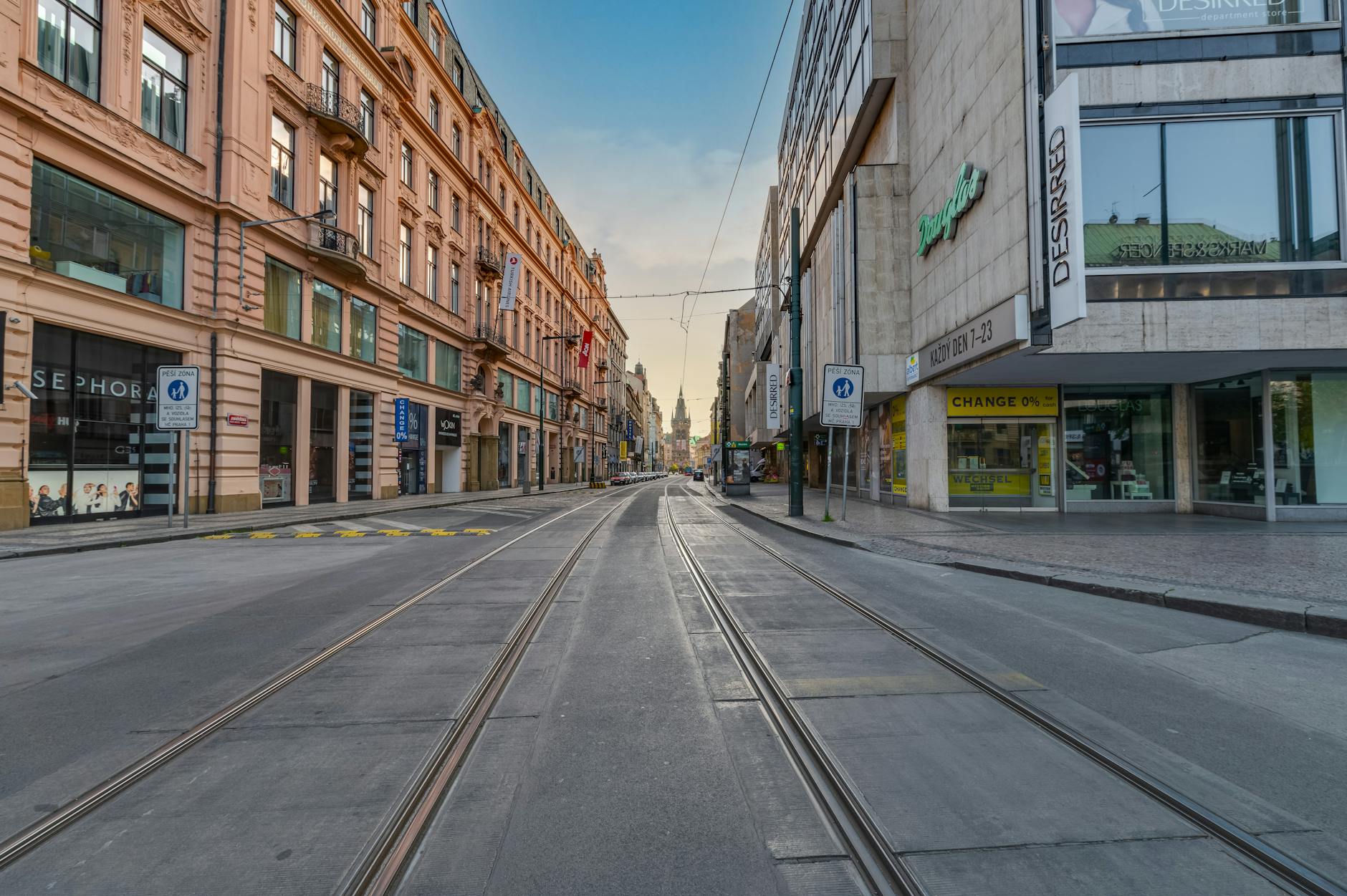
The first question for a consultant is not which Prague district is most attractive. It is where the client site, workshop room, hotel, dinner, station, airport route, and any secondary meeting actually sit. Prague can make a cross-town day look compact while the practical route includes trams, taxis, cobblestones, pedestrian zones, and traffic.
The consultant should map every fixed commitment before choosing the base. If the engagement is in a business district, industrial site, university, or suburban office, a central hotel may not be the most efficient answer. The right base protects delivery first.
- Map client site, workshop room, hotel, dinners, station, airport route, and secondary meetings.
- Choose the base by delivery efficiency, not by tourist prestige.
- Check door-to-door timing at the hours the consultant will actually move.
Make the hotel a work base
A consultant's Prague hotel should support focused work as well as sleep. Desk quality, chair comfort, quiet, Wi-Fi, power outlets, breakfast timing, laundry, garment care, lobby meeting space, and taxi pickup can matter more than decor. A charming hotel becomes a weak choice if the consultant cannot revise slides, join a confidential call, or get to the client site cleanly.
The room also needs to support recovery. Short consulting trips often combine travel fatigue, client intensity, late dinners, and early starts. A hotel that reduces small friction can improve the work product.
- Check desk, chair, Wi-Fi, outlets, quiet, breakfast timing, laundry, and taxi pickup.
- Use hotel lobby or meeting space only when confidentiality allows it.
- Choose lodging that supports preparation, delivery, and recovery.

Protect confidential work and calls
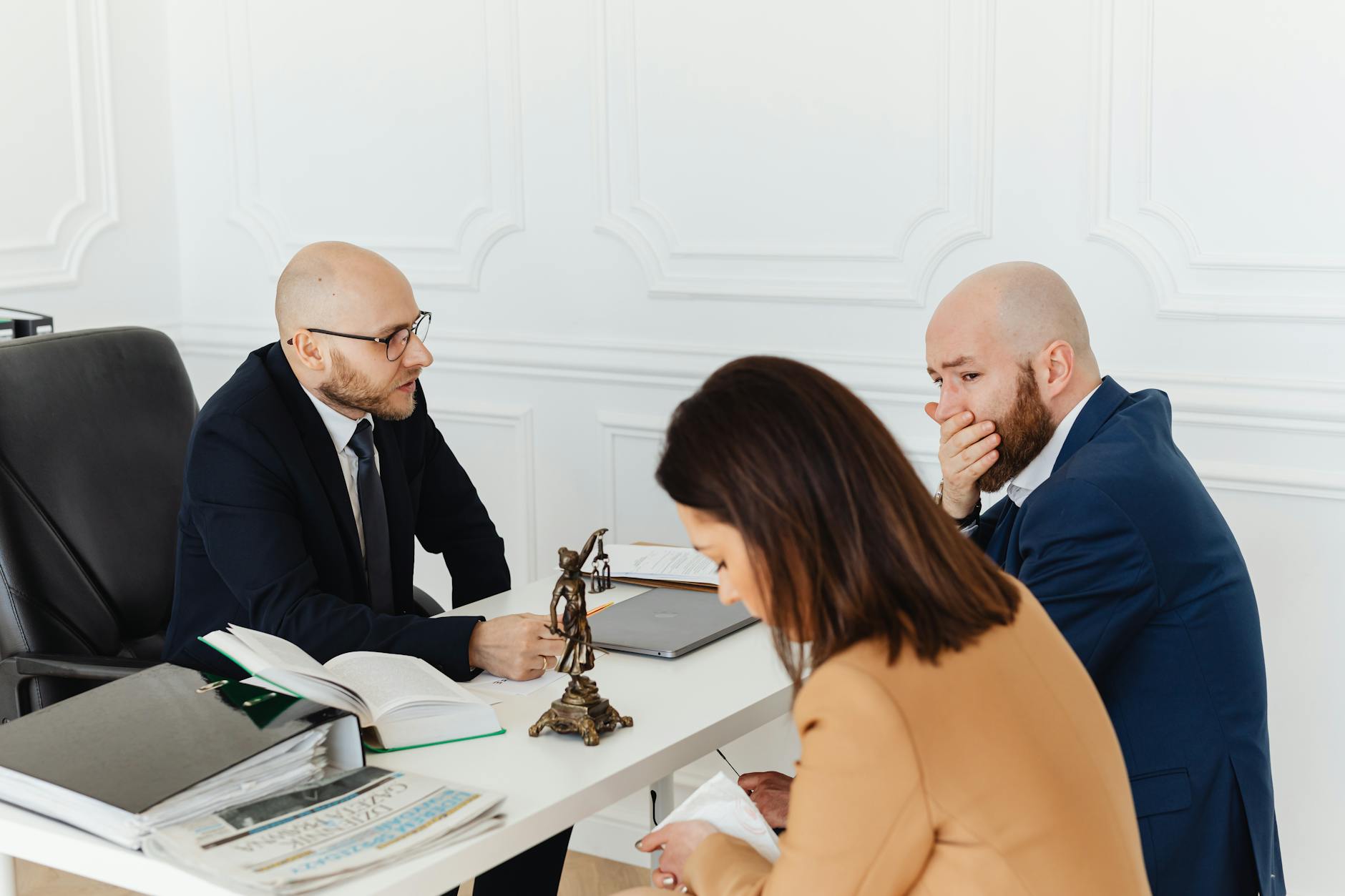
Consultants often travel with sensitive client material, financial models, implementation plans, organizational issues, or negotiation context. Prague cafes, hotel lobbies, trains, trams, and restaurant tables are not private simply because they feel professional. The consultant should decide in advance where confidential calls, document review, and sensitive writing will happen.
Device discipline also matters. Use privacy screens where useful, control printed material, keep bags close in crowded areas, and avoid discussing client details in taxis or public spaces where context can be overheard.
- Identify private places for confidential calls, document review, and sensitive writing.
- Use bag, screen, printout, and device discipline in cafes, lobbies, transit, and restaurants.
- Avoid client-specific conversations in public or semi-public spaces.
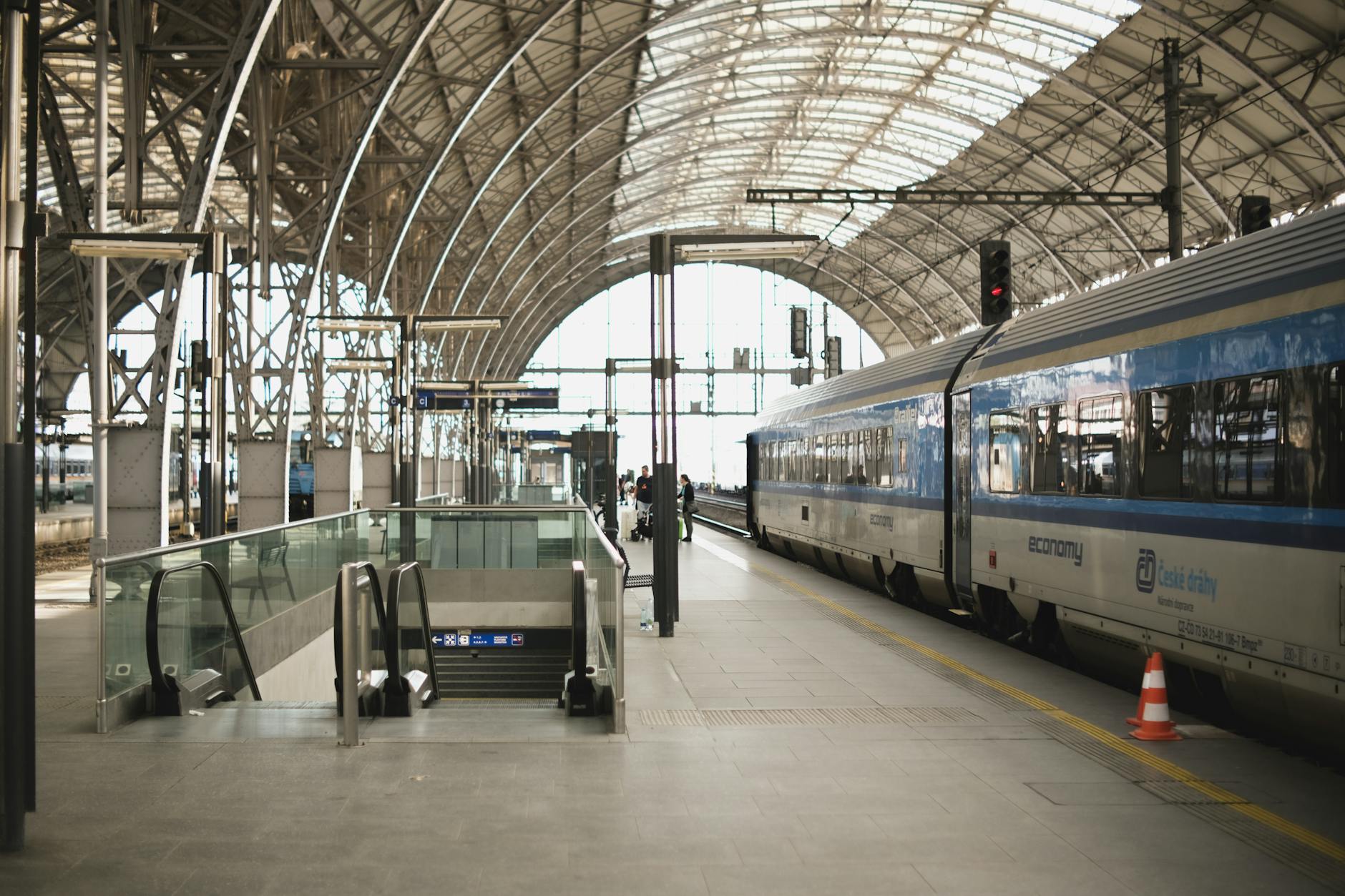
Plan arrivals and regional transfers carefully
A Prague consulting trip may involve Vaclav Havel Airport, Hlavni nadrazi, client cars, taxis, regional rail, or a follow-on meeting in another Czech or Central European city. The transfer plan should protect punctuality, luggage, presentation materials, and energy. A rushed arrival can damage the first client interaction before the meeting begins.
If the consultant is carrying workshop materials, formal clothes, or equipment, transfers should be chosen for reliability rather than theoretical speed. The final departure also needs margin for last-minute client requests.
- Plan airport, rail, client-car, taxi, and regional transfer choices before arrival.
- Protect luggage, formal clothes, presentation materials, and first-meeting punctuality.
- Leave margin for final client requests before airport or station departure.
Use local movement by purpose
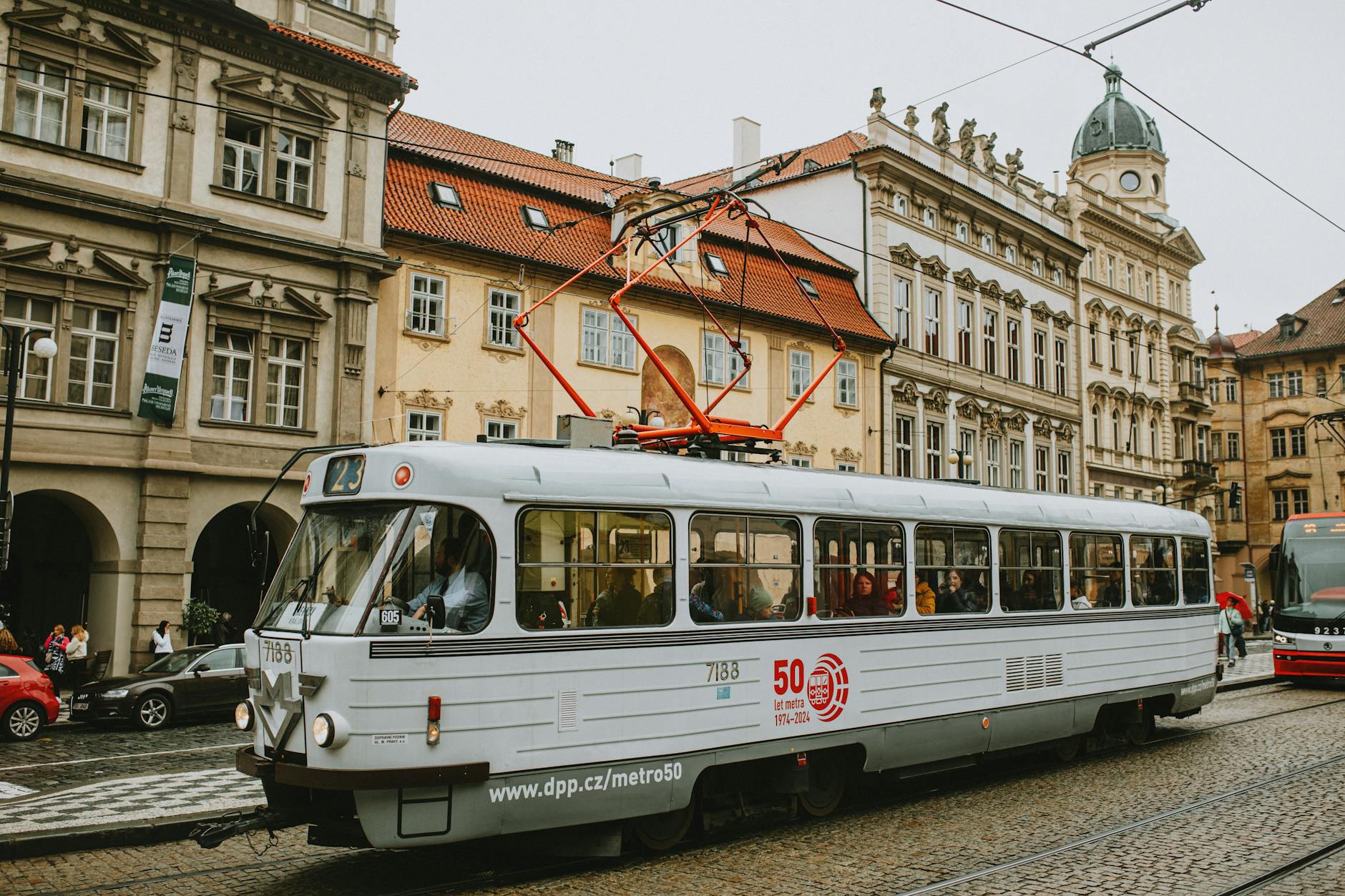
Prague trams, metro, taxis, ride-hail, and walking routes all have a place in a consulting trip. Public transport may be fastest for some central movements. A car may be better with formal clothing, client materials, rain, late dinners, or a site that is awkward from the nearest stop. Walking may be useful for short central hops but poor across cobblestones before a formal meeting.
The consultant should assign movement modes by purpose. Client-facing travel, private calls, dinner returns, and casual sightseeing do not need the same answer.
- Use trams, metro, taxis, ride-hail, and walking according to meeting purpose and conditions.
- Choose cars for formal clothes, materials, rain, late dinners, or awkward final approaches.
- Avoid burning client-day energy on scenic but inefficient walks.
Plan client dinners and recovery
Client dinners can be valuable in Prague, but they should not weaken the next day's delivery. The consultant should clarify who is attending, dress, payment expectations, dietary issues, transport home, and whether the meal is relationship-building, negotiation, or simple hospitality.
Recovery time should be planned, not hoped for. A consulting trip with workshops, slide revisions, late meals, and early calls can become brittle quickly. The itinerary should leave room for follow-up notes, sleep, and a realistic morning routine.
- Clarify dinner purpose, attendees, dress, payment, dietary needs, and return route.
- Protect sleep, follow-up notes, and next-day preparation after evening obligations.
- Avoid treating every free evening as sightseeing time.
When to order a short-term travel report
A consultant with one meeting, local support, and a familiar hotel may not need a custom Prague report. A report becomes useful when there are several client sites, a workshop, confidential materials, late dinners, regional transfers, hotel uncertainty, or little room for arrival delays.
The report should test client geography, hotel work setup, transfer choices, transit, confidential work locations, dinner plans, weather, fatigue, budget, and what to cut. The value is a Prague consulting trip that supports the engagement rather than forcing the consultant to solve logistics between deliverables.
- Order when client-site geography, hotel workspace, transfers, confidentiality, dinners, or schedule buffers need testing.
- Provide dates, client addresses, hotel options, meeting times, materials, confidentiality needs, budget, and constraints.
- Use the report to protect delivery quality across the whole Prague engagement.