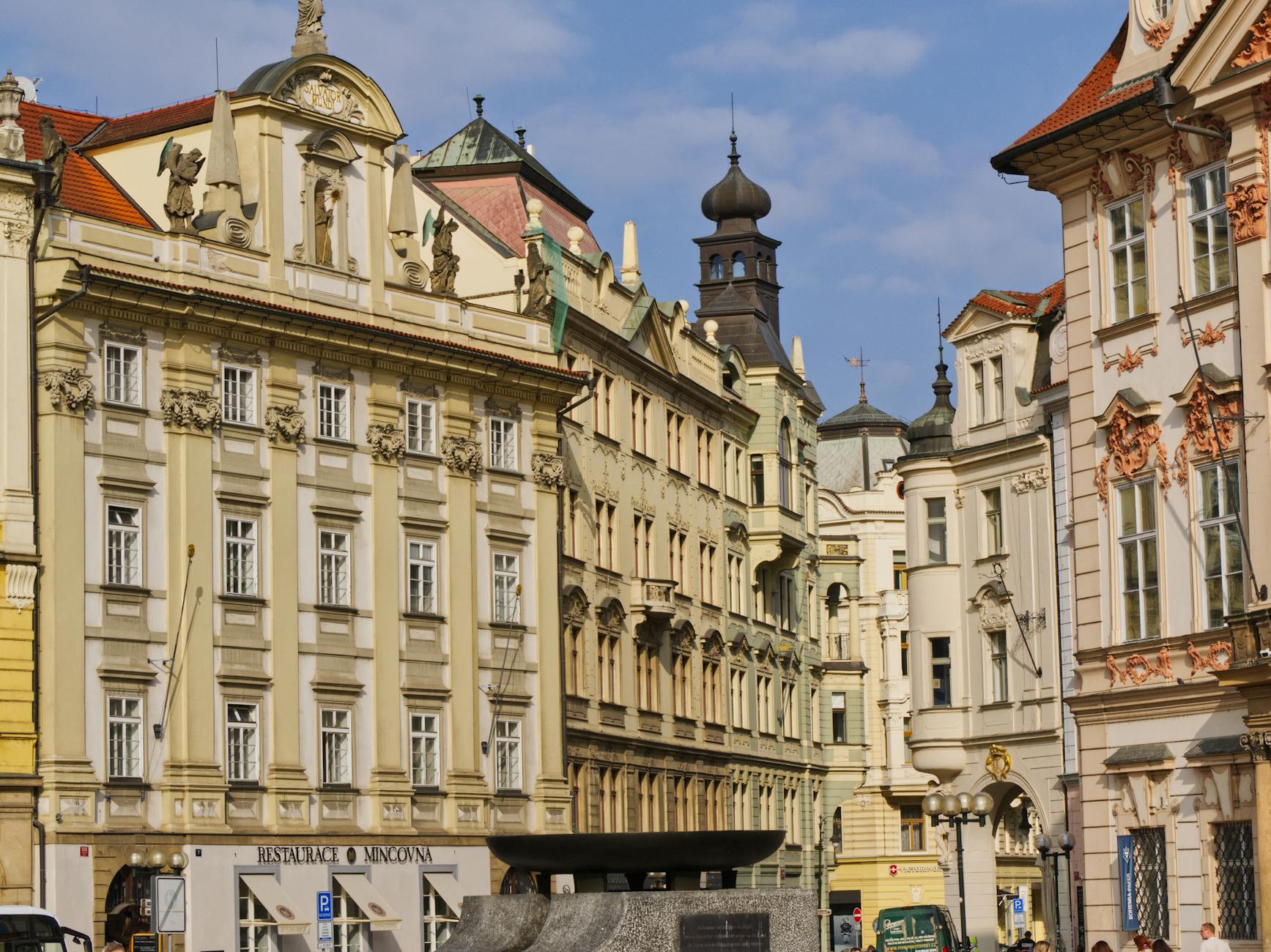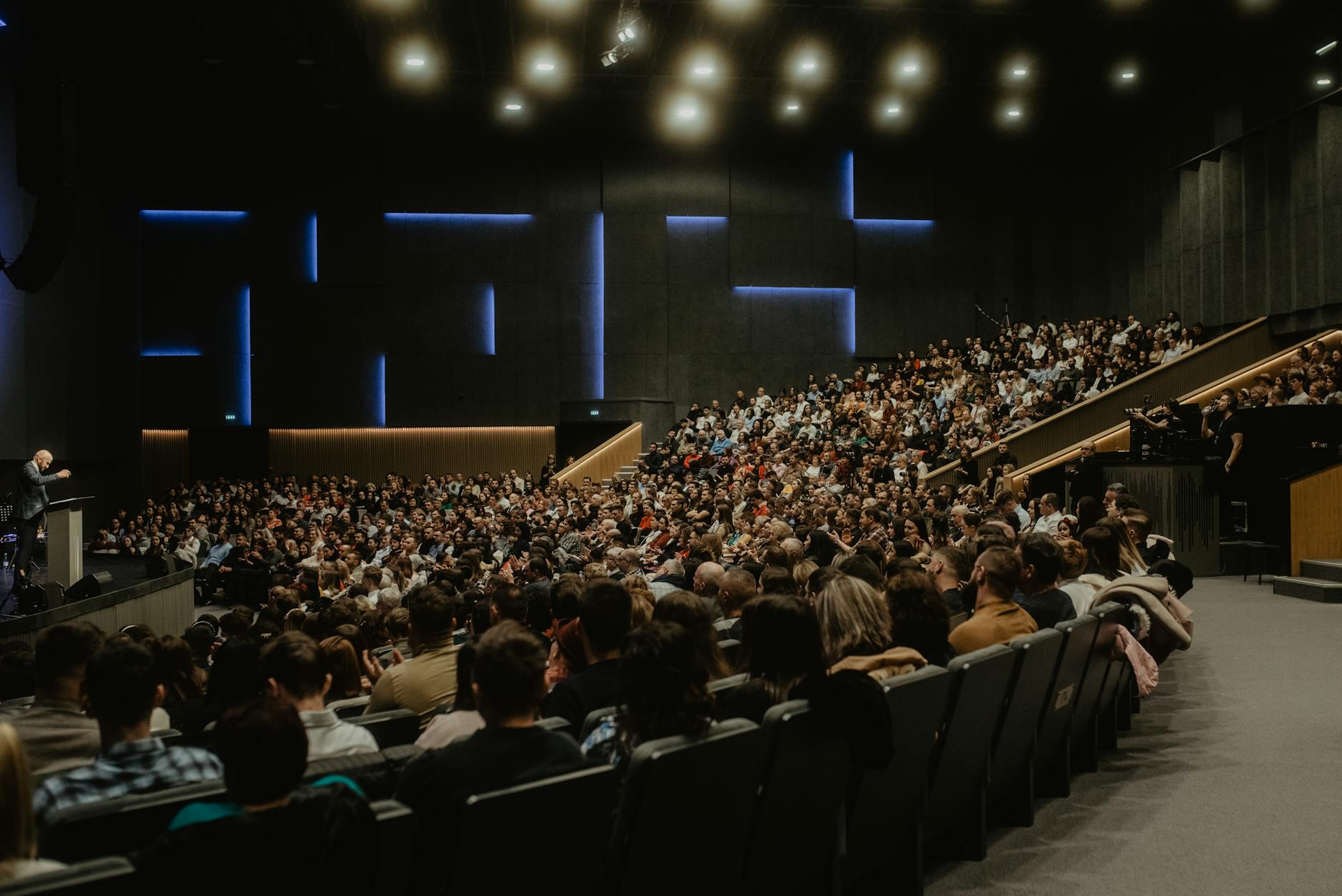
Prague is a strong conference city because it combines recognizable venues, reliable urban transport, historic settings, hotels, restaurants, and enough cultural appeal to make a work trip feel worthwhile. That appeal can also weaken the trip if the attendee treats the conference as an interruption to sightseeing instead of the main operating requirement. A useful Prague conference plan starts with the fixed commitments: registration, sessions, booth duties, presentations, client meetings, sponsor events, dinners, and departure timing. The city should be fitted around those commitments, not the other way around.
Let the venue control the operating base
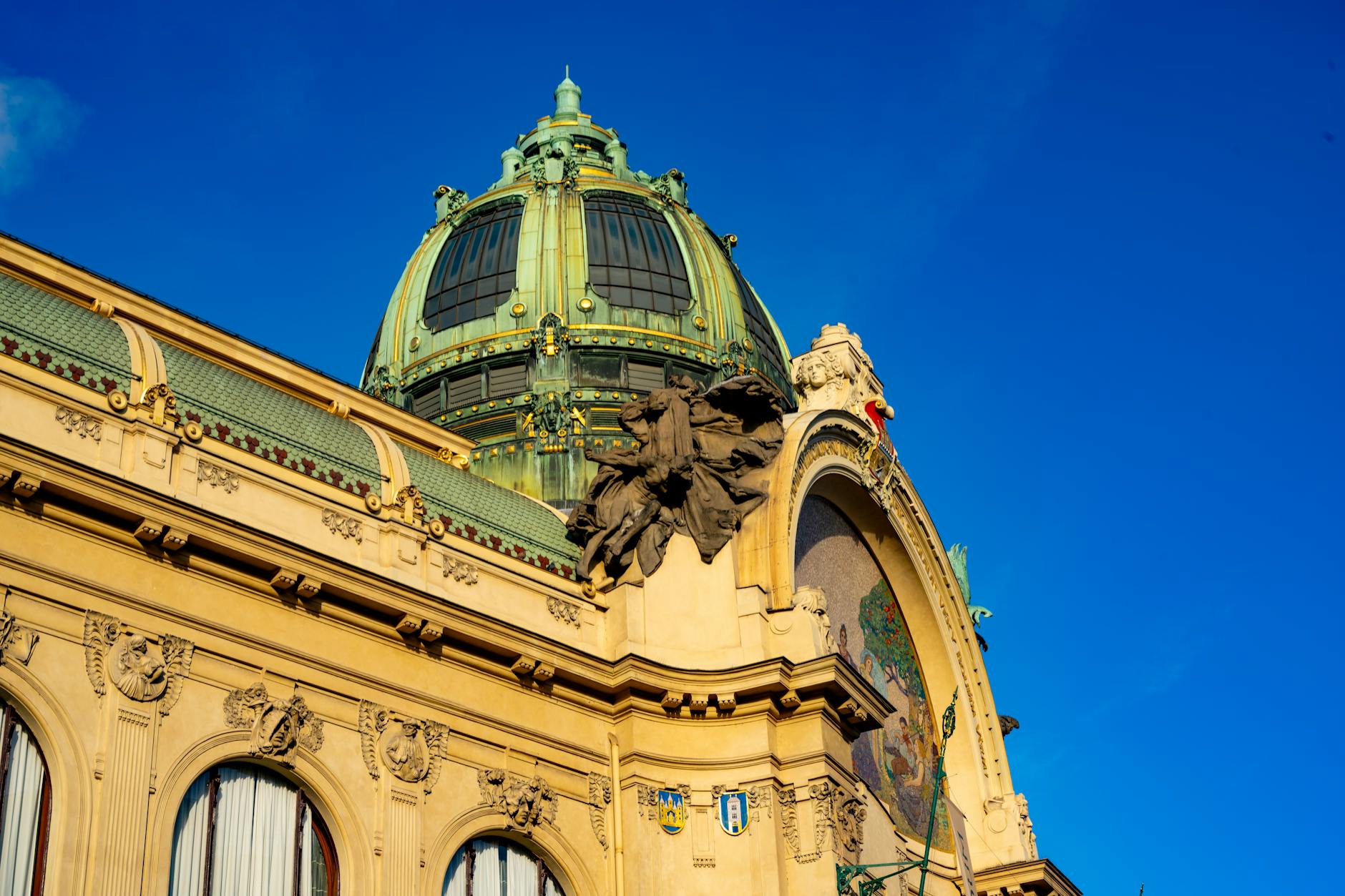
The first decision is not whether the hotel has the best view of Prague. It is whether the attendee can reach the actual venue entrance, registration desk, session rooms, exhibition floor, and evening events without wasting the best parts of the day. Prague Congress Centre, hotel conference floors, Municipal House, university buildings, exhibition spaces, and corporate venues create different movement patterns.
The attendee should compare hotel choices by door-to-door effort at the hours that matter. A charming Old Town stay may be wrong for an early session across town; a venue-adjacent hotel may be dull but excellent if the trip depends on punctual booth coverage or client meetings.
- Map hotel, venue entrance, registration, session rooms, exhibition areas, and evening events.
- Compare door-to-door routes at conference hours, not only map distance.
- Choose the base that protects the event purpose before scenic convenience.
Treat registration and materials as logistics
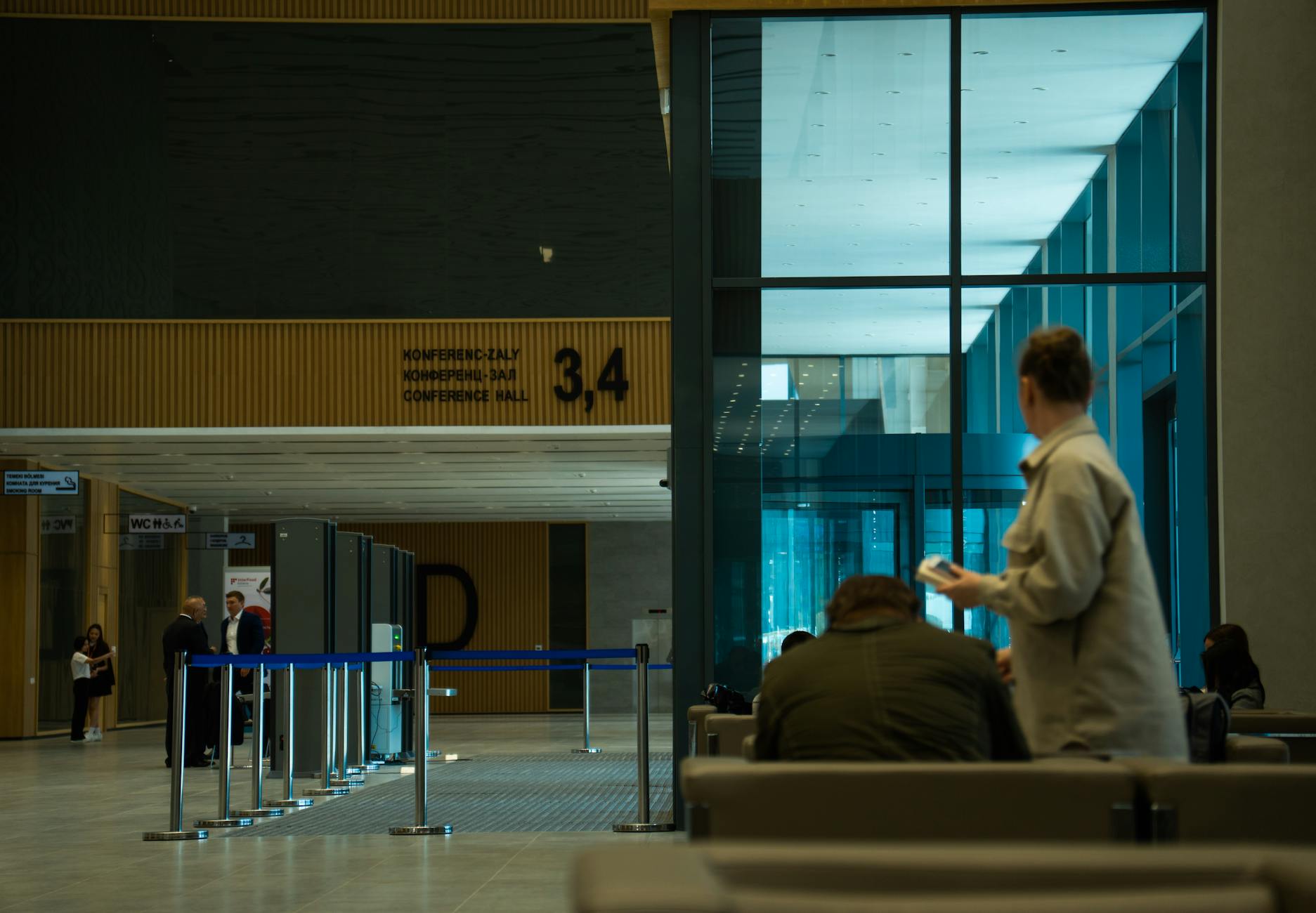
Conference travel often depends on small operational details: badges, QR codes, apps, printed agendas, booth passes, client lists, chargers, adapters, presentation files, samples, business cards, and luggage storage. Prague is easy enough when these items are controlled and awkward when the attendee is solving them in a lobby queue.
The attendee should know when registration opens, whether early badge pickup is possible, where bags can be stored, and how materials will move between the hotel, venue, dinner, and airport. A short work trip should not be undermined by a forgotten adapter or an oversized sample case.
- Prepare badges, apps, QR codes, chargers, adapters, files, samples, cards, and printed backups.
- Check registration timing, luggage storage, coat check, and venue access rules.
- Plan how materials move between hotel, venue, dinners, and departure point.
Protect presentation, booth, or meeting performance
A conference attendee may be listening, selling, presenting, recruiting, learning, or representing an organization. Each role has a different failure point. Presenters need technical readiness and calm arrival. Exhibitors need booth stamina and material control. Buyers and investors need a meeting sequence. Internal attendees need time to capture useful notes and brief colleagues.
The traveler should build the day around performance, not attendance alone. Sleep, meals, shoes, breaks, quiet calls, and a realistic evening schedule all affect whether the conference produces value.
- Identify whether the trip depends on presenting, exhibiting, selling, recruiting, learning, or meetings.
- Protect sleep, meals, footwear, quiet calls, and breaks around that role.
- Leave room for notes and follow-up instead of spending every gap on sightseeing.
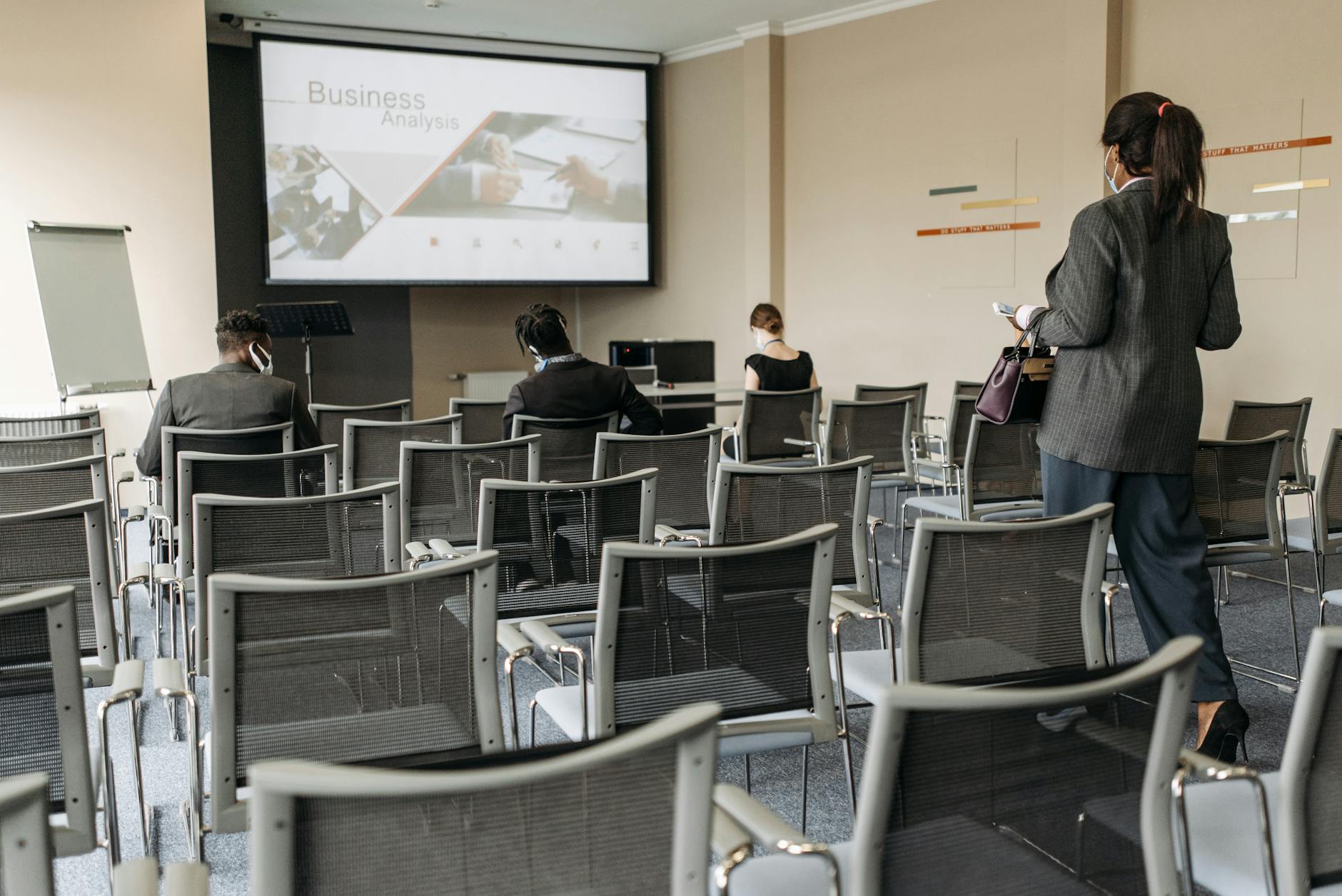
Use Prague transit without adding uncertainty
Prague's tram and metro network can be very useful for conference attendees, especially when the venue sits away from the most tourist-heavy streets. The traveler should still test the route in practical terms: ticketing, platform direction, stop names, walking distance, stairs, crowds, weather, and the late return after a reception.
Taxis and ride-hail can be better with formal clothes, equipment, luggage, heavy rain, or client dinners. The plan should assign each important movement to the transport mode that makes it most reliable.
- Check ticketing, stop names, platform direction, stairs, walking distance, and weather exposure.
- Use cars for luggage, equipment, formal clothing, late returns, or client hospitality.
- Build one backup route for any session, meeting, or departure that cannot be missed.
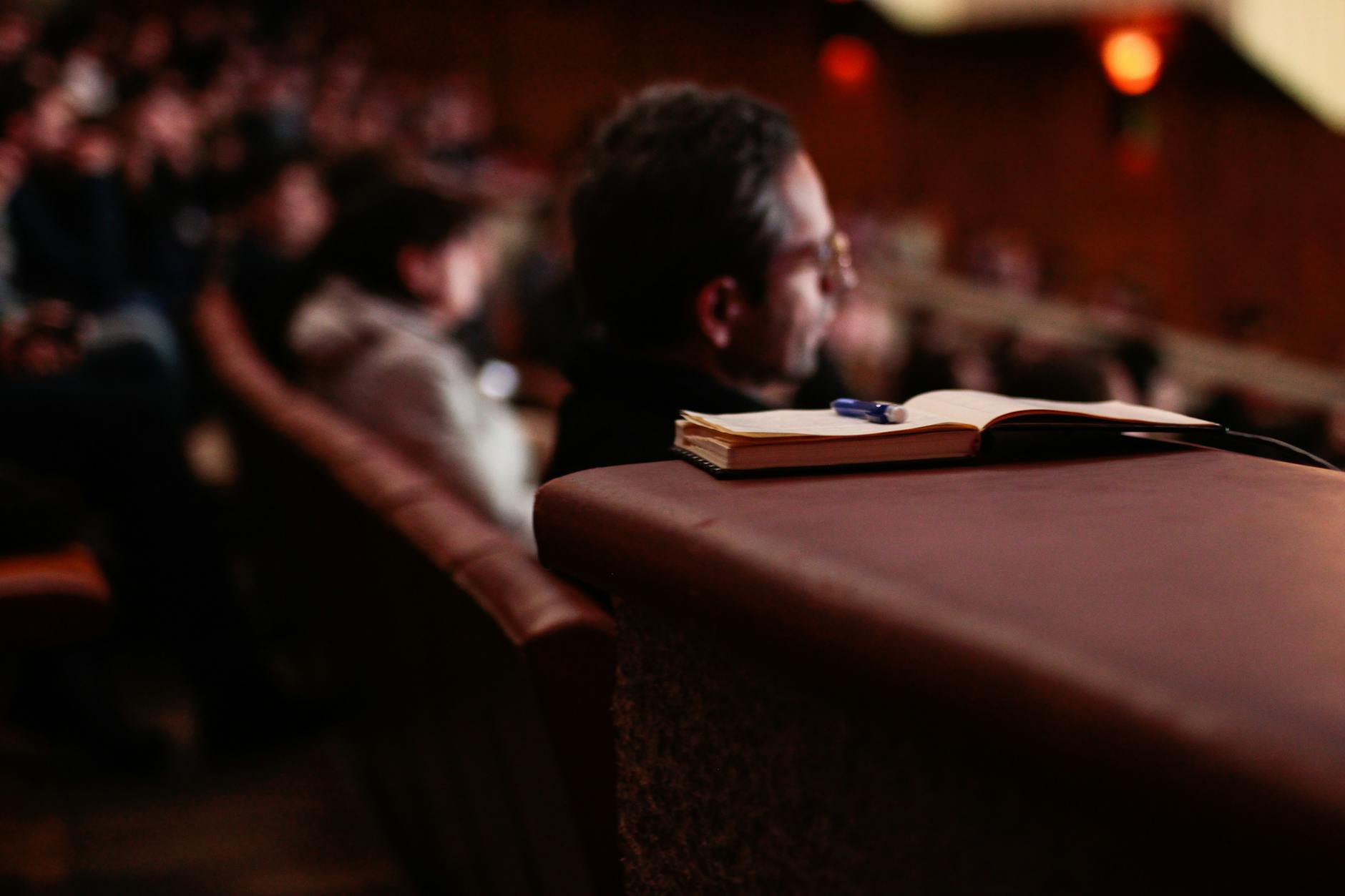
Make networking specific
Prague is a pleasant place to extend conversations after sessions, but useful networking rarely happens by accident. The attendee should know which clients, partners, sponsors, speakers, colleagues, journalists, vendors, or prospects matter before arrival. That list should shape coffee breaks, lunches, receptions, dinners, and follow-up windows.
Restaurant and bar choices should support the business goal. A loud tourist venue may be memorable and still wrong for a confidential conversation. A quiet hotel lounge, reserved table, or simple cafe near the venue may create more value.
- List priority people and meetings before the first conference day.
- Choose receptions, meals, lounges, and cafes by conversation value, not only atmosphere.
- Protect follow-up time while the conversation is still fresh.
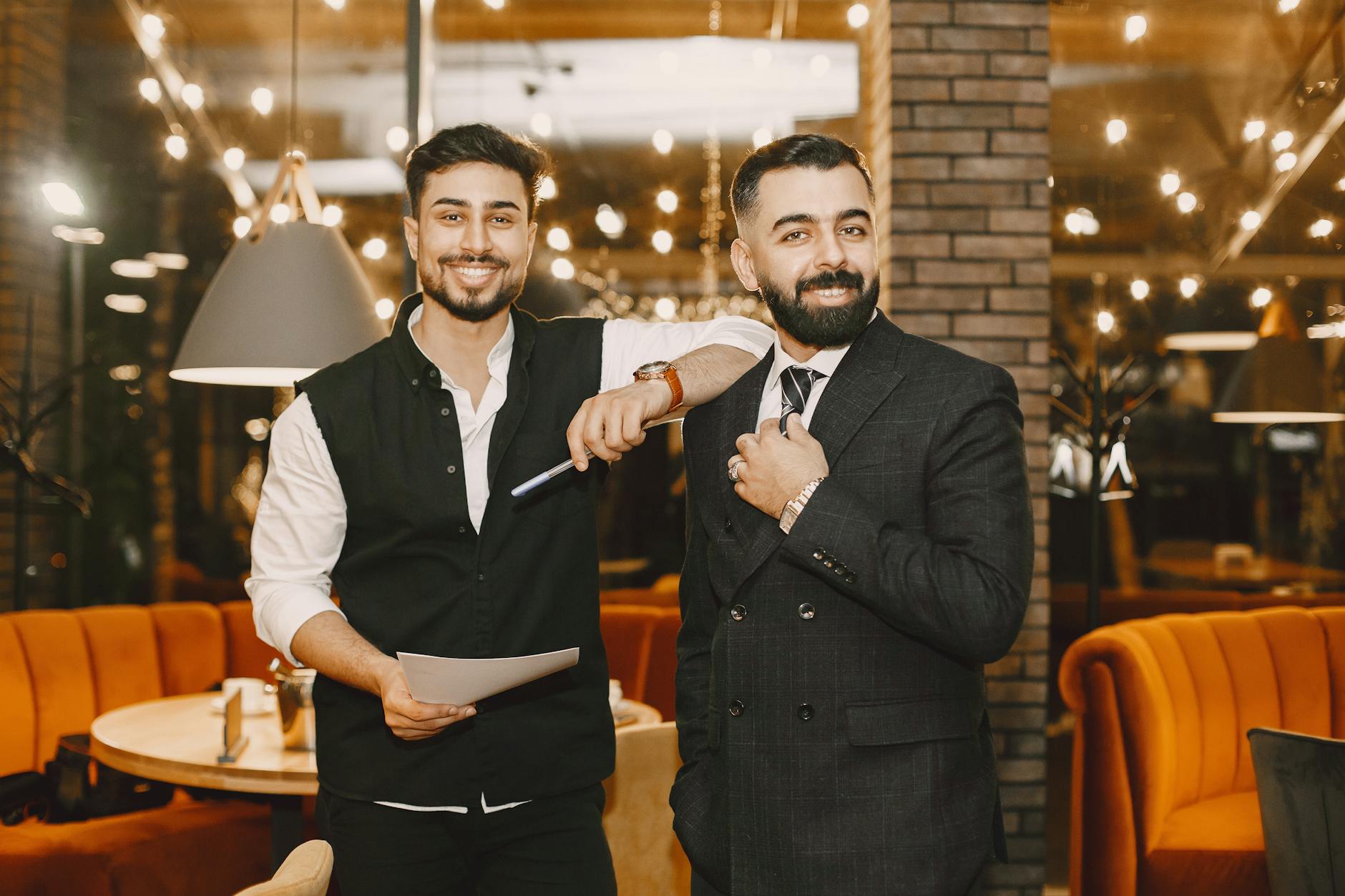
Keep arrival, departure, and sightseeing realistic
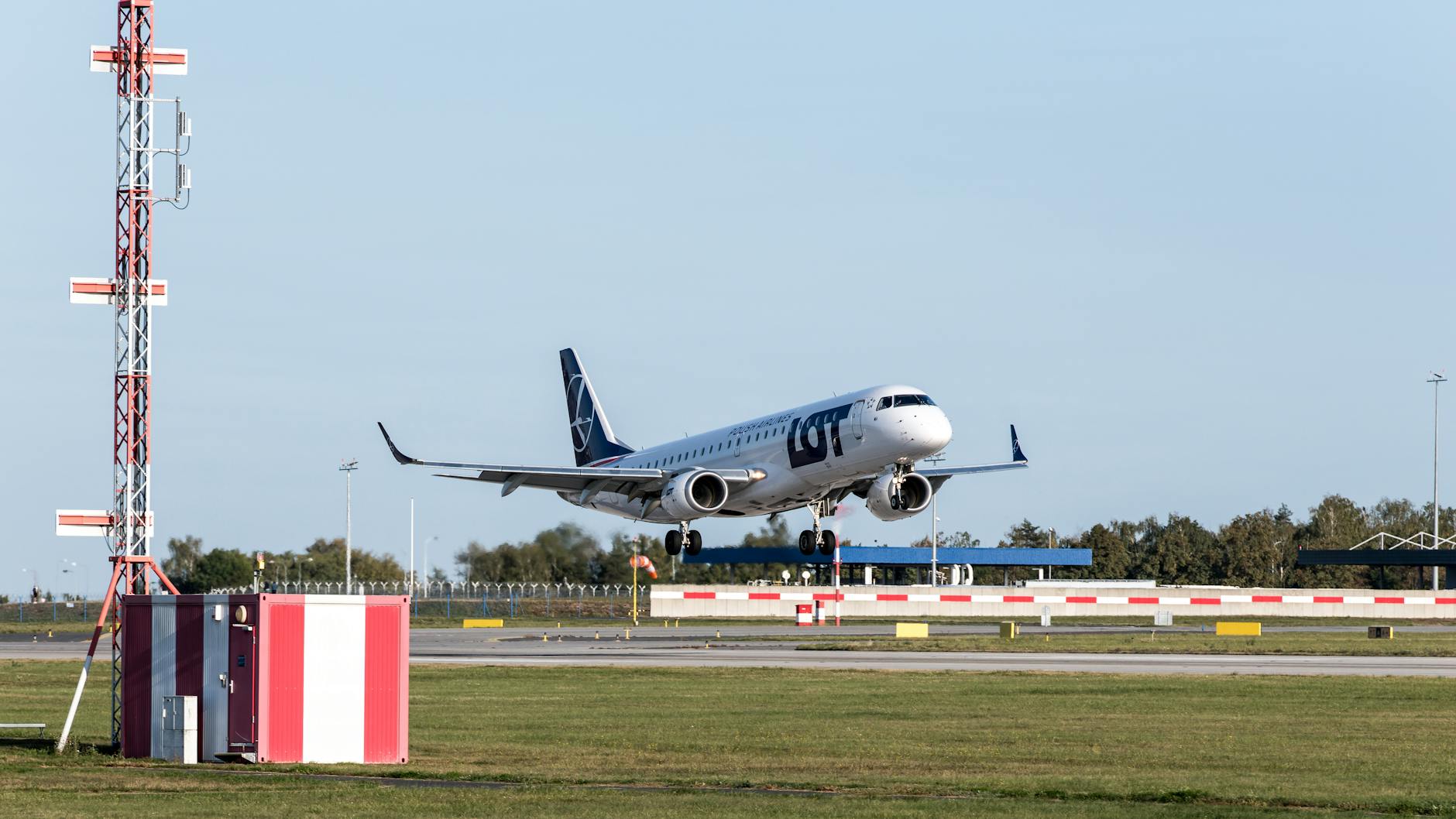
Short Prague conference trips often lose discipline at the edges. A late arrival before an early session, a final-morning castle visit before the airport, or a sightseeing-heavy evening before booth duty can weaken the core purpose. Vaclav Havel Airport transfers, hotel check-in, luggage storage, and departure buffers should be planned conservatively.
Sightseeing can still fit. The attendee should choose a few city moments that do not damage the conference: an early river view, a short Old Town walk, one museum, or a dinner in a neighborhood that does not complicate the next morning.
- Protect arrival recovery, first session timing, luggage storage, and final departure buffers.
- Choose limited sightseeing that does not weaken the event purpose.
- Avoid spending the last margin of the trip on a route that risks the airport or station.
When to order a short-term travel report
An attendee using a conference hotel and a flexible schedule may not need a custom Prague report. A report becomes useful when the traveler is choosing among hotels, presenting, staffing a booth, carrying materials, hosting clients, planning multiple side meetings, arriving late, or trying to add sightseeing without harming the event.
The report should test venue access, hotel choice, registration timing, presentation or booth logistics, transit, client meals, airport transfers, weather, work blocks, budget, and what to cut. The value is a Prague conference trip that produces outcomes instead of simply producing attendance.
- Order when venue access, hotel choice, materials, presentations, booth duty, or side meetings need testing.
- Provide dates, venue address, agenda, hotel options, equipment, arrival details, dinners, budget, and constraints.
- Use the report to keep the trip outcome-focused while still making Prague enjoyable.