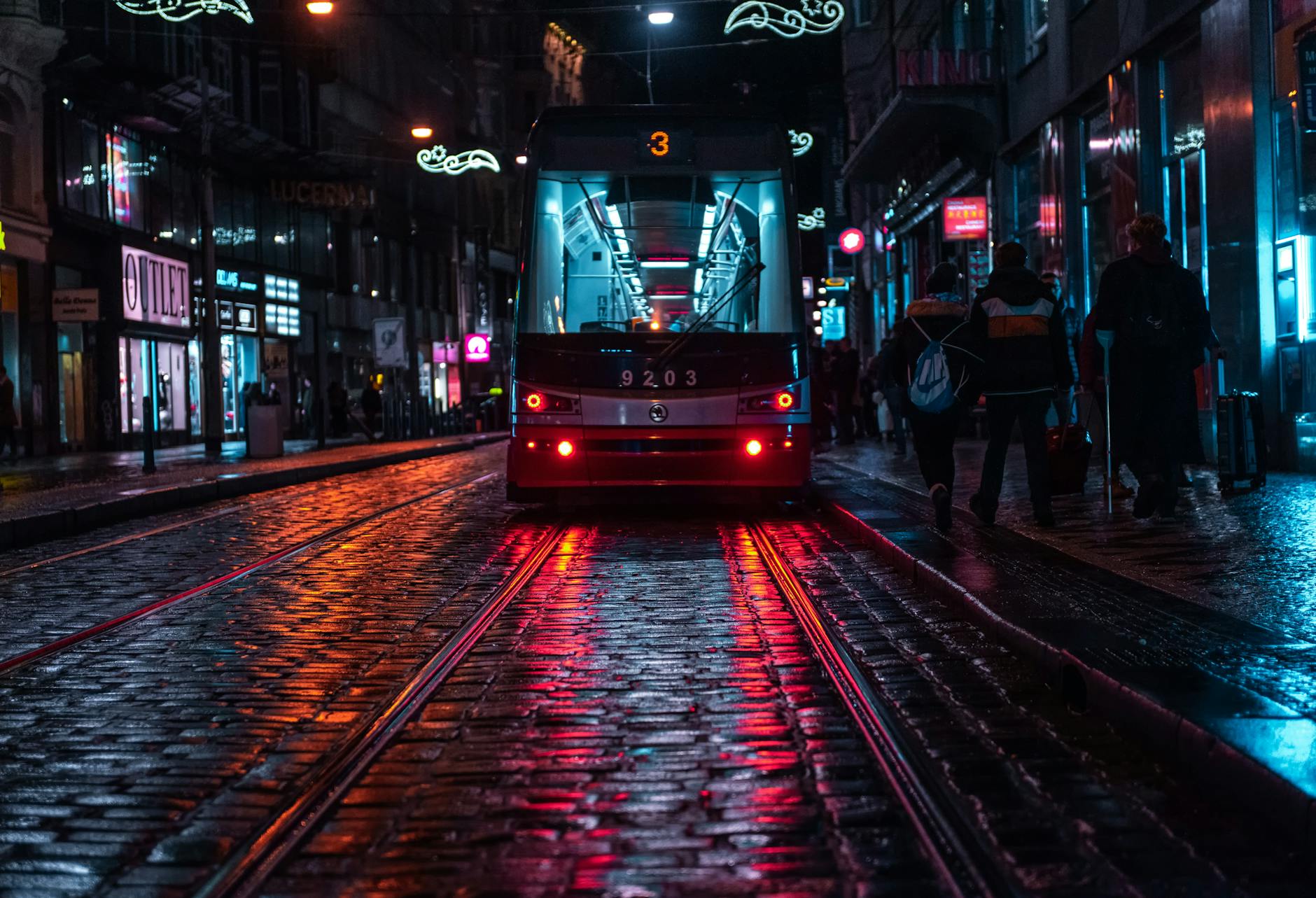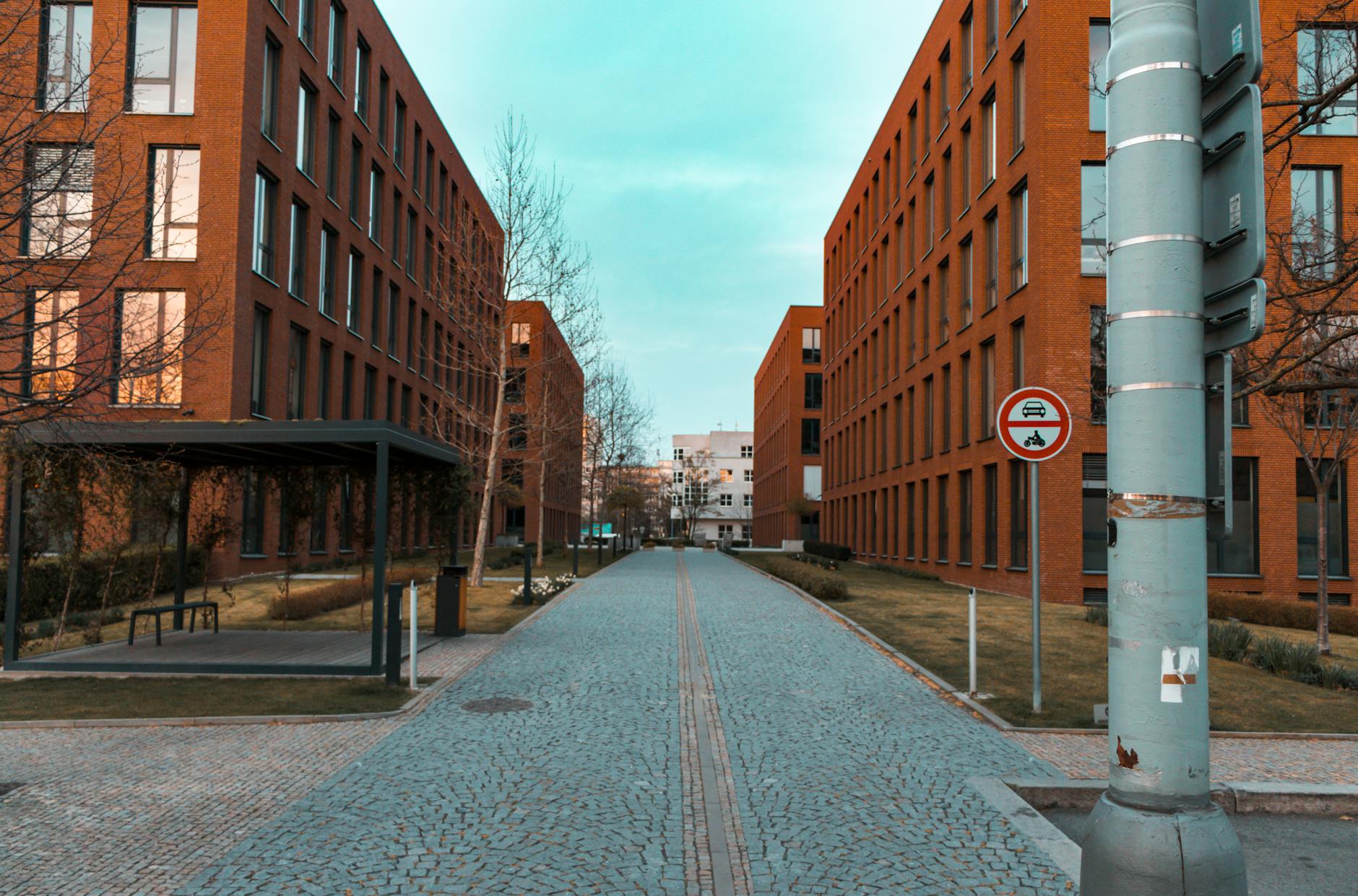
Prague is a practical business destination, but it is easy to underestimate because the city's visitor image is so heavily tied to castles, bridges, beer halls, and old-town scenery. A business trip needs a different map. Meeting location, tram access, airport transfers, hotel noise, dinner timing, and the distance between beautiful streets and useful work conditions all matter. The right Prague plan starts with the business purpose. A sales visit, board meeting, investor trip, conference add-on, supplier review, legal meeting, or internal workshop will each create a different route through the city.
Map meetings before choosing the hotel
A Prague business visitor should start with the meeting map: office addresses, conference venues, client dinners, coworking needs, train station, airport, and any old-town obligations. Prague is highly navigable, but a hotel chosen for charm can still create repeated cross-city movement.
Old Town, Nove Mesto, Vinohrady, Karlin, Andel, and airport-area hotels solve different problems. The best base is the one that protects punctuality, sleep, and work conditions, not the one with the most romantic brochure language.
- Map offices, venues, dinners, station, airport, and workspace needs before booking.
- Compare Old Town, Nove Mesto, Vinohrady, Karlin, Andel, and airport-area bases by business utility.
- Choose the hotel for punctuality and work rhythm, not only scenery.
Build realistic transfer buffers
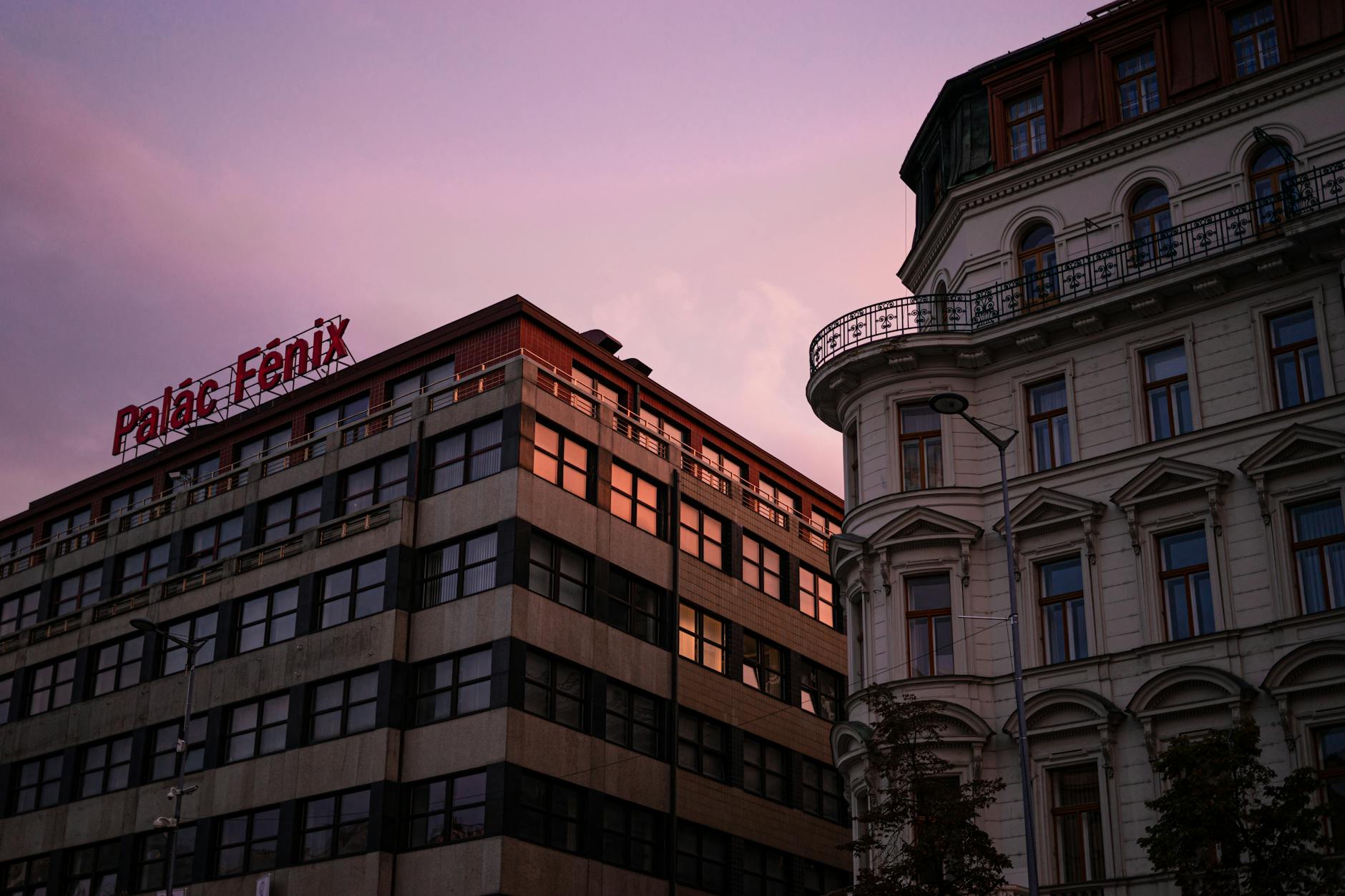
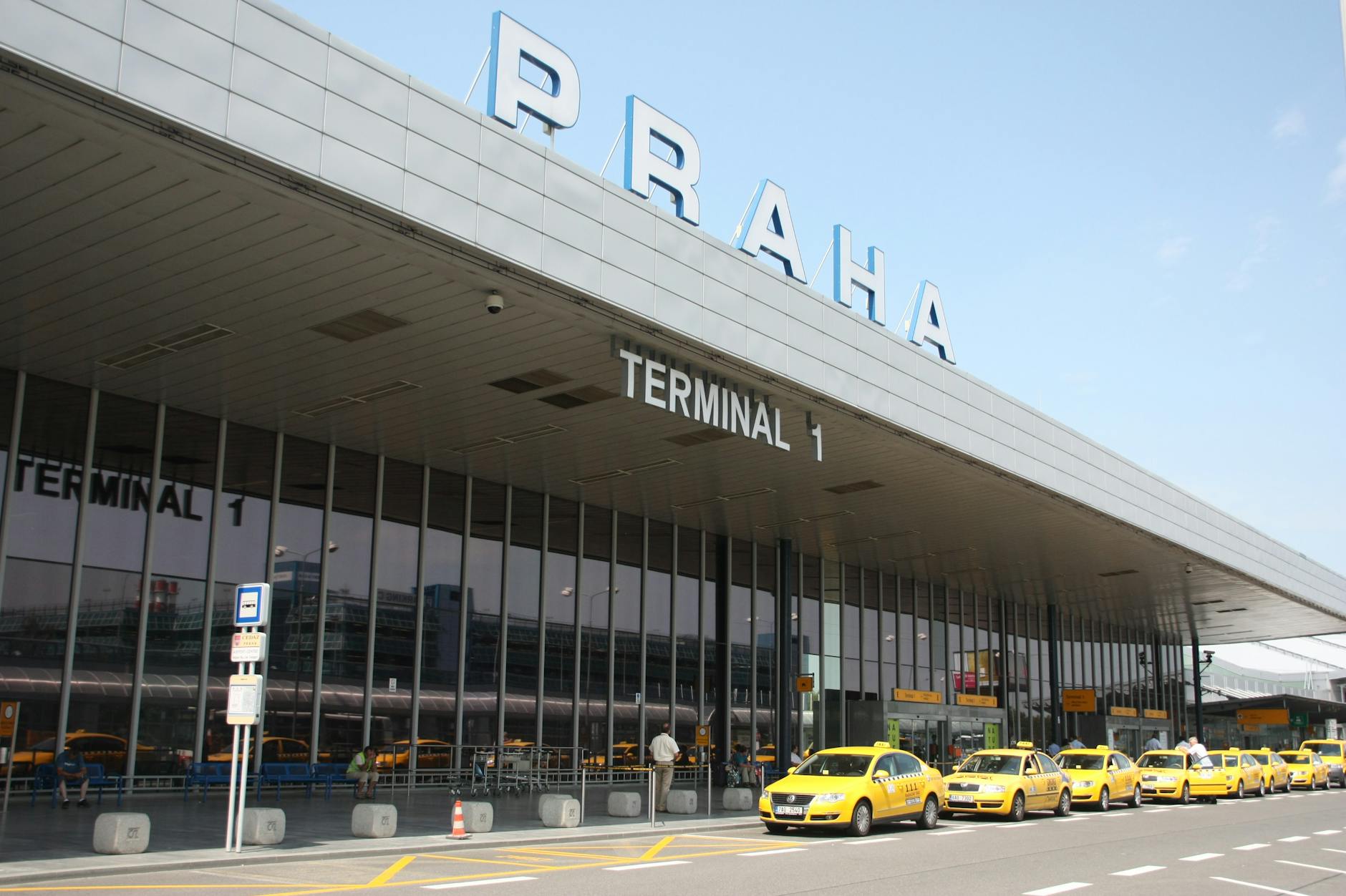
Vaclav Havel Airport, Hlavni nadrazi, tram corridors, metro links, taxis, and ride-hail can all work well, but the traveler should not assume every transfer is frictionless. Rain, cobblestones, luggage, road delays, platform changes, and old-town pedestrian areas can add time.
The first and last movements of the trip deserve special care. A missed meeting, delayed train, or rushed airport departure can cost more than the hotel savings that caused the problem.
- Plan airport, rail, taxi, tram, metro, and walking buffers around real addresses.
- Account for luggage, rain, pedestrian zones, traffic, and platform changes.
- Protect first meeting and final departure timing with conservative margins.
Separate tourist Prague from work Prague
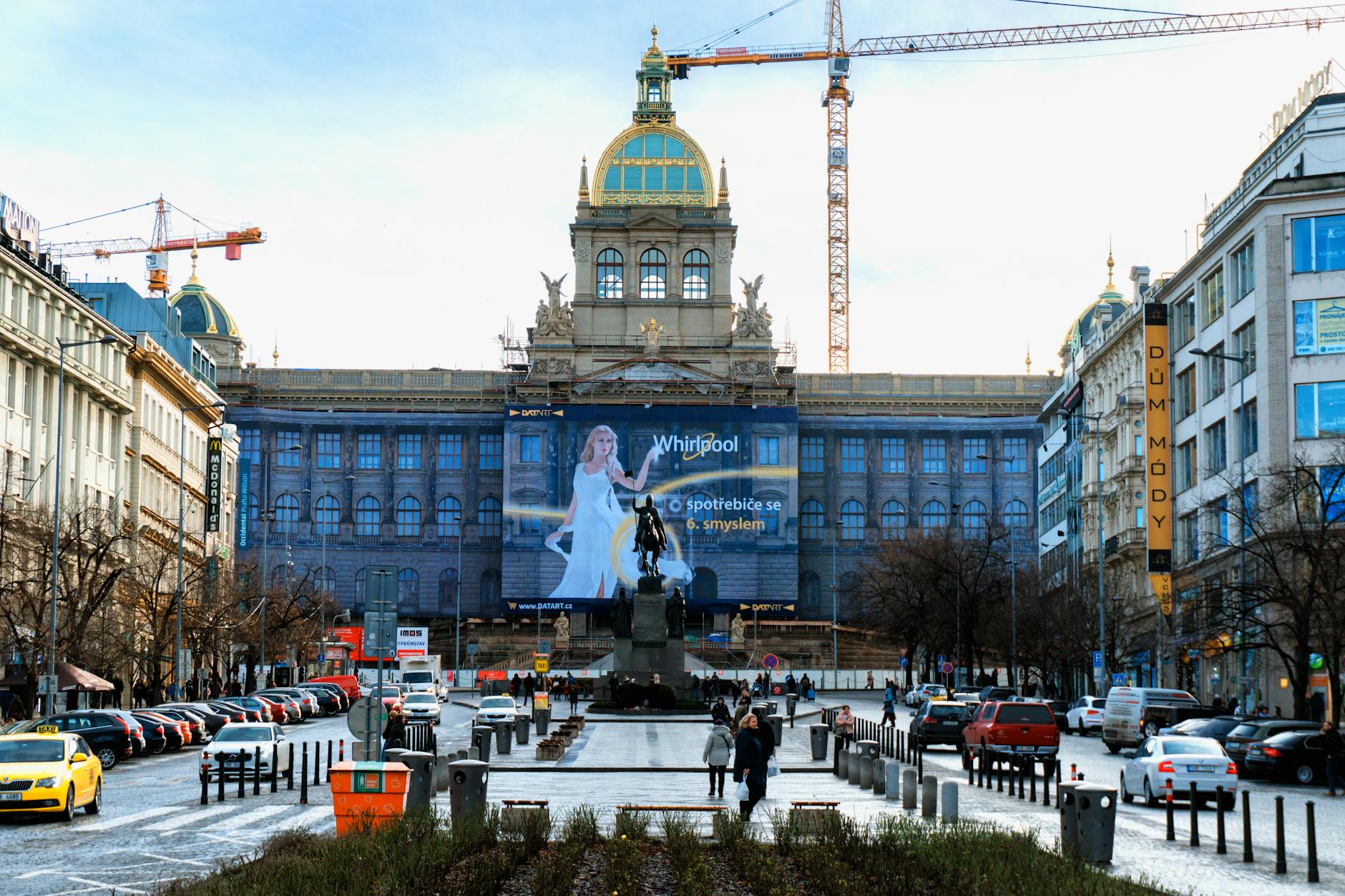
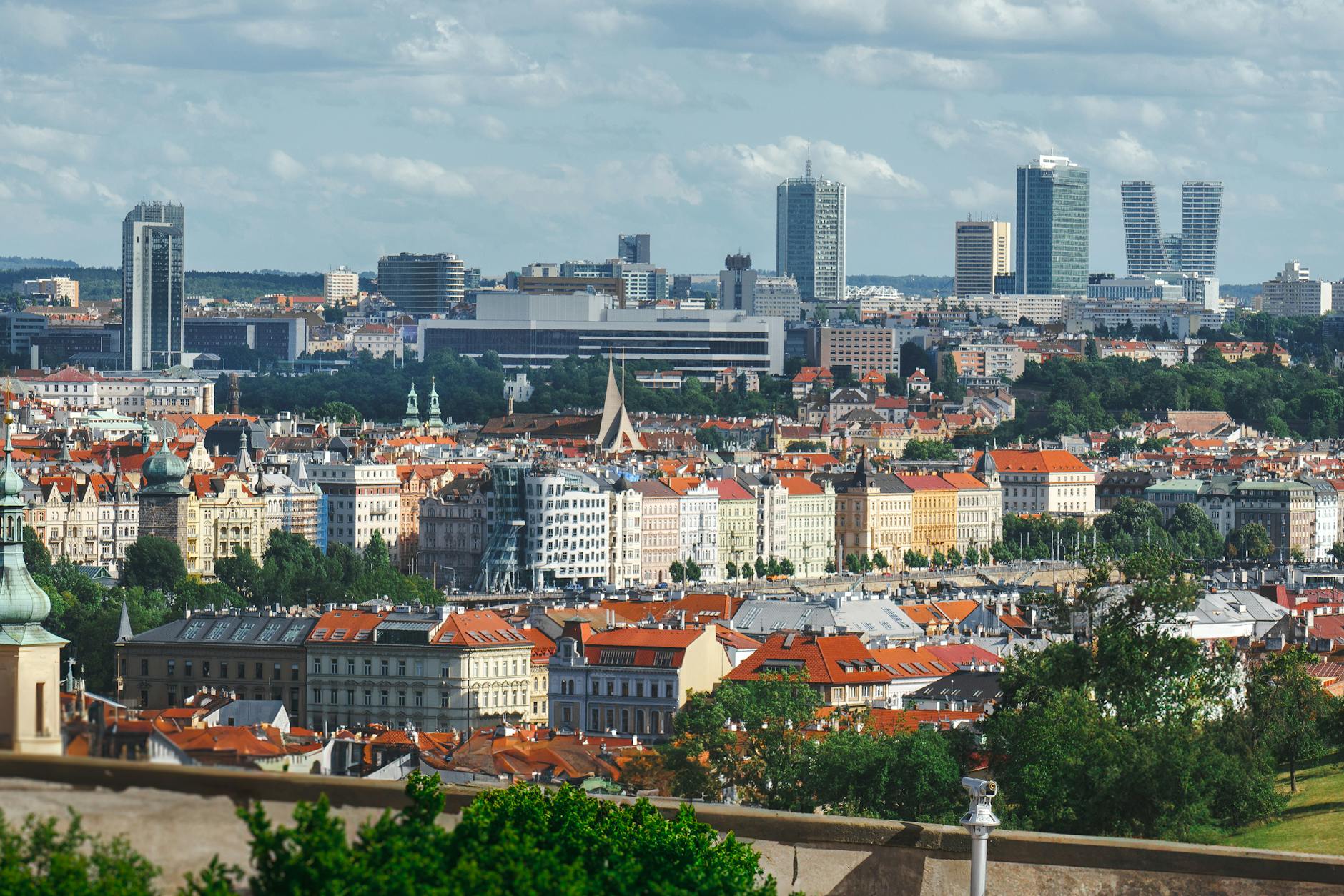
A visitor can easily lose time in the most crowded parts of Prague. Charles Bridge, Old Town Square, castle routes, and popular beer halls may be worthwhile, but they are not neutral business logistics. Crowds, noise, and slow walking speeds can affect meetings, calls, and dinner timing.
The traveler should decide when scenic Prague is part of the business purpose and when it is an avoidable delay. Client entertainment may benefit from atmosphere; internal meetings usually benefit from quiet and predictable movement.
- Treat Old Town and castle-area crowd friction as a real scheduling factor.
- Use scenic areas intentionally for client hosting, not default logistics.
- Keep work calls, prep time, and internal meetings away from noisy tourist routes when possible.
Plan meeting etiquette and meal timing
A Prague business trip may involve formal meetings, informal coffees, supplier visits, conference events, or dinners with local partners. The traveler should clarify dress expectations, language needs, agenda ownership, payment norms, dietary constraints, and whether social time is part of the business relationship.
Meal timing should be planned around work. A heavy late dinner before an early meeting, or an underplanned lunch between cross-town appointments, can damage performance in a way that looks like poor preparation.
- Clarify dress, language, agenda, payment, dietary needs, and dinner expectations.
- Protect meal timing around meetings, prep, and next-day performance.
- Use client meals deliberately rather than treating them as generic sightseeing.
Use transit without losing control
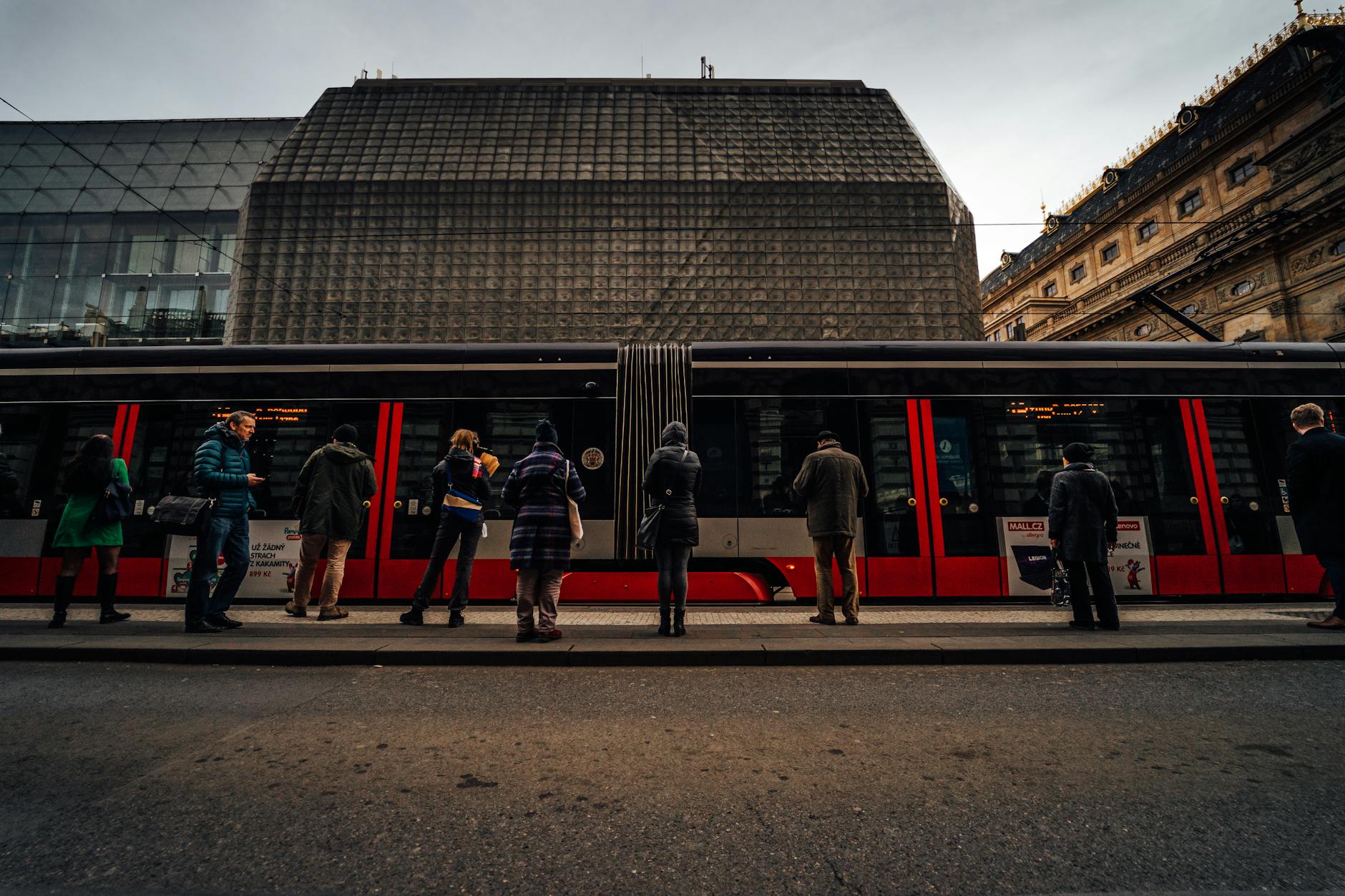
Prague's trams and metro can be very useful for business travel, especially when roads are slow or old-town access is awkward. The traveler should still know ticketing, transfer time, walking distance from stops, and whether a taxi is better for luggage, weather, late arrivals, or confidential calls.
A business visitor should not improvise every movement. The plan should identify which trips are best by tram or metro, which require a car, and which are safest on foot.
- Understand tram, metro, taxi, ride-hail, and walking options before the meeting day.
- Use cars for luggage, weather, late arrivals, or calls that require privacy.
- Do not rely on public transit without checking stop distance and ticketing rules.
Protect work materials and downtime
A business visitor may carry laptops, samples, contracts, confidential decks, medication, formal clothes, and chargers. Prague is manageable, but the traveler should still plan document security, bag strategy, hotel safe use, power adapters, backup connectivity, and quiet places for calls.
Downtime is also operational. A trip that leaves no room for email, follow-up notes, expense capture, or sleep can produce weaker business results even if every meeting technically happens.
- Plan laptop, documents, samples, adapters, backup data, bag security, and hotel safe use.
- Identify quiet places for calls, prep, email, and follow-up work.
- Leave space for notes, expenses, sleep, and post-meeting actions.
When to order a short-term travel report
A simple Prague business trip with one meeting, flexible timing, and local support may not need a custom report. A report becomes useful when the traveler has multiple appointments, tight transfers, client hospitality, conference add-ons, confidential materials, weather exposure, language concerns, or a need to choose between several hotel bases.
The report should test meeting geography, hotel location, transfer timing, transit choices, dinner plans, workspaces, document security, weather, budget, and what to cut. The value is a Prague business trip that supports the actual commercial purpose instead of being pulled apart by pretty but inefficient city logistics.
- Order when meetings, hotel choice, transfers, dinners, confidentiality, or schedule buffers need testing.
- Provide dates, appointment addresses, arrival details, hotel options, business priorities, budget, and constraints.
- Use the report to keep the trip commercially useful, punctual, and controlled.