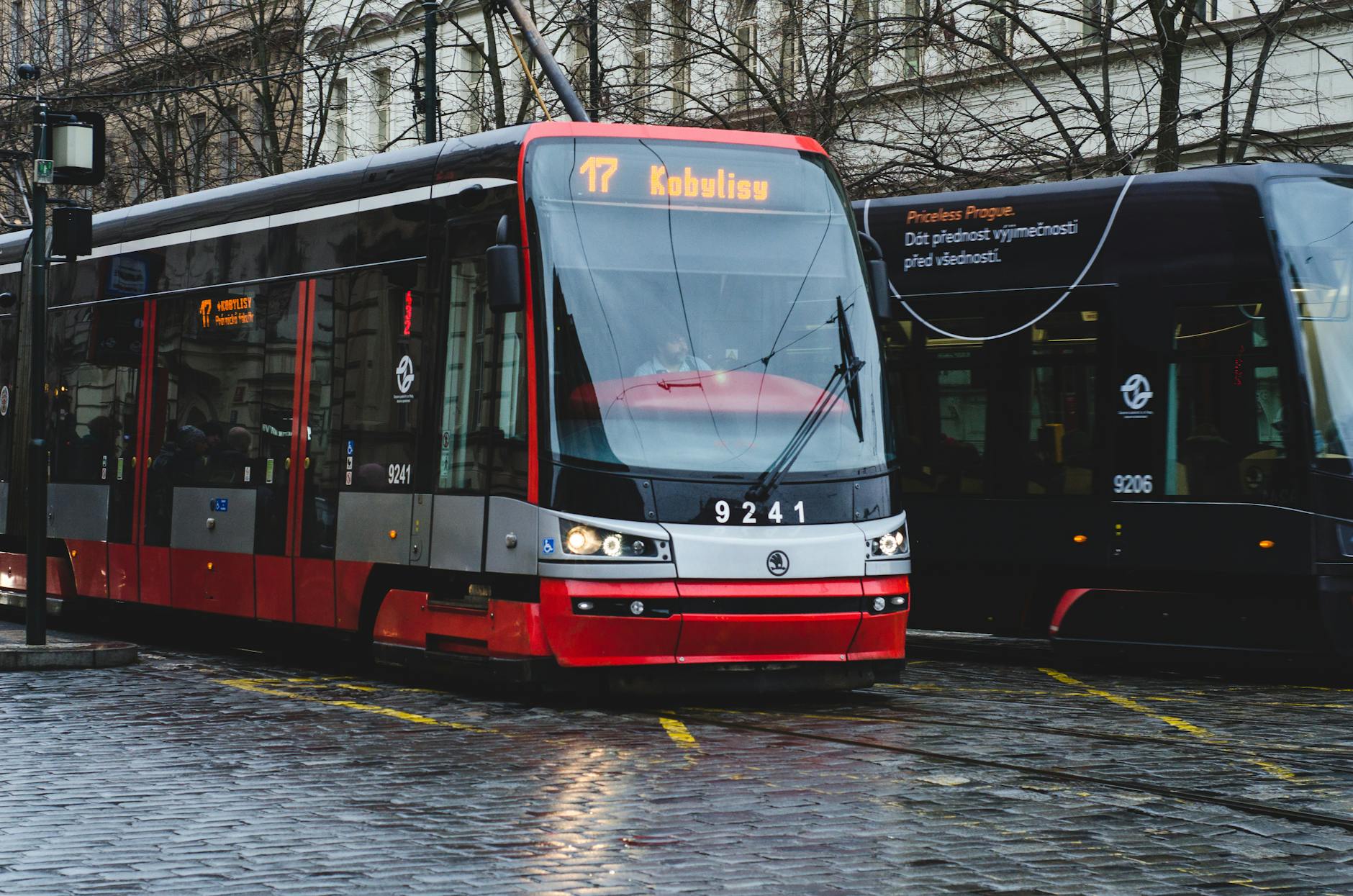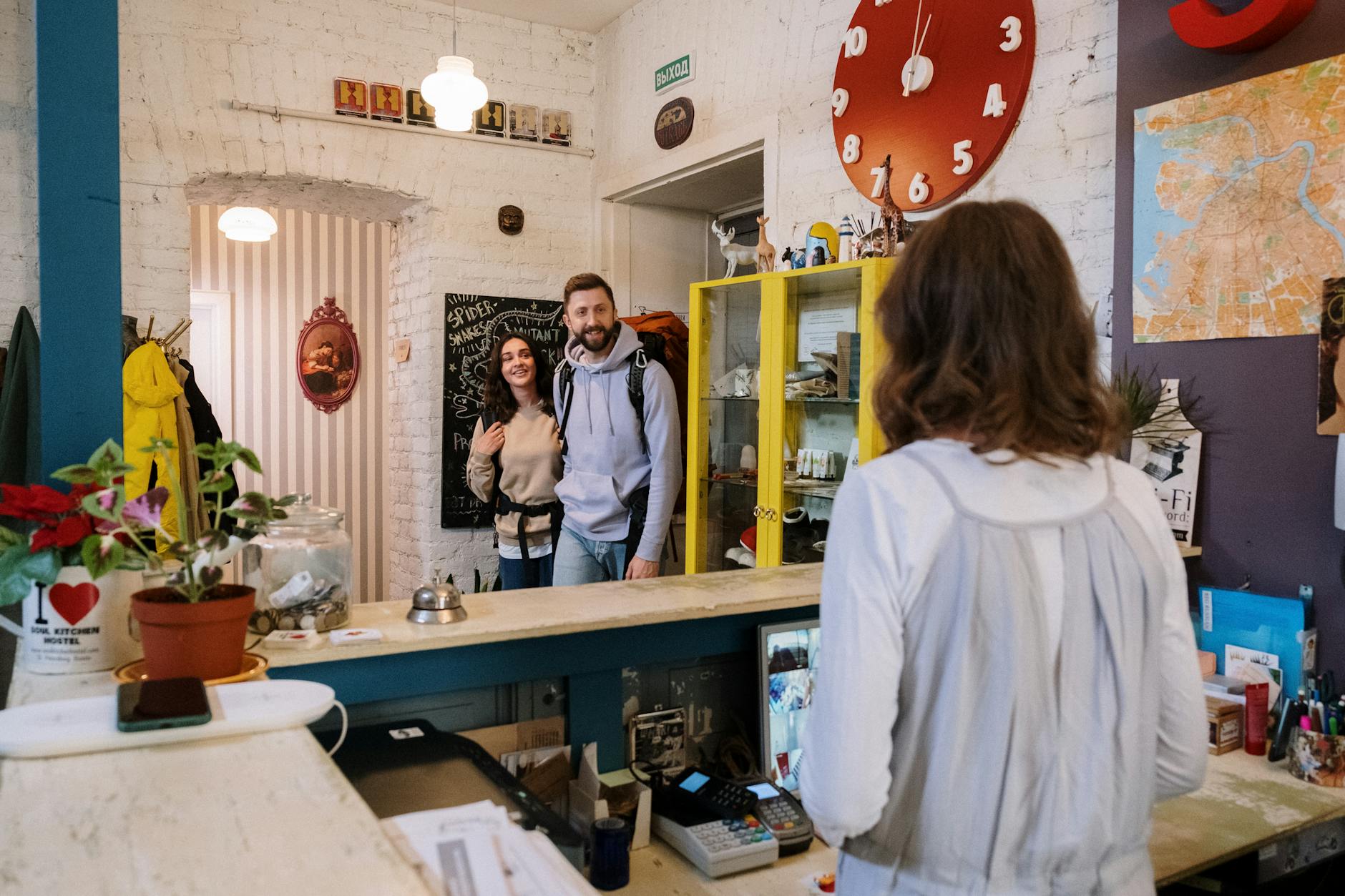
Prague can be friendly to budget travelers because many of its strongest experiences are visible from streets, bridges, viewpoints, parks, trams, markets, churches, and river routes. It can also become unexpectedly expensive when the traveler stays in the wrong area, eats in the weakest tourist corridors, pays for avoidable transfers, or tries to save money in ways that cost too much time. A good budget Prague trip is not the cheapest possible version of the city. It is a controlled version: affordable lodging, smart transit, chosen paid sights, reliable food, and enough margin that saving money does not become the main activity.
Be honest about lodging tradeoffs
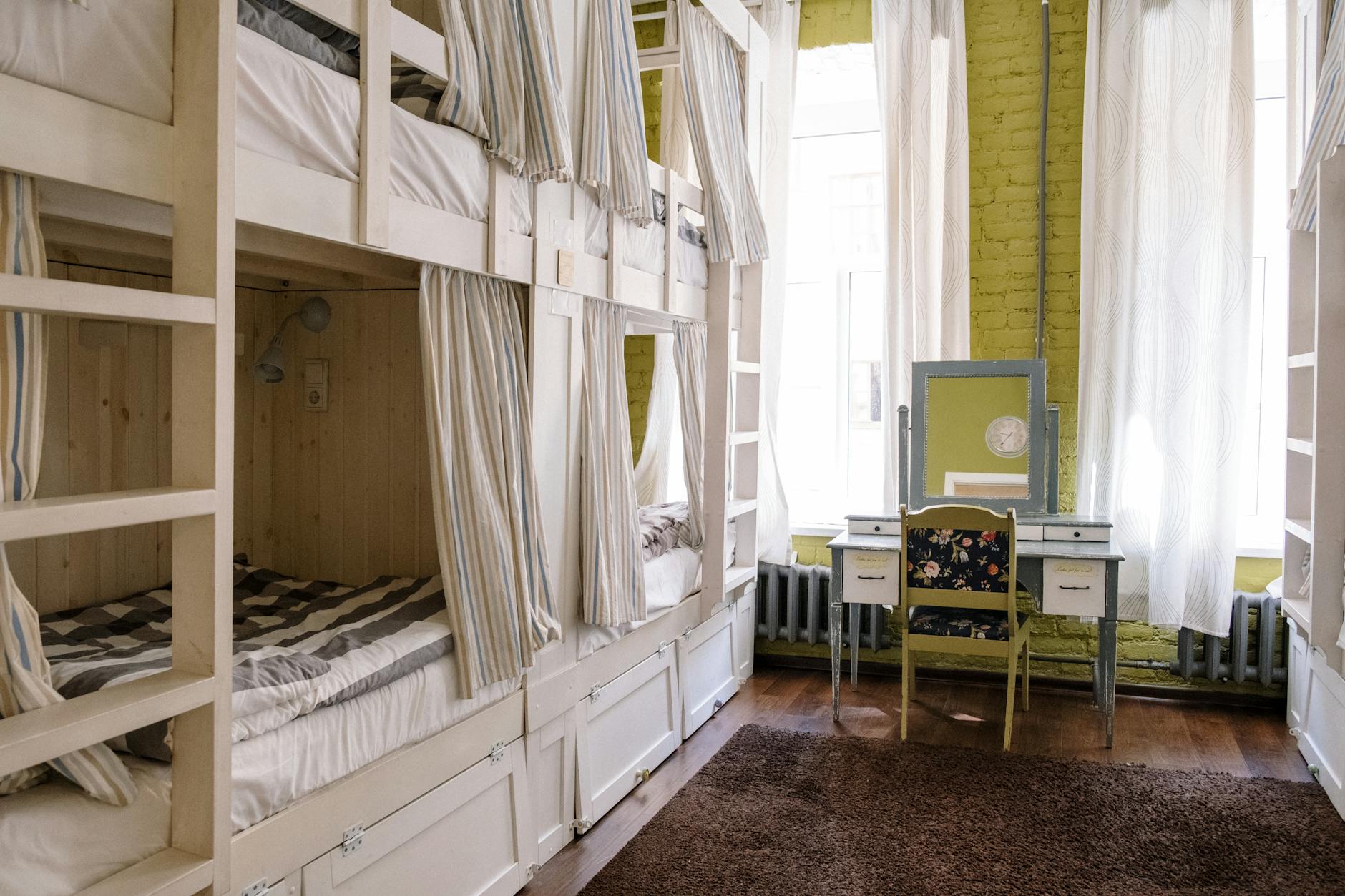
Budget lodging in Prague can work well, but the traveler should price the full tradeoff. A cheaper bed far from transit, up several flights of stairs, in a noisy party area, or with weak storage can cost more in fatigue and wasted time than it saves. Hostels, guesthouses, budget hotels, and apartments should be judged by location, security, quiet, luggage storage, reception hours, laundry, and the ease of returning after a long day.
The cheapest area is not automatically the smartest. A slightly better base near a useful tram or metro line may allow the traveler to see more while spending less on taxis, snacks, and emergency convenience.
- Compare price against transit access, sleep, storage, stairs, reception, and late returns.
- Check whether luggage storage and secure lockers are genuinely usable.
- Avoid saving on lodging in a way that forces expensive or exhausting daily movement.
Use public transport as the budget backbone
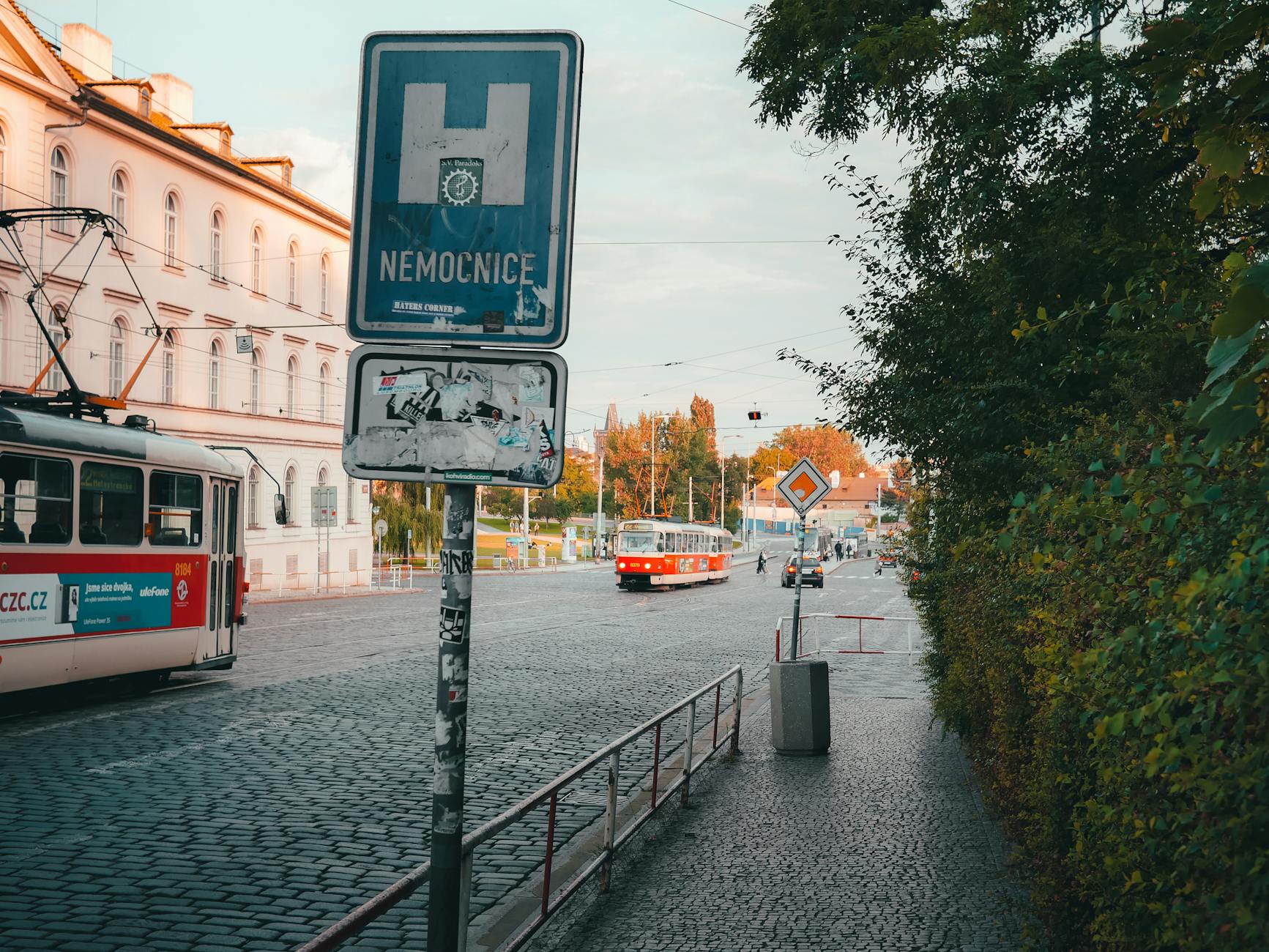
Prague's trams and metro are central to a strong budget trip. They reduce taxi dependence, make cheaper neighborhoods more practical, and protect energy on days with cobblestones, hills, or poor weather. A budget traveler should learn the ticket system early rather than improvising each ride.
The traveler should also avoid false savings. Walking every route may look free, but it can consume hours and leave the traveler too tired for the parts of Prague that matter. Transit is often the cheapest way to buy back time.
- Learn ticket rules, validation, route direction, and common tram or metro lines early.
- Use transit to make cheaper lodging areas practical without losing the day.
- Do not over-walk simply because walking is free.
Budget food before hunger decides
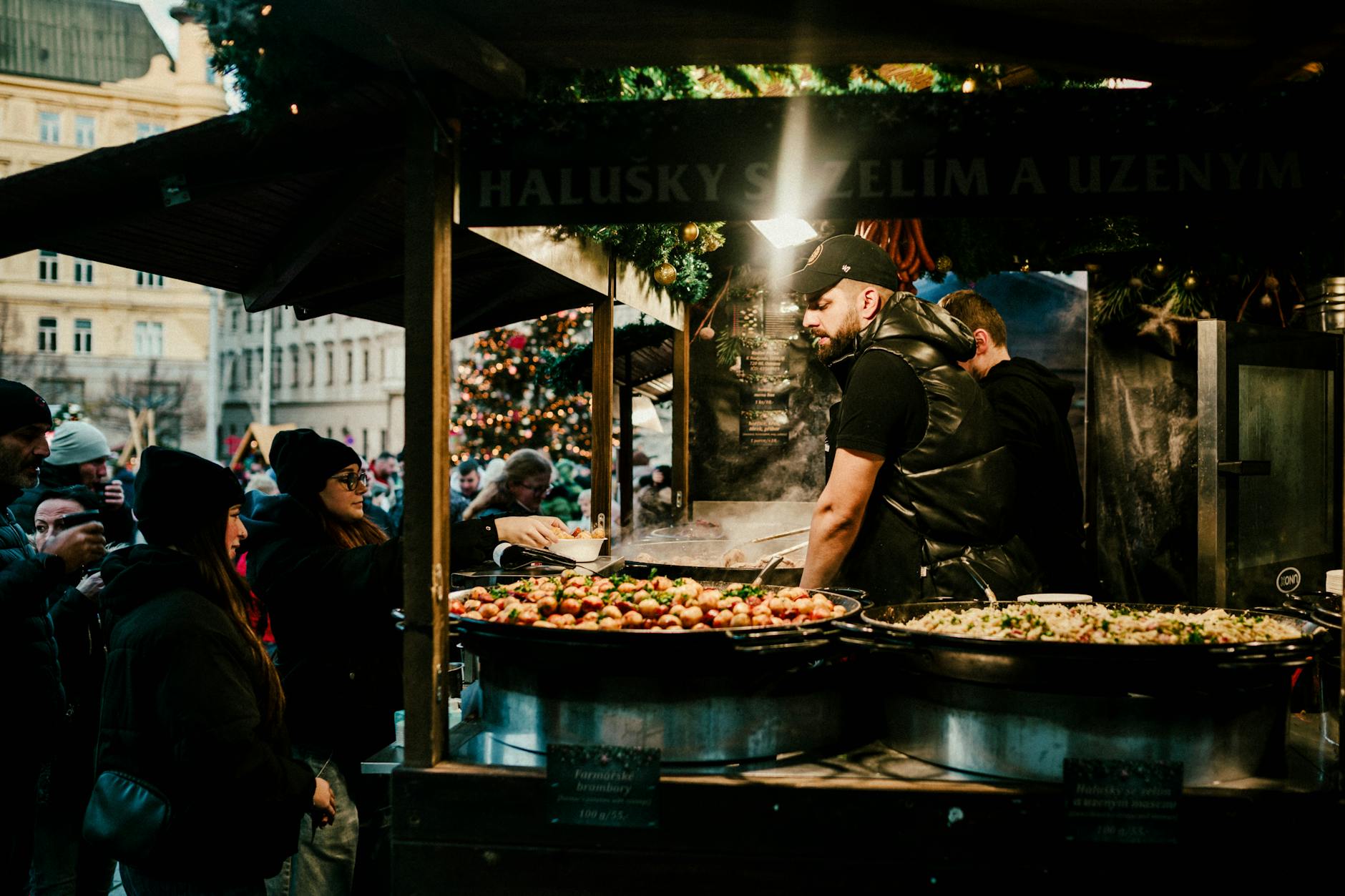
Food is where many Prague budget plans fail. A traveler who waits until hungry in Old Town may pay too much for a forgettable meal. Better planning uses bakeries, supermarkets, markets, casual Czech restaurants, Vietnamese spots, lunch specials, hostel kitchens, and neighborhood cafes before the day becomes urgent.
The goal is not to avoid pleasure. It is to spend intentionally. One good paid meal can be worth more than several accidental tourist meals chosen because the traveler had no backup.
- Identify bakeries, markets, casual restaurants, supermarkets, and neighborhood cafes before each day.
- Use lunch specials or one planned dinner instead of several overpriced tourist meals.
- Carry water and snacks so hunger does not decide the budget.
Choose paid sights selectively
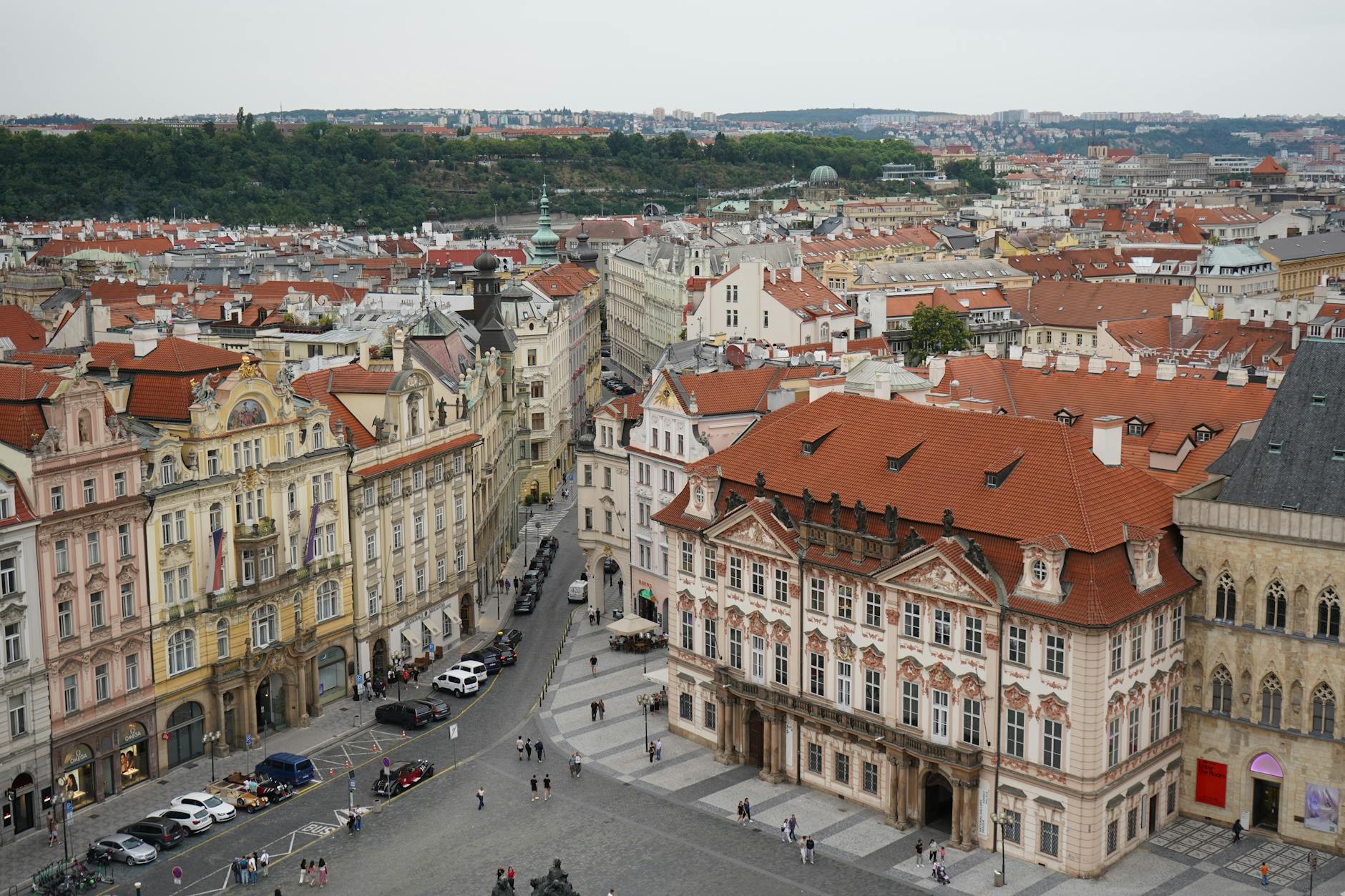
Prague offers many strong free or low-cost experiences: bridge views, Old Town walks, river edges, parks, church exteriors, architecture routes, viewpoints, trams, markets, and neighborhood wandering. Paid sights can still be worthwhile, but a budget traveler should choose them rather than drifting into every ticket line.
The traveler should decide which paid experiences matter most: castle interiors, a museum, a tower, a concert, a river cruise, or a guided walk. Paying for fewer things with clear purpose usually beats buying scattered tickets that compete with each other.
- Use free views, parks, streets, bridges, markets, and tram rides as real parts of the itinerary.
- Choose paid sights by priority, not impulse.
- Avoid paying for multiple similar experiences when one strong choice would do more.
Watch station, airport, and luggage costs
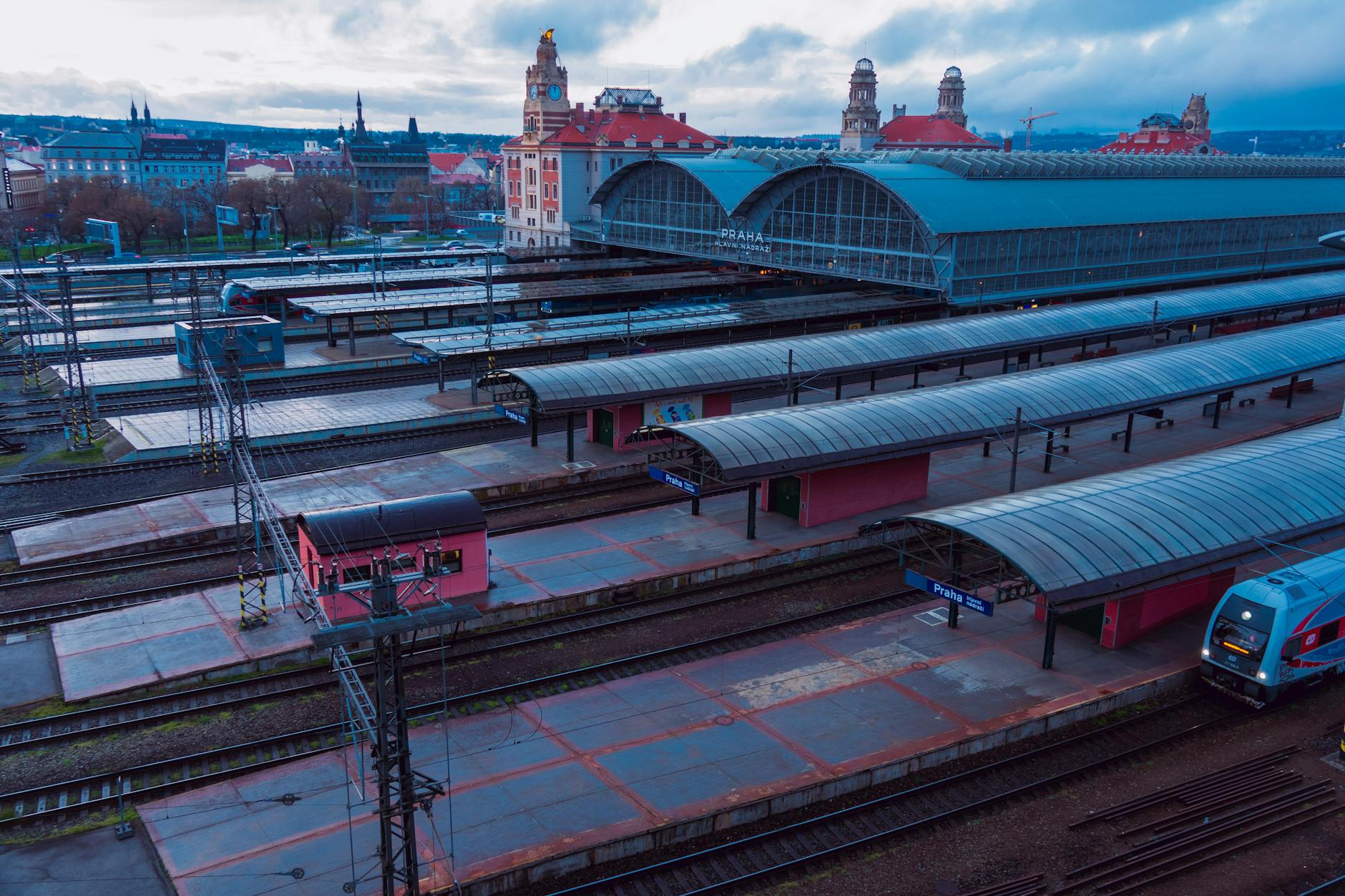
Budget travelers often arrive through airports, rail stations, or bus stations with limited energy and imperfect information. That is when unnecessary costs appear: poor exchange rates, weak taxi choices, luggage storage surprises, missed transit options, and expensive food bought because the traveler is tired.
The arrival plan should be written before landing or reaching the station. Know the route to lodging, ticket option, luggage plan, backup ride, and what to do if check-in is not available yet.
- Plan airport, rail, or bus arrival before the tired decision point.
- Check ticket options, luggage storage, check-in timing, and backup transport.
- Avoid solving exchange, taxis, meals, and luggage all at once on arrival.
Avoid tourist pricing without becoming rigid
Budget travel in Prague should include normal caution around exchange offices, taxis, souvenir streets, convenience stores near major sights, and restaurants with aggressive tourist menus. The traveler should compare prices, use cards carefully, understand service charges, and avoid being rushed into a purchase.
At the same time, the budget should not become a prison. A well-placed coffee, warm meal, luggage locker, or taxi during bad weather may protect the whole day. The useful standard is value, not refusal to spend.
- Be alert around exchange offices, taxi choices, tourist menus, and souvenir corridors.
- Check prices, service charges, payment method, and route alternatives before committing.
- Spend when a small cost protects time, warmth, safety, or energy.
When to order a short-term travel report
A budget traveler with flexible time, strong transit confidence, and simple lodging may not need a custom Prague report. A report becomes useful when the traveler is choosing between cheap bases, trying to fit major sights into few days, managing luggage, traveling in winter, balancing paid and free activities, or deciding where saving money will cost too much time.
The report should test lodging tradeoffs, transit, arrival, free and paid sights, food strategy, tourist pricing, weather, luggage, budget, and what to cut. The value is a Prague trip that stays affordable without becoming inefficient.
- Order when lodging, transit, budget allocation, luggage, food, or paid-sight choices need testing.
- Provide dates, lodging options, budget ceiling, must-see sights, transit comfort, luggage, food needs, and pace limits.
- Use the report to spend less in the places that do not matter and enough where it protects the trip.