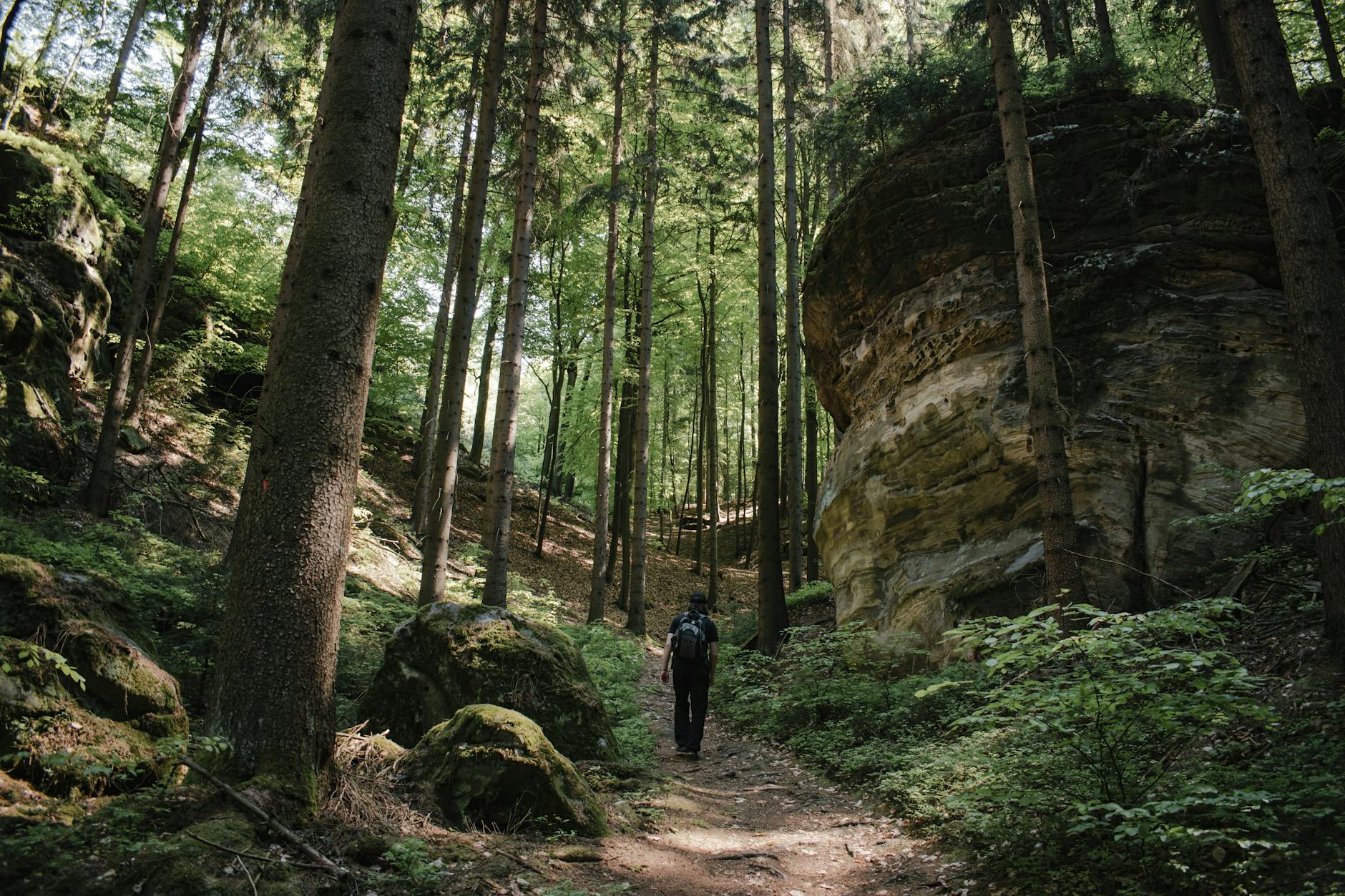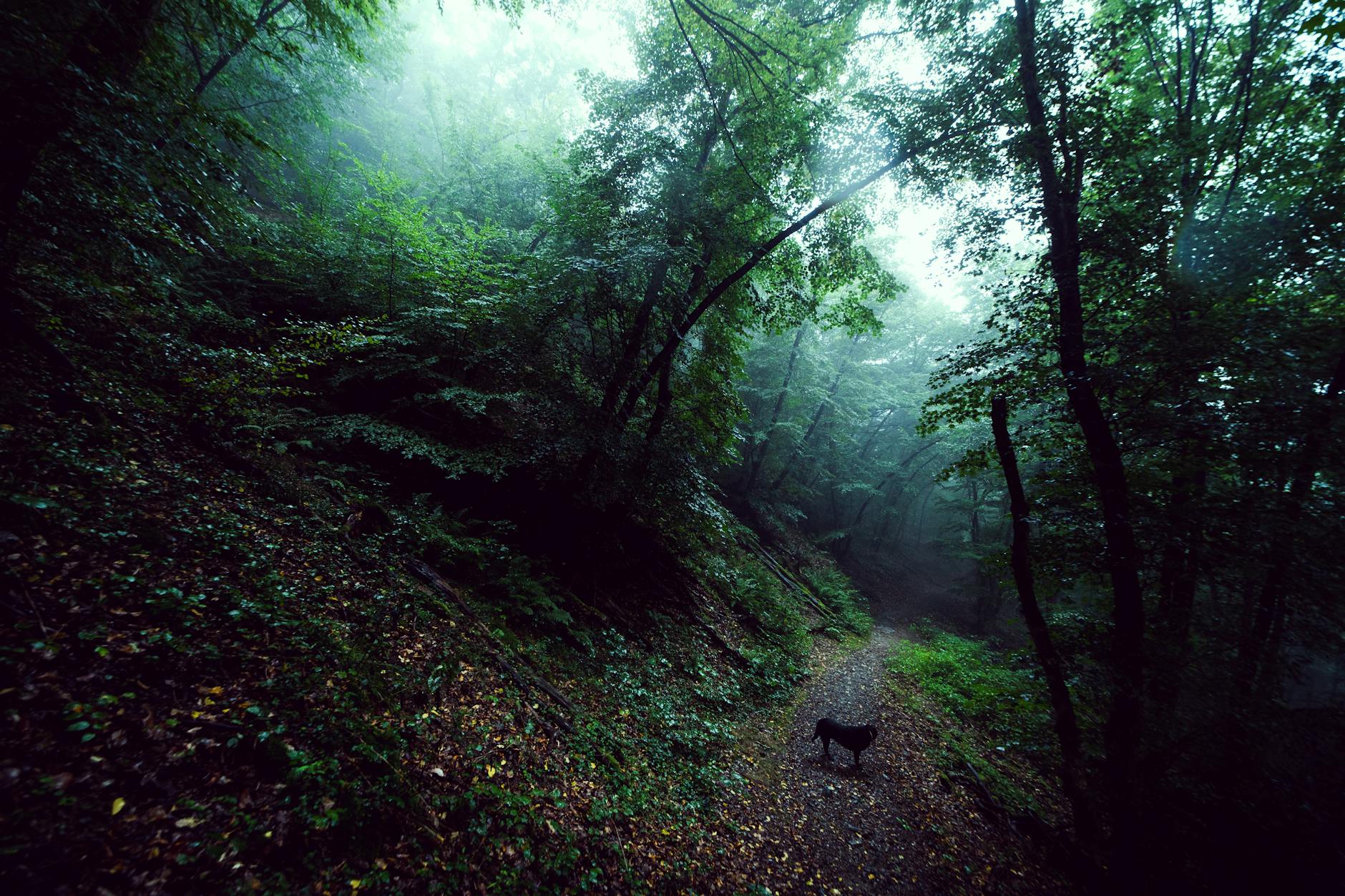
Prague is not usually sold as an adventure destination, but an outdoor traveler can build a strong short trip around river paths, steep viewpoints, castle-side walks, forested edges, parks, cycling routes, day hikes, and active neighborhood exploration. The risk is assuming that scenic walking is the same as a deliberate outdoor plan. A strong Prague outdoor itinerary uses the city's compact transit network and green edges carefully. Petrin, Letna, Stromovka, Divoka Sarka, Prokop Valley, Pruhonice, the Vltava riverfront, and nearby trails can reward a traveler who plans pace, weather, gear, route logic, and recovery.
Decide what kind of outdoor trip Prague should be
Adventure in Prague can mean a long walking itinerary, a riverfront cycling day, park-to-park exploration, a trail outside the center, a family nature day, a cold-weather city hike, or an active base for nearby Czech landscapes. The traveler should define the adventure level before booking lodging and time slots.
This matters because Prague's most famous areas are dense and paved. A traveler who wants movement, elevation, trees, or open water needs to move intentionally beyond the tightest tourist core rather than hoping activity appears between monuments.
- Clarify whether the trip is walking, hiking, cycling, park-based, river-based, family active, or day-trip oriented.
- Choose lodging and transport around the desired outdoor rhythm, not only the postcard center.
- Keep the activity level realistic for a short stay with sightseeing still in the mix.
Use parks, hills, and the river as the route spine
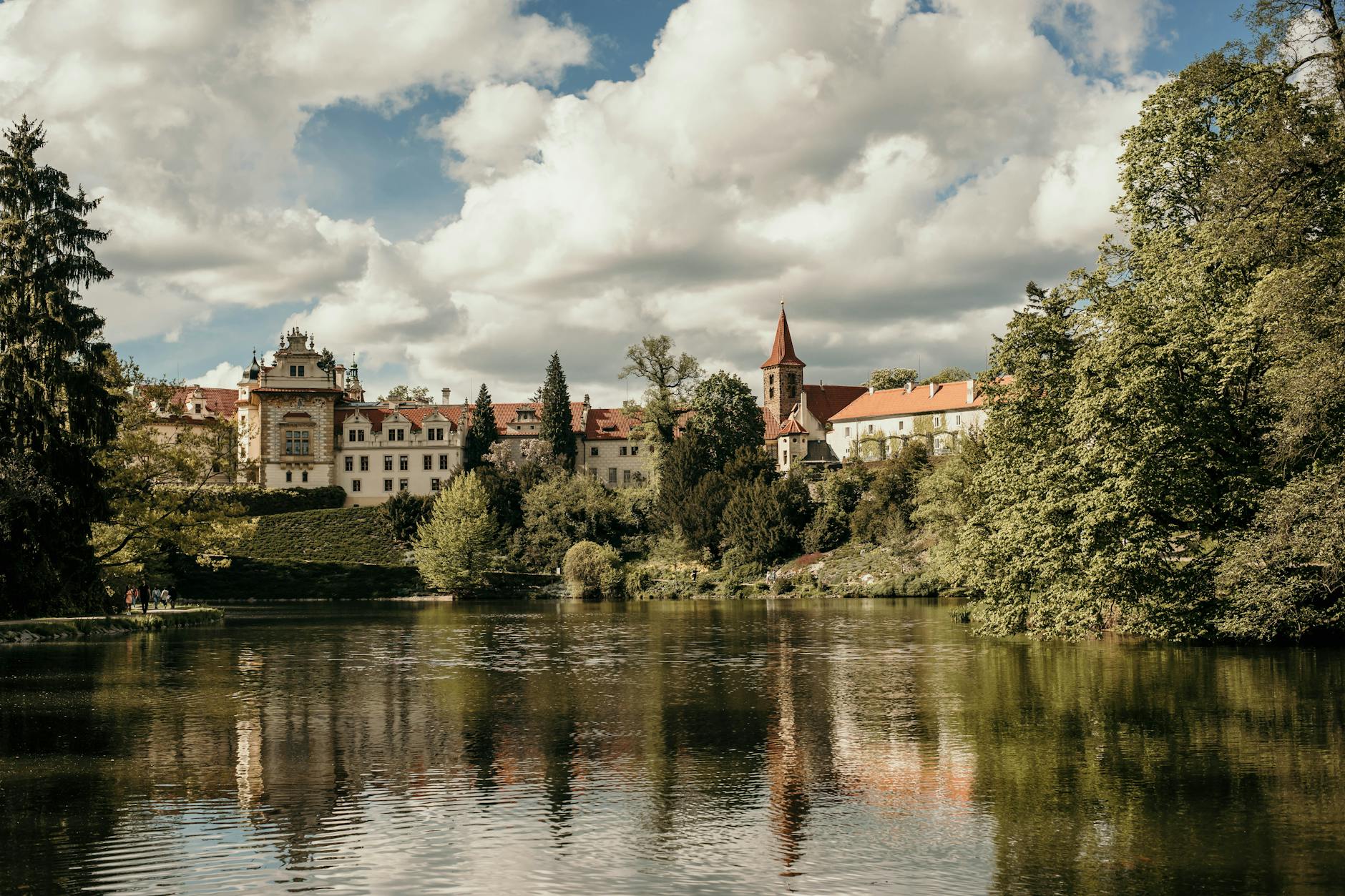
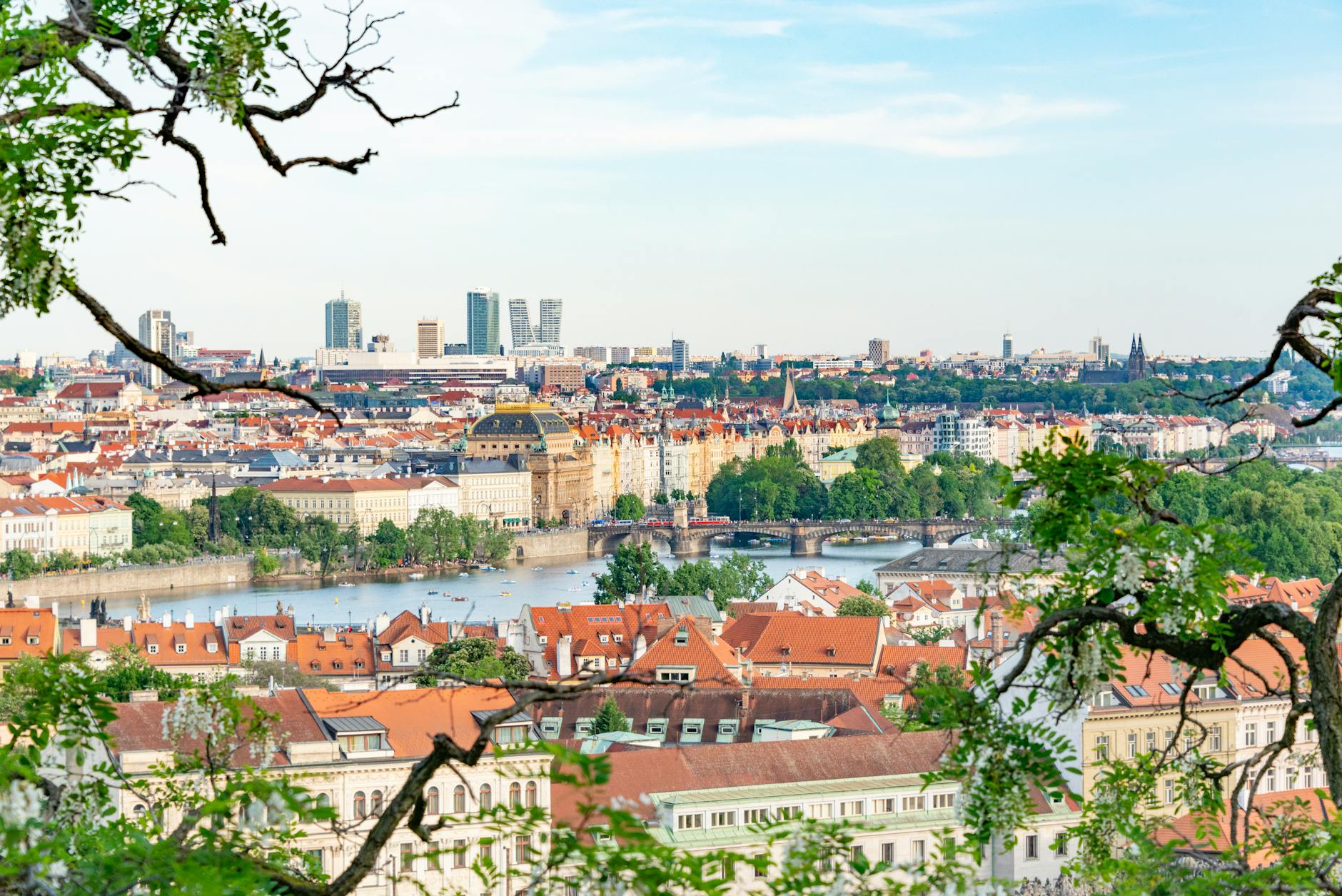
Prague's outdoor value is strongest when the plan links terrain. Petrin and Letna give elevation and views; Stromovka offers flatter park time; Divoka Sarka and Prokop Valley can add wilder edges; the Vltava riverfront supports walking, cycling, and transitions between neighborhoods. Pruhonice can be a gentler garden-and-park excursion outside the center.
A good route should not zigzag across the city chasing every green patch. It should build one coherent day or half-day with transit connections, meal stops, weather backups, and a clear point where the traveler can shorten the plan.
- Consider Petrin, Letna, Stromovka, Divoka Sarka, Prokop Valley, Pruhonice, and Vltava paths.
- Build routes around transit links, elevation, meal stops, and fallback points.
- Avoid a scattered map that burns energy without giving a real outdoor sequence.
Treat weather and daylight as operating constraints
Prague's outdoor day changes by season. Winter can bring short daylight, cold wind, icy paving, and low-light endings. Summer can bring heat, storms, exposed walking, and crowded riverside areas. Shoulder seasons can be ideal, but rain and wet leaves still affect footing.
The traveler should plan start times, layers, rain gear, sun exposure, daylight return, and indoor alternatives. An outdoor plan that works only in perfect weather is not a plan; it is a wish attached to a flight.
- Check daylight, temperature, rain, wind, ice risk, heat, and storm timing by season.
- Pack layers, rain protection, sun protection, and footwear for wet stone and uneven paths.
- Keep indoor or shorter-route alternatives ready for bad weather.
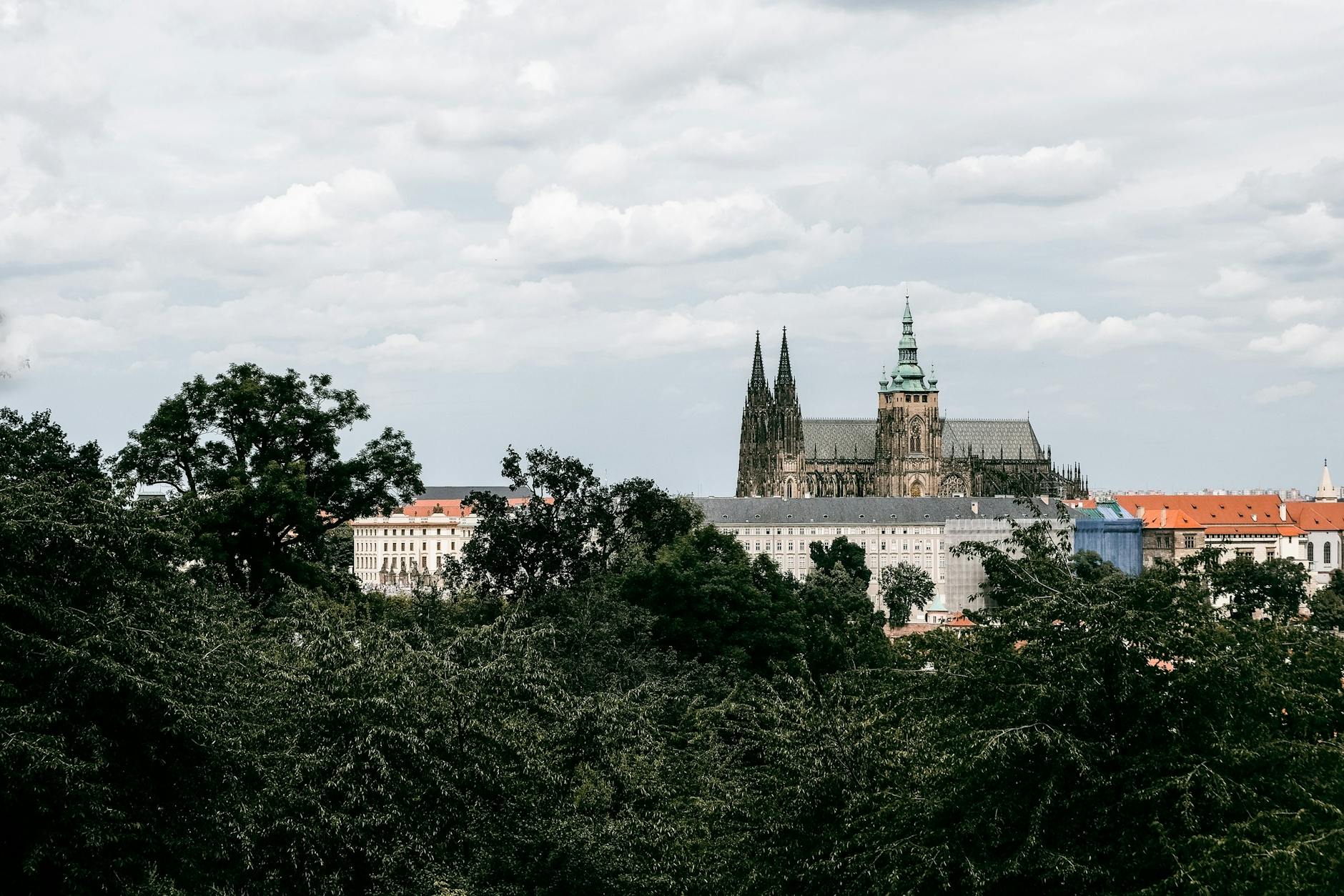
Choose footwear and gear for mixed surfaces
A Prague outdoor traveler may move from forest path to tram platform, cobblestone lane, castle stairs, wet bridge, park gravel, and cafe floor in the same day. Footwear should handle varied surfaces without making the city portion miserable. This is especially important for travelers adding long walks to ordinary sightseeing.
The daypack should be disciplined: water, weather layer, charger, map access, medication, small first-aid basics, and room for a layer. Overpacking makes cobblestones and stairs worse; underpacking makes a weather shift harder than it needs to be.
- Use footwear that works for trails, cobblestones, stairs, wet stone, gravel, and city interiors.
- Carry water, layers, charger, medication, map access, and small first-aid basics.
- Keep gear light enough for trams, restaurants, museums, and crowded streets.
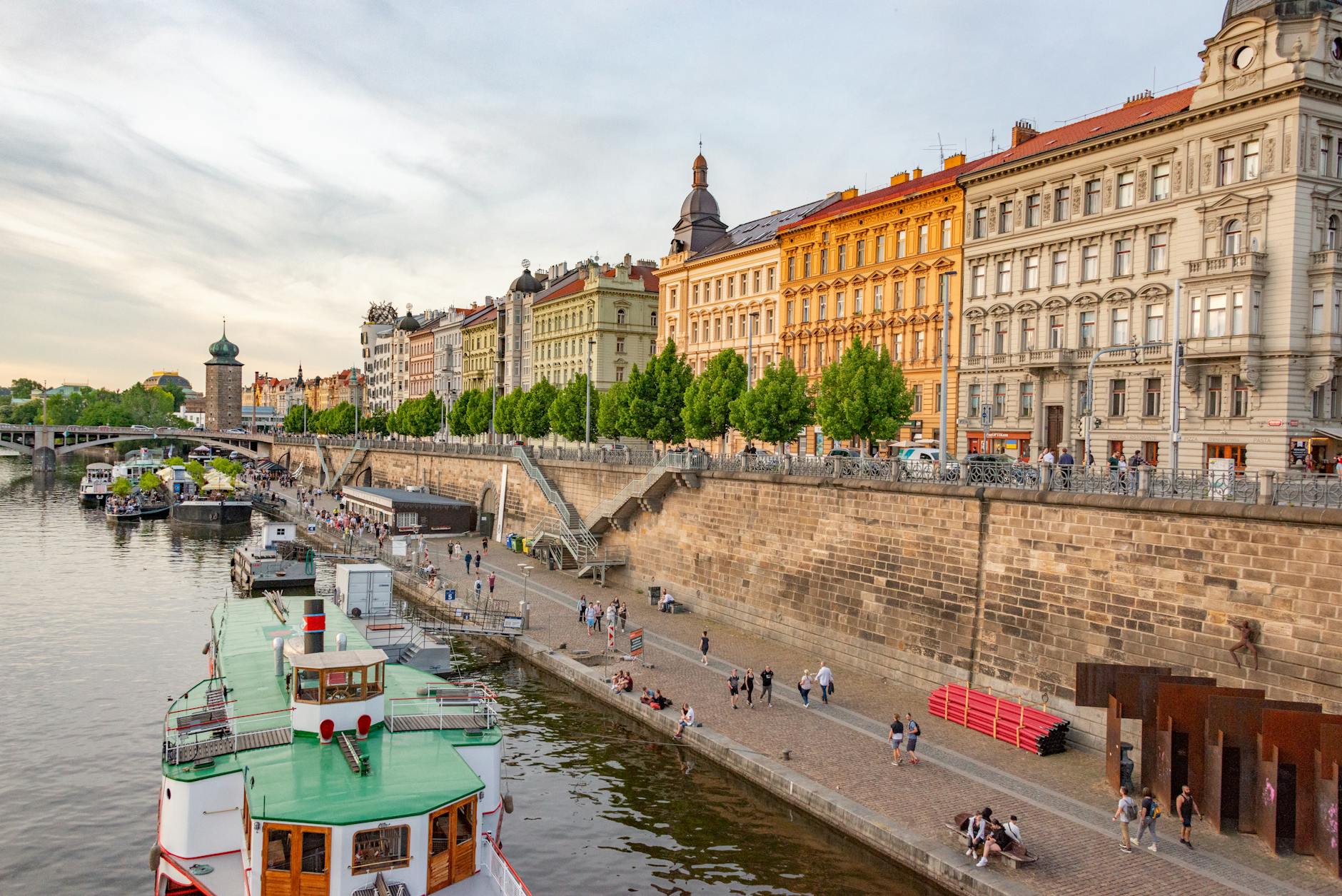
Plan food, water, bathrooms, and recovery
Outdoor travelers often plan the active route and forget the operating details. Prague is easy compared with remote destinations, but water, bathrooms, snacks, restaurant timing, and recovery still matter. A long active morning can collide with crowded lunch windows, closed cafes near parks, or a tired afternoon in the old-town core.
The traveler should decide where to refuel, where to sit, and what part of the day remains after the outdoor activity. A great park route is less useful if it leaves no energy for the evening or the next day's main commitment.
- Map water, snacks, bathrooms, cafes, and lunch timing around active routes.
- Protect recovery time before evening plans, business obligations, or early departures.
- Avoid stacking hard walking days without considering legs, sleep, and weather.
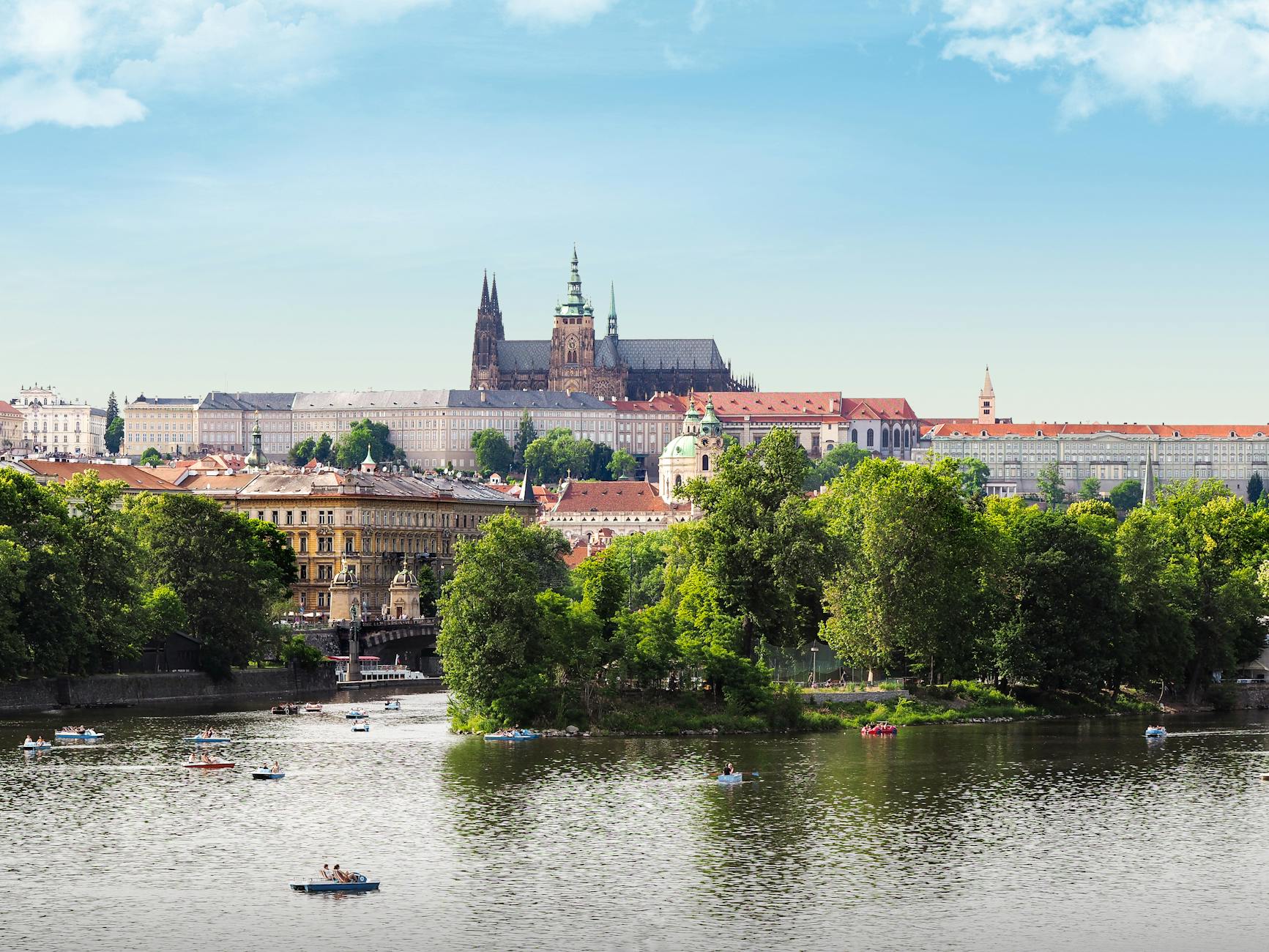
Handle navigation and safety without overcomplicating the trip
Prague's outdoor edges are accessible, but a traveler should still plan navigation, mobile data, offline maps, transit return points, lighting, and when to turn back. Solo travelers should be especially clear about late-day routes, wooded areas, river paths after dark, and where the city becomes less crowded.
Insurance and activity expectations matter too. Cycling, organized excursions, winter conditions, and any higher-risk activity should fit the traveler's coverage and skill level. The point is not to make Prague feel dangerous; it is to avoid treating a city trip as if it eliminates outdoor risk.
- Use offline maps, transit return points, mobile data, lighting, and clear turnaround times.
- Be cautious with wooded routes, river paths, cycling, or unfamiliar areas after dark.
- Match activities to insurance coverage, weather, skill level, and time available.
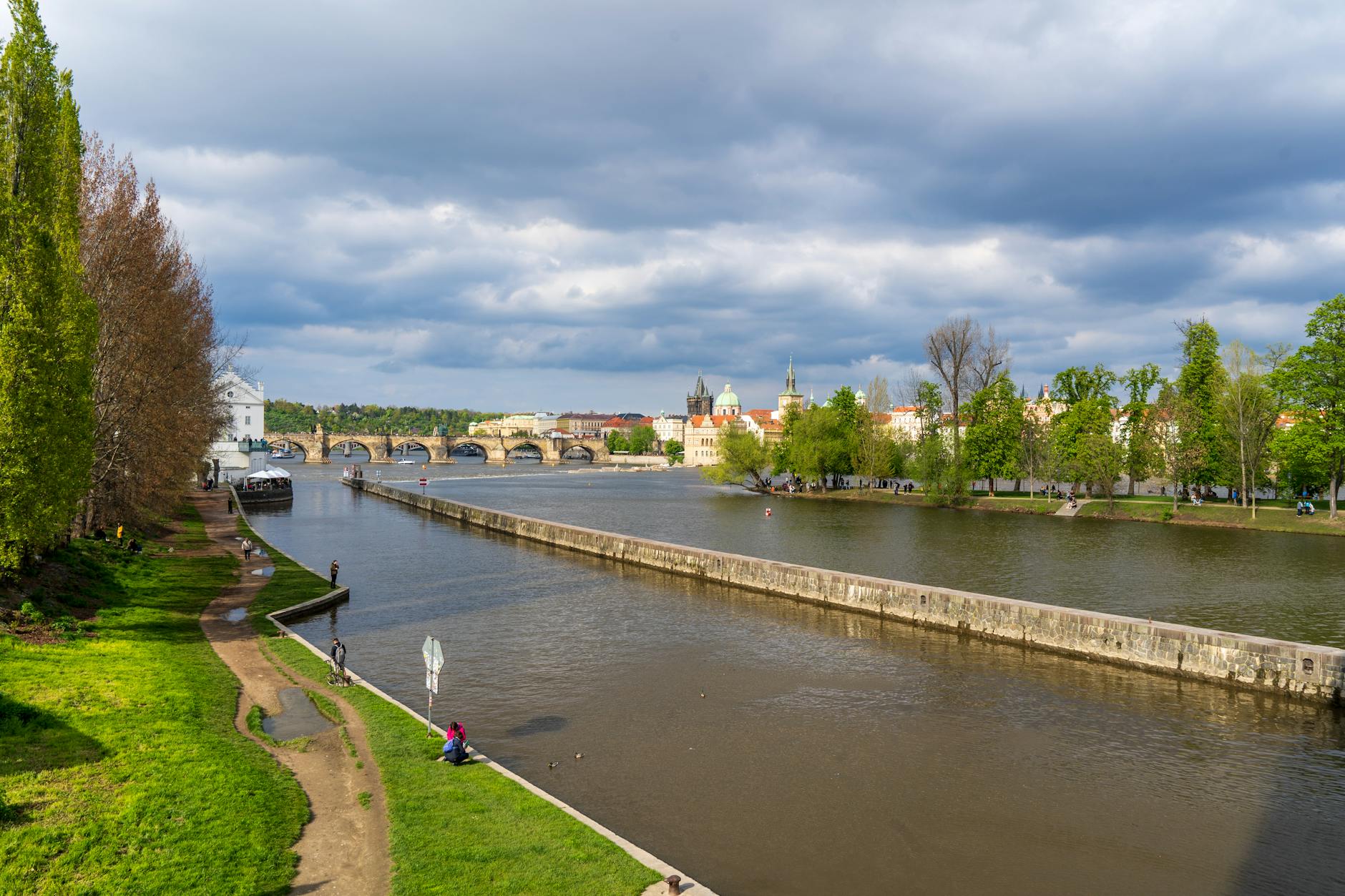
When to order a short-term travel report
An outdoor traveler with flexible days and modest walking goals may not need a custom Prague report. A report becomes useful when activity level, route choice, weather, daylight, mobility, cycling, family needs, lodging location, recovery, or a nearby day trip could determine whether the trip works.
The report should test route options, green spaces, transit links, elevation, surface conditions, gear, weather backups, food, bathrooms, safety, recovery blocks, budget, and what to cut. The value is an outdoor Prague plan that feels active without sacrificing the rest of the trip.
- Order when route design, weather, daylight, activity level, mobility, or day trips need testing.
- Provide dates, fitness level, desired activities, lodging options, budget, and constraints.
- Use the report to build an active trip that still leaves the traveler functional.