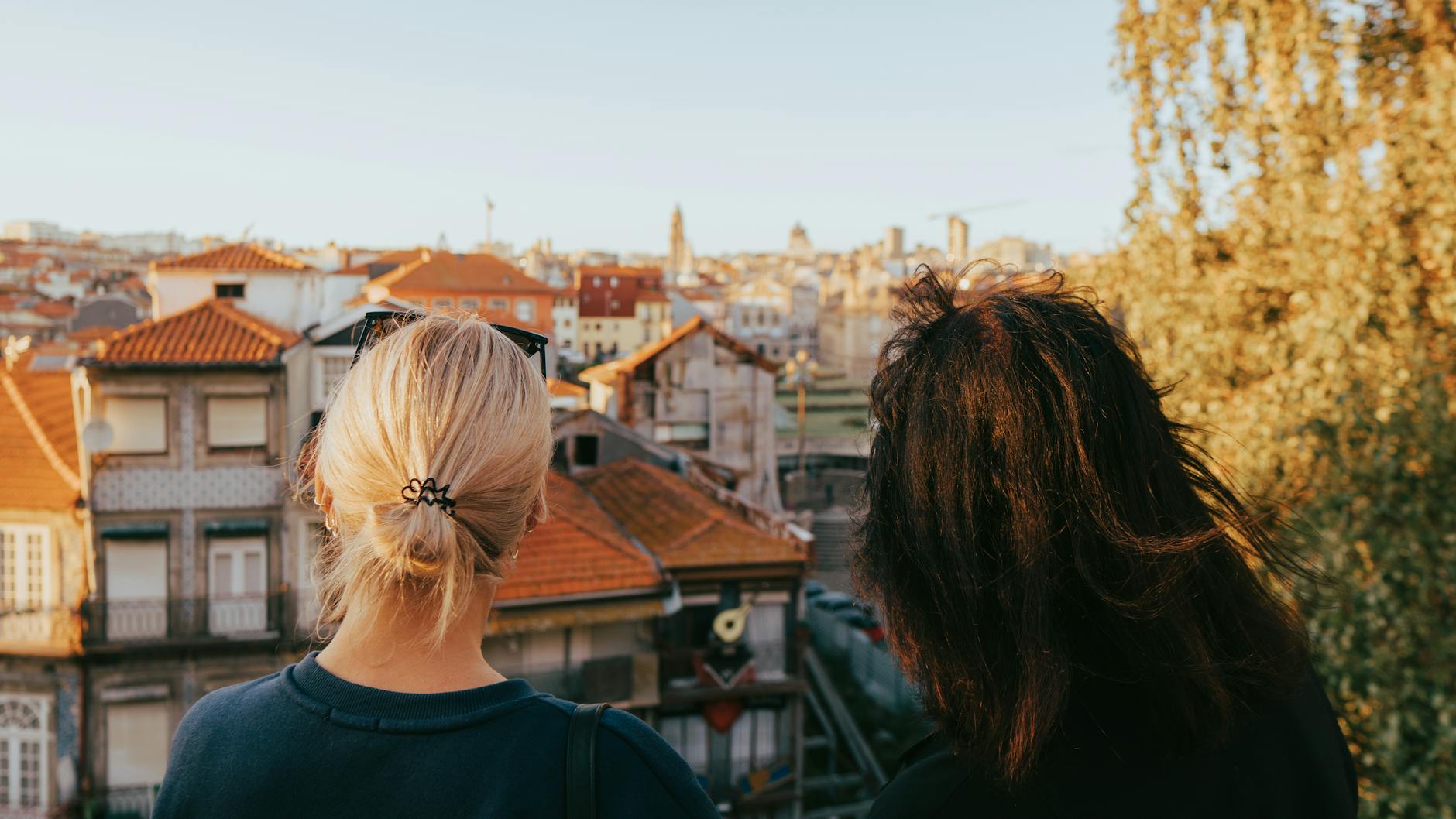
Porto can be a strong city for women travelers because it offers a compact center, riverfront views, cafes, cultural stops, hotels with character, and enough visual reward to make a short trip feel satisfying. The city also asks for practical planning. Hills, cobblestones, quiet side streets, late returns, crowded tourist areas, and wet pavement can make logistics more important than they look on a map. A good Porto plan for a woman traveler should not be built from anxiety. It should be built from control: a clear base, easy arrival, reliable movement, comfortable meals, phone and document habits, and a route home before the evening starts.
Choose lodging for easy arrivals and returns
A woman traveler should choose a Porto base by how it works at the edges of the day. Late arrival, early departure, dinner returns, rain, luggage, and quiet side streets all matter. A hotel can be visually appealing and still create too many awkward transitions if the entrance, taxi access, or uphill route is poor.
The traveler should compare Ribeira, Baixa, Aliados, Boavista, Gaia, and quieter residential areas by return routes, lighting, nearby meals, taxi pickup, reception coverage, and the first arrival experience. The strongest base is the one that makes the traveler feel oriented quickly.
- Choose lodging around arrival, dinner returns, lighting, taxi access, and nearby meals.
- Check whether the hotel entrance and route feel practical with luggage or rain.
- Compare atmosphere against the experience of returning alone or after dark.
Solve the first arrival before travel day
The first arrival should be decided before landing. Airport transfer, payment method, phone data, hotel address, check-in instructions, and a taxi or ride fallback should all be clear. Porto is not a hard city to enter, but a delayed flight, rain, dead battery, or heavy bag can make improvisation feel larger than it is.
The traveler should save offline maps, keep battery reserve, and know whether public transport or a direct car is better for the arrival hour. The first hour should build confidence, not consume it.
- Pre-plan airport transfer, hotel address, check-in details, payment, and phone data.
- Save offline maps and a backup taxi or ride option.
- Use a direct transfer when delay, luggage, weather, or darkness makes it the better choice.
Plan shoes, bags, and hills honestly
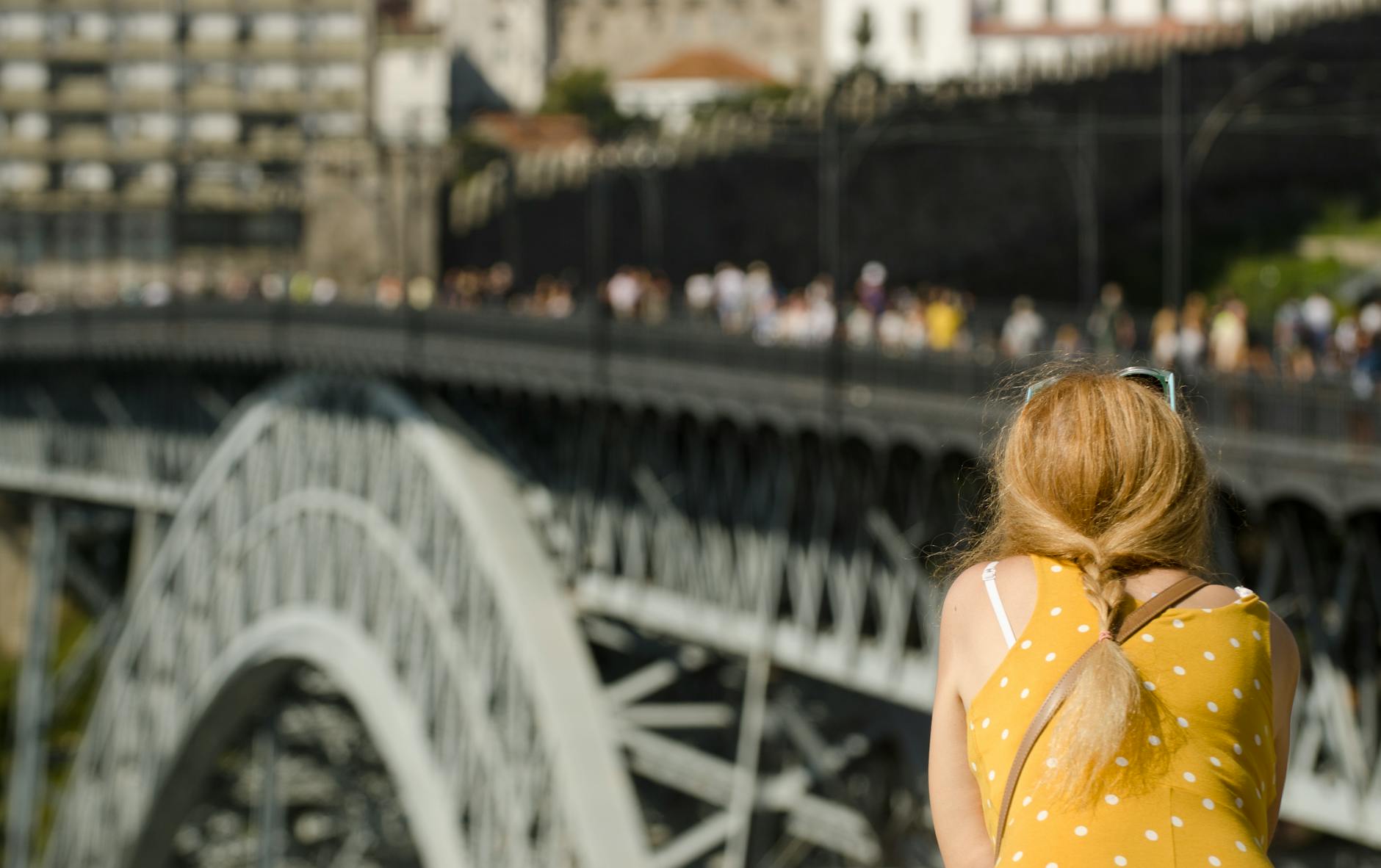
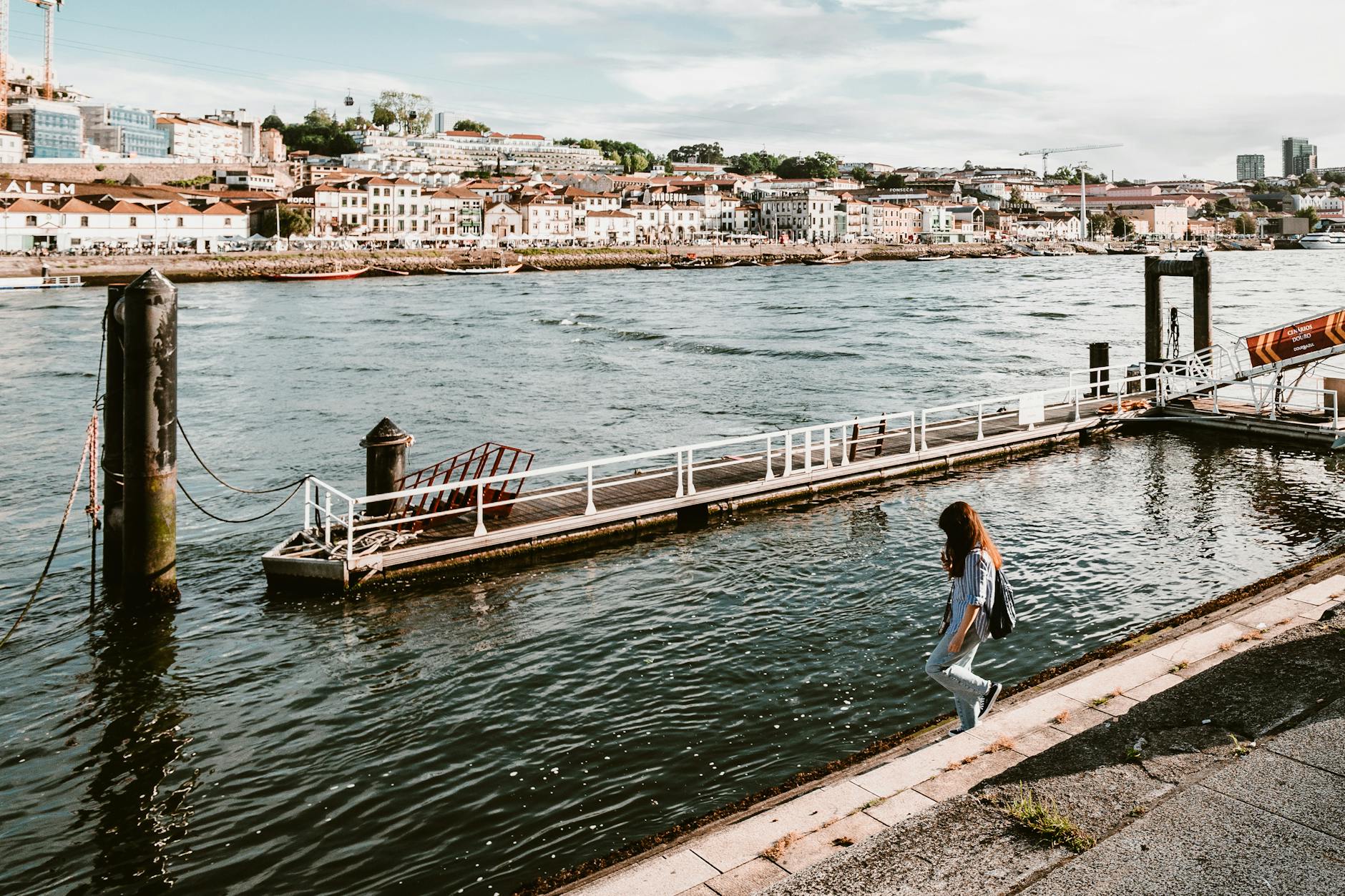
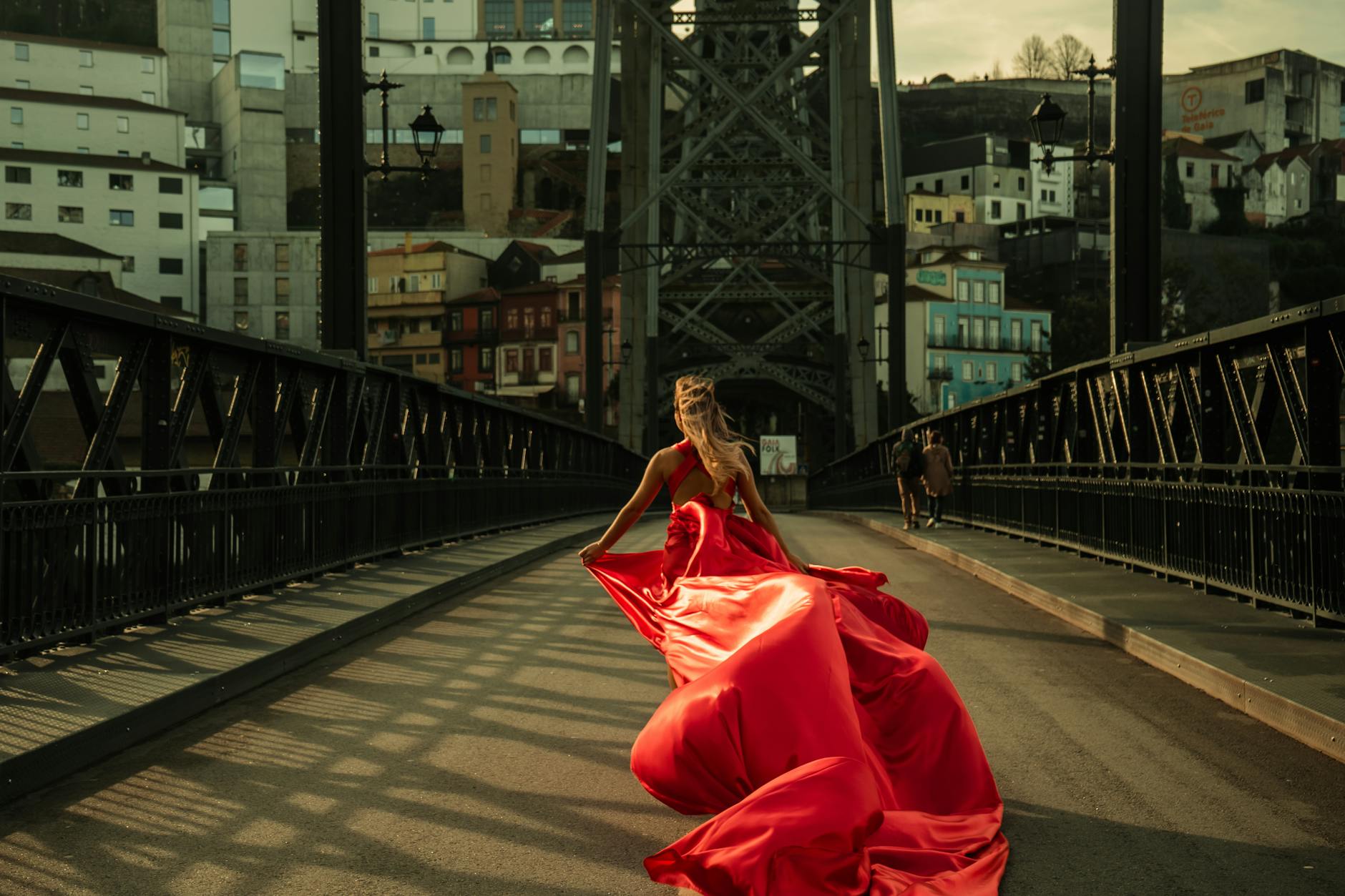
Porto rewards walking, but the city is not gentle on every outfit or bag. Steep streets, bridge crossings, cobblestones, slick stone, stairs, and long downhill sections can make shoes and bag choice a real planning issue. A traveler who wants polished restaurants, photos, and comfort may need more than one footwear strategy.
The traveler should decide when to walk, when to take transport, and when to return to the hotel before dinner. The best route is not always the most scenic one if it leaves the traveler tired, overheated, or worried about footing.
- Account for steep streets, cobblestones, stairs, bridge crossings, and slick pavement.
- Match shoes and bags to the hardest route of the day.
- Use taxis or transit when appearance, comfort, or safety would suffer.
Make meals comfortable, not accidental
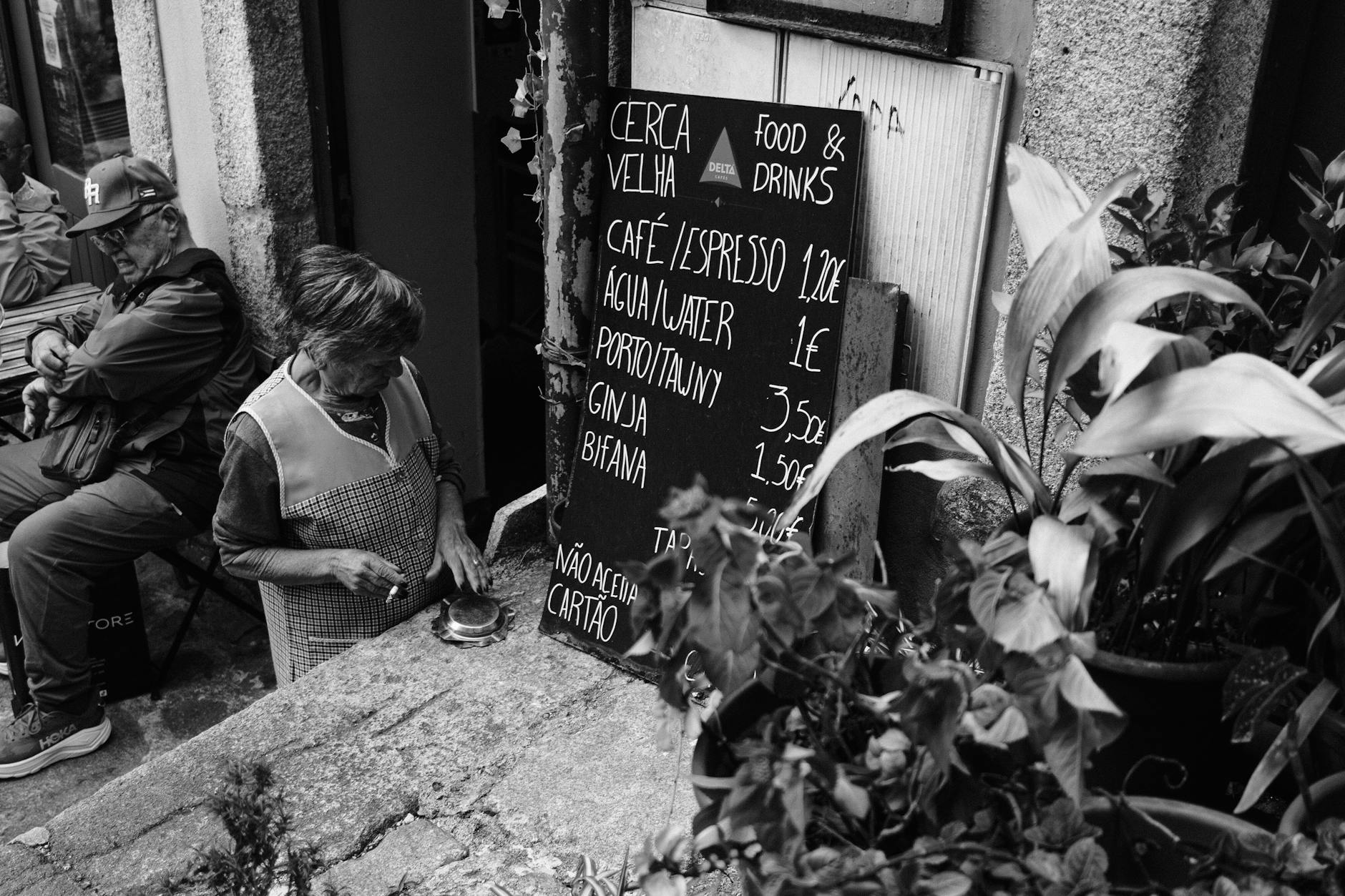
Meals are easier when the traveler chooses the setting deliberately. Cafes, wine bars, hotel restaurants, casual counters, riverfront terraces, and reservation-led dinners all suit different moods. A woman traveling alone may prefer one kind of room; a woman traveling with friends, a partner, or family may need a different rhythm.
The plan should attach meals to clear routes home. A late dinner or wine tasting can be worthwhile, but the return should already be solved before the first drink or final course.
- Choose cafes, counters, terraces, hotel dining, or reserved restaurants by comfort and mood.
- Attach late meals and wine plans to a clear return route.
- Avoid making dinner decisions only after hunger and fatigue arrive.
Treat nighttime movement as a separate plan
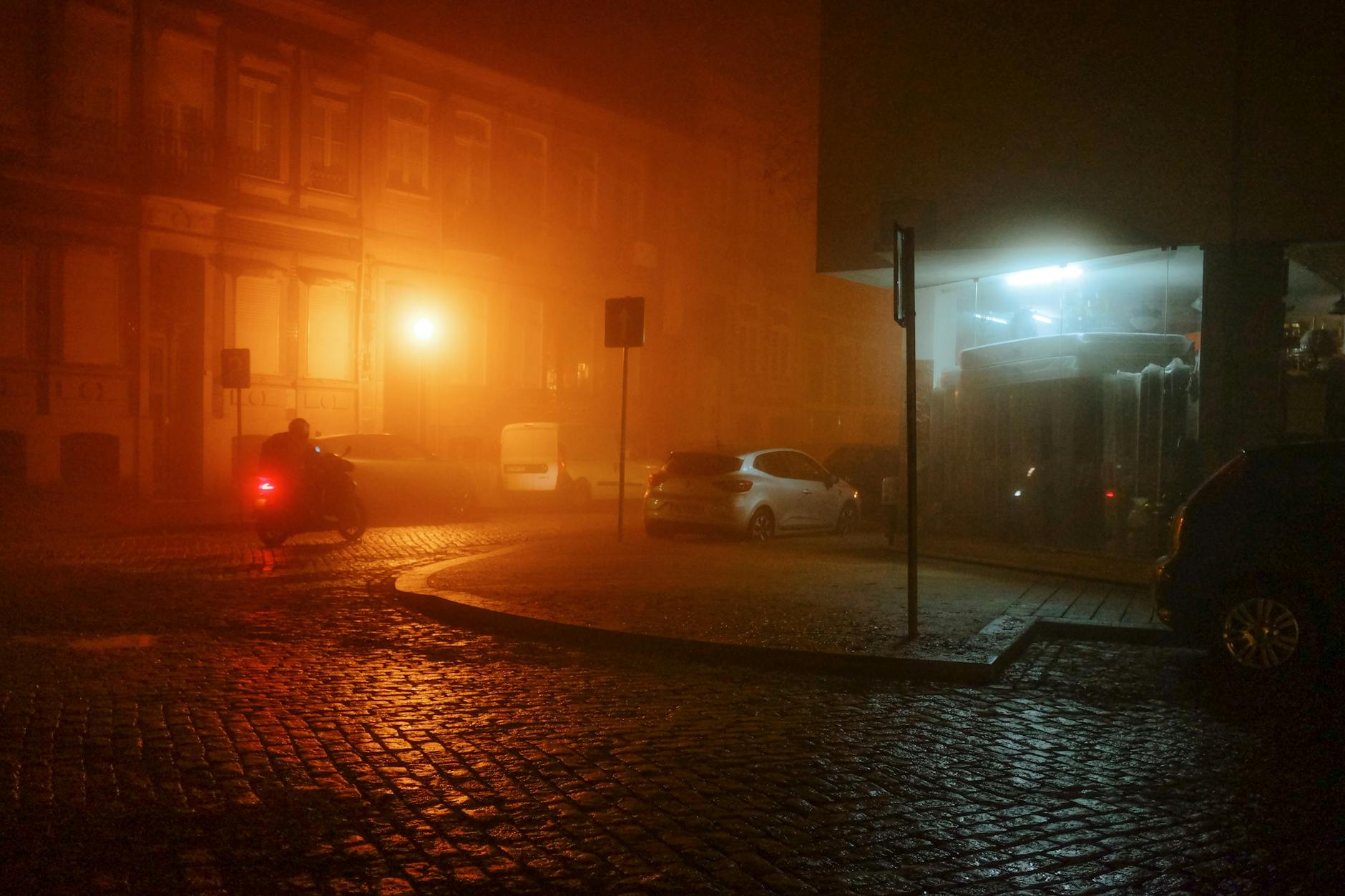
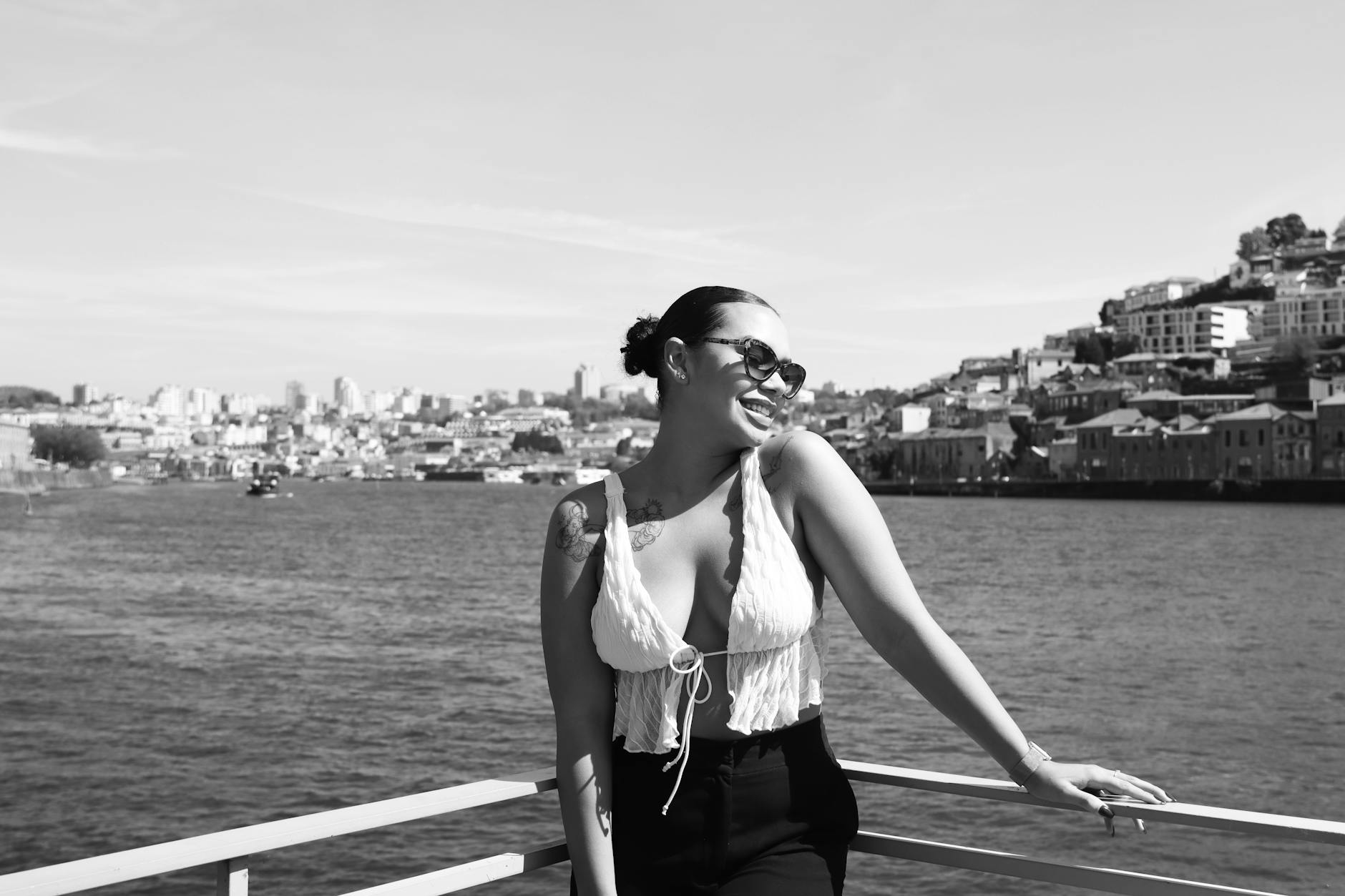
Night movement in Porto should be planned separately from daytime wandering. Riverfront crowds, viewpoints, narrow streets, bridges, late cafes, bars, and quiet uphill routes can feel different after dark or in wet weather. The traveler should know where the evening ends and how the route back works.
This is not a reason to avoid Porto at night. It is a reason to set the return plan while judgment is fresh: charged phone, saved hotel address, payment, transport option, and a clear point at which the night is finished.
- Plan late returns separately from daytime sightseeing.
- Know taxi pickup points, lit routes, bridge crossings, and the final stop.
- Keep phone battery, payment, hotel address, and transport fallback available.
Protect health routines, boundaries, and documents
A woman traveler should keep health routines and document habits simple. Medication, menstrual supplies, prescriptions, hydration, sun protection, comfortable layers, card backup, passport copy, room key, and emergency contacts should not be improvised. Porto's hills and heat can make small physical details more noticeable.
Boundaries matter too. The traveler should feel free to decline unwanted conversation, leave a restaurant or bar that feels wrong, change transport plans, or simplify the day. A strong itinerary leaves room for those decisions without collapsing.
- Carry medication, supplies, hydration, sun protection, card backup, and key documents.
- Keep emergency contacts and hotel details easy to access.
- Build enough flexibility to leave, decline, or simplify when needed.
When to order a short-term travel report
A woman traveler with a clear hotel, daytime arrival, and flexible plans may not need a custom Porto report. A report becomes useful when the traveler is arriving late, traveling solo, uncertain about neighborhoods, concerned about night returns, managing health needs, planning wine or nightlife, or trying to balance independence with practical support.
The report should test lodging, arrival route, walking exposure, evening returns, meal comfort, weather, phone and document safety, health routines, backup transport, budget, and what to cut. The value is a Porto trip that feels confident because the key decisions were made before pressure arrived.
- Order when lodging, solo movement, night returns, health routines, or wine plans need testing.
- Provide dates, arrival time, hotel options, walking tolerance, budget, and concerns.
- Use the report to make Porto feel independent, practical, and calm.