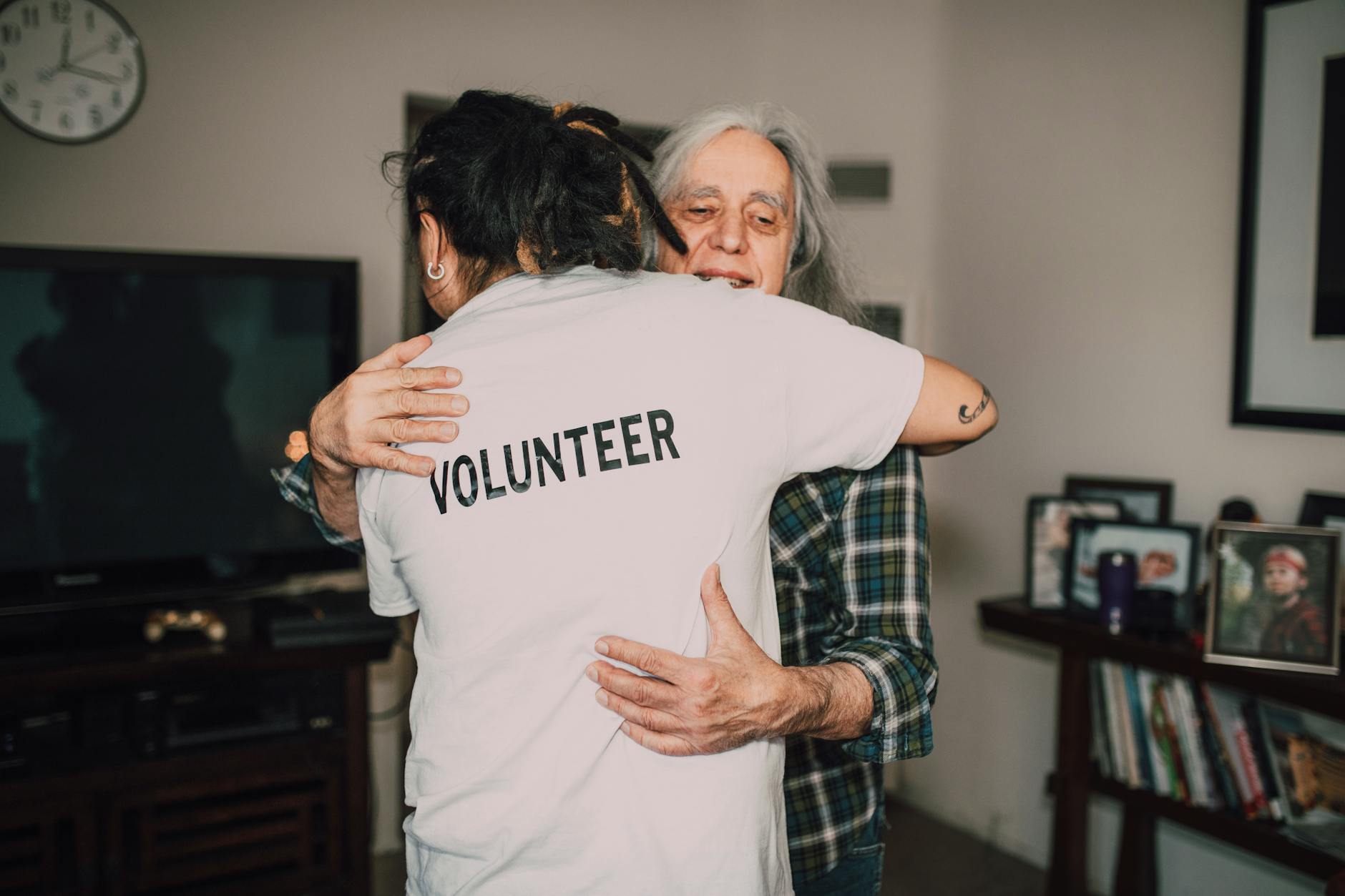
Porto can be a meaningful base for volunteer, nonprofit, academic service, faith-based, civic, or NGO-related travel, but a short stay needs careful boundaries. The traveler may be supporting a local partner, visiting a community project, attending meetings, helping with logistics, documenting work, or joining a structured program. Good intentions are not a substitute for clear scope. The right Porto plan starts with the host organization and the work itself. Housing, transport, language, safety, documentation, spending, rest, and city time should support the project without creating extra burden for the people the traveler hopes to help.
Verify the host and the purpose of the work
A volunteer or NGO traveler should understand who is hosting the work, what the organization actually does, and what role the visitor is expected to play. Short visits can create confusion if the traveler arrives with broad enthusiasm but no defined task, reporting line, or ethical boundaries.
The traveler should ask how the project is funded, who supervises visitors, what training is required, how local staff are involved, and what success looks like for the stay. The strongest Porto plan is built around a clear, locally led purpose.
- Confirm the host organization, local partner, supervisor, task, schedule, and expected outcome.
- Ask how visitors are trained, managed, and kept from displacing local capacity.
- Avoid vague service plans that rely on improvisation after arrival.

Define boundaries for communities and documentation
Community work can involve sensitive situations: older adults, children, migrants, housing insecurity, health needs, food support, education, or advocacy. The traveler should understand consent, photography rules, confidentiality, safeguarding, data handling, and what should never be posted online.
Documentation should serve the project rather than the traveler's profile. If photos, notes, interviews, or social media are part of the work, the permissions and review process should be clear before anyone enters the field.
- Clarify consent, photography, safeguarding, confidentiality, data handling, and social media rules.
- Do not document people or homes casually because the setting feels meaningful.
- Make sure any reporting or storytelling serves the local partner's goals.
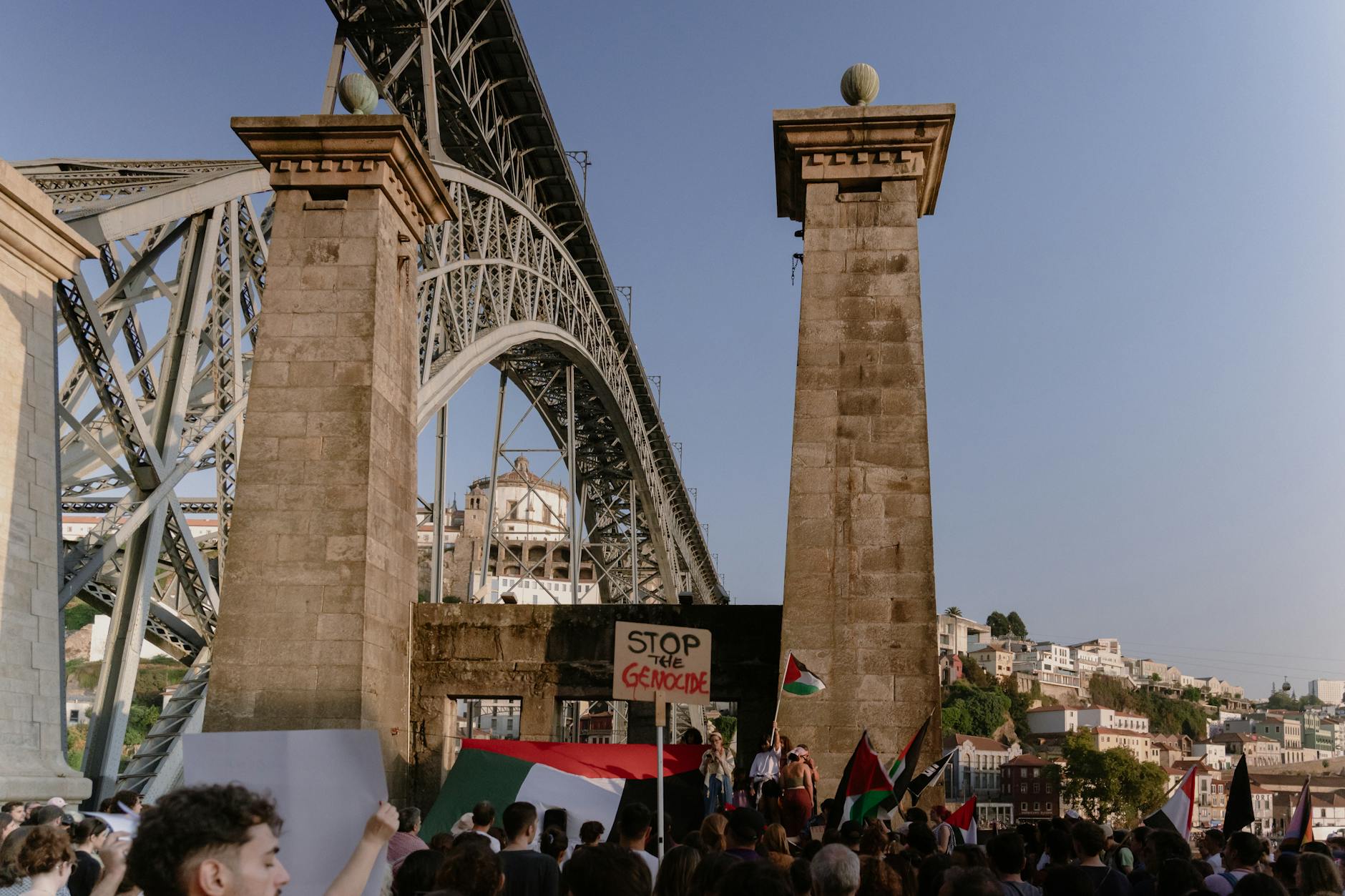
Choose housing that supports early starts and recovery
Volunteer and NGO schedules may involve early starts, long days, emotionally heavy work, or travel to neighborhoods outside the tourist core. Housing should be assessed for commute, safety after dark, quiet, laundry, kitchen access, Wi-Fi, heat or air conditioning, and the ability to rest.
A charming central room can be wrong if it adds hills, unreliable transport, or noise before a demanding project day. The traveler should also confirm whether the host provides housing or expects the traveler to arrange it independently.
- Check commute, after-dark safety, quiet, laundry, kitchen access, Wi-Fi, climate control, and rest.
- Confirm whether housing is host-arranged, vetted, shared, or self-booked.
- Avoid accommodation that makes every workday harder before it starts.

Plan transport around the project, not the tourist map
The project location may not align with the places a visitor already knows. A volunteer or NGO traveler should map the host office, field sites, housing, grocery options, pharmacies, meeting points, and return routes. Porto's hills, rain, buses, metro connections, and taxis all matter when the day is structured by service work.
The traveler should know whether group movement is required, whether reimbursements apply, and when a taxi or transfer is safer than a cheaper route. Transport errors can waste staff time and create avoidable stress.
- Map host office, field sites, housing, meeting points, groceries, pharmacies, and return routes.
- Understand group movement, reimbursement, taxi, bus, metro, and transfer expectations.
- Choose routes that reduce burden on local staff and protect punctuality.
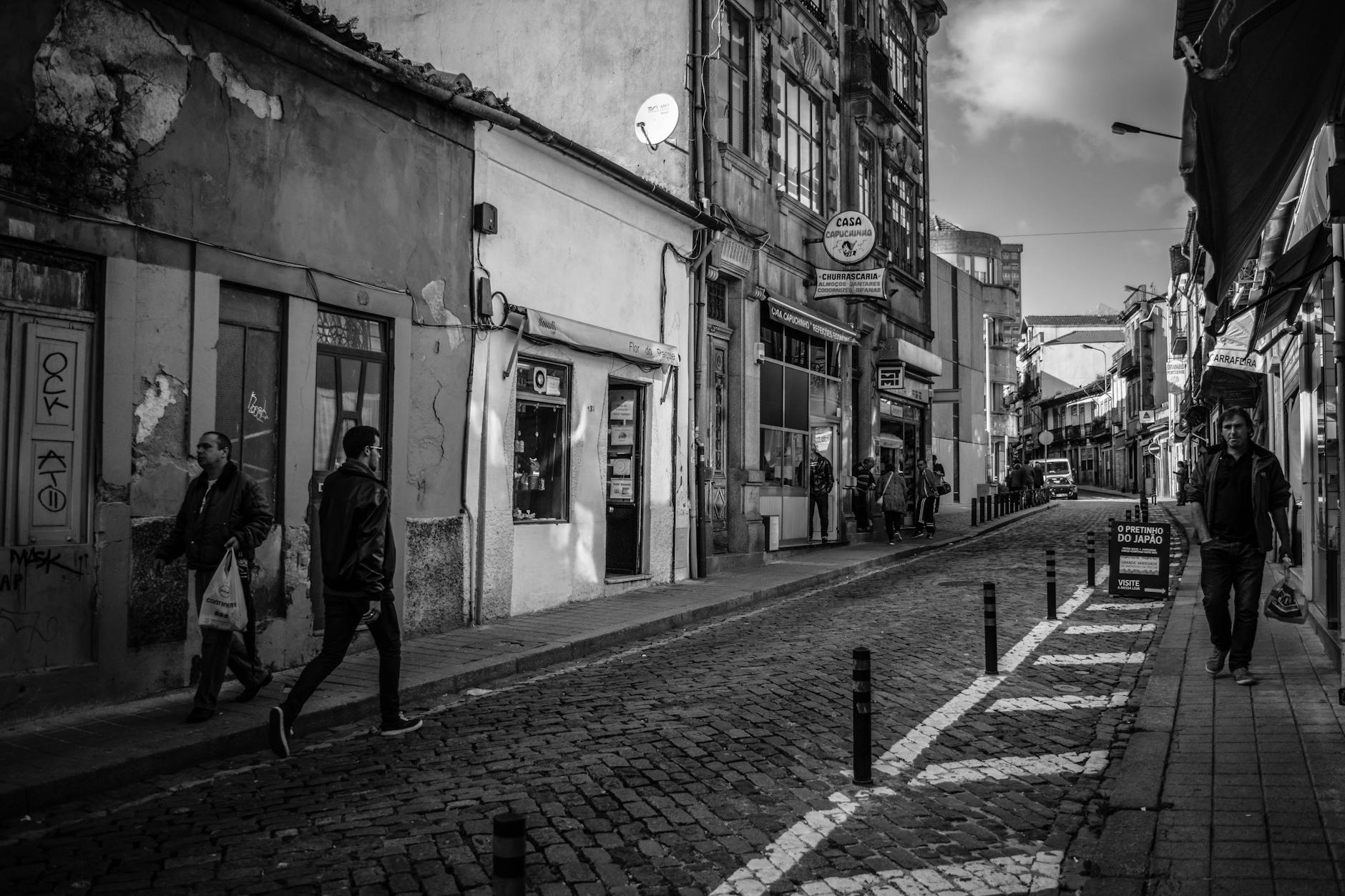
Prepare language, health, and conduct expectations
A short volunteer trip can be weakened by basic preparation gaps. The traveler should know whether Portuguese is needed, whether interpretation is provided, what health coverage applies, what vaccinations or medication planning is relevant, and what conduct rules apply around clients, staff, faith practices, politics, and gifts.
The traveler should also understand how to escalate problems. If a safeguarding issue, illness, missed assignment, transport failure, or conflict arises, the point of contact and response process should not be improvised.
- Prepare language support, health coverage, medication, conduct rules, and escalation contacts.
- Understand rules around gifts, politics, faith practices, clients, and staff relationships.
- Know what to do if sick, delayed, uncomfortable, or concerned about safeguarding.
Budget for the real cost of helping well
Volunteer travel is not automatically inexpensive. Flights, housing, local transport, meals, program fees, donations, supplies, insurance, phone data, laundry, taxis, and recovery days should all be priced. The traveler should separate useful financial support from ad hoc spending that may not help the project.
If bringing supplies, the traveler should confirm what is actually needed, how it will be transported, and whether local purchase is better. Good support is planned with the host rather than based on assumptions.
- Budget for travel, housing, meals, transport, program fees, insurance, data, laundry, and taxis.
- Confirm donations and supplies with the host before buying or packing them.
- Avoid creating logistical work through unmanaged generosity.
When to order a short-term travel report
A volunteer or NGO traveler with a vetted host, arranged housing, and a clear schedule may not need a custom Porto report. A report becomes useful when host credibility, project scope, housing, transport, documentation rules, health needs, safeguarding, budget, or parent or donor concerns need independent testing.
The report should test host structure, project role, housing, commute, neighborhood context, health coverage, language, conduct rules, documentation, budget, recovery, and what to cut. The value is a Porto trip that helps without creating unnecessary risk or burden.
- Order when host, housing, transport, safeguarding, documentation, health, or budget needs testing.
- Provide host details, project schedule, housing options, traveler role, dates, budget, and constraints.
- Use the report to make the service work clearer, safer, and less improvisational.