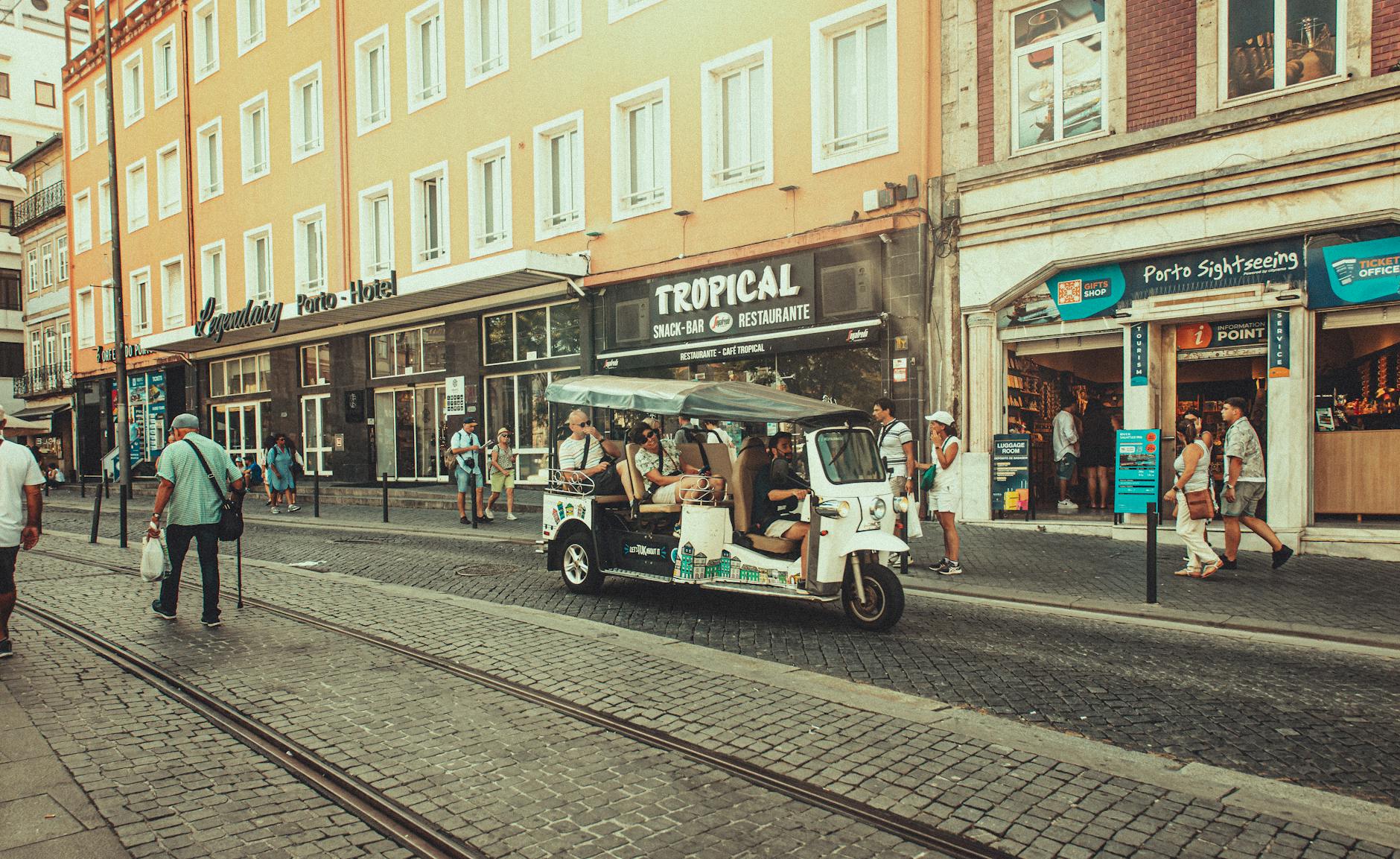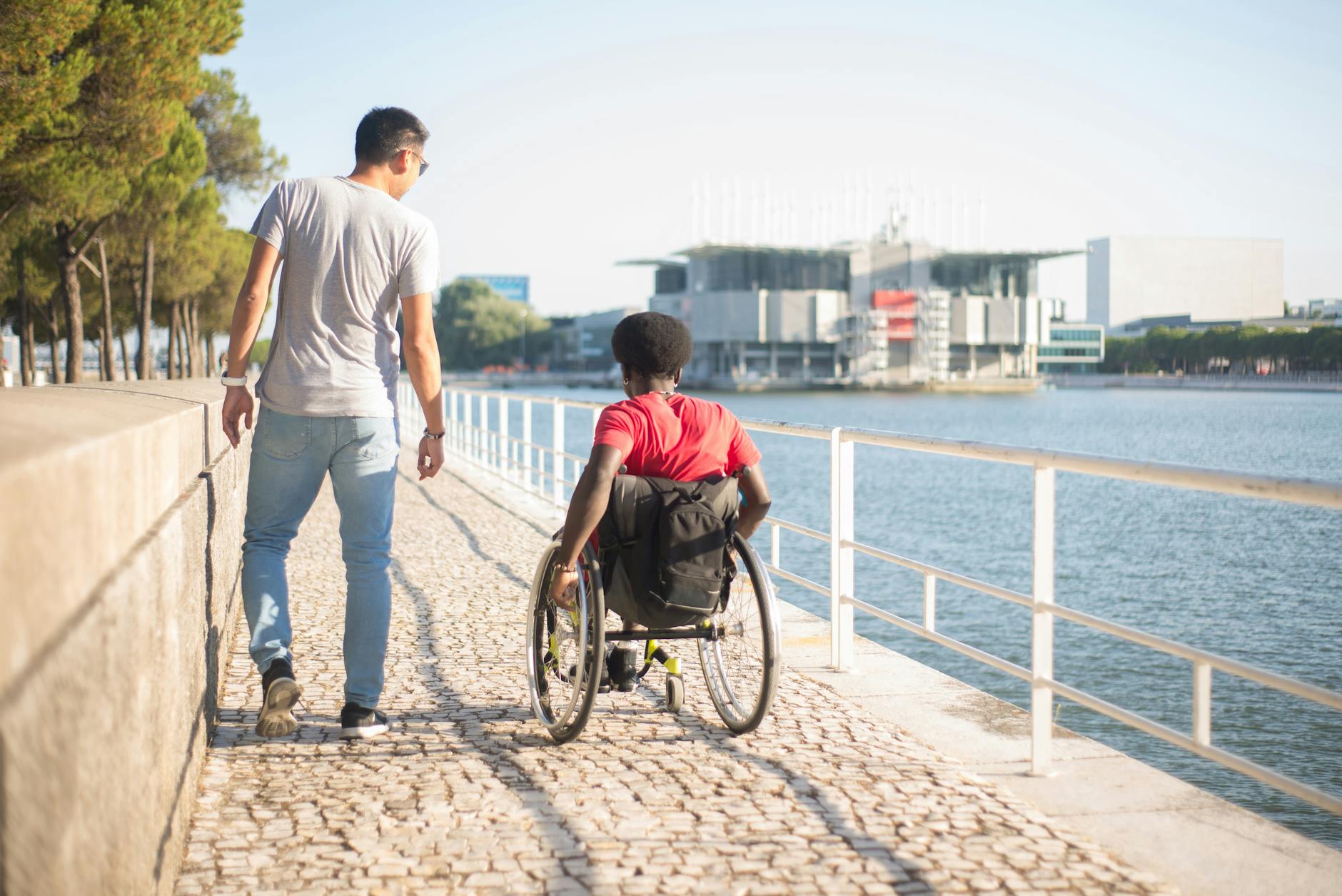
Porto can be rewarding for travelers with mobility limitations, but it should not be treated as an easy walking city. The historic center is compact, scenic, and memorable, yet it also includes steep grades, stairs, uneven paving, slick surfaces, crowds, bridge approaches, and hotels or restaurants that may not be as accessible as their marketing suggests. The right Porto plan starts with the traveler's actual mobility profile. Wheelchair use, cane use, joint pain, fatigue, balance issues, limited stair tolerance, or slower walking all lead to different decisions about lodging, transport, sightseeing, meals, and what to skip.
Define the mobility profile before choosing sights
A traveler with mobility limitations should define the constraint before building the itinerary. The relevant issue may be stair tolerance, slope tolerance, standing time, wheelchair access, cane use, fatigue, pain, balance, heat sensitivity, bathroom access, or the ability to transfer into taxis. Porto decisions should follow that profile.
This is especially important because two travelers can both say they have mobility limitations and need very different plans. One may be comfortable with short steep walks and frequent rests. Another may need step-free routes, vehicle access, and careful hotel verification.
- Clarify stairs, slopes, standing time, fatigue, pain, balance, wheelchair use, and transfer needs.
- Plan for the traveler's actual limits rather than a generic accessibility label.
- Choose sights only after the movement requirements are clear.
Choose lodging by access, not atmosphere alone
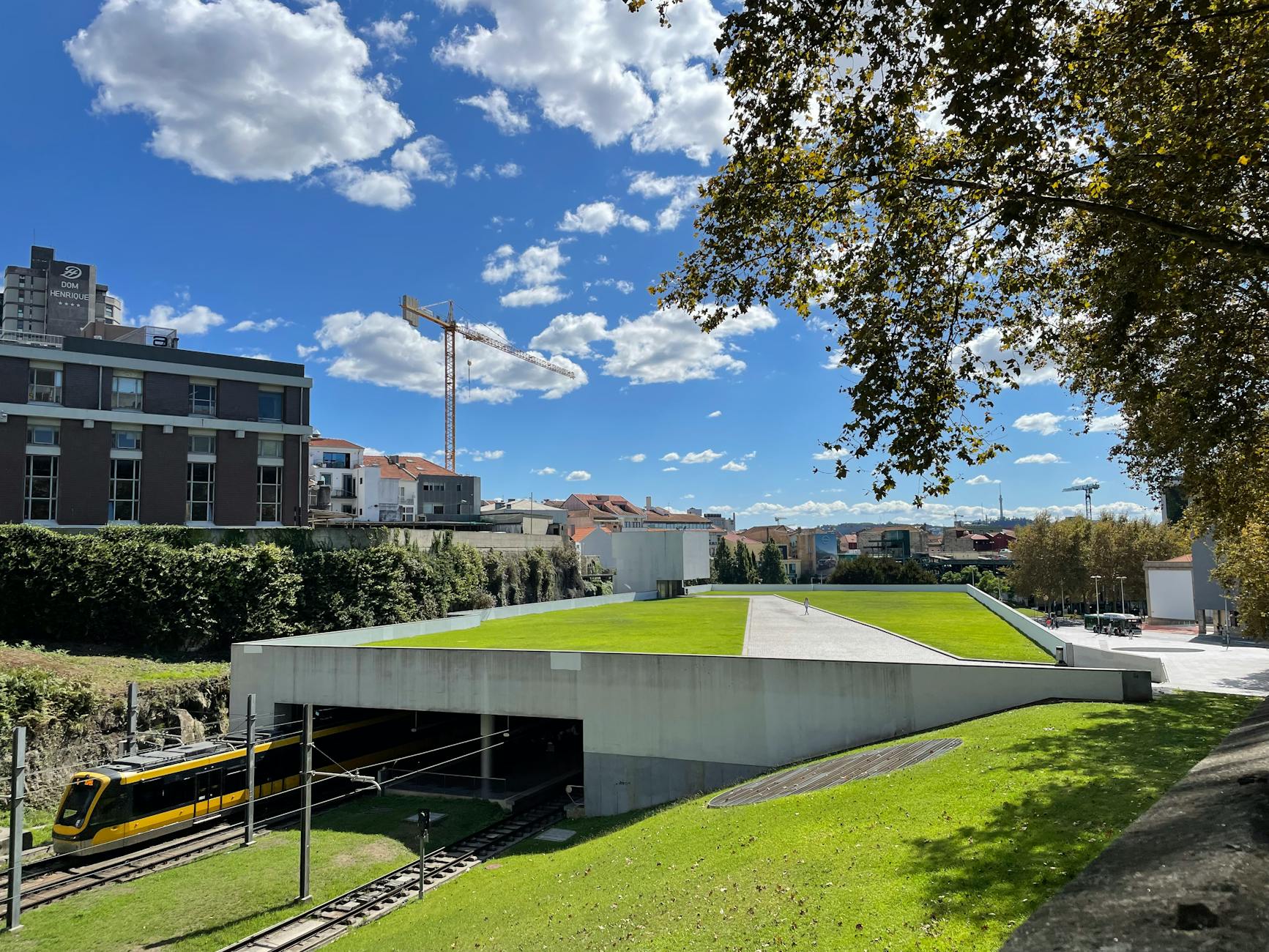
Porto's most atmospheric lodging can be physically difficult. The traveler should check elevator access, entrance steps, bathroom layout, room location, taxi approach, street grade, nearby food, and whether staff can help with realistic access questions. A beautiful historic building may be a poor choice if every return requires a climb.
Neighborhood choice also matters. Central areas, Ribeira, Gaia, Boavista, Foz, and quieter edges of the historic core can create very different mobility outcomes. The best base is the one that reduces repeated friction.
- Verify elevator, entrance, bathroom, taxi approach, street grade, and room location.
- Compare central Porto, Ribeira, Gaia, Boavista, and Foz by mobility impact.
- Avoid lodging where charm creates daily access problems.
Plan transport as part of the access strategy
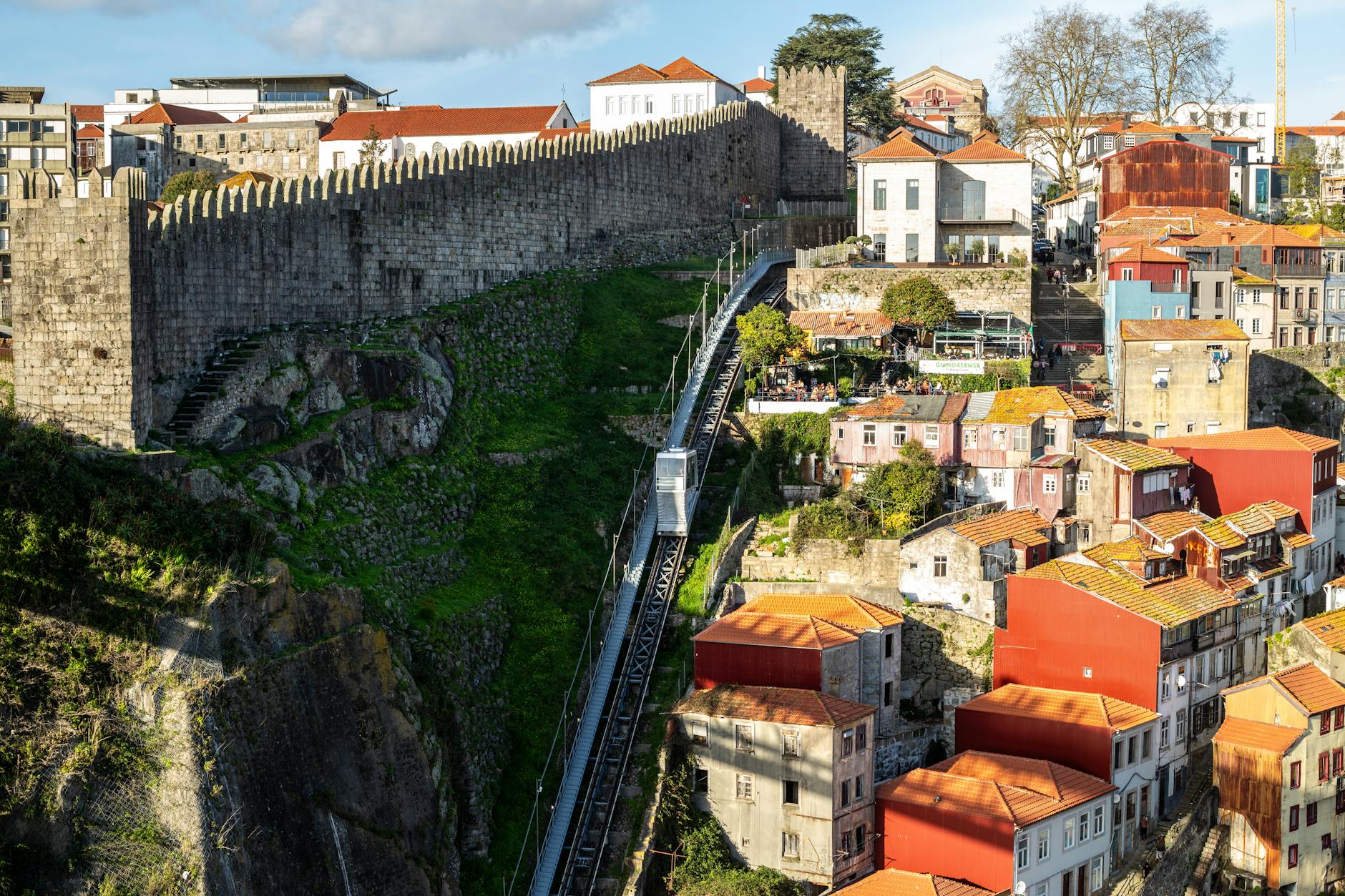
Transport should be planned before the traveler is tired. Porto's metro, trains, taxis, private transfers, and funicular options can help, but they do not remove every slope, stair, or cobblestone segment. The traveler should understand which routes are truly useful and where door-to-door transport is worth the cost.
Airport arrival, luggage movement, dinner returns, and hilltop-to-river routes deserve particular attention. A short taxi ride can be a practical access tool rather than a luxury.
- Plan metro, trains, taxis, private transfers, and funicular use around actual route demands.
- Use door-to-door transport for luggage, late returns, hills, and recovery needs.
- Do not assume every station or stop eliminates the difficult walking segment.
Edit the sightseeing list around effort
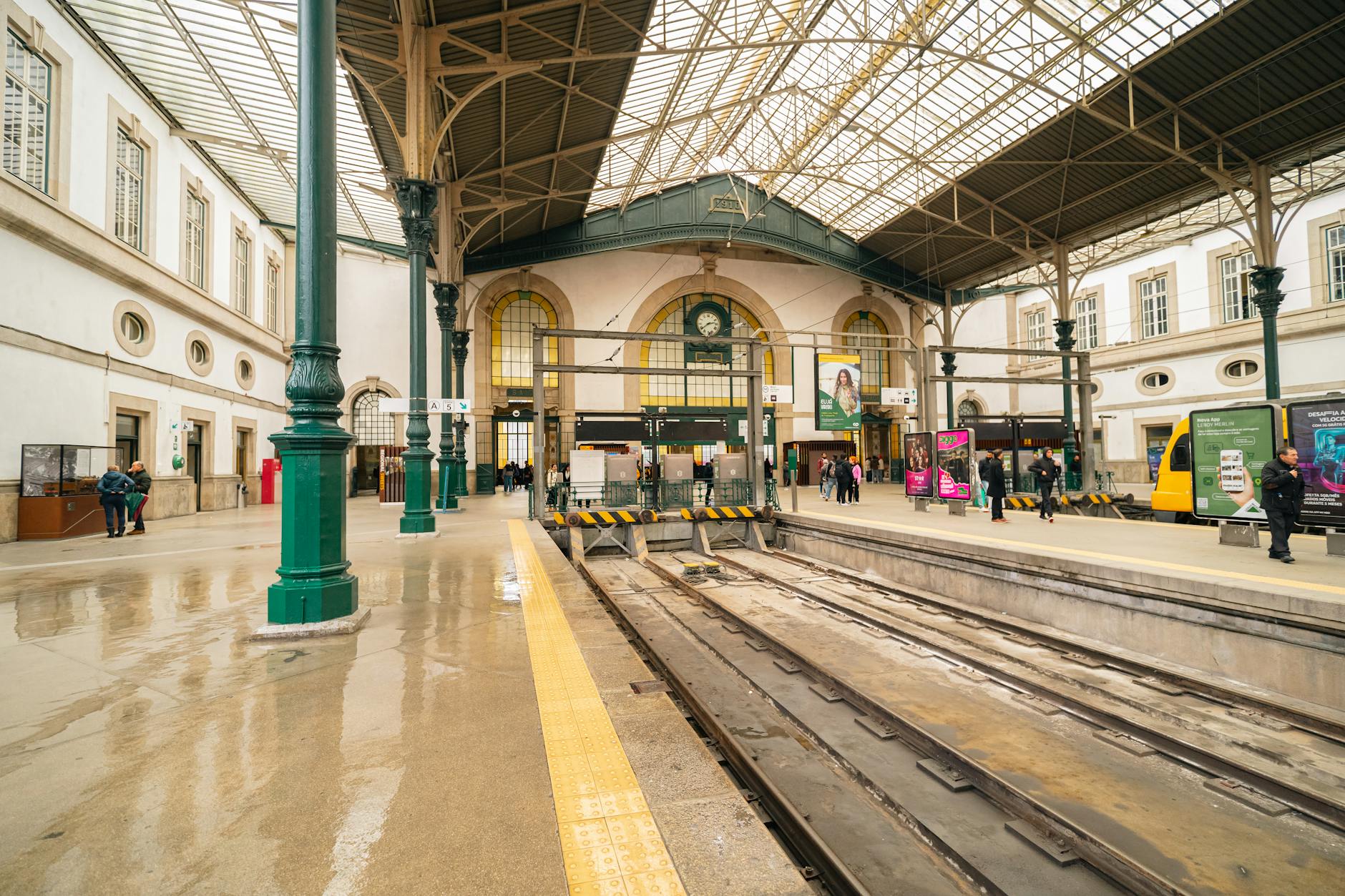
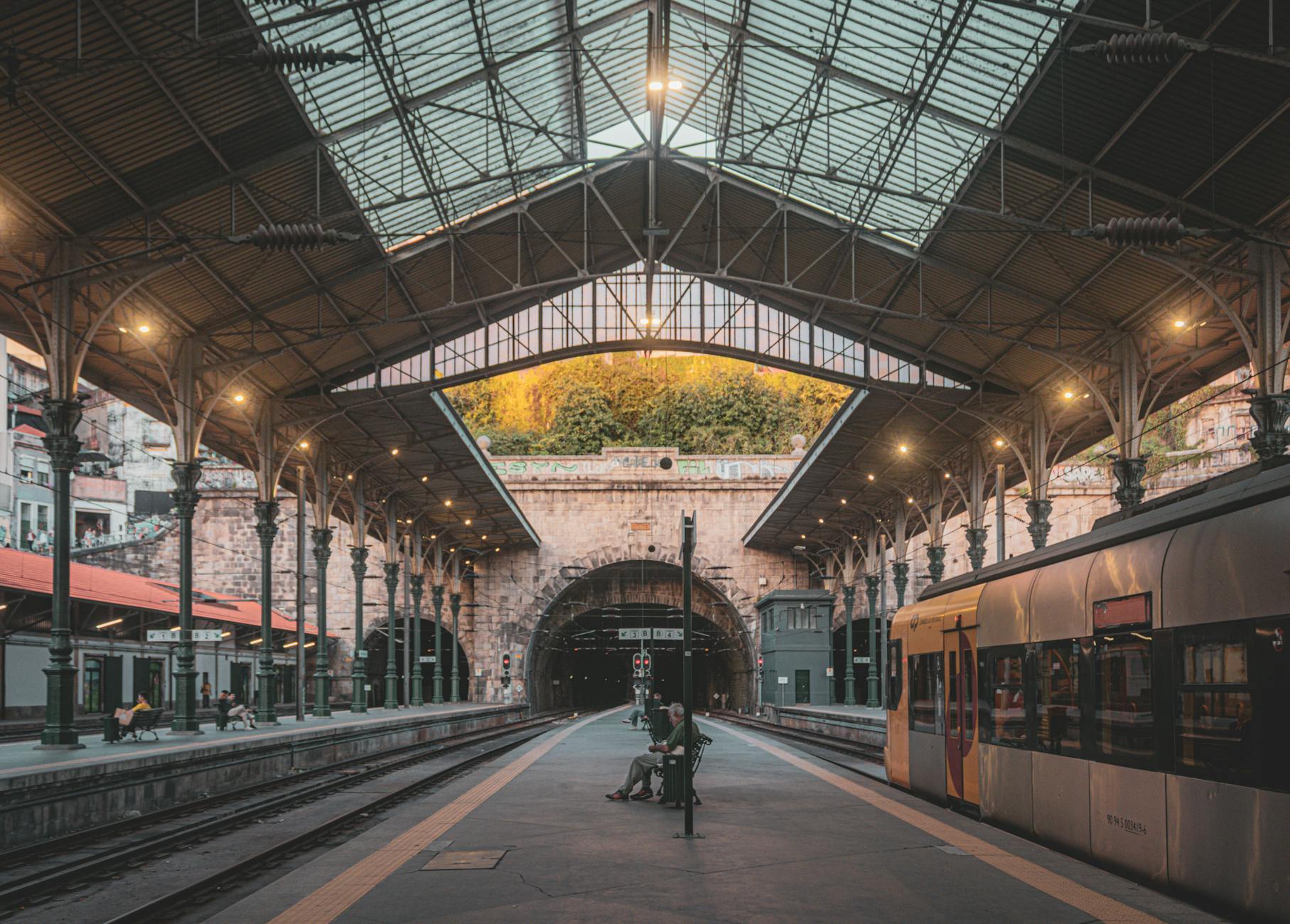
Porto's core sights should be ranked by value and access cost. Sao Bento, the cathedral, Clerigos, Ribeira, Luis I Bridge, Gaia, riverfront walks, and viewpoints can all be worthwhile, but not all of them will fit every mobility profile. The traveler should avoid building a plan that requires repeated climbs just to preserve a standard tourist order.
The route should include rest points, bathrooms, meal stops, and transport exits. If one demanding sight is essential, the rest of the day should compensate.
- Rank Sao Bento, the cathedral, Clerigos, Ribeira, Gaia, bridge crossings, and viewpoints by access cost.
- Build rest, bathrooms, meals, and transport exits into the sightseeing sequence.
- Let one demanding sight replace several weaker ones rather than stacking them.
Treat weather and surfaces as access risks
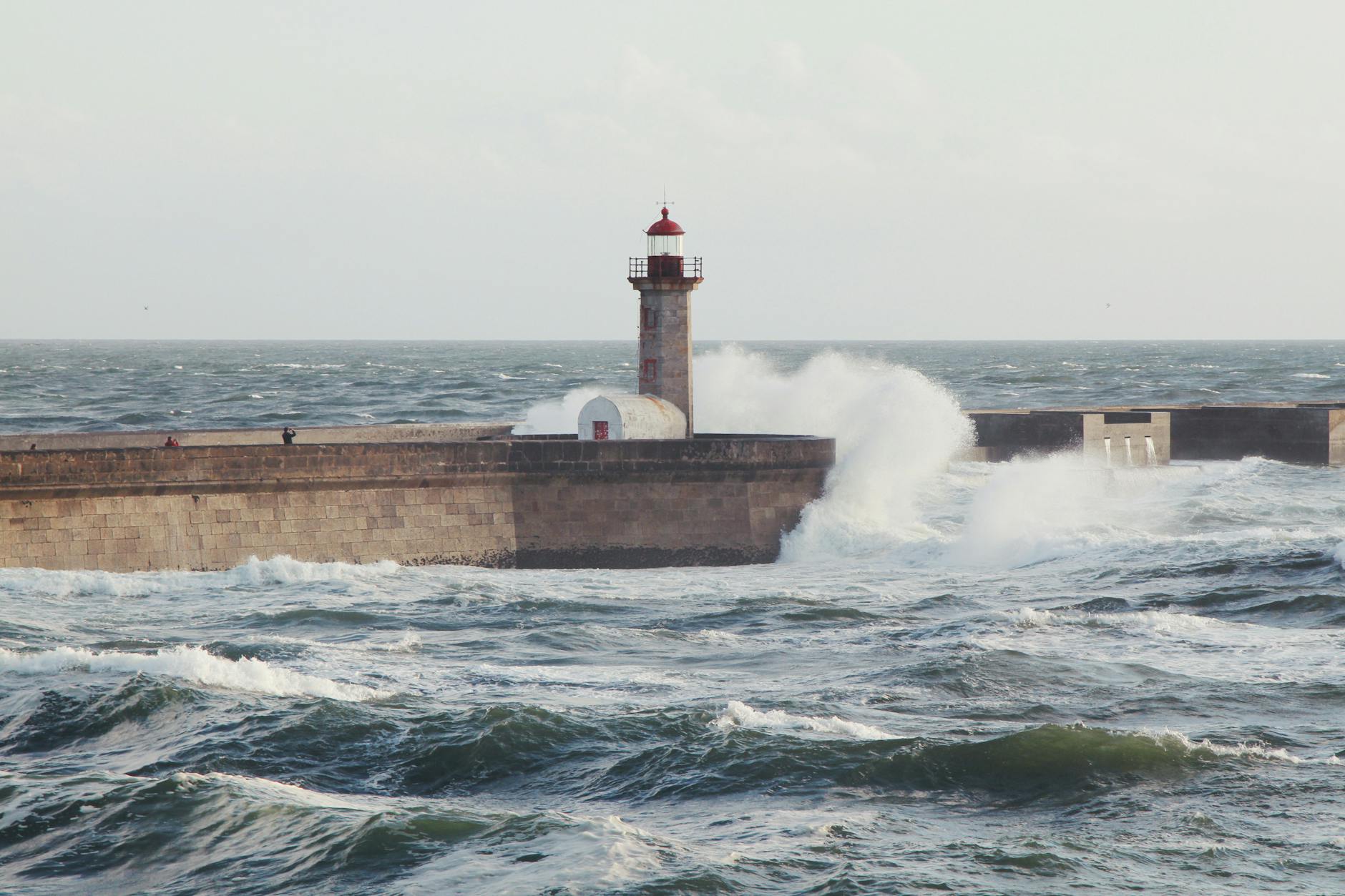
Rain, heat, wind, slick stone, glare, and crowded narrow streets can change Porto's accessibility quickly. A traveler who can manage a route on a dry morning may find it much harder after rain or during peak crowding. Shoes, pacing, and backup interiors matter.
The traveler should identify weather-sensitive segments before departure. Bridge crossings, riverfront walks, steep descents, viewpoints, and long outdoor queues need alternatives when conditions turn.
- Account for rain, heat, slick stone, wind, glare, crowds, and narrow streets.
- Choose shoes, pacing, and backups for difficult surfaces.
- Have alternatives for bridges, riverfronts, viewpoints, steep descents, and outdoor waits.
Make meals and evenings easy to exit
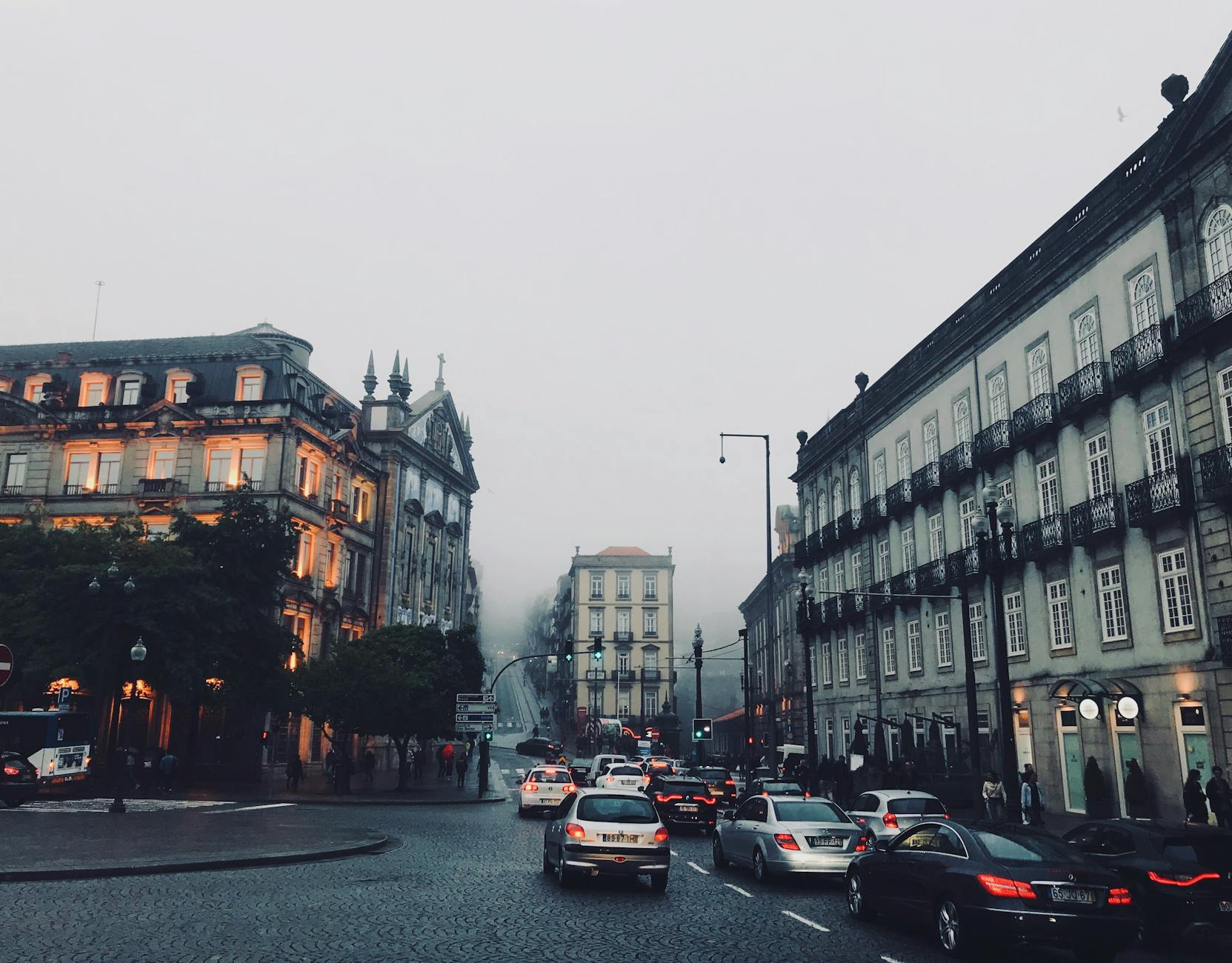
Dining plans can create mobility problems if the restaurant is up a steep street, has steps, runs late, or sits far from reliable return transport. The traveler should confirm access, reservation timing, taxi pickup, bathroom availability, and whether the route back is realistic after a full day.
Evenings should be designed with an exit plan. Porto's atmosphere is part of the pleasure, but a good dinner should not require an exhausting climb or uncertain return.
- Check restaurant access, steps, bathrooms, timing, and taxi pickup.
- Choose evening areas with realistic return routes.
- Keep one simple meal near the hotel as a fallback.
When to order a short-term travel report
A traveler with mild limitations, a verified hotel, and a relaxed itinerary may not need a custom Porto report. A report becomes useful when hotel access, hills, stairs, bridge crossings, taxi logistics, sightseeing priorities, weather, bathrooms, or dining access could determine whether the trip is comfortable or frustrating.
The report should test lodging, arrival, transport, route effort, sightseeing choices, rest stops, meals, weather backups, bathroom access, budget, and what to cut. The value is a Porto plan that respects mobility limits before they become the whole trip.
- Order when hotel access, terrain, transport, meals, bathrooms, or weather need testing.
- Provide mobility profile, hotel options, walking tolerance, transfer needs, dates, and budget.
- Use the report to choose a Porto route that protects energy and dignity.