
Porto can be very enjoyable for travelers with medical constraints, but it should not be treated as a flat, low-friction destination. Hills, cobblestones, stairs, bridge crossings, heat, rain, late meals, wine culture, and uneven routes can all affect a traveler whose health needs are manageable at home but more fragile on the road. The right Porto plan starts with the constraint, not with the attractions. Medication timing, hotel access, route effort, meals, transport, rest, and medical fallback should shape the trip before the sightseeing list expands.
Define what the constraint requires from Porto
A traveler with medical constraints should identify what the condition requires before choosing the itinerary. The issue may be medication timing, refrigeration, mobility, fatigue, food timing, hydration, heat sensitivity, respiratory exposure, bathroom access, alcohol limits, stress tolerance, or proximity to care. Porto planning should follow those requirements.
The traveler should be realistic about how flights, jet lag, hills, weather, late meals, and sightseeing will interact with the condition. A constraint that is stable at home can still need wider margins during travel.
- List medication, mobility, fatigue, food, hydration, heat, bathroom, and care needs first.
- Account for flights, jet lag, hills, weather, and late meals.
- Build the itinerary from the constraint rather than adding accommodations afterward.
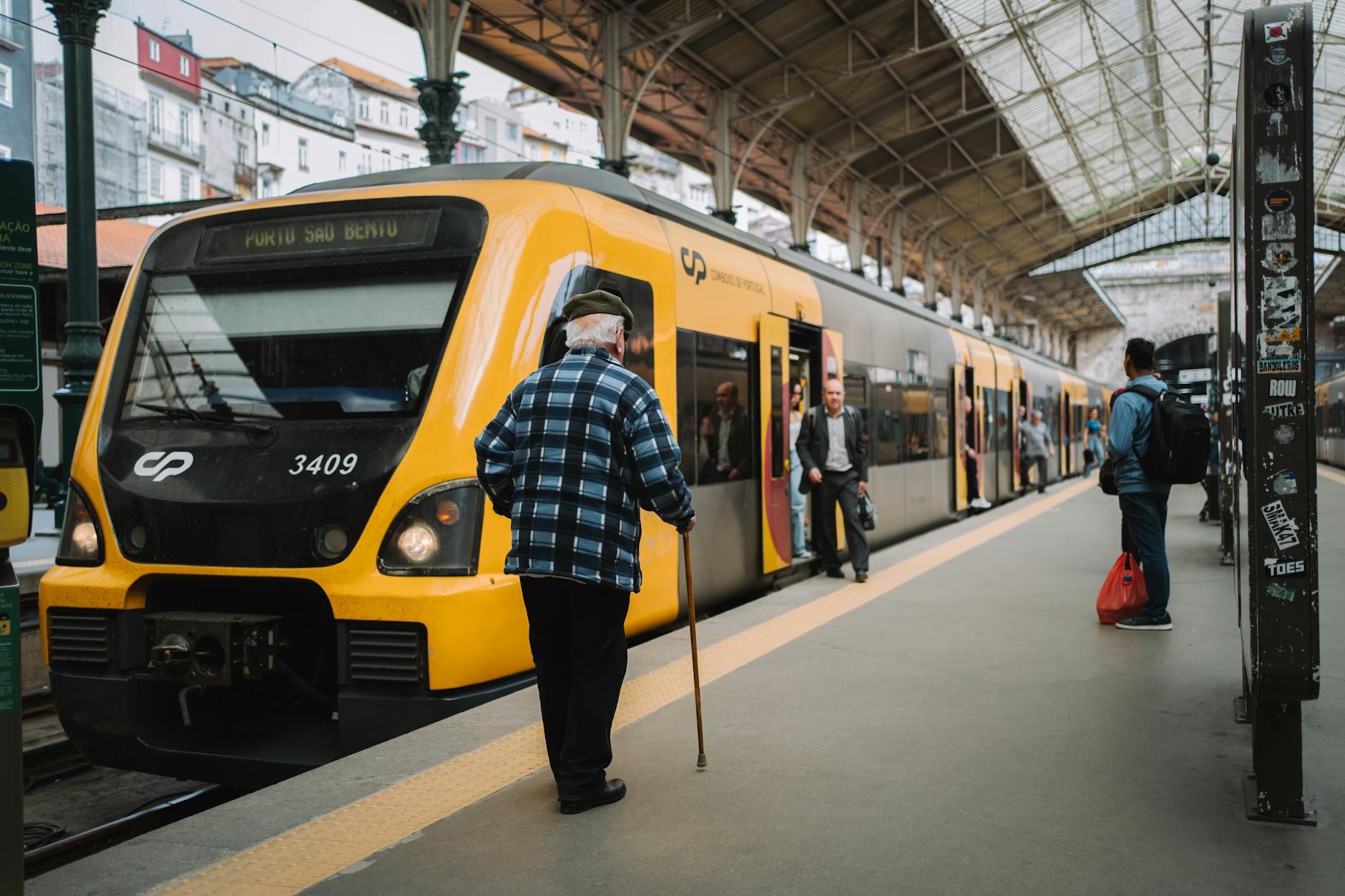
Choose a hotel that reduces medical friction
The hotel should be assessed as part of the health plan. Elevator reliability, step-free access, taxi approach, room quiet, bathroom layout, air conditioning or heating, refrigerator availability, breakfast timing, nearby simple food, and staff responsiveness can all matter. The most atmospheric lodging is not always the safest choice.
The traveler should also check whether the surrounding streets are steep, slick, noisy, or difficult for taxis. A good base reduces the number of decisions the traveler must make while tired or symptomatic.
- Check elevator, step-free access, taxi approach, bathroom, quiet, climate control, and fridge needs.
- Confirm breakfast timing, nearby food, and staff responsiveness.
- Avoid lodging that makes every return physically or medically harder.

Plan prescriptions and documentation carefully
Medication planning should be completed before departure. Prescriptions, backup doses, original packaging, timing across time zones, refrigeration, needles or devices, physician notes if needed, insurance details, and medication names should be organized and carried appropriately. The traveler should not assume replacements will be simple in Porto.
This is especially important for controlled medication, temperature-sensitive medication, chronic conditions, allergies, and devices that require chargers or supplies. The plan should include what happens if a bag is delayed or a dose is missed.
- Prepare prescriptions, backup doses, original packaging, timing, notes, and insurance details.
- Plan refrigeration, devices, chargers, allergies, and delayed-bag scenarios.
- Carry essentials rather than leaving the health plan in checked luggage.

Treat terrain, weather, and transport as health variables
Porto's terrain can affect medical stability. Hills, stairs, cobblestones, bridge crossings, slick rain, heat, and long downhill sections can increase fatigue, pain, fall risk, breathing difficulty, or blood sugar issues. The traveler should plan routes by physical demand, not only by attraction order.
Transport should be used proactively. Metro, taxis, trains, and private transfers can be part of a health-preserving plan rather than a sign that the traveler is missing the city.
- Assess hills, stairs, cobblestones, heat, rain, bridges, and downhill sections as health factors.
- Use taxis, metro, trains, or private transfers before symptoms escalate.
- Choose routes by physical demand and recovery needs, not only by scenery.
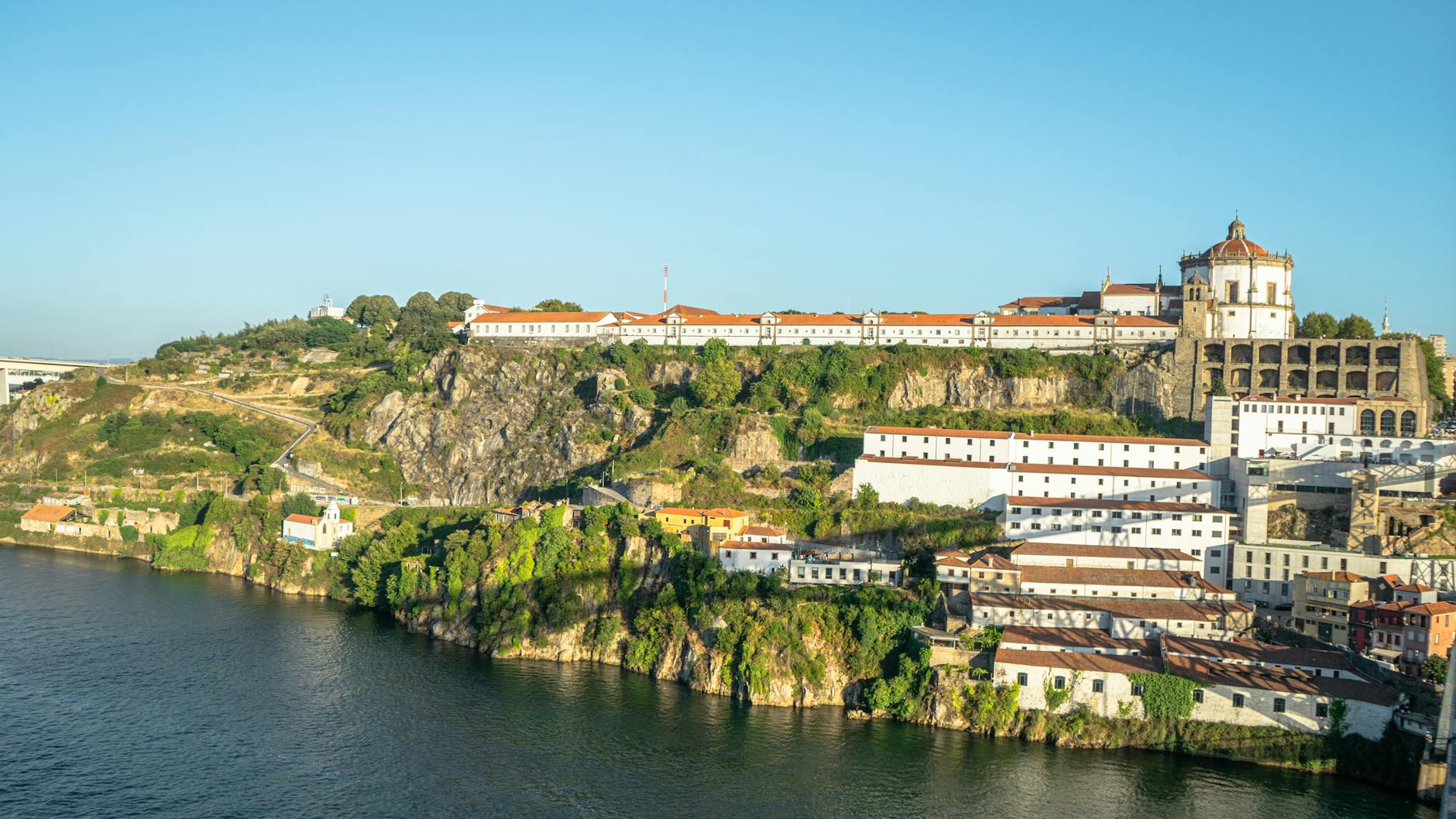
Control meals, hydration, alcohol, and rest
Porto's food and wine can be enjoyable, but the traveler should control timing and intensity. Long gaps between meals, late dinners, rich food, alcohol, dehydration, sun exposure, and long walking days can all interact with medical needs. The plan should include predictable meals and realistic rest.
The traveler should identify nearby simple food, cafes, bathrooms, hotel return points, and lower-effort evenings. A medical constraint does not remove pleasure from the trip; it makes pacing more important.
- Plan meal timing, hydration, alcohol limits, sun exposure, and rest periods.
- Identify simple food, cafes, bathrooms, and easy hotel returns.
- Keep wine and dining plans compatible with medication and next-day energy.
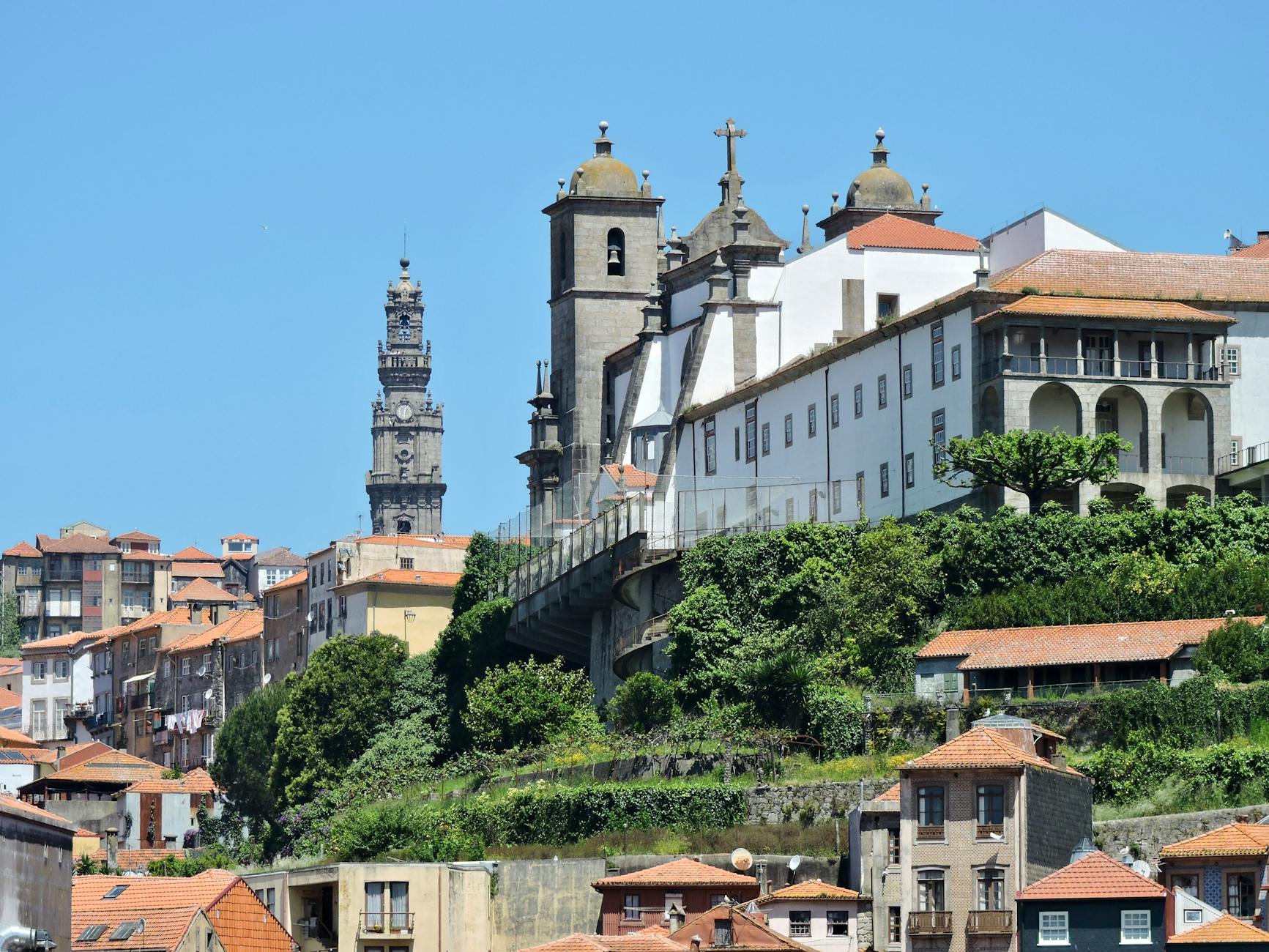
Know the pharmacy and care fallback
A traveler with medical constraints should identify the practical fallback before needing it. That means insurance contact details, medication list, allergy information, local emergency number, nearest pharmacy, urgent care or hospital options, and how to get there from the hotel. The traveler should also know what language support may be needed.
The plan should not replace professional medical advice. It should make it easier to act quickly if the traveler needs care, medication help, or a decision about whether to continue the itinerary.
- Keep insurance, medication list, allergies, emergency number, pharmacy, and care options accessible.
- Know transport to care from the hotel and from main itinerary areas.
- Use fallback planning to reduce delay if symptoms change.
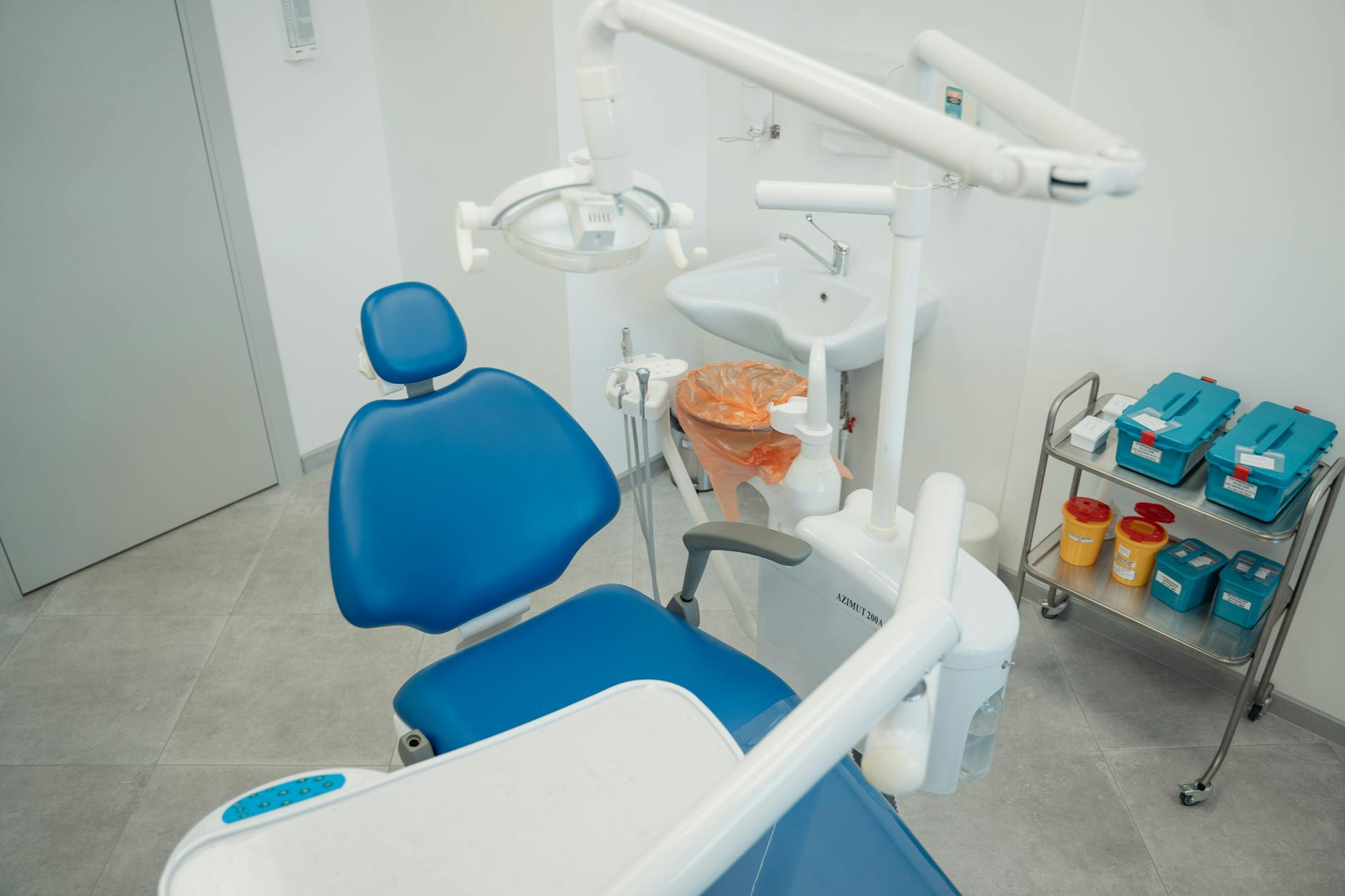
When to order a short-term travel report
A traveler with a stable condition, known hotel, and flexible plans may not need a custom Porto report. A report becomes useful when medication logistics, mobility, heat sensitivity, food timing, fatigue, respiratory concerns, bathroom access, care fallback, or hotel access could determine whether the trip works.
The report should test lodging, prescriptions, route effort, transport, meal timing, weather, pharmacy and clinic fallback, rest, insurance details, budget, and what to cut. The value is a Porto plan that respects the medical constraint before it becomes the dominant feature of the trip.
- Order when medication, terrain, hotel access, meals, weather, or care fallback need testing.
- Provide dates, condition-related needs, hotel options, walking tolerance, medications, and budget.
- Use the report to make Porto realistic without reducing the trip to the constraint.