Porto can be tempting during a transit or stopover because the airport, metro, rail links, riverfront, and historic center make a short visit look simple. Some travelers can absolutely turn a gap into a useful meal, walk, or scenic reset. Others should stay near the terminal, station, or hotel. The right decision depends on connection type, luggage, immigration, rail timing, traffic, mobility, weather, and the cost of being late. A stopover plan should be built around the next departure first and the city second.
Calculate the usable window honestly
A Porto stopover should begin with the real usable window, not the scheduled gap. The traveler should subtract immigration, bags, security, airport or station movement, transfer time, contingency, and the required return buffer. A six-hour layover can shrink quickly if the traveler has checked luggage, a separate ticket, or a nonrefundable onward segment.
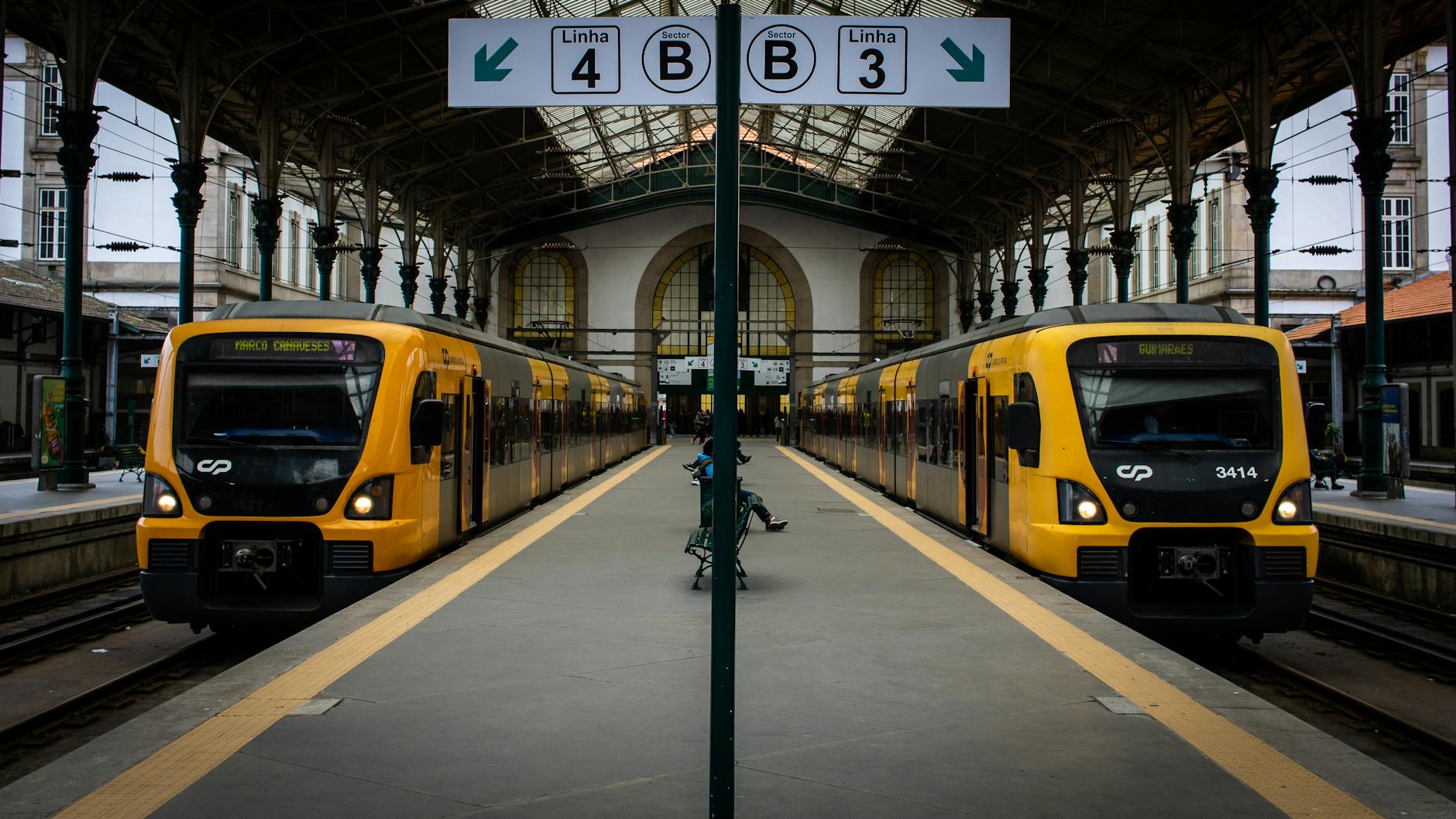
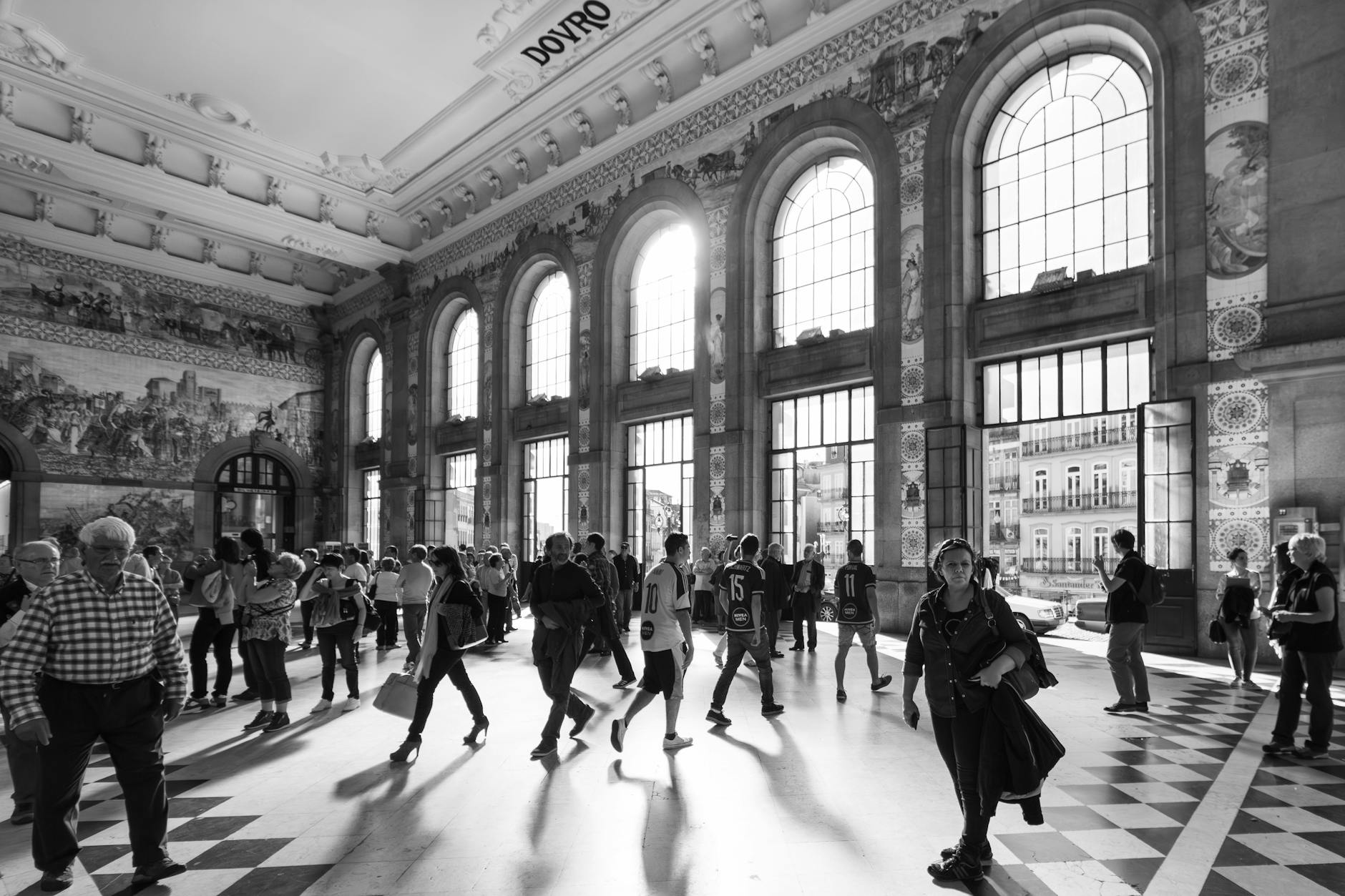
The same logic applies to rail. Sao Bento is central and beautiful, but Campanha, hotel location, luggage storage, and onward departure rules can change how much city time is actually available.
- Subtract immigration, baggage, security, transfer time, and return buffer from the schedule.
- Treat separate tickets and nonrefundable onward travel as higher-risk connections.
- Include Campanha, Sao Bento, airport, hotel, and luggage logistics in the time calculation.
Decide whether to leave the transit zone
Leaving the airport, station, or hotel area is not automatically the best use of a stopover. The traveler should compare the value of a city visit with the stress of movement, luggage, weather, security lines, and fatigue. For a short gap, a good meal near the next departure point may beat a rushed city sprint.
If the traveler does leave, the plan should be narrow. A short Porto stopover is best used for one district, one meal, one viewpoint, or one station-and-center walk, not a full city tour.
- Compare city value against luggage, weather, fatigue, security, and missed-connection risk.
- Stay near the airport, station, or hotel when the window is too tight.
- If leaving, choose one compact target rather than a broad sightseeing route.
Plan luggage before the route
Luggage decides what a Porto stopover feels like. Rolling bags are awkward on hills, cobblestones, stairs, crowded platforms, cafes, and rain-slick streets. The traveler should confirm storage options, hotel bag policies, station facilities, or whether bags can stay checked through before choosing a route.
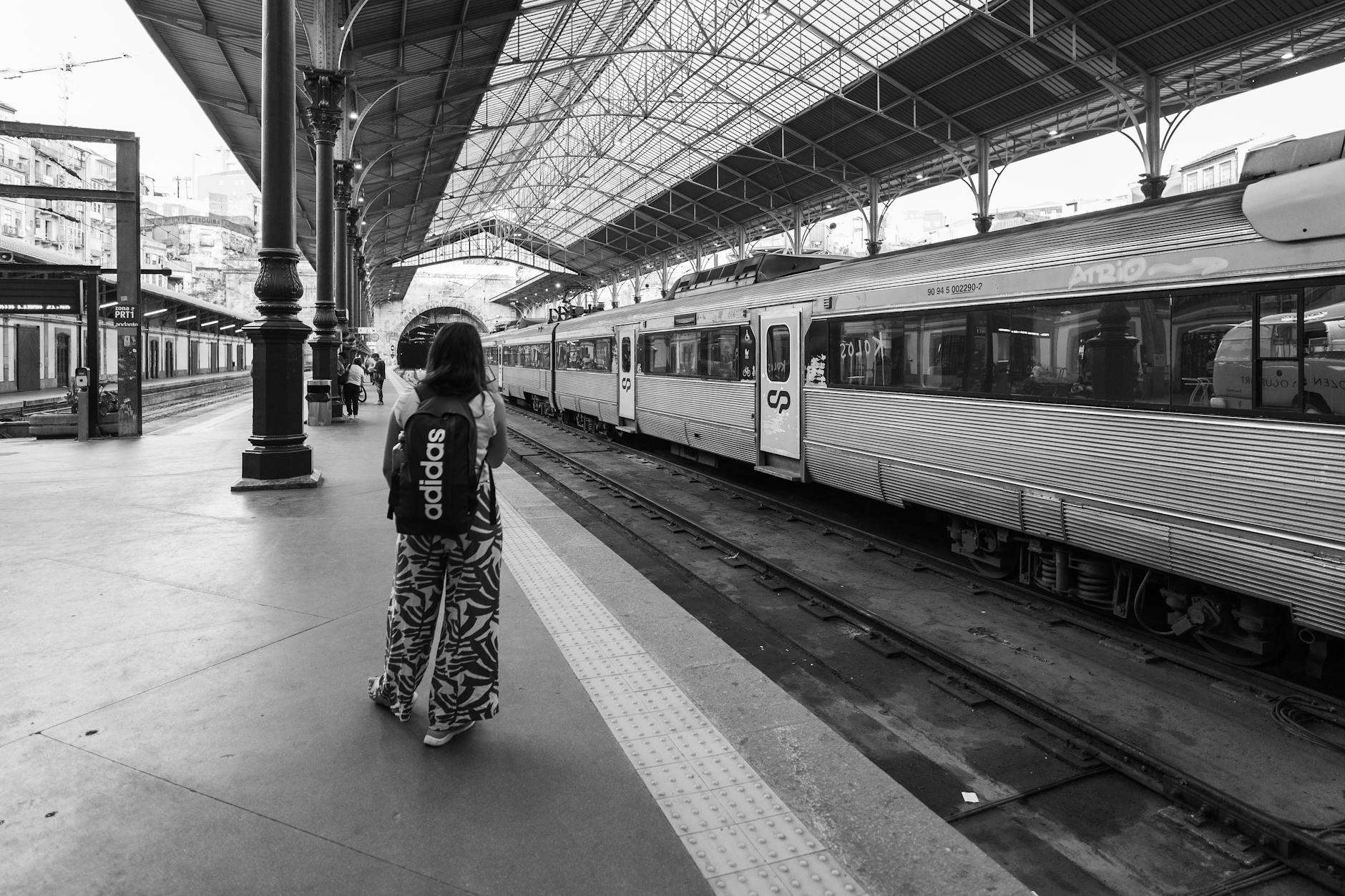
A traveler carrying only a small backpack has more freedom. A traveler with luggage should avoid routes that depend on steep lanes, narrow restaurants, or repeated transport changes.
- Confirm luggage storage, through-check rules, hotel bag hold, or station options before arrival.
- Avoid steep lanes and cobblestones with rolling bags.
- Use a simpler route when carrying work gear, valuables, or multiple bags.
Choose the shortest meaningful Porto route
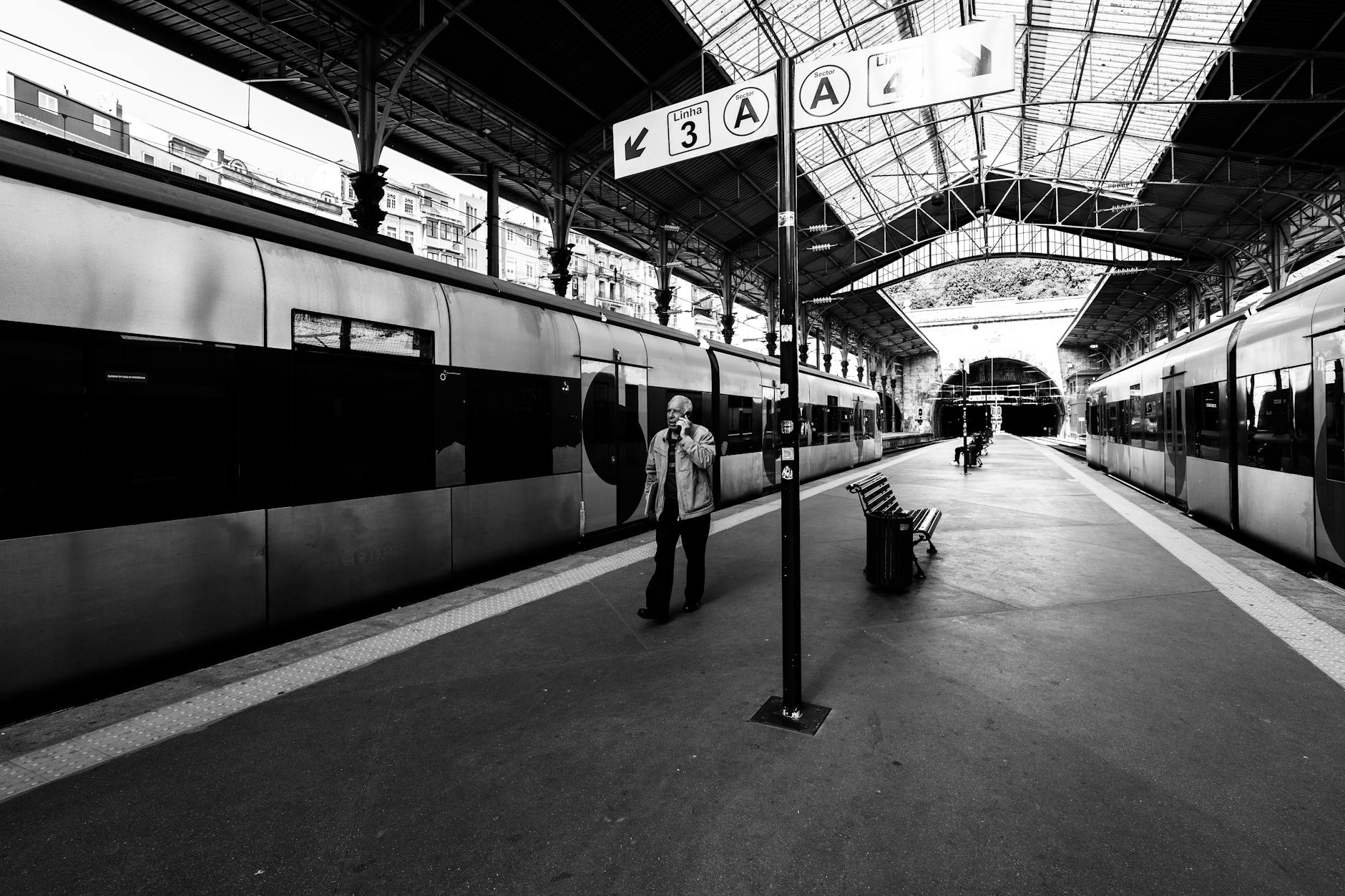
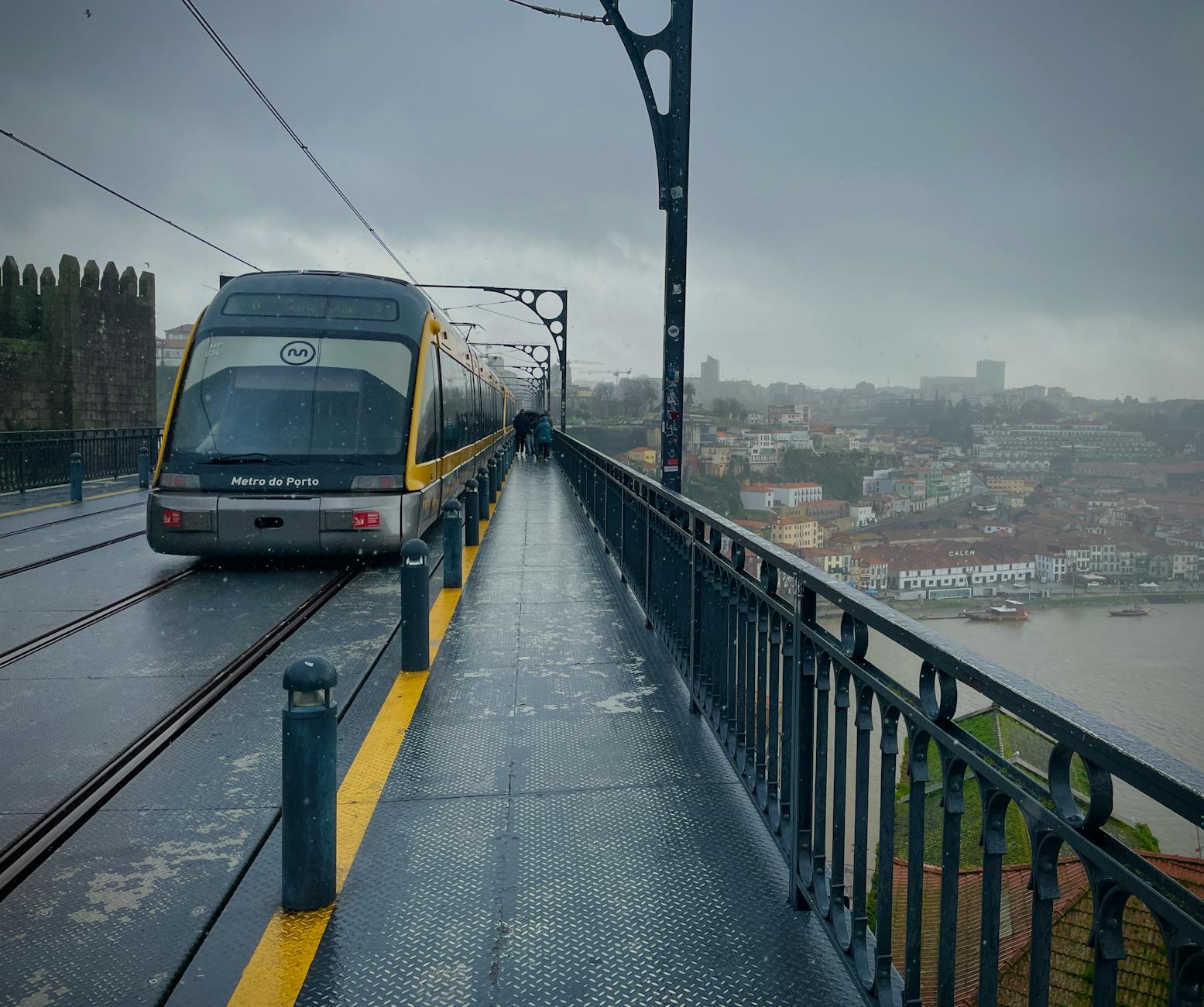
A useful stopover route should deliver a Porto experience without overextending the traveler. Sao Bento, Aliados, Clerigos exterior, Ribeira viewpoints, Luis I Bridge views, a quick Gaia river look, or a single central cafe can be enough. The traveler should choose the route by return reliability, not only by beauty.
A stopover is not the time for distant neighborhoods unless the schedule is genuinely generous. Foz, Matosinhos, Gaia cellars, and longer river plans may be excellent on a city break but inefficient during a tight connection.
- Use compact routes around Sao Bento, Aliados, Clerigos, Ribeira, or one central meal.
- Choose sights by return reliability and terrain, not only by visual appeal.
- Avoid distant neighborhoods unless the stopover window is truly generous.
Protect transfers and return timing
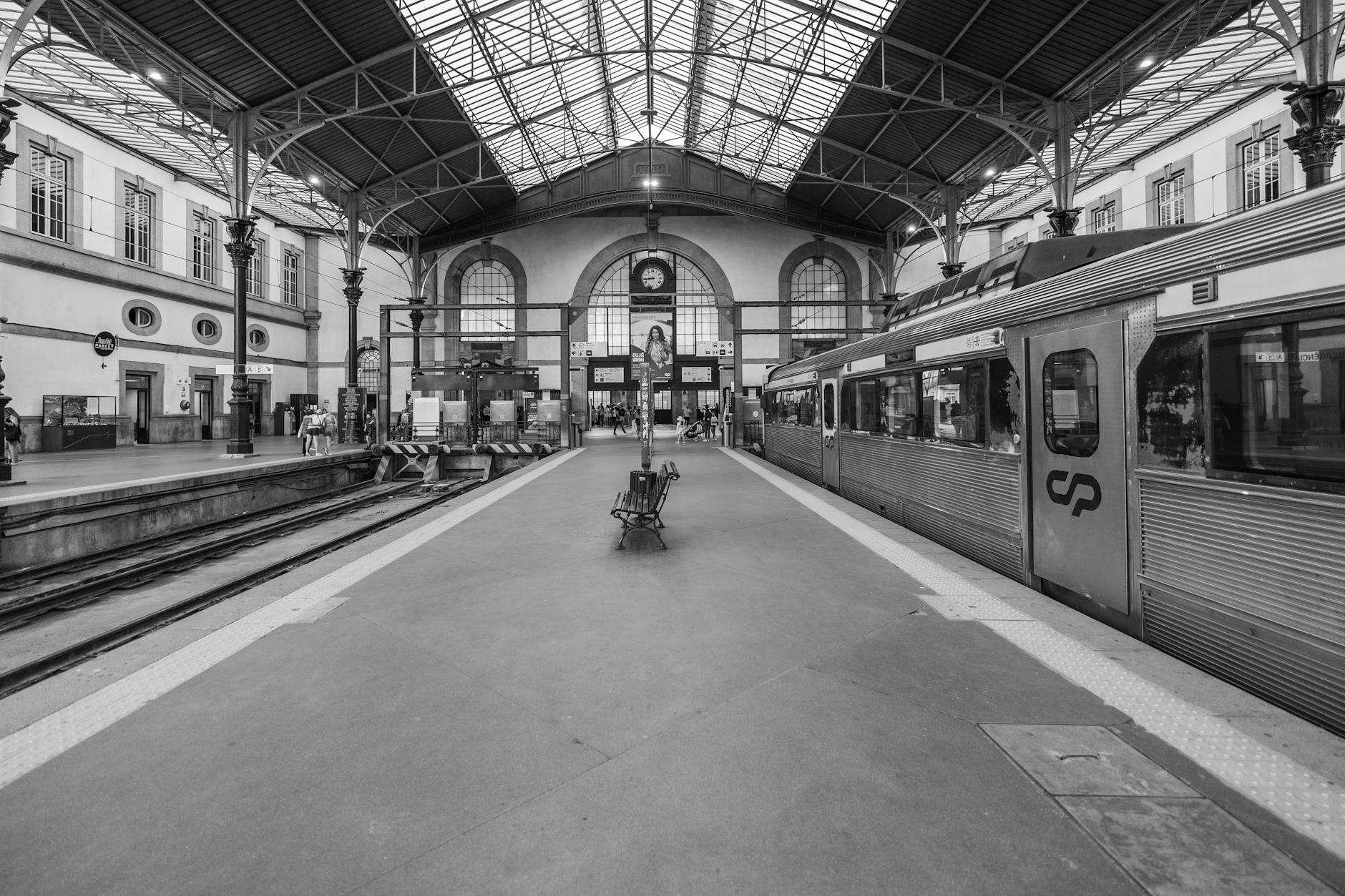
Porto transit can involve metro, train, taxi, ride-hail, walking, or hotel shuttle decisions. The traveler should know the normal option and the backup option. Metro can be cost-effective, taxis can save time, and walking can be pleasant, but each can fail under weather, crowds, delays, or luggage strain.
The return plan should include a hard departure time from the city. A traveler who waits until they feel done is already making the stopover riskier.
- Identify primary and backup transport for both outbound and return movement.
- Set a hard time to leave the city for the airport, station, or hotel.
- Add extra margin for weather, crowds, platform changes, traffic, and security lines.
Use food and rest as the anchor
Many stopover travelers do best when they build the Porto visit around one meal, coffee, bakery stop, or quiet walk rather than a crowded attraction list. Travel days already contain waiting, lines, bags, and fatigue. A short pause that improves the rest of the journey can be more valuable than maximizing sights.
The traveler should also consider medication, hydration, sleep, and work calls. A stopover can become costly if it leaves the traveler tired, late, hungry, or unable to function on the next segment.
- Consider a meal, coffee, bakery stop, or quiet walk as the main goal.
- Protect medication, hydration, sleep, work calls, and energy for the onward segment.
- Avoid a city sprint that makes the next flight or train worse.
When to order a short-term travel report
A transit traveler with a long overnight stop and flexible plans may not need a custom Porto report. A report becomes useful when the connection is tight, tickets are separate, luggage is awkward, mobility is limited, the traveler wants to leave the airport or station, or the onward segment is too important to risk casually.
The report should test arrival and departure timing, luggage, immigration, transfer options, compact routes, food, weather, hotel choice, missed-connection risk, and what to cut. The value is knowing whether Porto is worth entering on this stopover, and if so, exactly how narrow the plan should be.
- Order when connection risk, luggage, separate tickets, mobility, or city-entry choices need testing.
- Provide arrival details, onward departure, luggage, passport needs, hotel options, mobility, and priorities.
- Use the report to decide whether to enter Porto or keep the stopover near transit.