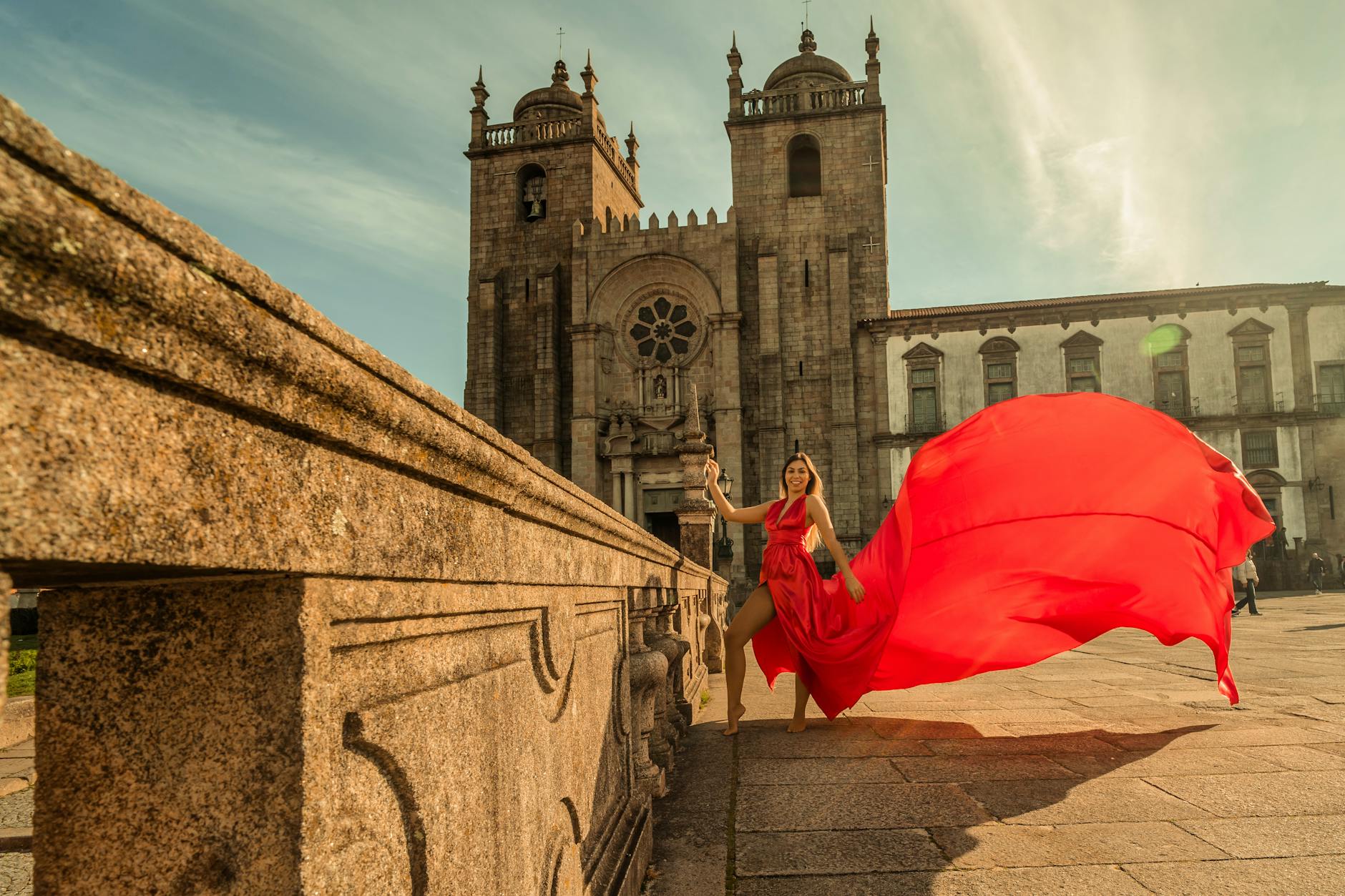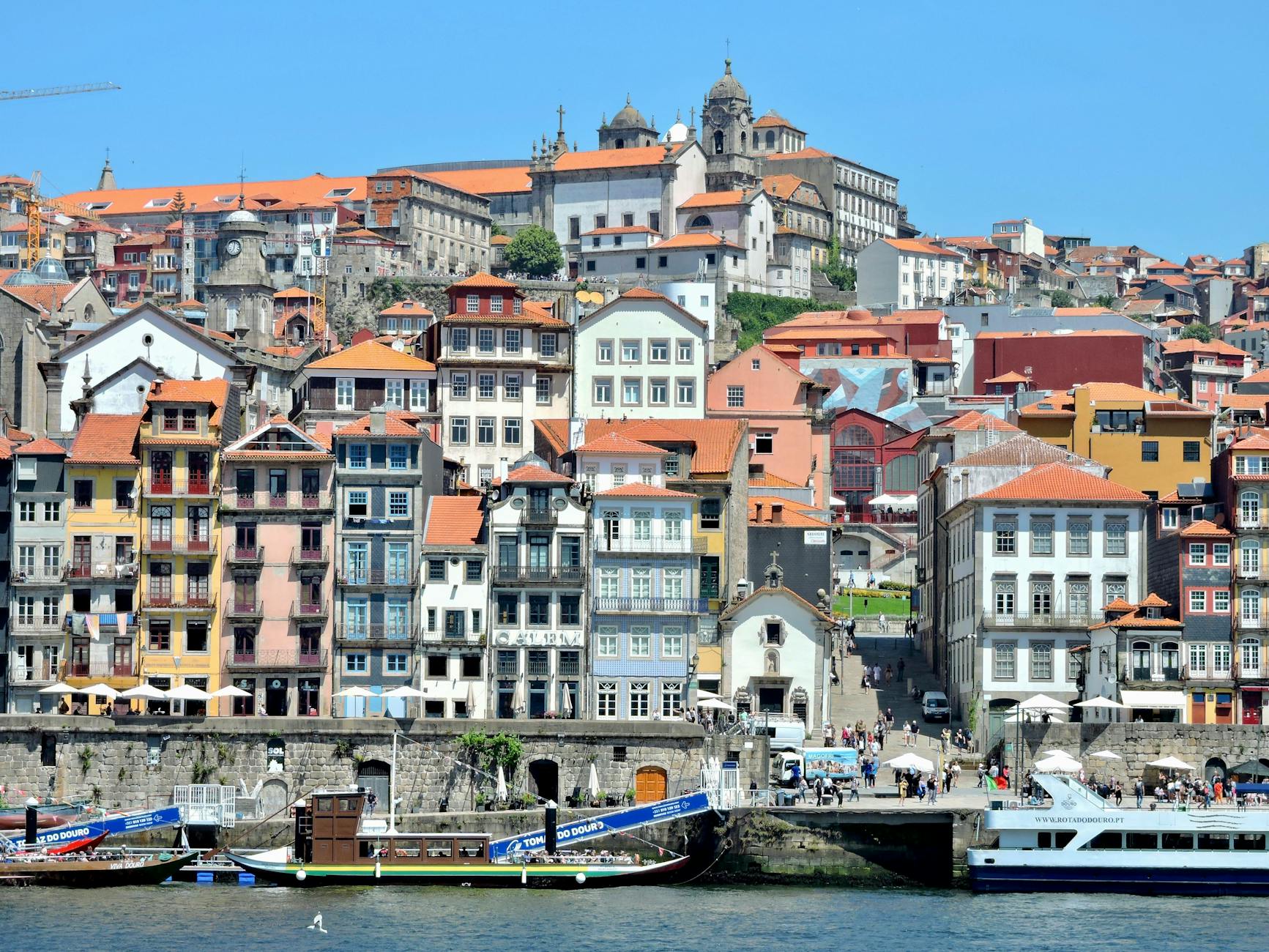
Porto rewards a classic tourist itinerary. The riverfront, Sao Bento, Clerigos, the cathedral, Luis I Bridge, Gaia, viewpoints, tiled churches, cafes, and wine lodges can all fit into a short visit. The risk is assuming that a compact map means a simple day. Porto's hills, stairs, cobblestones, crowds, bridge crossings, rain, sun, and restaurant timing can make a sightseeing plan feel harder than it looked online. The right Porto tourist plan is not just a list of famous places. It is a sequence that protects energy, weather margin, timed admissions, meals, transit, and the reason the traveler wanted Porto in the first place.
Turn the obvious sights into a workable sequence
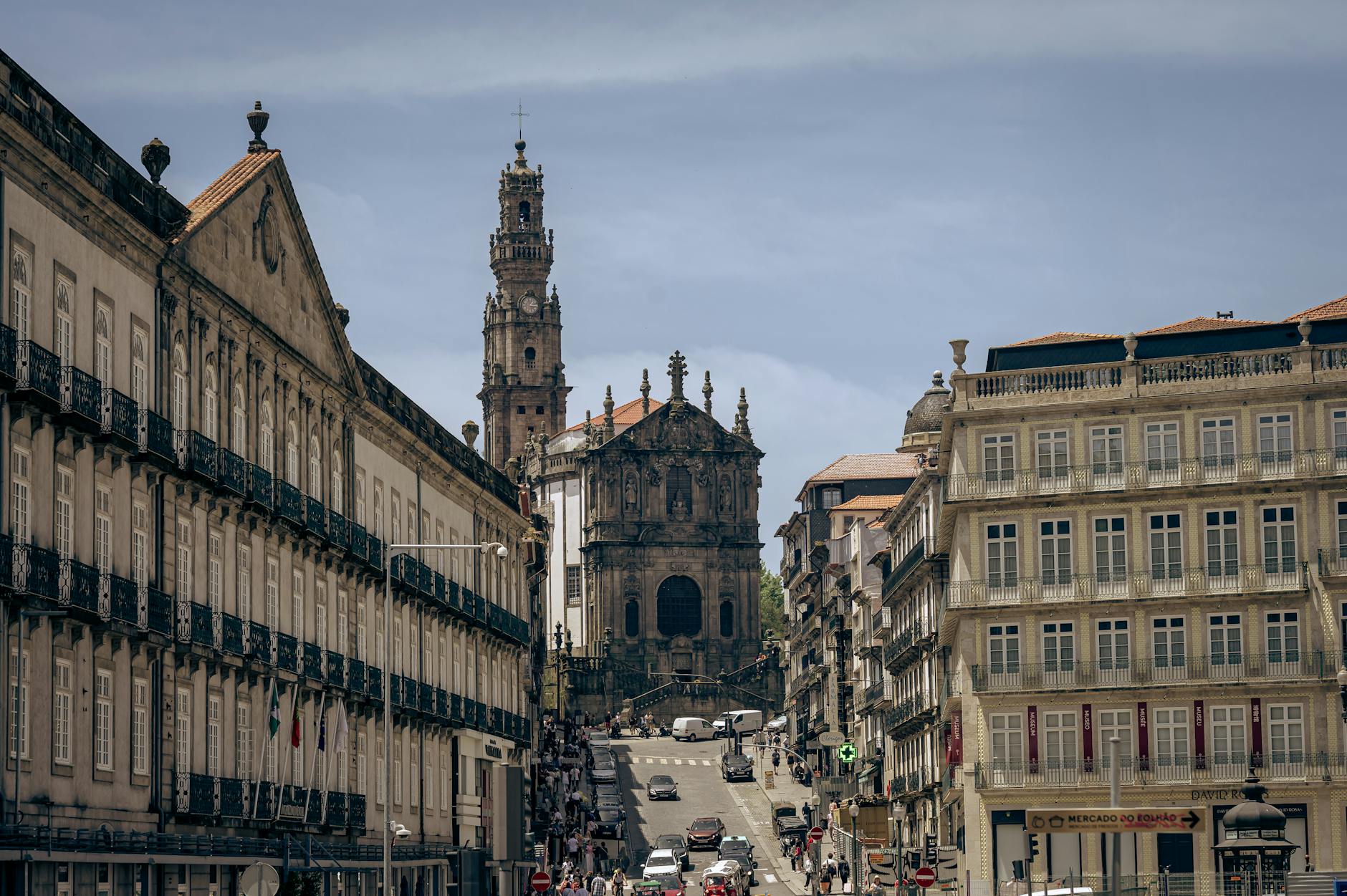
A tourist can see a great deal in Porto, but the order matters. Ribeira, Sao Bento, Clerigos, the cathedral, Luis I Bridge, Gaia, and river views sit close together on a map, yet the climbs, stairs, crowds, photo stops, and meal breaks change the real pace. The traveler should plan the day by effort as much as by distance.
A strong tourist route groups nearby sights while leaving room for weather, queues, and the occasional stop that deserves more time. Porto is better when the traveler does not have to choose between enjoying the city and keeping up with an overbuilt checklist.
- Group Ribeira, Sao Bento, Clerigos, the cathedral, the bridge, and Gaia by effort and timing.
- Account for hills, stairs, crowds, queues, and photo stops.
- Leave space for one place to run long without breaking the rest of the day.
Treat the bridge and riverfront as real movement decisions
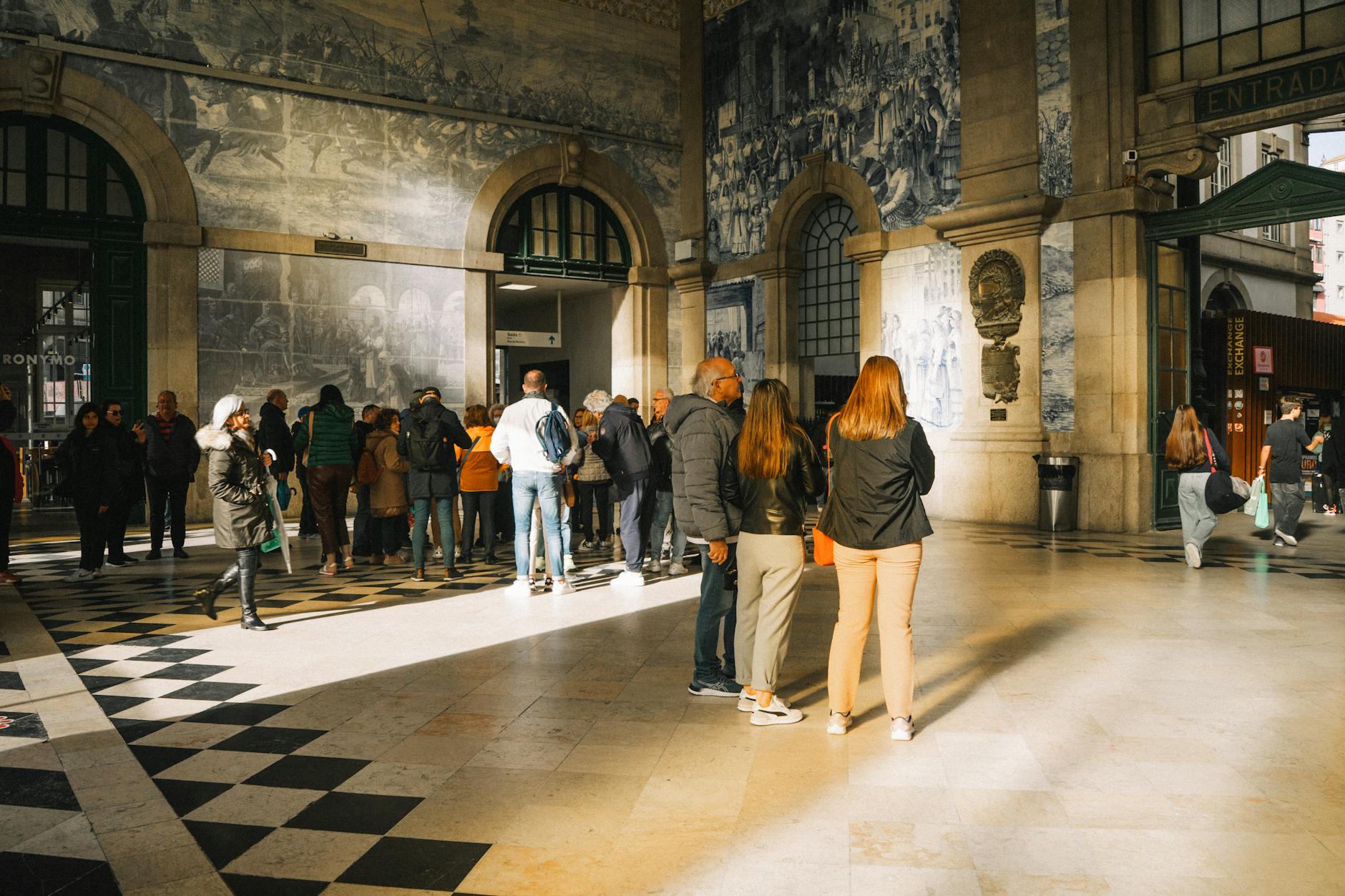
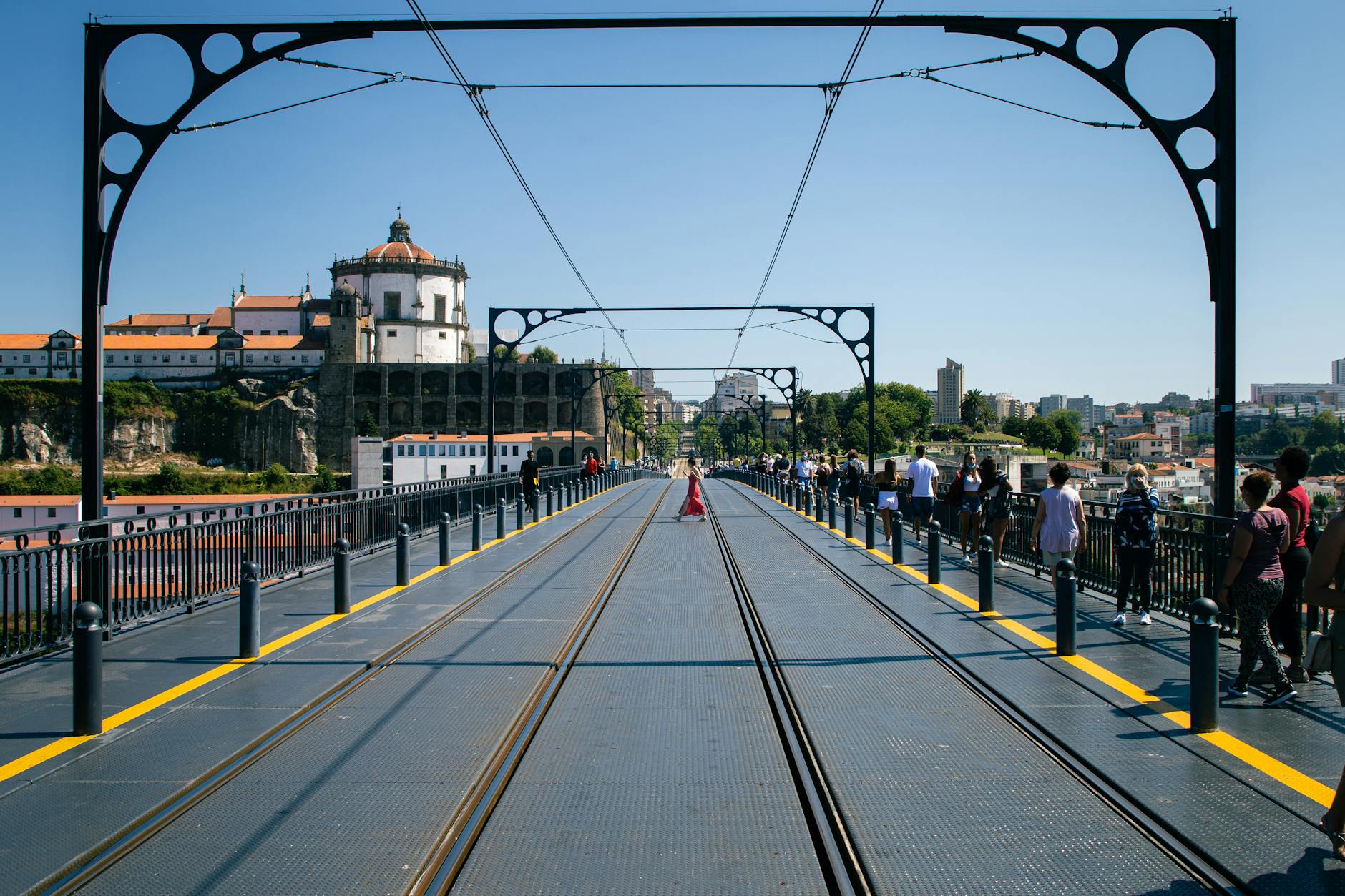
The Luis I Bridge is more than a photo point. It can be a walking route, a transit connection, a viewpoint, and a crowd funnel. A tourist should decide whether to cross high, low, by metro, on foot, or as part of a Gaia visit. The wrong timing can turn a scenic crossing into a slow, exposed, hot, wet, or crowded segment.
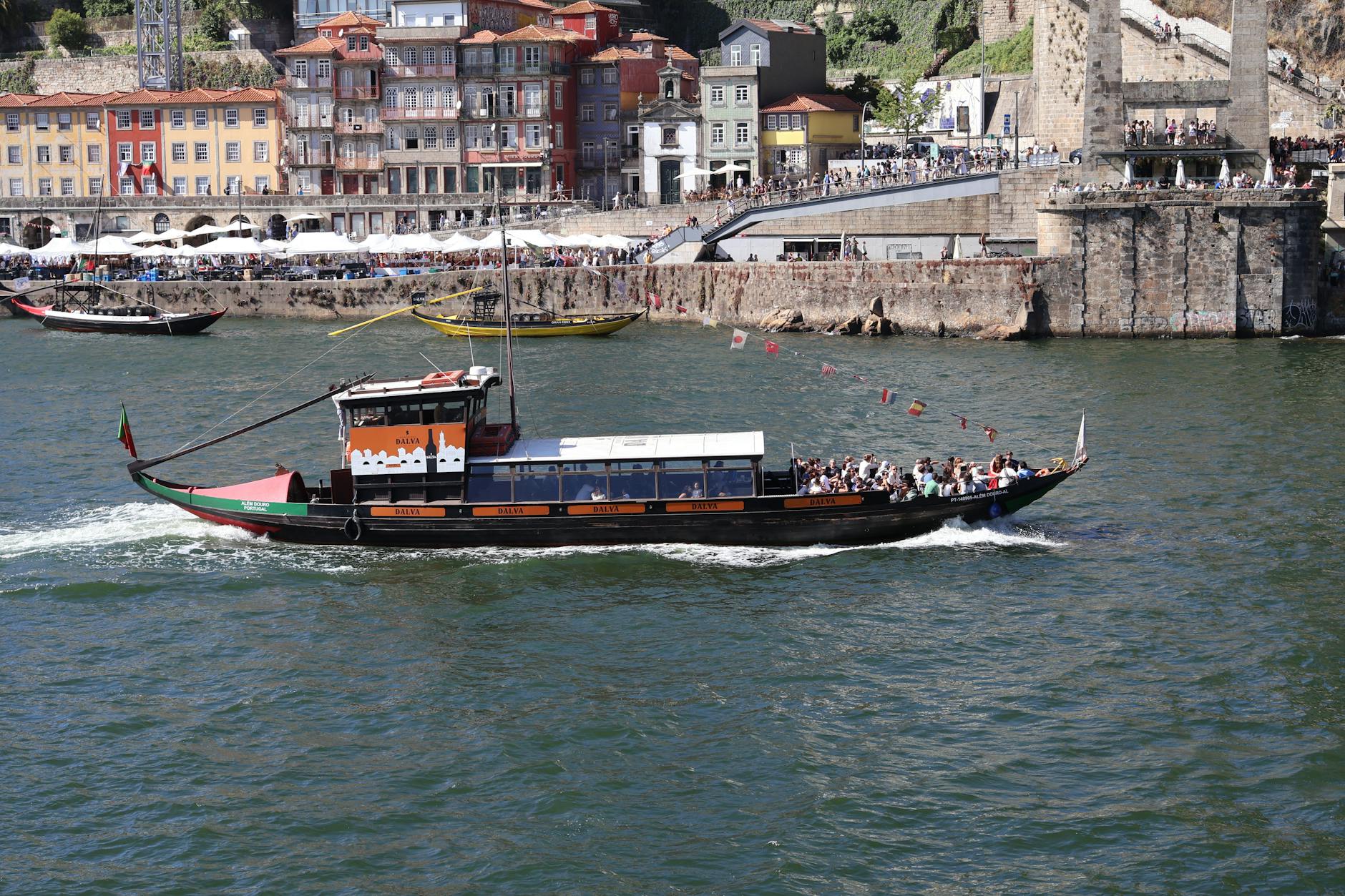
The Ribeira and Gaia riverfronts also need pacing. They are beautiful, but they can be busy, commercial, and physically tiring if the traveler walks them after already spending hours on the hills above.
- Choose the bridge crossing by weather, height comfort, crowds, and route logic.
- Avoid treating Ribeira and Gaia as effortless add-ons after a long walking day.
- Use metro, taxis, or a one-way walking plan when the route would otherwise double back.
Use timed choices for towers, churches, and viewpoints
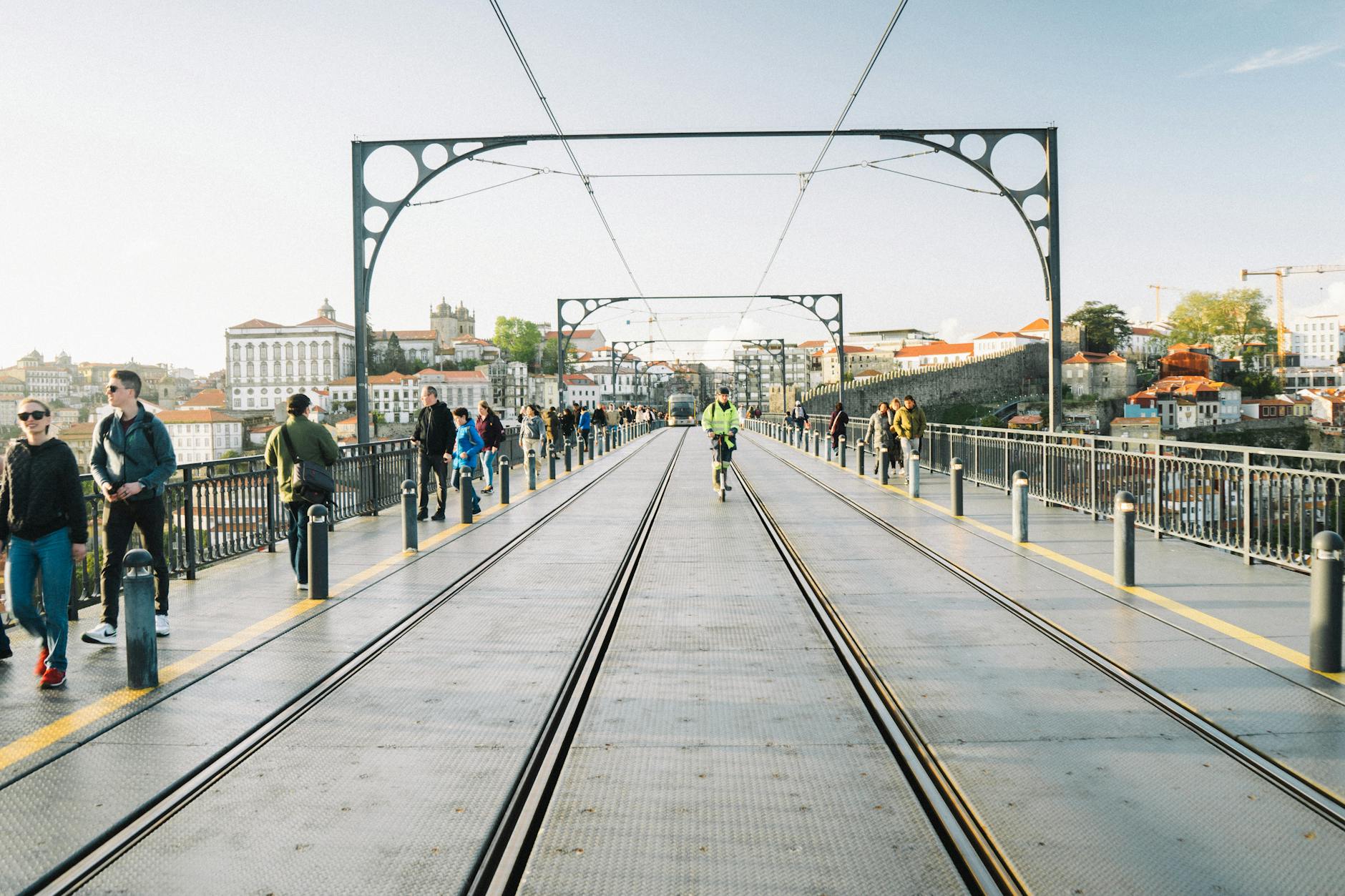
Porto has many vertical rewards: Clerigos, cathedral terraces, bridge views, Gaia viewpoints, and hilltop streets. A tourist does not need every climb. The better question is which one fits the weather, light, queue length, mobility, and the rest of the day's plan.
Paid entries should be prioritized rather than accumulated. If the traveler has only two or three days, each ticket should earn its place by adding a distinct experience, not by being another item in a list of things tourists are supposed to do.
- Pick viewpoints by light, weather, queue length, height comfort, and route position.
- Prioritize paid entries that add something distinct.
- Do not spend the whole visit climbing when river, food, neighborhoods, and rest also matter.
Keep short transport options in the plan
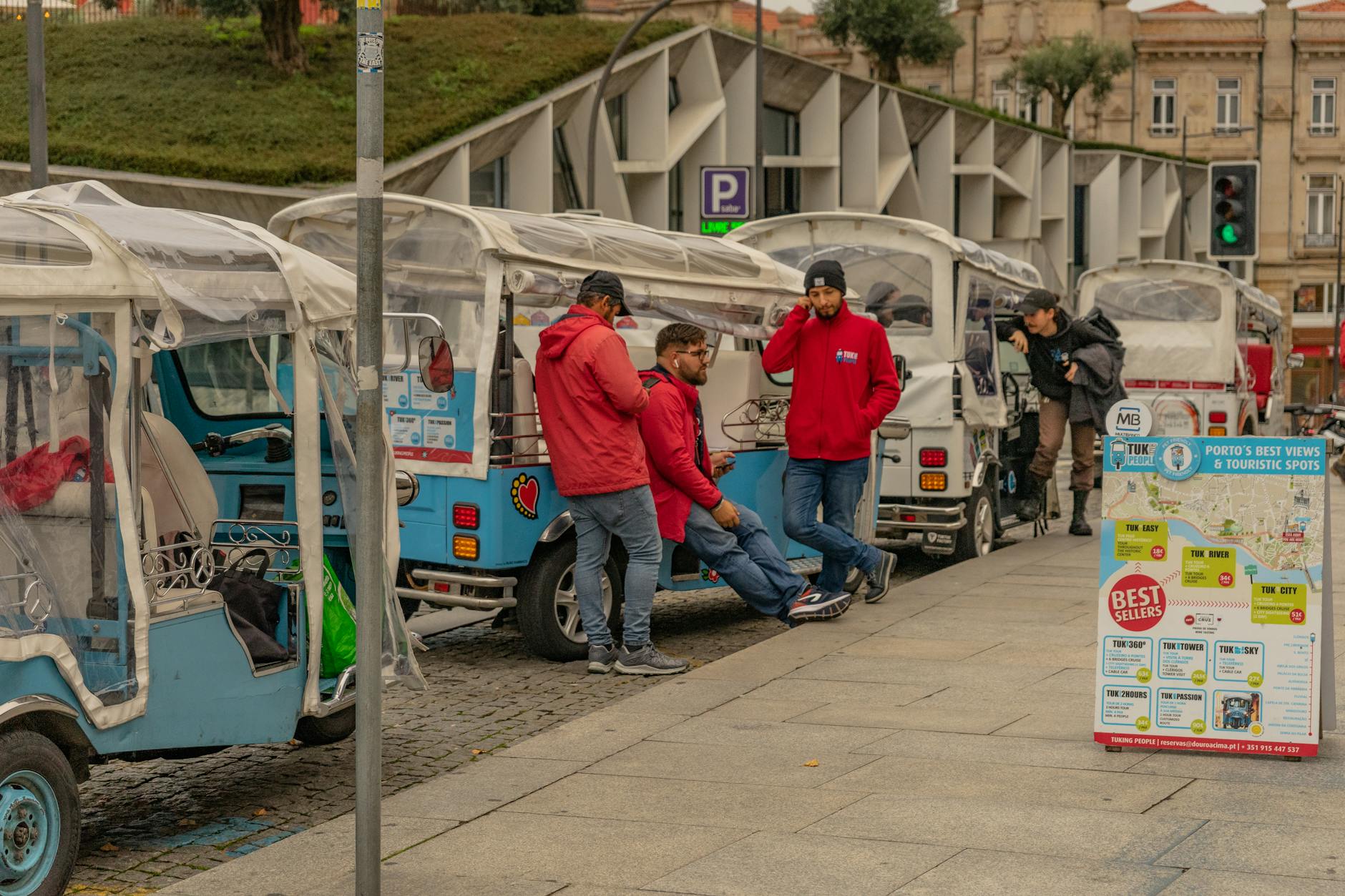
Tourists often underestimate how useful short transport hops can be in Porto. A taxi, metro ride, tram, or one-way transfer can preserve legs for the parts of the city that matter most. Walking every segment is not automatically more authentic when it leaves the traveler tired before dinner.
The traveler should also understand where transport helps and where it does not. Some historic streets still require walking, and some scenic areas are easier to approach from one direction than another.
- Use taxis, metro, trams, or one-way transfers to protect energy.
- Know which historic areas still require walking on slopes or cobblestones.
- Reserve walking stamina for the places where walking is the point.
Plan meals instead of hoping they appear at the right time
A tourist day in Porto can drift into awkward meal timing. Breakfast may be light, lunch can be crowded in central areas, dinner may run later than expected, and wine tastings or long walks can make the traveler hungrier than planned. Famous food stops are useful only if they fit the route and the day's energy.
The traveler should decide where to eat near the real itinerary, not simply near the hotel or the most photographed street. A simple cafe, market stop, or early dinner can keep the day from collapsing into a search for food.
- Match meals to the route, not just to famous restaurant lists.
- Build backup cafes or simple meals near Sao Bento, Ribeira, Gaia, and the hotel.
- Keep wine tastings, rich food, and late dinners compatible with the next morning.
Protect the trip from weather and crowd mistakes
Porto can shift quickly between bright sun, wind, rain, slick paving, and crowded viewpoints. A tourist should not leave the most weather-sensitive experiences to chance. River walks, bridge crossings, viewpoints, tiled interiors, and outdoor cafes should have sensible timing and backups.
Crowds matter too. Cruise groups, weekend visitors, holiday periods, and peak afternoon movement can affect Ribeira, Sao Bento, the bridge, and Gaia. A plan that moves key sights earlier or later can change the whole feel of the trip.
- Plan weather-sensitive walks, viewpoints, and bridge crossings deliberately.
- Use interiors, cafes, and flexible neighborhoods as rain or heat backups.
- Avoid the densest crowd windows when visiting Ribeira, Sao Bento, Gaia, and the bridge.
When to order a short-term travel report
A tourist with flexible dates, a simple hotel, and a relaxed two-day Porto visit may not need a custom report. A report becomes useful when the traveler has limited time, competing sights, mobility concerns, weather exposure, restaurant priorities, wine plans, family needs, budget limits, or uncertainty about whether Porto should be paired with another destination.
The report should test hotel location, sightseeing sequence, hills, bridge crossings, tickets, meals, weather, transport, crowd windows, wine logistics, day trips, budget, and what to cut. The value is not a longer list. It is a Porto tourist plan that chooses well.
- Order when time, terrain, weather, meals, tickets, or competing sights need sorting.
- Provide dates, hotel options, must-see places, walking tolerance, food interests, and budget.
- Use the report to reduce the trip to the best Porto sequence, not the longest checklist.