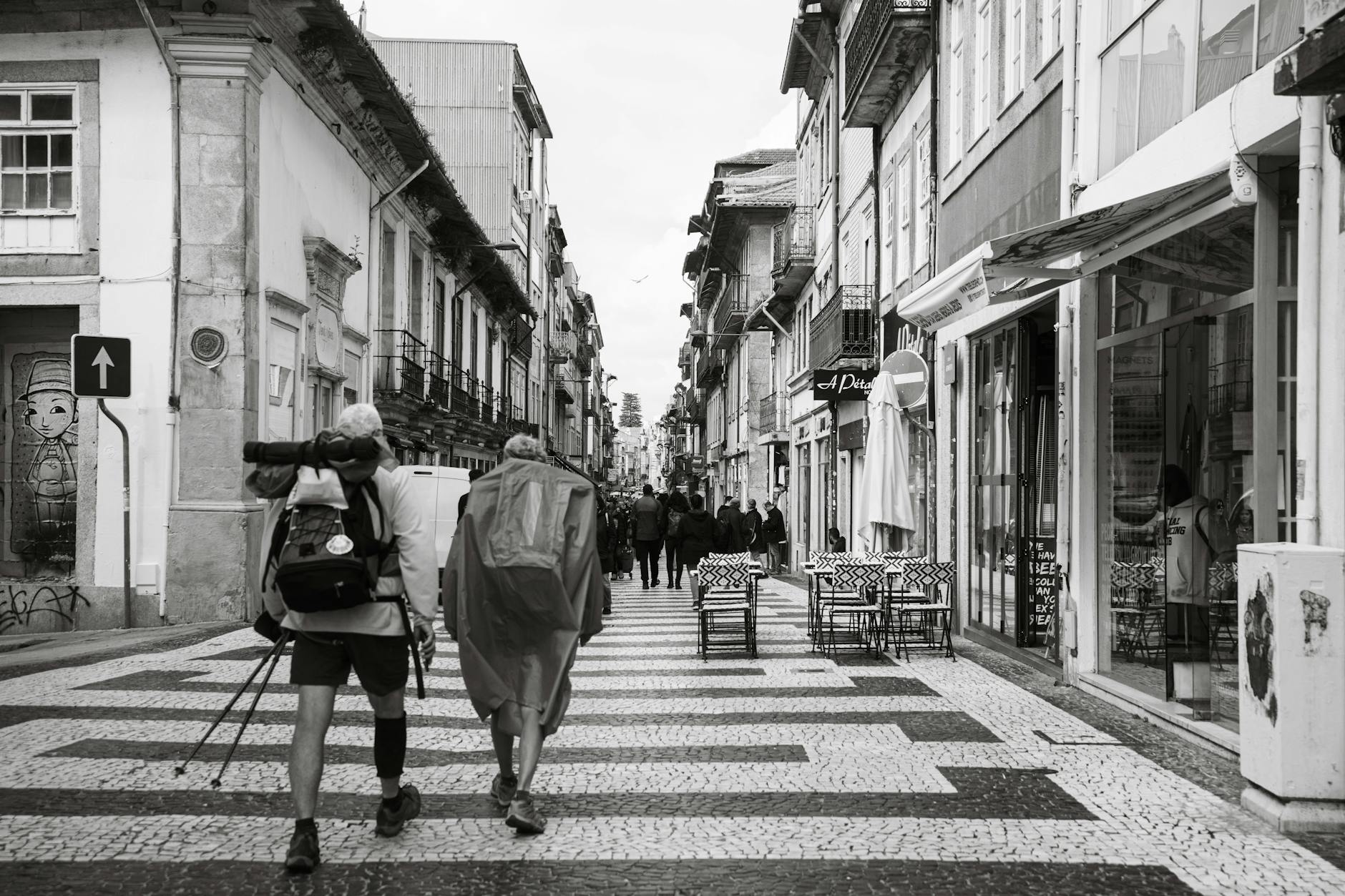
Porto can be an excellent setting for a short academic, language, design, business, cultural, or summer program. The city is compact, distinctive, social, and full of memorable places. But a student on a short program is not just a tourist. Classes, attendance, housing, budget, commute, group rules, documents, health coverage, and assessment deadlines all shape the trip. The right Porto plan gives the program first claim on the schedule. Sightseeing, nightlife, beaches, weekend trips, cafes, and restaurants can fit well when housing, commute, money, and study time are realistic.
Confirm the program structure first
A student should understand the program before building the Porto plan. Class location, daily schedule, attendance rules, assessment deadlines, group activities, field visits, language expectations, and required materials all matter. A short program leaves less room to recover from a bad first week.
The student should also know who controls logistics. University staff, a language school, a host institution, a third-party provider, or a faculty leader may each handle housing, emergencies, transport, and schedule changes differently.
- Confirm class location, daily schedule, attendance, assessments, group activities, and field visits.
- Know whether the university, host school, provider, or faculty leader controls logistics.
- Build the trip around program obligations before adding leisure plans.
Evaluate housing and the commute together
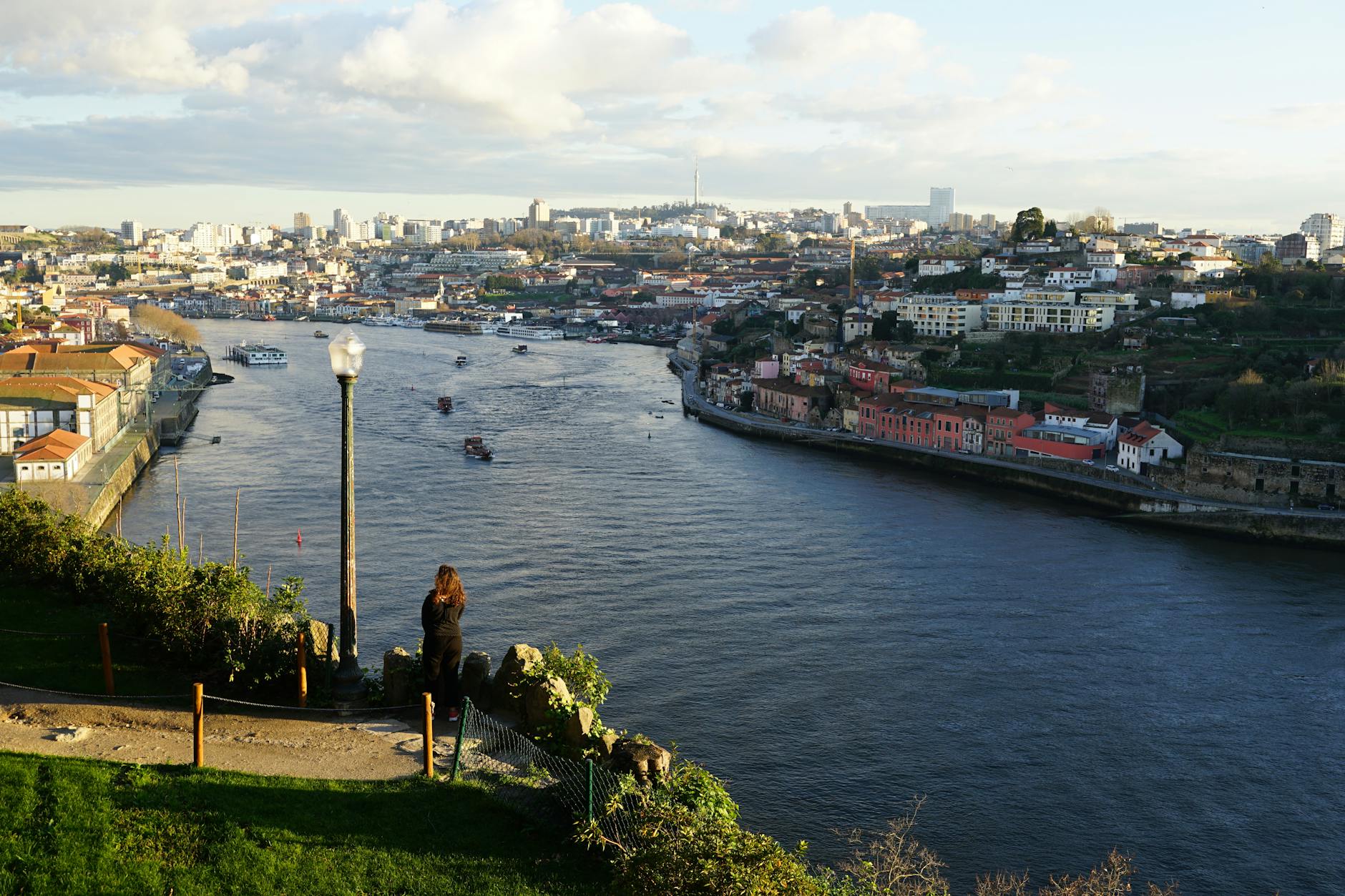
Student housing can make or break a short Porto program. The student should check distance to class, hills, transit, safety after dark, room sharing, laundry, kitchen access, Wi-Fi, quiet, heating or cooling, and whether guests are allowed. A cheap room can become expensive if it forces taxis or weak sleep.
The commute should be tested for the actual class time. Porto's slopes, rain, and crowded transit can affect mornings more than expected, especially when the student is carrying books, a laptop, or supplies.
- Check housing for class distance, hills, transit, safety, laundry, kitchen, Wi-Fi, quiet, and climate control.
- Test the commute at the real class time.
- Avoid housing that saves money but weakens attendance, sleep, or safety.
Build a budget that survives ordinary days
A student budget should include more than flights and housing. Local transport, meals, groceries, phone data, laundry, supplies, museum entries, group dinners, weekend trips, taxis after late events, health needs, and emergency margin should all be priced. Porto can be manageable, but small expenses accumulate quickly.
The student should identify low-cost meal anchors near housing and class. Bakeries, cafes, markets, grocery shops, and simple lunches can protect money for the experiences that matter most.
- Budget for transport, meals, groceries, data, laundry, supplies, entries, trips, taxis, and emergency margin.
- Find affordable food near housing, class, and common evening areas.
- Reserve money for the program experiences that actually matter.

Handle documents, health, and rules early
Short programs can involve more administration than expected. Passport validity, visa or entry rules, school forms, emergency contacts, health insurance, medication, accessibility needs, consent forms, housing rules, and local emergency procedures should be organized before departure.
The student should also understand alcohol rules, guest policies, curfews, attendance consequences, and what to do if sick or delayed. A short program does not leave much time to repair preventable administrative mistakes.
- Prepare passport, entry rules, forms, emergency contacts, insurance, medication, and accessibility needs.
- Understand housing rules, alcohol rules, attendance consequences, and sick-day procedures.
- Keep digital and paper copies of essential documents accessible.
Separate study time from city time
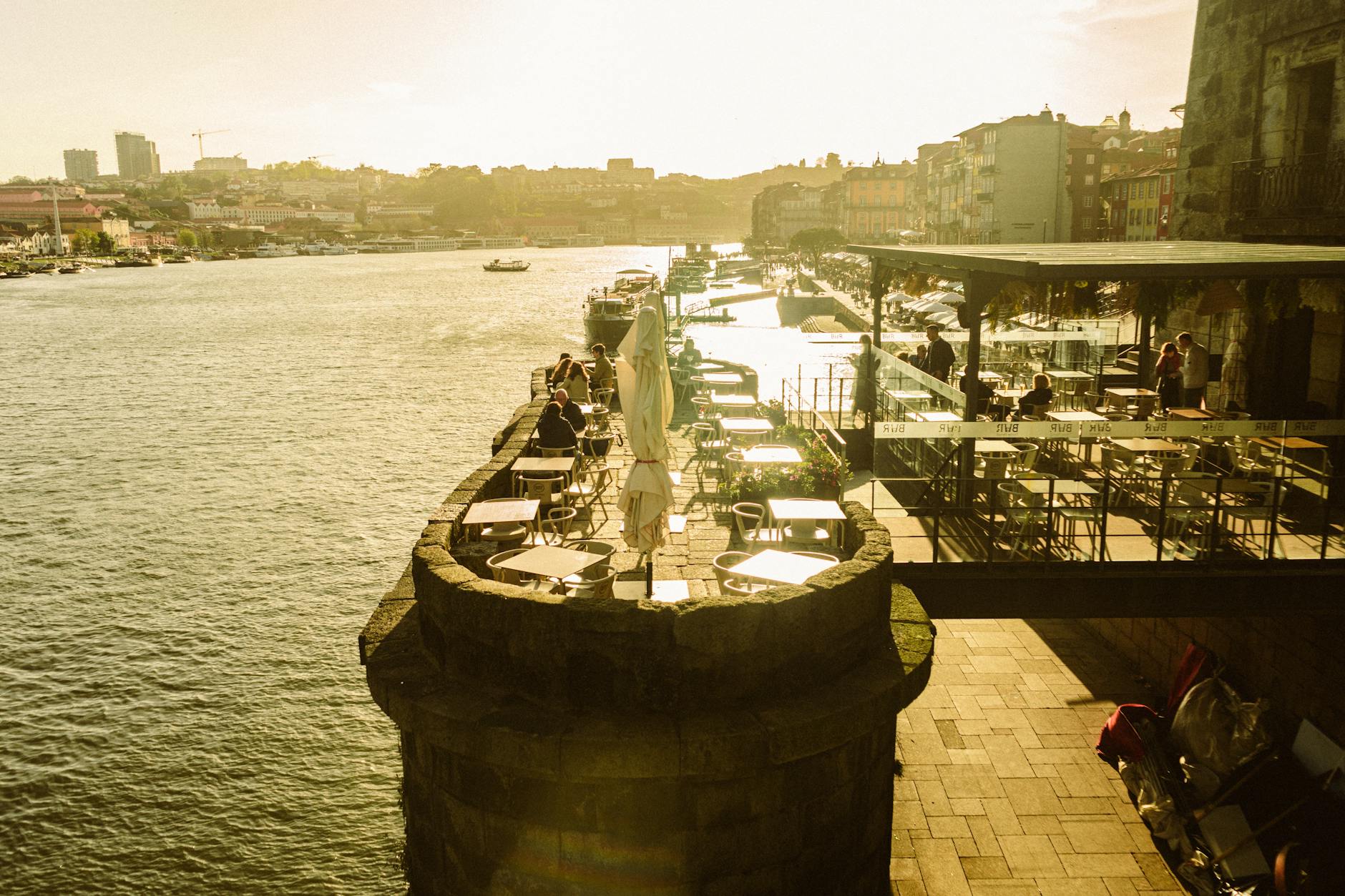
Porto can tempt students to treat every free hour as sightseeing or social time. That works only if study, readings, group projects, language practice, and assessment deadlines still have protected space. Short programs compress work into a narrow window.
The student should set a rhythm for class days, work blocks, rest, and city time. A sustainable schedule usually beats an intense first week followed by exhaustion.
- Protect time for readings, projects, language practice, assignments, and assessment deadlines.
- Set separate rhythms for class days, weekends, and field-visit days.
- Avoid spending the first week so hard that the program suffers later.

Plan social life and weekend travel carefully
Social life is part of many short programs, but students should plan it with safety, budget, and class obligations in mind. Late nights, alcohol, unfamiliar routes, group splits, beach trips, club plans, and weekend travel can all create risks if no one has thought through transport and return timing.
Weekend trips to the Douro Valley, Braga, Guimaraes, Aveiro, beaches, or Lisbon may be worthwhile, but each one uses money and recovery time. The student should decide whether the program is Porto-centered or a wider Portugal sampler.
- Plan late nights, group movement, alcohol, routes, taxis, and return timing before going out.
- Evaluate weekend trips by money, recovery time, transport, and program workload.
- Choose social plans that do not damage attendance, safety, or the next assignment.

When to order a short-term travel report
A student with program-arranged housing, clear rules, and a simple schedule may not need a custom Porto report. A report becomes useful when housing choice, commute, budget, health needs, weekend travel, safety, documents, or parent concerns could affect whether the short program runs smoothly.
The report should test program location, housing, commute, meals, budget, documents, health coverage, safety, study rhythm, social plans, weekend travel, communication, and what to cut. The value is a Porto plan that helps the student take the program seriously while still using the city well.
- Order when housing, commute, budget, health, safety, documents, or weekend travel need testing.
- Provide program address, dates, housing options, budget, age, constraints, and required activities.
- Use the report to make Porto workable as a study destination, not just an attractive backdrop.