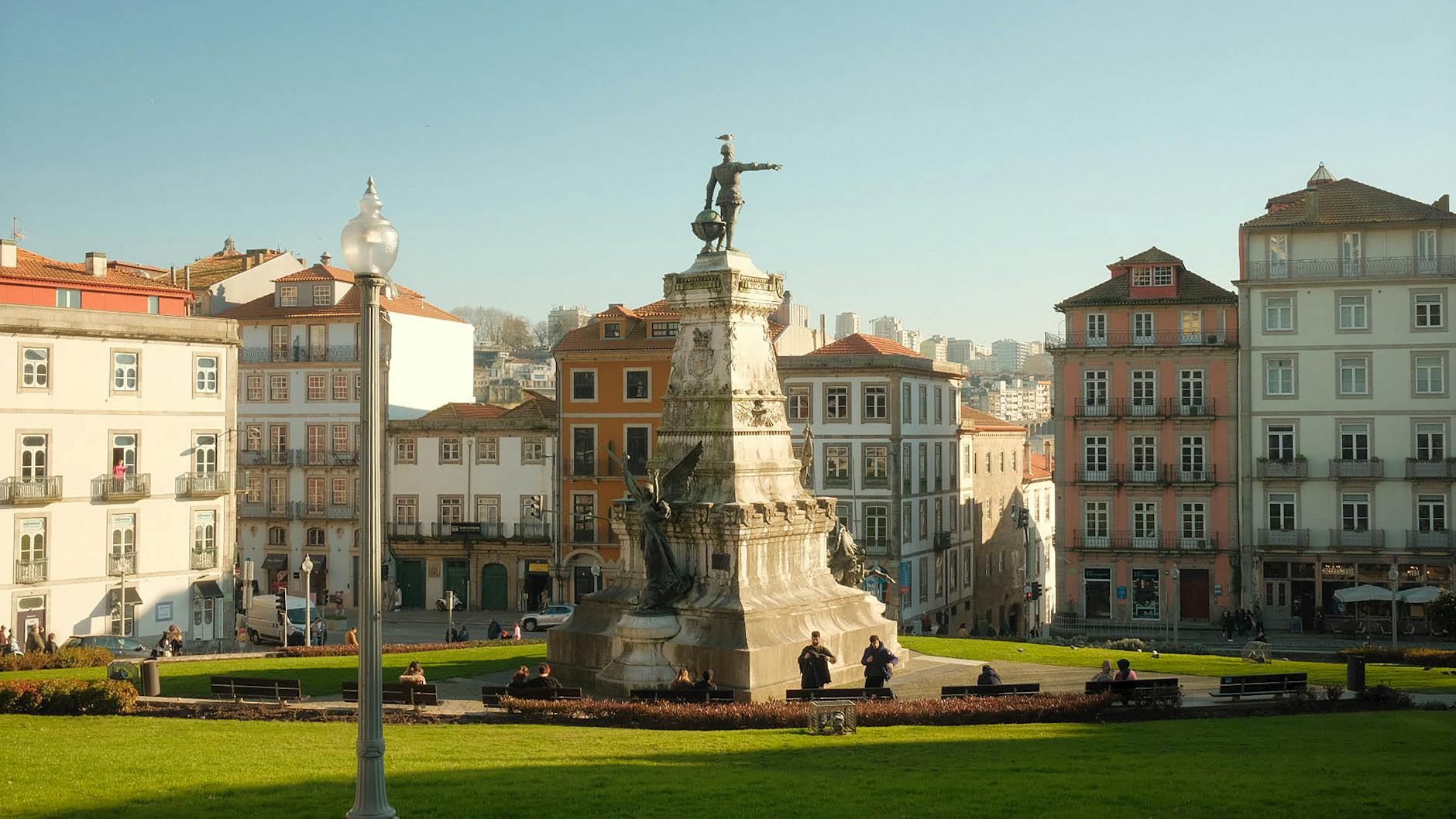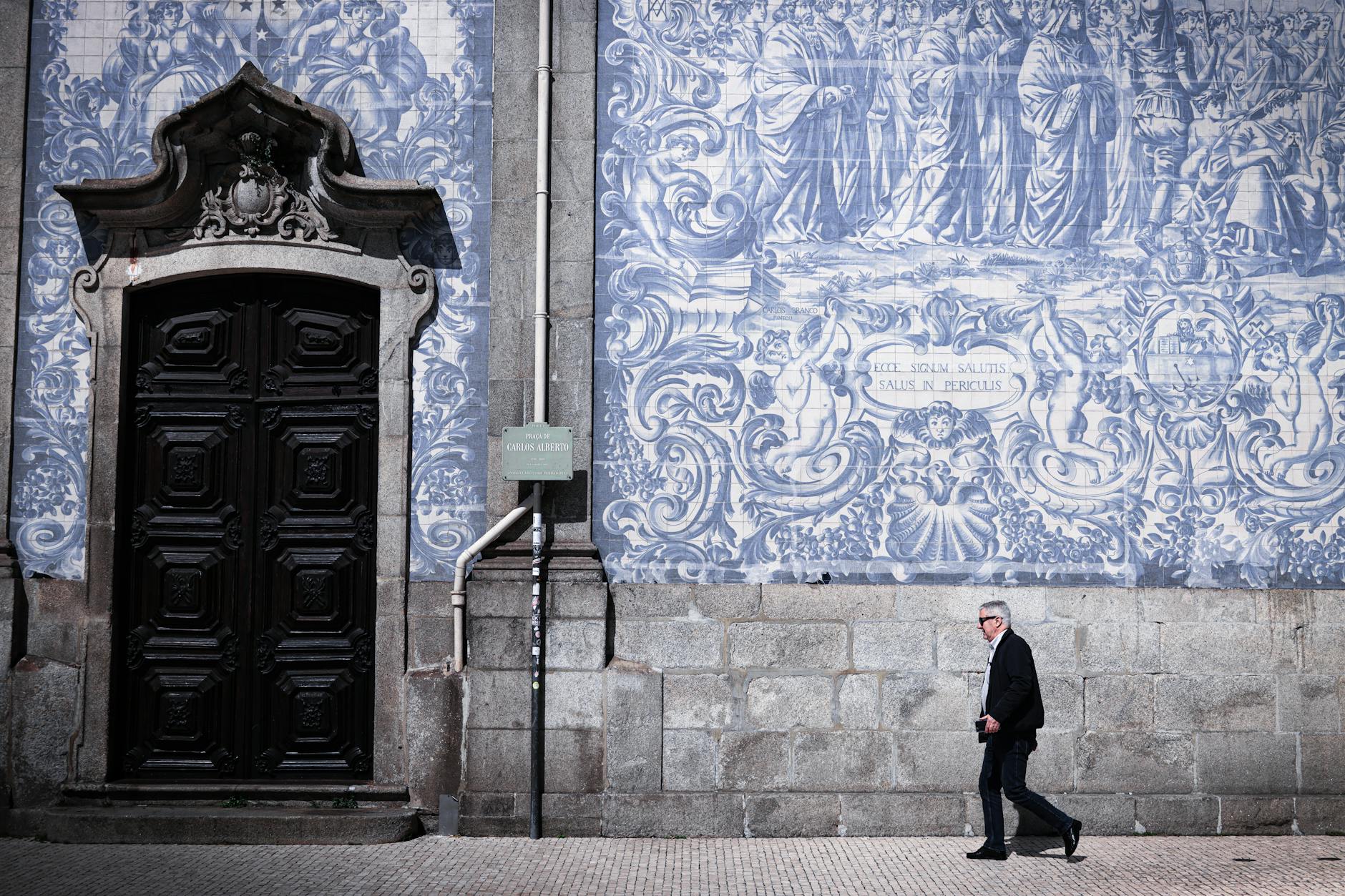
Porto can be a strong solo destination because it is compact, visually rich, cafe-friendly, and rewarding for wandering. A solo traveler can move at their own pace through riverfront views, tilework, viewpoints, trams, restaurants, wine lodges, and side streets. The freedom is real, but so are the planning responsibilities. A good solo Porto trip should make movement, meals, nighttime returns, phone battery, lodging, and backup plans simple enough that the traveler can enjoy being alone without feeling unsupported.
Choose a base with easy returns
A solo traveler should choose lodging that makes returns simple. Porto has atmospheric corners, but the best solo base is not always the most dramatic one. Late arrivals, steep streets, poor lighting, luggage, rain, and quiet side lanes can all matter more when the traveler has no companion to share navigation decisions.
Baixa, Aliados, Ribeira, Boavista, Gaia, and other areas each offer different tradeoffs. The traveler should choose the base that supports the likely evenings and the easiest first arrival.
- Pick lodging around easy arrival, evening returns, lighting, transport, and meals.
- Compare atmosphere against the practical experience of being alone at night.
- Avoid a scenic base that creates repeated stressful returns.
Plan the first arrival before landing
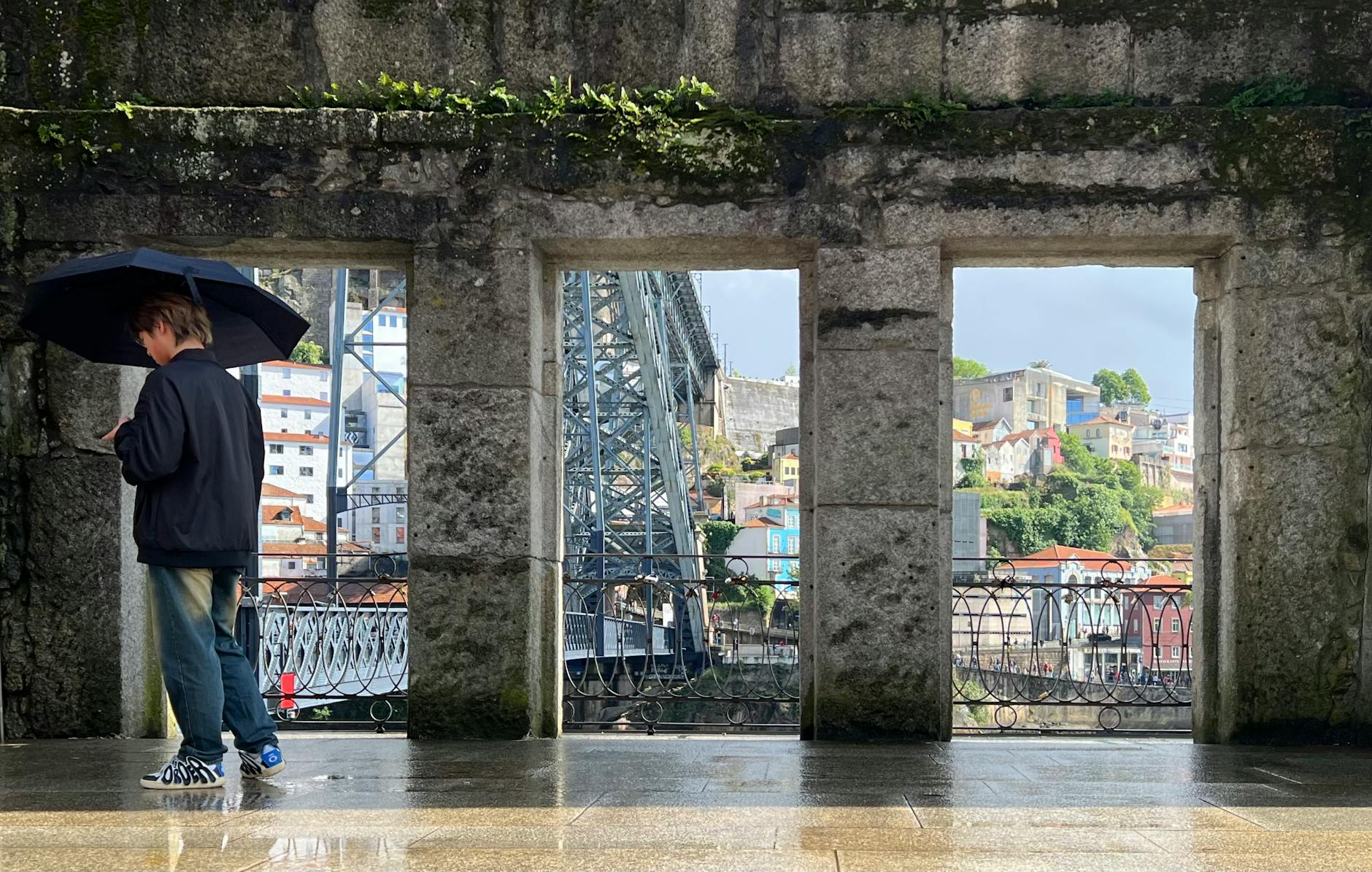
The first arrival sets the tone for a solo trip. The traveler should know the airport transfer, ticket or taxi method, hotel address, check-in process, phone connectivity, payment method, and backup plan before reaching Porto. This is especially important after dark, in rain, or with a delayed flight.
The traveler should save offline maps and hotel contact details, keep battery reserve, and avoid making major route decisions while tired on the curb. Solo confidence often comes from removing the first few uncertainties.
- Know the airport transfer, hotel address, check-in process, and payment method in advance.
- Save offline maps, hotel contact details, and a backup transport option.
- Make first-arrival decisions before fatigue and weather complicate them.
Use solo-friendly meals and cafes
Porto can be comfortable for eating alone when the traveler chooses settings deliberately. Cafes, counters, simple restaurants, wine bars, hotel dining, food markets, and early dinners can all work. The traveler should decide which meals should be relaxed and which might benefit from a reservation or guided food experience.
Dining alone is easier when the route home is already solved. A late meal in a beautiful area is less enjoyable if the traveler is worrying about a steep or poorly understood return.
- Choose cafes, casual restaurants, counters, wine bars, or guided food experiences deliberately.
- Reserve key meals when waiting alone would be uncomfortable or inefficient.
- Attach every late meal to a clear return route.
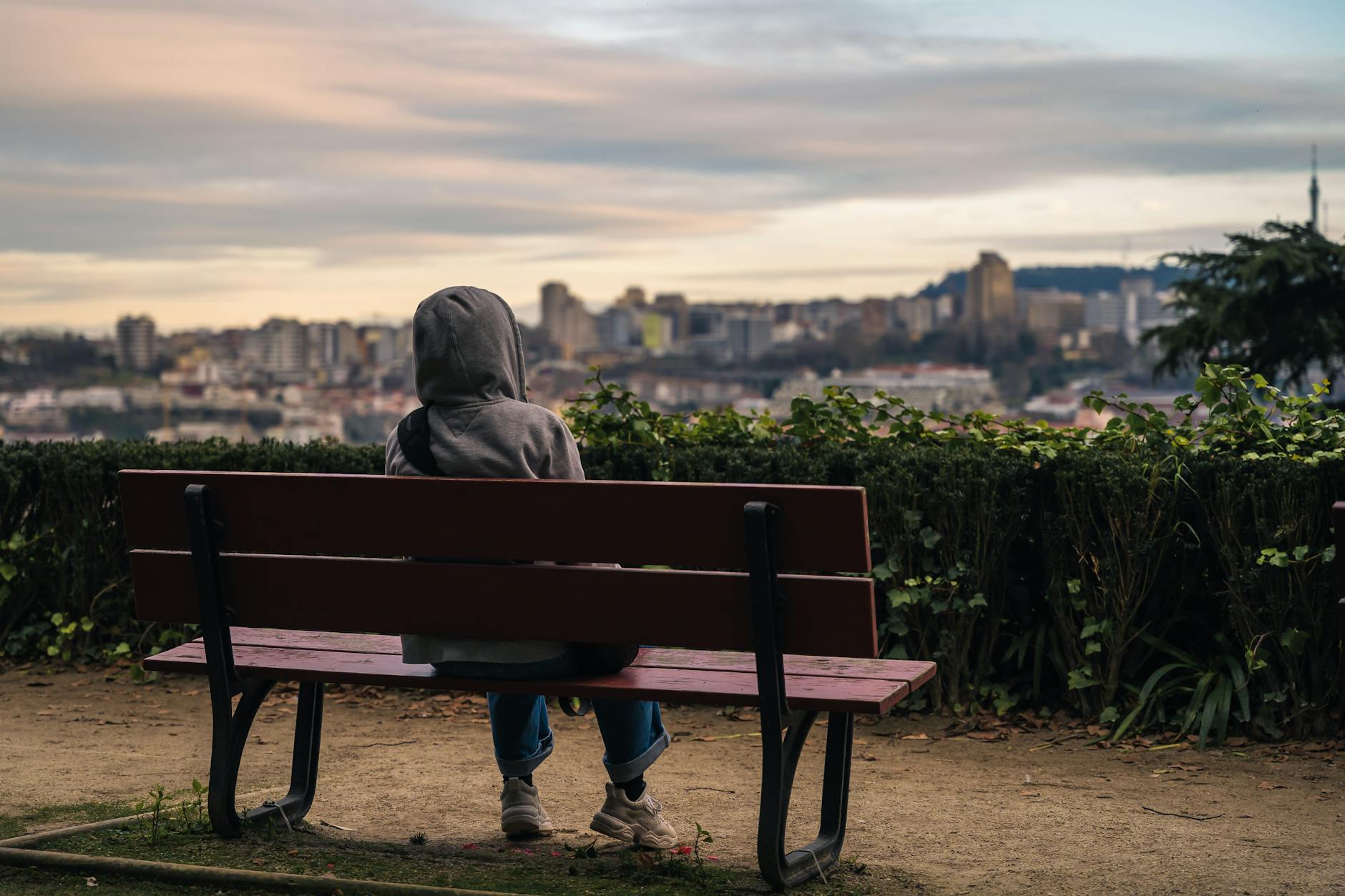
Treat night movement as its own plan
A solo traveler should separate daytime wandering from nighttime movement. Porto's viewpoints, bridges, riverfront streets, and alleys can feel different after dark or in wet weather. The traveler should know which areas are lively, which routes are steep, where taxis can pick up, and when to stop exploring.
This does not mean avoiding evenings. It means planning them with the same care as flights and hotels. Phone battery, payment, a taxi app or local method, and a saved address are basic solo infrastructure.
- Separate daytime wandering from nighttime return planning.
- Know lively areas, steep routes, taxi pickup points, and the final stop.
- Keep battery, payment, hotel address, and transport fallback available.
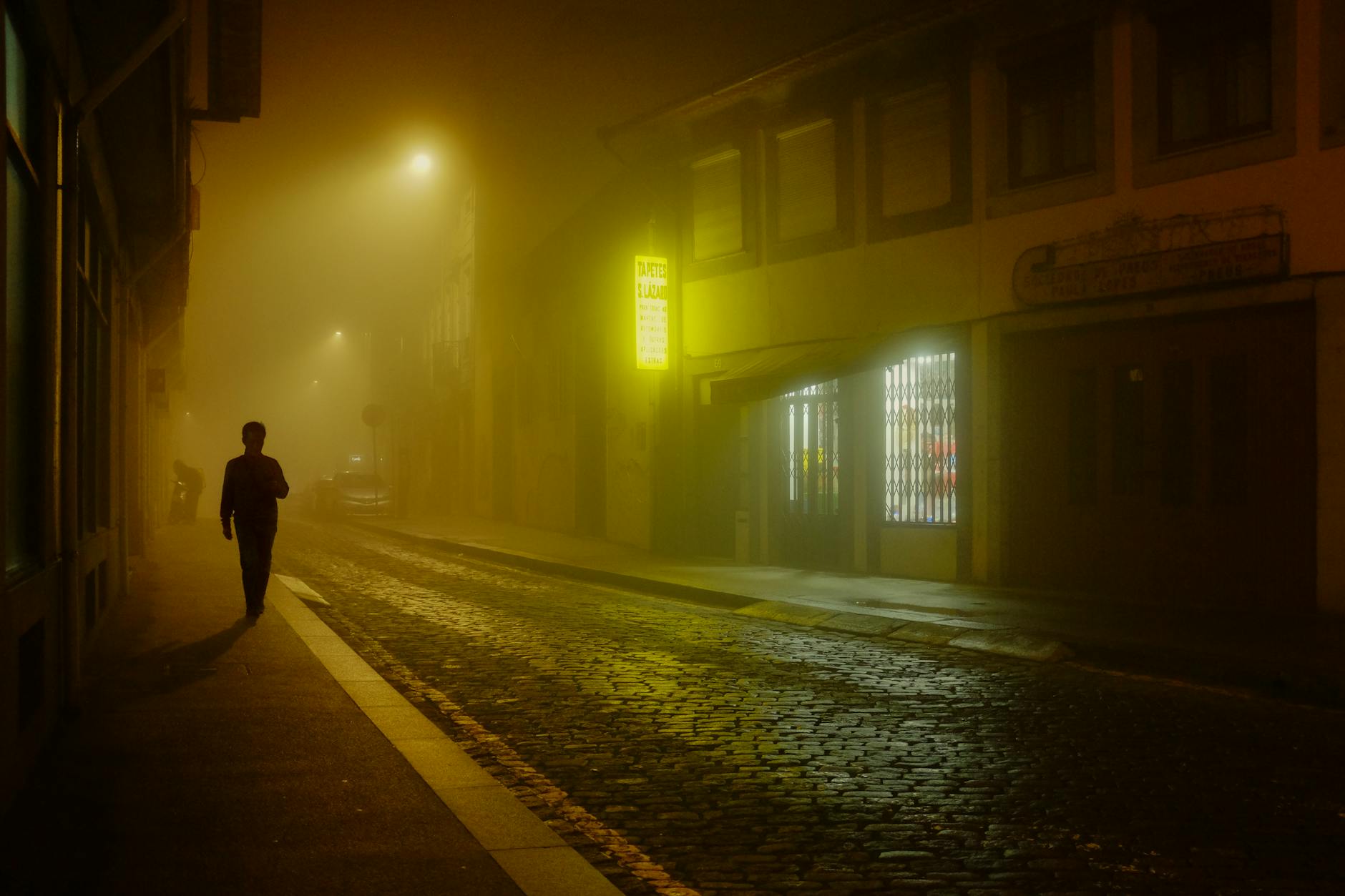
Balance wandering with structure
Porto rewards wandering, but a solo traveler should still give the day a structure. One anchor neighborhood, one meal plan, one scenic stop, and one backup can create enough shape without overplanning. Hills, crowds, rain, and photo stops can all stretch time.
The traveler should decide where spontaneity is welcome and where it is not. Airport transfers, late returns, medication, and key reservations should be fixed. Side streets, cafes, viewpoints, and small shops can stay flexible.
- Give each day an anchor neighborhood, meal plan, scenic stop, and backup.
- Keep transfers, late returns, medication, and reservations structured.
- Let cafes, viewpoints, shops, and side streets carry the flexible part of the trip.
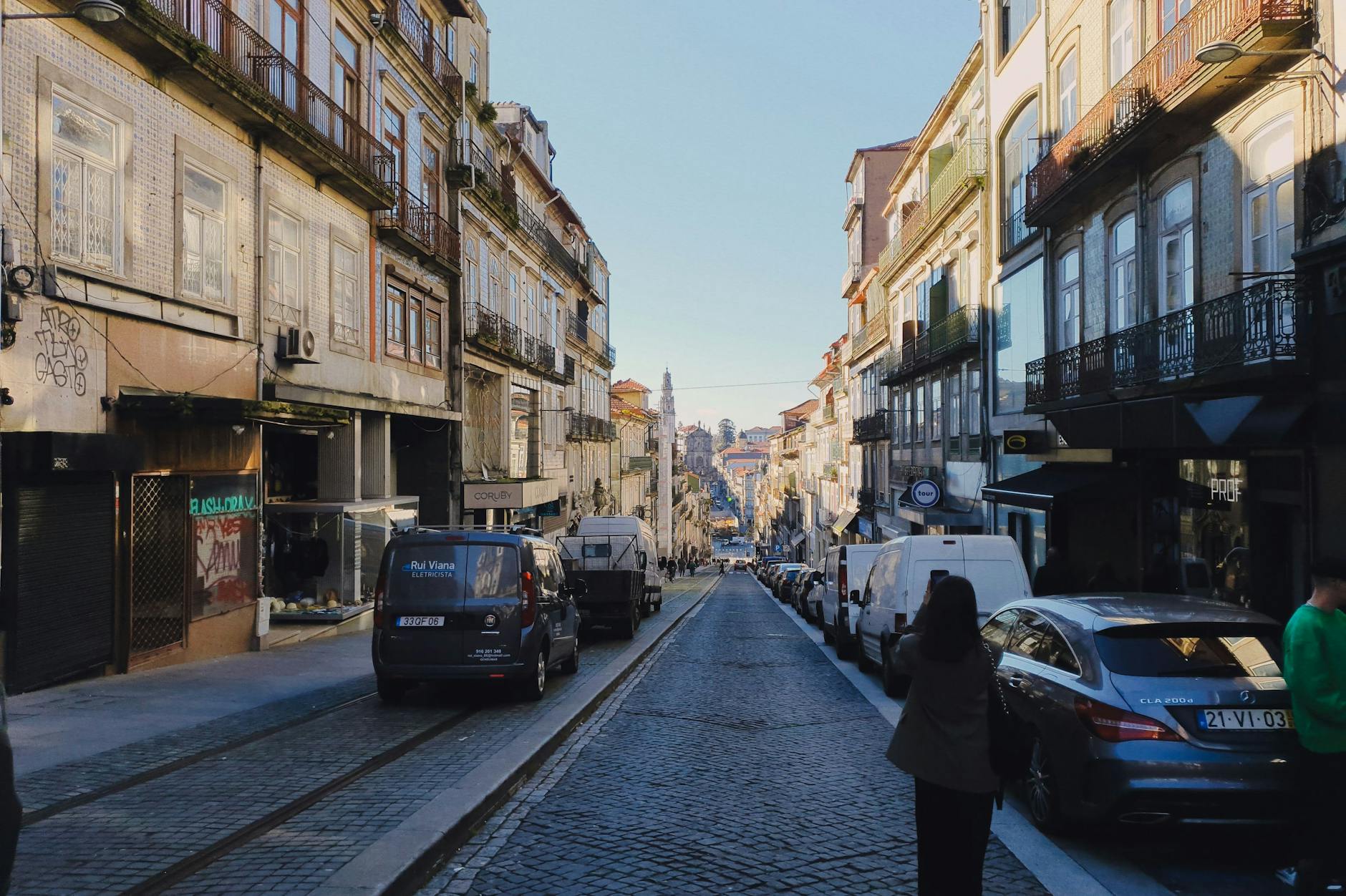
Protect documents, phone, and energy
Solo travelers need a practical system for documents, cards, phone, backup power, medication, room key, and emergency contacts. Porto is not difficult, but any small failure feels larger when there is no companion to borrow from or delegate to. A portable battery and offline information are cheap insurance.
Energy matters too. A solo traveler can be tempted to keep going because no one else is tired. The plan should include rest, hydration, and hotel breaks before decision quality drops.
- Keep documents, cards, phone, battery, medication, room key, and contacts organized.
- Use offline maps and saved addresses so the phone is not the only plan.
- Schedule rest before fatigue turns small choices into large problems.
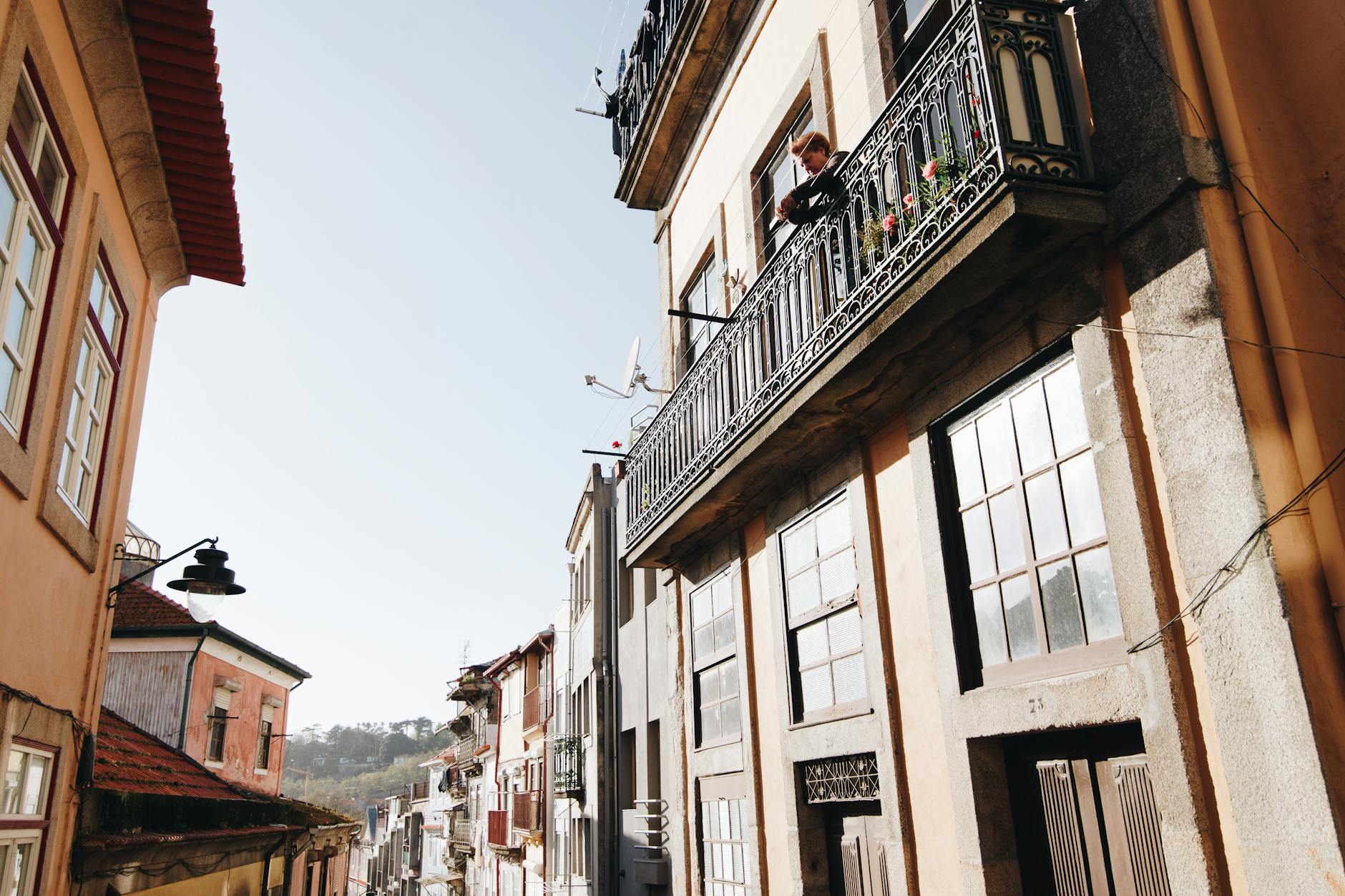
When to order a short-term travel report
A confident solo traveler with flexible plans and a clear hotel choice may not need a custom Porto report. A report becomes useful when the traveler is arriving late, unsure about neighborhoods, concerned about hills or night movement, balancing solitude with social experiences, managing medical constraints, or trying to decide how much of Porto, Gaia, and Matosinhos fits in a short stay.
The report should test lodging location, arrival route, day structure, night returns, solo meals, transport, weather, phone and document safety, social options, medical fallback, and what to cut. The value is a solo Porto trip that feels independent without being unsupported.
- Order when lodging, late arrival, night movement, meals, terrain, or solo confidence need testing.
- Provide dates, arrival time, hotel options, walking tolerance, interests, and constraints.
- Use the report to make solo travel in Porto feel clear, flexible, and grounded.