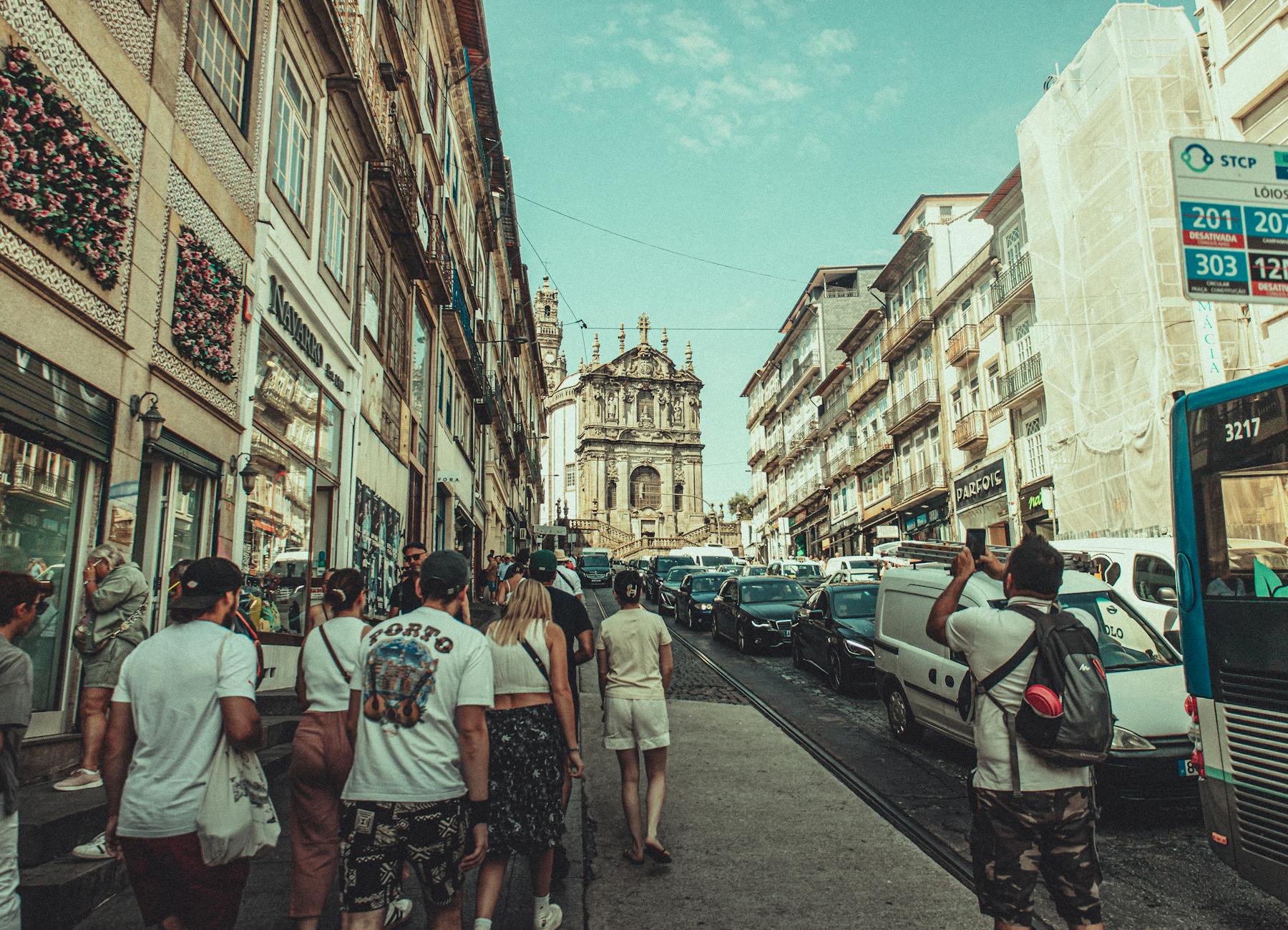
A Porto sales trip should be built around the commercial outcome, not around the city's appeal. The traveler may be visiting prospects, existing accounts, distributors, hospitality partners, buyers, trade contacts, or regional stakeholders. Each meeting has a different value, and Porto's hills, bridges, weather, airport timing, and restaurant geography can affect whether the day runs cleanly. The right plan starts with the sales objective. Once the account priority, meeting locations, presentation needs, samples, meals, and follow-up windows are clear, the traveler can add a hotel, transport plan, and limited Porto time that support the trip rather than distract from it.
Define the commercial purpose before the itinerary
A sales traveler should identify the primary commercial purpose before building the Porto schedule. The trip may be for prospecting, account retention, distributor review, buyer meetings, channel development, contract renewal, or a trade-show extension. Those purposes require different timing and different tolerance for risk.
The traveler should rank accounts by value, urgency, and likelihood of conversion. A beautiful city route does not matter if the most important meeting is squeezed between weak appointments or placed after travel fatigue has already set in.
- Clarify whether the trip is for prospects, accounts, distributors, buyers, renewals, or channel work.
- Rank meetings by value, urgency, decision-maker access, and conversion potential.
- Build the itinerary around the commercial result, not around a full city checklist.
Map accounts and hotel location together
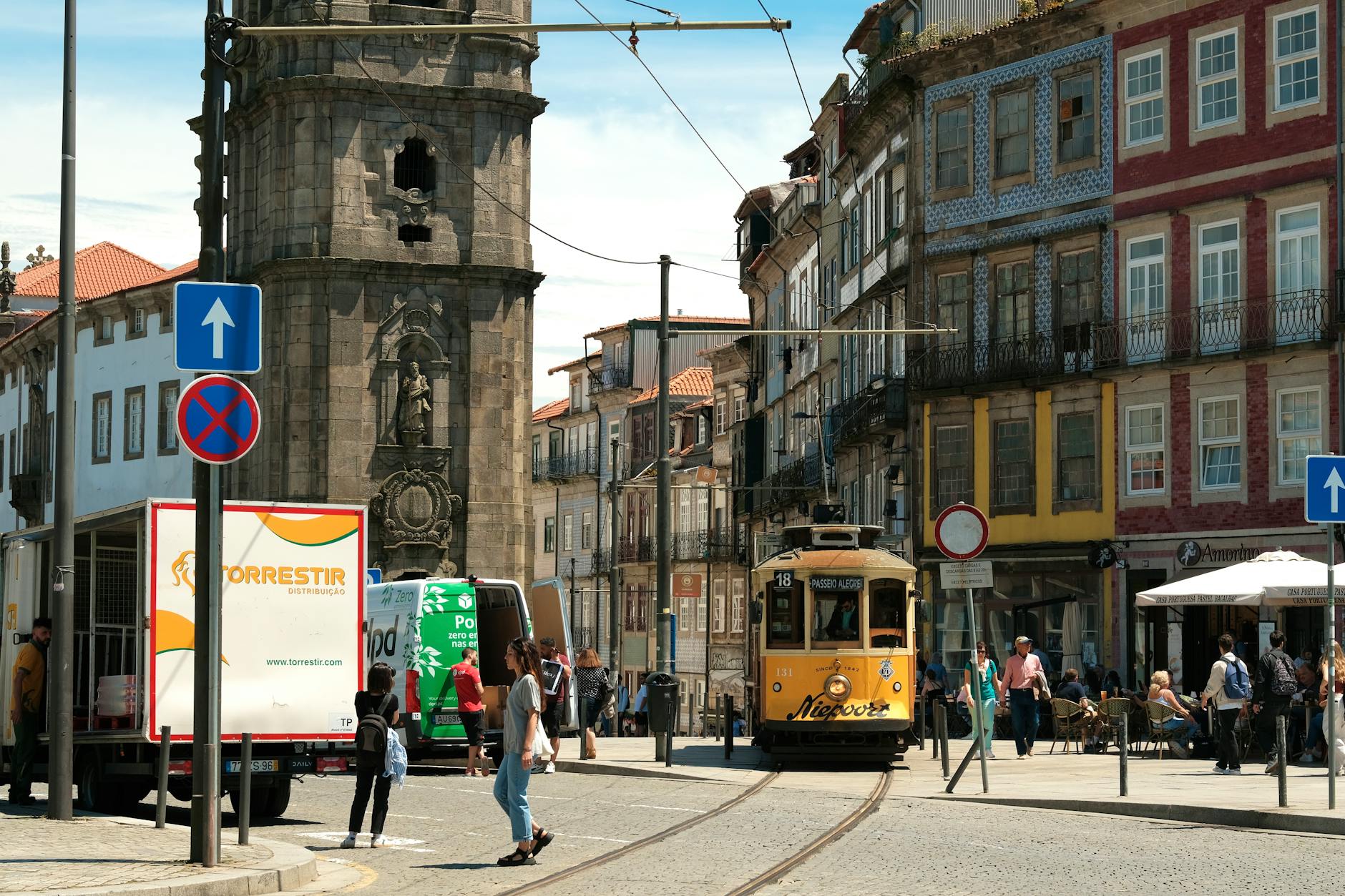
Sales meetings may be spread across central Porto, Boavista, Gaia, Matosinhos, industrial areas, hotel meeting rooms, restaurants, or a client's own office. The hotel should be chosen after those points are mapped. A scenic base can be inefficient if every appointment requires a difficult bridge crossing or long taxi buffer.
The traveler should also check meeting times against local traffic, weather, venue access, and the need to arrive composed. Porto's compactness can be misleading when hills, parking, and cross-river movement enter the day.
- Map prospects, existing accounts, restaurants, airport route, and hotel options before booking.
- Compare central Porto, Boavista, Gaia, Matosinhos, and site-adjacent lodging by meeting value.
- Add buffers for bridges, hills, traffic, rain, and arrival presentation.
Control arrival, airport, and first-meeting risk
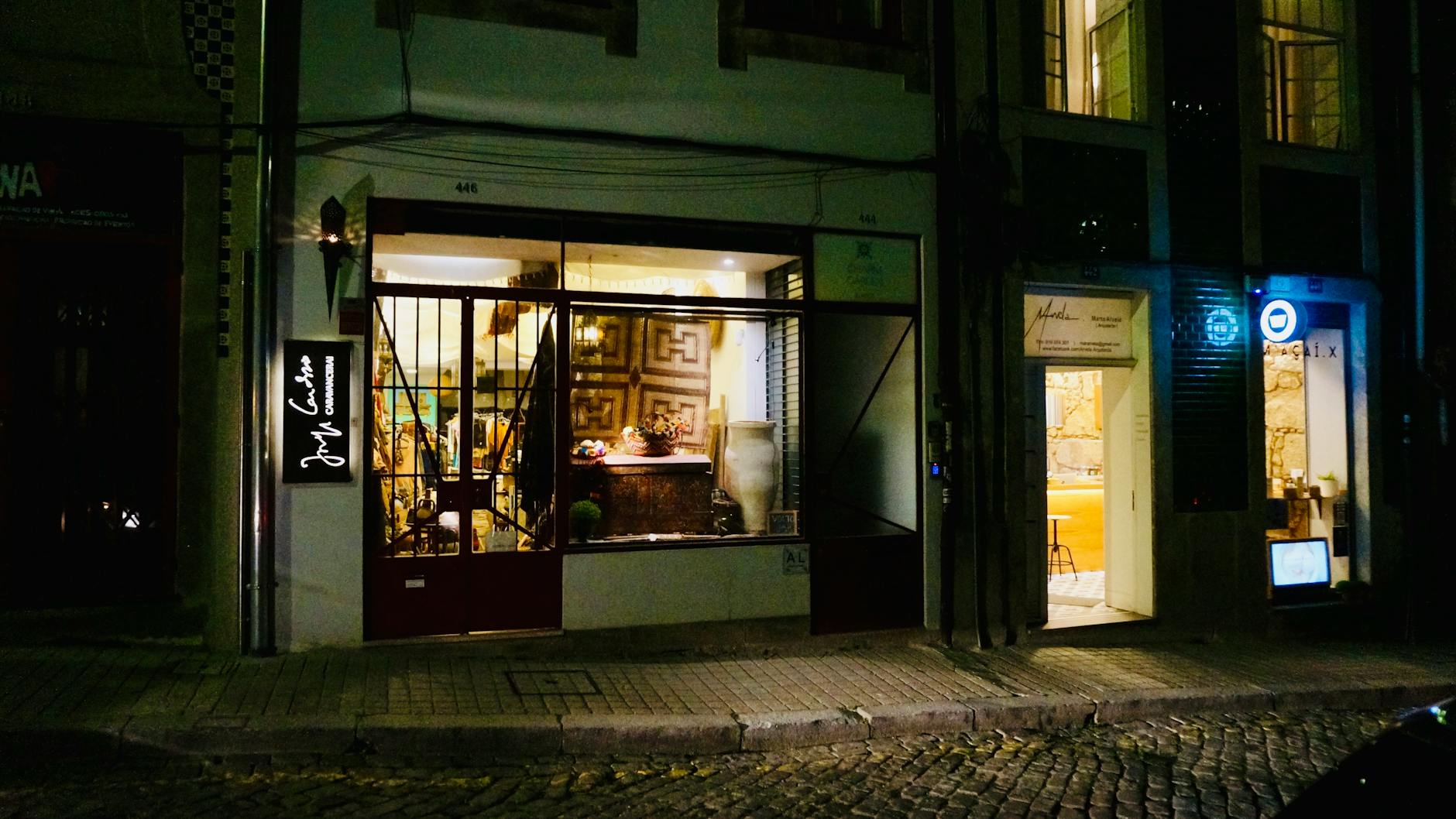
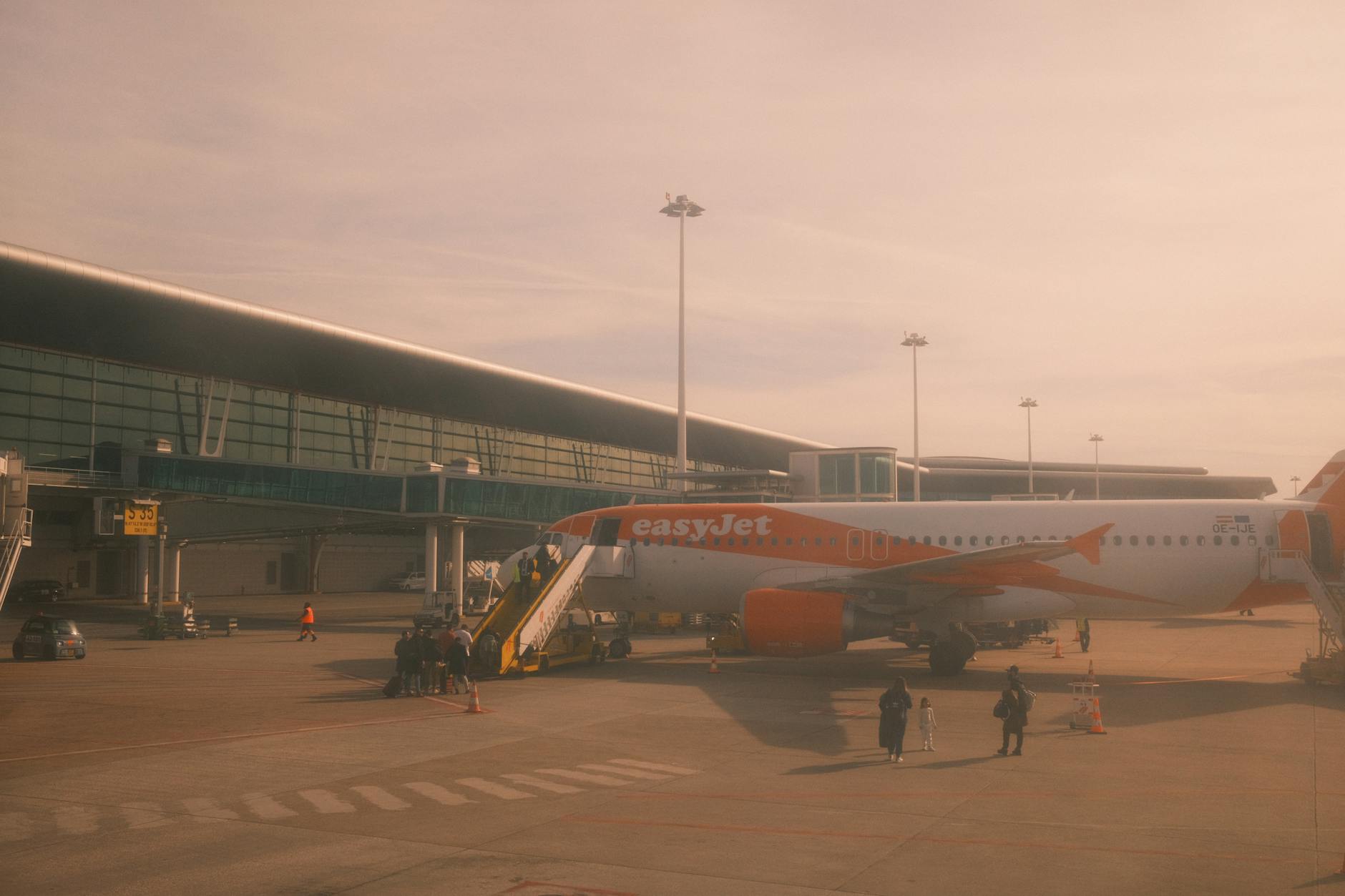
The first client meeting should not depend on perfect travel. Airport arrival, baggage, transfer choice, hotel check-in, shower time, device charging, meal timing, and traffic should be planned as a sequence. If the first meeting is with a high-value buyer or decision maker, same-day arrival may be too fragile.
A sales traveler also needs a fallback if a flight slips, a bag is delayed, or a client changes the time. The plan should protect the highest-value appointment first.
- Plan airport arrival, baggage, transfer, check-in, food, charging, and first-meeting timing.
- Avoid same-day arrival for high-value meetings unless the risk is acceptable.
- Keep backup files, essentials, and client contact details out of checked luggage.
Plan demos, samples, and sales materials
Sales trips often fail through small material gaps. Samples, demo devices, chargers, adapters, presentation files, printed sheets, pricing notes, contracts, catalogs, branded items, or client gifts should be handled before departure. The traveler should know what must be carried, shipped, backed up, or left at the hotel.
Porto's streets can make carrying materials harder than expected. A route that is fine for a tourist may be poor for someone with a laptop bag, samples, and formal clothing.
- Prepare samples, demo devices, adapters, files, pricing notes, contracts, and backups.
- Decide what is carried, shipped, printed, stored, or replaced if delayed.
- Avoid hauling sales materials through steep or cobbled routes without a transport plan.
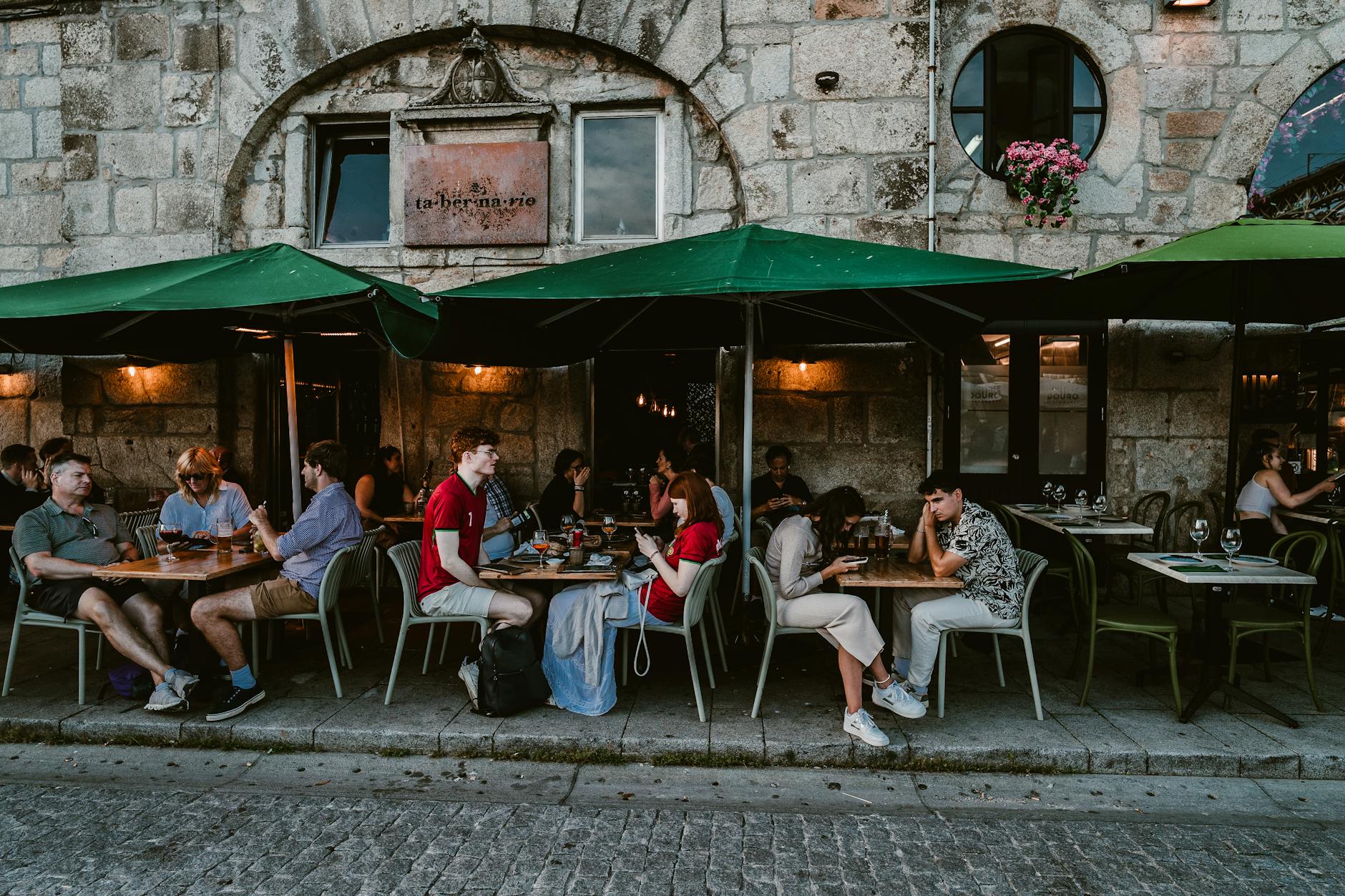
Treat client meals as part of the sales process
Client meals in Porto can build trust, but they should support the commercial purpose. Restaurant noise, location, dietary needs, alcohol expectations, receipt handling, table timing, and the route back to the hotel all matter. A memorable meal can still be a poor sales choice if it makes follow-up sloppy or the next meeting weaker.
The traveler should reserve the meals that matter and leave low-value meals simple. A good sales schedule protects both relationship time and the ability to send accurate follow-up afterward.
- Choose client meals by commercial purpose, noise, location, dietary needs, receipts, and transport.
- Set alcohol and late-night boundaries around the next meeting.
- Reserve important meals and keep solo meals simple enough to protect follow-up work.
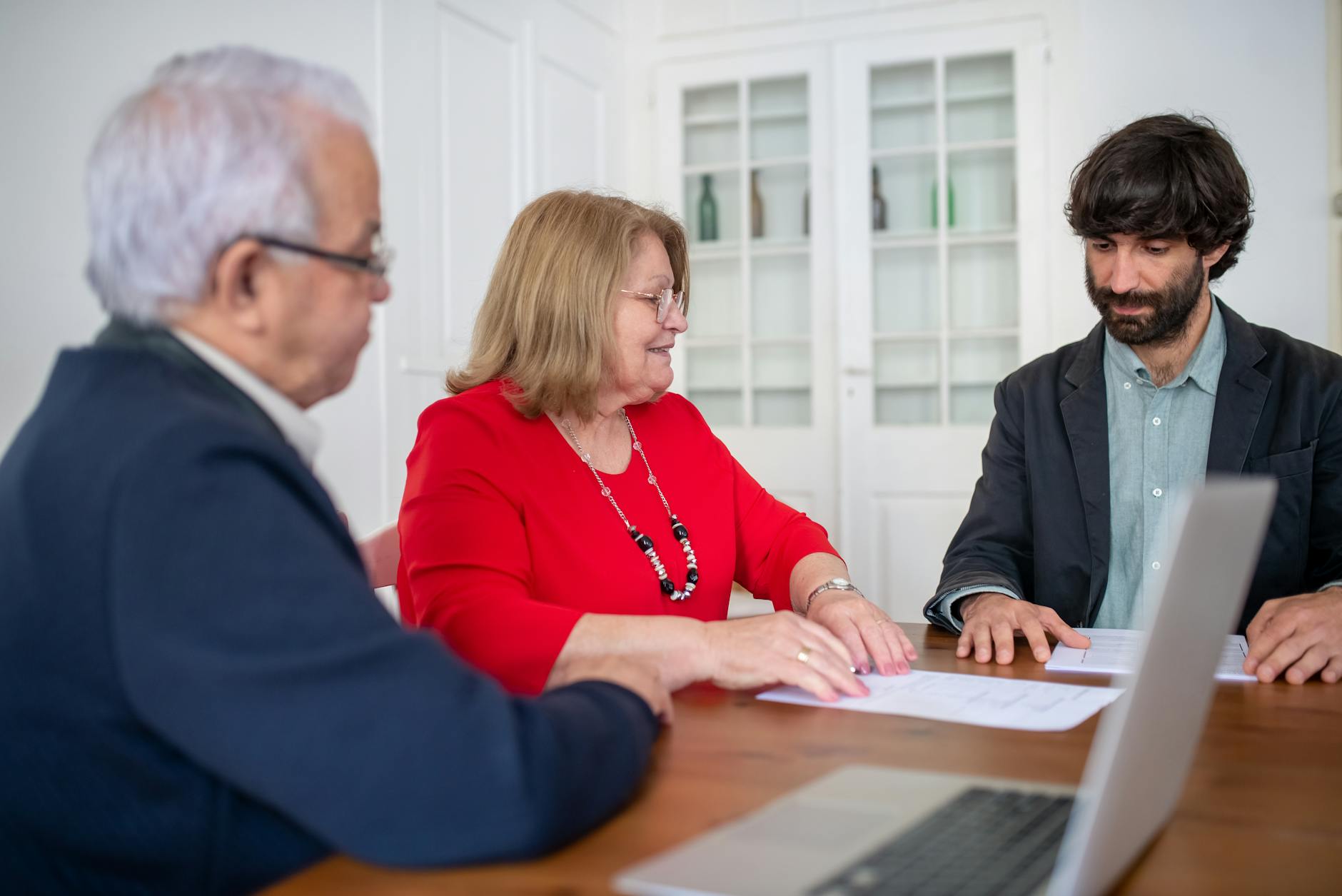
Protect follow-up before adding city time
Sales value is often won or lost after the meeting. Notes, next steps, quotes, CRM updates, promised documents, samples, internal handoffs, and proposal timing need protected work blocks. Porto sightseeing should not consume the only window to capture details while they are fresh.
The traveler can still add Porto intelligently. A short river view, a focused dinner, a Sao Bento stop, or a morning coffee can fit if the commercial follow-up is already protected.
- Protect blocks for notes, CRM updates, quotes, proposals, and internal handoffs.
- Do follow-up while meeting details are still fresh.
- Add Porto moments only after the sales next steps are under control.
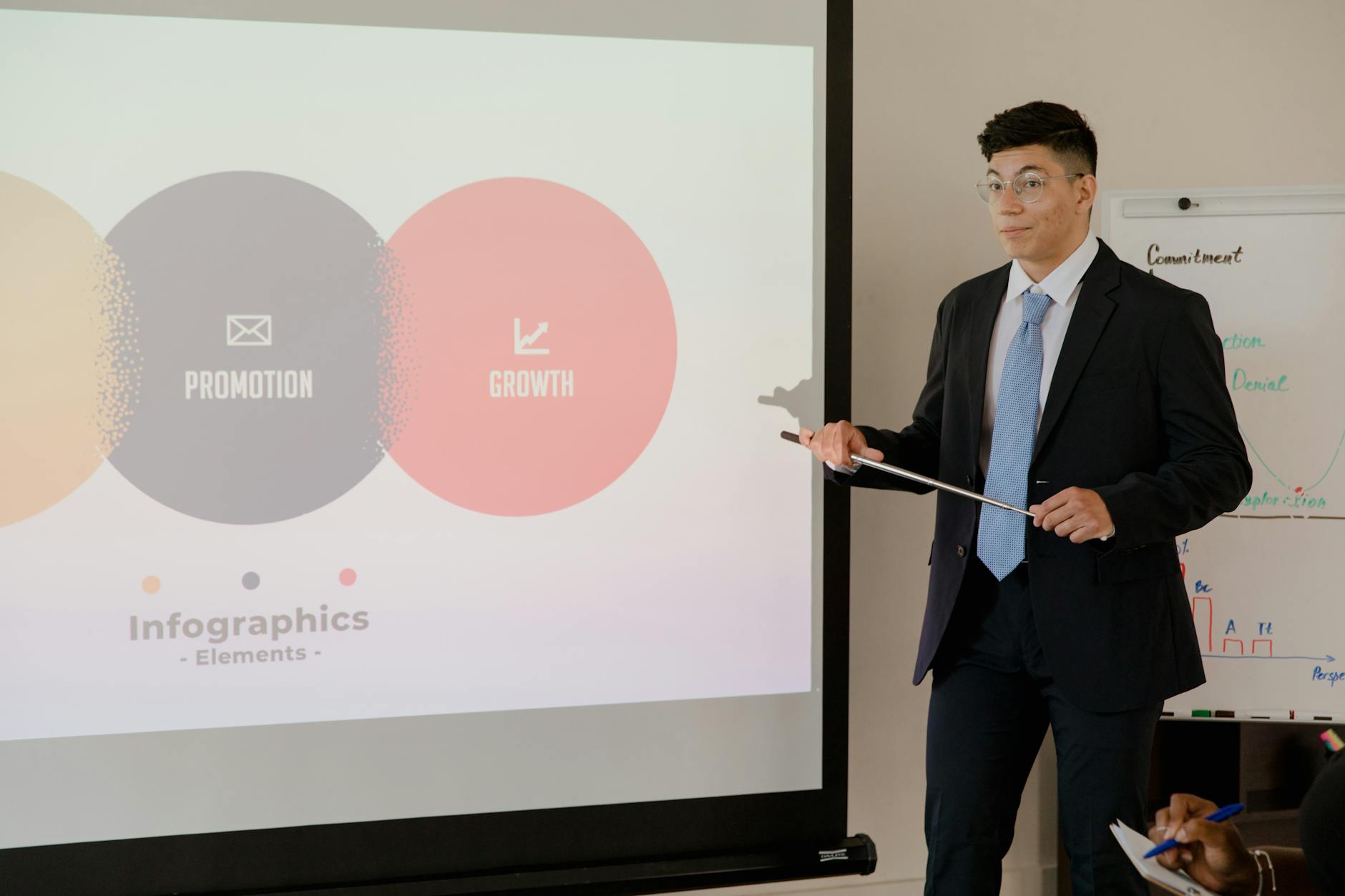
When to order a short-term travel report
A sales traveler with one known account, one hotel, and flexible timing may not need a custom Porto report. A report becomes useful when multiple accounts, cross-river geography, samples, airport timing, client meals, stakeholder access, receipts, or follow-up windows could affect the commercial outcome.
The report should test account geography, hotel fit, airport transfer, meeting sequence, materials, demos, meals, transport, weather, receipts, follow-up, budget, and what to cut. The value is a Porto sales trip that protects revenue before convenience.
- Order when accounts, geography, samples, meals, transfers, or follow-up timing need testing.
- Provide meeting addresses, account priority, hotel options, materials, dates, budget, and constraints.
- Use the report to keep Porto logistics aligned with the sales objective.