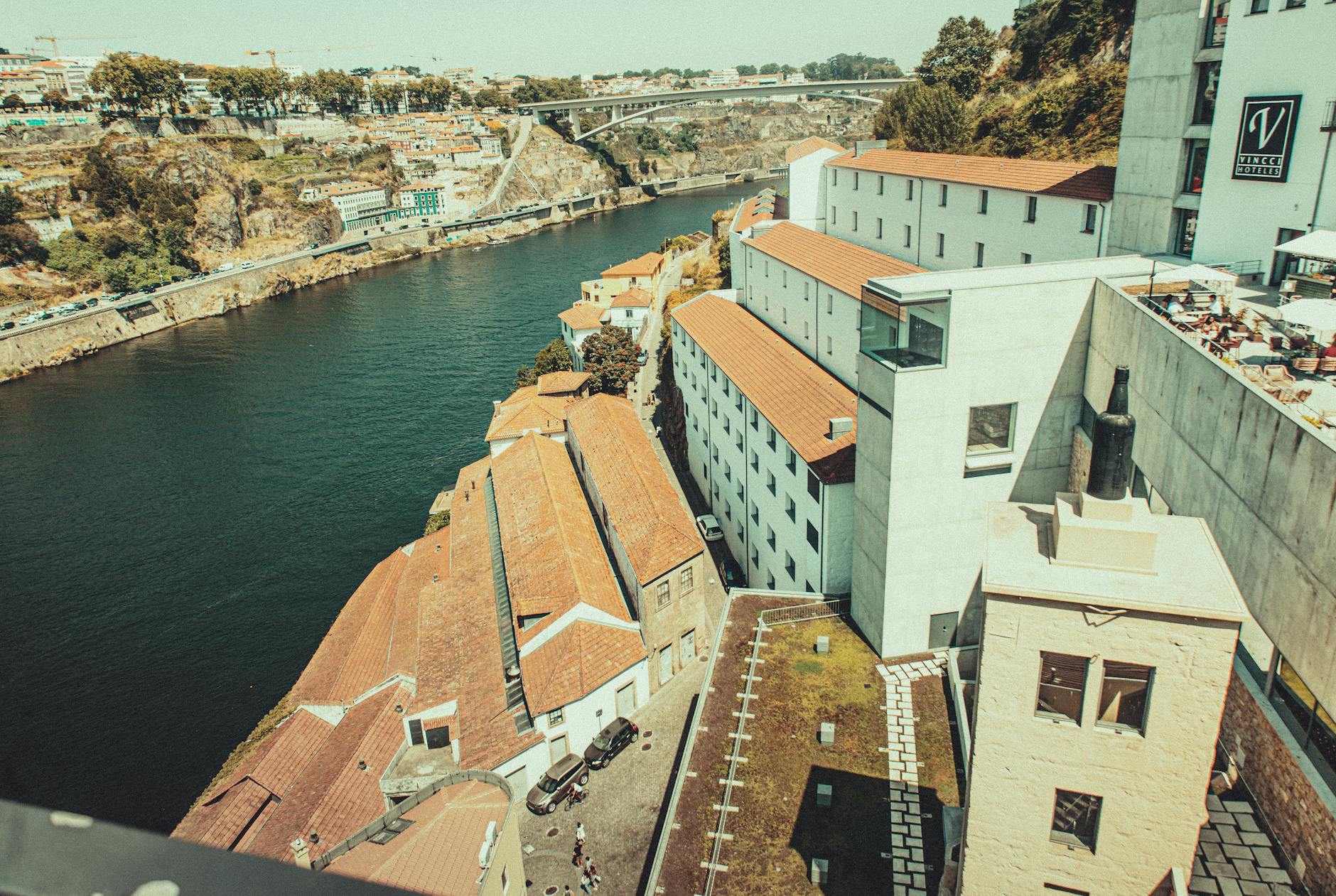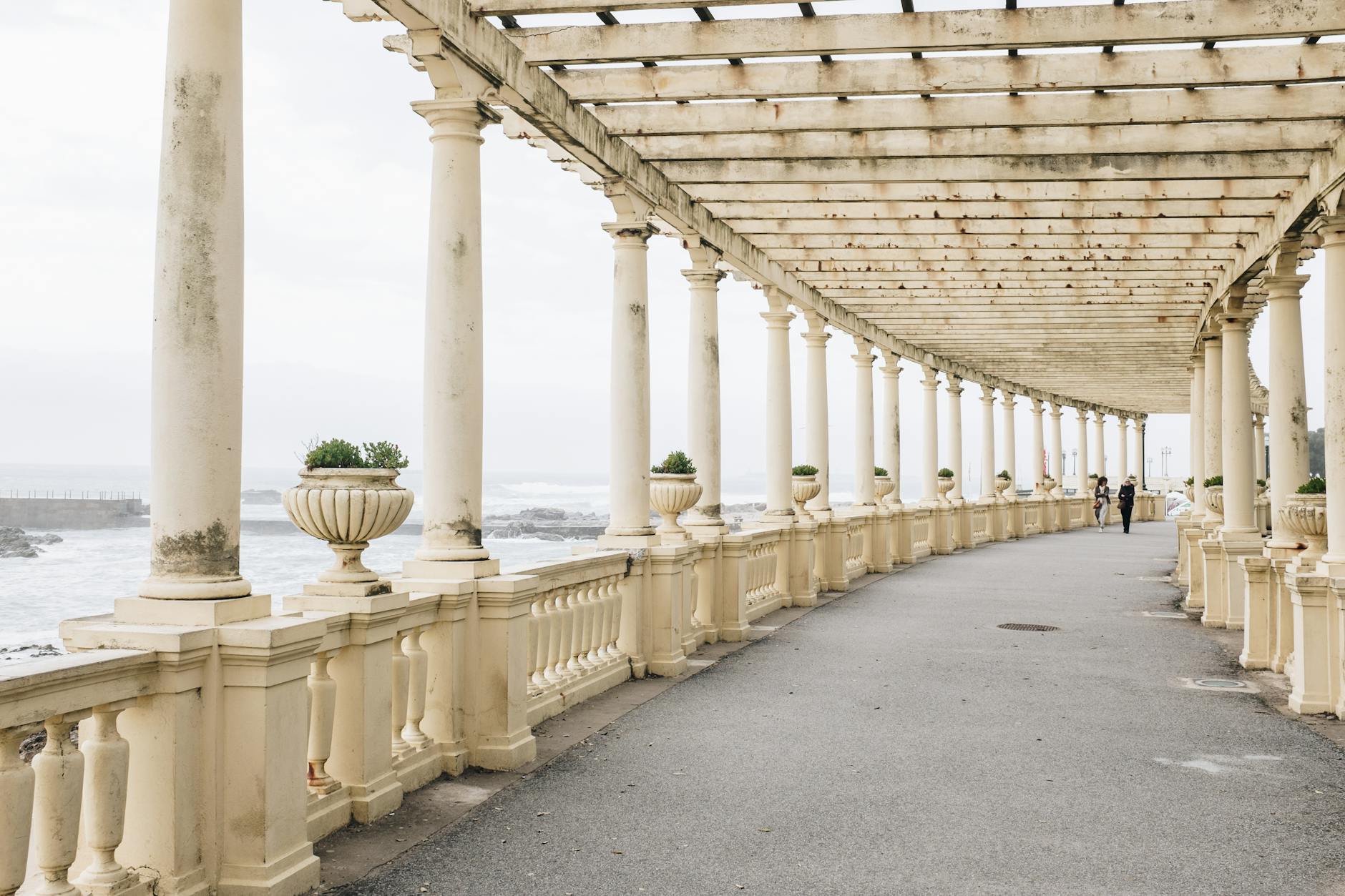
A repeat leisure visit to Porto should feel different from the first trip. The traveler may already know Ribeira, Sao Bento, Clerigos, Gaia, and the bridge. The opportunity is to slow down, choose a sharper base, revisit only what still matters, and spend more time in neighborhoods, cafes, markets, beaches, viewpoints, gardens, or nearby towns that did not fit the first itinerary. The main risk is building a second Porto trip from leftovers. A strong repeat visit needs a clearer purpose: food, coast, wine, neighborhoods, photography, rest, friends, design, or a more deliberate version of the city the traveler already likes.
Decide what should change from the first visit
A repeat visitor should name what the second trip is meant to do differently. That may mean fewer landmarks, a quieter hotel, better meals, more coast, one serious wine day, a neighborhood stay, a slower morning rhythm, or time with friends. Without that purpose, the traveler can end up repeating the first route with less novelty.
The traveler should also decide which famous places deserve a return. Ribeira at a different hour, Sao Bento without rushing, or a bridge walk at sunset can still be worthwhile. But revisits should be chosen, not automatic.
- Define whether the return is about food, coast, wine, neighborhoods, rest, or people.
- Choose which first-trip highlights are worth repeating.
- Avoid filling the itinerary with leftovers that did not earn priority the first time.
Choose a base for the second trip, not the first one
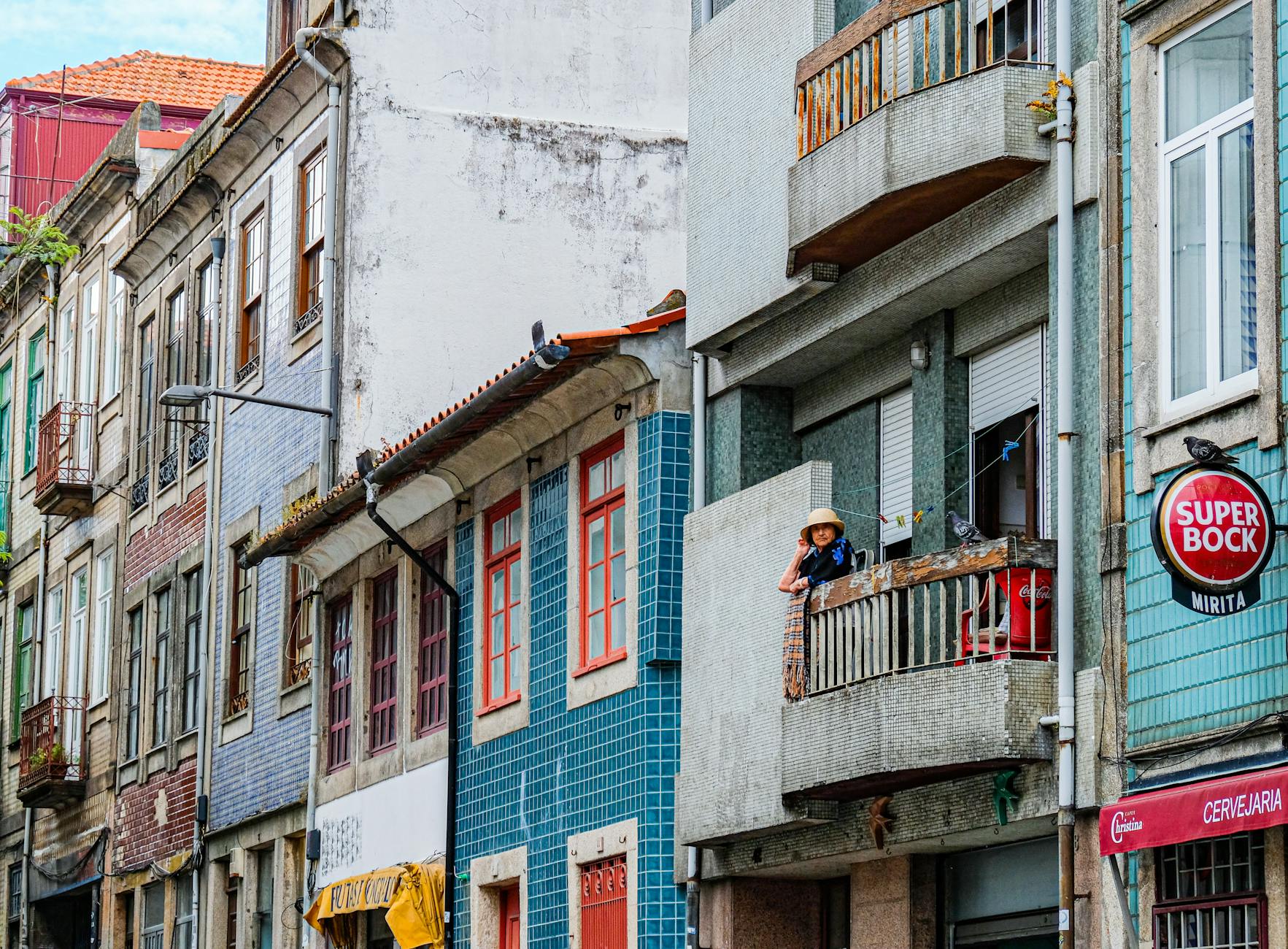
The best hotel area may change on a return visit. A first-time traveler often benefits from central access. A repeat leisure visitor may prefer Cedofeita, Bonfim, Foz, Boavista, Gaia, or a quieter edge of the historic center depending on meals, friends, coast time, work calls, or sleep needs.
The traveler should test the base against the new trip purpose. A beautiful hotel can be wrong if every dinner, beach outing, or cafe morning requires extra climbing or awkward transport.
- Reassess Cedofeita, Bonfim, Foz, Boavista, Gaia, and central areas for this trip's purpose.
- Match lodging to meals, sleep, coast time, friends, work calls, and transit.
- Do not default to the first-trip base if the second trip has a different rhythm.
Give neighborhoods enough time to be useful
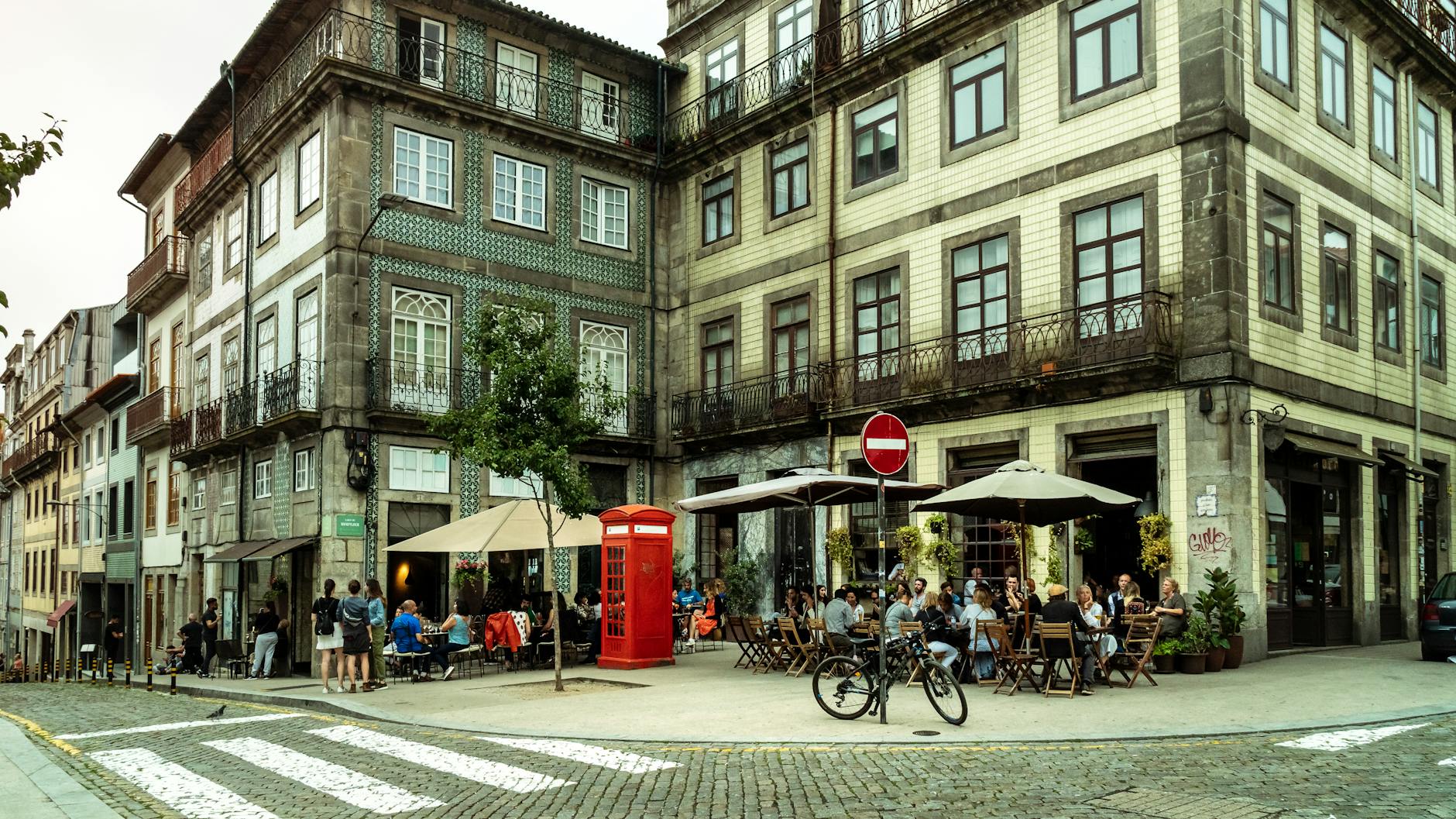
Repeat visitors often say they want to explore neighborhoods, but then leave only scraps of time after major sights. Porto's quieter value appears when the traveler has time for cafes, shops, side streets, markets, gardens, and ordinary walks. Those experiences do not work well as rushed filler.
A good repeat itinerary may include fewer named attractions and more protected blocks. The traveler should still know what is nearby, but the plan can let the neighborhood breathe.
- Protect time for cafes, markets, shops, gardens, and slower streets.
- Avoid treating neighborhoods as filler after the main sights.
- Use fewer fixed attractions when the goal is a more lived-in Porto visit.
Use the coast and river differently
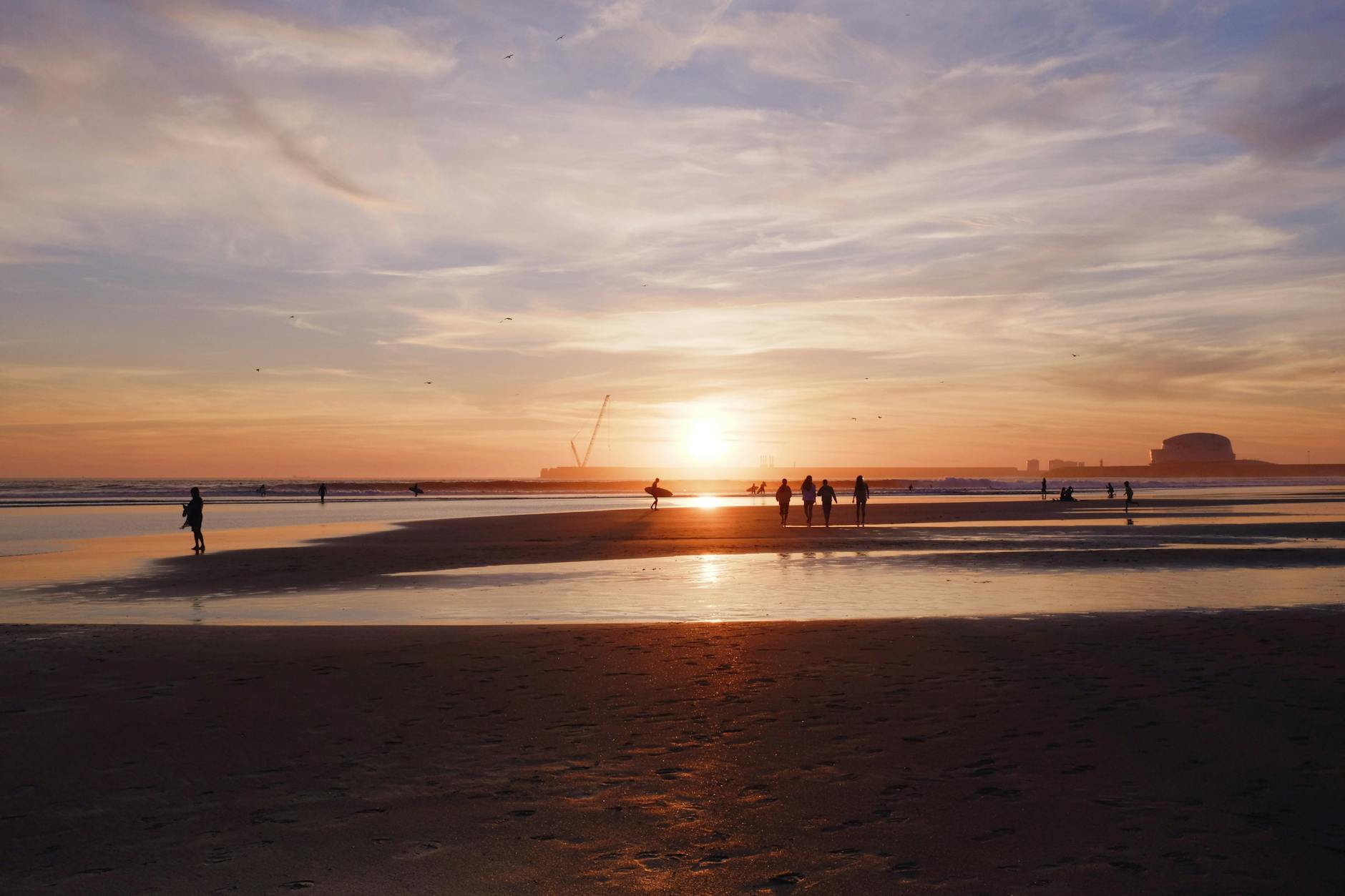
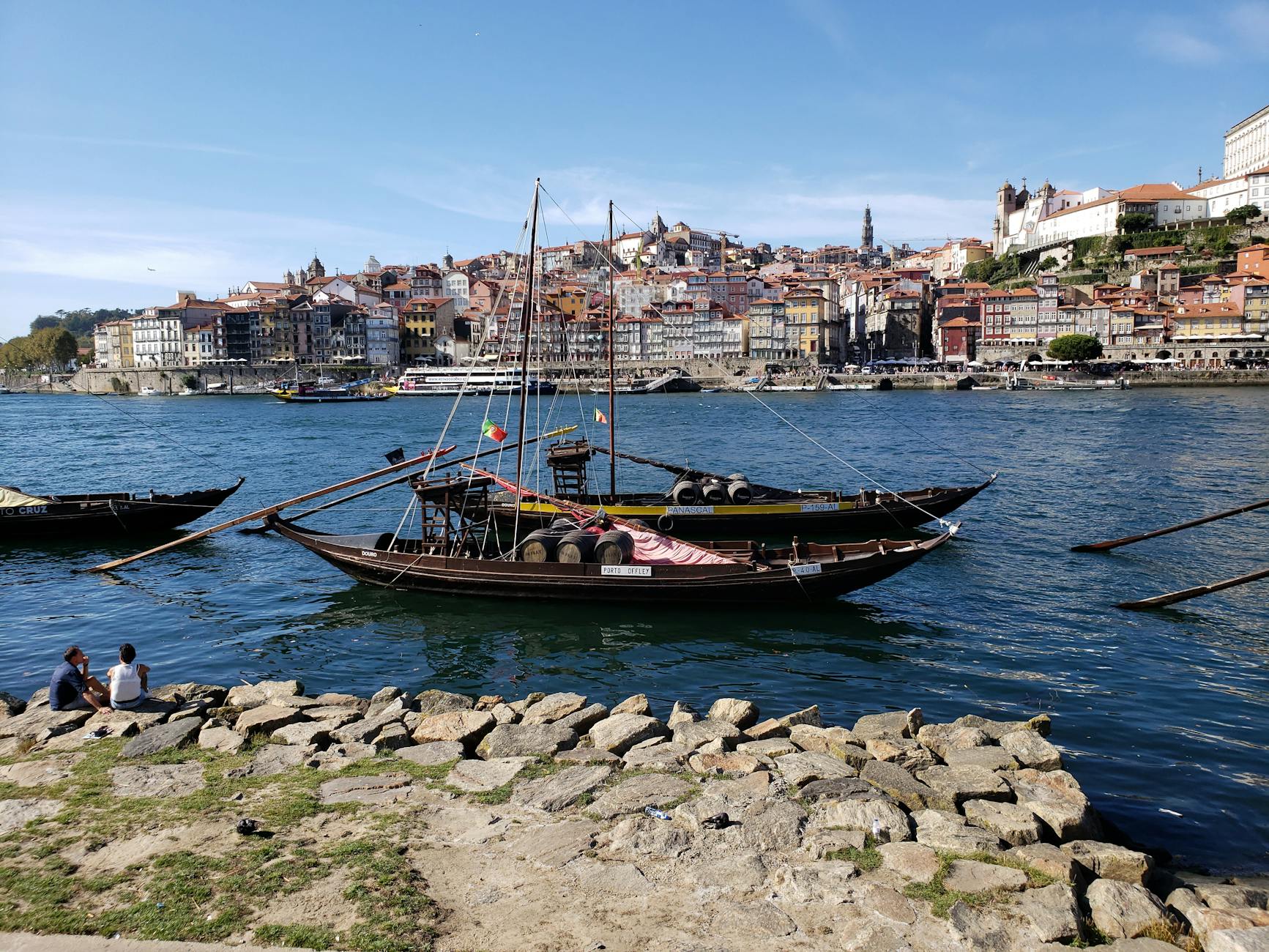
A repeat leisure visitor can move beyond the central riverfront. Foz do Douro, Matosinhos, the Atlantic promenade, beach meals, sunset walks, and less obvious Gaia angles can make Porto feel wider. The traveler should decide whether coast time is a small reset, a full half-day, or the main point of returning.
The logistics still matter. Weather, wind, transit time, restaurant reservations, beach conditions, and the ride back to the hotel can all affect whether a coast plan feels restorative or awkward.
- Consider Foz, Matosinhos, Atlantic walks, beach meals, and different Gaia views.
- Match coast time to weather, wind, transport, restaurants, and return timing.
- Use the river and coast to widen the trip rather than repeating the same waterfront loop.
Make food and wine plans more selective
A return trip is a chance to improve the food plan. The traveler can revisit a favorite, choose a better table, try Matosinhos seafood, find simpler lunches, or plan one serious Gaia or Douro-related experience instead of scattering tastings across the itinerary. The goal should be selectivity, not constant consumption.
Wine also needs pacing. Tastings, richer meals, and late nights can weaken the next day if the traveler has not built recovery into the schedule.
- Choose favorite returns, new restaurants, seafood, simple lunches, or one stronger wine experience.
- Plan tastings and rich meals around sleep and next-day energy.
- Reserve the meals that matter and leave casual meals flexible.
Be honest about day trips and side ambitions
Repeat visitors often add Braga, Guimaraes, the Douro Valley, Aveiro, beaches, or extra wine-country ideas because the central city is familiar. Those can be excellent choices, but each one consumes time and changes the purpose of the trip. A short return visit can become thin if every day is outsourced to a side trip.
The traveler should decide whether the trip is really a Porto return or a northern Portugal sampler. Both can work, but they require different hotel, transport, meal, and rest decisions.
- Test Braga, Guimaraes, Douro Valley, Aveiro, beaches, and wine plans against trip length.
- Decide whether the trip is Porto-centered or a wider northern Portugal itinerary.
- Do not let side trips consume the slower Porto time that justified returning.
When to order a short-term travel report
A repeat leisure visitor who already knows exactly where to stay, eat, and slow down may not need a custom Porto report. A report becomes useful when the traveler is trying to make the second visit feel meaningfully different, choose a new base, add coast or day trips, improve dining, manage weather, or avoid replaying the first itinerary.
The report should test hotel neighborhoods, revisit priorities, coast time, restaurants, wine, day trips, transit, seasonal conditions, budget, rest, and what to skip. The value is a Porto return that has a reason for existing beyond nostalgia.
- Order when the return needs a sharper purpose, base, food plan, coast time, or day-trip logic.
- Provide past itinerary, favorite places, disappointments, new goals, dates, budget, and hotel ideas.
- Use the report to make the second Porto visit more deliberate than the first.