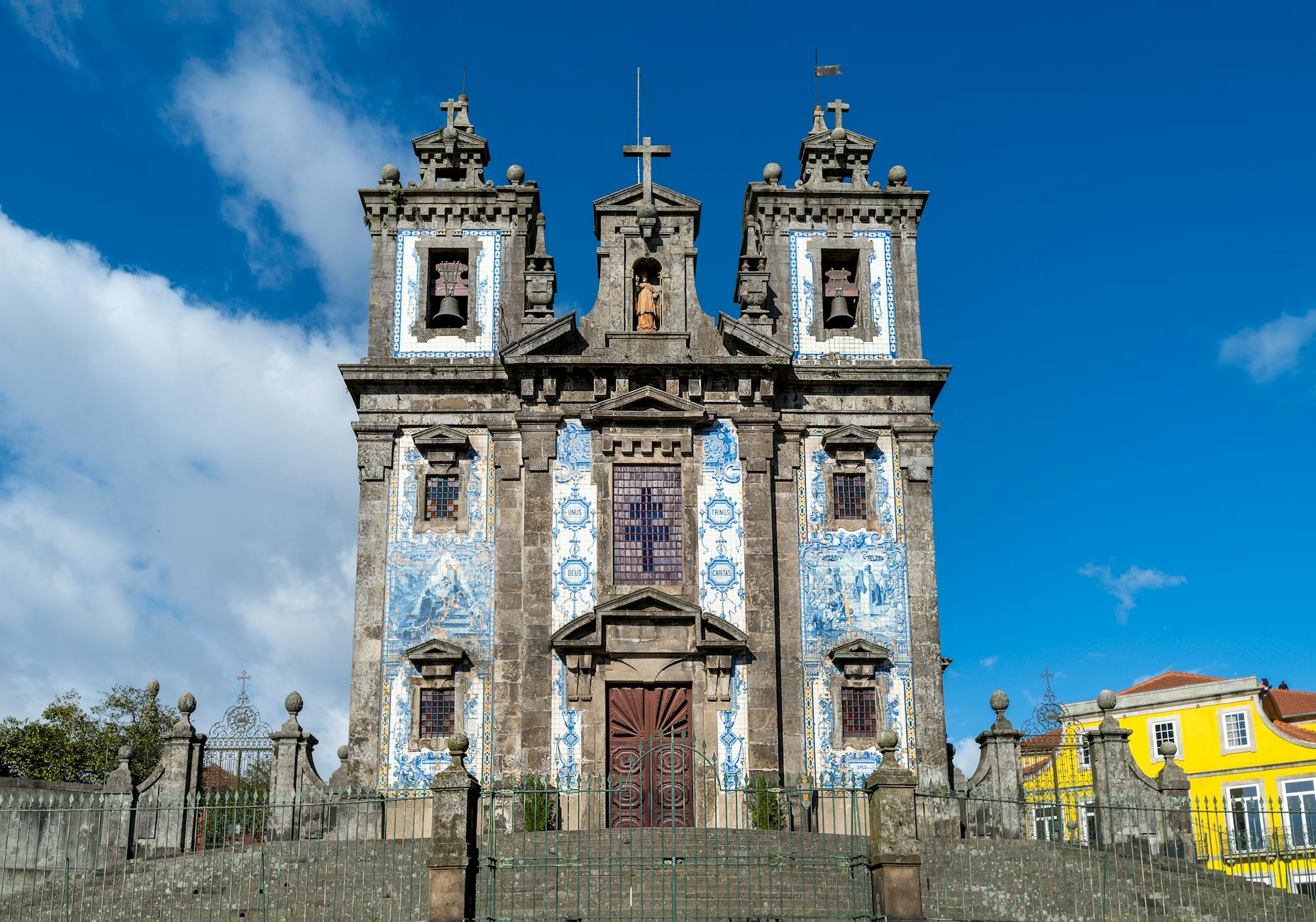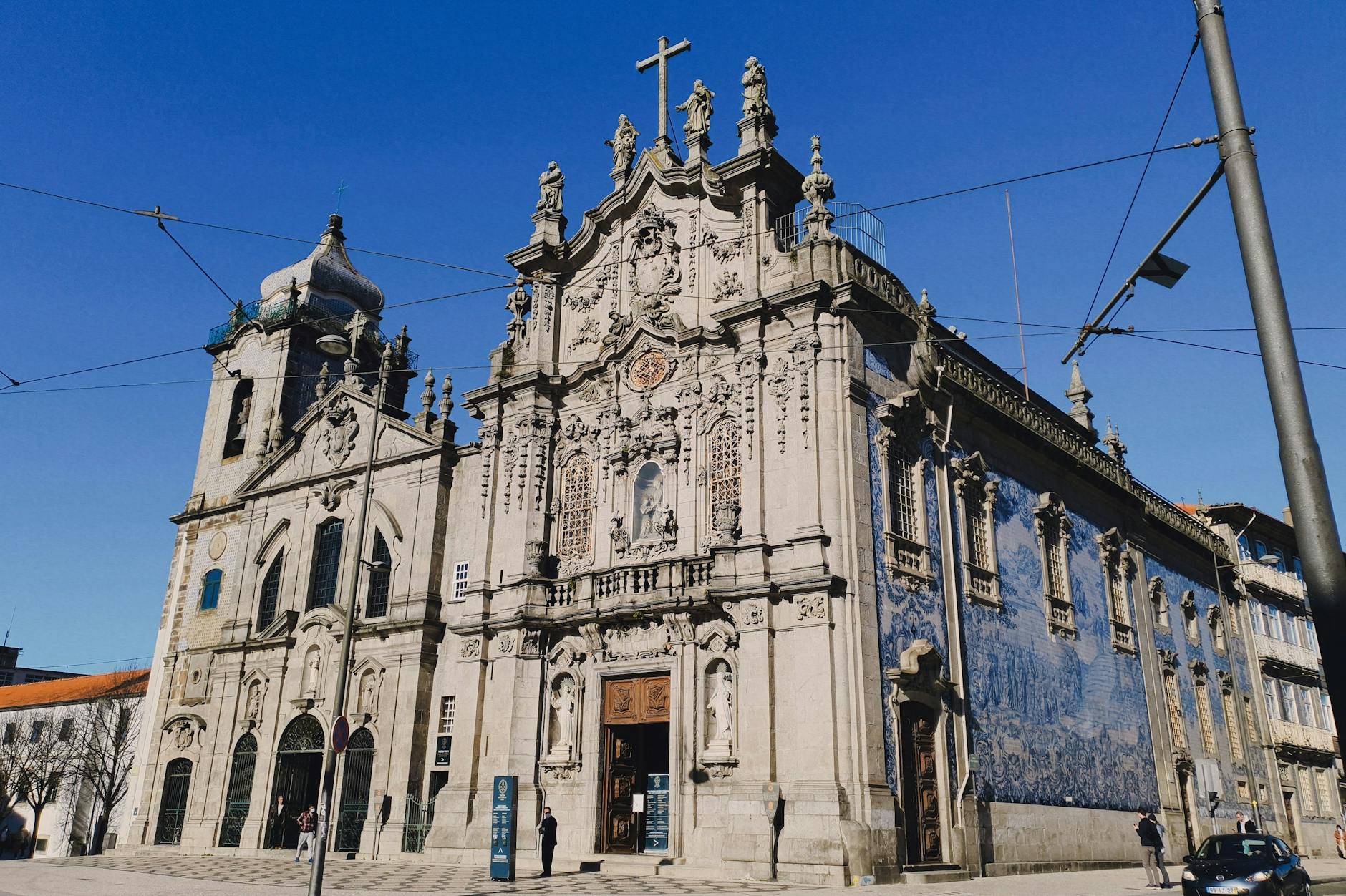
Porto can work well for a religious or pilgrimage traveler because the city combines active churches, Catholic heritage, the Camino Portugues context, azulejo-covered facades, river viewpoints, and neighborhoods where ordinary daily life still surrounds sacred buildings. But a short visit can become shallow if the traveler treats churches only as scenic stops. The right Porto plan starts with purpose. A traveler coming for prayer, Mass, pilgrimage continuity, architecture, family faith heritage, academic interest, or spiritual reflection needs a different rhythm than a traveler trying to photograph every landmark in one afternoon.
Clarify the purpose of the visit
A religious or pilgrimage traveler should decide whether Porto is a place of worship, a stop on a wider pilgrimage, a heritage visit, an architecture study, or a quiet reset. The answer changes the schedule. A faith-centered trip may need protected prayer time, liturgy, clergy contact, or silence rather than a dense list of tiled churches and viewpoints.
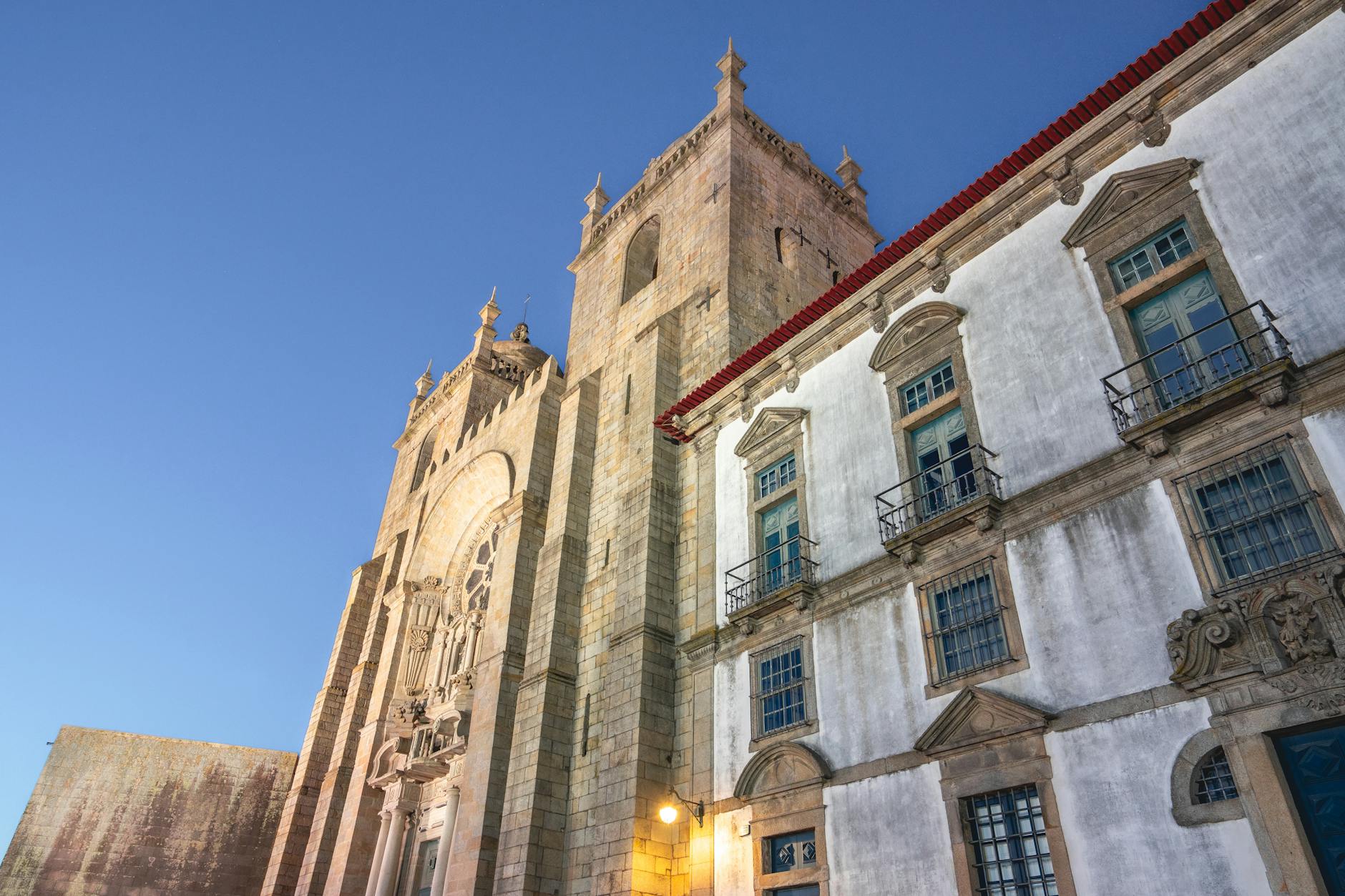
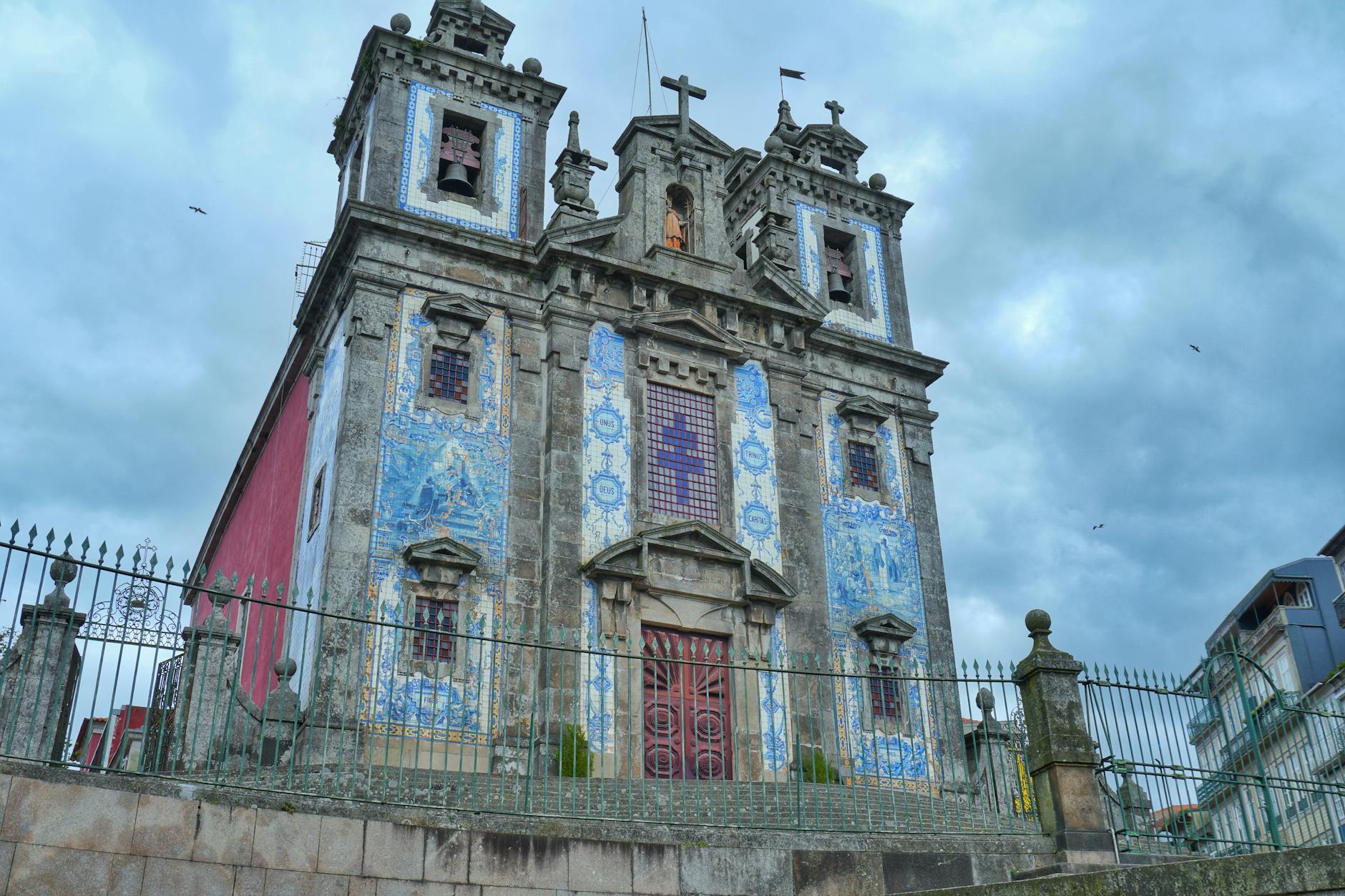
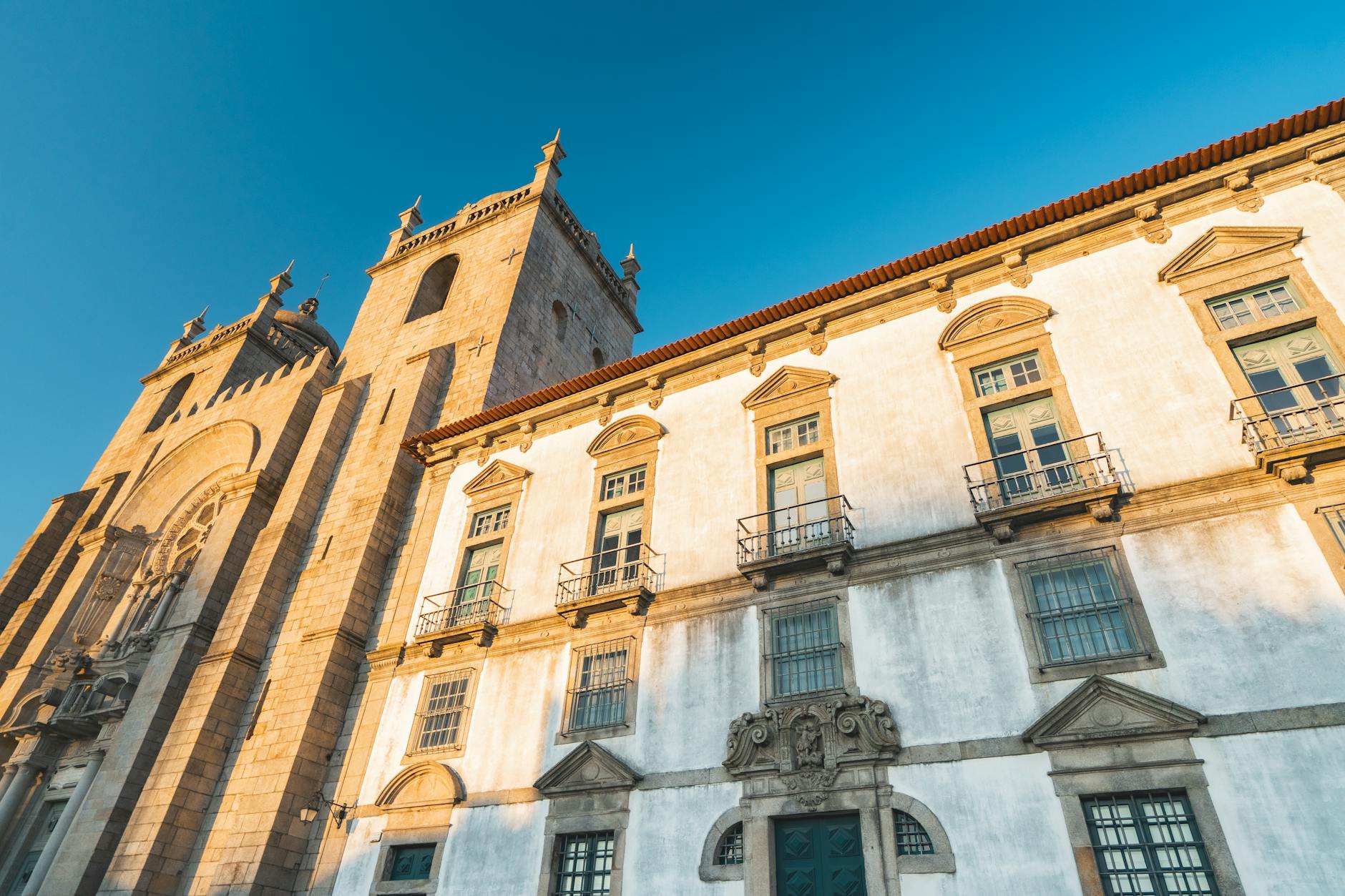
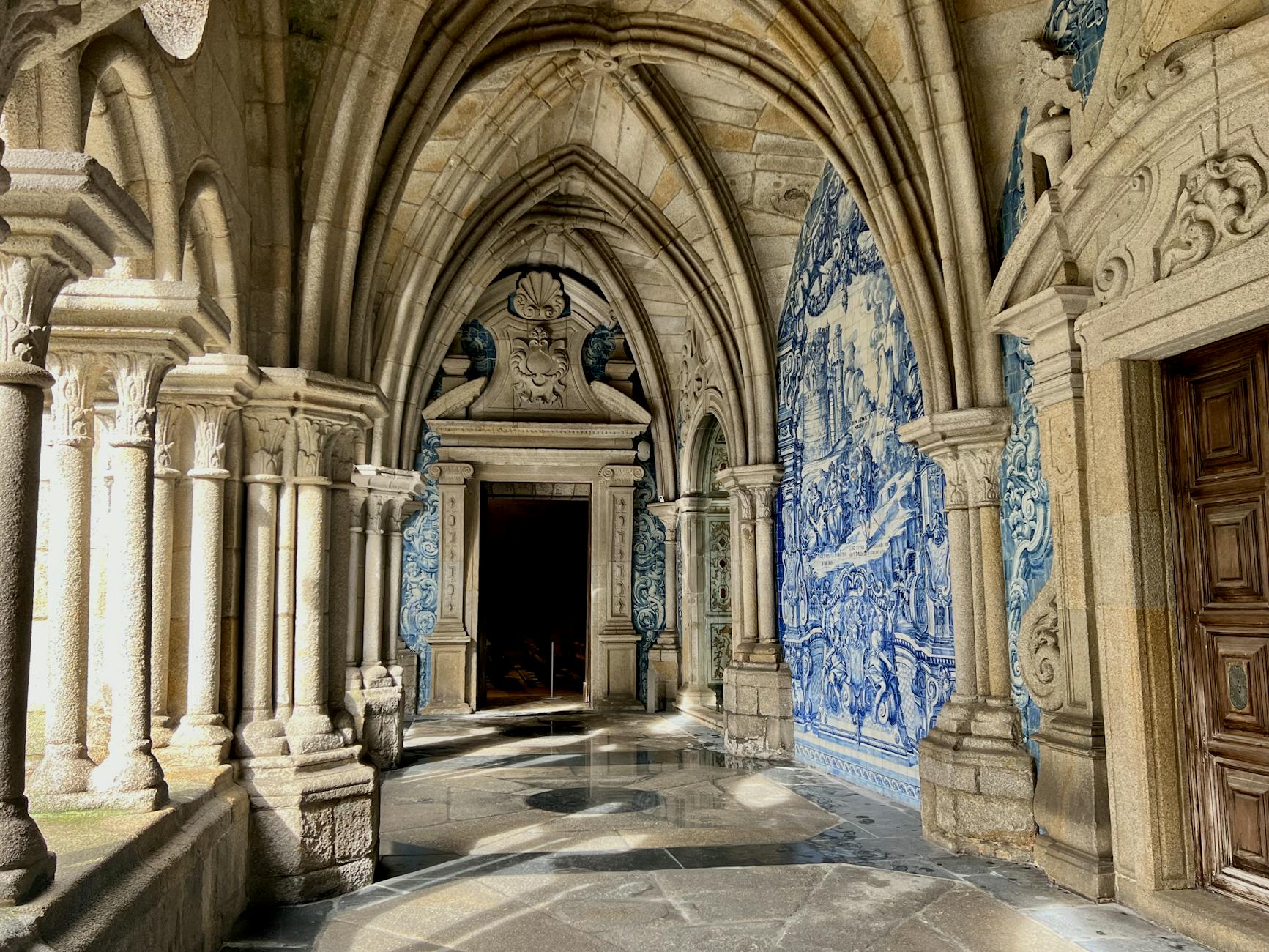
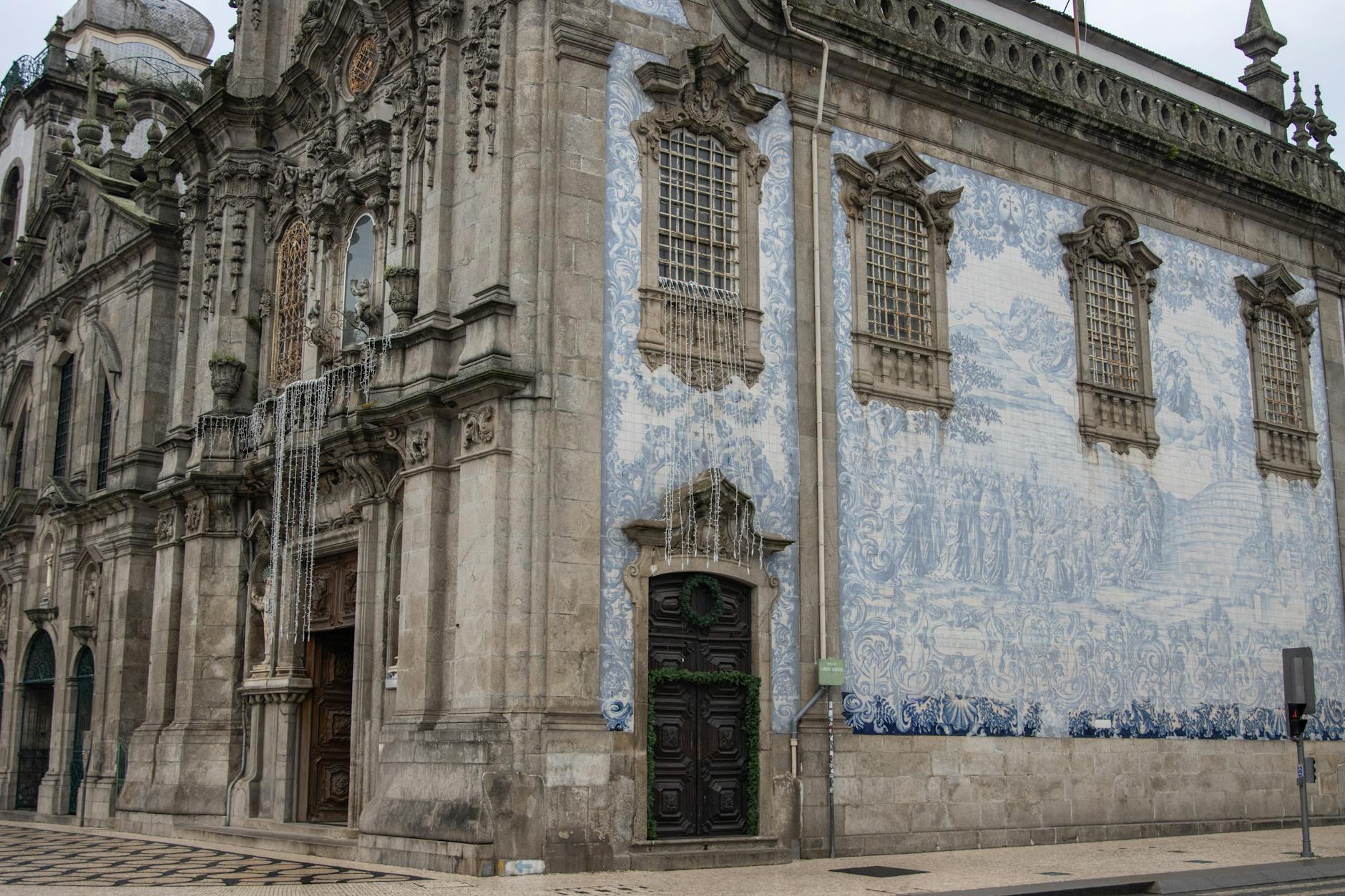
Porto rewards slower attention. Igreja do Carmo, Porto Cathedral, Sao Bento, Clerigos, Santo Ildefonso, Sao Francisco, Gaia, and the riverside can all fit into a sacred travel plan, but not every stop should carry the same weight.
- Decide whether the trip is for worship, pilgrimage, heritage, study, or reflection.
- Protect time for prayer, Mass, silence, or community contact if those are central.
- Avoid turning sacred sites into a rushed photography checklist.
Check worship times and access rules
Church opening hours, Mass schedules, confession times, ticketed heritage areas, private services, restoration work, and holiday calendars can change the practical value of a short Porto visit. A traveler should verify what is open, what is active worship, and what requires paid entry or timed access before arranging the day.
The distinction matters. A church that is easy to admire from outside may not be available for the religious purpose of the trip. A service may also limit photography, movement, or sightseeing behavior, which should be treated as a feature of the visit rather than an inconvenience.
- Verify opening hours, Mass times, confession availability, holidays, and ticketed heritage areas.
- Separate active worship plans from architectural or historical visits.
- Plan alternatives if a church is closed, under restoration, or reserved for services.
Respect sacred space and local practice
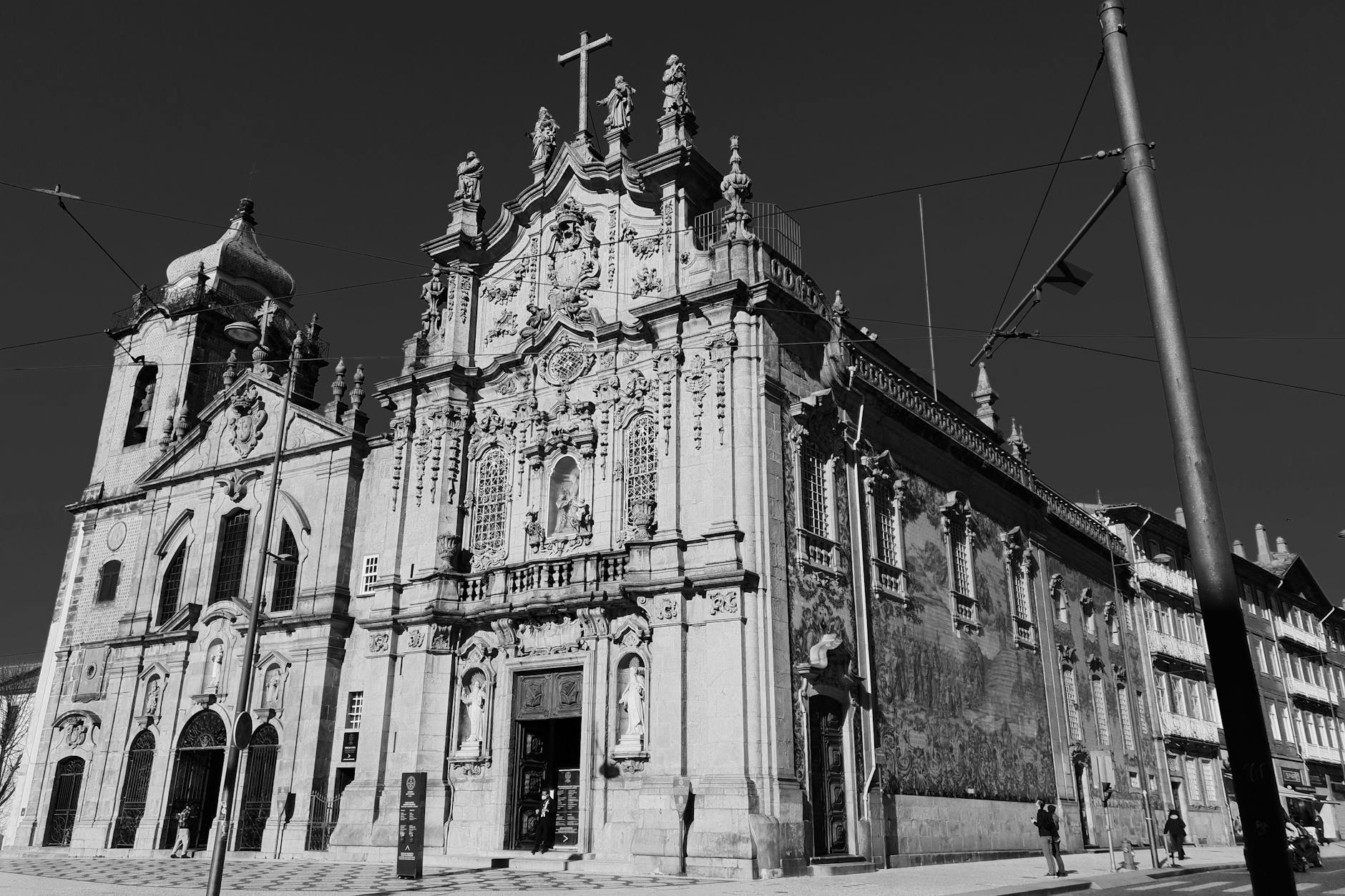
Porto's churches are not only cultural assets. They are places where people pray, mourn, marry, worship, clean, work, and keep local rhythms. A visitor should dress appropriately, lower their voice, follow posted rules, avoid blocking aisles or altars, and treat parish activity with care.
Photography requires judgment. A beautiful frame is not automatically appropriate if people are praying, clergy are preparing a service, or the setting asks for silence. The traveler should decide before arrival how they will handle cameras, phones, livestreaming, and social posting.
- Dress and behave for active sacred spaces, not only for tourist buildings.
- Follow local rules around voice, movement, seating, photos, and service areas.
- Avoid making worshippers or clergy part of the travel content without consent.
Plan the walking route realistically
Porto is compact on a map but demanding on foot. Hills, uneven stone, steps, crowds, rain, and repeated climbs can make a church sequence harder than expected. A traveler combining Porto Cathedral, Clerigos, Carmo, Sao Bento, Ribeira, Gaia, and river viewpoints should plan effort as carefully as content.
Religious travel can lose its purpose when the body is exhausted. The route should include meals, water, shade, toilets, tram or taxi options, and time to sit quietly rather than only time to arrive.
- Account for hills, cobblestones, steps, rain, crowds, and repeated climbs.
- Group churches and heritage stops by terrain, not only by importance.
- Build in meals, rest, water, toilets, transit, and quiet pauses.
Connect Porto to the wider pilgrimage map
For some travelers, Porto is part of a wider Camino Portugues or Iberian faith route. That changes luggage, footwear, rest, timing, credential planning, onward transport, and expectations. A traveler beginning, ending, or pausing a pilgrimage in Porto should decide whether the city is a logistical stop, a spiritual threshold, or a recovery period.
The city can support that transition if the schedule is honest. A pilgrim arriving tired may need laundry, foot care, simple meals, pharmacy access, and a quiet room more than another long heritage walk.
- Decide whether Porto is a start, pause, finish, or side visit within a wider pilgrimage.
- Plan credentials, luggage, footwear, laundry, pharmacy access, and onward transport.
- Let recovery needs shape the city plan if the traveler is coming from the road.
Choose lodging for quiet and access
The best hotel for a religious or pilgrimage traveler is not always the one closest to the most famous view. A useful base should support early services, quiet sleep, reliable transport, manageable hills, laundry or simple packing, and access to the churches or neighborhoods that matter most.
Ribeira can be atmospheric but busy. Baixa and Cedofeita may support central access. Gaia may help if river and port heritage matter. Foz may be useful for a quieter Atlantic reset. The lodging choice should serve the spiritual and practical rhythm of the trip.
- Evaluate quiet, early access, hills, transit, laundry, sleep, and proximity to priority churches.
- Do not choose a base only because it photographs well.
- Match the neighborhood to the actual rhythm of worship, reflection, meals, and rest.
When to order a short-term travel report
A religious traveler with one flexible church visit and no special timing may not need a custom Porto report. A report becomes useful when worship schedules, Camino logistics, mobility, quiet lodging, church access, language, photography limits, holidays, or a family faith itinerary could determine whether the trip works.
The report should test purpose, worship times, route effort, neighborhood base, access rules, respectful conduct, meals, rest, transport, mobility, budget, and what to cut. The value is a Porto trip that protects the reason for traveling instead of letting the city become only a series of impressive facades.
- Order when worship, pilgrimage logistics, mobility, church access, quiet lodging, or timing need testing.
- Provide dates, faith priorities, service needs, mobility limits, hotel options, budget, and onward route.
- Use the report to keep religious purpose stronger than sightseeing pressure.