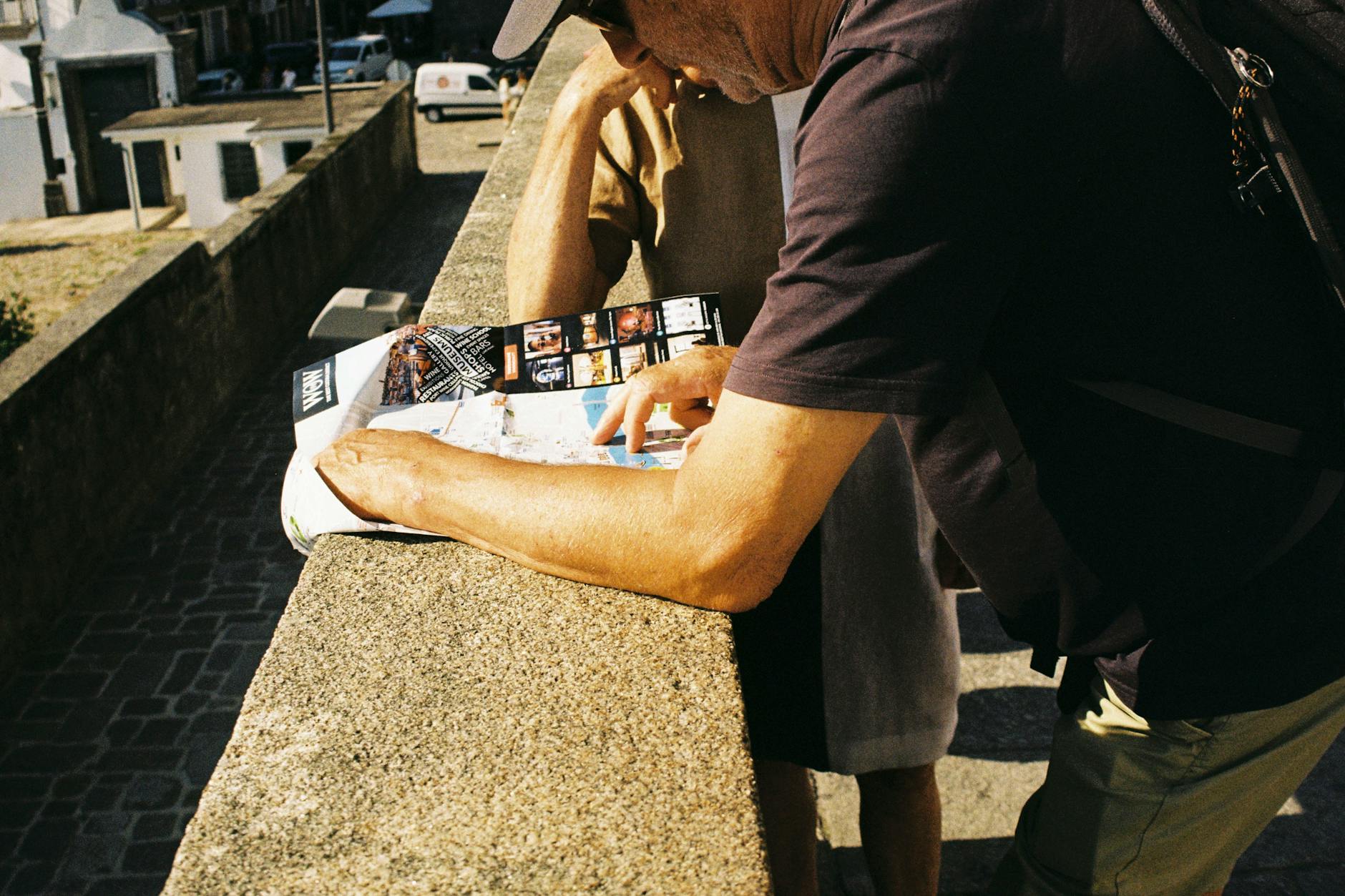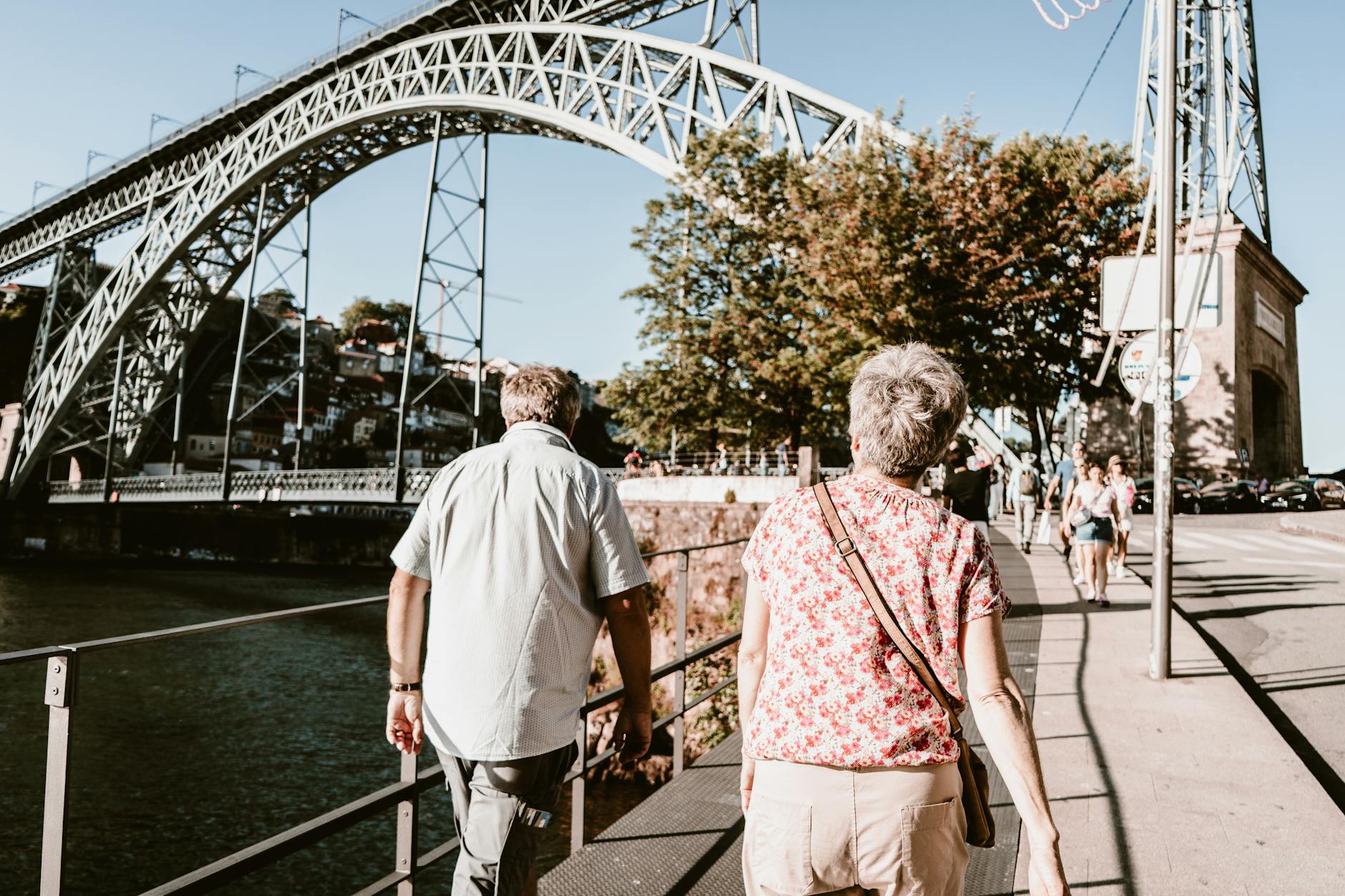
Porto can be highly rewarding for older travelers because it offers river views, cafes, architecture, short cultural visits, scenic neighborhoods, and hospitality without needing a long stay. It can also be physically demanding. Hills, stairs, cobblestones, slick pavement, heat, rain, and river crossings need more attention than a flat city would require. The goal is not to avoid Porto's character. It is to choose lodging, routes, transport, meals, and daily pacing so the traveler can enjoy the city without spending the trip recovering from it.
Choose the hotel for access and rest
An older traveler should choose a Porto hotel by access, not only charm. Elevator reliability, step-free entry, taxi approach, bathroom layout, quiet rooms, air conditioning or heating, breakfast timing, nearby meals, and distance from steep streets all matter. A scenic hotel can become stressful if every outing begins with difficult footing.
The traveler should also consider whether staying slightly less atmospheric but more practical will improve the whole trip. Porto's views are easier to enjoy when the base supports rest.
- Check elevator, step-free entry, taxi access, bathroom layout, climate control, and quiet.
- Choose nearby meals and rest options before prioritizing scenery.
- Avoid lodging that turns every outing into a steep recovery problem.
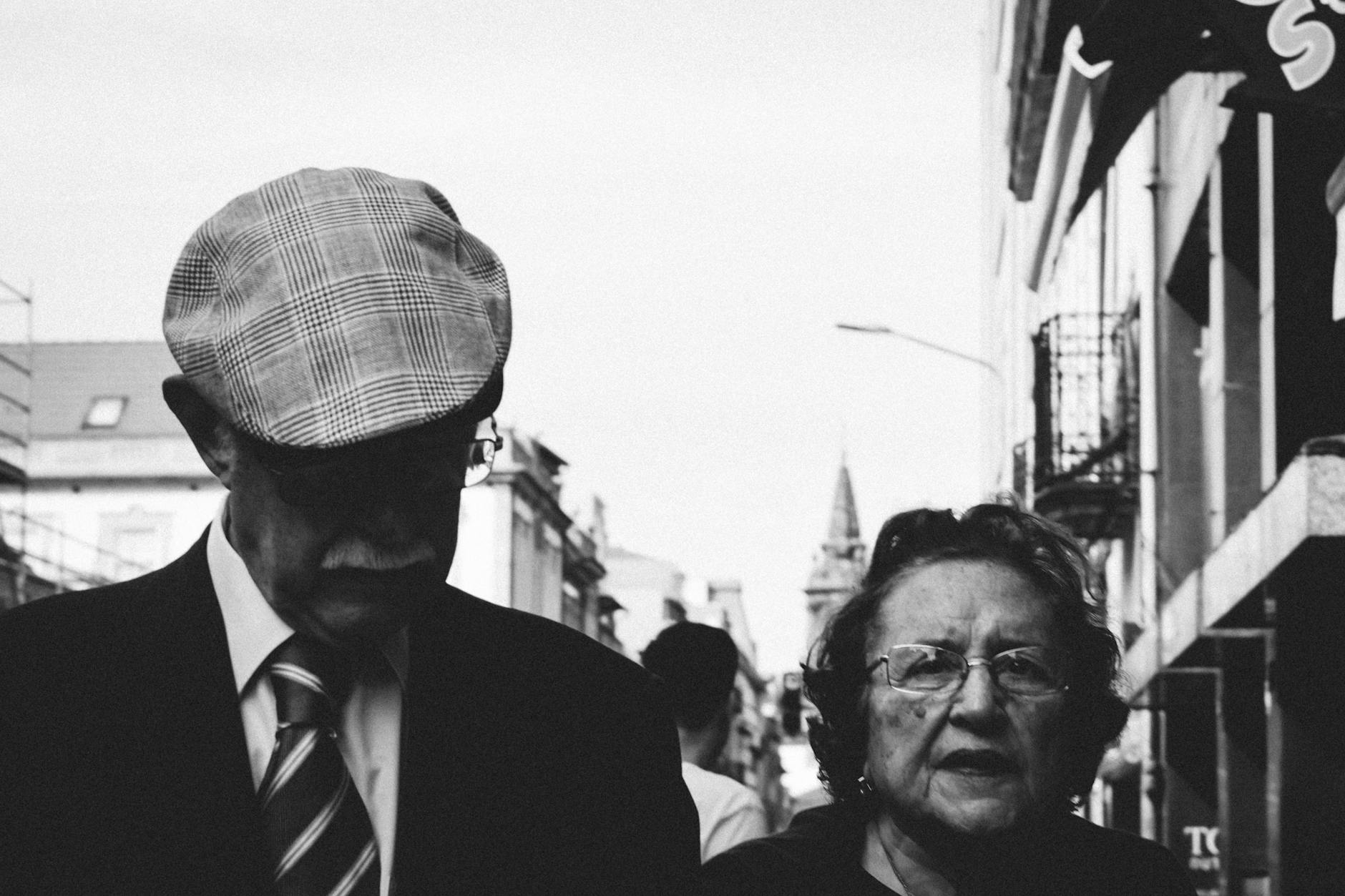
Plan hills, cobblestones, and bridge crossings
Porto's terrain is part of the experience, but it should be managed deliberately. Stairs, steep lanes, cobblestones, narrow sidewalks, slick stone, and bridge crossings can create fatigue or fall risk. The traveler should decide which routes are worth walking and which should be handled by taxi, metro, tram, or another easier link.
Good pacing means planning climbs and descents, not just attractions. A day can be beautiful and still too demanding if the route ignores footing and recovery.
- Account for stairs, steep lanes, cobblestones, slick stone, and narrow sidewalks.
- Use taxis or transit for difficult climbs, late returns, or bad weather.
- Plan routes by effort level, not only by attractions.
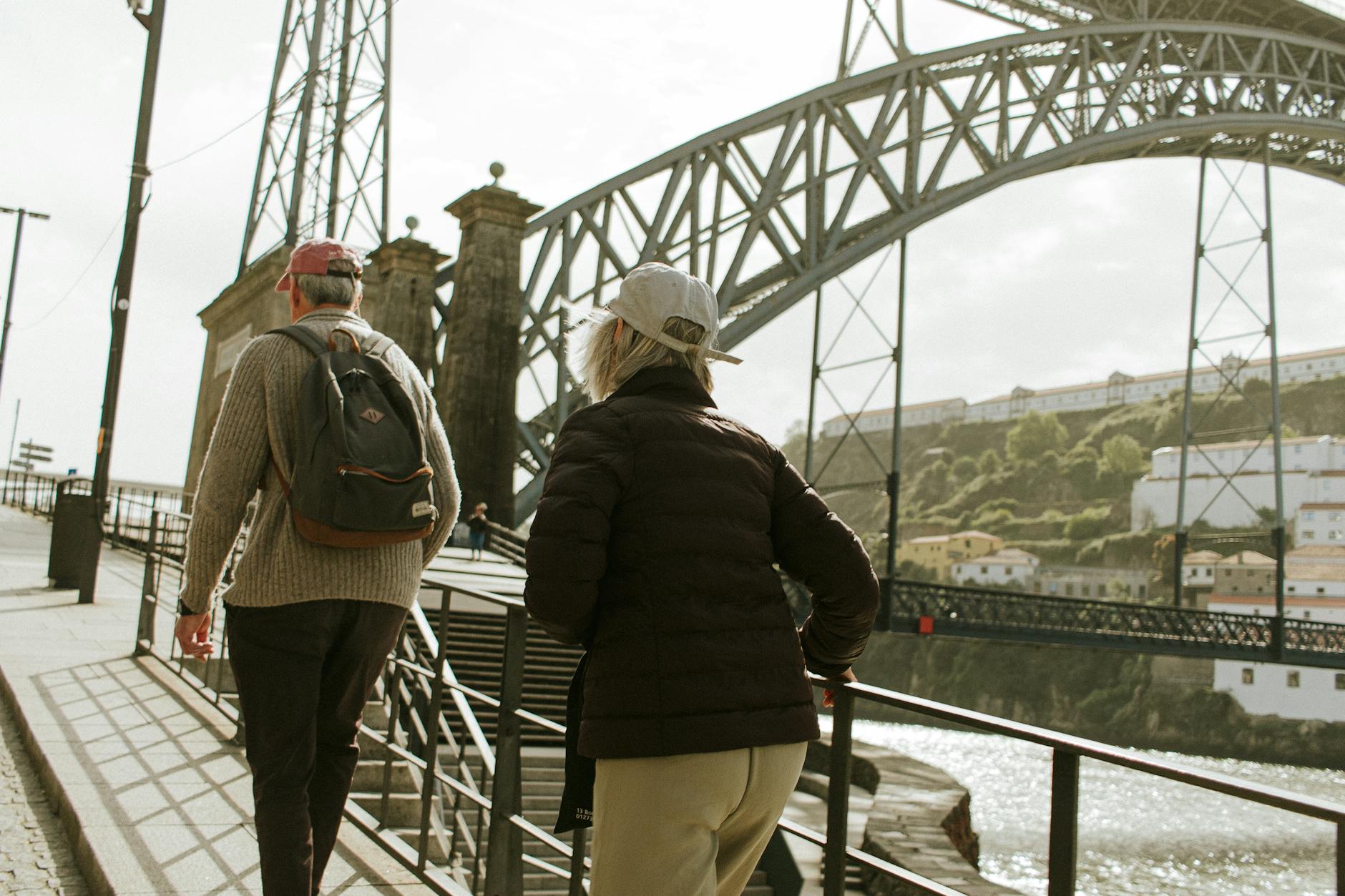
Pace the day around meals and rest stops
Older travelers often benefit from a rhythm of one main morning activity, a proper meal or cafe rest, and a lighter afternoon or evening. Porto rewards slow observation, so the trip does not need to be packed with constant movement. A river view, station interior, church, cafe, or short viewpoint can be enough when placed well.
The traveler should identify benches, cafes, accessible toilets, hotel return points, and taxi pickup areas before fatigue arrives. Rest should be part of the itinerary rather than an emergency correction.
- Use one main activity, a real rest, and a lighter second half of the day.
- Identify cafes, toilets, benches, taxi points, and hotel returns in advance.
- Let slower observation replace checklist sightseeing when needed.
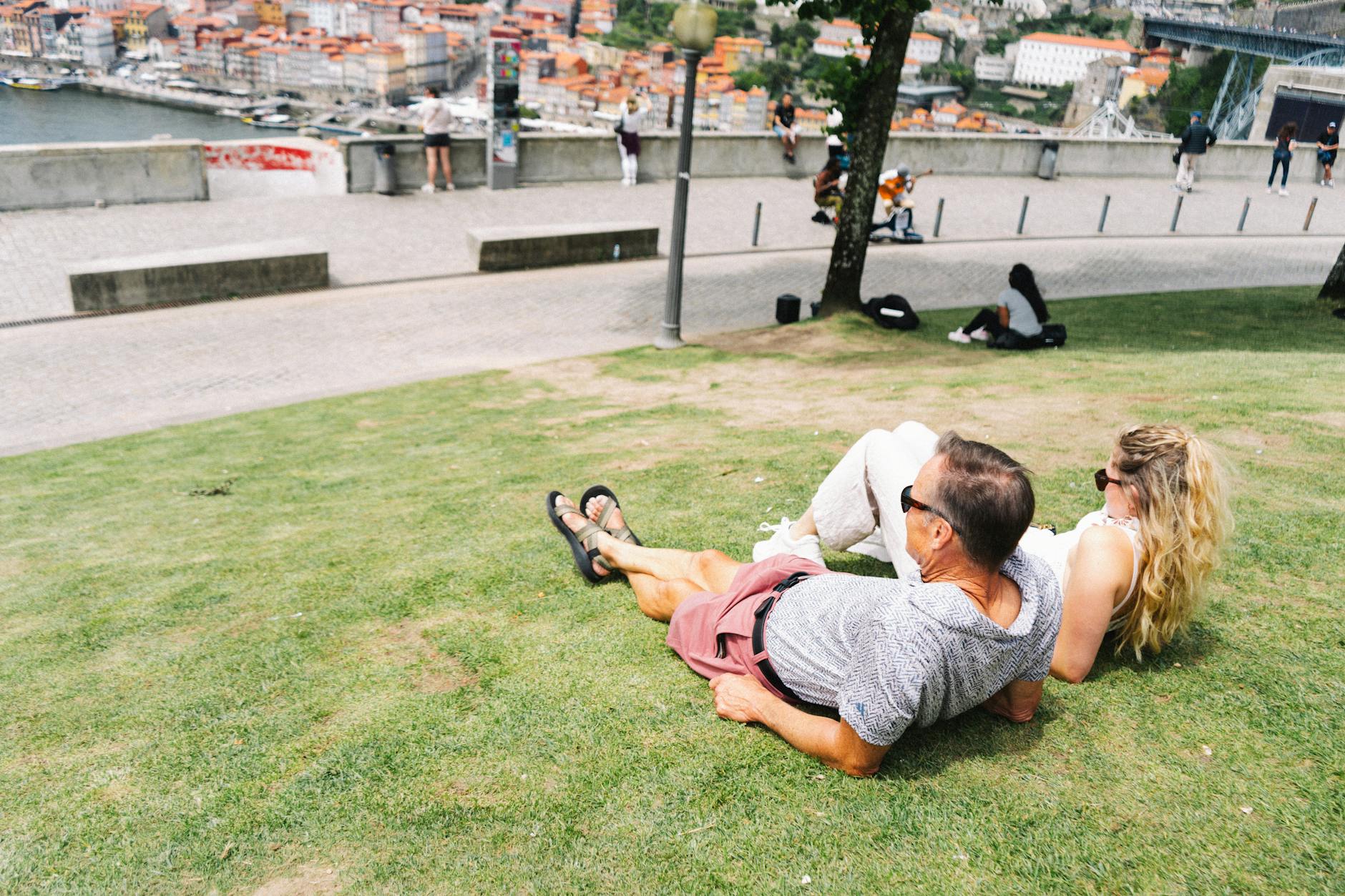
Protect medication, hydration, and heat planning
Medication and health routines should be built into the Porto plan. Prescriptions, backup doses, timing across flights, hydration, sun exposure, meal timing, blood sugar needs, and alcohol limits can all affect comfort. Heat, rain, and long walks can make ordinary health management more important.
The traveler should carry essentials during the day rather than leaving them at the hotel. A short route can still become longer because of weather, queues, traffic, or a missed turn.
- Plan prescriptions, backup doses, meal timing, hydration, sun exposure, and alcohol limits.
- Carry medication, water, snacks, and key health information during outings.
- Adjust the itinerary for heat, rain, fatigue, or delayed meals.
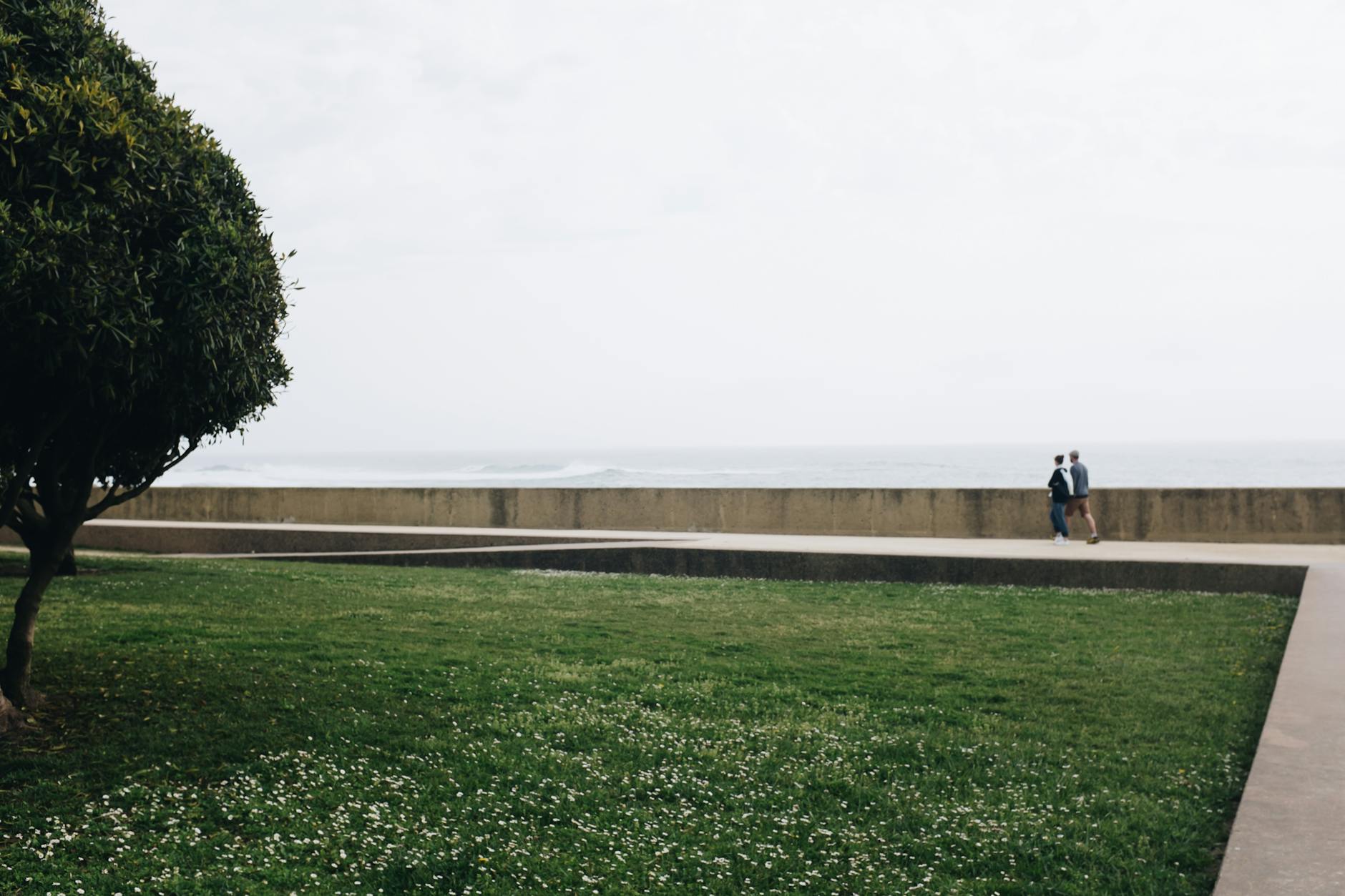
Choose food and wine experiences carefully
Porto's food and wine can be a highlight for older travelers, but the plan should respect timing, digestion, medication, alcohol tolerance, and transport back to the hotel. Wine lodge visits, riverfront meals, seafood trips, and traditional restaurants should be placed where they do not create a difficult walk afterward.
Reservations can reduce standing and waiting, especially in busy areas. The traveler should know when to choose a memorable meal and when to keep dinner close, simple, and early.
- Plan food and wine around medication, alcohol tolerance, digestion, and return transport.
- Use reservations to reduce standing, waiting, and late uncertainty.
- Keep some meals close and simple to preserve energy.
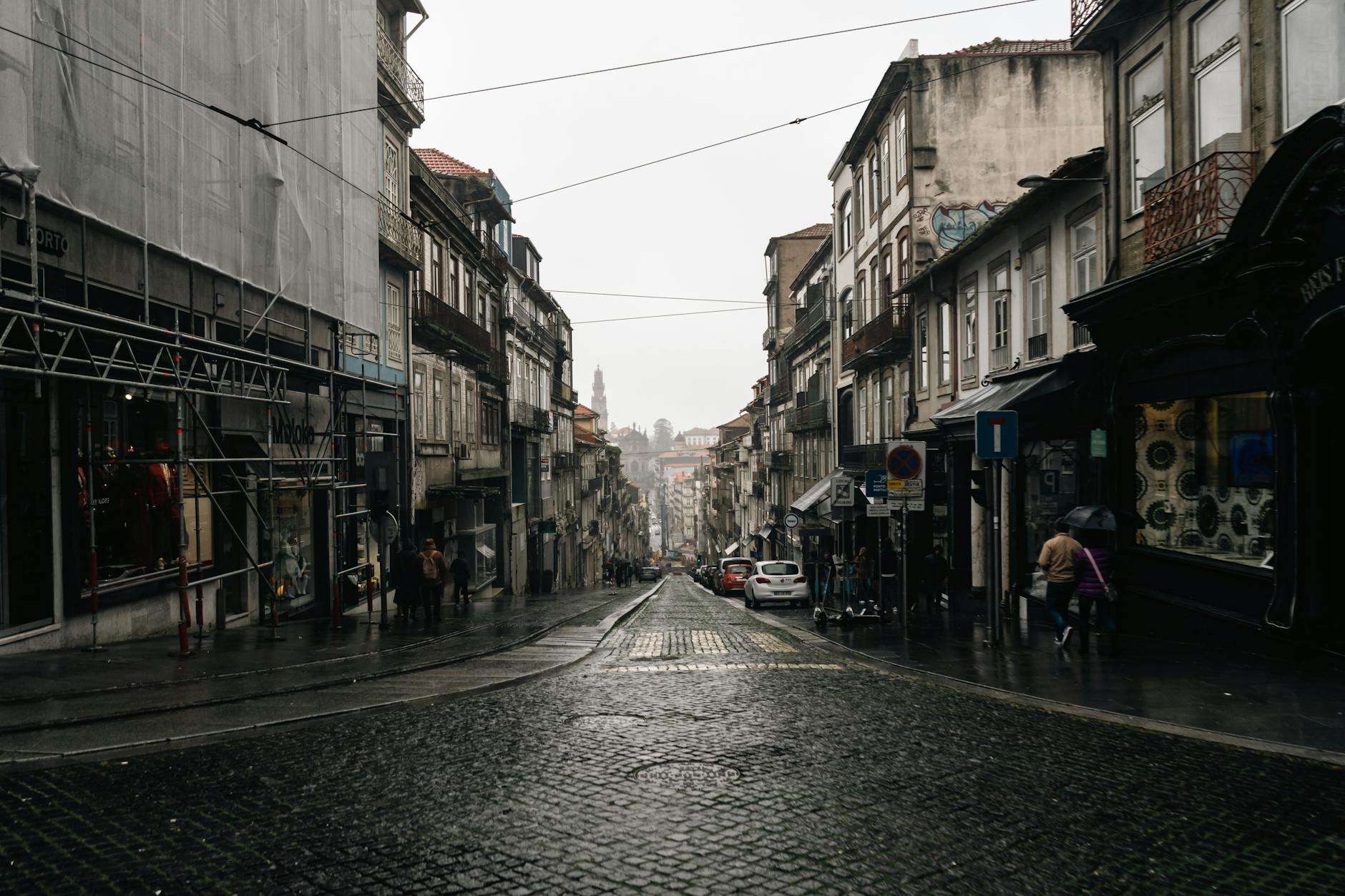
Have a medical and transport fallback
An older traveler should know the practical fallback plan before it is needed. That includes travel insurance details, medication list, hotel address, local emergency number, nearest pharmacy, clinic or hospital options, taxi method, and a way to contact companions. The plan does not need to dominate the trip, but it should exist.
Transport fallback matters too. A traveler who can walk comfortably in the morning may need a taxi later because of rain, heat, pain, or fatigue. Payment methods and pickup points should be easy to use.
- Keep insurance, medication list, hotel address, emergency number, and pharmacy options accessible.
- Know how to call a taxi and where pickup is practical.
- Treat fallback planning as comfort, not pessimism.
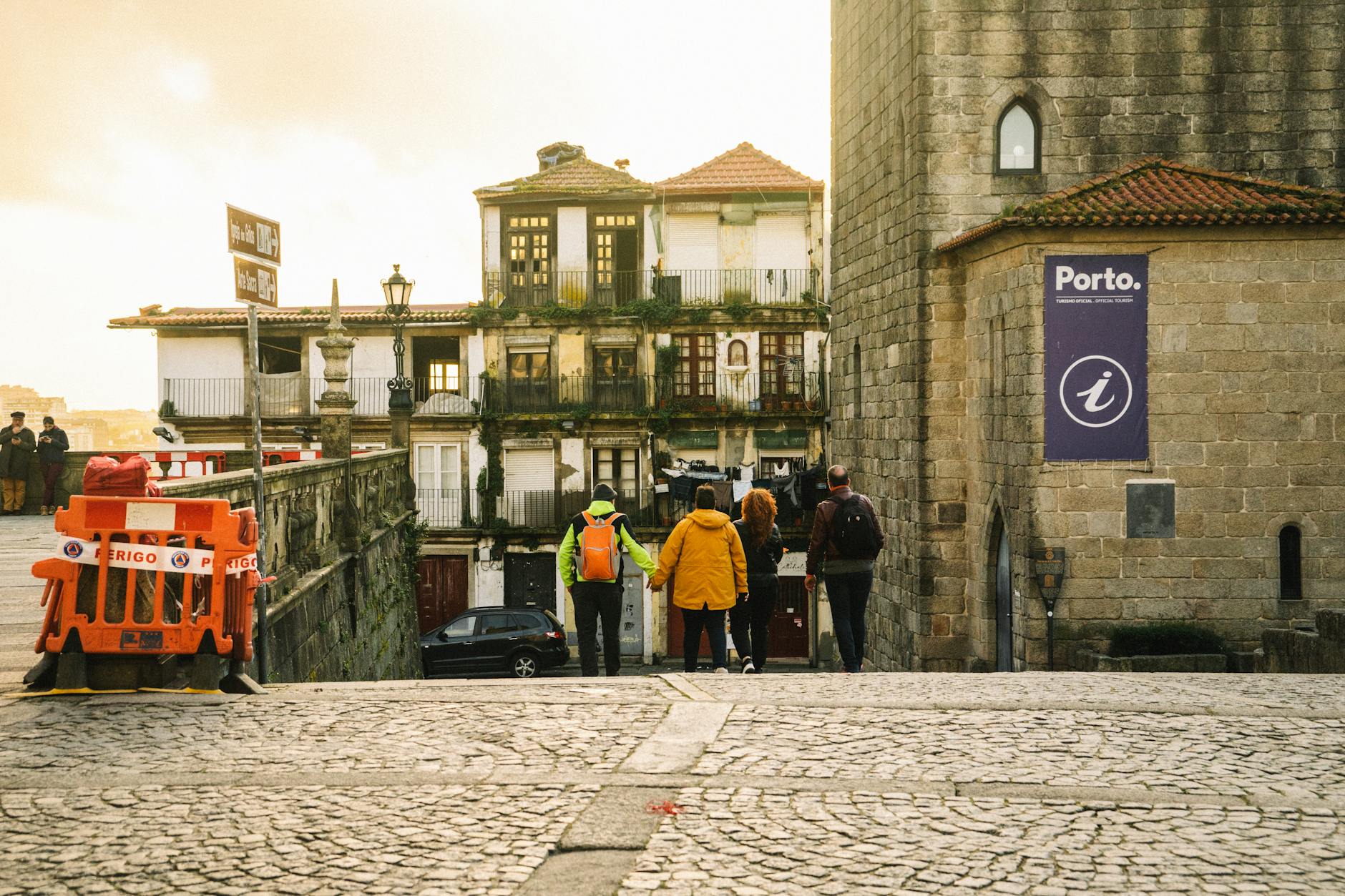
When to order a short-term travel report
An older traveler who knows Porto, walks comfortably on hills, and has a simple hotel choice may not need a custom report. A report becomes useful when mobility, medication, heat, rain, hotel access, wine plans, river crossings, meal timing, or medical fallback need to be tested before the trip.
The report should test lodging access, walking routes, transport, daily pacing, rest stops, meals, medication timing, weather, medical fallback, budget, and what to cut. The value is a Porto trip that stays rich, realistic, and physically respectful.
- Order when terrain, hotel access, pacing, medication, meals, or fallback care need testing.
- Provide dates, hotel options, walking tolerance, health constraints, budget, and priorities.
- Use the report to enjoy Porto without letting the city overtax the traveler.