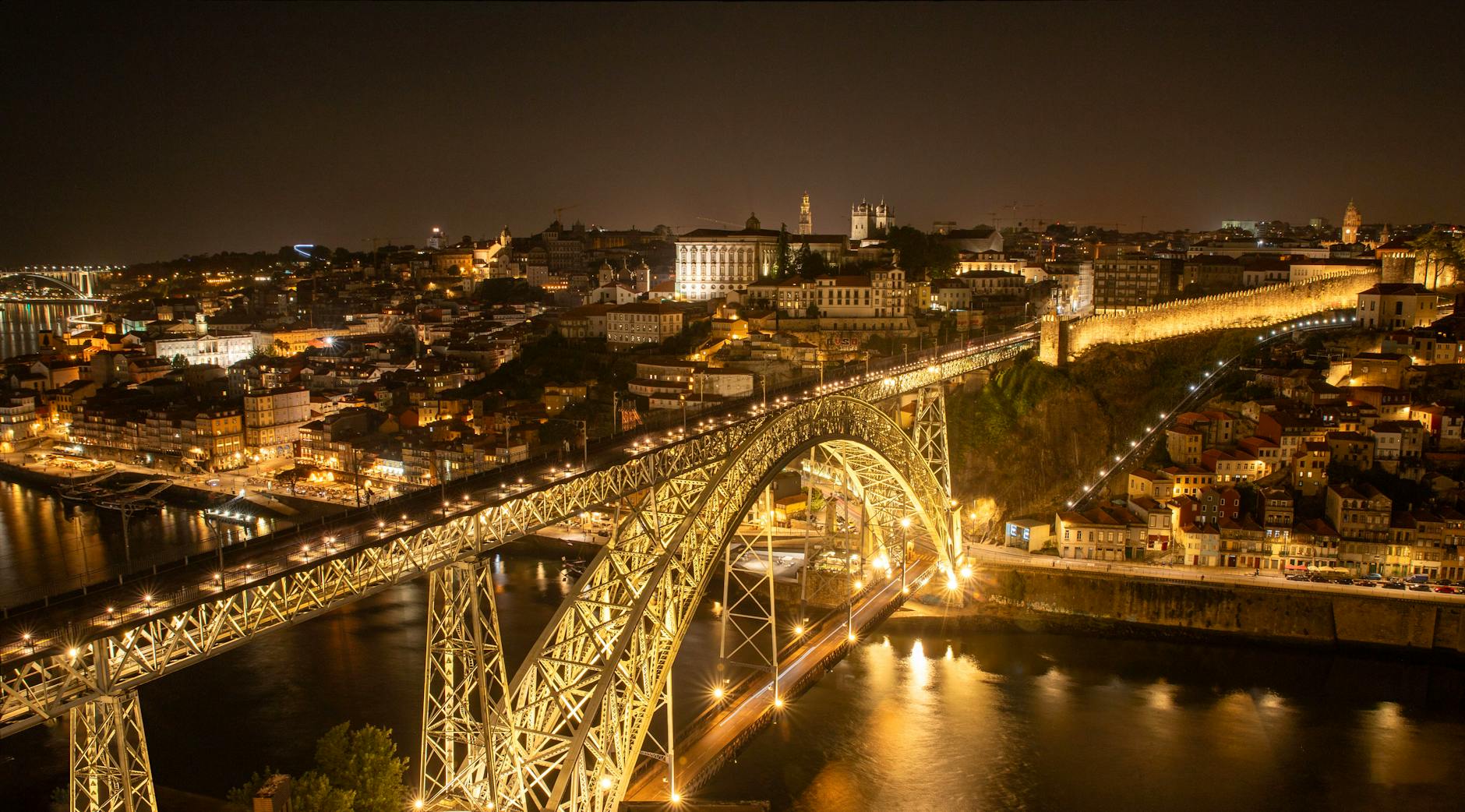
Porto can be rewarding for a nightlife-focused traveler because the city combines wine culture, riverside views, late dinners, small bars, student energy, live music, relaxed evenings, and dramatic night scenery around the Douro. It is not only a daytime heritage city. A good Porto nightlife trip still needs structure. The traveler should think about neighborhood choice, transport home, hotel noise, alcohol, group safety, meal timing, next-day recovery, and whether the trip is about social energy, wine, music, dating, photography, or simply staying out late in a beautiful city.
Define the kind of night out
A nightlife-focused Porto trip can mean several different things: wine bars, port tastings, late dinners, student bars, live music, riverside drinks, rooftop views, clubbing, photography, or a slower evening crawl through atmospheric streets. The traveler should decide what kind of nightlife matters before choosing a base.
That choice affects everything else. A wine-centered trip may point toward Gaia and careful pacing. A bar-heavy trip may favor central Baixa and Cedofeita. A scenic evening trip may need river timing more than late closing hours.
- Separate wine, food, bars, clubs, live music, dating, and night photography goals.
- Choose neighborhoods and hotel base around the actual evening pattern.
- Avoid assuming all nightlife plans require the same schedule or risk profile.
Choose the right evening geography
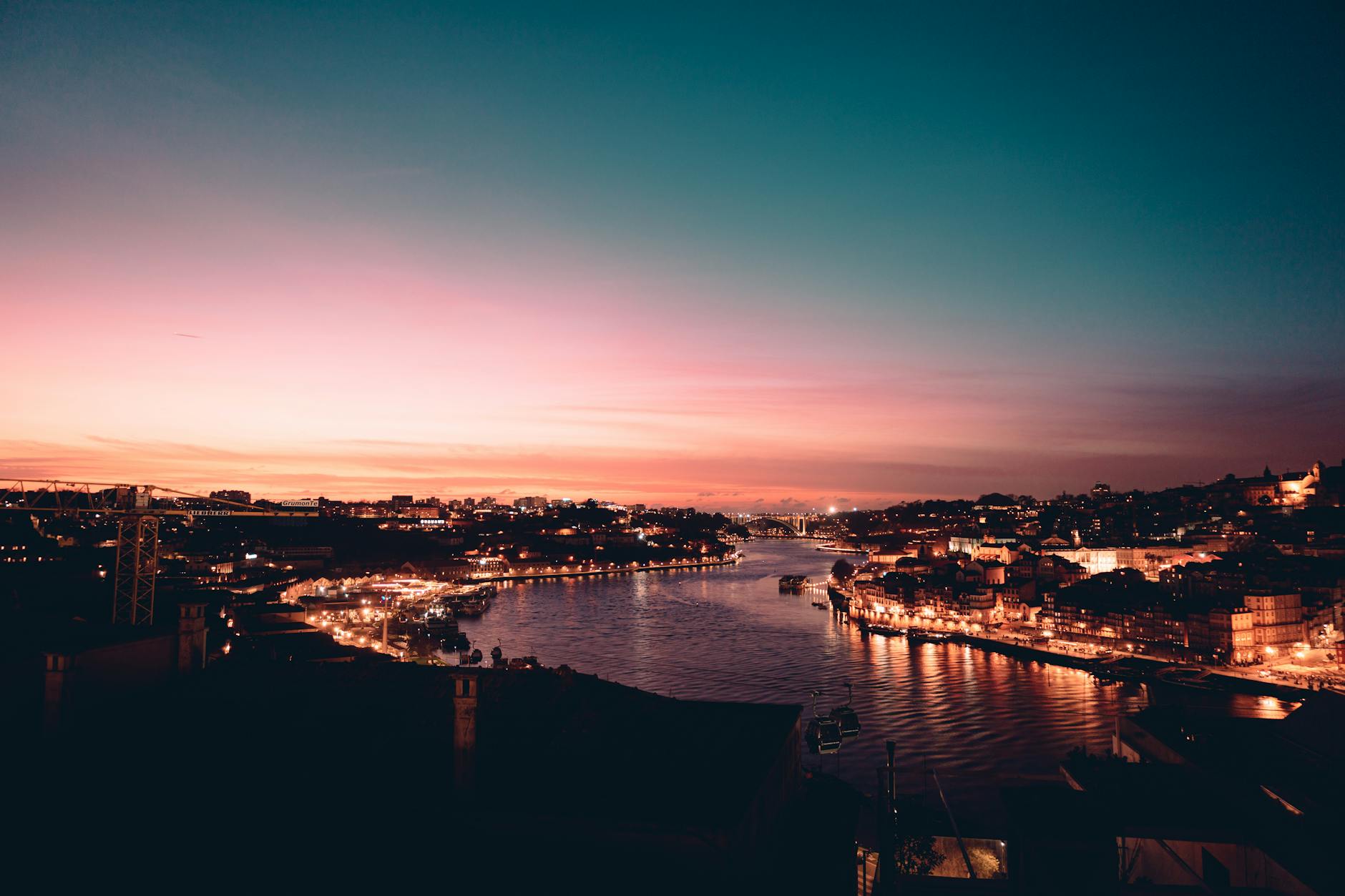
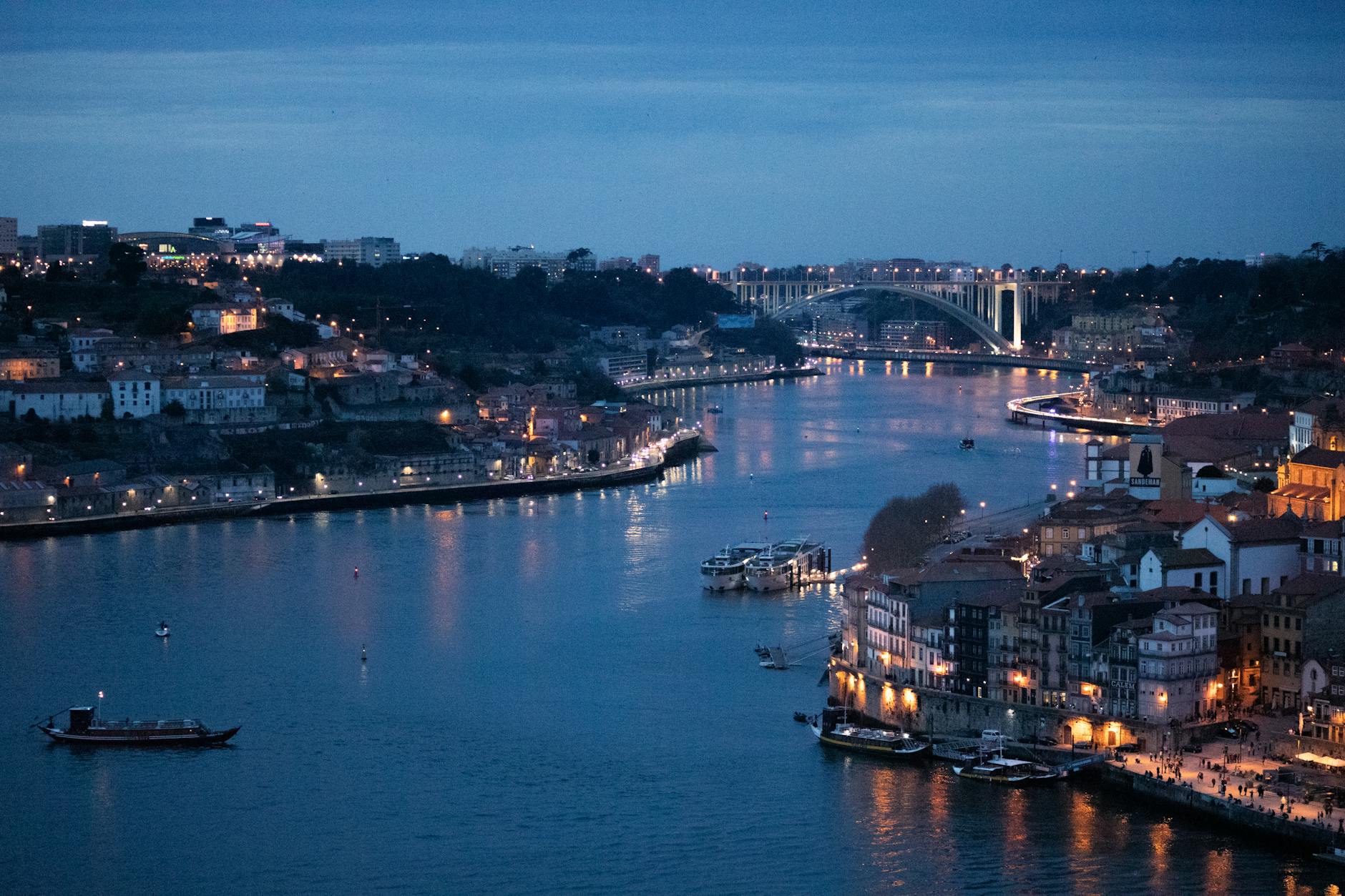
Porto's evening geography matters because hills, river crossings, crowds, and late transport can change how a night feels. Baixa, Cedofeita, Galerias de Paris, Ribeira, Gaia, Bonfim, and Foz can support different kinds of evenings. A traveler should avoid planning a night that bounces across the city without a return strategy.
The best plan usually clusters the night. Dinner, drinks, music, and hotel return should be close enough that the traveler is not negotiating steep streets, tired feet, and uncertain rides after every stop.
- Cluster evening plans by Baixa, Cedofeita, Ribeira, Gaia, Bonfim, Foz, or another clear zone.
- Account for hills, river crossings, late transport, and tired walking.
- Plan the route home before the first drink, not at the end of the night.
Balance wine culture with alcohol boundaries
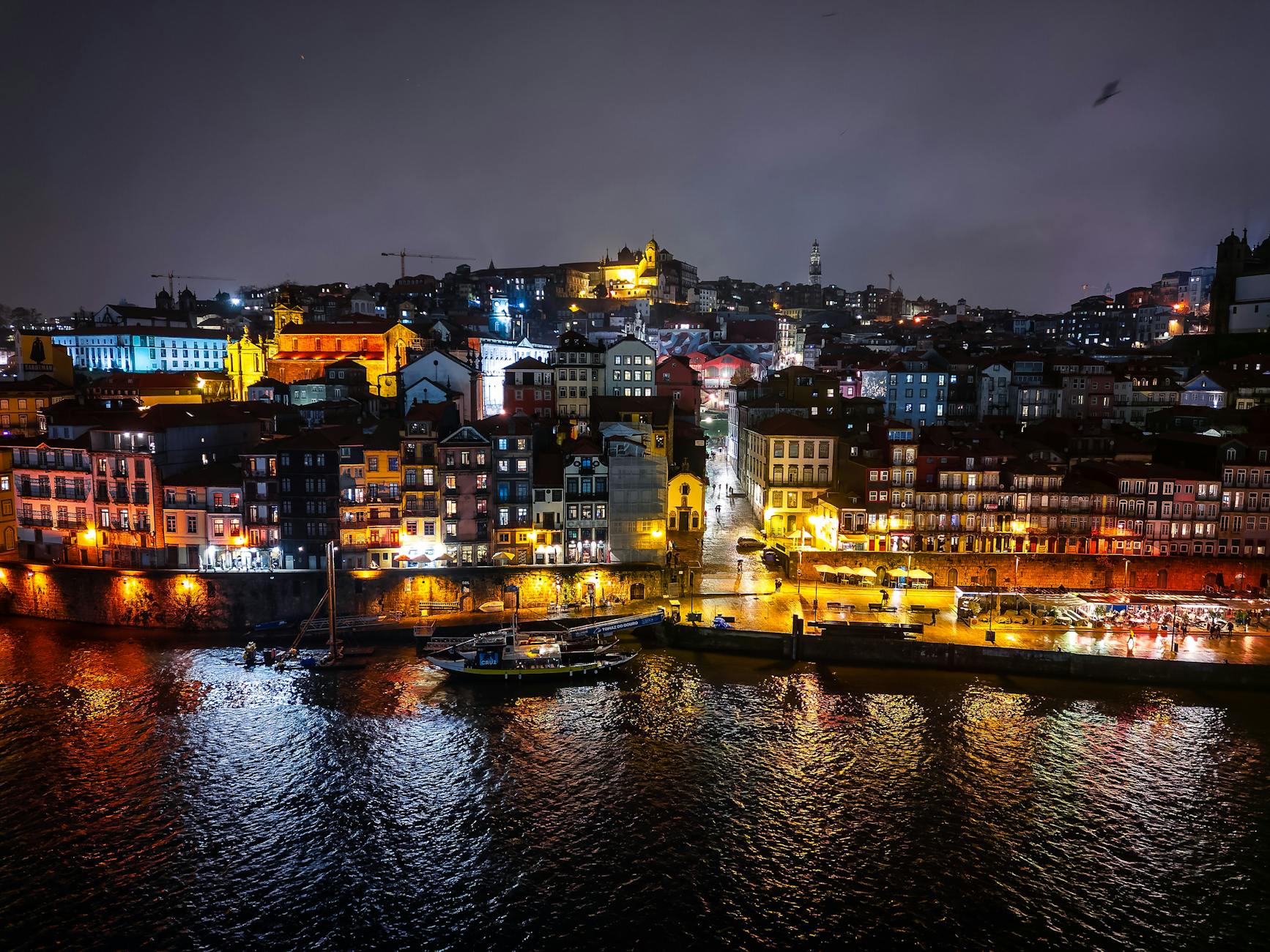
Porto's wine and port culture is a major draw, but it needs pacing. Tastings, late meals, river drinks, and bar stops can add up quickly, especially when hills, heat, jet lag, and unfamiliar streets are involved. The traveler should set alcohol boundaries before the evening begins.
This is not about removing pleasure from the trip. It is about keeping the night enjoyable, safe, and coherent. A traveler who wants to remember the food, music, views, and company should plan water, meals, limits, and a return route.
- Set limits for port tastings, wine bars, cocktails, and late-night rounds.
- Protect meals, water, pacing, and safe return plans.
- Do not let alcohol erase the purpose of the trip or the next day's schedule.
Pick lodging for sleep, not only access
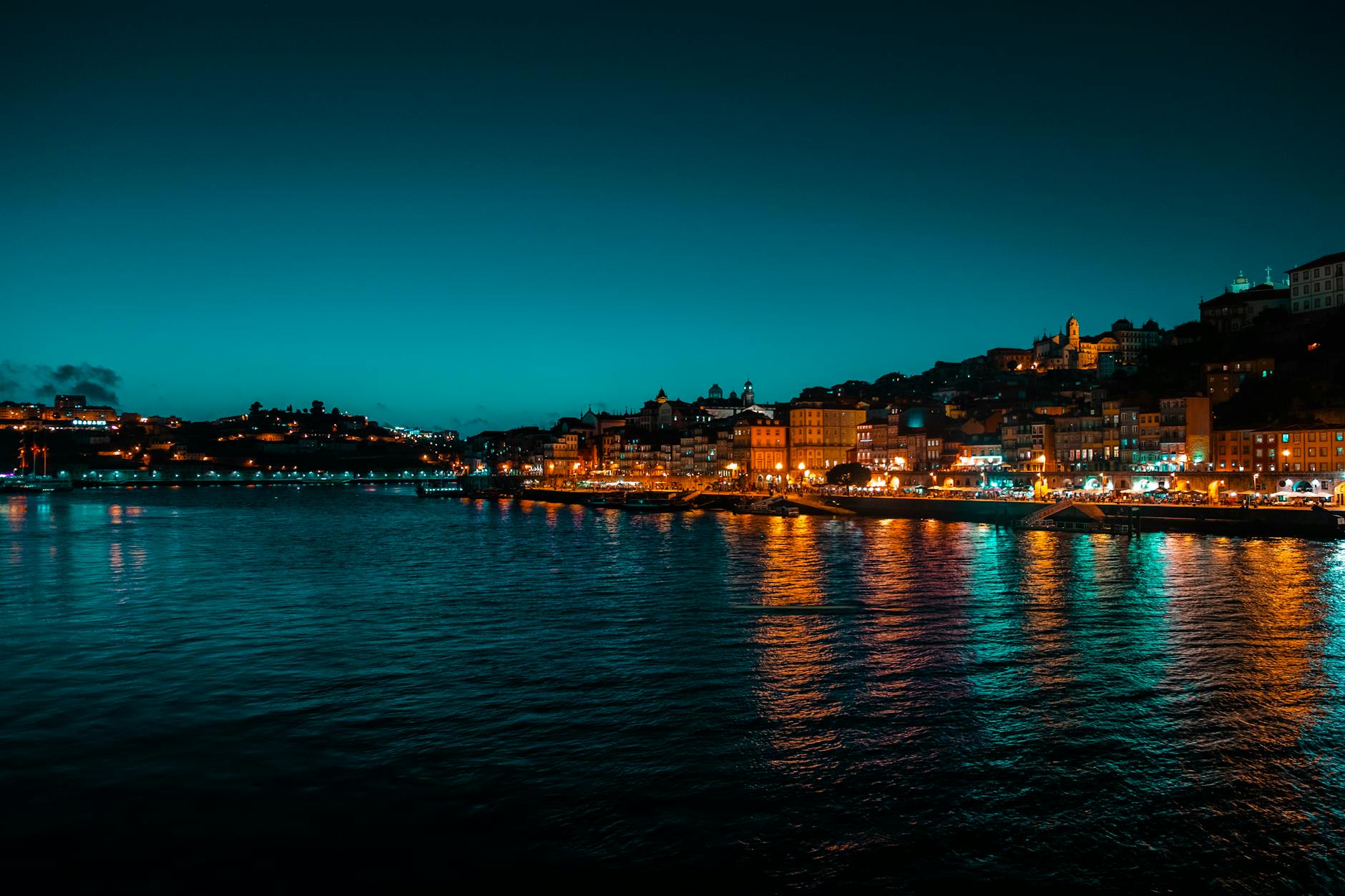
A nightlife traveler may want to stay near the action, but the hotel still has to support sleep. Street noise, bars below the room, weekend crowds, elevator access, late check-in, reception hours, taxi pickup points, and the walk back from nightlife areas should all be checked.
There is a tradeoff. Staying too far away can make the night awkward. Staying directly above the busiest zone can ruin recovery. The best base is often close enough for easy returns but buffered enough for real sleep.
- Check street noise, bar proximity, reception hours, taxi access, elevators, and weekend crowds.
- Choose a base close enough for evenings but quiet enough for recovery.
- Read lodging reviews for noise patterns, not only decor or location score.
Plan live music and late meals
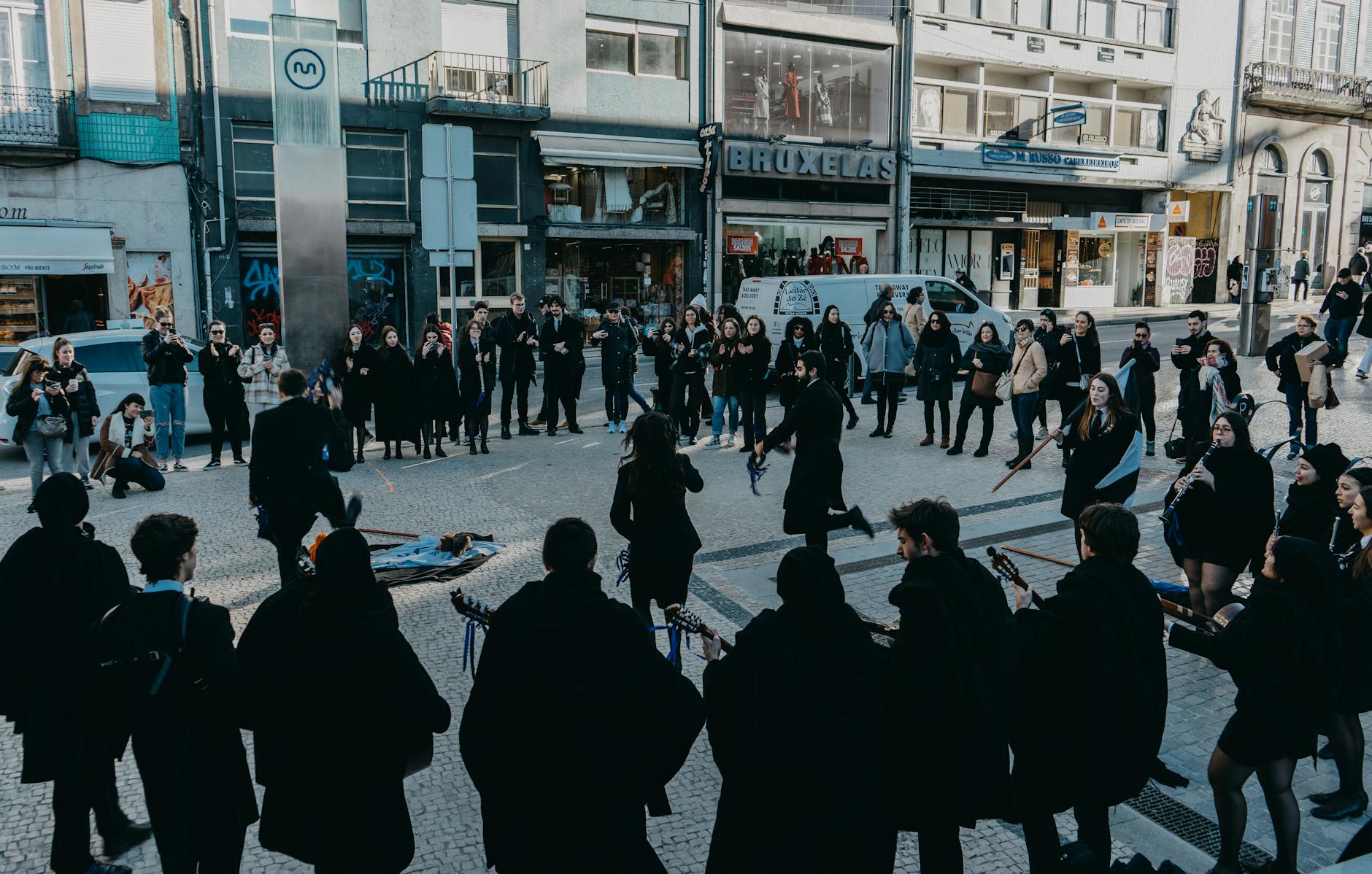
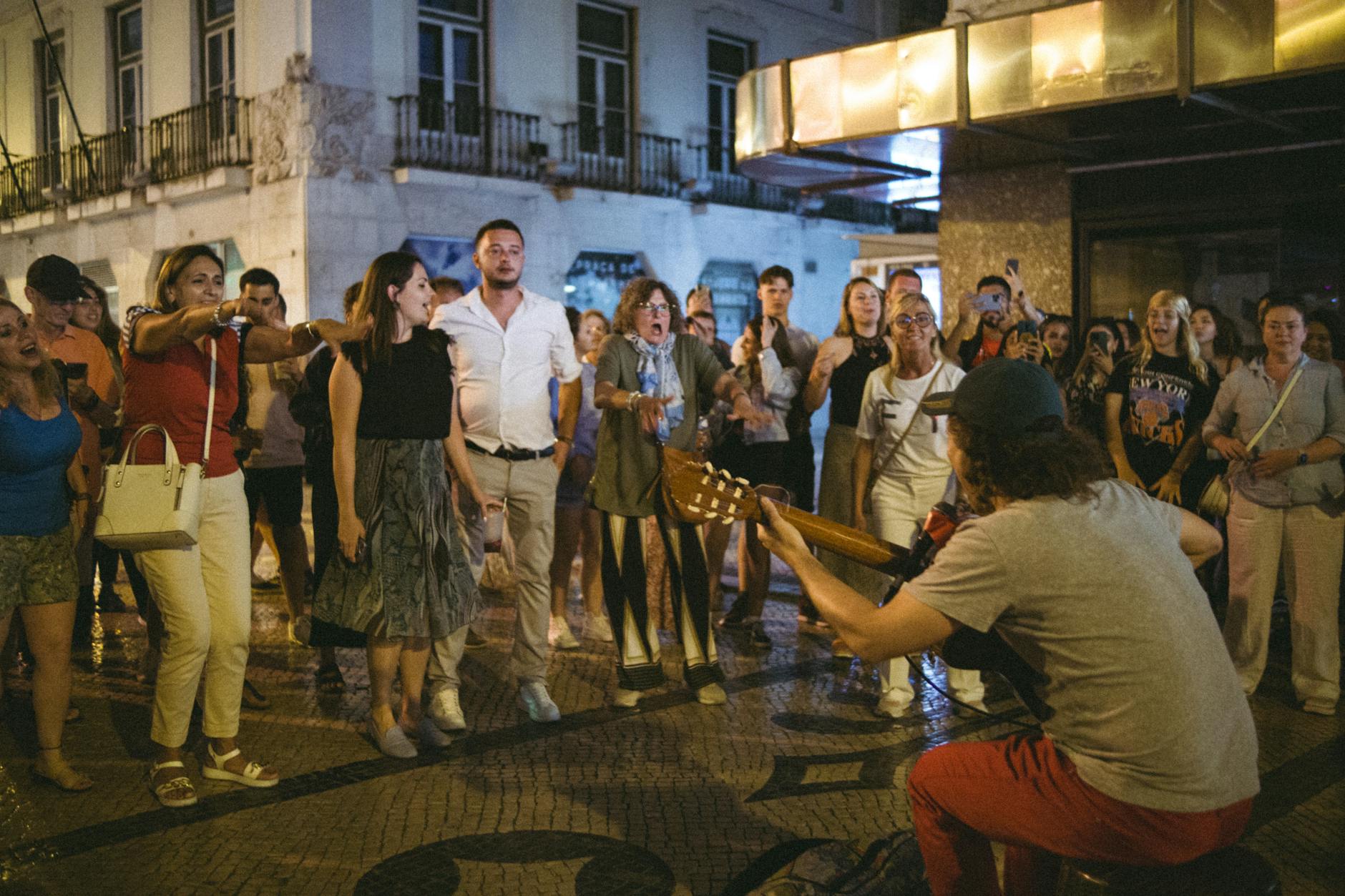
Live music, street performance, small venues, fado-adjacent experiences, DJs, and late dinners require timing. The traveler should check whether reservations, tickets, dress expectations, cover charges, minimum spends, or seasonal schedules apply. Walking in casually can work, but it is not a strategy for a short trip built around evenings.
Meal timing matters too. A traveler who eats too early may be hungry later; a traveler who waits too long may drink on an empty stomach. The night should have a food plan, not only a bar plan.
- Check reservations, tickets, schedules, cover charges, dress expectations, and seasonal hours.
- Build dinner and late snack plans into the evening route.
- Avoid making alcohol the only structure of the night.
Protect safety and next-day usefulness
A nightlife-focused traveler should make practical decisions before judgment gets weaker: how to get home, what to carry, how to manage phones and wallets, whether to split from a group, and what to do if someone becomes uncomfortable. Porto is generally manageable, but unfamiliar nighttime streets still require attention.
The next day also needs protection. If the trip includes restaurants, tours, work, trains, flights, or paid tastings, a heavy night can damage the rest of the itinerary. Recovery is part of the plan, not a moral footnote.
- Plan rides, wallets, phones, group check-ins, and exit options before going out.
- Keep enough next-day capacity for tours, transport, work, meals, and paid bookings.
- Treat recovery time as a scheduling requirement for nightlife travel.
When to order a short-term travel report
A traveler planning one casual dinner and a drink may not need a custom Porto report. A report becomes useful when nightlife is the core of the trip and the traveler needs to choose neighborhoods, hotel tradeoffs, late transport, reservations, budget, safety boundaries, wine pacing, or recovery strategy.
The report should test evening geography, hotel noise, dinner timing, wine and bar sequence, music options, transport, group safety, next-day commitments, budget, and what to cut. The value is a Porto nightlife plan that keeps the evenings memorable without letting them damage the rest of the trip.
- Order when nightlife, hotel location, transport, safety, reservations, budget, or recovery need testing.
- Provide dates, traveler count, nightlife style, hotel options, alcohol preferences, budget, and next-day commitments.
- Use the report to make the nights intentional rather than improvised under pressure.