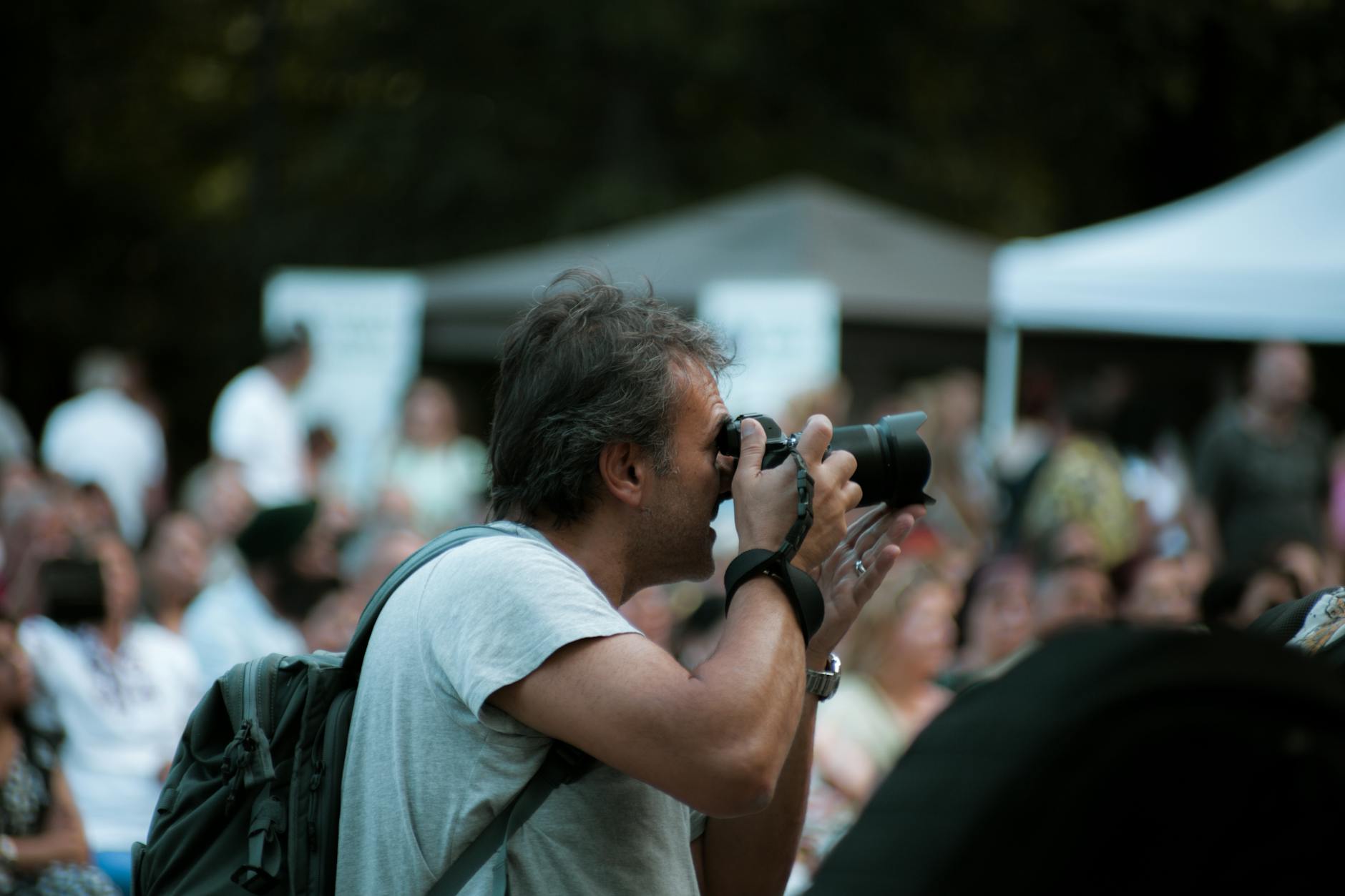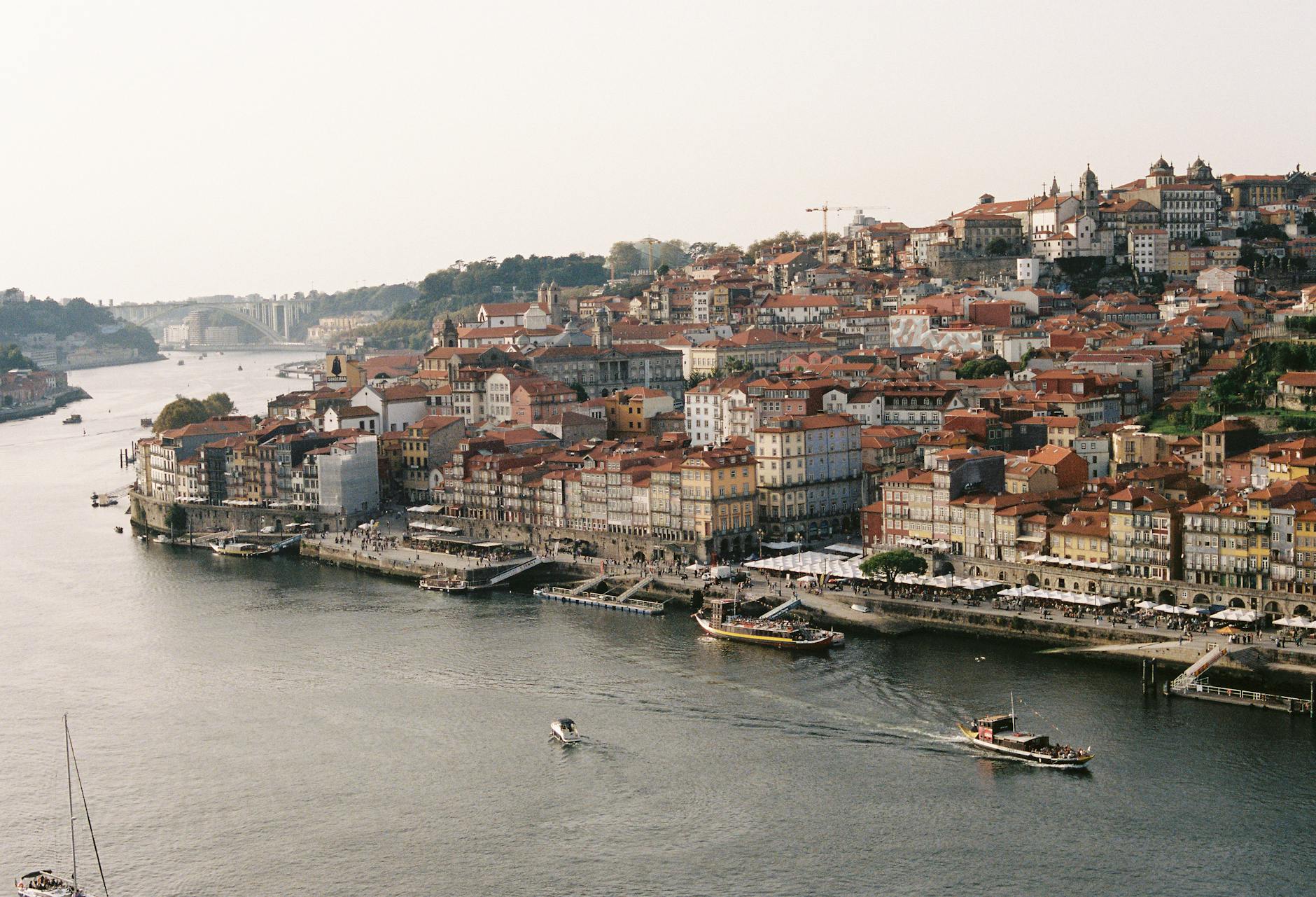
Porto is visually rich, historically layered, and easy to romanticize, which makes it both attractive and risky for a journalist. A short reporting trip can cover tourism, housing, culture, food, urban change, business, sport, climate, transport, migration, education, or local politics. The story should determine the route, not the postcard view. The right Porto plan starts with the reporting question. Source access, neighborhoods, timing, equipment, translation, data security, photography rules, deadlines, and fallback interviews should be planned before the journalist loses time to scenic but low-value wandering.
Define the story before chasing scenes
A journalist should arrive with a clear story question, not just a list of photogenic places. Porto can support many angles: tourism pressure, short-term rentals, wine, ports and logistics, culture, aging neighborhoods, student life, climate, food, design, or urban regeneration. Each story needs different sources and locations.
The traveler should identify what would prove or disprove the story. Without that discipline, the trip can produce vivid color but weak reporting.
- Define the reporting question, angle, audience, and evidence needed.
- Map locations and sources to the story rather than to scenic popularity.
- Avoid substituting atmosphere for reporting substance.
Build source access before arrival
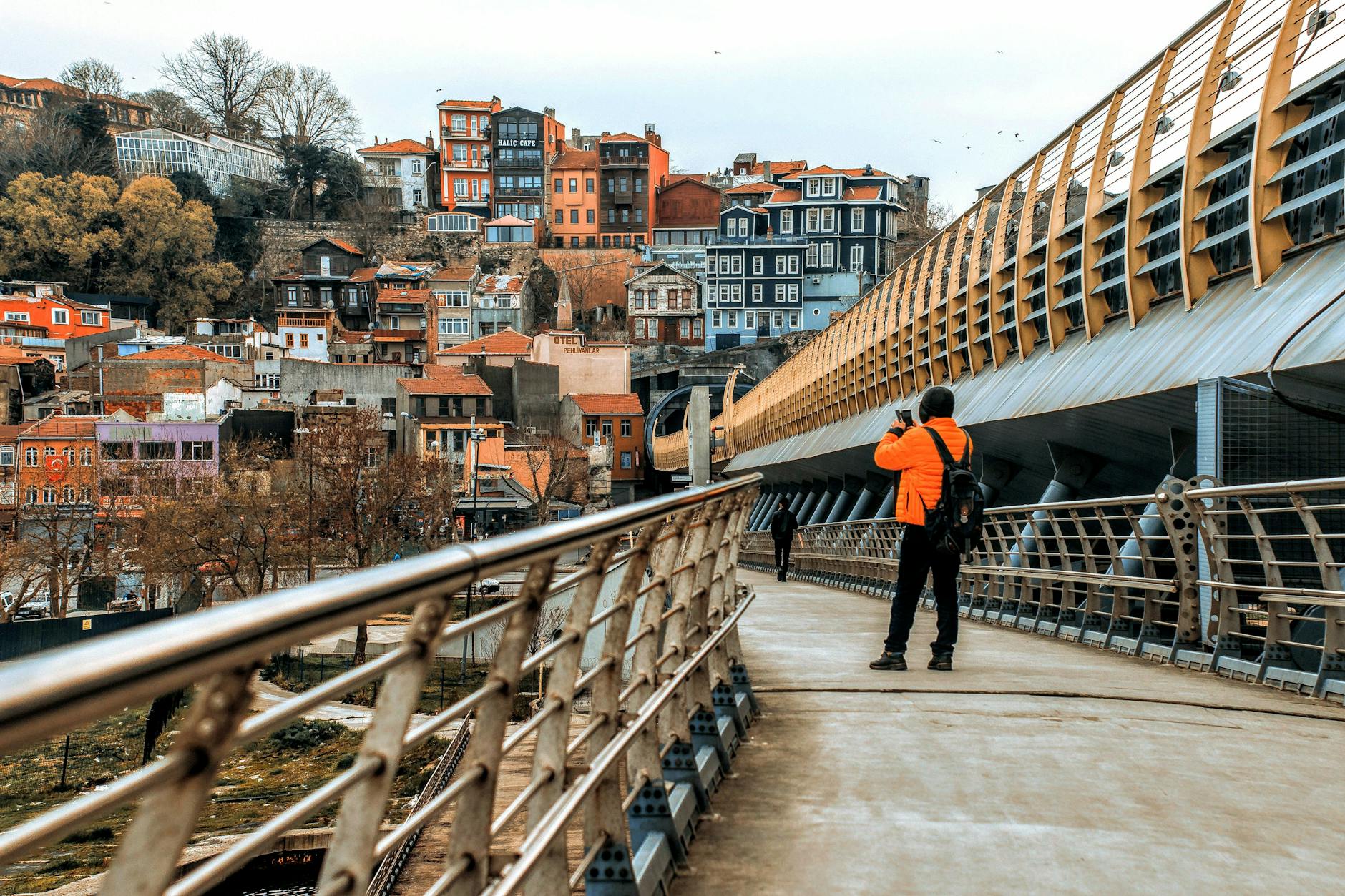
Short reporting trips need confirmed access. The journalist should identify official sources, local experts, residents, business owners, community organizations, academics, artists, hospitality workers, or public agencies relevant to the story. Outreach should begin before departure, especially if translation or institutional approval is needed.
The plan should include backup sources and alternate locations. A missed interview, closed office, or unavailable spokesperson can consume a large share of a short Porto trip.
- Line up officials, experts, residents, businesses, organizations, academics, or cultural sources before arrival.
- Confirm language needs, permissions, meeting locations, and backup interviews.
- Do not rely on finding the right source by walking around after arrival.
Choose neighborhoods for reporting value
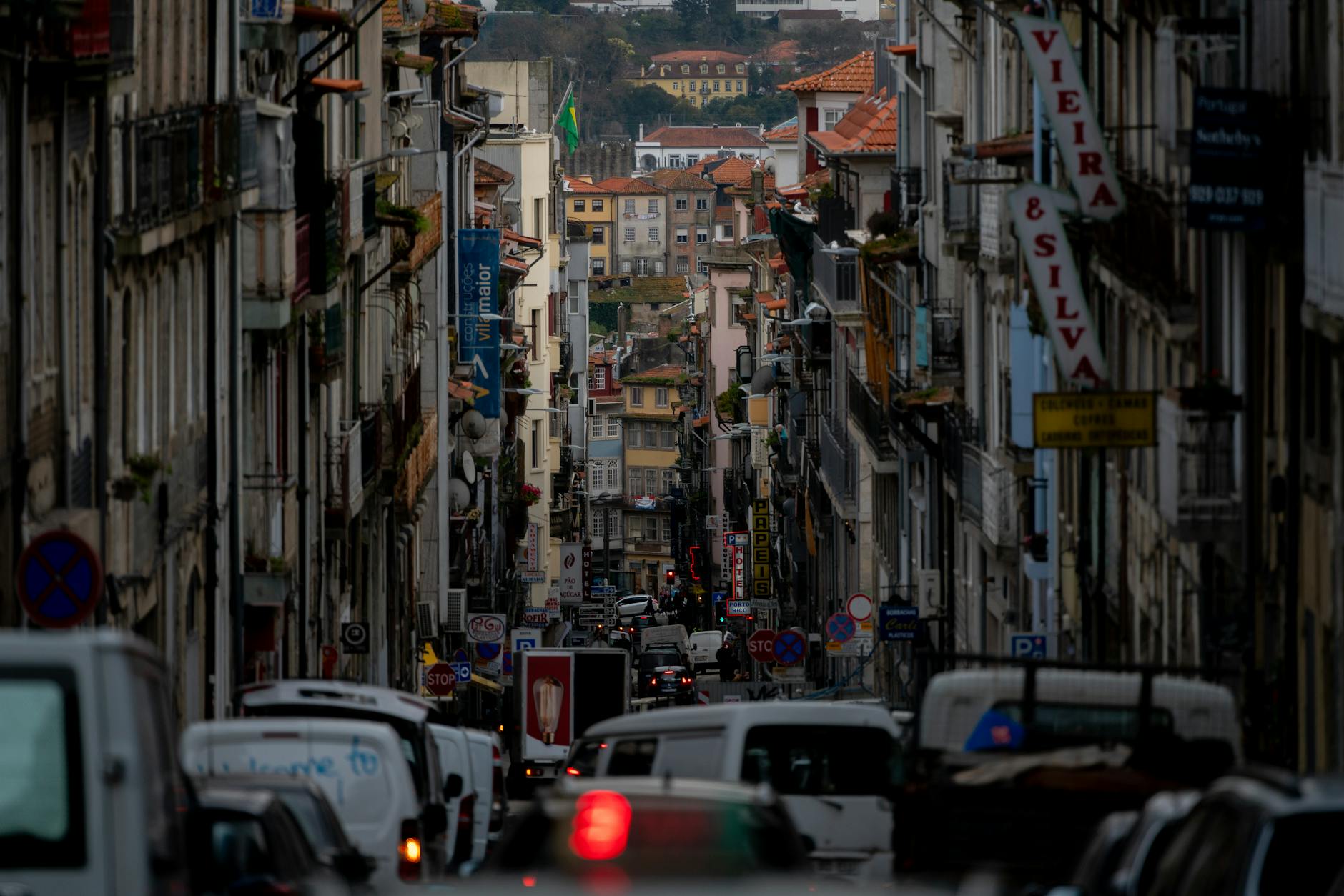
Ribeira, Sao Bento, Gaia, Boavista, Matosinhos, Bonfim, Cedofeita, Foz, university areas, markets, and residential streets can all tell different stories. The journalist should choose neighborhoods by relevance, not only visual reward. A story about housing, tourism, labor, or student life may require time away from the most photographed blocks.
The route should also account for hills, transit, interview timing, and whether the journalist needs to return to the same area at a different hour.
- Select neighborhoods by story relevance, source access, and time of day.
- Balance central visual material with areas that explain the reporting question.
- Plan transport and repeat visits when the story requires more than one pass.

Protect equipment and data
A journalist may carry cameras, audio gear, laptop, drives, notes, batteries, adapters, memory cards, and sensitive source information. The traveler should plan charging, backups, cloud sync, secure bags, hotel workspace, and what happens if gear is lost or damaged. Porto's hills and rain make equipment decisions practical, not just technical.
Data security also matters. Notes, recordings, source details, and unpublished material should be handled with care, especially for stories involving vulnerable people, labor, politics, business disputes, or legal risk.
- Plan batteries, adapters, storage, backups, cloud sync, secure bags, and weather protection.
- Protect notes, recordings, source details, and unpublished material.
- Choose hotel and cafe work settings with privacy and reliable connectivity.
Know photography, consent, and access limits
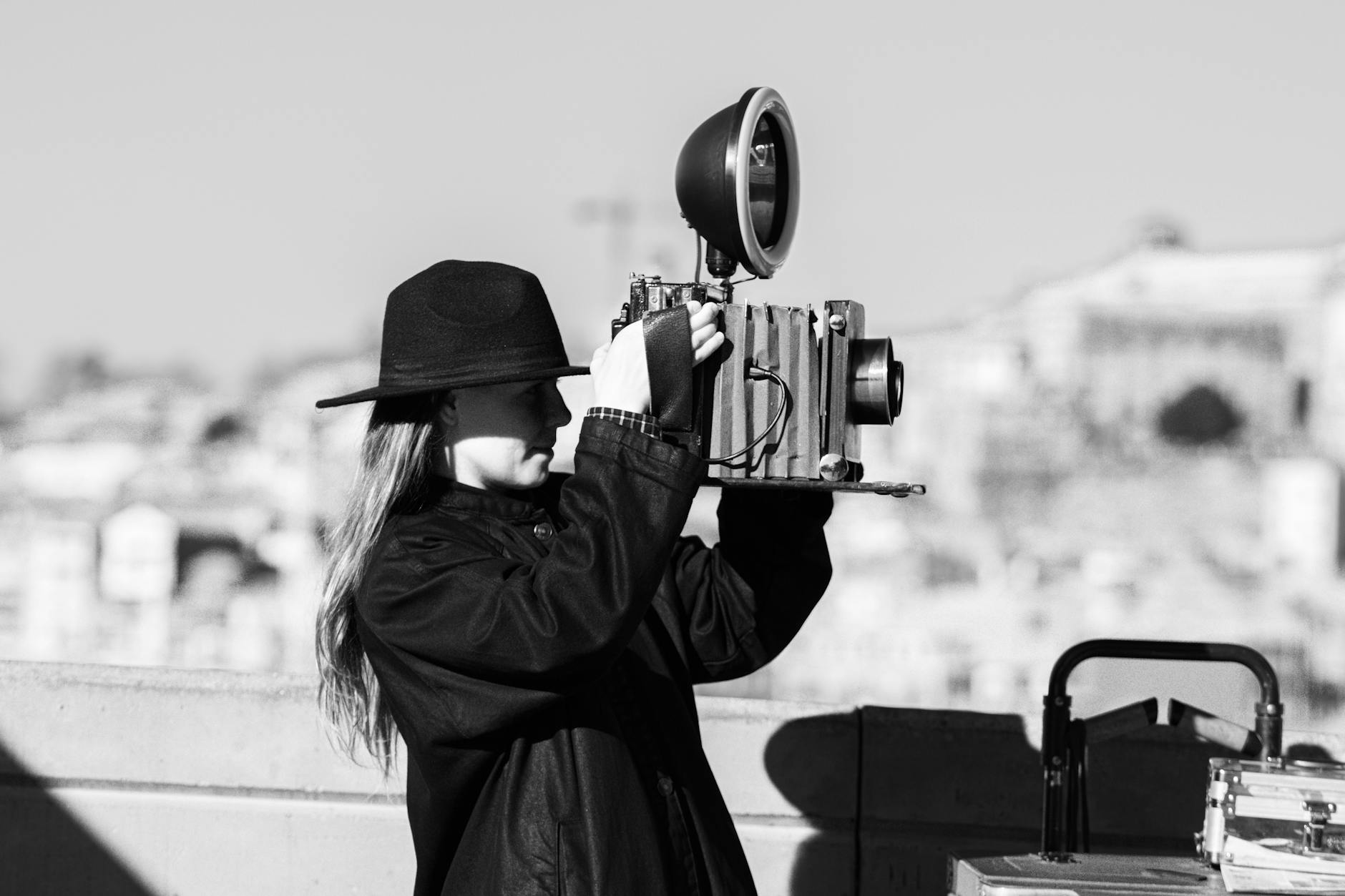
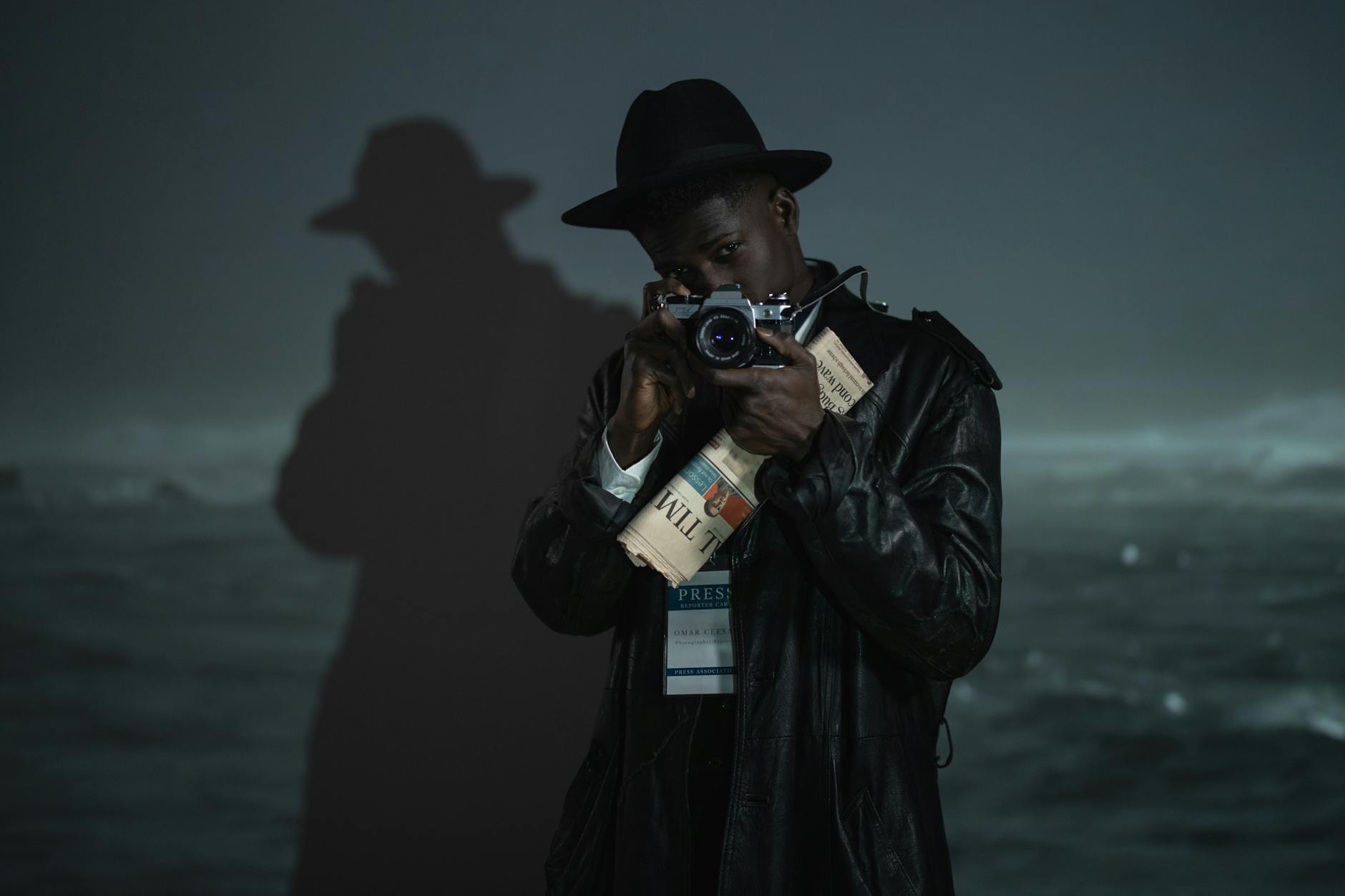
Porto's streets invite photography, but a journalist should not treat every public scene as ethically simple. Children, vulnerable people, private businesses, protests, housing conditions, workplaces, and religious or community settings may require consent, explanation, or restraint. The journalist should know the outlet's standards before shooting.
Access also needs planning. Museums, churches, events, public buildings, markets, and private venues may have rules for photography, recording, tripods, or interviews. A clear permission plan prevents wasted time and damaged trust.
- Apply consent and ethical standards around children, vulnerable people, homes, workplaces, and protests.
- Check rules for photography, audio, tripods, interviews, and commercial use.
- Use restraint when an image is visually strong but journalistically unnecessary.

Plan deadlines and filing windows
A short reporting trip can fail if every hour is spent gathering and no time is left to file. The journalist should protect transcription, photo selection, fact-checking, editor calls, source follow-up, captioning, and backup writing time. Time zones and newsroom expectations should be clear.
The plan should also include quiet work locations. A beautiful cafe may not support a sensitive call, stable upload, or focused edit under deadline pressure.
- Protect time for notes, transcription, fact-checking, captions, editor calls, and filing.
- Know newsroom deadlines, time zones, upload needs, and backup workspaces.
- Avoid filling every gap with reporting if the story must be filed while still in Porto.
When to order a short-term travel report
A journalist with a simple feature, confirmed sources, and flexible deadlines may not need a custom Porto report. A report becomes useful when story geography, source access, language, photography permissions, security, deadlines, equipment, or neighborhood selection could determine whether the trip produces useful reporting.
The report should test story scope, source map, interview sequence, neighborhoods, transport, equipment, data security, consent, workspaces, deadlines, budget, and what to cut. The value is a Porto reporting trip that serves the story rather than the scenery.
- Order when sources, neighborhoods, language, permissions, equipment, or deadlines need testing.
- Provide story angle, dates, source list, hotel options, equipment, budget, and constraints.
- Use the report to keep reporting priorities stronger than visual distraction.