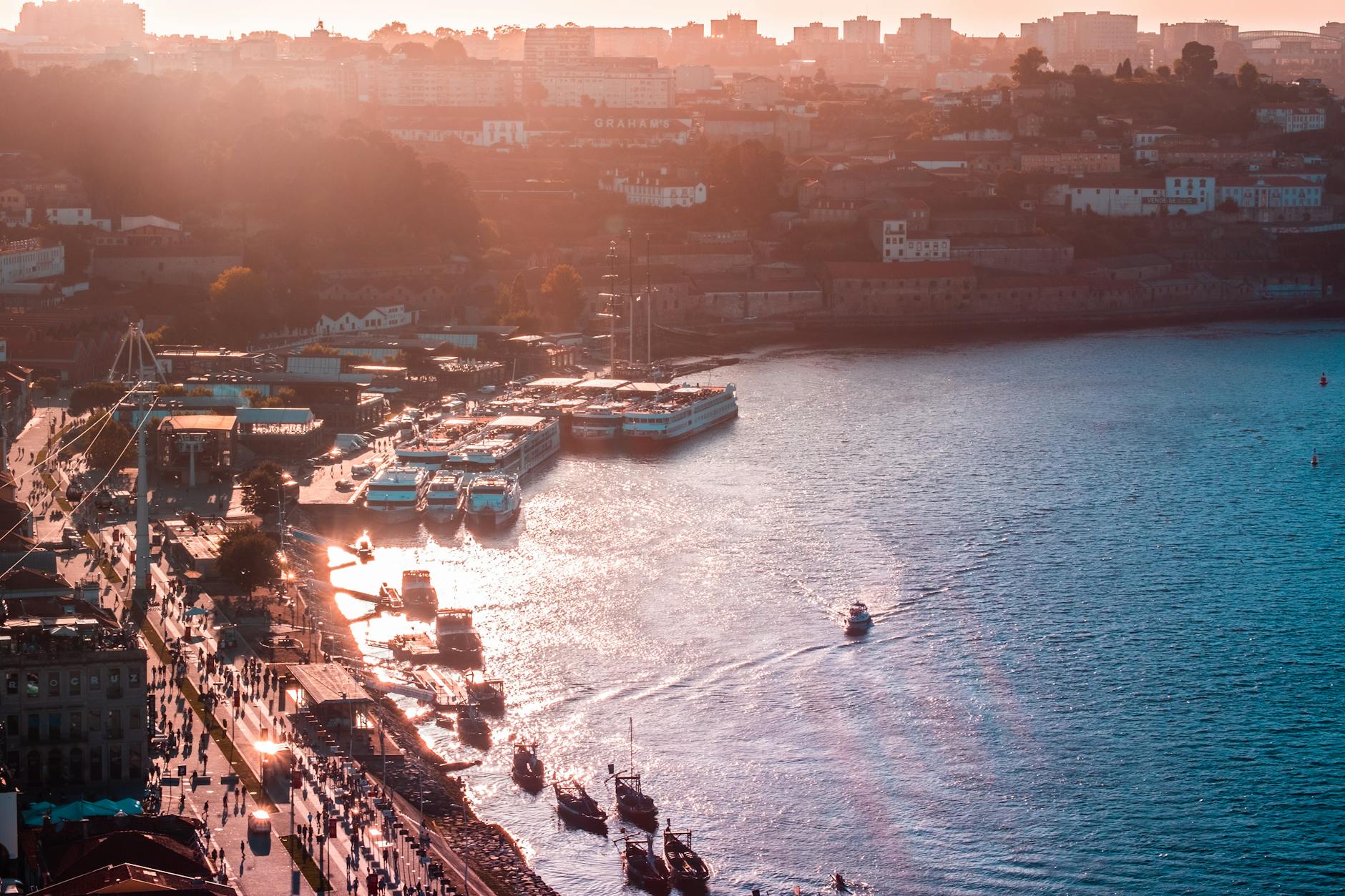
A Porto trip for an investor or deal team member is not a leisure visit with meetings attached. The trip may involve diligence, management meetings, site visits, lender or advisor sessions, a portfolio review, a startup conversation, or a transaction milestone. The itinerary should protect judgment, confidentiality, timing, and the ability to synthesize information quickly. Porto's river geography, hills, airport access, meeting locations, restaurants, and hotel work conditions can all affect how well the deal team performs. The city can be a useful setting, but the transaction should shape the trip.
Start with the deal question
An investor or deal team member should define the question the Porto trip must answer. The trip may need to confirm management credibility, inspect an asset, pressure-test operations, meet advisors, assess market fit, evaluate a portfolio company, or move a transaction forward. Each purpose changes the meeting sequence.
The traveler should decide which conversations are critical, which are optional, and what evidence must be collected before departure. Without that structure, the trip can become a set of pleasant meetings that do not improve the investment decision.
- Define whether the trip is for diligence, site review, management meetings, advisor sessions, or transaction progress.
- Separate critical meetings from courtesy meetings.
- Identify the evidence the trip must produce before booking around convenience.
Map management, advisors, and site visits
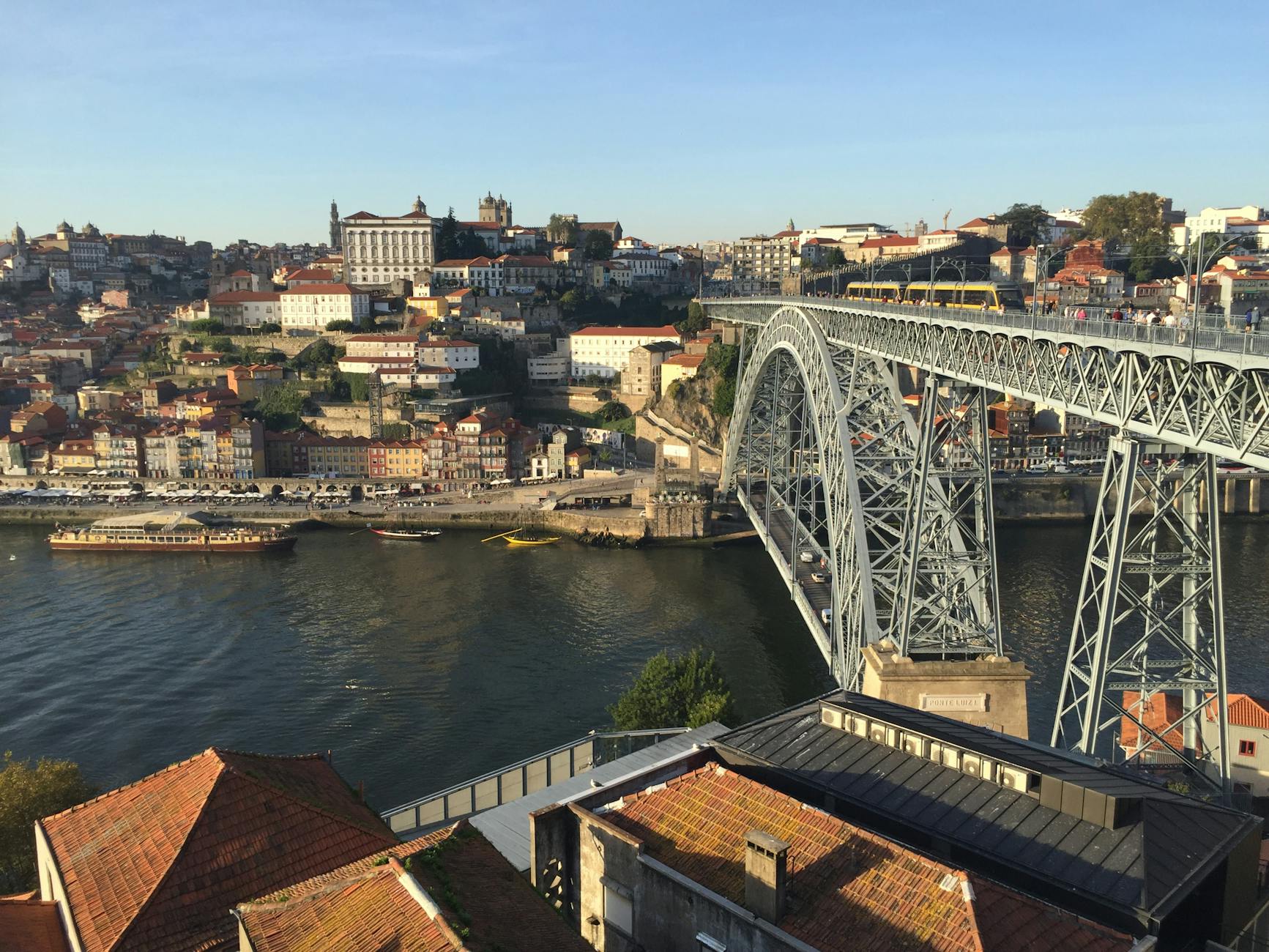
Deal work may take the traveler to central Porto, Gaia, Boavista, Matosinhos, an industrial site, a founder's office, an advisor's conference room, or a bank meeting. Those locations should be mapped before selecting the hotel. The wrong base can add friction to an already compressed diligence schedule.
The traveler should also sequence meetings by information flow. A site visit before a management meeting may reveal better questions. Advisor meetings may belong after the team has seen operations. The route should serve the decision process.
- Map management, advisors, lenders, asset sites, restaurants, hotel options, and airport route.
- Sequence meetings so each one improves the next conversation.
- Choose a base that reduces movement risk during compressed diligence days.
Protect confidentiality and document control
Transaction travel carries confidentiality risk. Printed materials, data rooms, laptops, calls, notes, messaging apps, and public conversations should be managed deliberately. The traveler should avoid discussing sensitive matters in taxis, cafes, lobbies, and restaurants where they can be overheard.
The hotel should support secure work. Quiet rooms, reliable Wi-Fi, desk space, power, privacy, and a place for calls may matter more than river views if the team needs to review documents late at night.
- Control laptops, notes, data rooms, printed materials, calls, and messaging.
- Avoid sensitive deal conversations in taxis, cafes, lobbies, and crowded restaurants.
- Choose hotel work conditions that support private review and clean communication.
Plan the team rhythm, not just the meetings
Deal teams need time to compare notes. Back-to-back meetings, long meals, and late returns can leave no room to synthesize what was learned. The traveler should protect internal debriefs, document review, red-flag discussions, and decision checkpoints.
This is where Porto's logistics matter. A dinner across the river or a hotel far from the next morning's site may look appealing but cost the team the only useful work block of the day.
- Protect internal debriefs, document review, red-flag discussion, and decision checkpoints.
- Avoid scheduling every hour with external meetings.
- Treat cross-river dinners and distant hotels as time costs, not just pleasant options.
Use dinners and hospitality with discipline
Investor dinners in Porto can be useful for reading management style, stakeholder dynamics, and informal priorities. They also create risks: alcohol, late nights, soft conversations replacing hard questions, receipt issues, or a weak next morning. Hospitality should support diligence rather than substitute for it.
The traveler should decide which meals require privacy, which are relationship-building, and which are unnecessary. Restaurant choice should consider noise, transport, timing, dietary needs, and whether sensitive topics will be discussed.
- Use dinners to understand people and context without replacing diligence.
- Choose restaurants by privacy, noise, transport, timing, dietary needs, and receipt rules.
- Keep alcohol and late-night plans compatible with next-day judgment.
Control arrival, departure, and trigger decisions
Transaction timing often leaves little room for travel mistakes. Flight delays, baggage issues, airport transfers, hotel check-in, late schedule changes, and document requests should have buffers. If a meeting can move the deal, the arrival plan should protect it.
The traveler should also define triggers before departure. A missed site visit, unavailable management member, adverse document finding, protest or strike disruption, or material timing change may require cutting city time, extending the stay, or changing the meeting order.
- Build buffers around flights, transfers, hotel check-in, document work, and critical meetings.
- Define triggers for schedule changes, missing stakeholders, adverse findings, or transport disruption.
- Let deal priorities decide whether to cut city time, extend, or reorder meetings.

When to order a short-term travel report
An investor or deal team member with one simple meeting and a known hotel may not need a custom Porto report. A report becomes useful when multiple sites, management access, confidentiality, document work, dinner strategy, airport timing, team debriefs, or city add-ons could affect the investment decision.
The report should test meeting geography, hotel work conditions, airport transfers, site visits, confidentiality, document control, team rhythm, meals, weather, receipts, budget, and what to cut. The value is a Porto trip that protects transaction judgment.
- Order when diligence sites, stakeholder timing, confidentiality, documents, or team rhythm need testing.
- Provide meeting addresses, deal purpose, hotel options, team size, dates, budget, and constraints.
- Use the report to keep travel logistics subordinate to the investment decision.