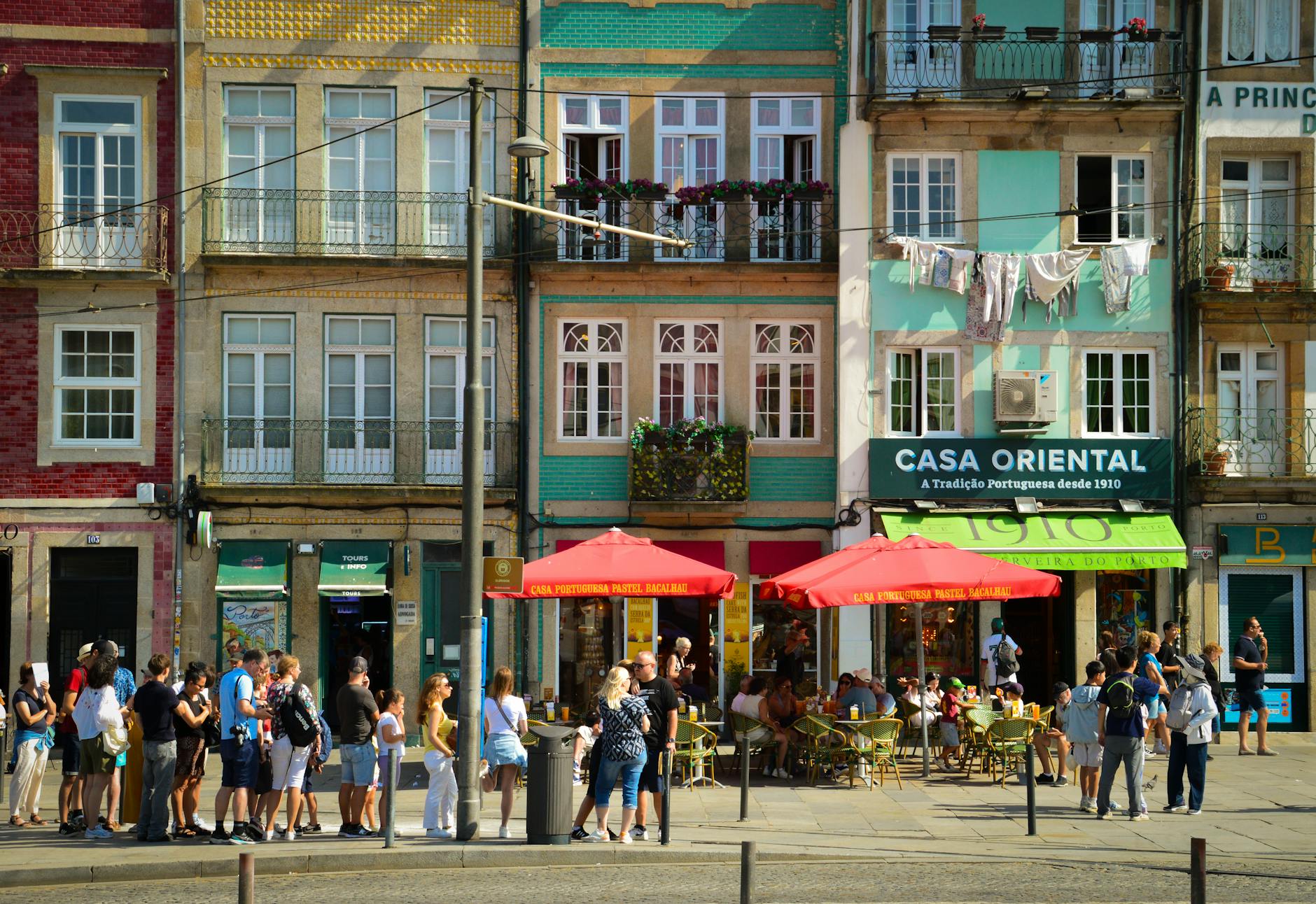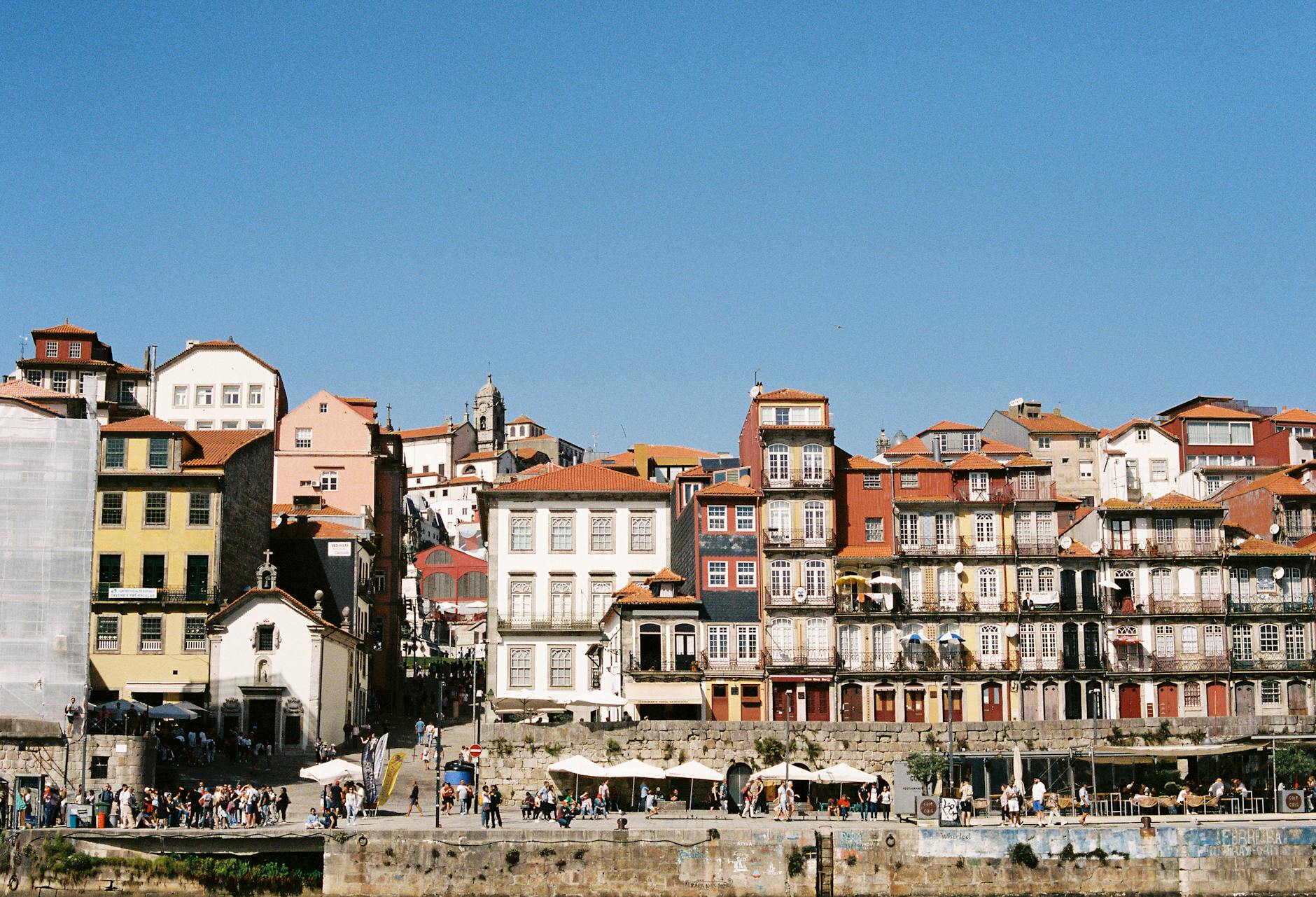
Porto is generous to first-time visitors: river views, blue-tile interiors, steep streets, cafes, bridges, wine lodges, trams, churches, viewpoints, and compact neighborhoods can make a short trip feel rich quickly. That same density can encourage a first-time traveler to overpack the itinerary. A good first Porto trip should be specific about where to stay, how much hill walking is realistic, which river crossings matter, and what belongs on the first visit rather than a later one.
Start with a compact first-visit map
A first-time visitor should begin with Porto's practical geography: Ribeira, Baixa, Aliados, Clerigos, Sao Bento, Boavista, Matosinhos, Gaia, and the airport route. These places are connected, but they are not equally convenient for every trip. Hills and bridges make the map more three-dimensional than it first appears.
The traveler should decide what kind of first visit this is: riverfront and wine, architecture and viewpoints, food and cafes, museums and music, beach and seafood, or a classic short sampler. That decision keeps the trip from becoming a list of attractive but disconnected stops.
- Map Ribeira, Baixa, Aliados, Sao Bento, Boavista, Matosinhos, Gaia, and the airport.
- Choose the first-visit theme before adding attractions.
- Avoid mixing every Porto highlight into one short itinerary.
Choose lodging for movement, not only charm
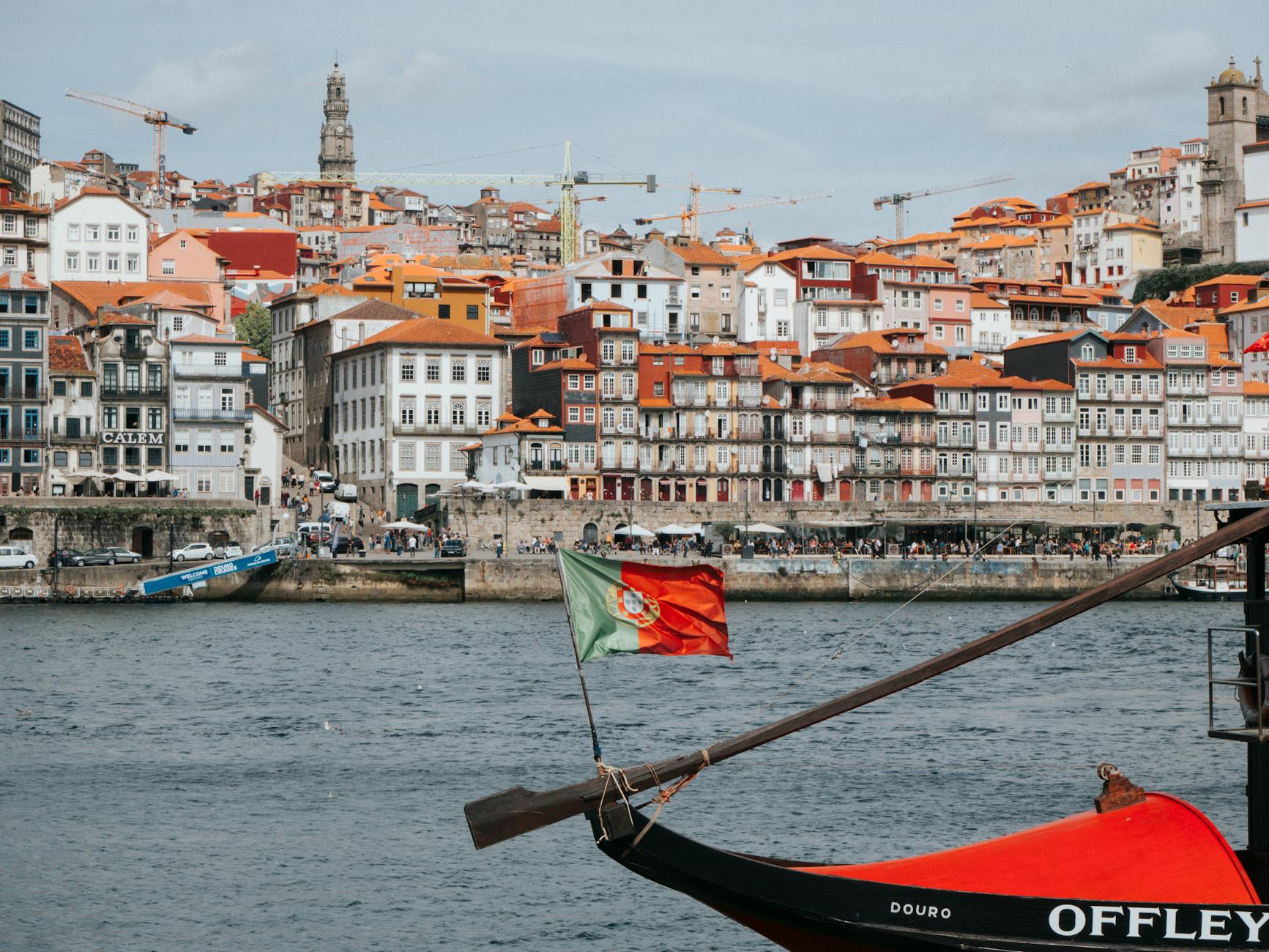
Porto's most atmospheric areas are not always the easiest bases. Ribeira can be memorable but steep and busy. Baixa and Aliados can make sightseeing and transport easier. Boavista may suit a calmer or more business-oriented stay. Gaia can be excellent for river views and wine lodges but may change the rhythm of crossings.
The traveler should choose lodging based on arrival time, luggage, walking tolerance, meal plans, and the first full day. A beautiful view is valuable only if the daily movement still works.
- Compare Ribeira, Baixa, Aliados, Boavista, Gaia, and Matosinhos by trip purpose.
- Account for luggage, hills, late arrival, meals, and airport access.
- Do not let a view override daily practicality.
Respect hills, bridges, and footwear
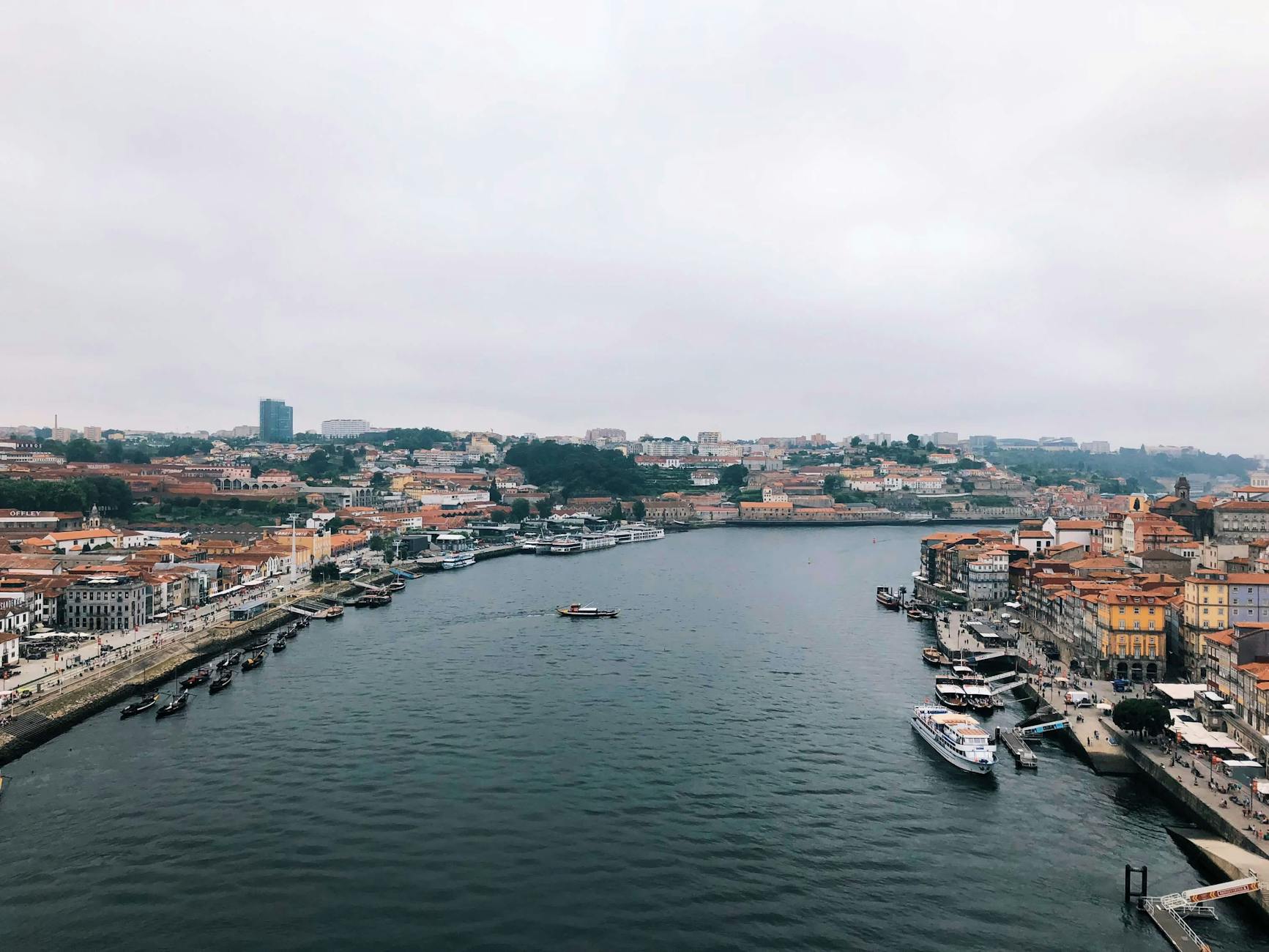
First-time visitors often underestimate Porto's terrain. Hills, stairs, cobblestones, slick pavement, and bridge crossings can make a simple sightseeing day more tiring than expected. Good shoes matter, and so does knowing when to use a taxi, metro, tram, bus, or cable car instead of walking.
The traveler should plan uphill and downhill sections deliberately. A route can be scenic and still be the wrong choice after a long flight, in heavy rain, with children, or with older companions.
- Plan for hills, stairs, cobblestones, slick pavement, and bridge crossings.
- Use transport for strategic climbs or late-day returns.
- Match footwear and daily pace to the steepest part of the route.
Use Sao Bento, Ribeira, and Gaia deliberately
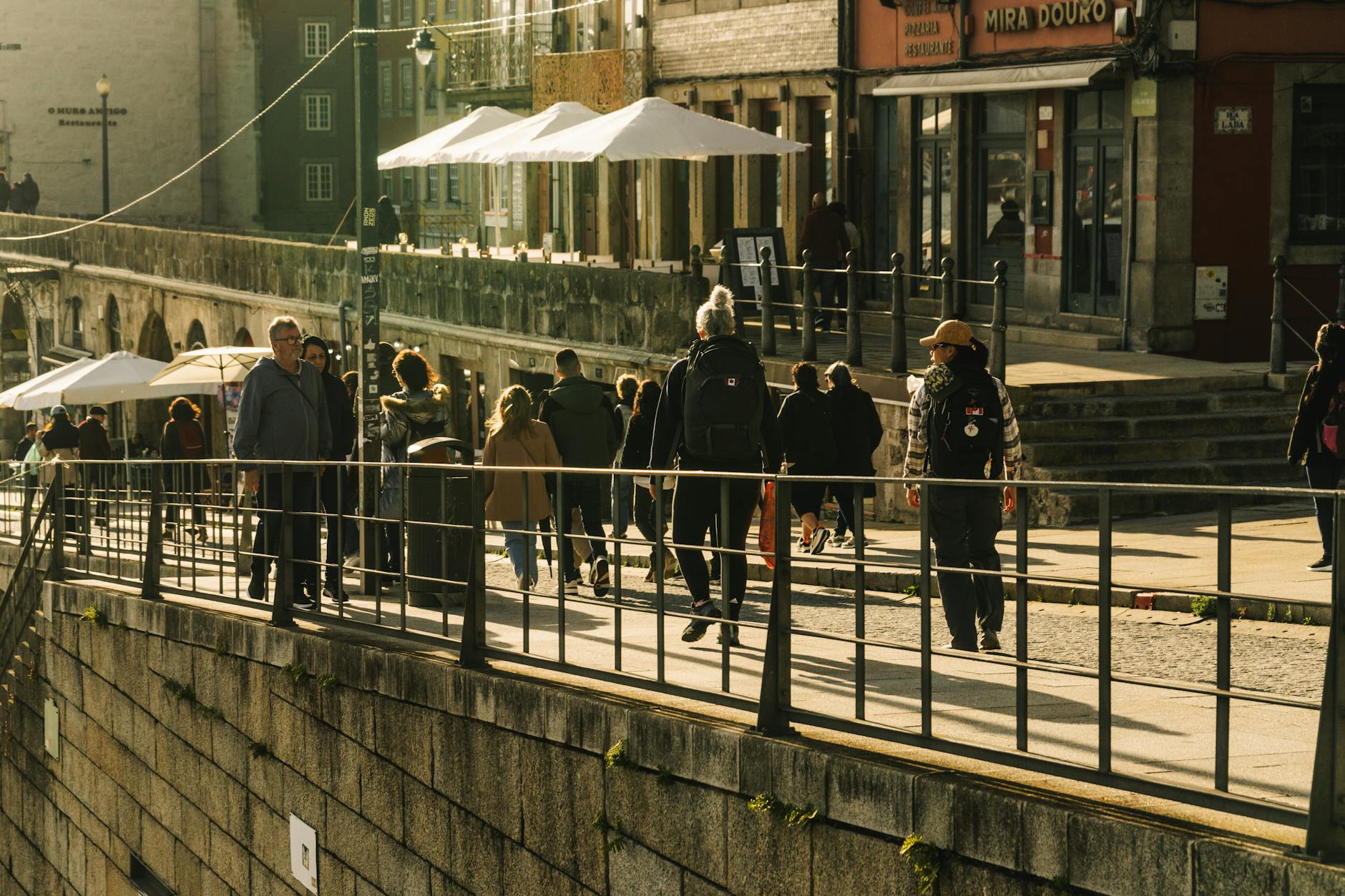
Sao Bento, Ribeira, and Gaia are obvious first-visit anchors, but they should not be treated as automatic boxes to tick. Sao Bento can be a short architectural stop or a transport point. Ribeira can be a walk, meal, photo stop, or evening base. Gaia can mean a bridge crossing, wine lodge visit, viewpoint, or dinner.
The traveler should decide what each anchor is doing in the itinerary. That prevents a day of crowds, queues, and backtracking without enough time to enjoy the places that made Porto appealing.
- Define whether Sao Bento is a transport stop, architecture stop, or both.
- Choose Ribeira and Gaia for specific meals, views, crossings, or wine plans.
- Avoid duplicating riverfront time without realizing it.
Plan food, wine, and cafe time before hunger takes over
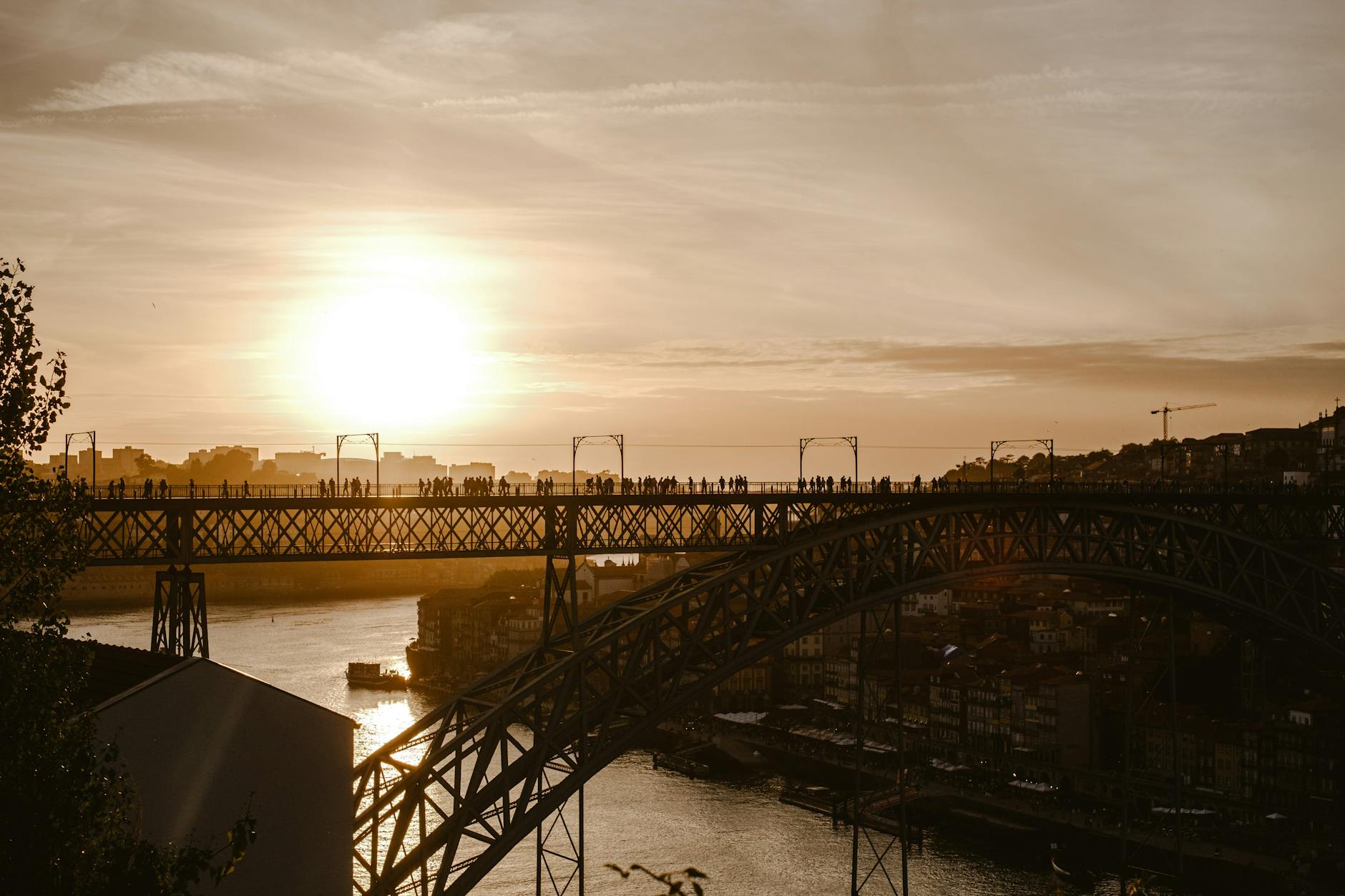
Food and drink can shape a first Porto visit: cafes, seafood, francesinha, pastries, wine lodges, riverfront meals, neighborhood restaurants, and late dinners all compete for limited time. The traveler should decide where reservations matter, where casual eating is enough, and when alcohol should be limited because the next day starts early.
The first-time visitor should also avoid using only the busiest riverfront options by default. Porto's food experience is stronger when meals are attached to the day's geography rather than chosen at the most crowded moment.
- Plan key meals, cafe stops, wine tastings, and reservation needs in advance.
- Tie food choices to the route instead of drifting into crowded options.
- Balance wine and late meals against the next day's energy.
Keep transport and weather realistic
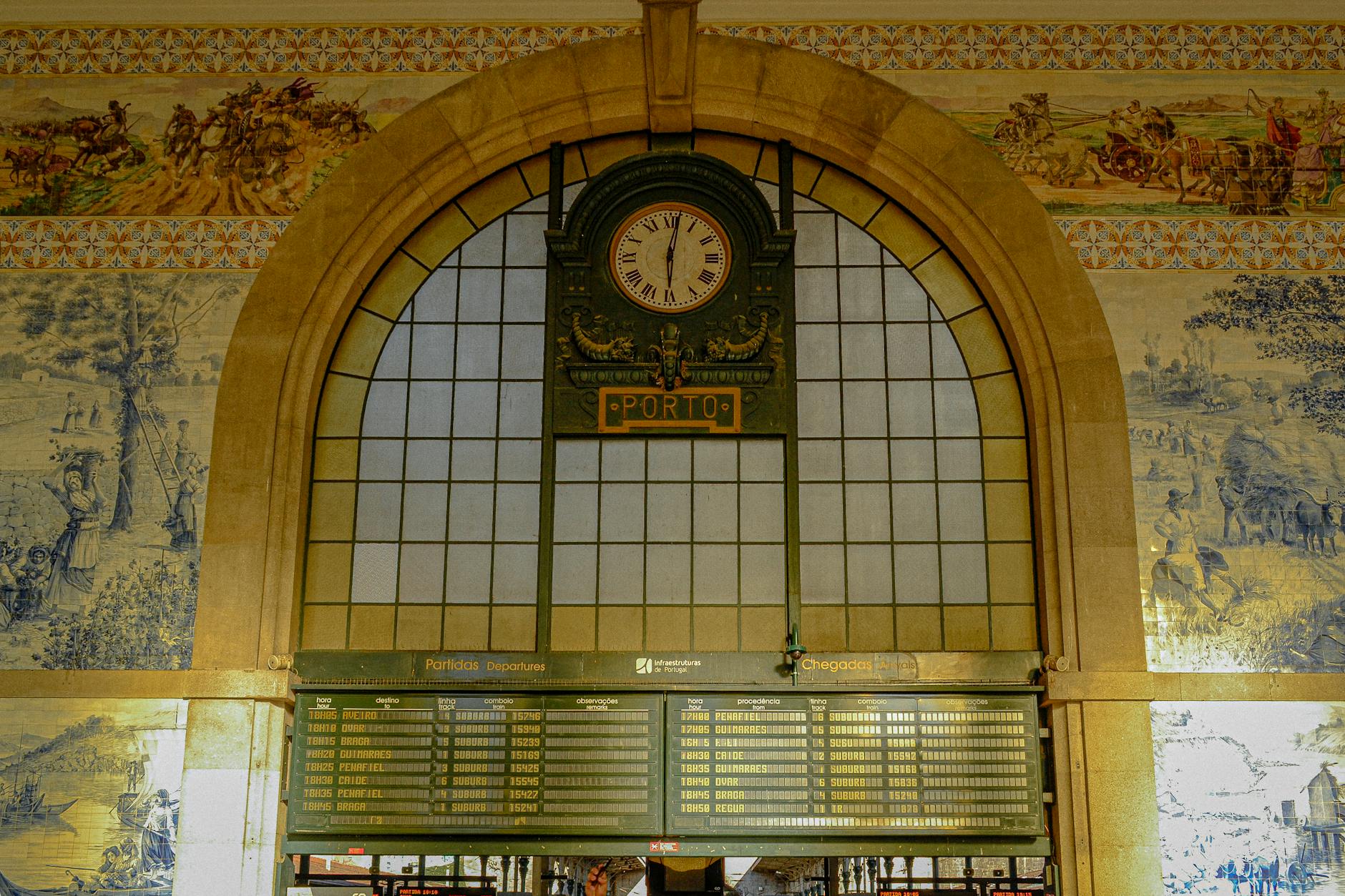
Porto's trams, metro, taxis, trains, buses, and river crossings can be useful, but a first-time visitor should not treat them as interchangeable. Some are scenic, some are practical, and some are slow or crowded at the wrong time. Weather also matters because rain, heat, wind, and slick stone can change the best route.
The traveler should check opening hours, transit timing, ticket needs, and backup options for the exact dates. A flexible plan is good; a vague plan is not.
- Separate scenic transport from practical transport.
- Check weather, tickets, hours, crowding, and return timing for the exact dates.
- Keep a backup route for rain, heat, fatigue, or closures.
When to order a short-term travel report
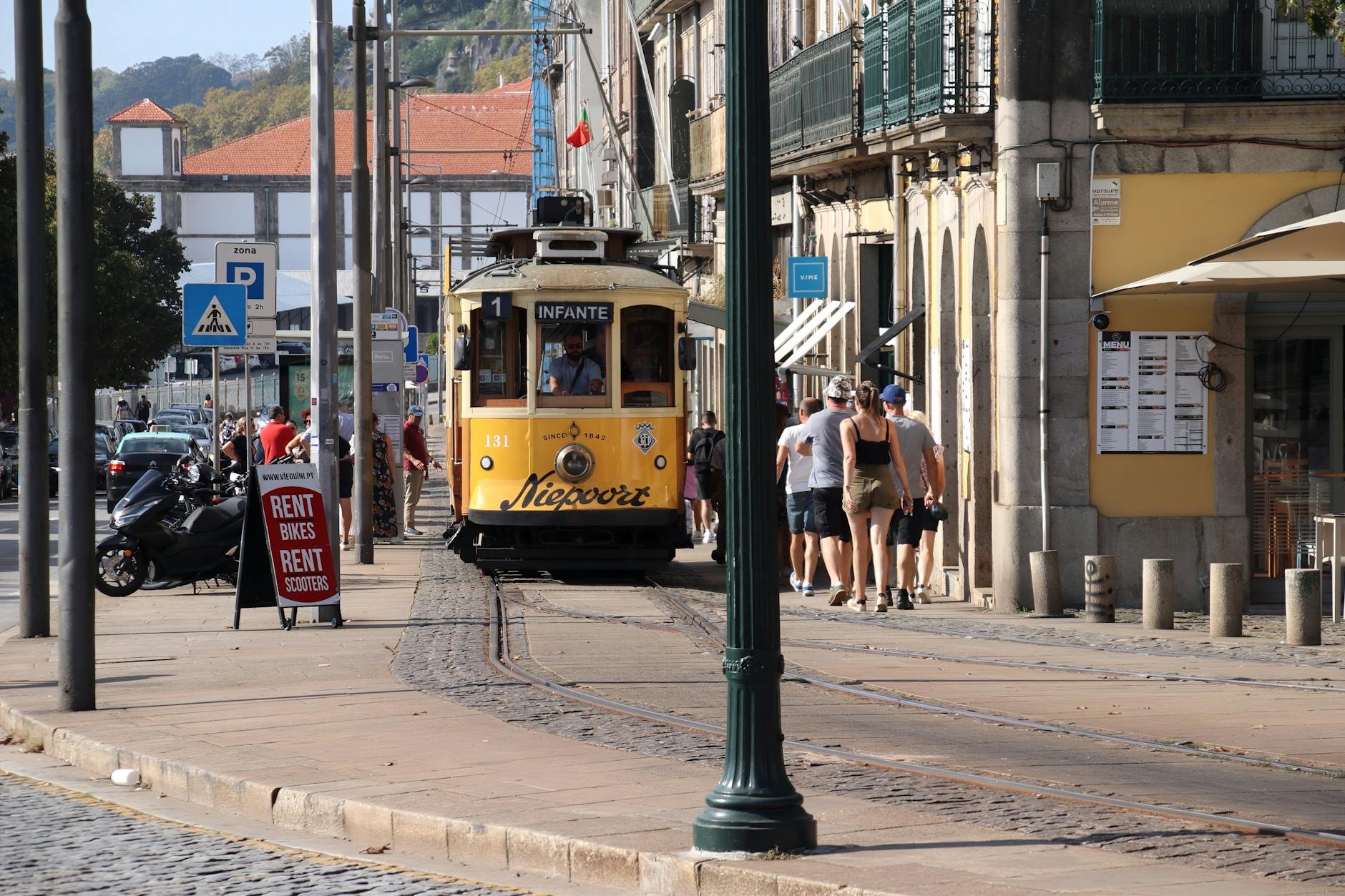
A first-time visitor with flexible dates, strong walking tolerance, and a simple hotel choice may not need a custom Porto report. A report becomes useful when the trip is short, the hotel area is uncertain, mobility or weather is a concern, wine and restaurant planning matter, the traveler wants Gaia and Matosinhos included, or the itinerary already feels too crowded.
The report should test neighborhood choice, daily pacing, hill exposure, bridge crossings, food and wine plans, transport, weather, crowds, opening hours, airport access, and what to cut. The value is a first Porto visit that feels full without feeling accidental.
- Order when hotel location, pacing, terrain, food, wine, or transport need testing.
- Provide dates, arrival time, hotel options, walking tolerance, budget, and interests.
- Use the report to make the first visit focused instead of overstuffed.