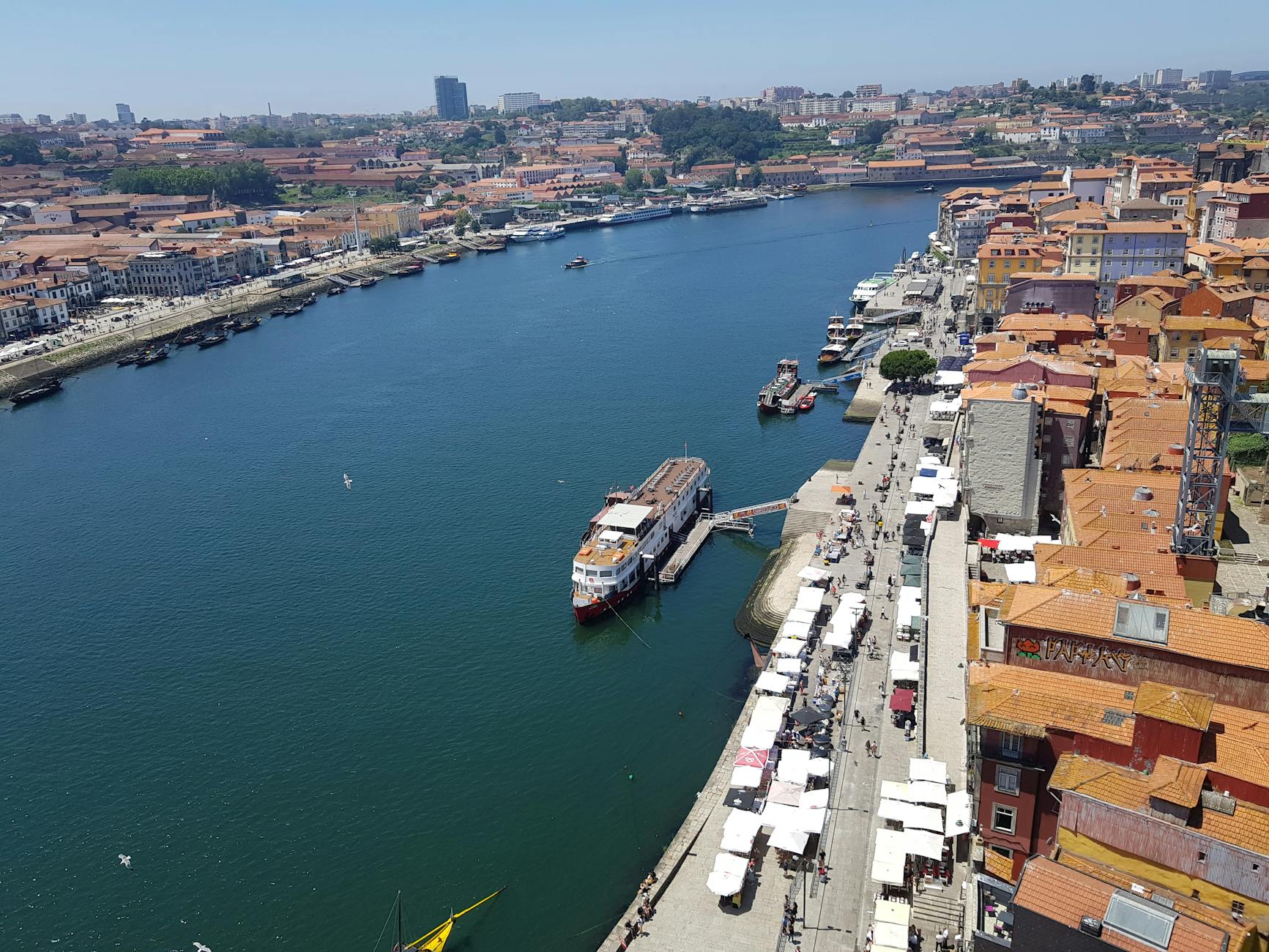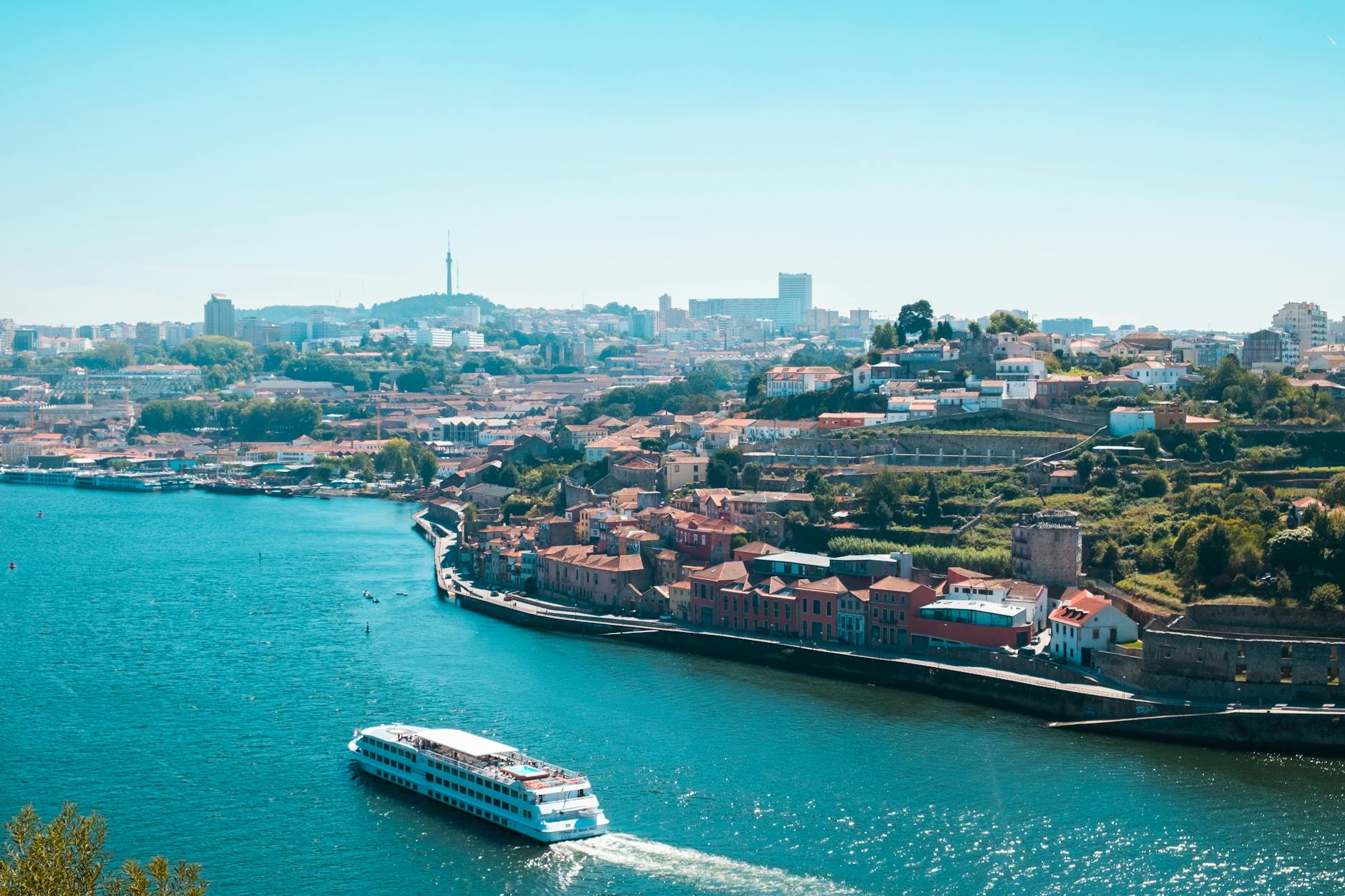
Porto can be a strong cruise or port-call stop because the city offers river views, port wine heritage, tiled churches, dramatic bridges, compact neighborhoods, and a memorable food scene. The constraint is not whether Porto is worth seeing. The constraint is whether the traveler can reach, experience, and return from the city without gambling with the ship schedule. Most cruise travelers need to think about Leixoes, transfer buffers, hills, crowds, weather, tasting times, and whether an independent plan is worth the added responsibility. A good port-call day is disciplined enough to feel relaxed.
Start with the real port geography
A Porto port-call traveler should understand that the cruise stop is usually tied to Leixoes, not a dock in the middle of Ribeira. That means transfers, traffic, shuttle timing, taxi availability, and return buffers matter from the first decision. A short call can feel generous on the ship schedule and still become tight once movement is included.
The traveler should confirm docking location, all-aboard time, shuttle options, excursion meeting points, and whether the ship's schedule leaves room for independent movement. The city should be planned from the pier backward.
- Confirm whether the ship docks at Leixoes and how transfers to central Porto work.
- Build the day backward from all-aboard time, not from sightseeing ambition.
- Check shuttles, taxis, ride-hail options, excursion pickup points, and traffic buffers.
Choose one main Porto experience
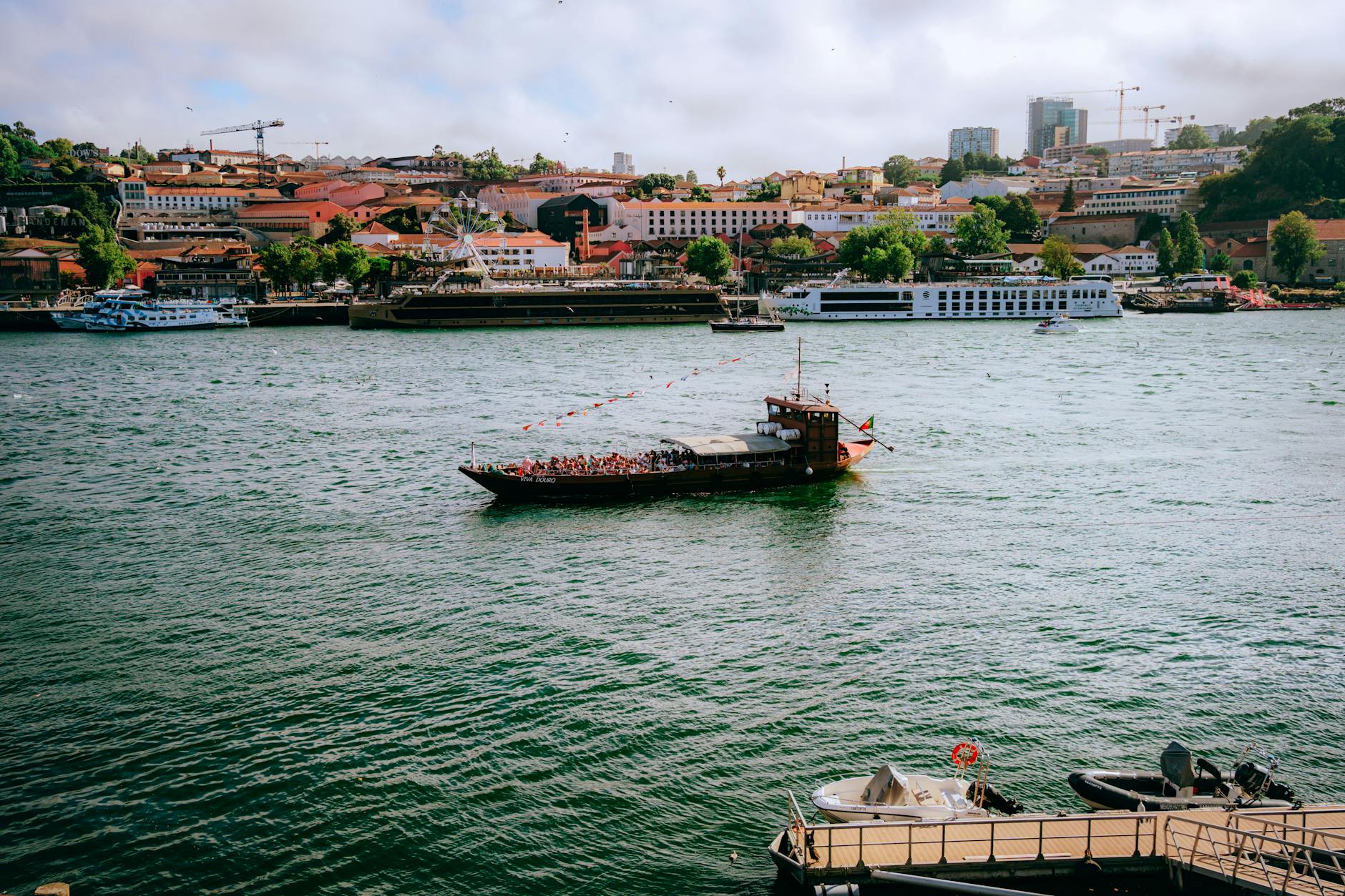
A cruise day should usually have one clear anchor: Ribeira and Luis I Bridge, Gaia and port wine, Sao Bento and central architecture, a guided food walk, a Douro river segment, or a slower scenic route. Trying to combine every famous Porto stop can turn the day into a series of worried clock checks.
The traveler should decide what would make the port call successful. A good lunch, one tasting, a river view, and a safe return may be stronger than a forced checklist of churches, viewpoints, markets, and shops.
- Select one anchor: river, wine, food, architecture, central sights, or guided excursion.
- Limit optional stops so the ship deadline stays protected.
- Do not treat a short port call like a full Porto city break.
Compare ship excursions with independent touring
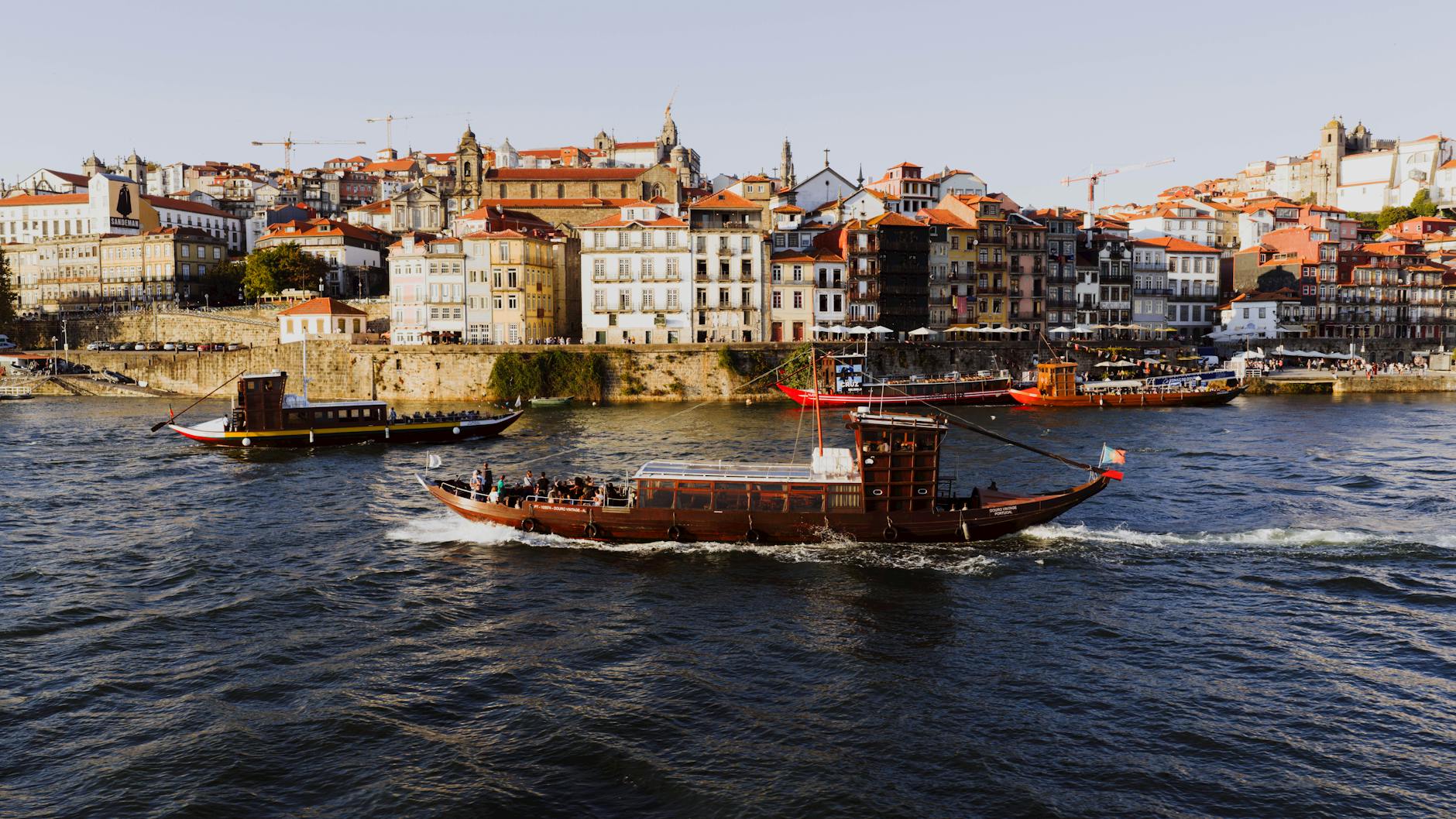
Ship excursions can be less flexible, but they usually reduce return-risk anxiety. Independent touring can be richer and more personal, but the traveler owns the logistics. The right choice depends on mobility, language comfort, port-call duration, risk tolerance, budget, and whether the traveler wants tastings, shopping, history, or photography.
Independent travelers should keep emergency contact information, port address, taxi plans, offline maps, and extra cash. The apparent savings of going alone can disappear if the plan leaves too little margin.
- Use ship excursions when return certainty matters more than flexibility.
- Use independent touring only with clear route, timing, taxi, and backup plans.
- Carry port address, ship contacts, offline maps, payment options, and return buffers.
Respect hills, stairs, and crowd flow
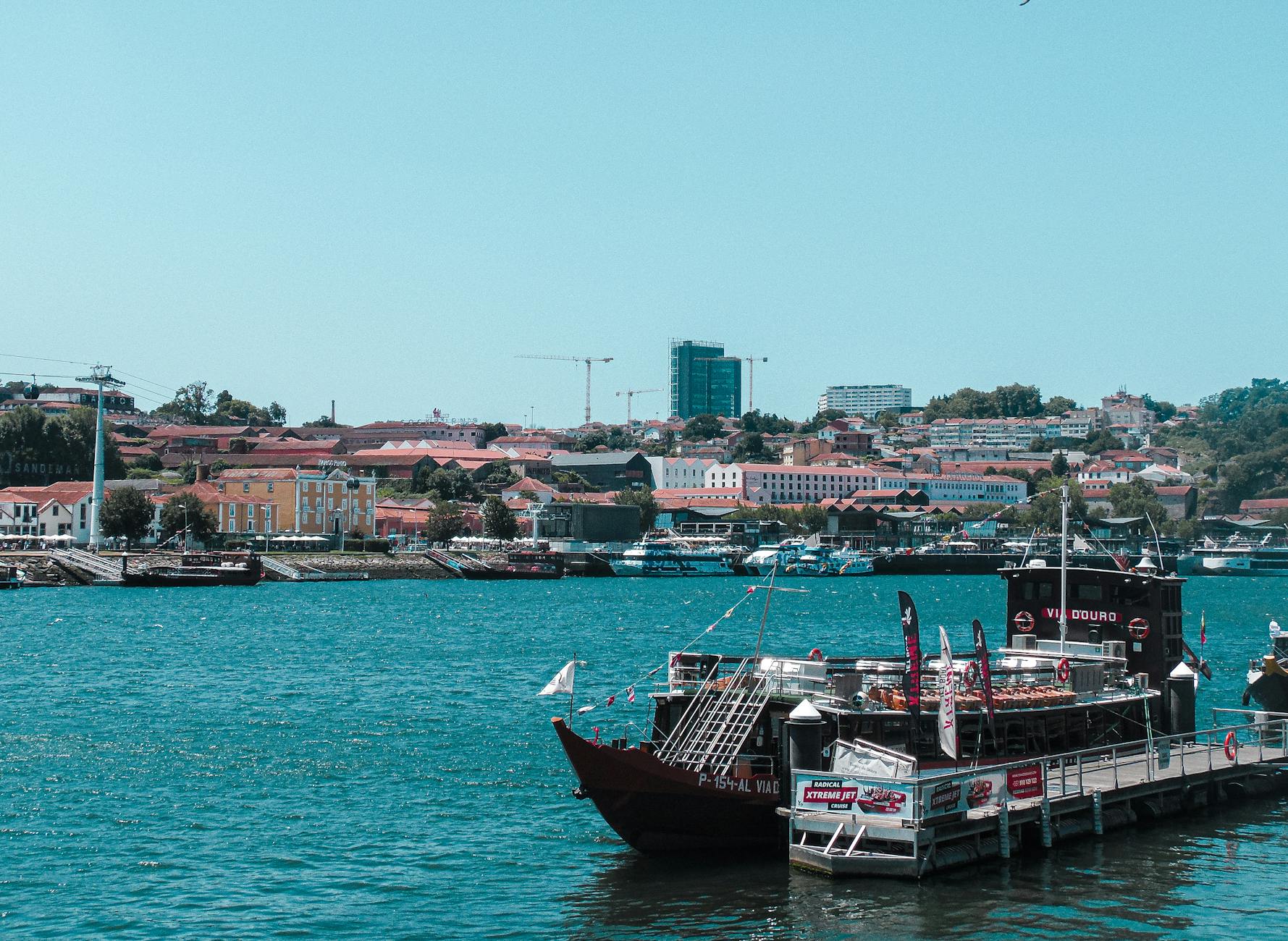
Porto is compact but physically uneven. Ribeira lanes, cathedral approaches, Gaia riverfront, viewpoints, and central streets can involve steep climbs, slick stone, steps, and crowds. Cruise travelers may also be moving in groups, which makes narrow routes slower.
The plan should match the traveler rather than the brochure. A traveler with limited stamina may be better served by a scenic drive, carefully chosen viewpoint, taxi-supported route, or one relaxed riverside meal instead of a demanding walking tour.
- Account for hills, cobblestones, stairs, rain, cruise crowds, and group pace.
- Choose taxi-supported or lower-effort routes when stamina is limited.
- Avoid scheduling tight timed entries after physically demanding walks.
Treat port wine and river plans carefully
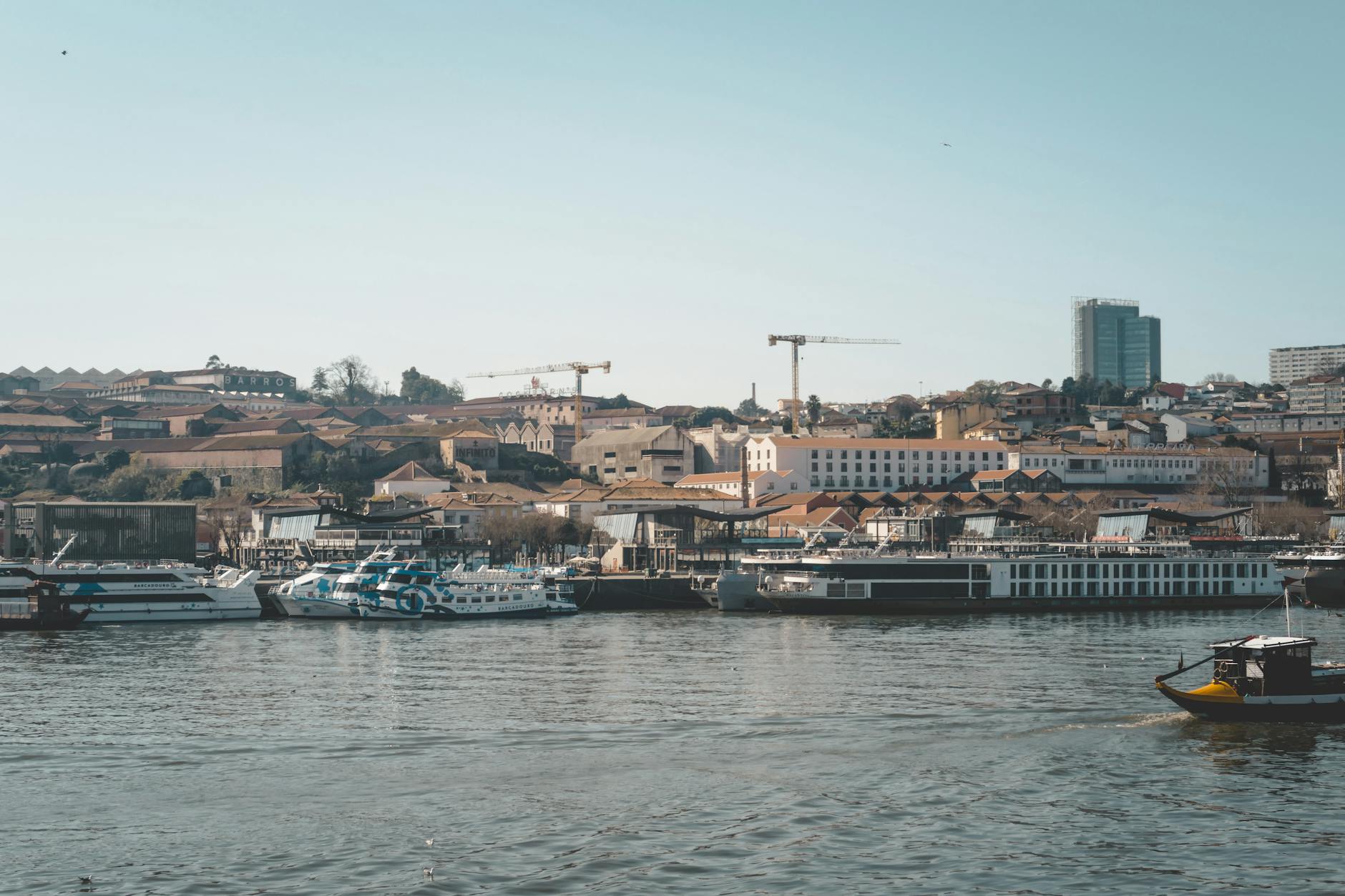
Port wine tastings and Douro views are natural parts of a Porto stop, but they need timing. Cellar visits may require reservations, tasting pace can affect the rest of the day, and river cruises may not align with the ship schedule. The traveler should avoid stacking a port tasting, long lunch, river cruise, and uphill sightseeing without margin.
A short port call can still include wine or river time if the plan is narrow. One reserved tasting or one scenic river element is usually easier to execute than a loosely defined day around both.
- Check tasting reservations, duration, location, and return timing before committing.
- Do not combine tastings, river cruising, long lunch, and major sightseeing without buffers.
- Pace alcohol carefully when a ship deadline and transfer remain.
Plan weather, documents, and small logistics
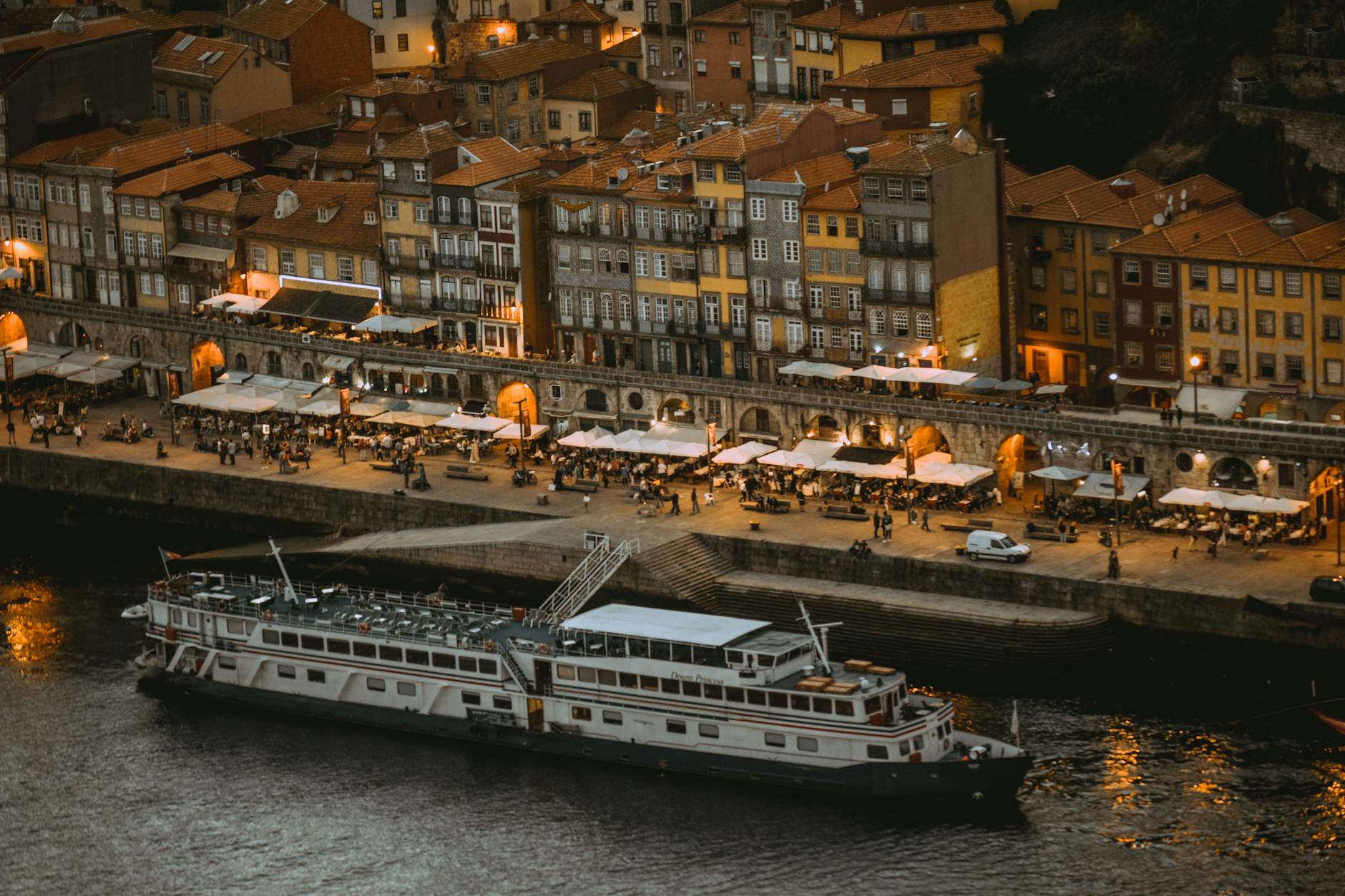
A cruise traveler may leave the ship with limited gear, so the small details matter: passport or ID rules, cruise card, payment methods, medications, sun protection, rain layer, walking shoes, phone battery, roaming, and bag size. Porto's weather can shift quickly between sunny riverfront and windy Atlantic exposure.
The traveler should also consider shopping and souvenirs. Bottles, ceramics, food, and gifts may be awkward to carry during a long walking route or restricted by ship and airline rules later.
- Carry required ID, cruise card, medication, payment, battery backup, rain layer, and walking shoes.
- Check roaming, offline maps, emergency contacts, and return address before leaving the ship.
- Think through purchases that may be heavy, fragile, liquid, or restricted later.
When to order a short-term travel report
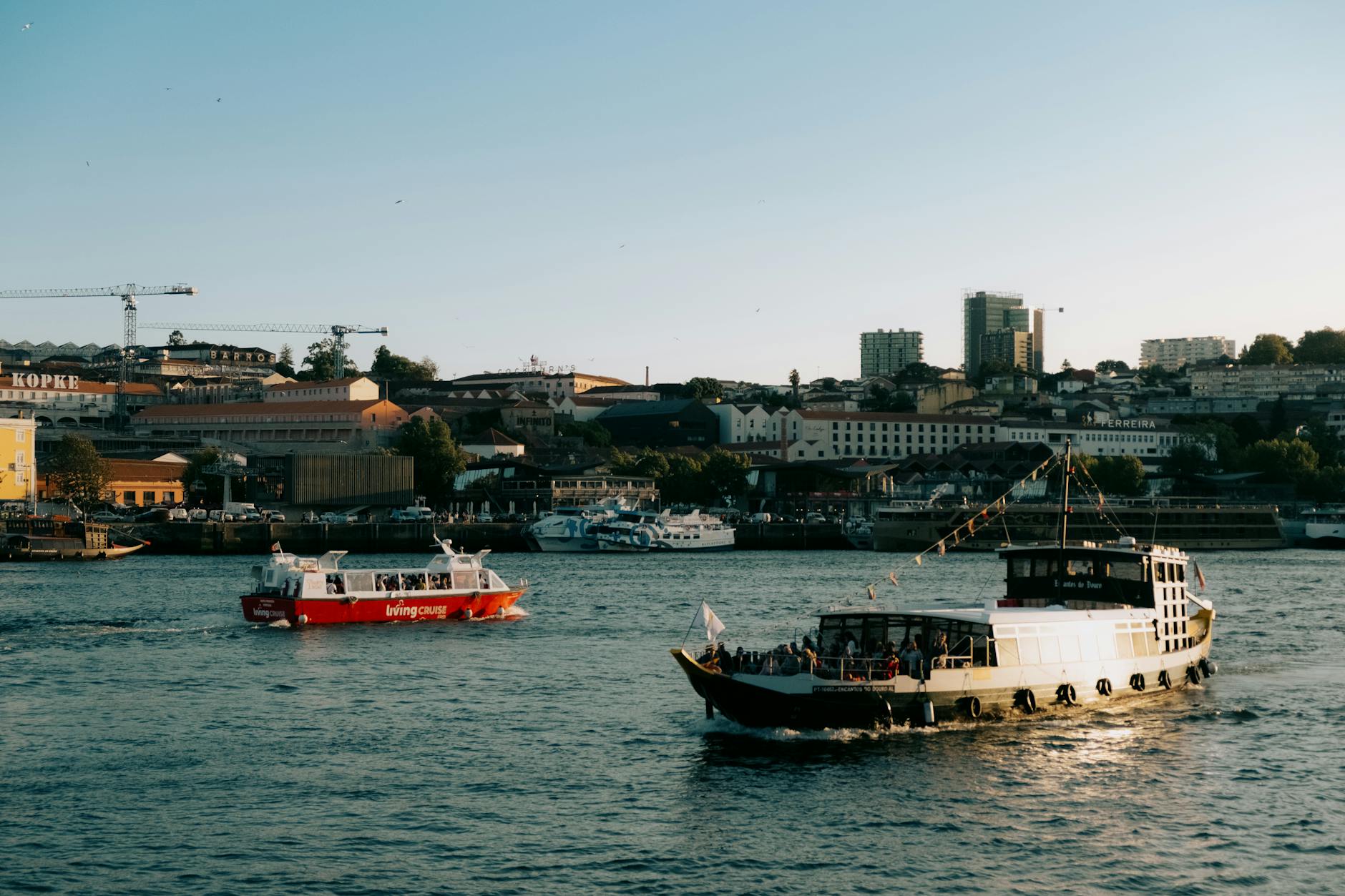
A cruise traveler joining a ship excursion with no special constraints may not need a custom Porto report. A report becomes useful when the traveler wants an independent port day, has mobility concerns, needs wine or food planning, wants to compare excursions, or must protect a tight return window.
The report should test dock logistics, transfer options, return buffers, excursion tradeoffs, route effort, weather, tasting reservations, meal timing, shopping, mobility, budget, and what to cut. The value is a Porto port call that feels deliberate rather than improvised under the pressure of all-aboard time.
- Order when independent touring, mobility, wine, food, excursions, or return timing need testing.
- Provide ship, docking date, all-aboard time, excursion options, mobility limits, budget, and priorities.
- Use the report to protect the port day from both overplanning and ship-deadline risk.