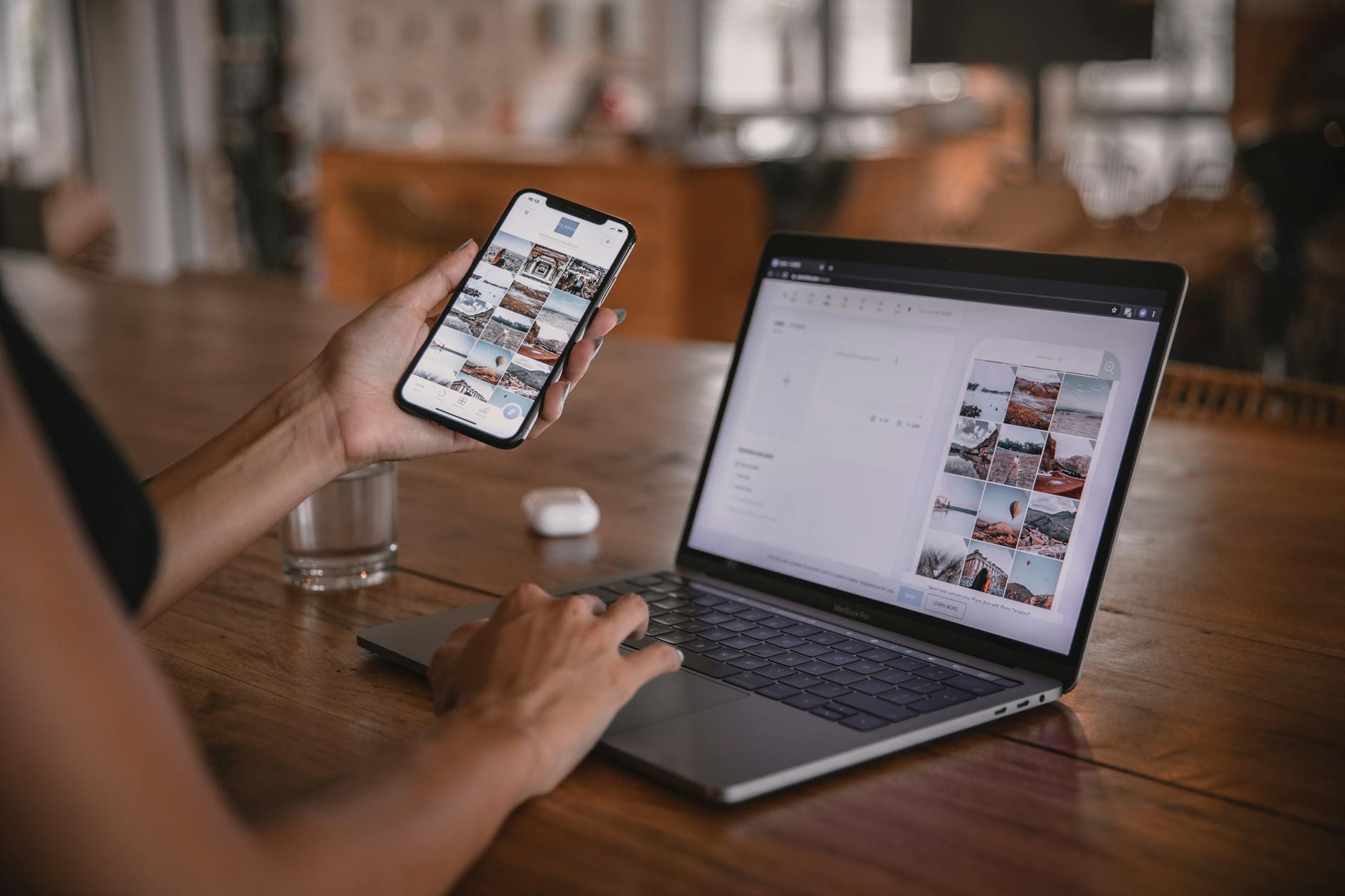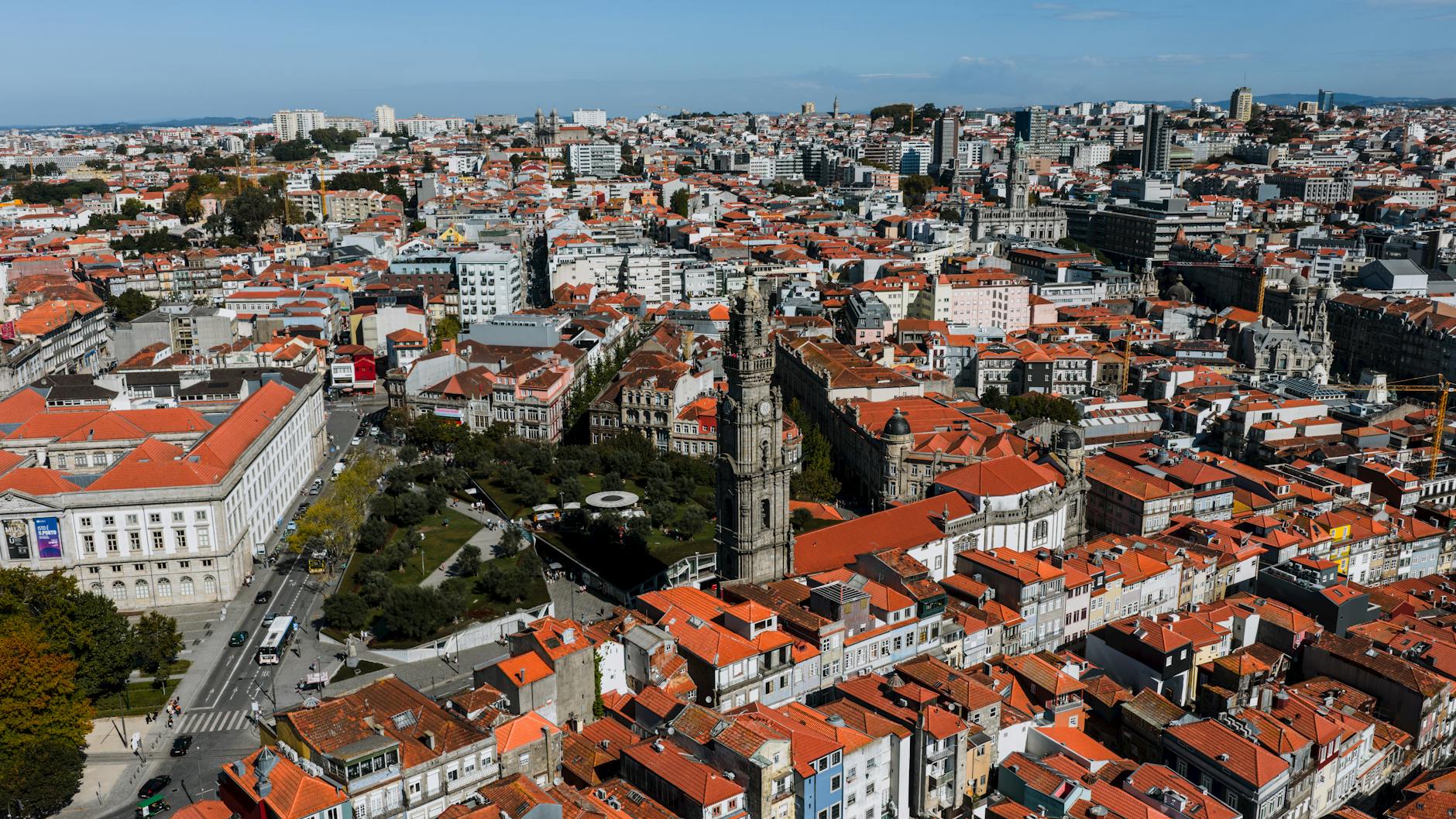
Porto is attractive for content creators because the city offers river views, tiled facades, bridges, trams, cafes, markets, churches, wine culture, rooftops, and Atlantic light. But a short creator trip can become inefficient quickly if every location depends on perfect weather, empty streets, charged equipment, and a schedule that ignores Porto's hills. The right Porto plan starts with the creative objective. A creator shooting travel reels, hotel content, food coverage, brand work, photography, long-form video, or social posts needs a different route, permission plan, budget, and editing rhythm.
Define the content job before the shot list
A content creator should identify the purpose of the Porto trip before building a location list. The work may involve brand deliverables, affiliate content, hotel coverage, food videos, travel photography, long-form storytelling, social clips, or portfolio building. Each purpose changes the schedule.
The creator should separate must-capture deliverables from optional city material. Porto has more visual opportunities than a short trip can use, so the plan needs priority rather than constant chasing.
- Clarify brand, platform, portfolio, hotel, food, travel, or long-form deliverables.
- Separate required shots from optional visual ideas.
- Build the route around the content job, not every photogenic location.
Plan light, crowds, and hills together
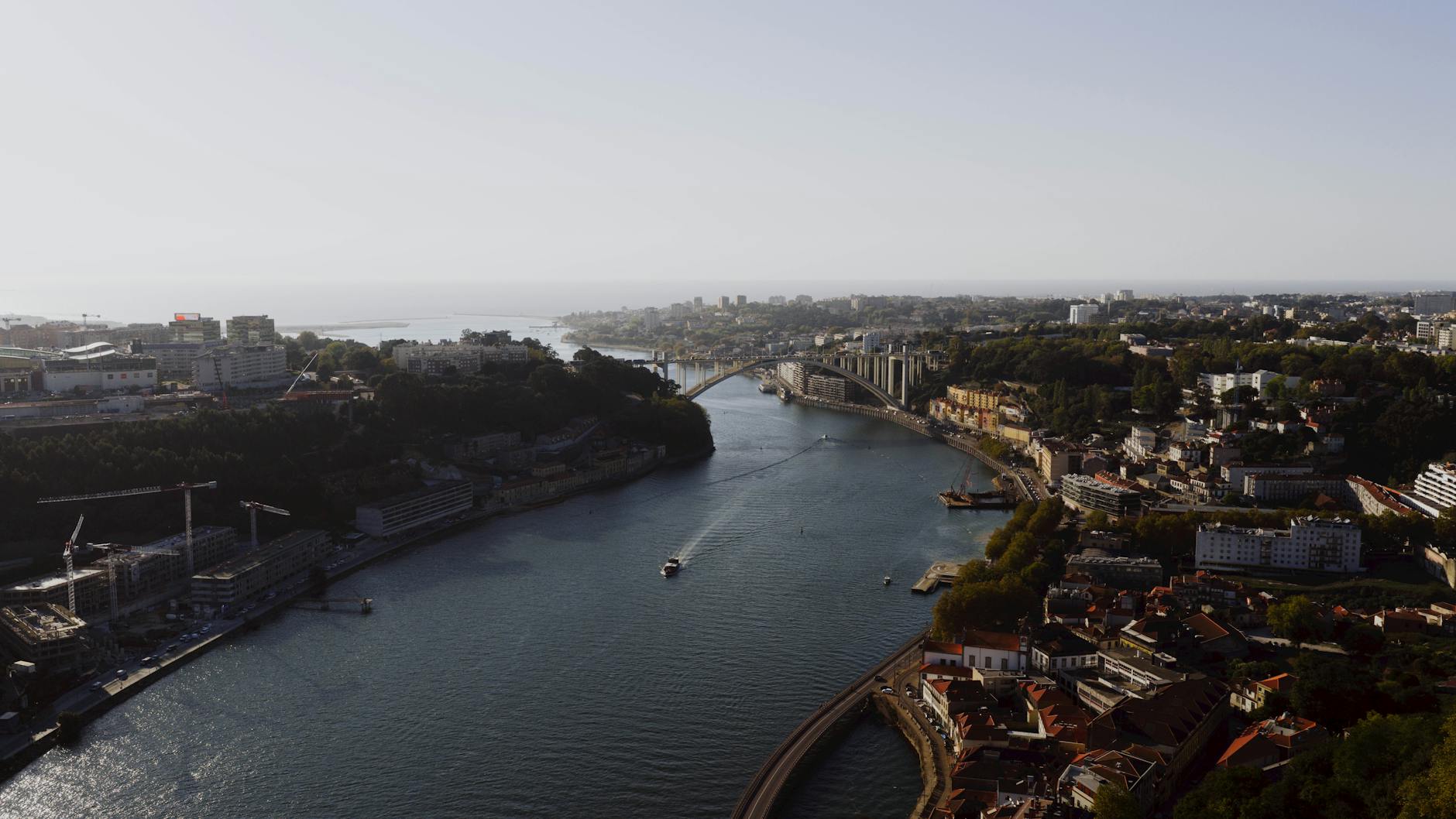
Porto's best visuals often depend on timing. Ribeira, Luis I Bridge, Sao Bento, Gaia, Clerigos, cathedral steps, cafes, markets, and viewpoints all change with light and crowds. The creator should plan sunrise, golden hour, rain backups, and crowd windows before deciding the sequence.
The city's slopes also affect production. Moving between locations with gear, outfits, tripod, gimbal, or props can take longer than expected. The creator should avoid scheduling every strong location on the same physically demanding day.
- Match locations to light, crowd windows, weather, and route effort.
- Account for hills when carrying cameras, tripod, gimbal, outfits, or props.
- Use backups for rain, wind, glare, and locations that become too crowded.
Know permission and respect boundaries
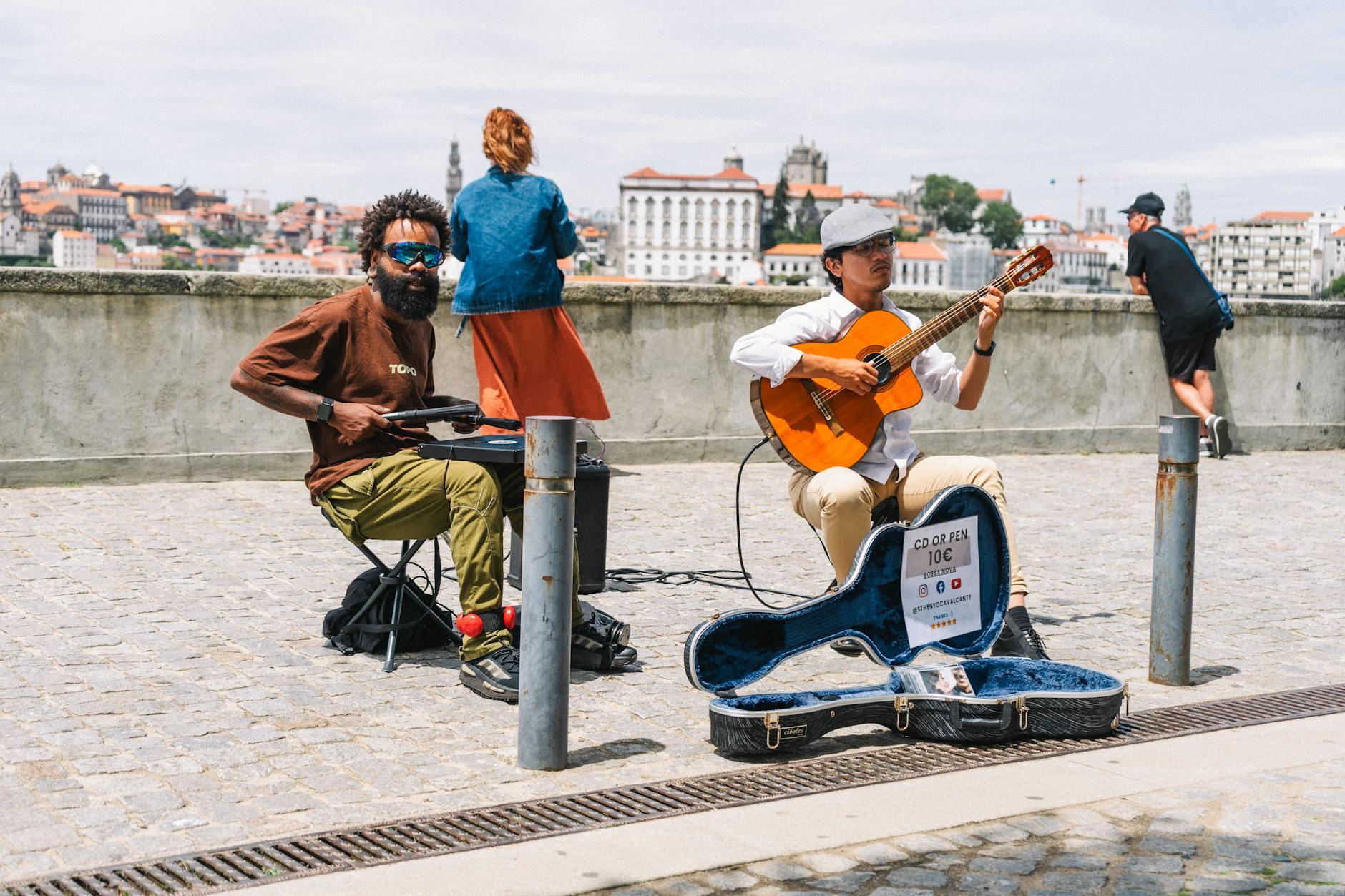
Not every beautiful Porto setting is available for commercial or semi-commercial use. Hotels, restaurants, churches, museums, markets, stations, private interiors, events, and people may require permission. The creator should understand when a casual phone clip is different from a sponsored shoot.
Consent matters. Staff, diners, children, residents, artists, and other travelers should not become background assets just because the frame is attractive. A strong creator plan protects the work and the people in the city.
- Check permission rules for hotels, restaurants, churches, museums, markets, stations, and events.
- Treat sponsored, commercial, tripod, drone, and interview work differently from casual capture.
- Use consent and restraint when people are identifiable in the content.
Build an equipment and charging plan
Creator travel depends on equipment reliability. Cameras, phones, lenses, microphones, batteries, memory cards, chargers, adapters, tripod, gimbal, hard drive, cloud backup, and weather protection should be planned before departure. Porto's rain and hills make a lighter kit attractive, but not if it compromises required deliverables.
The creator should decide what stays at the hotel, what is carried each day, and what is backed up each night. Lost footage can turn a productive day into a failed trip.
- Prepare phones, cameras, lenses, mics, batteries, cards, chargers, adapters, tripod, and backups.
- Choose a kit that fits hills, rain, security, and required deliverables.
- Back up footage daily and separate carried gear from hotel gear.
Choose lodging for production and editing
A creator's hotel should be judged by more than style. Natural light, quiet, desk space, Wi-Fi, power outlets, storage, elevator access, check-in timing, laundry, backdrop quality, and proximity to first-light locations can matter. A scenic room is useful only if it supports the workflow.
The creator should also decide whether staying near Ribeira, Gaia, Cedofeita, Bonfim, Boavista, or Foz serves the content plan. The best base is the one that reduces repeated gear movement and protects editing time.
- Check natural light, quiet, desk, Wi-Fi, outlets, storage, laundry, access, and check-in timing.
- Choose the neighborhood by shot list, first-light locations, gear movement, and editing blocks.
- Avoid a photogenic hotel that creates weak work conditions.
Protect editing, posting, and recovery time
A creator trip is not only capture. Editing, captioning, uploading, brand review, analytics, file delivery, emails, charging, and rest need protected time. If every hour in Porto is scheduled for shooting, the traveler may leave with a full card and missed obligations.
The creator should plan posting windows around connectivity, quiet, meal timing, and deadlines. A shorter shot list with clean delivery is often stronger than a frantic citywide sprint.
- Protect editing, uploads, captions, brand review, file delivery, emails, charging, and rest.
- Check Wi-Fi, mobile data, storage, and quiet workspaces.
- Choose fewer strong deliverables over a rushed list of disconnected captures.
When to order a short-term travel report
A content creator with flexible dates, no paid deliverables, and a relaxed shot list may not need a custom Porto report. A report becomes useful when brand obligations, filming permissions, light timing, weather, gear movement, hotel workflow, budget, or editing deadlines could determine whether the trip delivers.
The report should test creative goals, location sequence, light, crowds, permissions, hotel fit, equipment, weather backups, editing windows, meals, transport, budget, and what to cut. The value is a Porto content plan that produces usable work without turning the city into chaos.
- Order when deliverables, permissions, light, weather, gear, hotel workflow, or editing deadlines need testing.
- Provide platforms, shot list, brand obligations, dates, hotel options, equipment, budget, and constraints.
- Use the report to make the content plan realistic enough to execute.