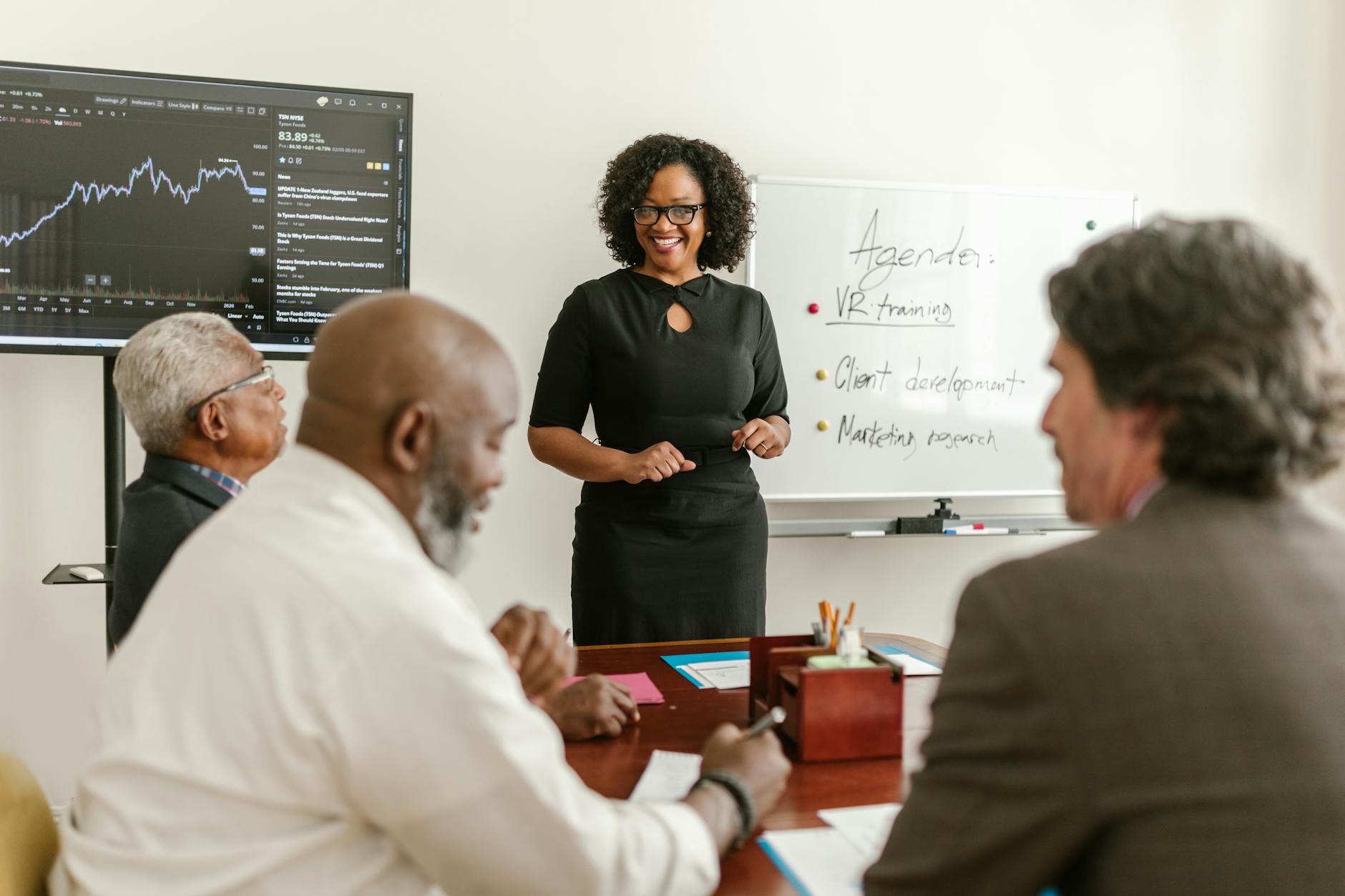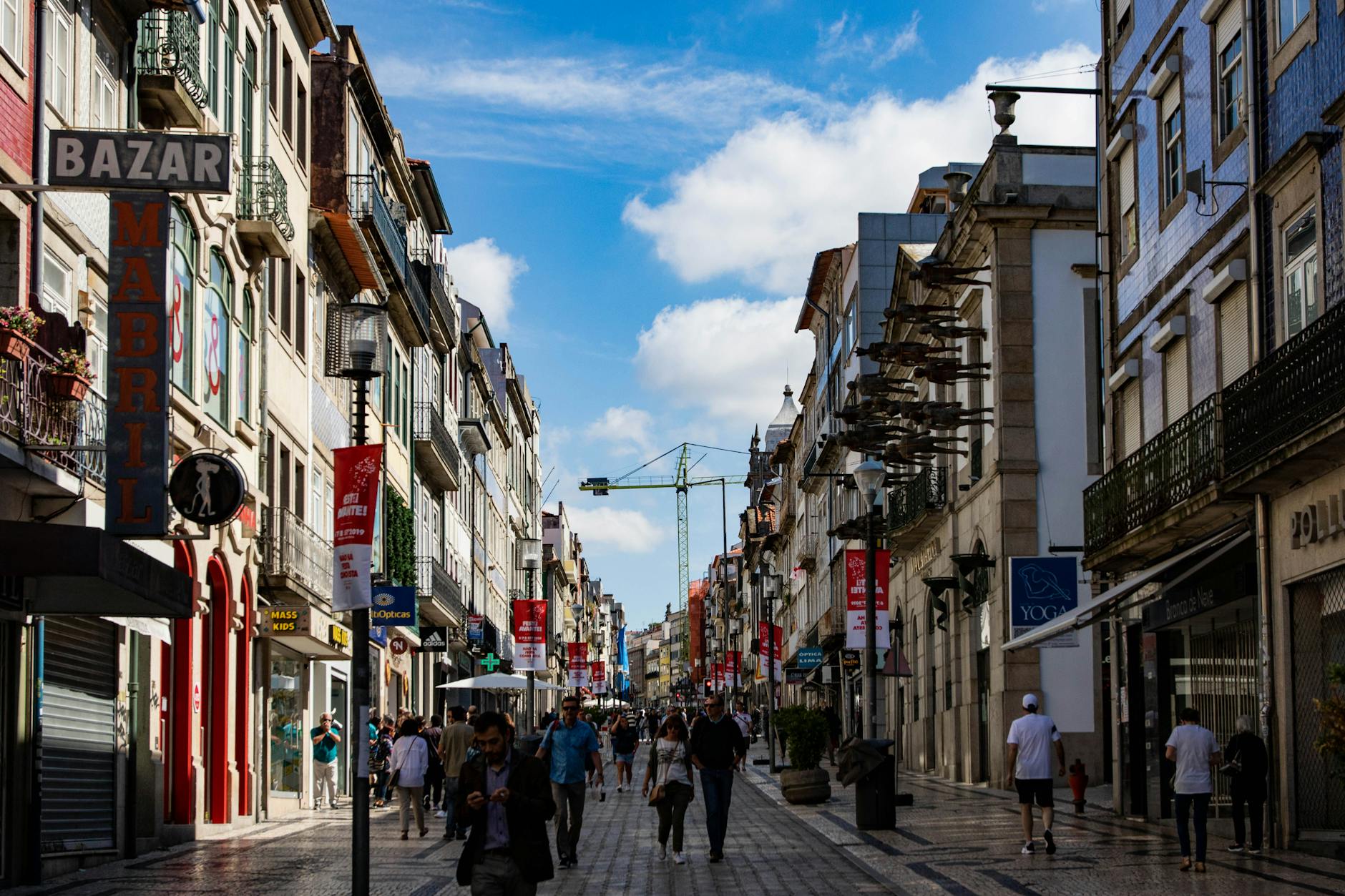
A consultant's Porto trip is judged by whether the client work lands. The city can be enjoyable, but the engagement comes first: client site, workshop room, stakeholder calendar, airport timing, hotel workspace, Wi-Fi, confidentiality, materials, meals, receipts, and recovery. A beautiful hotel or ambitious city plan is not useful if it weakens the assignment. The right Porto consultant plan starts with the work product. Once the objective, stakeholders, meeting locations, and prep windows are clear, the traveler can choose lodging, transport, meals, and limited city time with much less guesswork.
Start with the client objective
A consultant should define the purpose of the Porto trip before booking around personal convenience. The objective may be discovery, executive alignment, workshop delivery, site review, sales support, implementation rescue, board preparation, or stakeholder interviews. Each version creates a different travel plan.
The traveler should know who must be in the room, what deliverable is expected, what preparation is needed, and what follow-up window must remain protected. The trip should be built around that work sequence.
- Define whether the trip is for discovery, alignment, workshops, site review, sales support, or delivery.
- Identify required stakeholders, deliverables, prep time, and follow-up windows.
- Build travel logistics around the engagement rather than around sightseeing first.
Map client geography before choosing a base
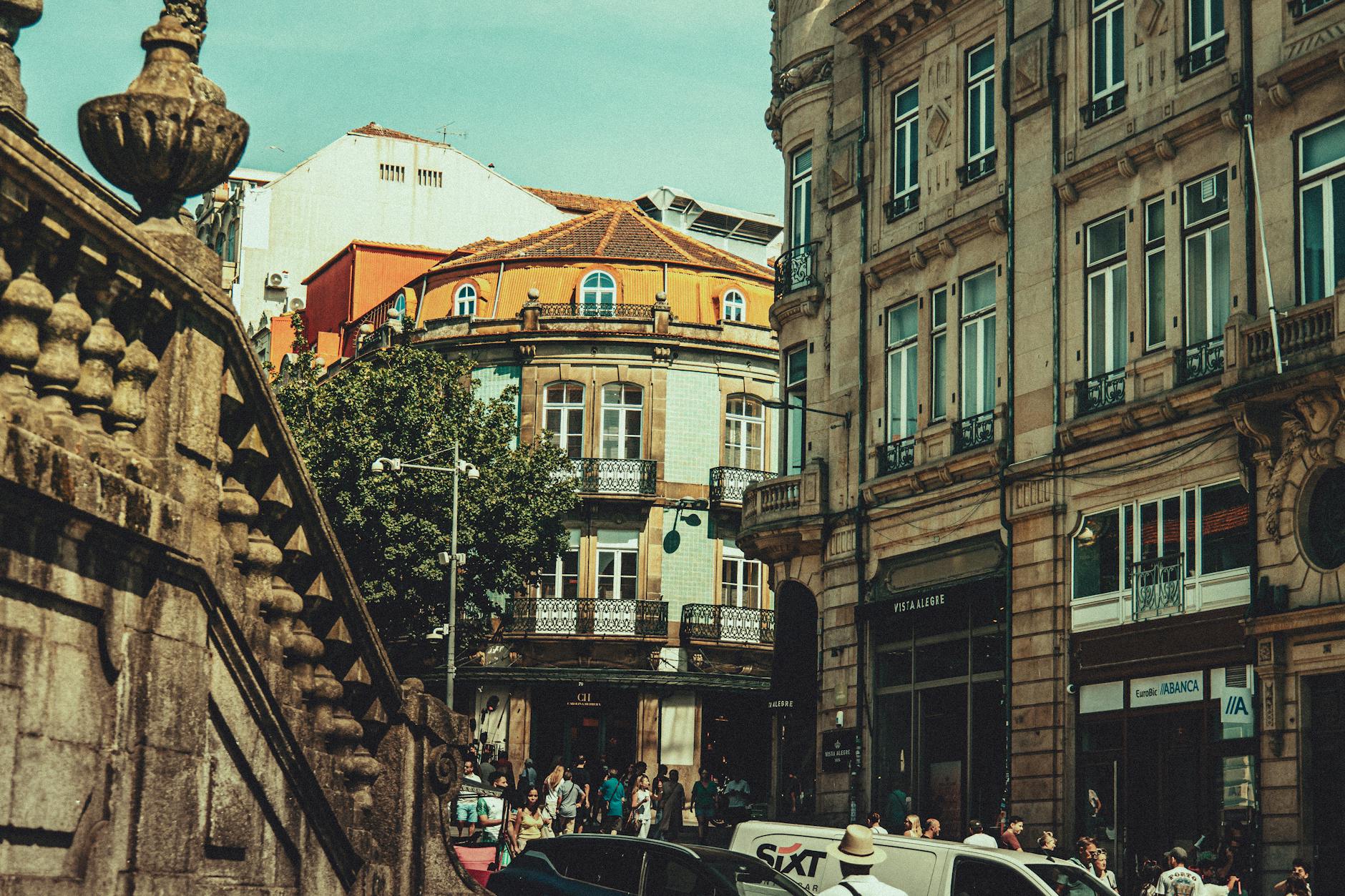
Consulting work may place the traveler in central Porto, Boavista, Gaia, Matosinhos, an industrial site, a hotel meeting room, or more than one client location. The hotel should be selected after those points are mapped. A leisure-perfect base can be operationally wrong if it complicates the morning route.
The traveler should also test travel time at the relevant hours. Porto's hills, bridges, weather, taxi availability, and event traffic can affect a short movement more than the map suggests.
- Map client sites, meeting rooms, hotel options, airport route, and dinner locations.
- Compare central Porto, Boavista, Gaia, Matosinhos, and site-adjacent bases by work value.
- Test routes at the hours the consultant actually needs to move.
Protect preparation and working conditions
The consultant may need to review documents, revise slides, take calls, handle confidential material, or build the next day's plan after client meetings. Hotel Wi-Fi, desk space, quiet, lighting, climate control, power, printer access, and breakfast timing matter more than they would on a leisure trip.
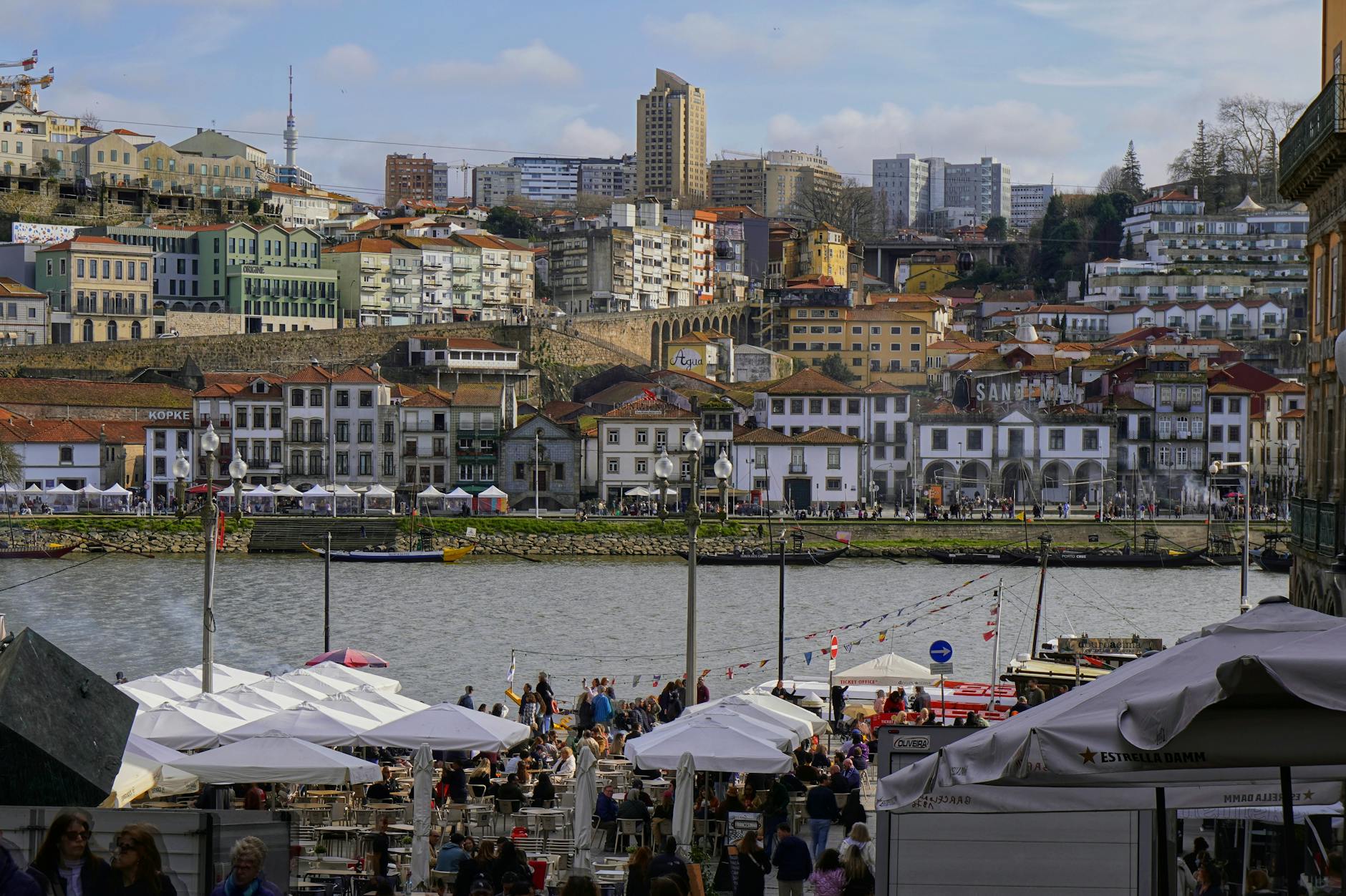
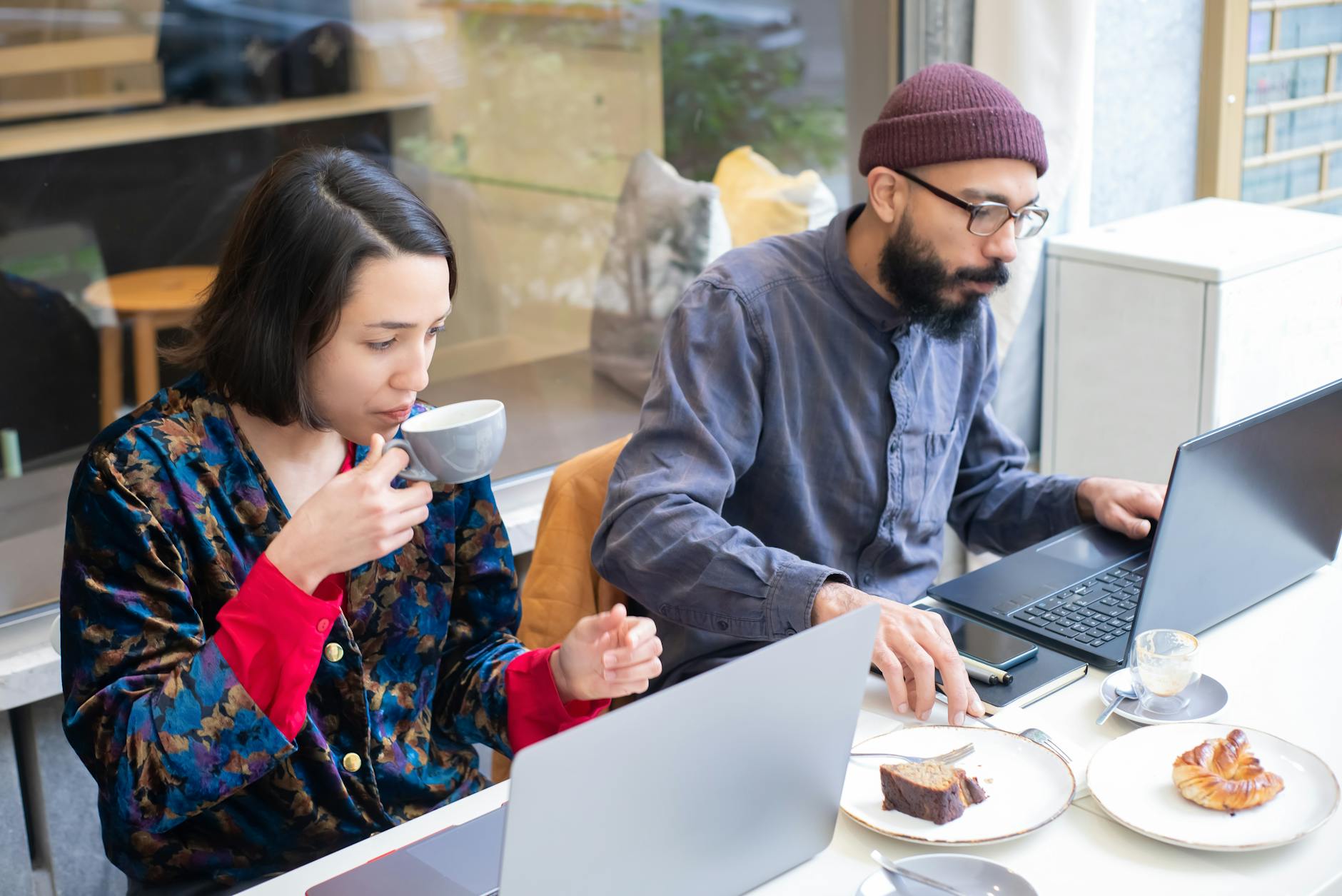
The traveler should avoid relying on cafes for sensitive work unless confidentiality is irrelevant. A pleasant Porto cafe can be useful for lighter tasks, but client material and difficult calls require a better-controlled workspace.
- Check Wi-Fi, desk space, quiet, lighting, power, climate control, and breakfast timing.
- Protect evening and morning work blocks for slides, notes, calls, and follow-up.
- Do confidential work in controlled spaces, not improvised public settings.
Plan meeting materials and stakeholder timing
Consultants often travel with more than a laptop. Workshop handouts, adapters, backup files, notes, facilitation supplies, presentation clickers, chargers, client gifts, or signed documents can all matter. The traveler should know what must be carried, backed up, printed, or sent ahead.
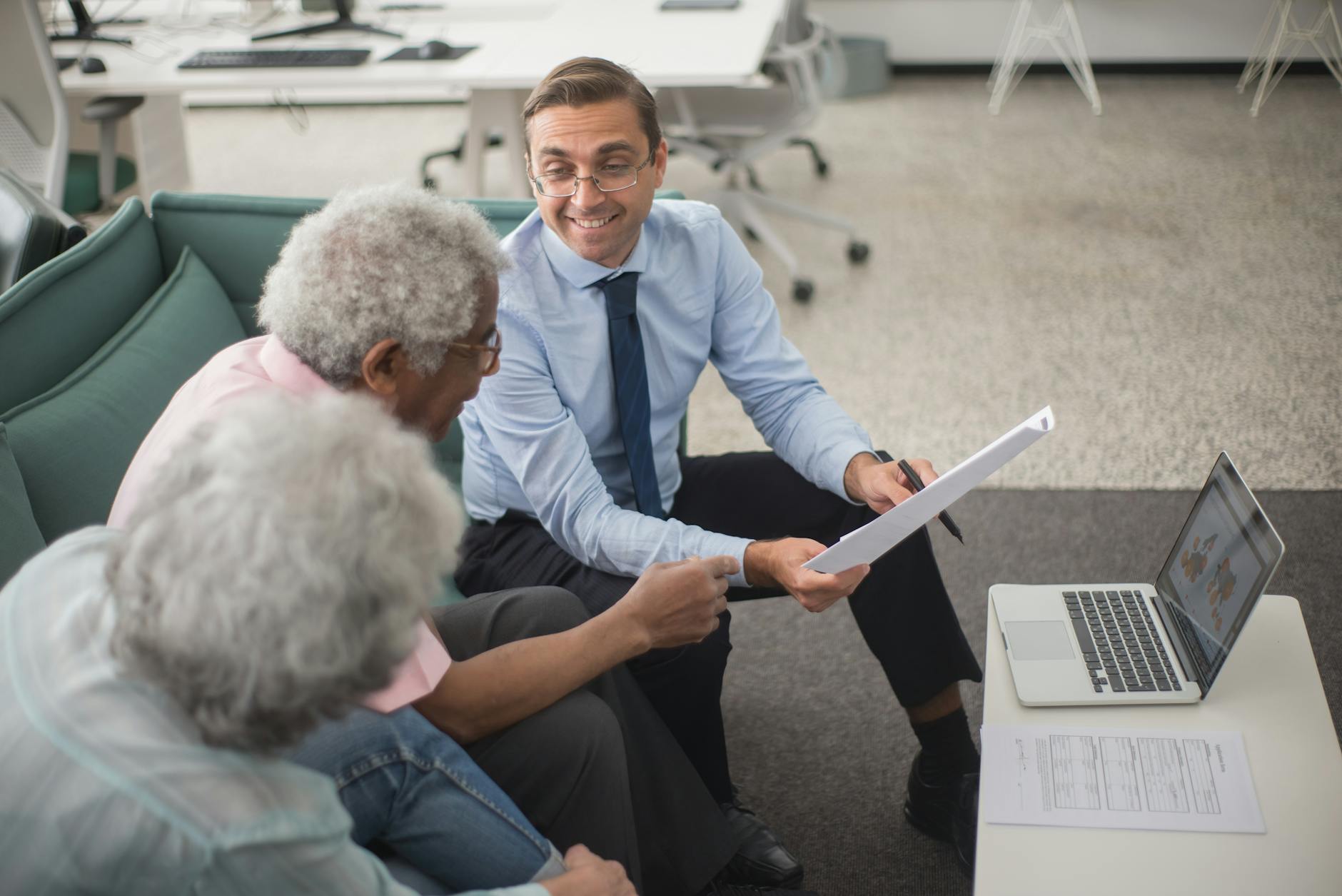
Stakeholder timing is equally important. If the trip depends on a short meeting with a senior client, arrival buffers and backup slots should be protected. Porto is not the place to discover that a delayed flight or missed transfer removed the only critical conversation.
- Prepare handouts, adapters, backup files, chargers, notes, and facilitation supplies.
- Protect senior stakeholder meetings with arrival and transfer buffers.
- Plan printing, file sharing, and backup delivery before departure.
Use arrival and departure timing defensively
A consultant's arrival plan should protect the first client obligation. Airport timing, immigration, baggage, taxi or metro choice, hotel check-in, shower time, meal timing, and device charging should be planned as a chain. If the first meeting is important, same-day arrival may be too fragile.
Departure timing matters as well. A late final meeting, airport transfer, receipts, follow-up notes, and a next-city connection can create a rushed close. The trip should leave room to finish the engagement cleanly.
- Plan airport arrival, baggage, transfer, check-in, food, device charging, and first meeting timing.
- Avoid same-day arrival when the first client obligation is critical.
- Leave departure margin for final meetings, notes, receipts, and onward travel.

Treat client meals as part of the engagement
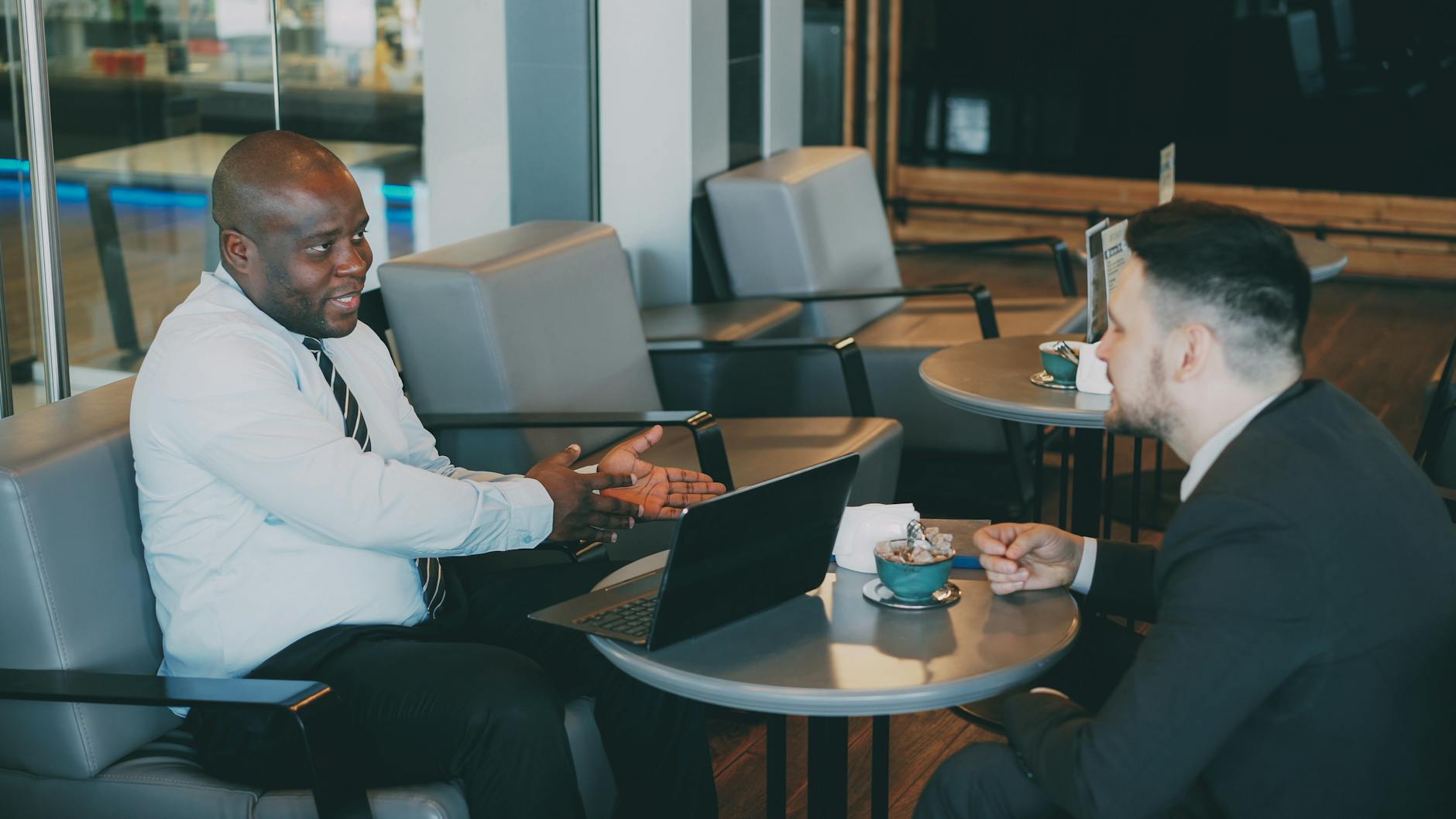
Client meals in Porto can be valuable, but they should support the work. Location, noise, dietary needs, alcohol expectations, receipt handling, transportation, and next-day energy all matter. A memorable dinner is not useful if it leaves the consultant unprepared for the morning workshop.
The traveler should also identify lower-effort meals for nights without clients. After a long day of interviews or facilitation, the best option may be a simple nearby restaurant and a protected work block.
- Choose client meals by location, noise, dietary needs, receipts, transport, and work purpose.
- Set alcohol and late-night boundaries around the next day's work.
- Keep simple solo meal options near the hotel for recovery and follow-up.
When to order a short-term travel report
A consultant with one meeting, one known hotel, and flexible timing may not need a custom Porto report. A report becomes useful when client geography, multiple stakeholders, workshop materials, hotel work conditions, arrival risk, meals, receipts, confidentiality, or limited city time could affect the engagement.
The report should test client-site geography, hotel fit, airport transfers, work blocks, meeting sequence, materials, meal choices, confidentiality needs, recovery, receipts, budget, and what to cut. The value is a Porto trip that protects the billable purpose first.
- Order when client sites, hotel work conditions, arrivals, materials, meals, or confidentiality need testing.
- Provide agenda, client addresses, hotel options, work requirements, dates, budget, and constraints.
- Use the report to keep Porto logistics from weakening the consulting outcome.