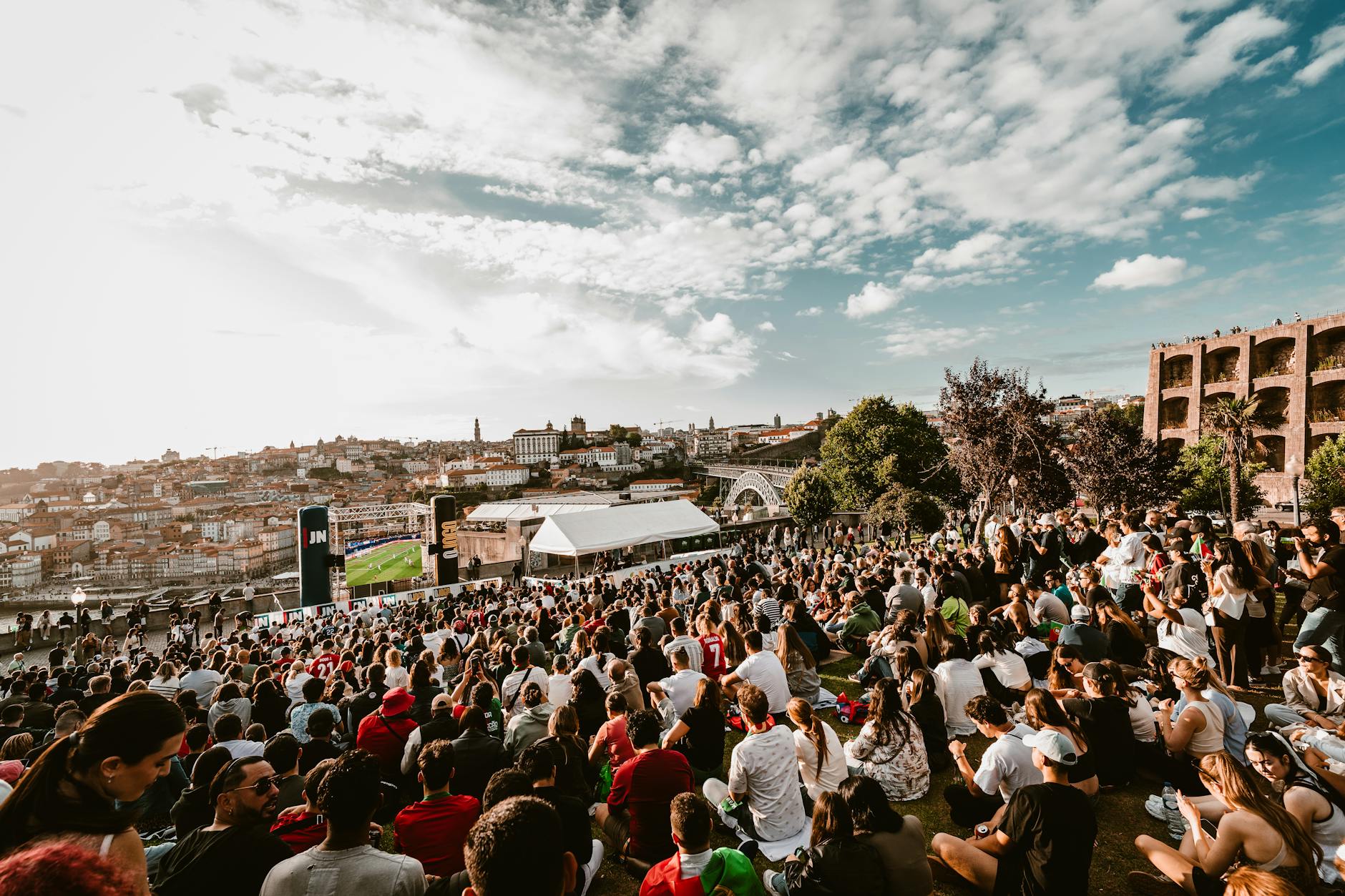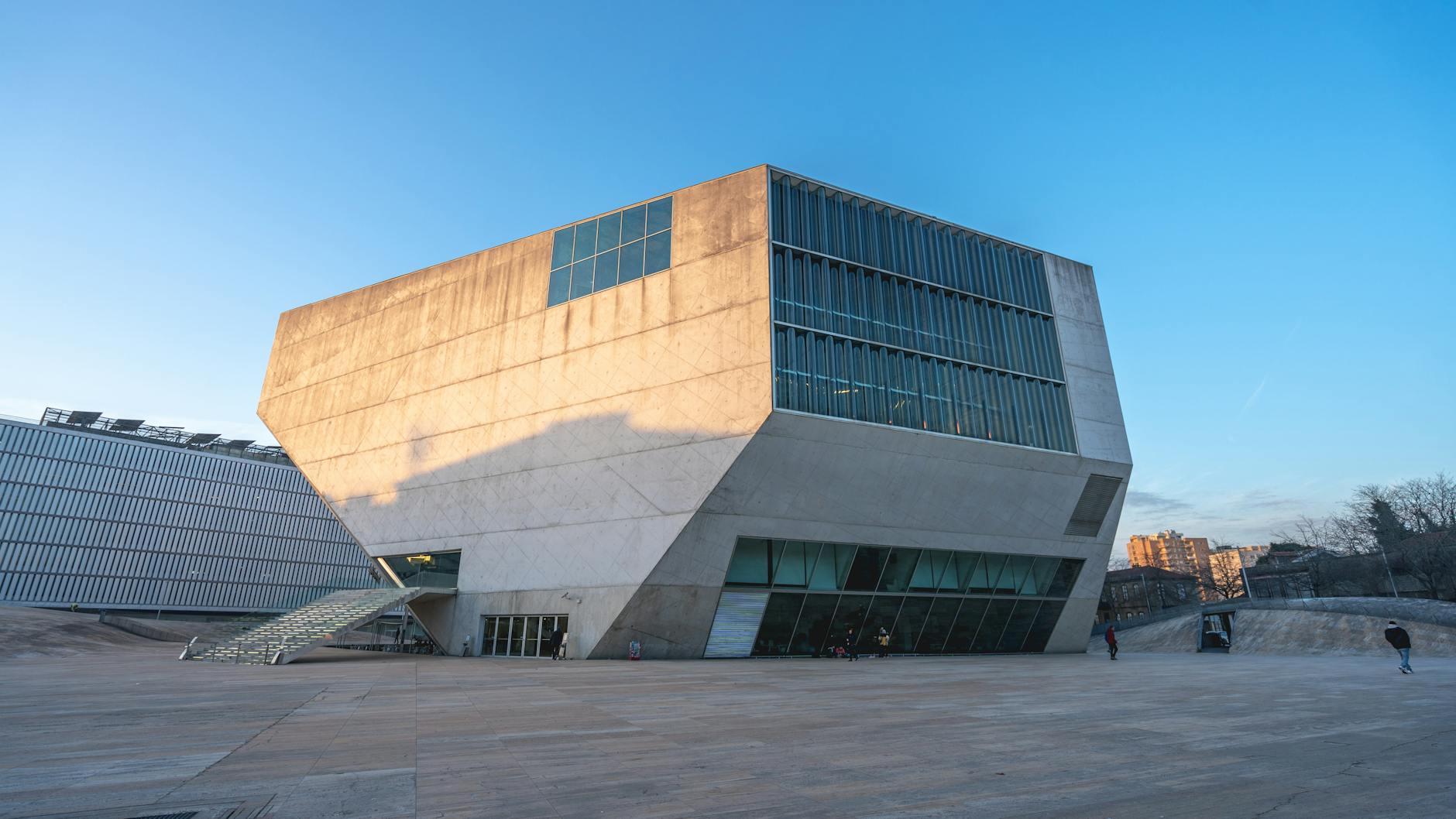
Porto can be an appealing conference city because it offers memorable venues, riverfront hospitality, restaurants, hotels, airport access, and enough character to make even a short professional trip feel distinctive. But a conference attendee has a different problem from a tourist. The agenda, venue, badge pickup, sessions, networking, materials, receipts, and next-day obligations control the trip. The right Porto conference plan starts with the venue and the work purpose. The city can be added around that structure, but it should not make the conference day harder.
Map the venue before the hotel
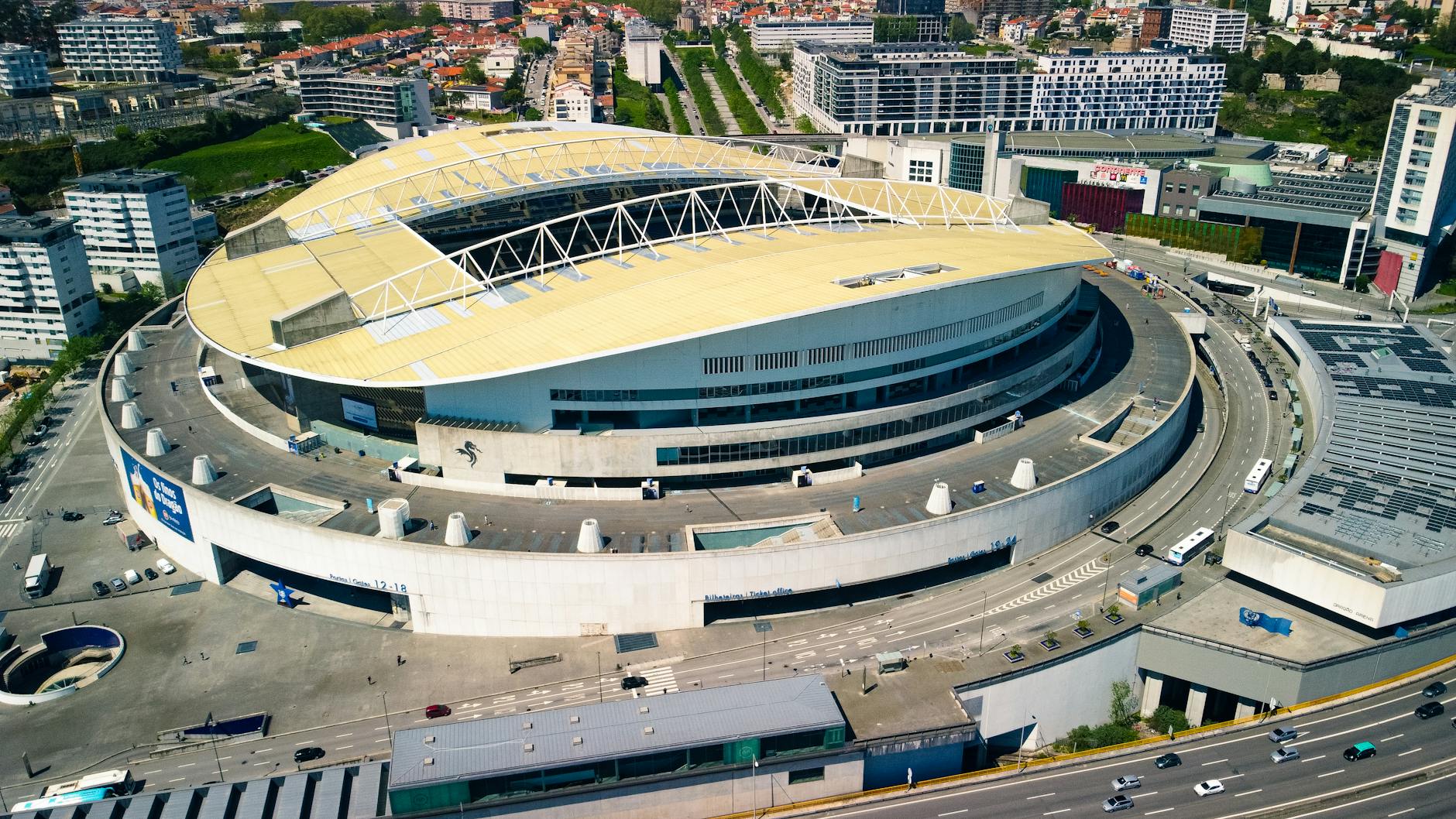
A conference attendee should identify the exact venue, entrance, registration area, session rooms, reception spaces, and nearby transport before choosing lodging. Porto events can be attached to hotels, cultural venues, arenas, university buildings, business districts, or riverfront settings. The practical geography changes the right base.
The traveler should also check whether conference events move between locations. A hotel that is perfect for the main session may be less convenient for the evening reception, exhibition floor, or client dinner.
- Map the venue, entrance, registration, receptions, side events, hotel, and airport route.
- Check whether the conference uses more than one location.
- Choose lodging around the agenda, not only the most attractive neighborhood.
Protect badge pickup and first-session timing
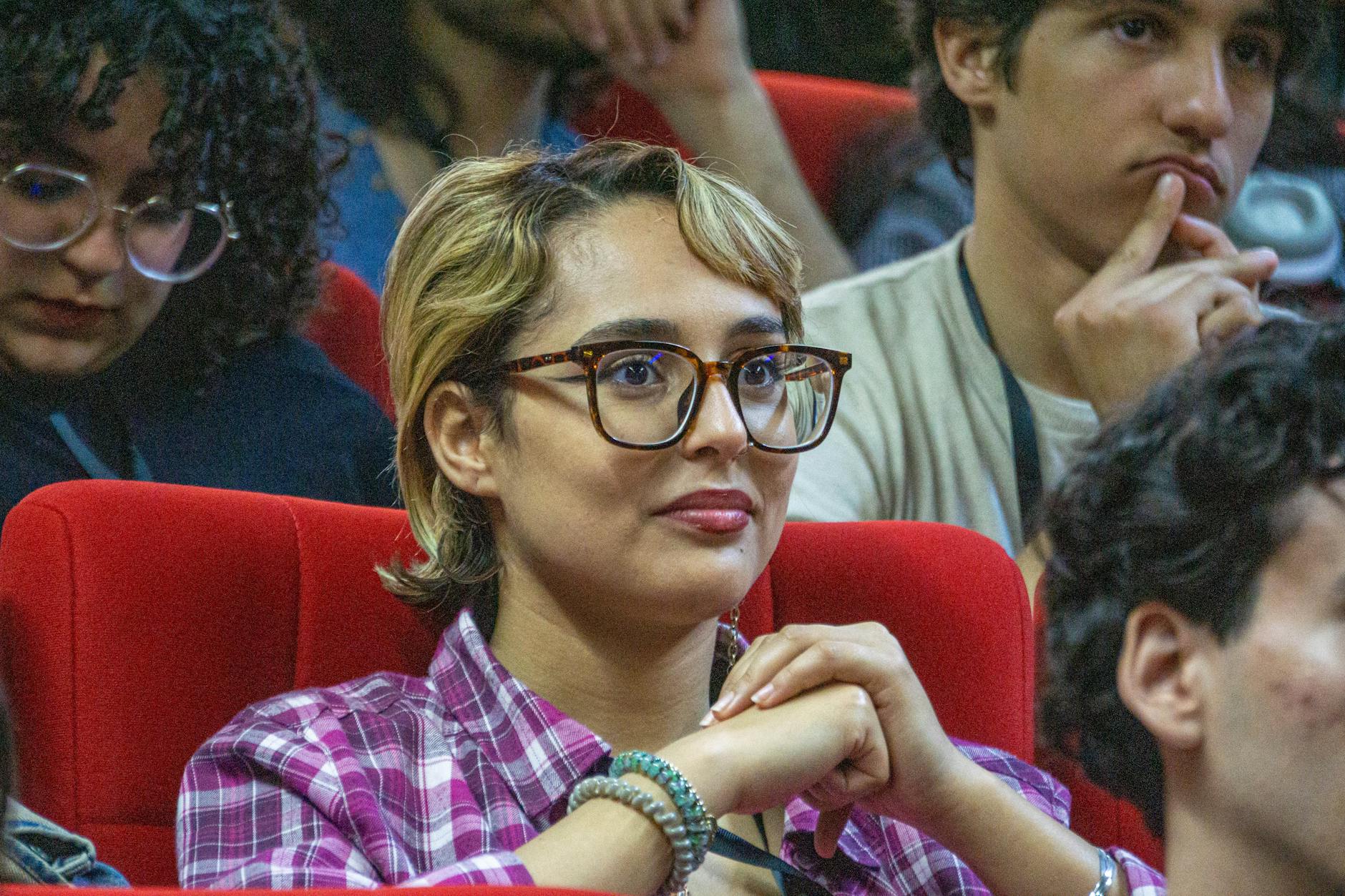
The first conference morning should not be improvised. Badge pickup, breakfast, transit, venue entry, coat or bag checks, Wi-Fi, session room location, and coffee lines can all consume time. Porto's hills and weather can add friction before the attendee even reaches the event.
The traveler should build a first-morning margin and know the route from hotel room to seat. If the attendee is presenting, moderating, staffing a booth, or meeting clients, that margin should be wider.
- Plan badge pickup, breakfast, venue entry, room location, Wi-Fi, and bag handling.
- Build extra margin into the first morning.
- Add more buffer for presenting, moderating, booth duty, or client meetings.
Make the hotel function as a work base
Conference hotels should be judged by more than style. Desk space, Wi-Fi, quiet, lighting, climate control, iron or laundry access, receipt handling, breakfast timing, taxi access, luggage storage, and late check-out can all matter. A short conference trip often includes work before and after the public agenda.
The attendee should decide whether staying at the conference hotel is worth the price. Sometimes it protects networking and schedule control. Sometimes a nearby hotel with better rest and work conditions is stronger.
- Check desk, Wi-Fi, quiet, laundry, breakfast, luggage storage, and taxi access.
- Decide whether the conference hotel is worth the convenience premium.
- Keep room setup compatible with calls, prep, receipts, and follow-up work.
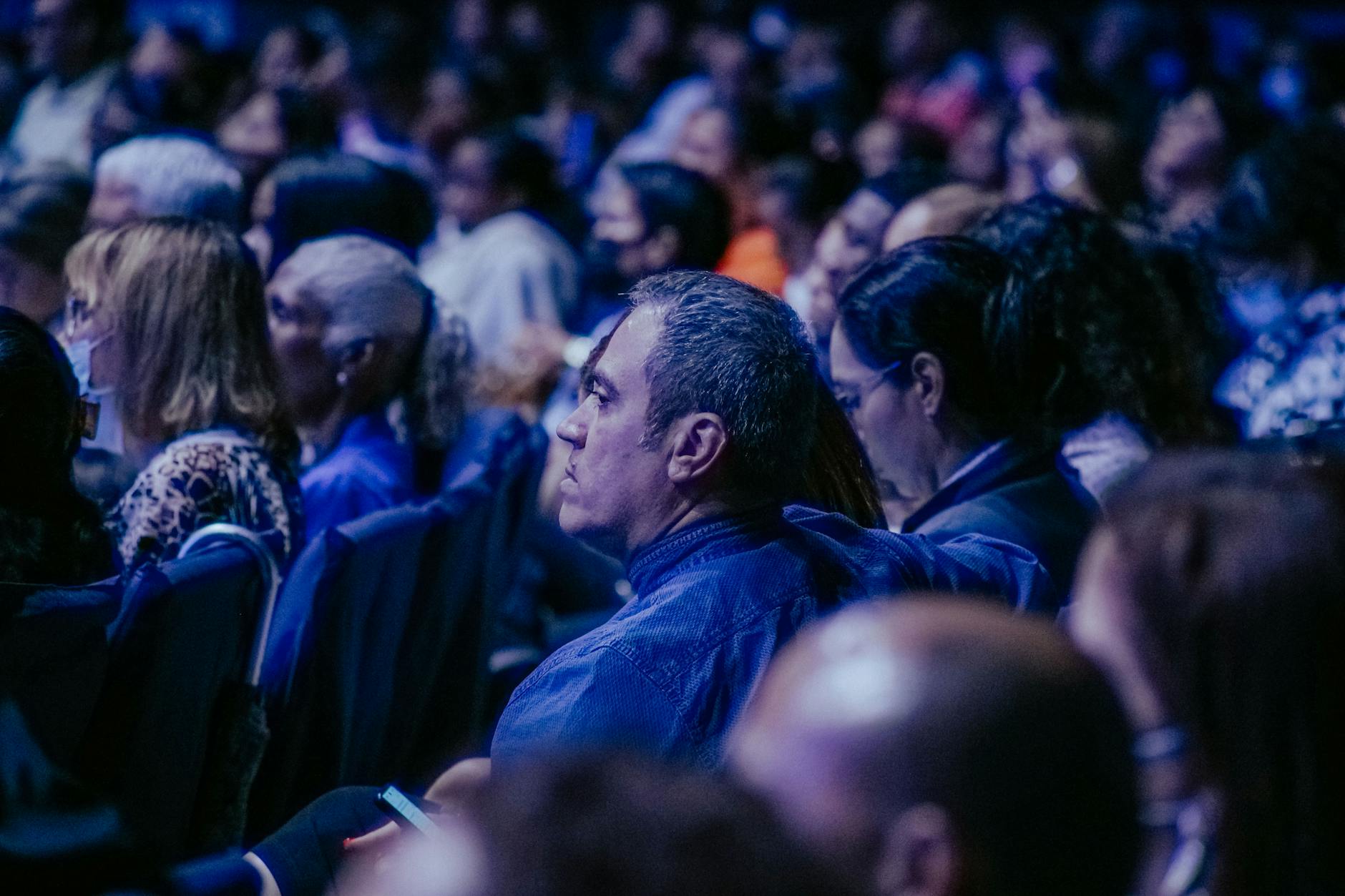
Plan clothes, shoes, and materials around Porto
Porto's terrain and weather affect conference clothing. Formal shoes, laptops, samples, tote bags, badges, jackets, and presentation materials may be uncomfortable on hills, cobblestones, stairs, rain-slick streets, or long walks between events. The attendee should plan appearance and movement together.
The packing list should include adapters, backup files, portable battery, weather layer, comfortable professional shoes, business cards if relevant, and a plan for keeping materials dry. A polished appearance is easier when the route supports it.
- Match professional clothing and shoes to hills, cobblestones, rain, and venue walking.
- Pack adapters, backup files, battery, weather layer, and dry storage for materials.
- Use taxis or transfers when movement would damage timing or appearance.
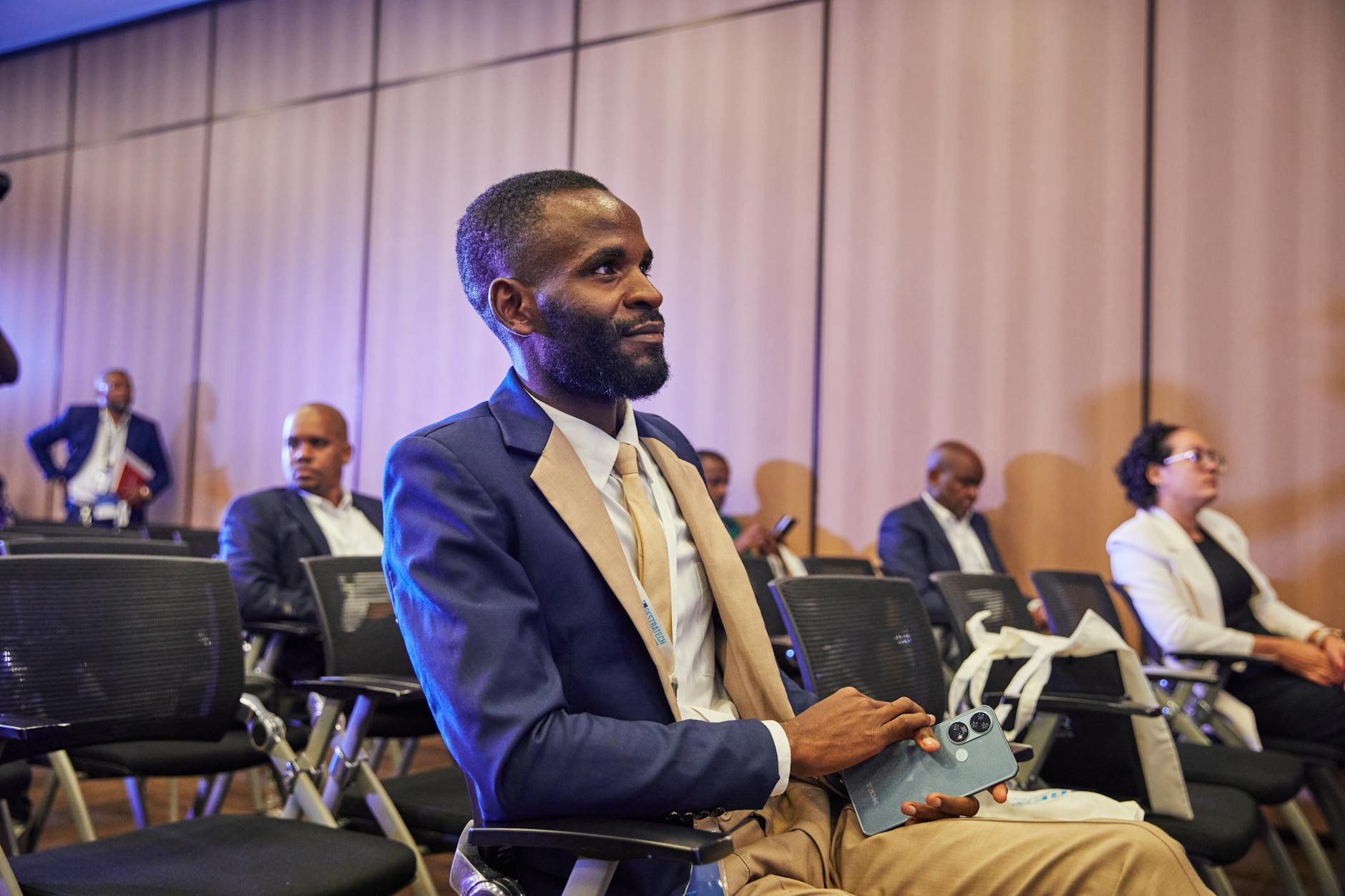
Treat networking and receptions as scheduled work
Networking in Porto may happen at receptions, riverfront dinners, hotel bars, wine-related events, client meals, booth conversations, or informal walks after sessions. These can be valuable, but they still need timing, budget, dietary planning, alcohol boundaries, and a route back to the hotel.
The attendee should decide which evening events are essential and which are optional. A conference trip is stronger when the traveler spends social energy deliberately rather than attending every possible gathering.
- Plan receptions, dinners, booth meetings, wine events, and client meals as work commitments.
- Set alcohol, dietary, budget, receipt, and return-route expectations before the evening.
- Prioritize the events that support the conference purpose.
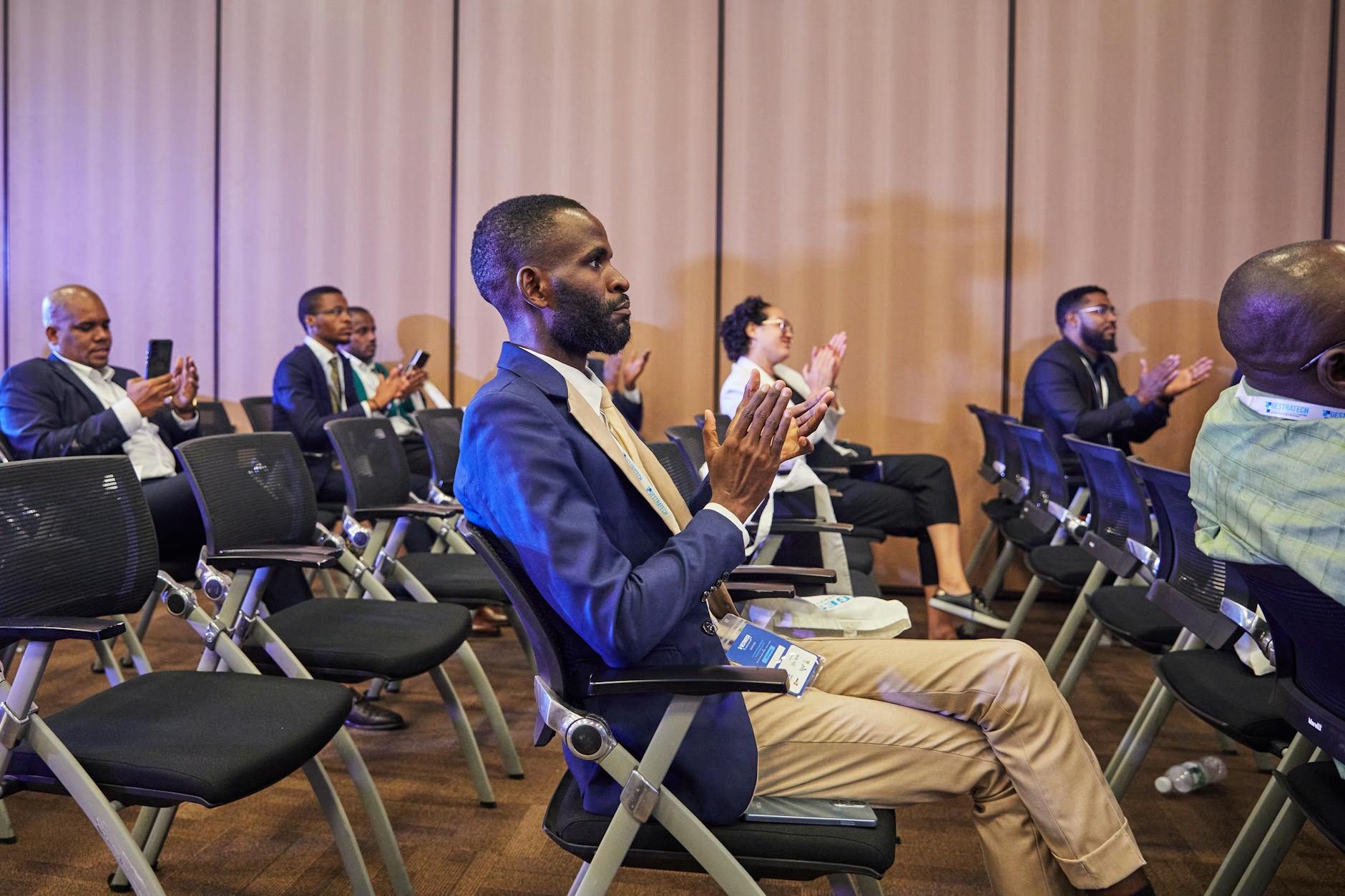
Add Porto around the agenda, not through it
A conference attendee may have only small windows for the city. Porto can still fit through a short river view, Sao Bento stop, cafe, simple dinner, Gaia crossing, or post-conference walk. The key is to attach city time to real schedule gaps instead of stealing from sleep, preparation, or the next morning's obligations.
The traveler should be honest about fatigue. A conference day with sessions and networking may not leave enough energy for a complex sightseeing plan. A smaller Porto moment can be better than a rushed route.
- Use real gaps for river views, cafes, Sao Bento, Gaia, or short walks.
- Do not borrow city time from sleep, preparation, or critical sessions.
- Choose one Porto moment well rather than forcing a tourist circuit into the agenda.
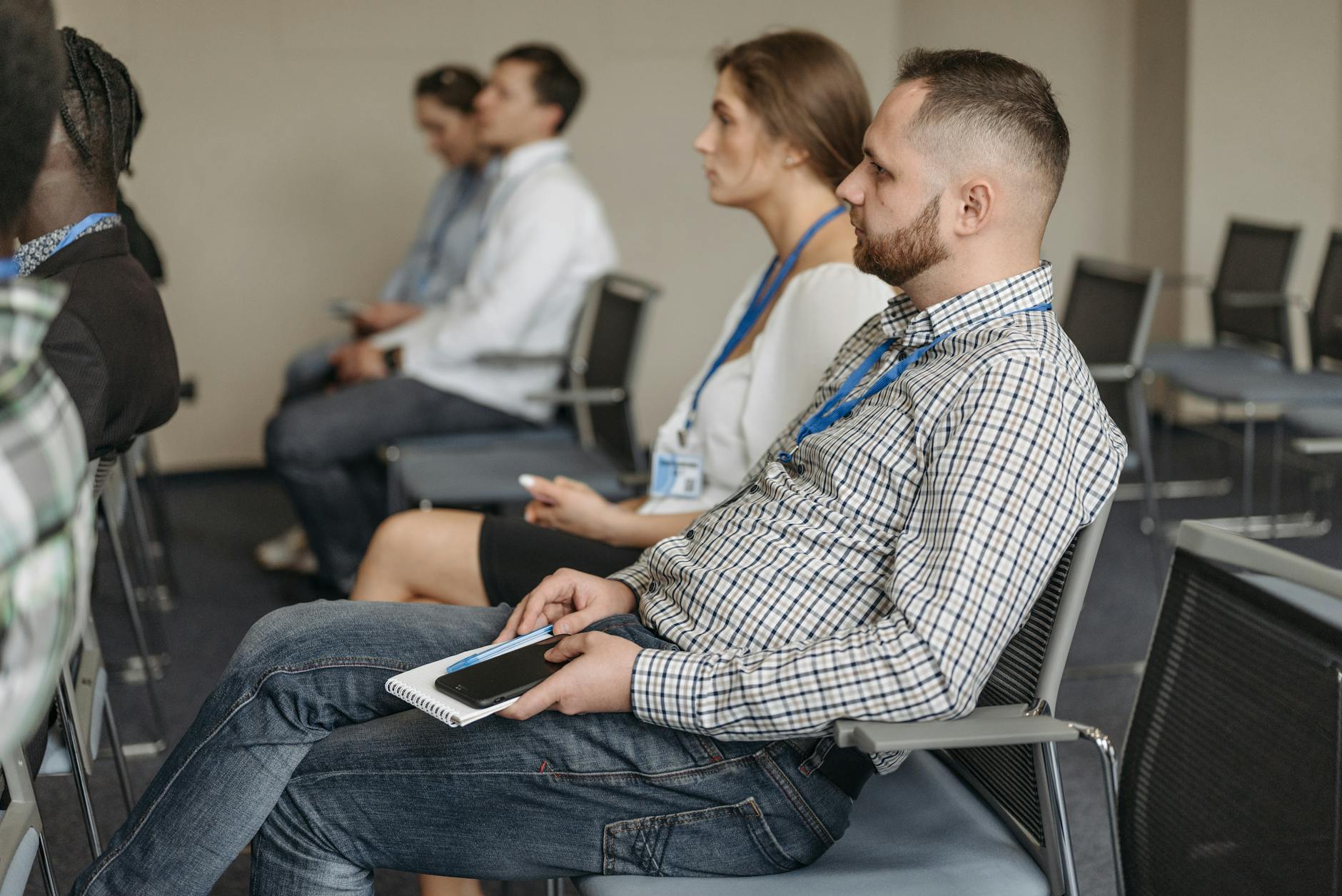
When to order a short-term travel report
A conference attendee with one venue, a conference hotel, and a light agenda may not need a custom Porto report. A report becomes useful when the event uses multiple venues, the hotel choice is uncertain, the attendee is presenting or staffing, client meetings are attached, receipts matter, mobility is limited, or the traveler wants to add Porto without weakening the agenda.
The report should test venue geography, hotel fit, airport transfer, badge timing, materials, clothing, walking conditions, weather, networking, receipts, city add-ons, recovery, and what to cut. The value is a Porto conference trip that performs professionally and still leaves room for the city.
- Order when venues, hotel choice, presentation duties, client meetings, or city add-ons need testing.
- Provide agenda, venue addresses, hotel options, arrival time, budget, and constraints.
- Use the report to protect the conference purpose while making Porto worthwhile.