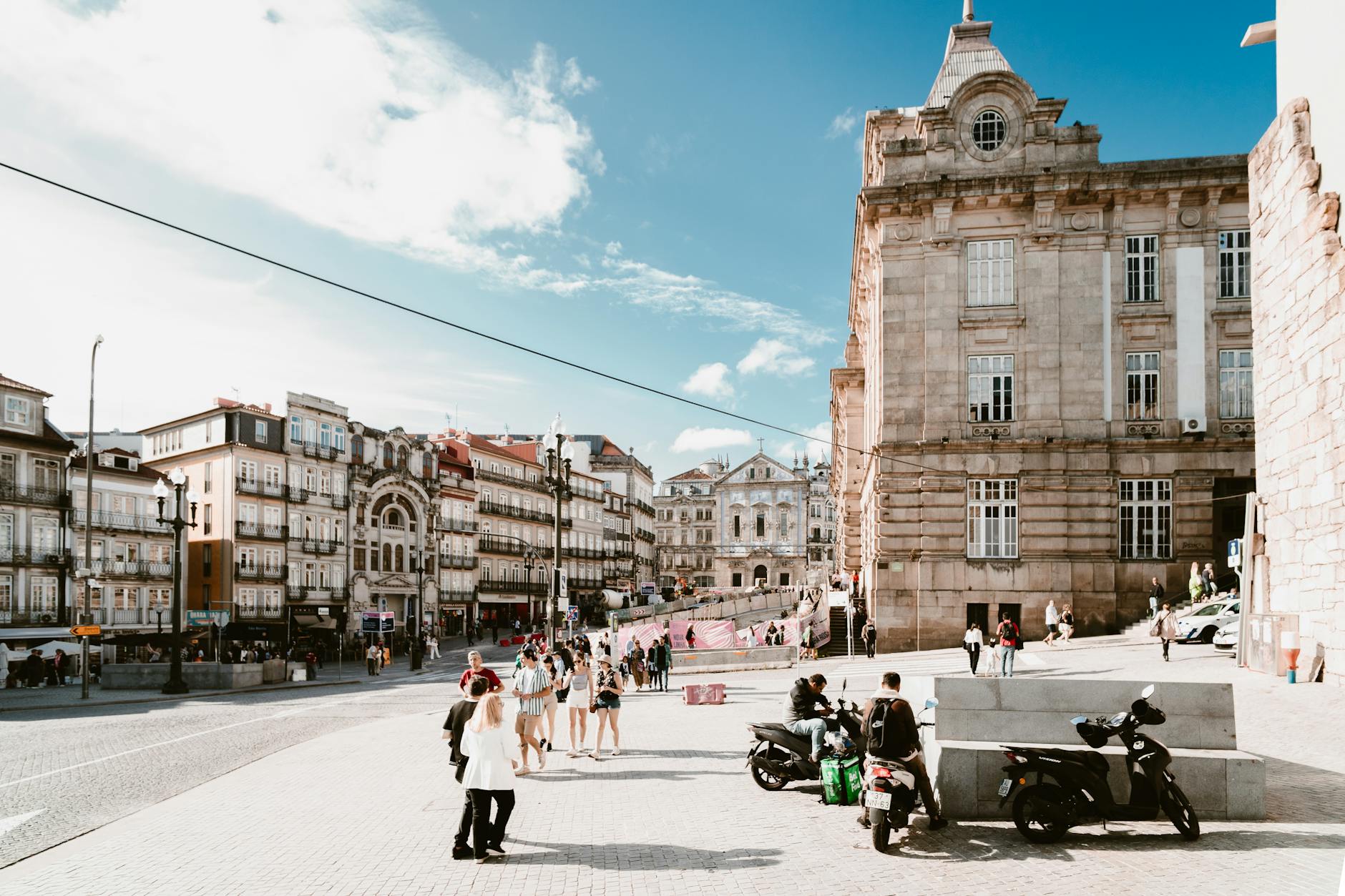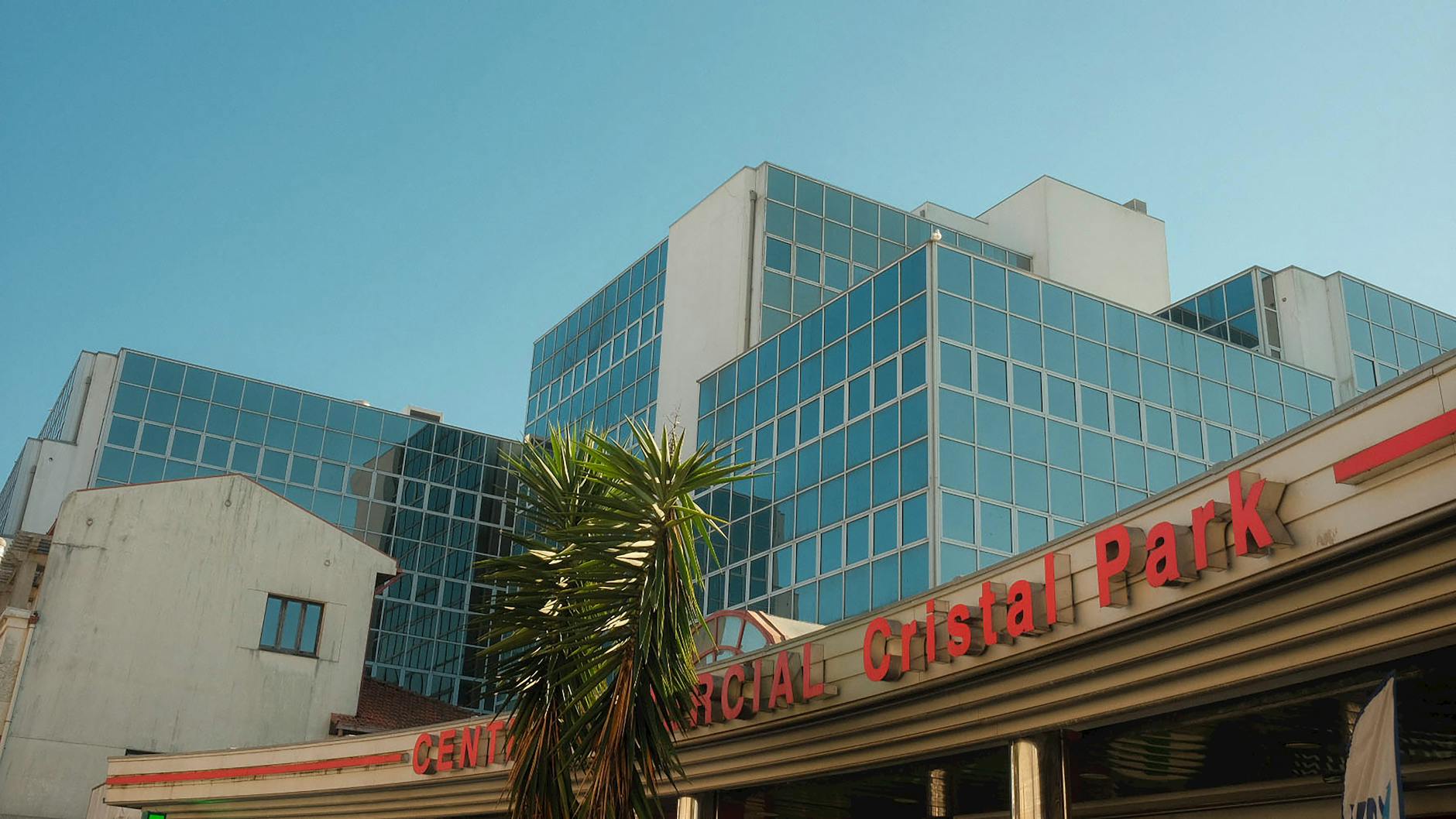
Porto can be a strong business destination because it combines a compact center, airport access, hospitality, convention venues, universities, technology and services activity, port wine culture, and a memorable setting along the Douro. It also has steep terrain, river crossings, uneven streets, weather swings, and neighborhood choices that can complicate a schedule built too casually. A short business trip to Porto should be planned around the meetings first. The city is rewarding when the traveler gives enough attention to geography, transport, work setup, meals, and recovery.
Map Porto's business geography before booking
A Porto business visitor should identify where the actual obligations sit: Baixa, Boavista, Campanha, Matosinhos, Vila Nova de Gaia, university areas, convention spaces, client offices, hotels, or the airport corridor. Distances can look short on a map while hills, bridges, traffic, and walking surfaces make them feel longer.
The traveler should choose the hotel after mapping meetings, not before. A charming base near the river may be excellent for hospitality and weak for repeated cross-city movement.
- Map offices, venues, meals, hotel options, airport access, and river crossings first.
- Do not judge Porto travel time by distance alone.
- Choose lodging around the most important obligation, not only the prettiest area.
Choose arrival transport around the first meeting
Porto airport access can be manageable, but the correct arrival plan depends on the first commitment. Metro, taxi, app-based rides, private transfer, and hotel-arranged transport each suit different luggage, timing, and presentation needs. A traveler heading straight to a meeting should not rely on an untested transfer just because it is cheaper.
The arrival plan should include buffer for immigration or baggage, traffic, rain, phone connectivity, and the need to change clothes or print materials. The first impression often starts before the first handshake.
- Match airport transfer mode to luggage, timing, weather, and the first obligation.
- Add buffer for baggage, traffic, connectivity, and presentation needs.
- Use a more controlled transfer when going directly to a client or venue.
Make the hotel support actual work
A Porto business hotel should be assessed for more than style. Desk space, lighting, reliable Wi-Fi, quiet, air conditioning or heating, breakfast hours, laundry, receipt handling, luggage storage, taxi access, and proximity to meetings all matter. A short trip leaves little time to improvise around a poor work setup.
The traveler should also check whether calls with other time zones need privacy and whether early or late meals fit the schedule. Porto's hospitality is a strength, but the hotel still needs to function as a temporary office.
- Check desk, Wi-Fi, quiet, lighting, climate control, laundry, storage, and receipts.
- Confirm breakfast and call timing against the work schedule.
- Choose style only after the hotel passes the practical work test.
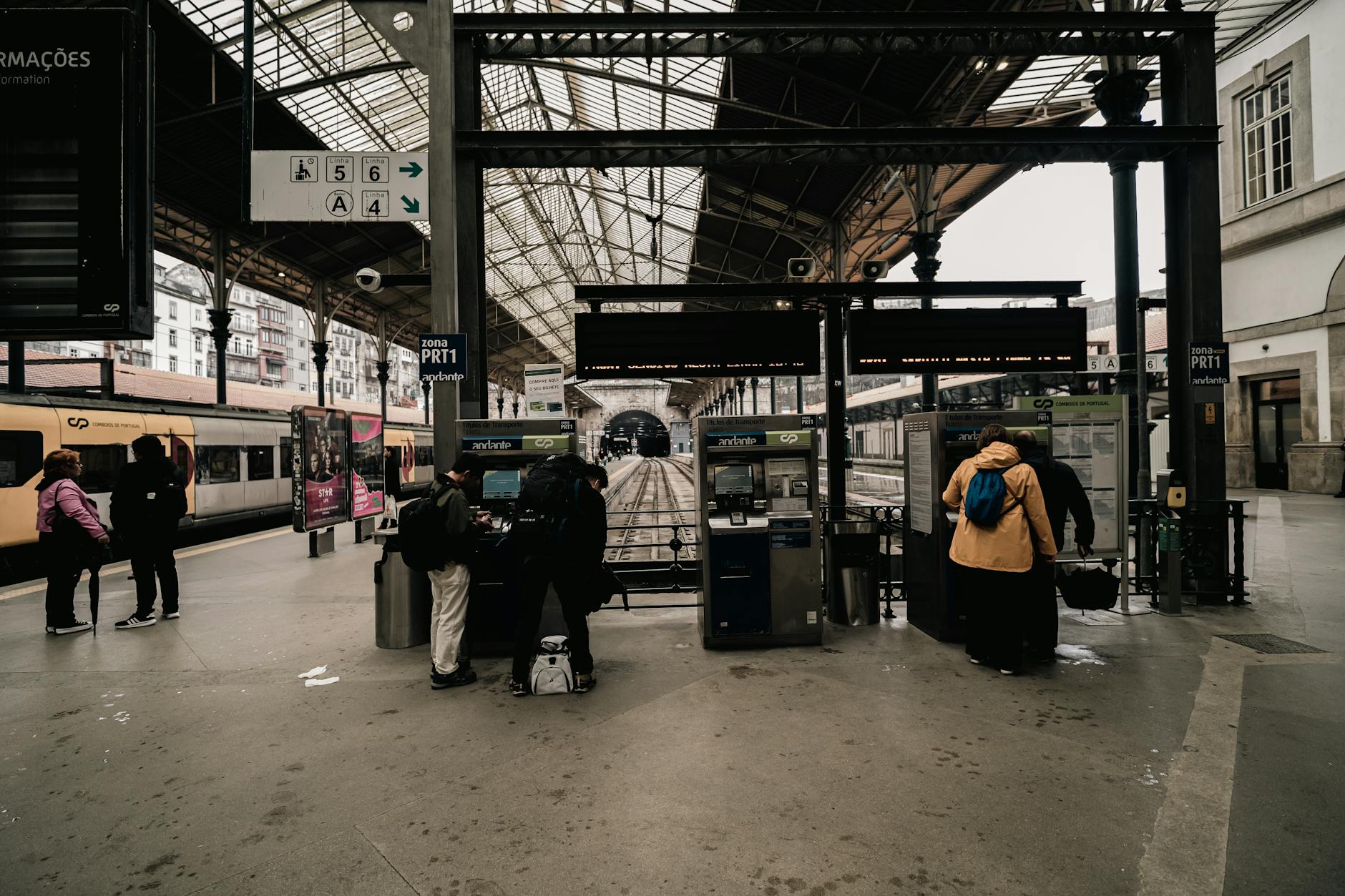
Respect hills, weather, and river crossings
Porto's terrain can affect business travel directly. Hills, stairs, cobblestones, rain, heat, and river crossings can make formal shoes, rolling luggage, and tight meeting gaps more difficult. A walking route that looks scenic may not be the right route between obligations.
The traveler should test routes in terms of shoes, luggage, sweat, rain, accessibility, and schedule risk. When a meeting matters, a taxi or arranged car may be the professional choice even for a short distance.
- Plan for hills, stairs, cobblestones, rain, heat, and bridges.
- Match shoes, luggage, and presentation needs to the route.
- Use controlled transport when walking would undermine timing or appearance.
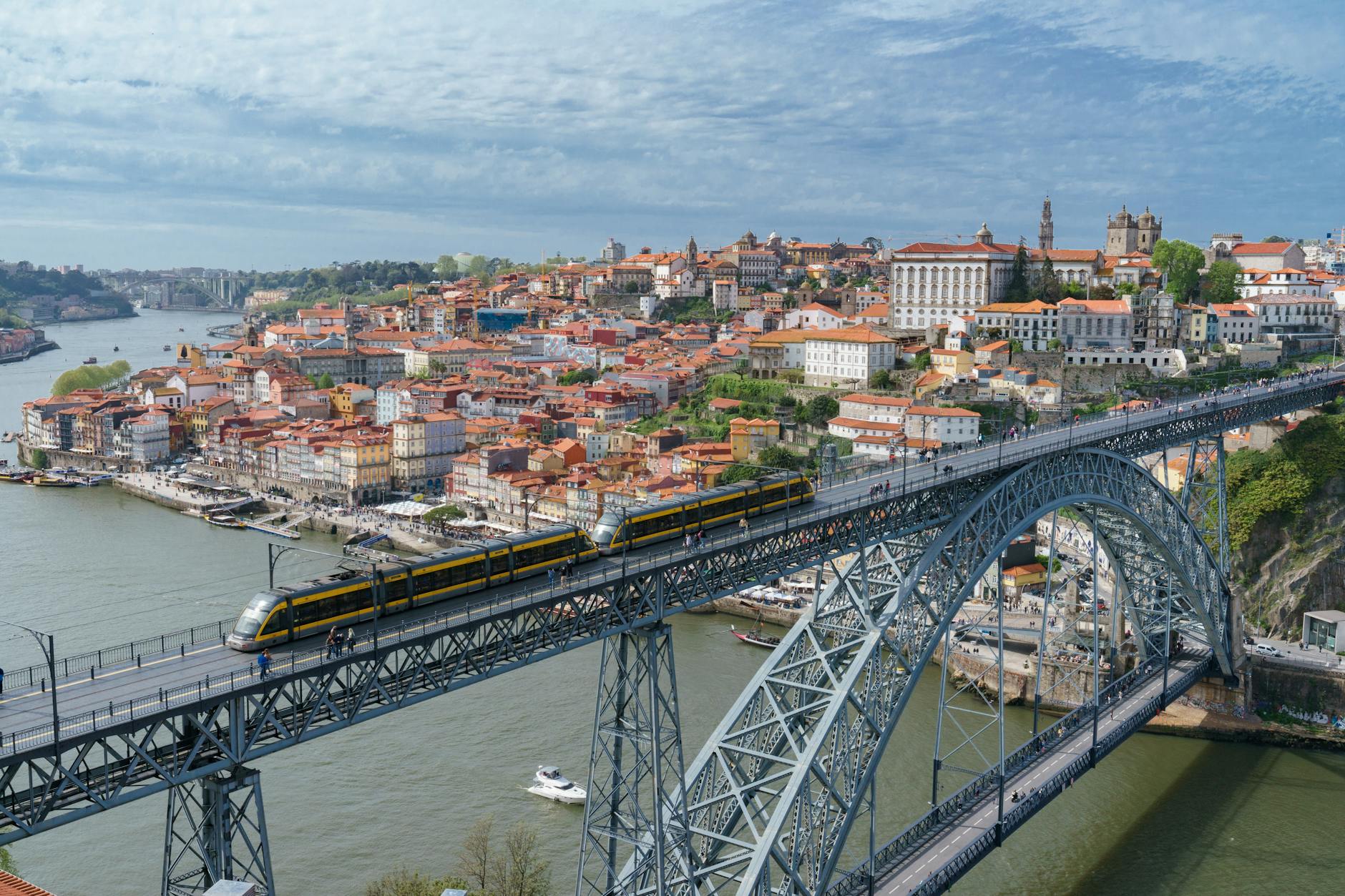
Use client meals and hospitality deliberately
Porto can make business meals memorable, especially around the river, historic center, Gaia, seafood, and wine-related hospitality. That strength should be planned rather than left to chance. Reservations, dietary needs, alcohol expectations, dress, distance, and expense policy can all shape the right choice.
The traveler should decide when hospitality is part of the business objective and when a simpler meal protects the schedule. A beautiful dinner that damages the next morning's meeting is not good business travel.
- Plan meals around reservations, diet, alcohol, dress, distance, and expense policy.
- Use river, Gaia, seafood, or wine settings when hospitality supports the objective.
- Keep some meals simple when the next obligation needs full attention.
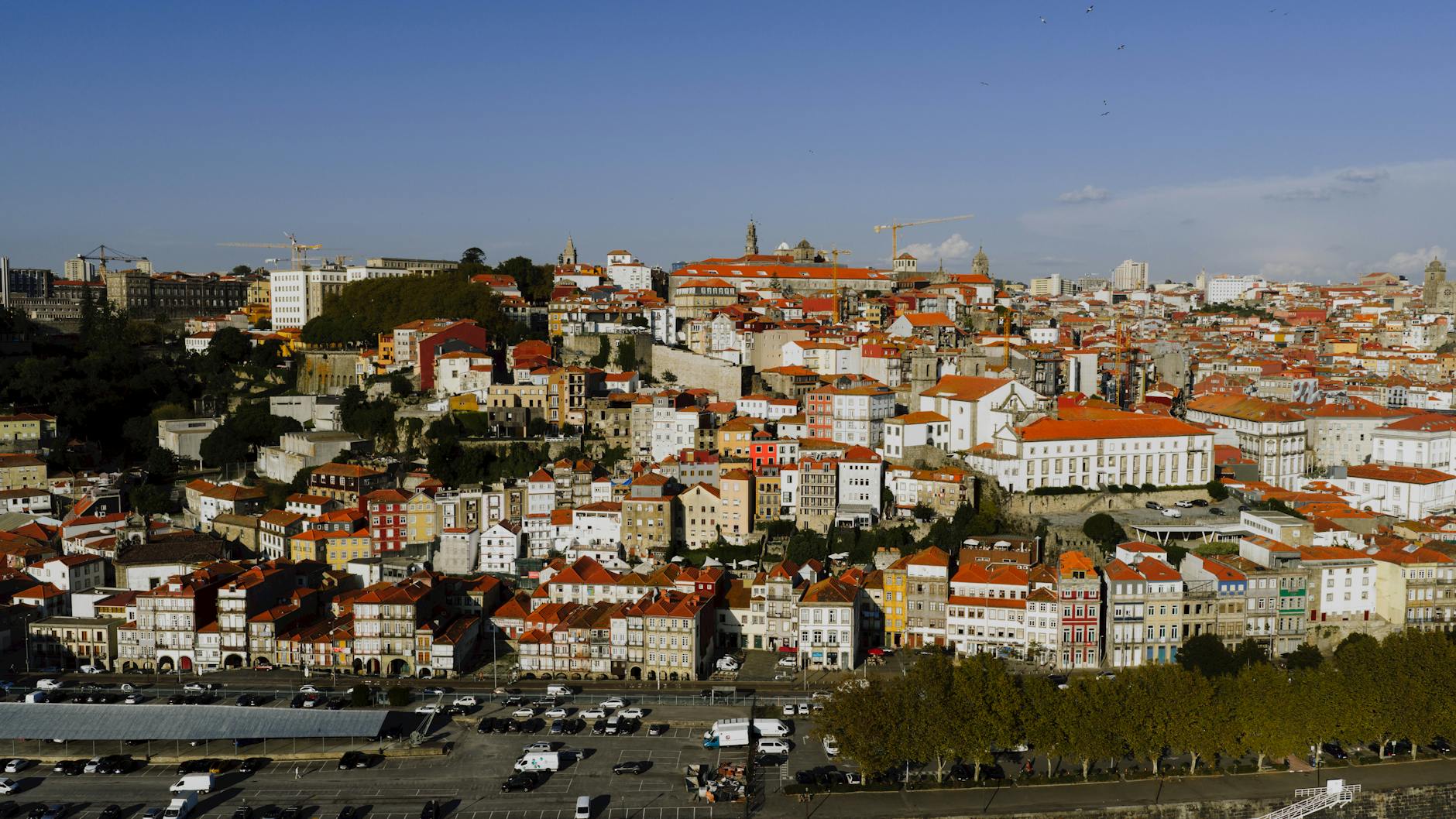
Protect materials, calls, and recovery
Business visitors should plan document control before departure. Presentation files, printed copies, adapters, portable battery, backup internet, meeting addresses, invoices, receipts, and contact details should not depend on hotel improvisation. Porto can be easy, but a missing adapter or weak connection can still damage the trip.
Recovery matters too. Short business visits often combine travel fatigue, meals, walking, calls, and formal meetings. The traveler should build in time to reset between obligations rather than assuming every hour can be used.
- Prepare files, print needs, adapters, battery, backup internet, contacts, and receipts.
- Keep meeting addresses and phone numbers available offline.
- Schedule recovery time between flights, meals, calls, and formal obligations.
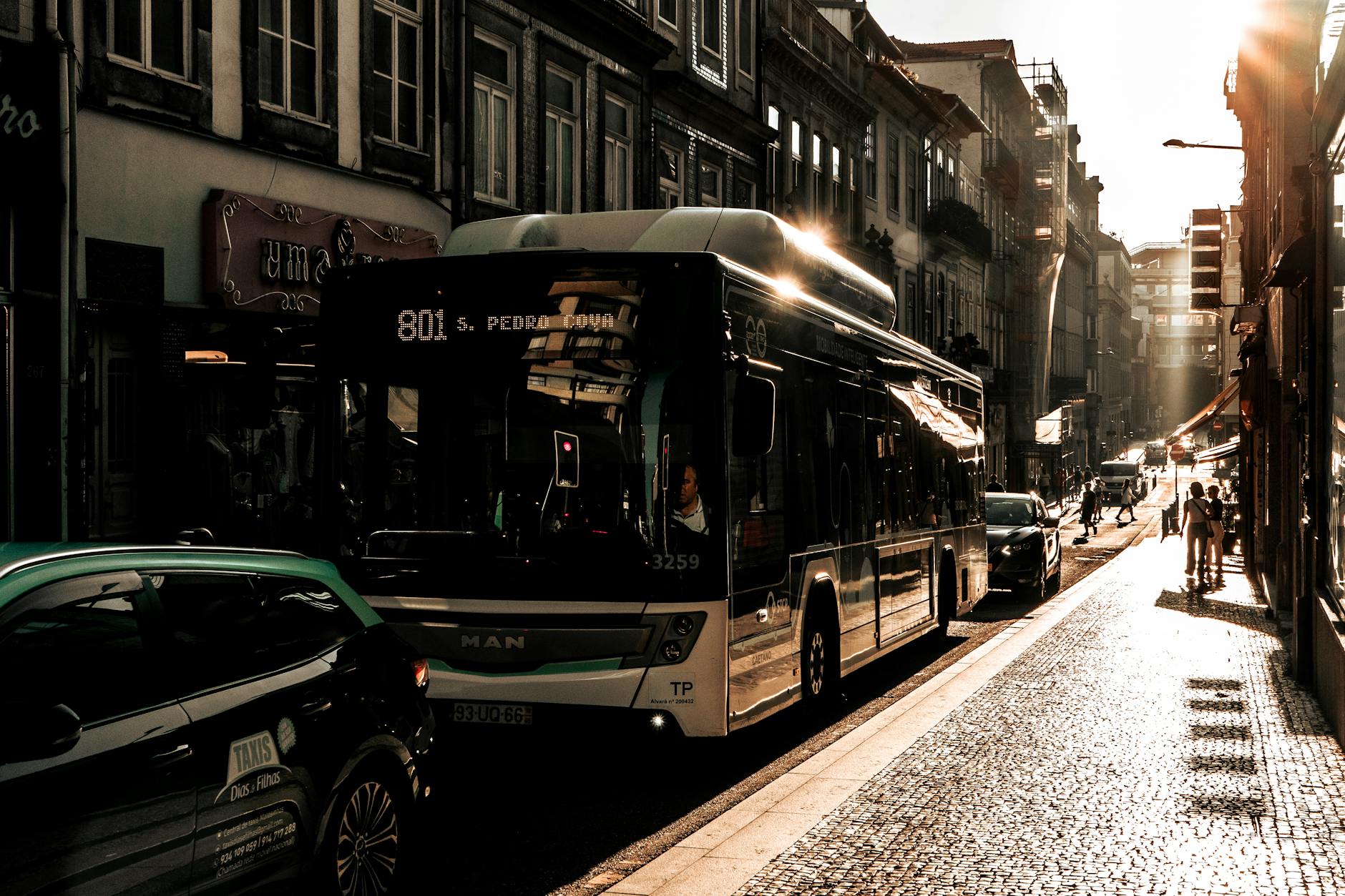
When to order a short-term travel report
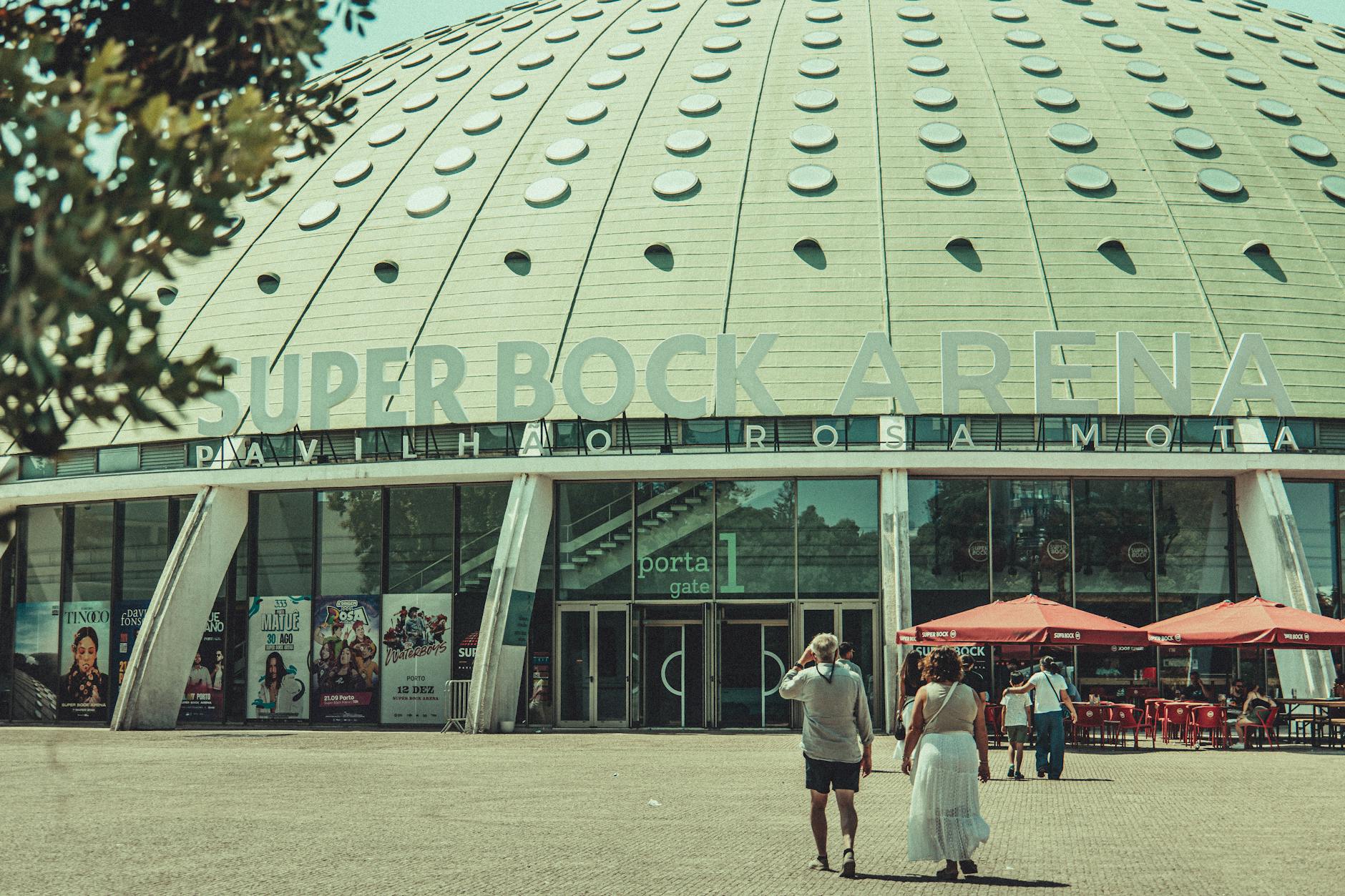
A business visitor with one flexible meeting and an easy hotel choice may not need a custom Porto report. A report becomes useful when the trip includes several meetings, river crossings, conference or arena logistics, client hospitality, early departures, luggage issues, accessibility needs, or uncertainty about whether the city plan supports the business objective.
The report should test meeting geography, airport transfer, hotel work setup, transport buffers, walking conditions, weather, client meals, document control, backup plans, recovery, and what to cut. The value is a Porto business trip that lets the city help the work instead of competing with it.
- Order when geography, meetings, hotels, transfers, meals, or terrain need testing.
- Provide meeting addresses, timing, hotel options, luggage, budget, and constraints.
- Use the report to make the Porto itinerary support the business purpose.