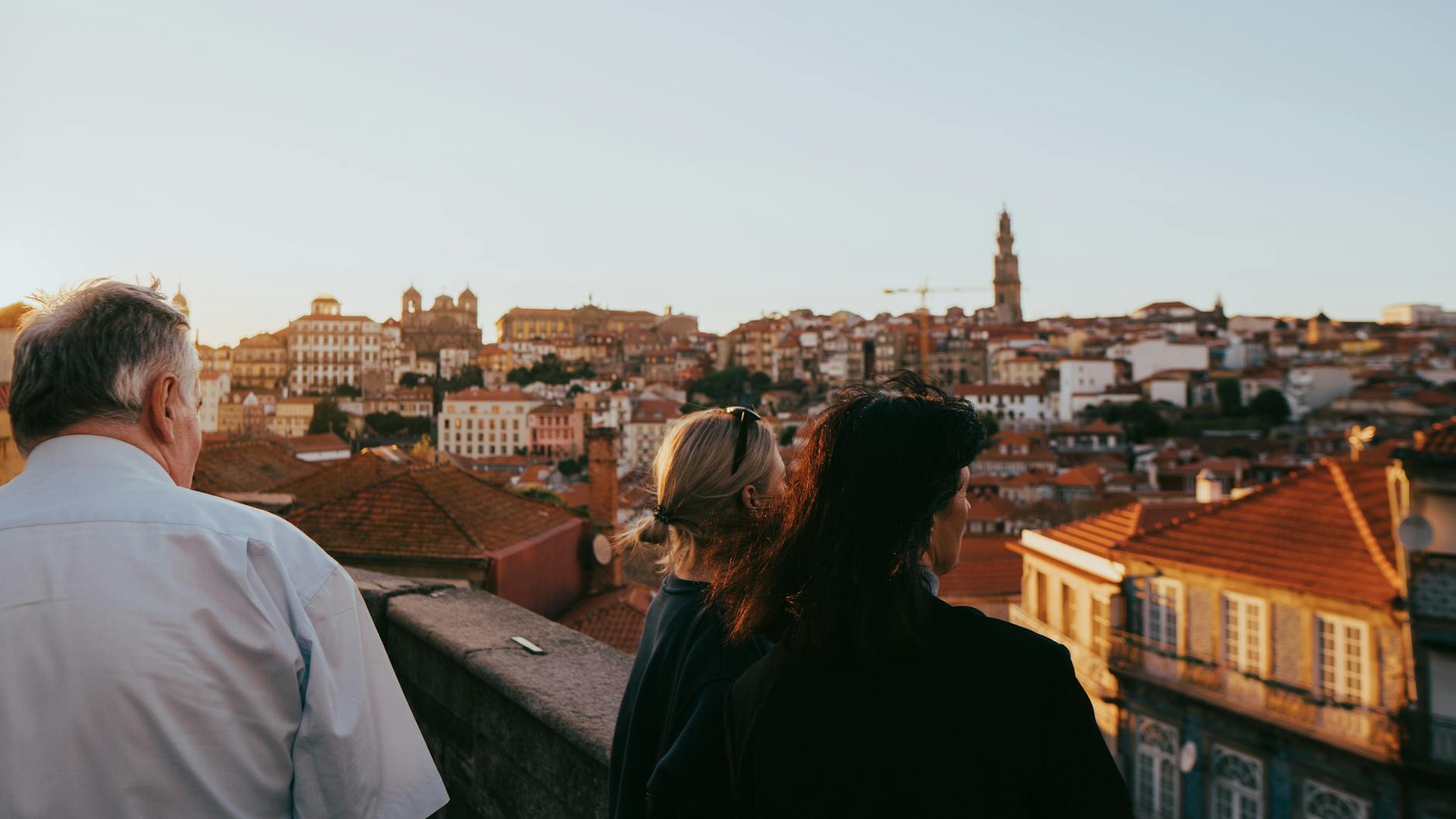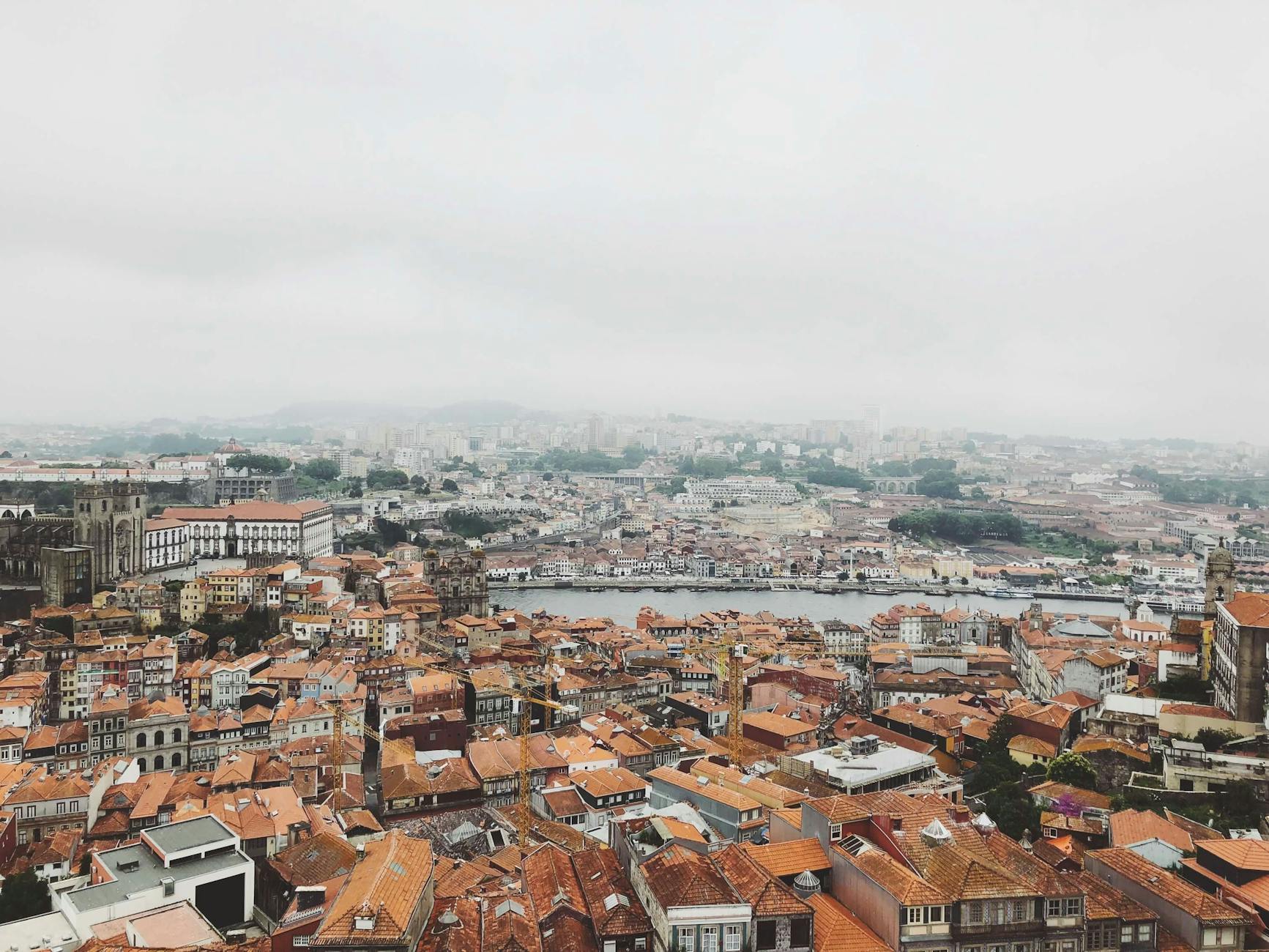
Porto can work well for a budget traveler, but only if the budget is connected to the city's geography. Cheap lodging far from useful transit, repeated rides after late meals, paid entries added without priority, and long uphill walks can erase savings quickly. The city rewards travelers who know where to spend and where to hold back. The right Porto budget plan is not about doing the cheapest version of everything. It is about protecting the core trip while choosing lodging, food, transit, and sightseeing with enough discipline that the traveler does not pay later in fatigue, time, or missed experiences.
Price the hotel by total trip cost
The cheapest room is not always the cheapest Porto choice. A low nightly rate can come with steep streets, poor transit, weak sleep, limited breakfast, luggage friction, or expensive late returns. A budget traveler should price the hotel against airport access, walking effort, meal options, and the cost of reaching planned sights.
Hostels, guesthouses, apartments, and budget hotels can all work, but the traveler should check stairs, noise, reception hours, luggage storage, heating or cooling, and the surrounding hill profile before committing.
- Compare lodging by nightly rate, transport, hills, meals, sleep, and luggage friction.
- Check stairs, noise, reception hours, storage, heating, cooling, and access.
- Avoid a cheap base that forces expensive rides or exhausting returns every day.
Use transit before fatigue becomes expensive
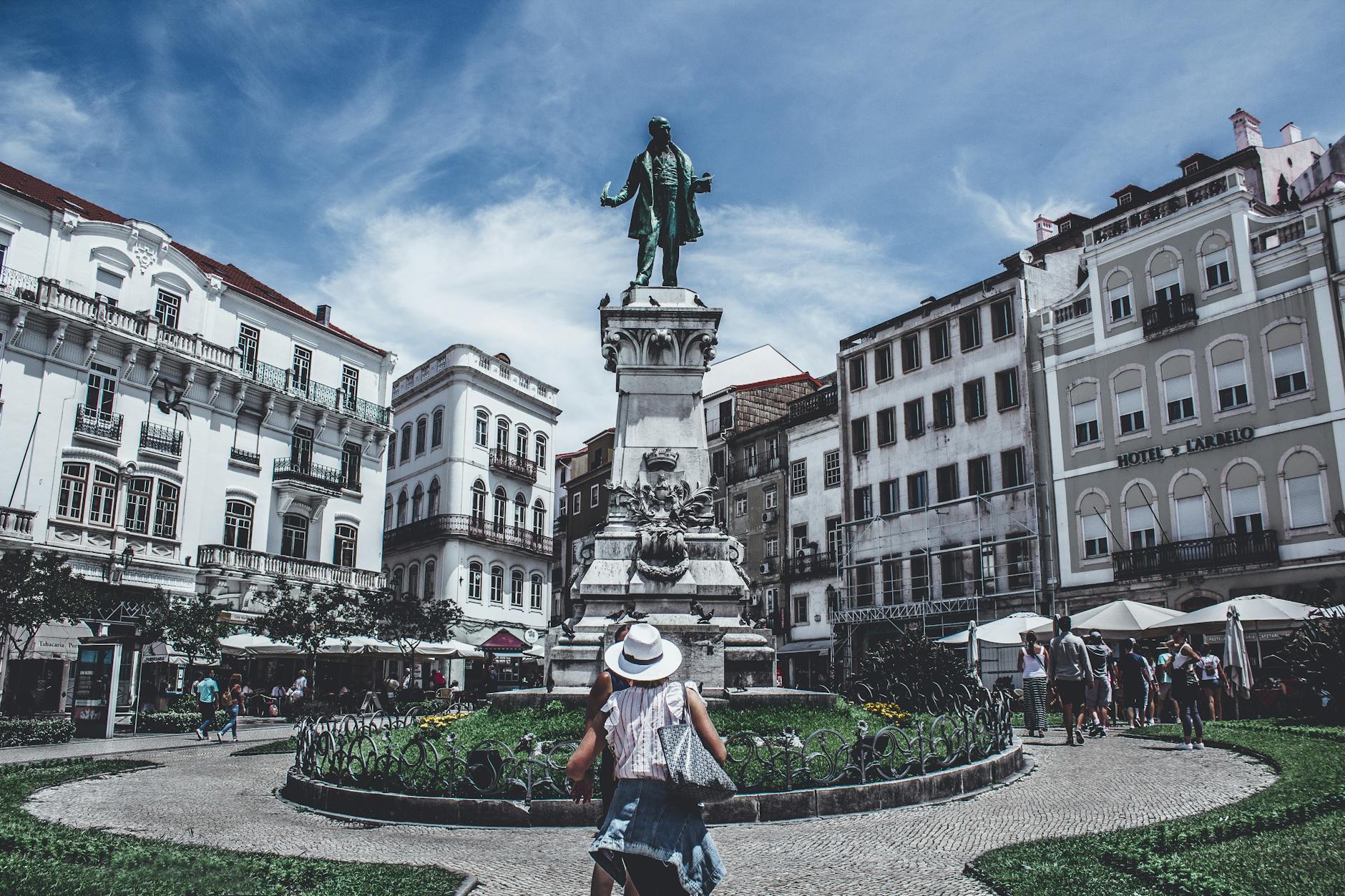
Porto is walkable in parts, but budget travelers should not confuse walking with the only economical option. Metro, buses, trams, trains, and occasional taxis can protect time and energy. A small transport cost can prevent a wasted afternoon or an avoidable late-night ride from a worse location.
The traveler should understand airport transfer options, metro connections, ticket zones, and when a taxi is worth it. Budget discipline works best when transport is planned rather than grudgingly purchased after the traveler is already tired.
- Plan metro, bus, tram, train, airport transfer, and occasional taxi use in advance.
- Spend small amounts on transport when it protects the day.
- Do not make every hill and bridge crossing a test of the budget.
Build meals from reliable low-cost anchors
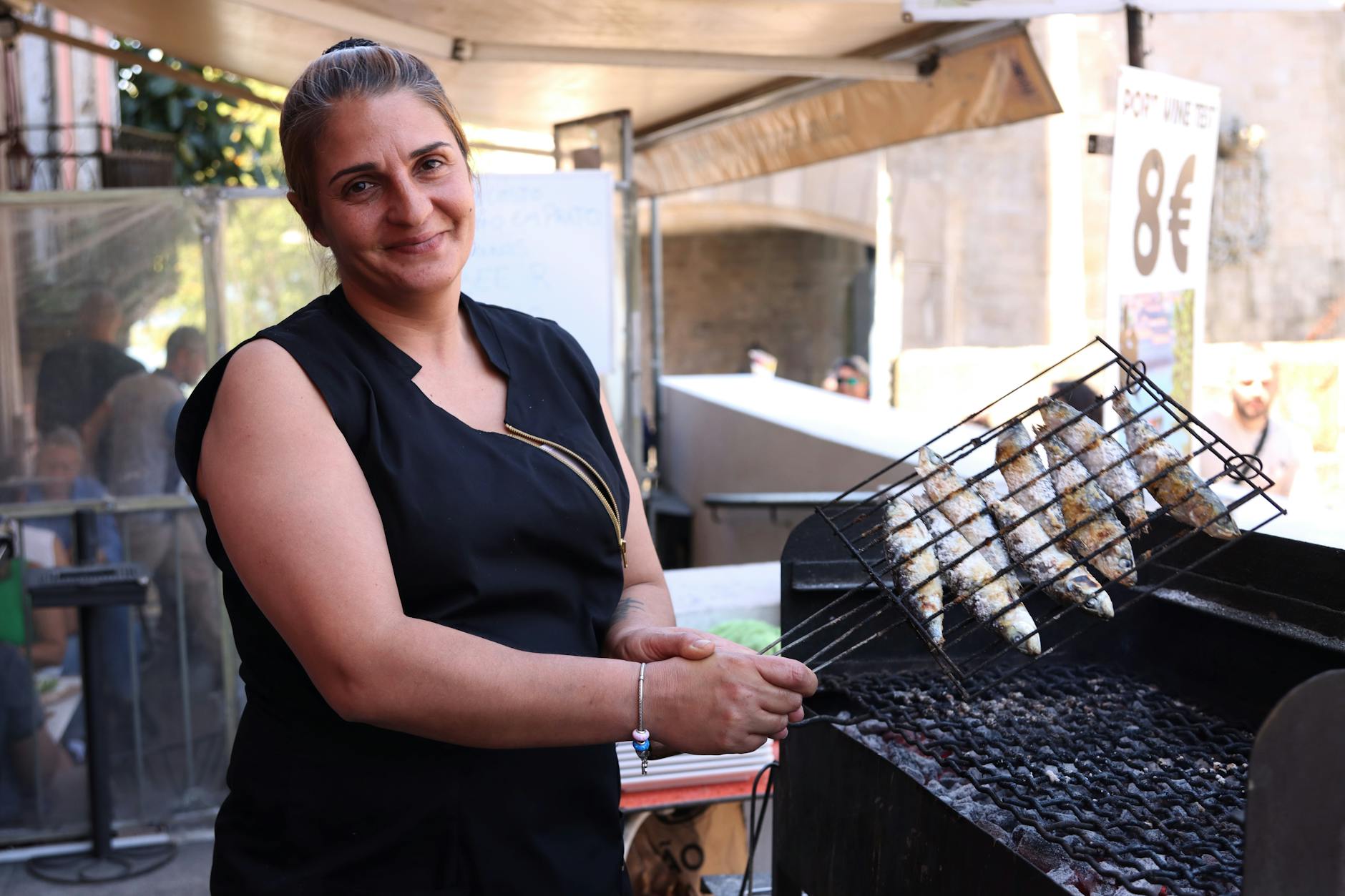
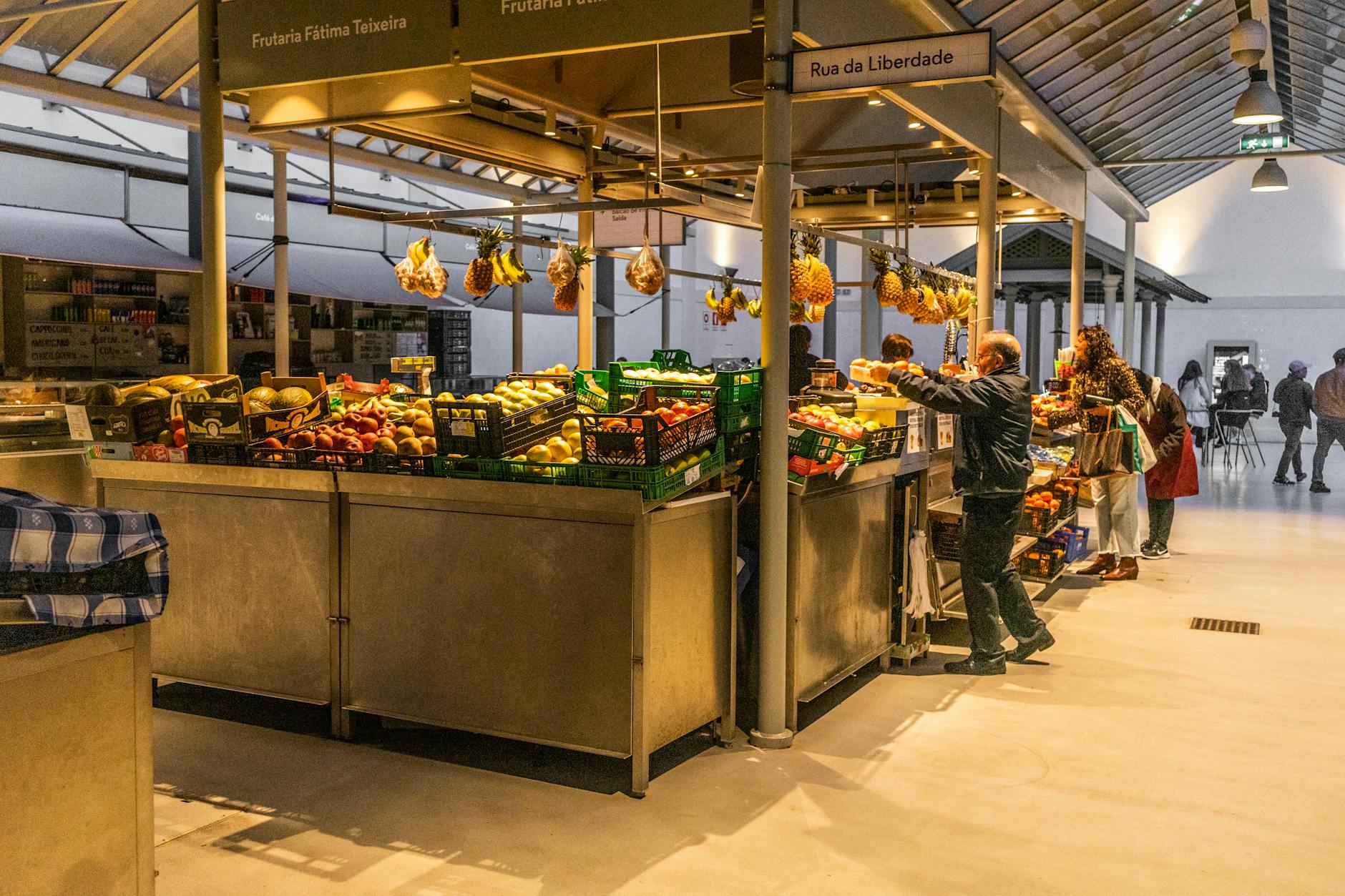
Food can be one of Porto's budget strengths if the traveler plans ahead. Bakeries, cafes, markets, simple lunches, grocery stops, seafood outside the most obvious tourist blocks, and one or two deliberate splurges can create a better trip than random cheap meals near crowds.
The traveler should identify affordable options near the hotel, Sao Bento, Ribeira, Gaia, and any evening route. Hunger at the wrong moment usually leads to worse spending.
- Use bakeries, cafes, markets, grocery stops, simple lunches, and selected splurges.
- Identify affordable meals near the hotel and main itinerary areas.
- Avoid letting hunger in tourist-heavy areas make the food budget worse.

Prioritize free views and paid entries carefully
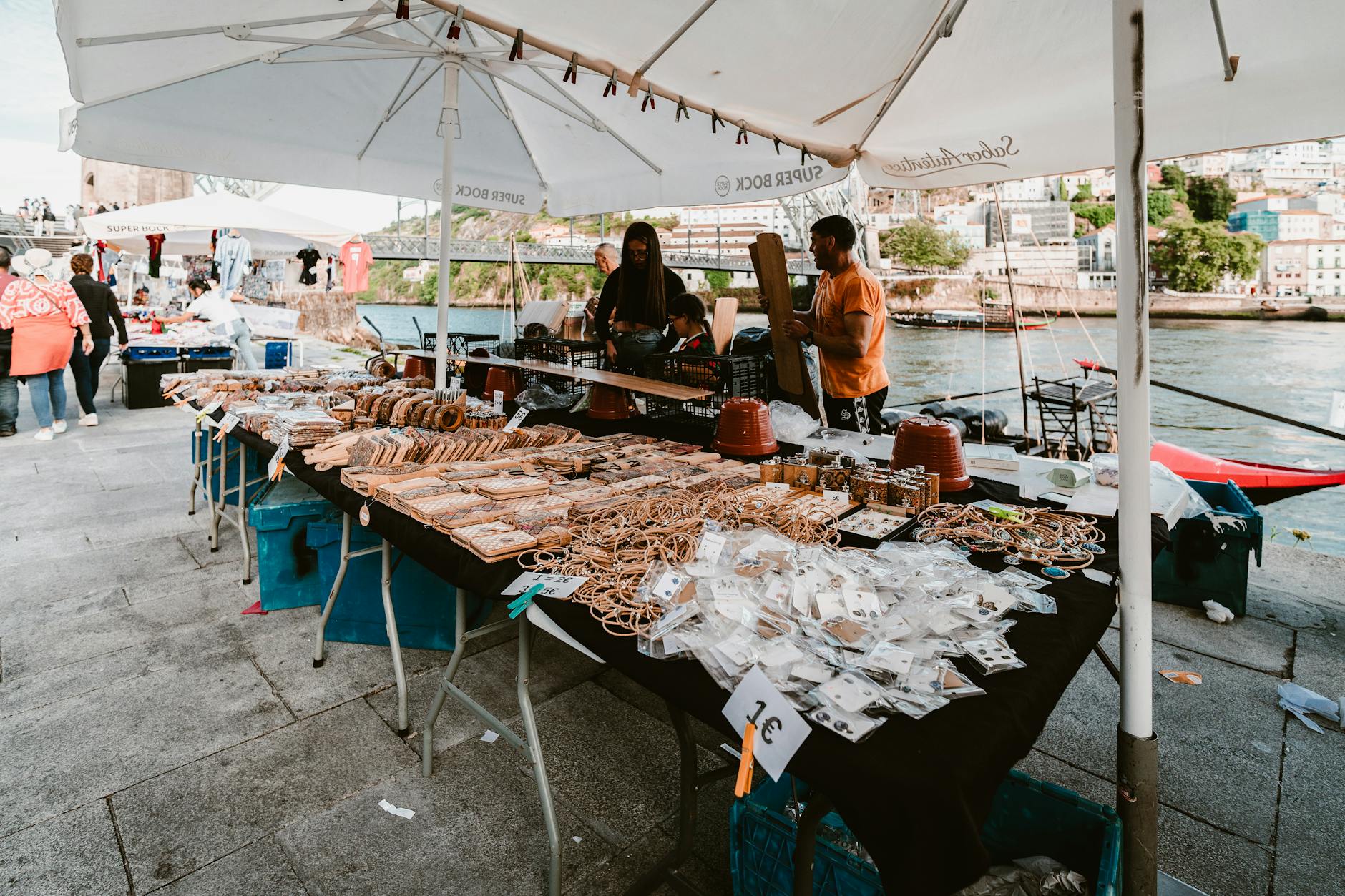
Porto offers many low-cost rewards: viewpoints, bridge walks, tiled exteriors, riverfronts, markets, churches, street life, gardens, and neighborhood wandering. These can be the backbone of a strong budget trip. The traveler should then choose paid entries that add clear value rather than paying small fees all day without a plan.
The budget question is not whether a tower, museum, tasting, or boat ride is worth it in the abstract. It is whether that purchase is the best use of limited money, time, and energy on this specific visit.
- Use viewpoints, bridge walks, tiled exteriors, markets, gardens, and neighborhoods as core value.
- Pick paid entries by distinct value rather than habit.
- Reserve money for the experiences that define the trip.
Control wine, river, and day-trip spending
Wine tastings, boat rides, Douro Valley excursions, seafood meals, and day trips can quickly shift Porto from affordable to expensive. A budget traveler does not need to avoid them all, but the plan should choose one or two priorities and make the rest of the trip support those choices.
The traveler should compare self-guided options, public transport, group tours, and the real cost of a long day away from Porto. The cheapest day trip is not cheap if it consumes the only good weather window or forces a rushed return.
- Choose wine, boat, seafood, and day-trip priorities instead of adding all of them.
- Compare public transport, group tours, and self-guided logistics honestly.
- Protect the budget by cutting lower-value extras before the trip starts.
Keep weather and luggage from creating surprise costs
Budget travelers are vulnerable to small failures that become paid fixes. Rain without a plan, bags stored in the wrong place, a late checkout gap, wet shoes, a cold room, or a missed last transit connection can all create unnecessary spending. Porto's weather and hills make those details more important.
The traveler should plan luggage storage, arrival timing, rain gear, comfortable shoes, laundry needs, and backup indoor time. Cheap trips are easier when preventable problems have already been priced or avoided.
- Plan luggage storage, arrival gaps, rain gear, shoes, laundry, and indoor backups.
- Check last transit options before committing to evening plans.
- Avoid small omissions that force taxis, replacement clothing, or wasted paid time.

When to order a short-term travel report
A budget traveler with flexible dates, simple interests, and a strong hotel choice may not need a custom Porto report. A report becomes useful when lodging tradeoffs, hills, airport transfer, meals, paid attractions, day trips, weather, or tight spending limits could determine whether the trip feels smart or strained.
The report should test hotel location, total trip cost, transit, walking effort, meal anchors, free sights, paid priorities, day-trip value, weather backups, luggage, and what to cut. The value is a Porto plan that preserves the trip instead of merely shrinking it.
- Order when lodging, transport, meals, paid sights, day trips, or weather need budget testing.
- Provide dates, budget ceiling, lodging options, must-do priorities, walking tolerance, and food needs.
- Use the report to spend deliberately, not simply less.