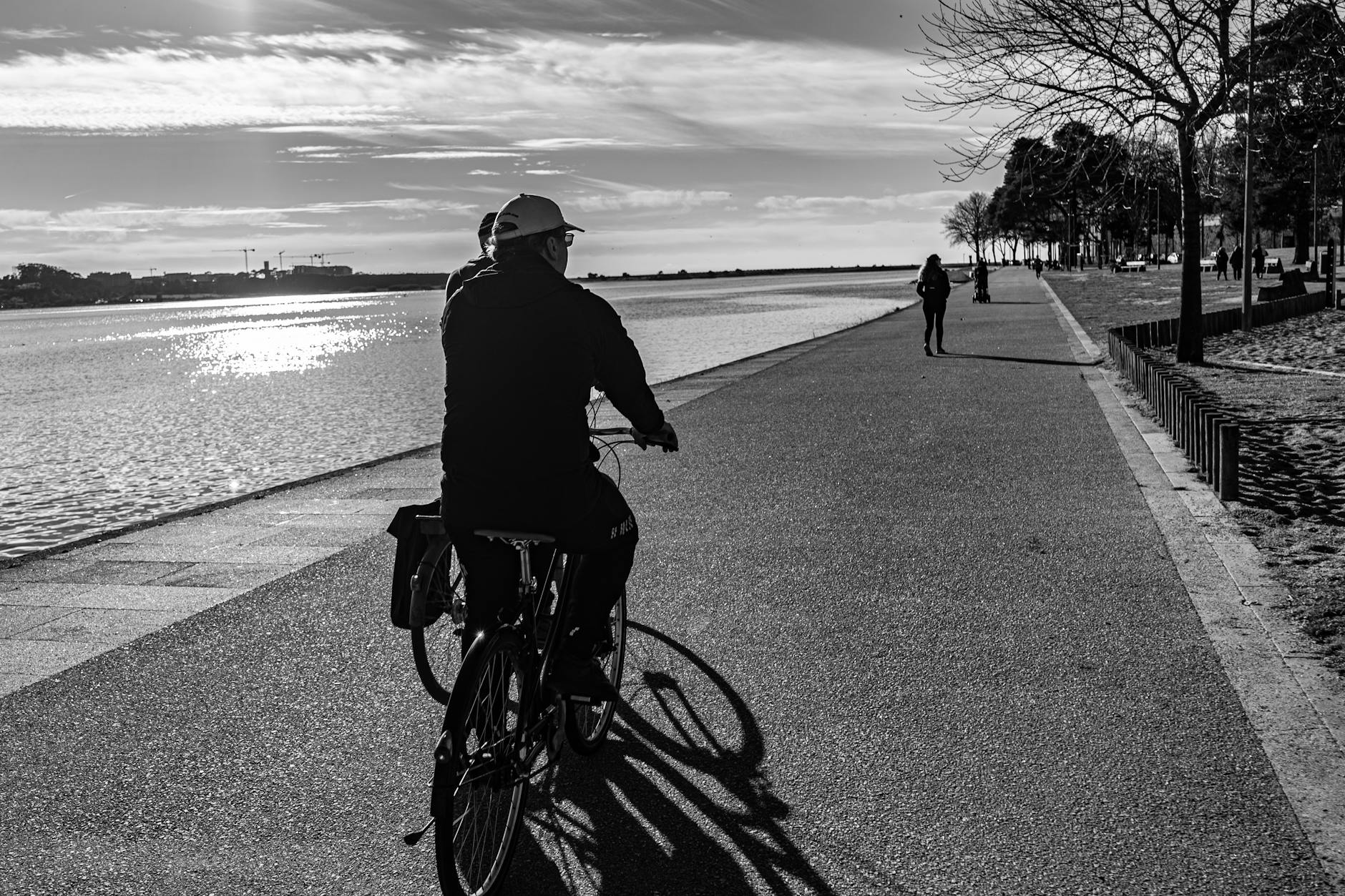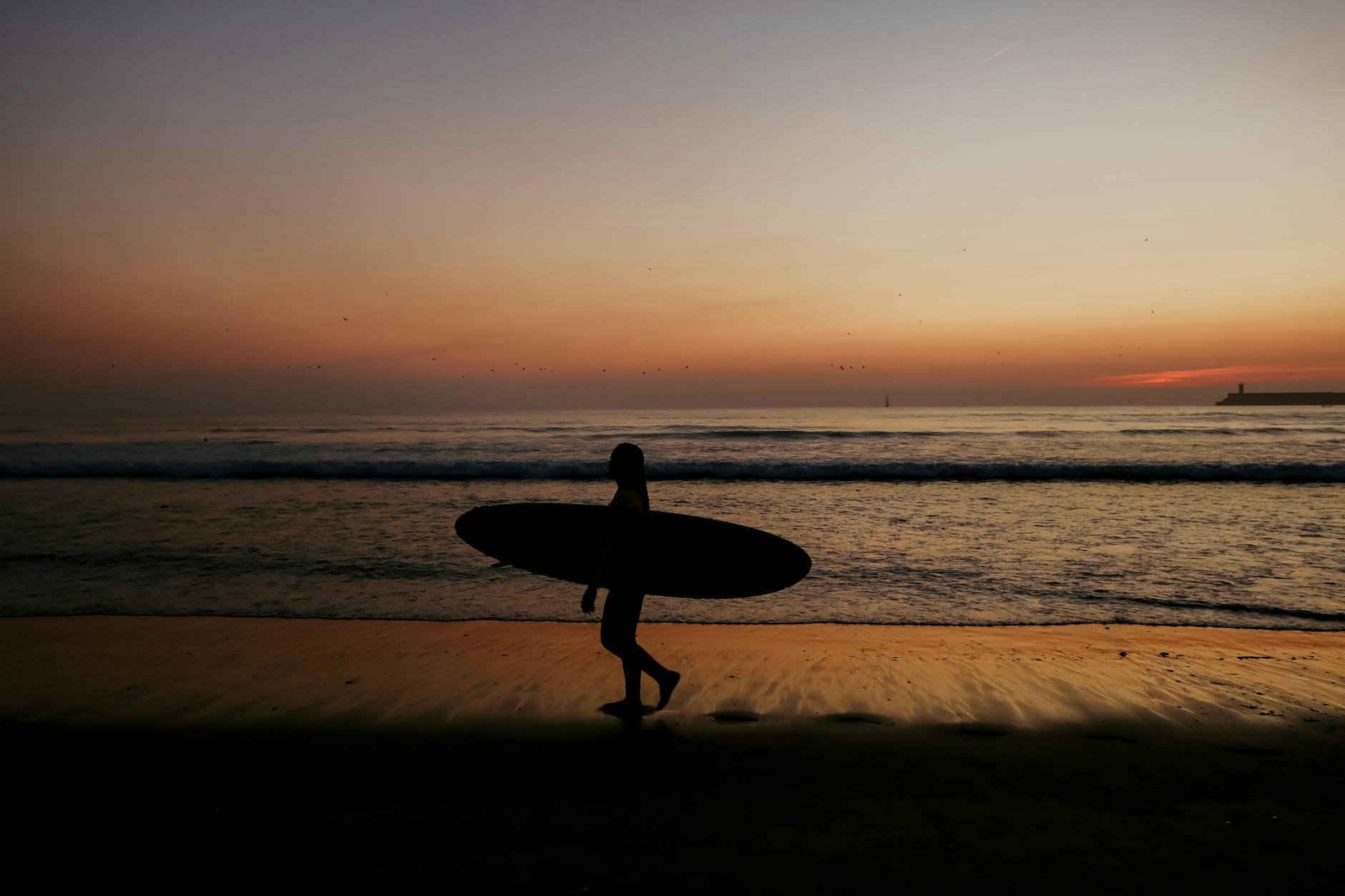
Porto is not a wilderness base in the way mountain or island destinations are, but it can still work well for an adventure or outdoor traveler. The city offers Atlantic coast access, Matosinhos surf, Foz do Douro walks, Douro river activities, bridge views, cycling possibilities, and day trips into greener terrain. The mistake is treating Porto's outdoor options as effortless extras. Ocean conditions, rain, wind, hills, transit, gear storage, fatigue, and recovery time can decide whether a short outdoor trip feels energizing or overbuilt.
Be honest about Porto's outdoor profile
An outdoor traveler should understand what Porto is good for. The city is strong for coastal walking, surf lessons, river views, cycling segments, scenic bridge routes, gardens, nearby beaches, and day trips. It is weaker as a base for remote nature if the traveler has only a short stay and no transport plan.
The best short outdoor trip uses Porto's city-and-coast mix rather than forcing the city to behave like a pure adventure destination. That usually means fewer activities, better timing, and more recovery.
- Use Porto for coast, surf, river, bridge, cycling, and selective day-trip plans.
- Do not assume remote outdoor access is simple during a short stay.
- Build the trip around the city-and-coast mix Porto actually offers.
Plan around Atlantic conditions
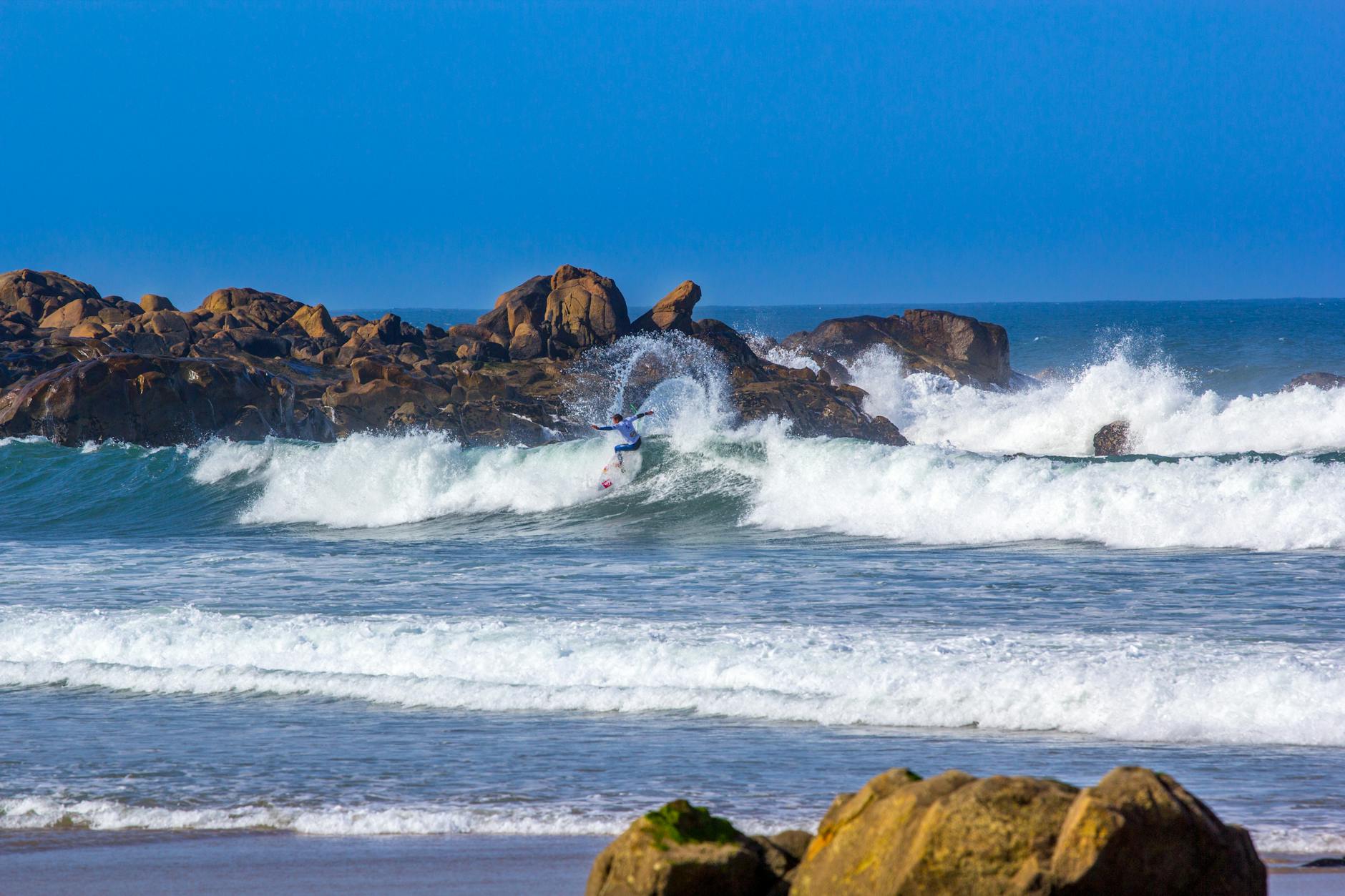
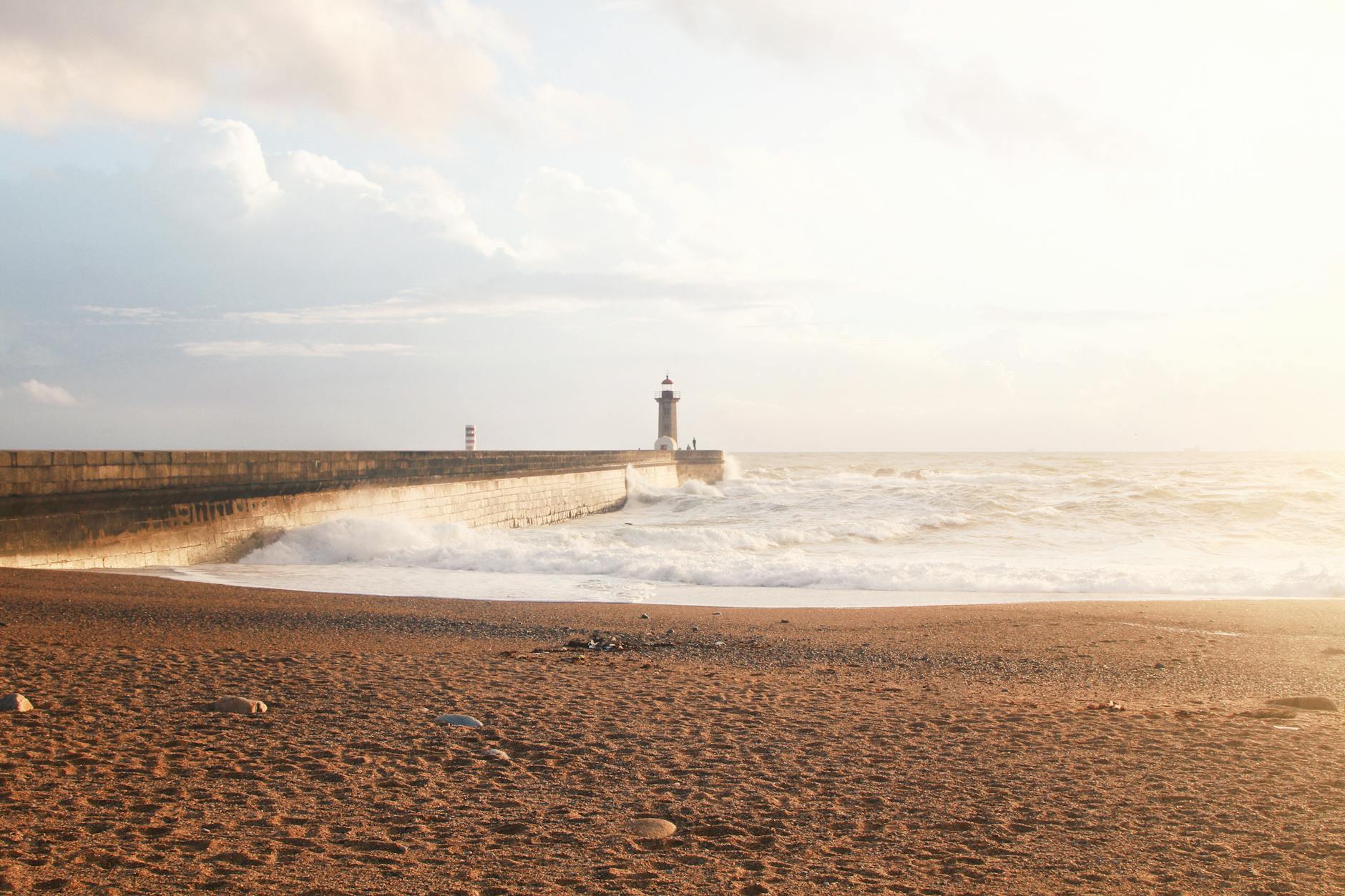
The Atlantic is a major part of Porto's outdoor appeal, but it controls the schedule. Surf, beach walks, lighthouse routes, and exposed viewpoints depend on swell, wind, rain, temperature, daylight, and safety conditions. A traveler should check forecasts close to departure and keep alternatives ready.
A sunny city forecast does not automatically mean comfortable water or safe coastal conditions. The traveler should use reputable surf schools, local guidance, lifeguard flags, and conservative judgment rather than relying on enthusiasm.
- Check swell, wind, rain, temperature, daylight, and safety conditions near departure.
- Use reputable surf schools and local guidance for Matosinhos or nearby beaches.
- Keep indoor, food, museum, or lighter walking backups for poor weather.
Balance hills, walking, and recovery
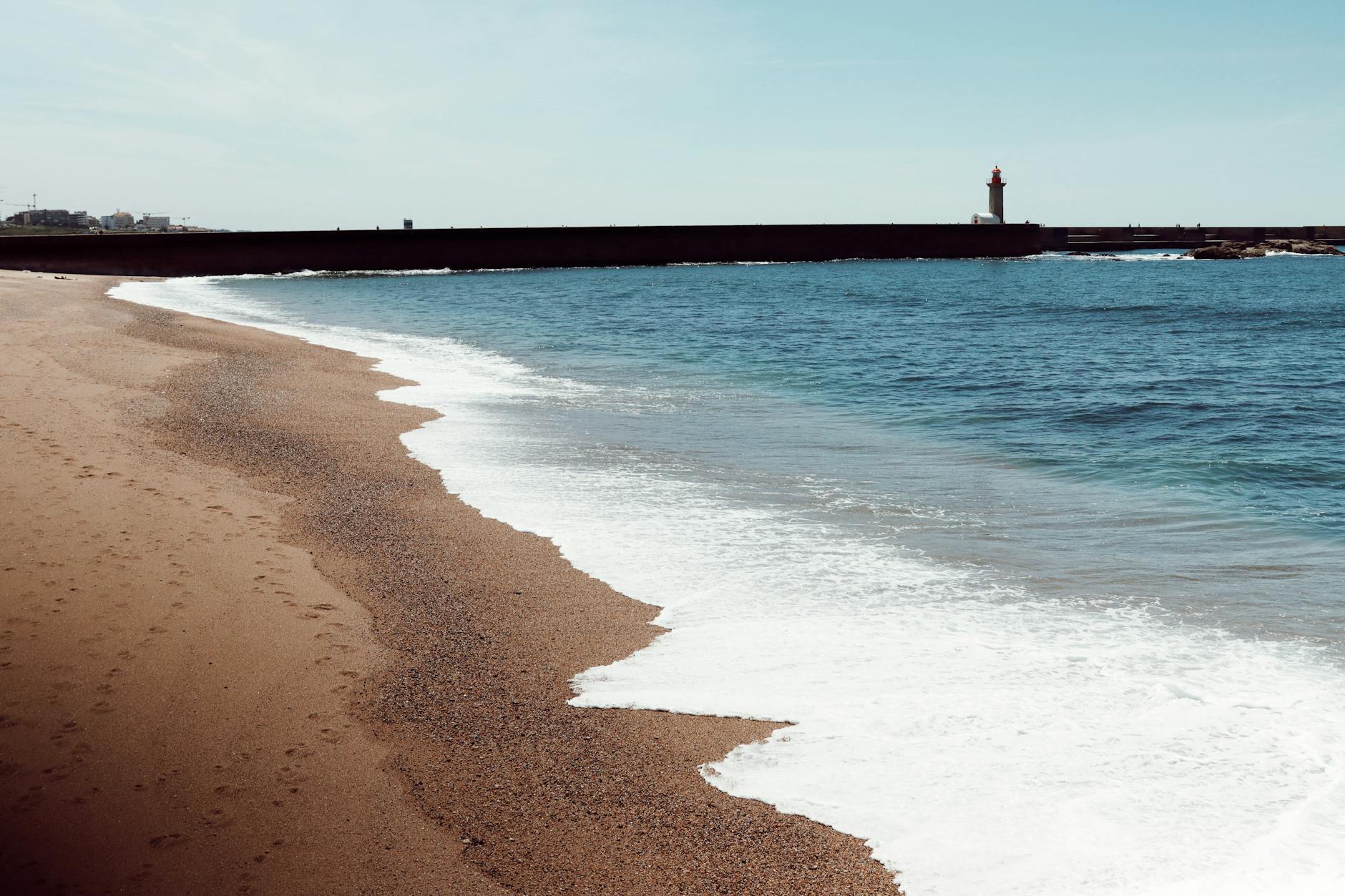
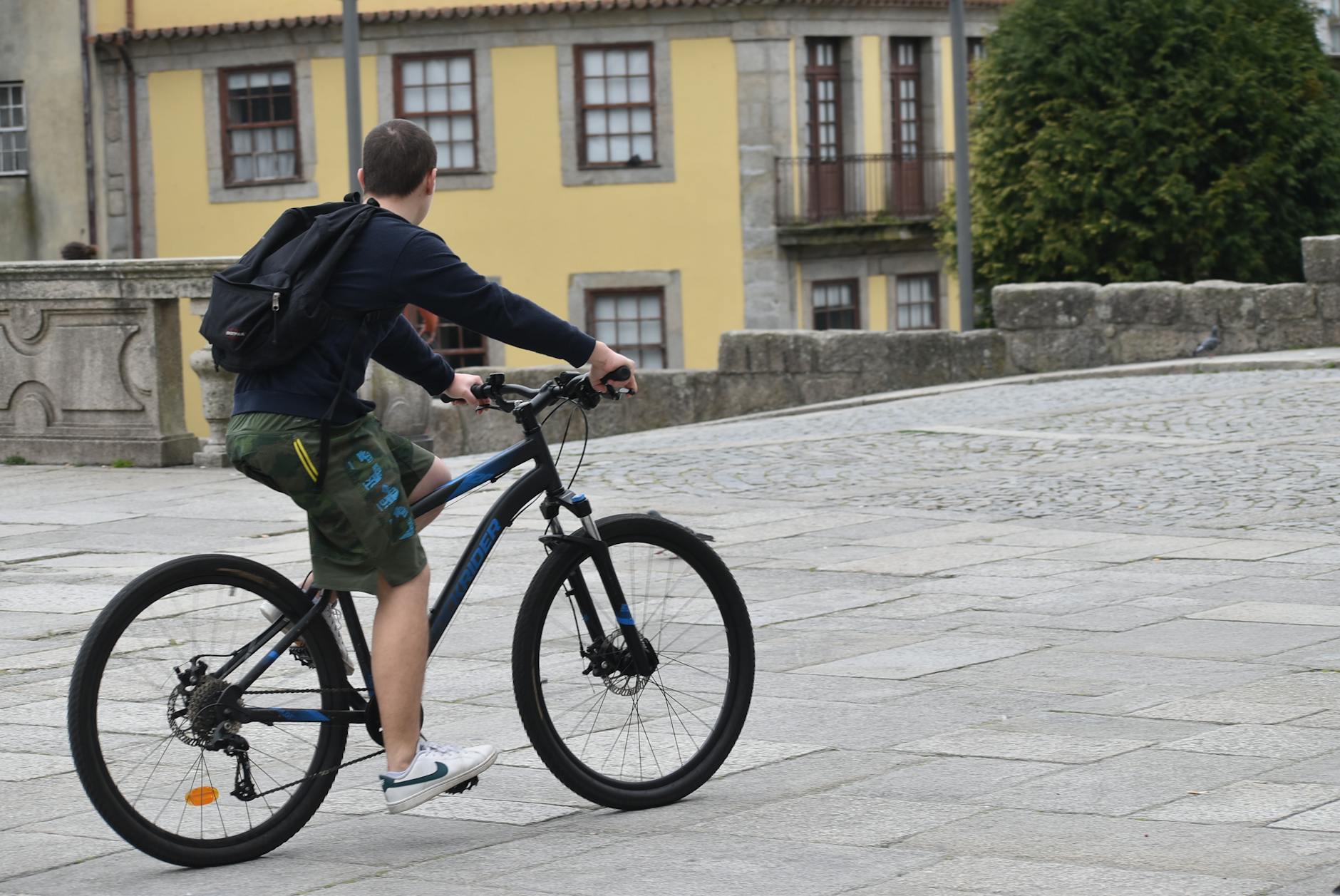
Porto's hills make ordinary sightseeing more physical than many travelers expect. Adding surf, cycling, long Foz walks, Douro boat activity, or a day trip can turn a compact itinerary into a fatigue problem. The traveler should distinguish between enjoyable exertion and a schedule that leaves no recovery.
This matters most on short trips. A morning surf lesson, an afternoon climb through the historic center, and a late dinner may sound reasonable until wet gear, transit, stairs, and jet lag are included.
- Treat Porto's hills and cobblestones as real physical effort.
- Avoid stacking surf, cycling, long walks, and late nights without recovery.
- Plan food, hydration, showers, gear drop-offs, and rest after outdoor blocks.
Choose activities by logistics, not fantasy
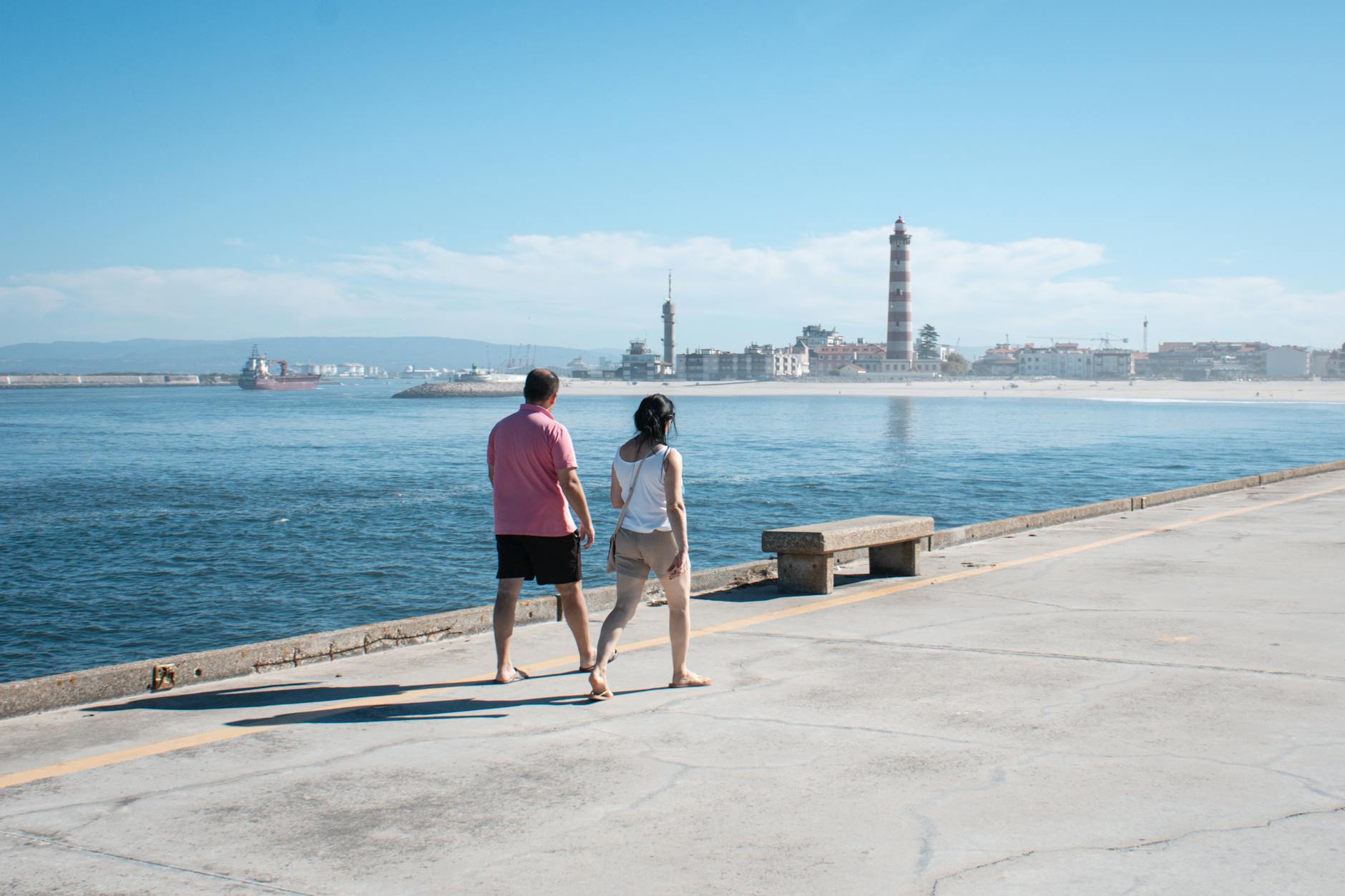
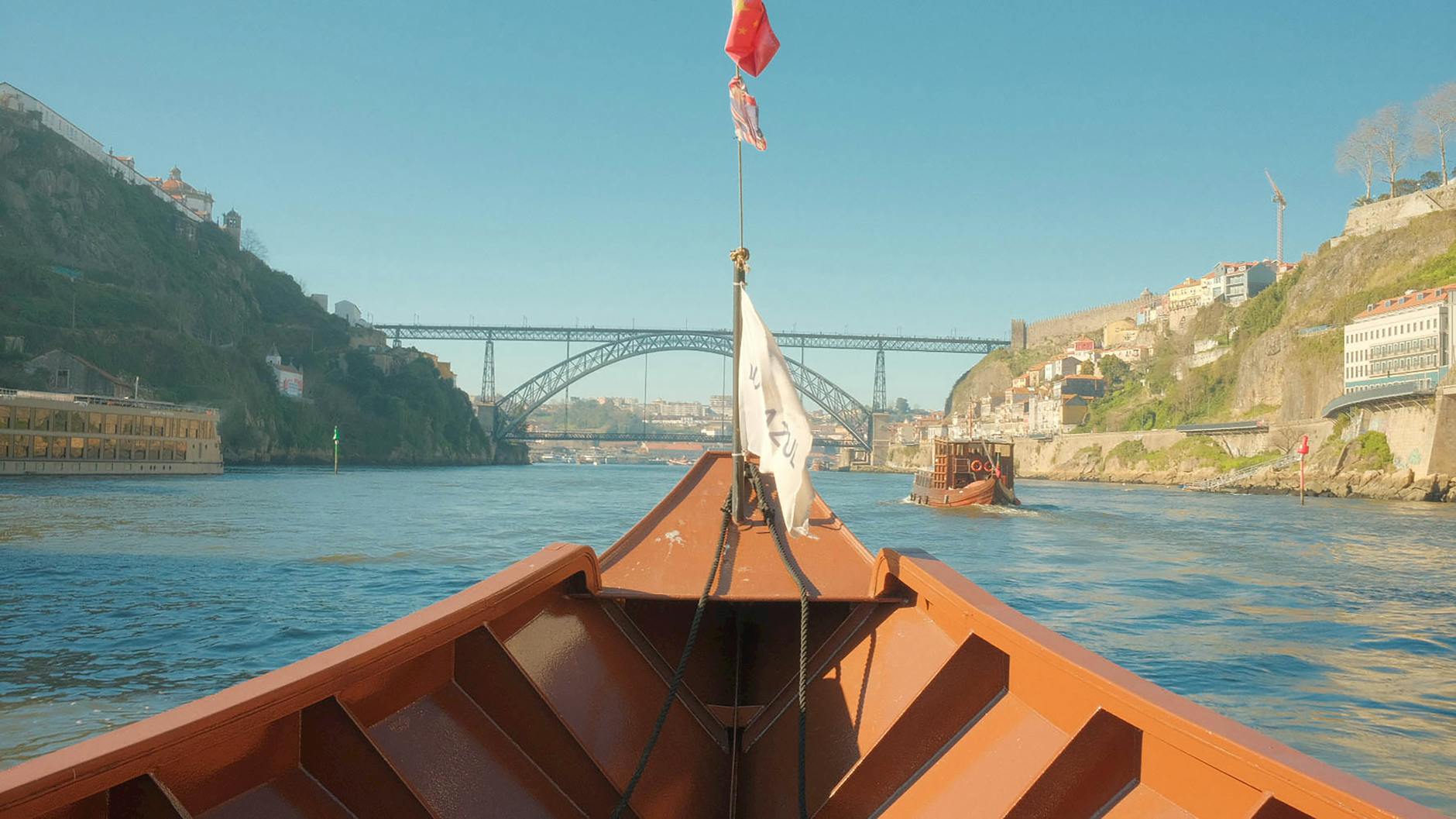
Matosinhos surf, Foz coastal walks, Gaia river routes, cycling near the Douro, bridge viewpoints, parks, and day trips can all be worthwhile. The traveler should choose activities based on meeting points, transit, gear rental, showers, luggage, weather exposure, and how much of the day the activity actually consumes.
Outdoor plans fail when the transition time is invisible. A two-hour activity can occupy half a day once transport, changing, meals, photos, recovery, and return logistics are included.
- Check meeting points, transit, rental gear, showers, lockers, luggage, and return times.
- Account for the full activity block, not only the advertised duration.
- Prioritize one strong outdoor anchor per day instead of scattered mini-adventures.
Match lodging to gear and movement
An outdoor traveler should judge lodging by practical movement. Elevator access, drying space, laundry, early breakfast, secure gear storage, transit to Matosinhos or Foz, taxi access, and the ability to return for a shower can matter more than a postcard view.
A central hotel may be best for mixed city-and-outdoor plans. A Foz or Matosinhos base may be better for a surf- or coast-heavy trip. The traveler should choose the base that reduces unnecessary gear movement.
- Check storage, drying space, laundry, elevators, breakfast timing, and shower access.
- Choose central Porto, Foz, Gaia, or Matosinhos based on the actual activity mix.
- Avoid lodging that makes every outdoor plan require awkward gear transfers.
Check safety, insurance, and equipment
Adventure travel requires a different risk screen than ordinary sightseeing. Surf lessons, cycling, water activity, cliff or breakwater walks, wet stone, unfamiliar roads, and day trips can create insurance and safety questions. The traveler should understand what their policy covers and what an activity operator provides.
Equipment decisions should be practical. Shoes, layers, rain protection, sun protection, swimwear, dry bags, medication, phone battery, and secure carry options should match the planned activity rather than the imagined version of Porto.
- Review insurance for surf, cycling, water activity, rentals, injuries, and cancellations.
- Use reputable operators and avoid risky coastal or river conditions.
- Pack shoes, layers, rain gear, sun protection, dry bags, medication, and battery backup.
When to order a short-term travel report
An outdoor traveler with a flexible city break and one casual beach walk may not need a custom Porto report. A report becomes useful when surf timing, weather backups, gear, insurance, mobility, lodging, day trips, transport, or recovery windows could determine whether the trip works.
The report should test activity selection, coast and river timing, weather, operator options, hotel base, gear movement, transport, meals, recovery, budget, insurance, and what to cut. The value is a Porto outdoor plan that feels active without pretending the city has unlimited time, terrain, or energy.
- Order when surf, coast routes, day trips, weather, gear, insurance, or recovery need testing.
- Provide dates, activities, fitness level, hotel options, gear, budget, and risk limits.
- Use the report to keep the outdoor plan ambitious but executable.