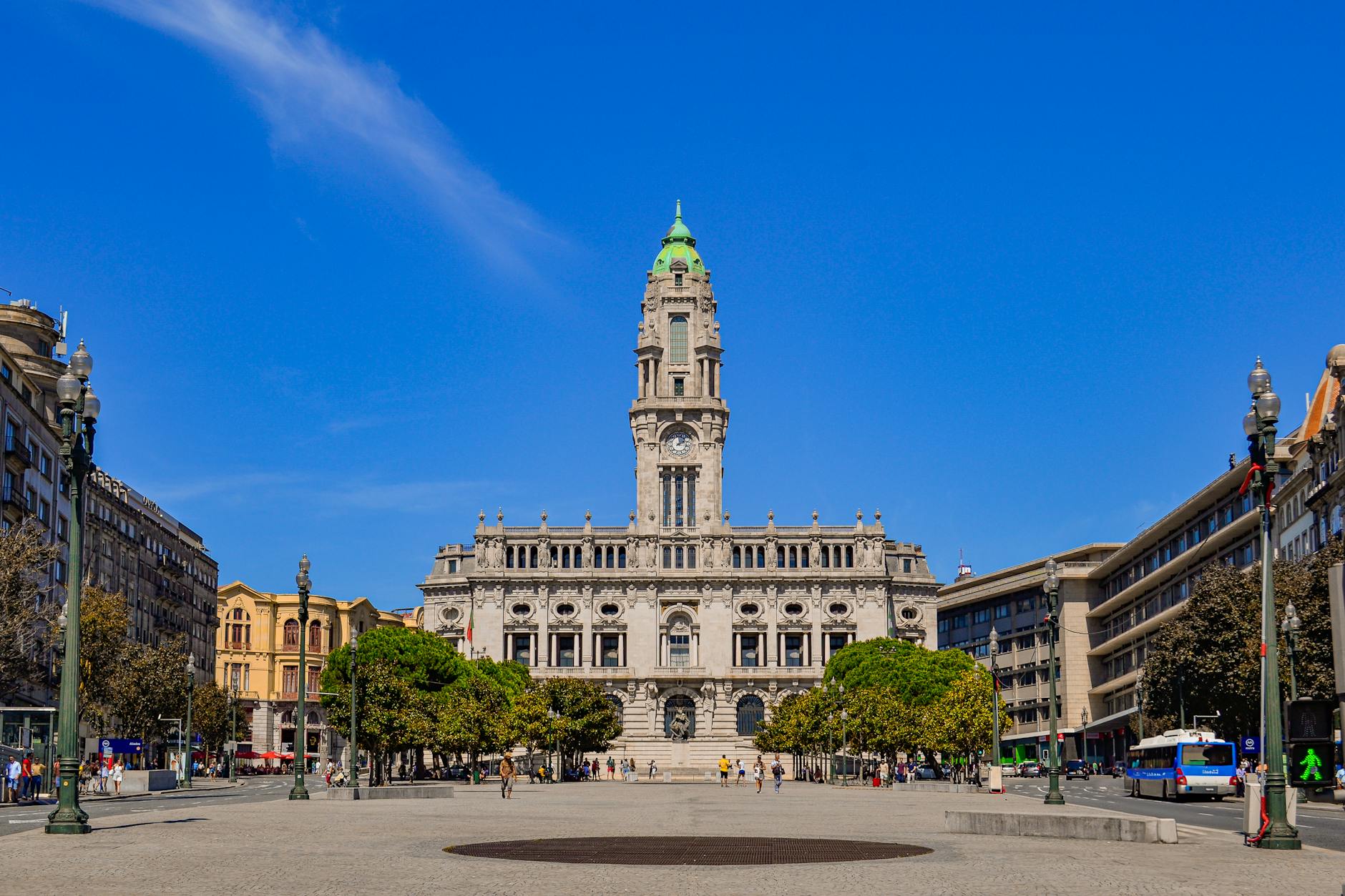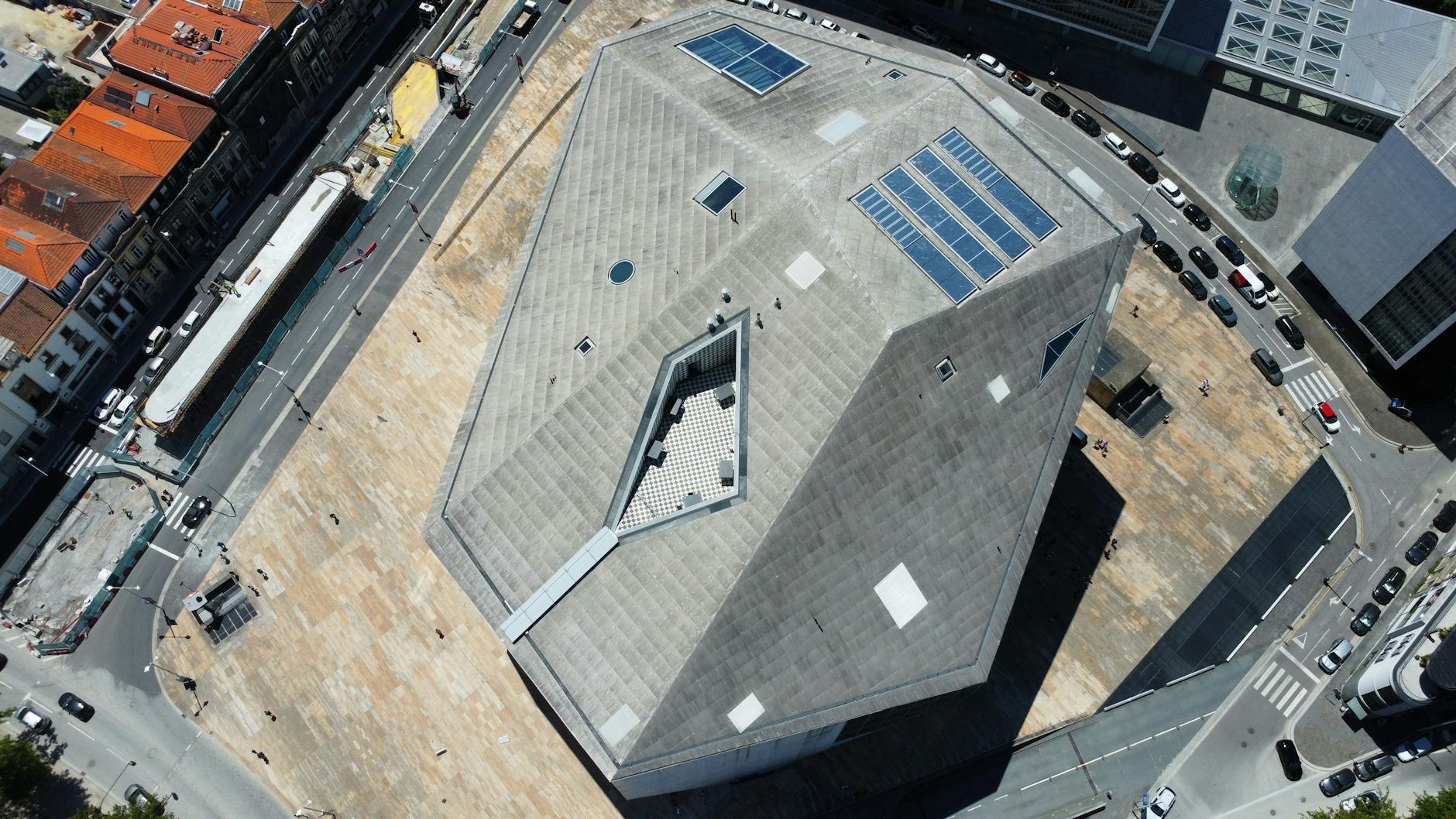
Porto can be a rewarding academic conference city because it combines universities, cultural venues, riverfront hospitality, airport access, and a compact center that can make a short stay feel memorable. But a conference trip is not the same as leisure travel. The attendee has sessions, registration, presentation materials, networking, meals, reimbursements, and deadlines to protect. The right Porto plan starts with the conference venue and the academic obligations, then adds the city carefully around them. That order matters in a city where hills, river crossings, and weather can turn a casual walk into a schedule problem.
Locate the venue before choosing the hotel
An academic conference attendee should identify the exact venue before booking lodging. Porto meetings may cluster around university buildings, Boavista, the city center, cultural venues, hotels, arenas, or riverfront spaces. A hotel that looks central may still create repeated uphill walks, taxi dependence, or awkward transfers before morning sessions.
The attendee should map the venue, registration desk, reception location, poster session, dinner venue, airport route, and any side meetings. The best hotel is the one that protects the academic schedule first and the sightseeing plan second.
- Map the venue, registration, receptions, side meetings, airport, and hotel before booking.
- Do not judge Porto logistics by straight-line distance alone.
- Choose lodging that protects morning sessions and presentation timing.
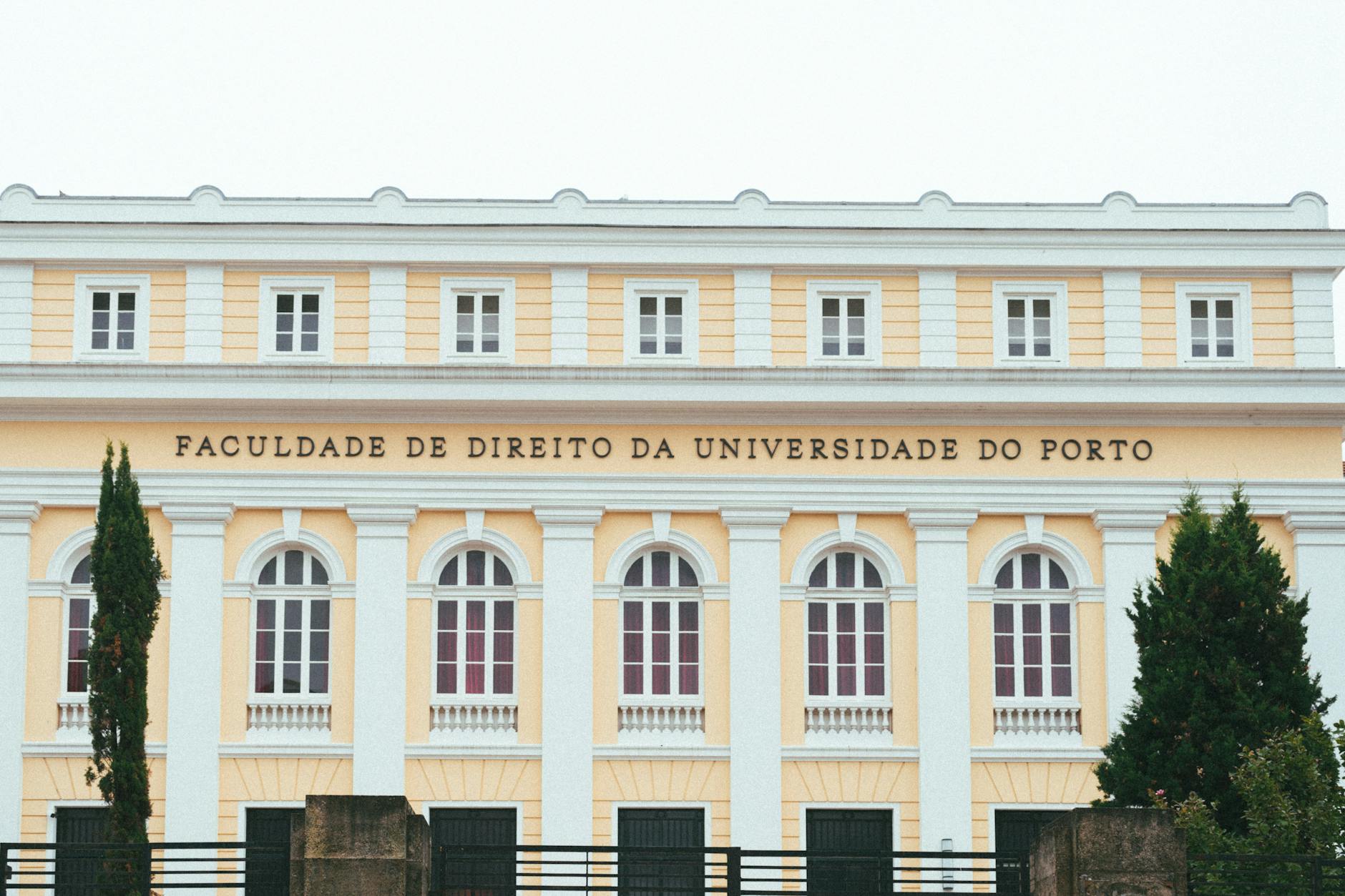
Protect registration and presentation timing
Conference trips fail when the attendee treats registration, slides, posters, adapters, badge pickup, and room location as minor details. Porto may be easy to enjoy, but the academic obligation still needs rehearsal, printing backup, file backup, battery, and clear timing from hotel to venue.
The attendee should plan the first morning as if something small will go wrong. A delayed breakfast, rain, a steep walk, a missing adapter, or a long registration line can matter when the traveler is presenting or chairing a session.
- Prepare slides, poster files, adapters, battery, printed backups, and venue room details.
- Build extra time into registration, badge pickup, and first-morning movement.
- Keep presentation materials accessible even if checked luggage is delayed.
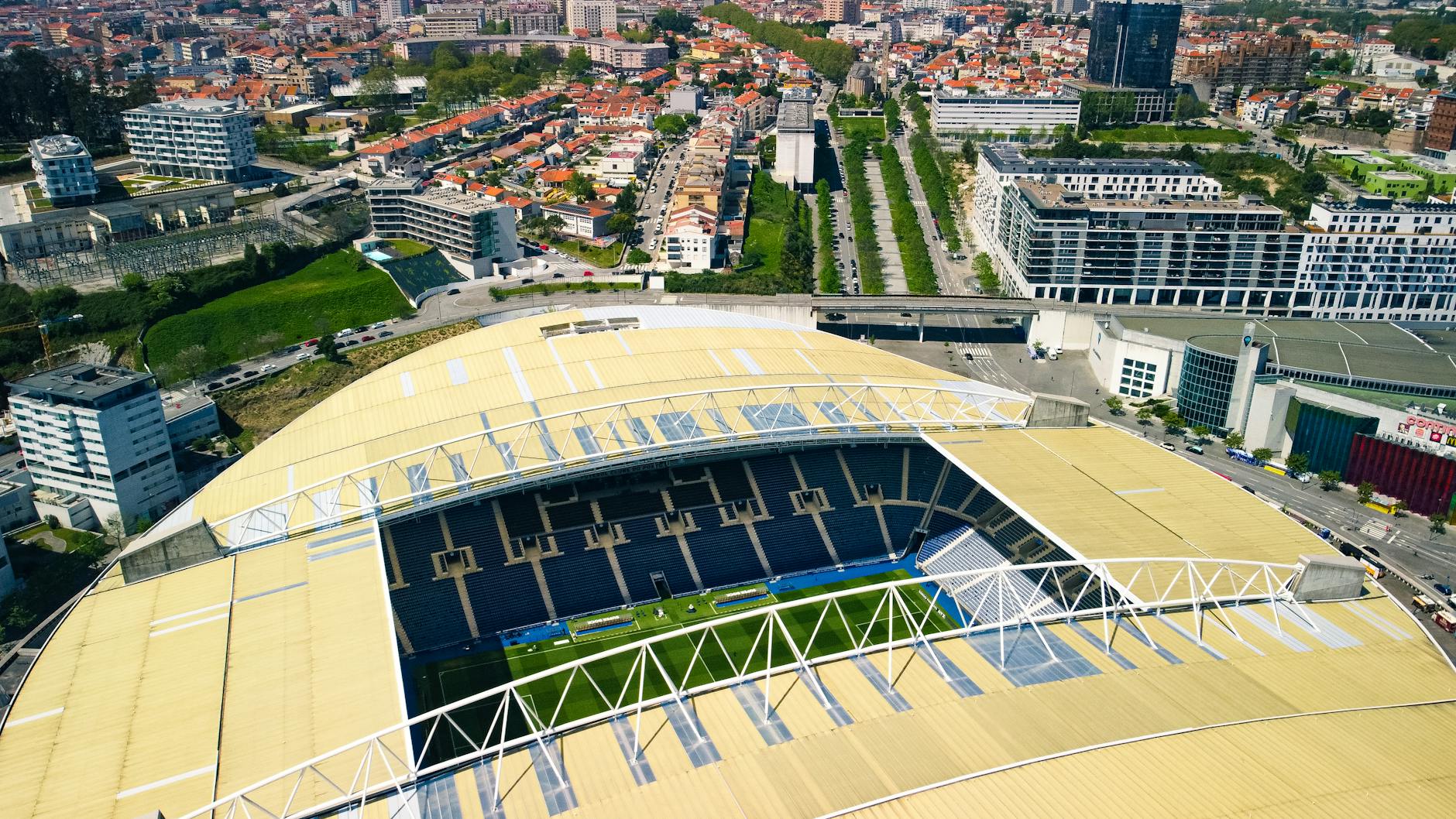
Plan movement around hills, weather, and shoes
Porto's hills, stairs, cobblestones, rain, heat, and river crossings can affect conference movement. Formal shoes, poster tubes, laptops, tote bags, and evening clothes do not always match scenic walking routes. The attendee should know when walking is pleasant and when a taxi or metro route is the professional choice.
This is especially important when a reception, dinner, or networking event follows a long session day. The traveler should avoid arriving overheated, soaked, late, or tired because the route looked shorter than it felt.
- Account for hills, stairs, cobblestones, rain, heat, and river crossings.
- Match shoes, bags, laptops, and poster tubes to the actual route.
- Use controlled transport when appearance or timing matters.
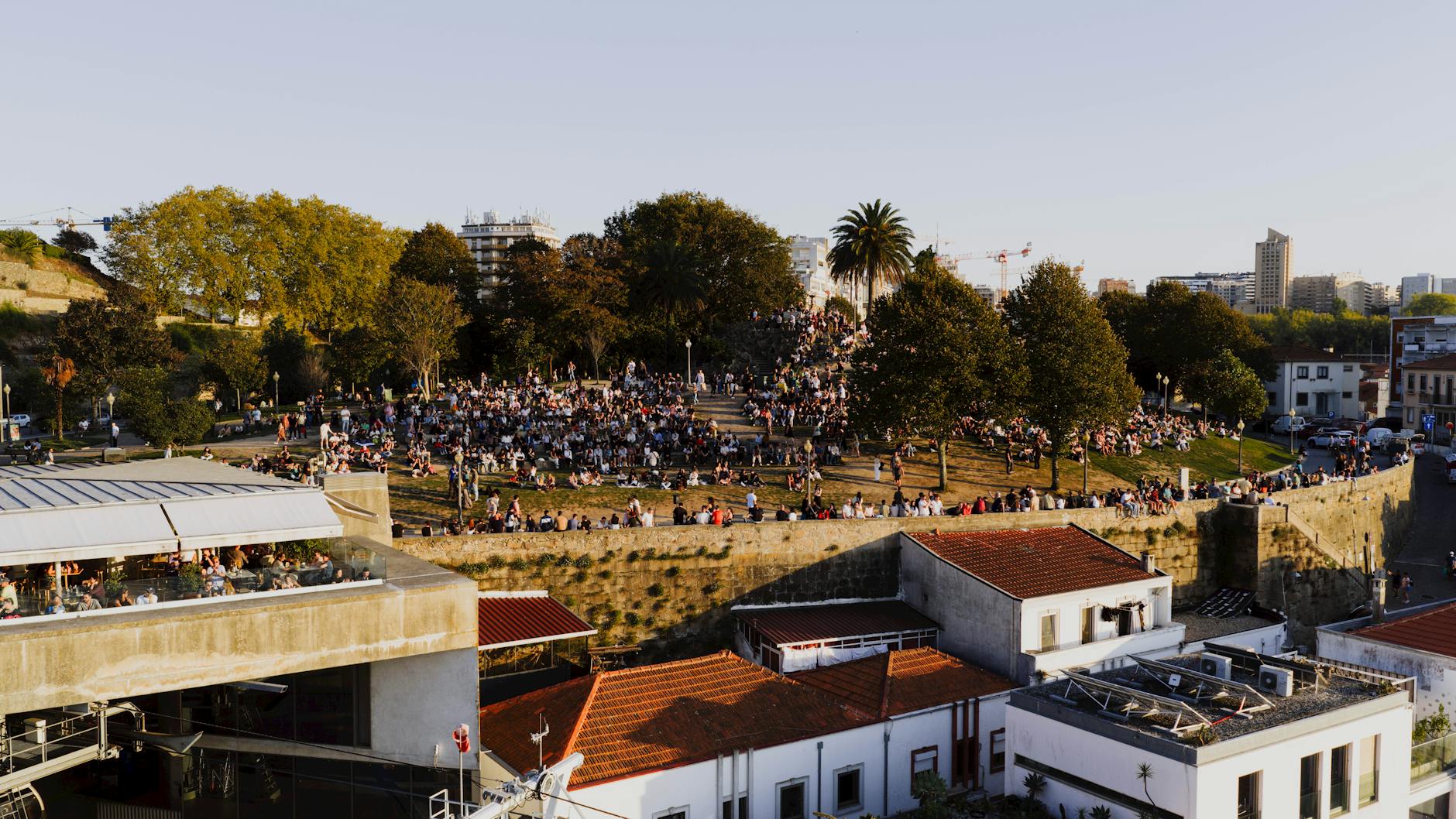
Use central Porto between obligations
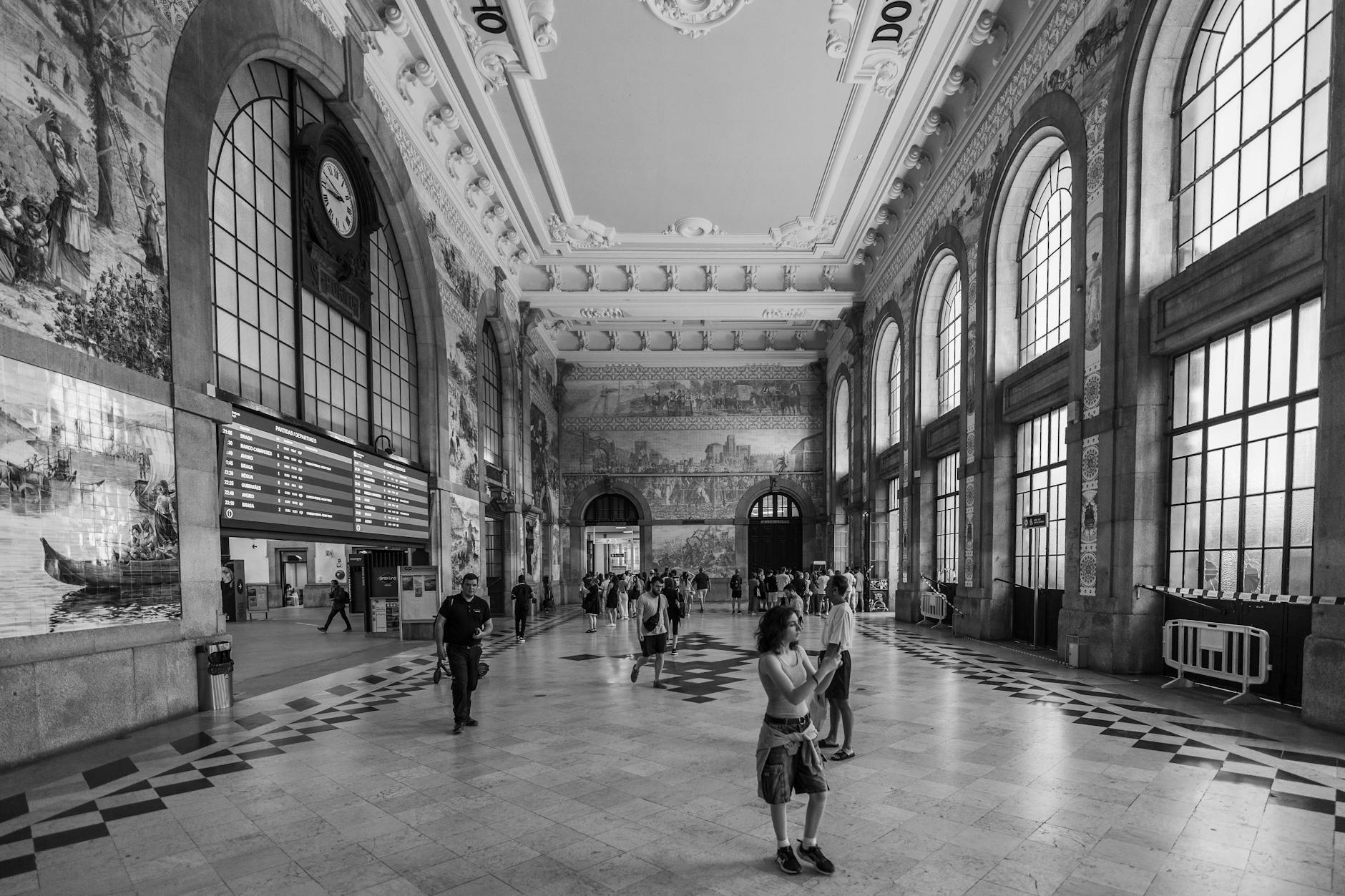
A conference attendee may have small gaps rather than full sightseeing days. Porto rewards those gaps if the plan is compact: a cafe near the venue, a short walk around Aliados, a quick Sao Bento stop, a river view, or one evening in Ribeira or Gaia. The traveler should not try to turn every gap into a full tourist circuit.
The schedule should include clear re-entry points for sessions. It is easy to wander farther than planned in Porto, especially when the streets are attractive and the next session feels close enough.
- Use short gaps for nearby cafes, city-center walks, Sao Bento, or river views.
- Avoid turning session breaks into overambitious sightseeing.
- Set a return time before leaving the venue area.
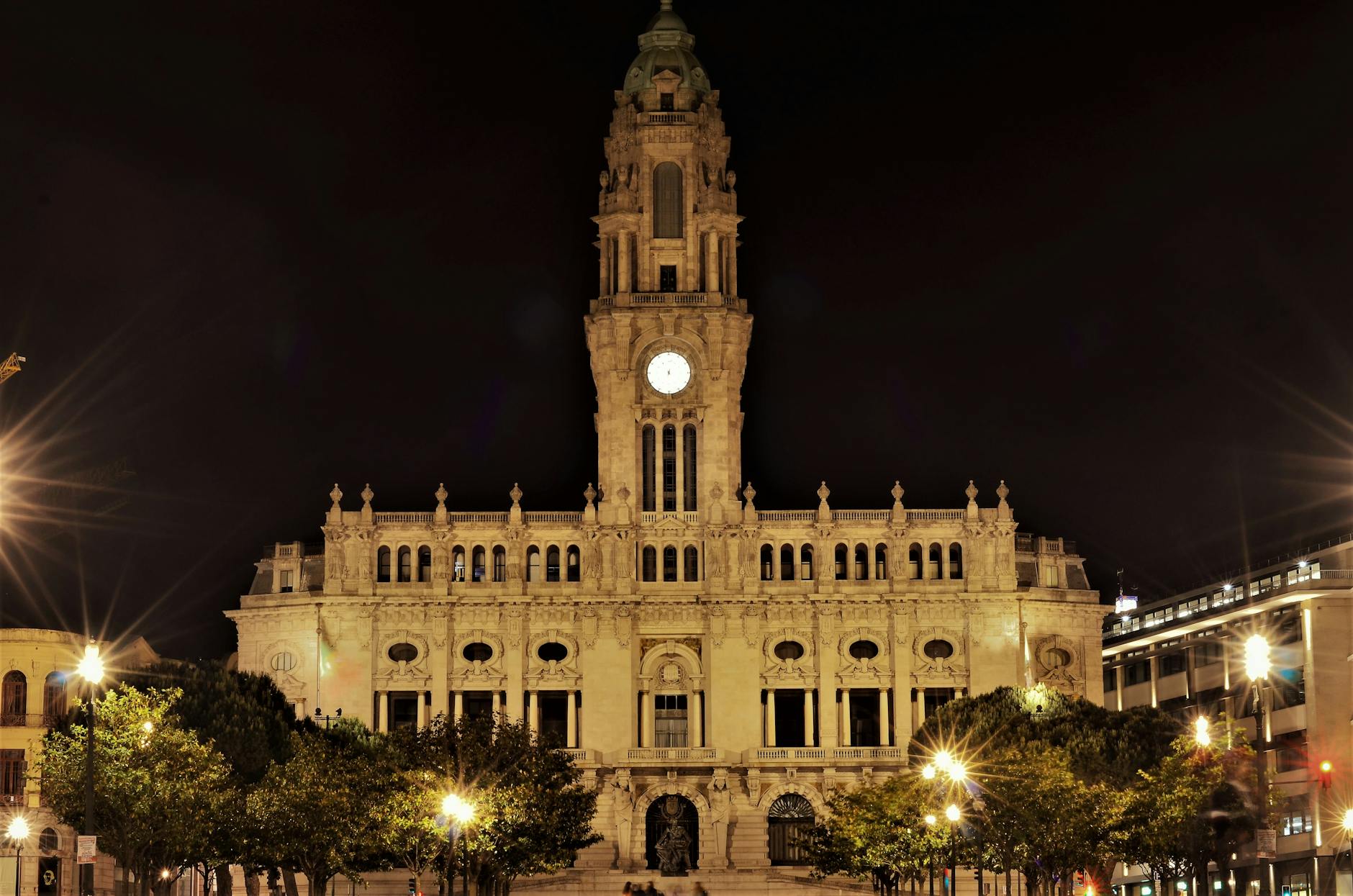
Treat networking as part of the itinerary
Academic networking in Porto may happen over coffee, receptions, riverfront meals, wine-related hospitality, university events, or informal walks after sessions. Those moments can be useful, but they need time, budget, and recovery. The traveler should decide which events matter and which ones can be skipped without regret.
Dietary needs, alcohol expectations, reimbursement rules, receipt collection, and late-night transport should be handled before the evening begins. A good networking night should not weaken the next morning's paper, panel, or meeting.
- Prioritize receptions, dinners, coffees, and side meetings before arrival.
- Plan dietary needs, alcohol choices, receipts, and late transport.
- Protect the next academic obligation from an overextended evening.
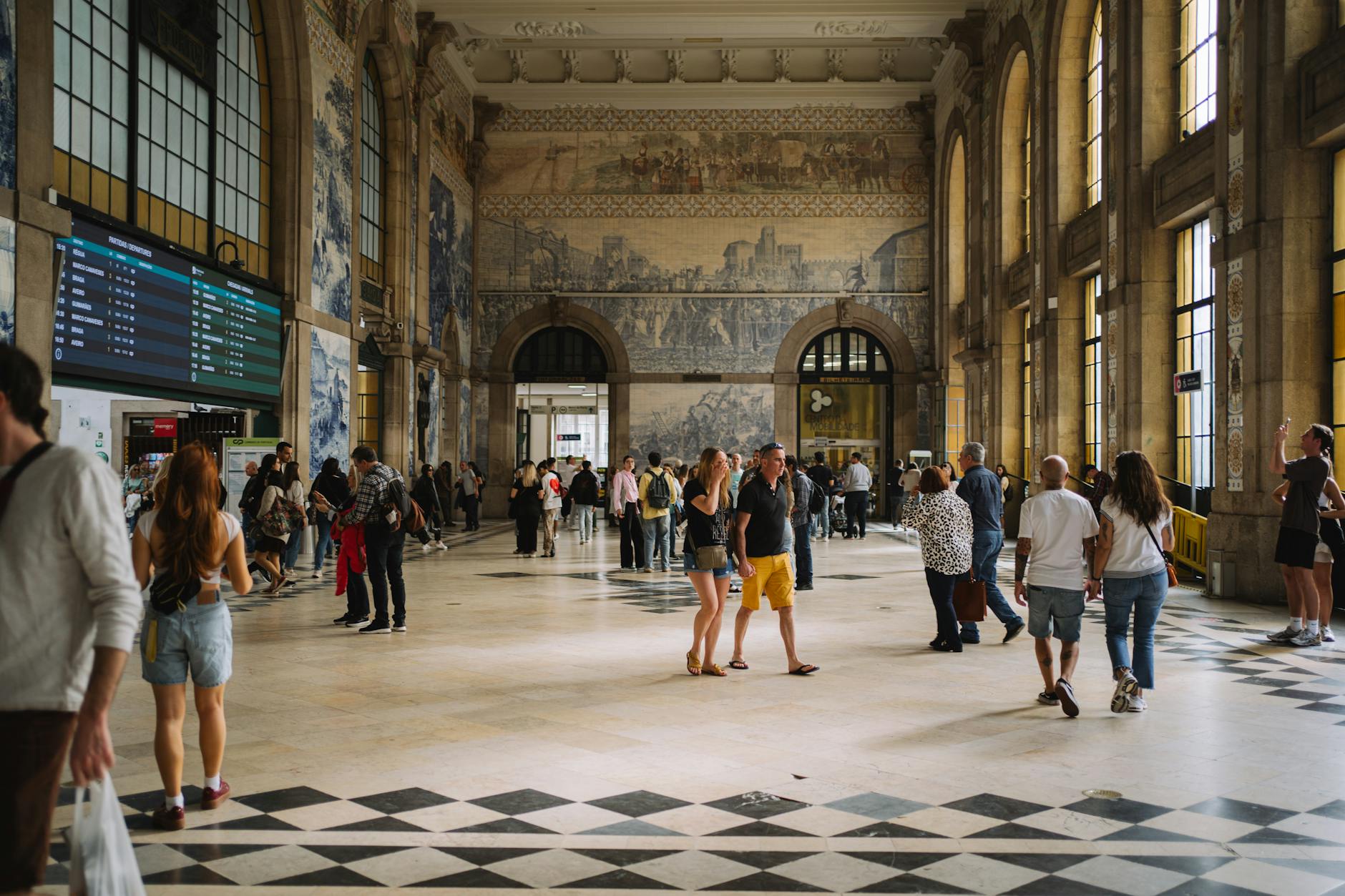
Leave room for academic work and recovery
Conference travel often includes work that is not on the public schedule: reviewing notes, answering student or colleague messages, revising slides, preparing questions, writing expense notes, or following up with contacts. The hotel and daily rhythm should leave room for that work.
Recovery matters too. Porto can invite late meals, steep walking, and long conversations. The attendee should plan sleep, meals, hydration, and quiet time so the trip produces useful academic outcomes rather than only attendance.
- Reserve time for notes, follow-up, slide edits, receipts, and messages.
- Choose hotel quiet, desk setup, Wi-Fi, and breakfast timing with work in mind.
- Protect sleep and recovery between sessions, meals, and travel legs.
When to order a short-term travel report
An attendee with one simple conference venue, a nearby hotel, and no presentation may not need a custom Porto report. A report becomes useful when the traveler is presenting, chairing, attending multiple venues, managing reimbursement rules, planning networking meals, dealing with mobility or medical constraints, or trying to add sightseeing around a tight academic schedule.
The report should test venue geography, hotel fit, airport transfer, registration timing, presentation logistics, walking conditions, weather, networking, food, receipts, recovery, and what to cut. The value is a Porto conference trip where the city supports the academic purpose instead of distracting from it.
- Order when venues, presentation logistics, hotels, transport, or networking need testing.
- Provide conference schedule, venue addresses, hotel options, budget, and constraints.
- Use the report to protect the academic outcome while still enjoying Porto.