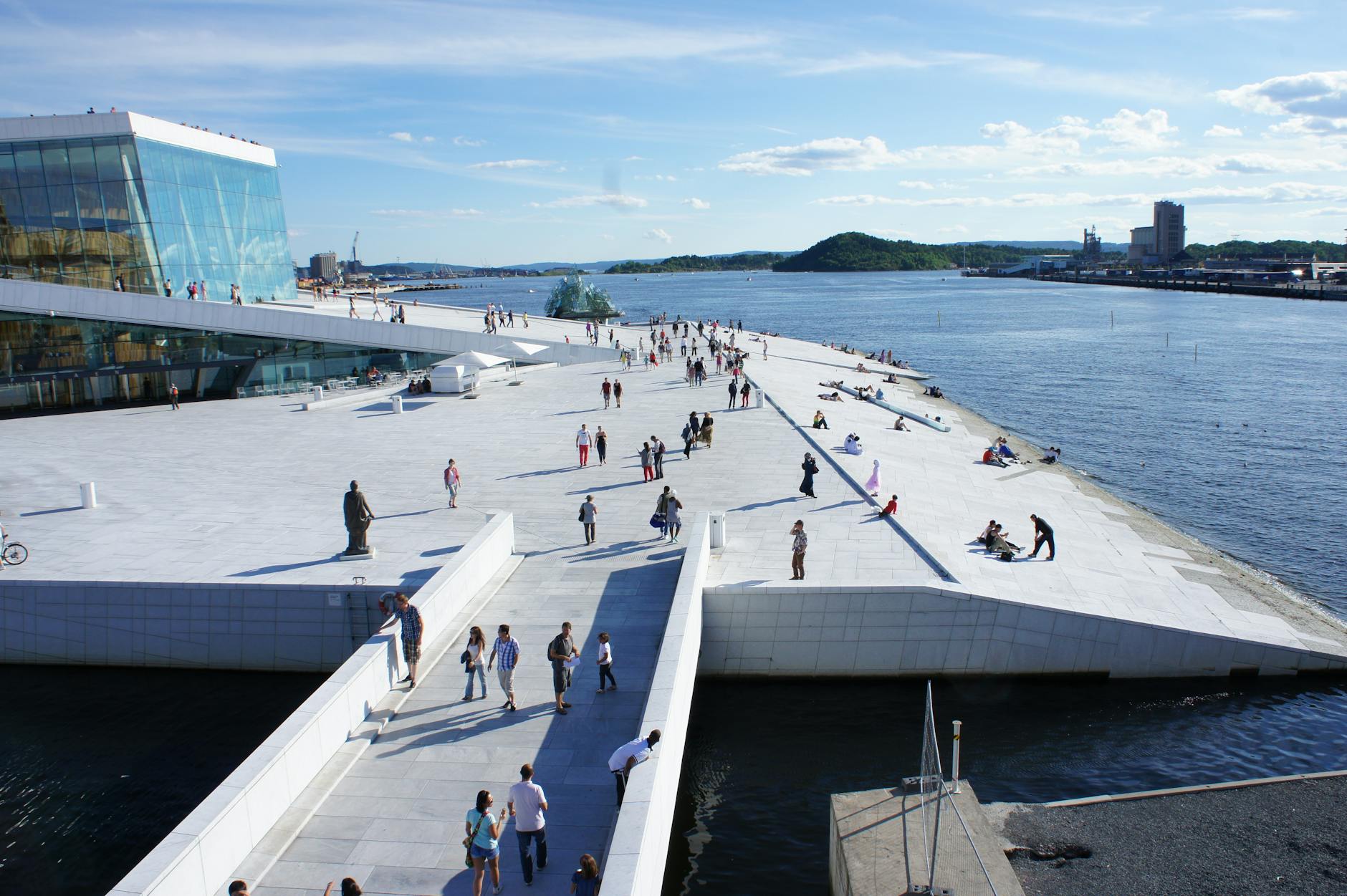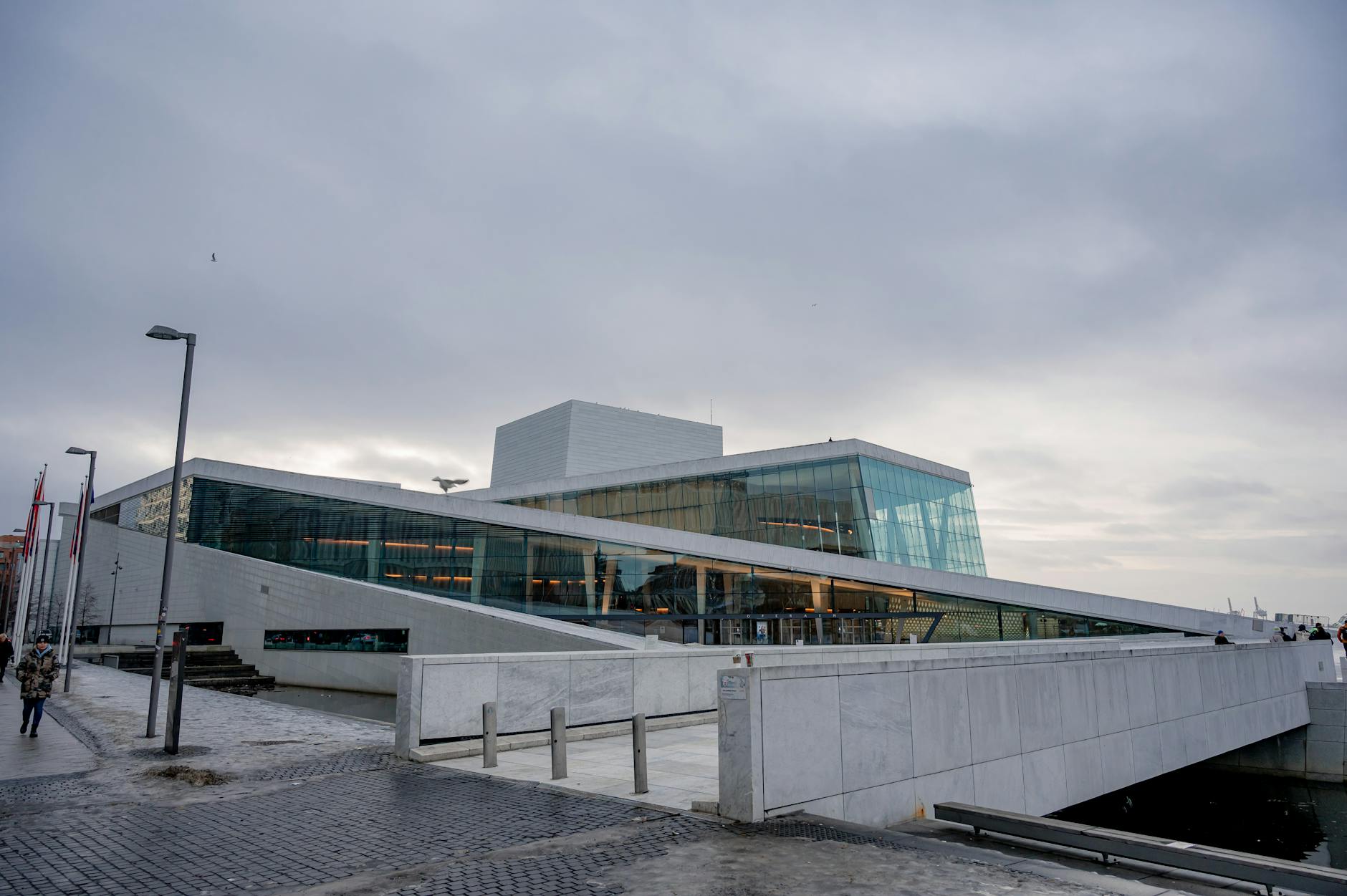
Oslo can be a strong city for women travelers because it is organized, English-friendly, compact in its central areas, and generally comfortable for independent movement. That does not mean the trip should be planned casually. Weather, darkness, high costs, unfamiliar routes, and late returns can still shape the experience. The useful plan is not built from fear. It is built from control: a good base, clear arrival route, sensible evening plan, enough budget for taxis when needed, and activities that match the traveler's interests and energy. Oslo rewards that kind of quiet preparation.
Choose a base that supports evening confidence
A woman traveler should choose an Oslo base by arrival route, evening return, transit access, hotel staffing, nearby food, and the ability to reset during the day. Bjorvika, the city center, Aker Brygge, Tjuvholmen, Grunerlokka, Majorstuen, and other areas can all work, but they create different night and weather patterns.
The right hotel is not simply the prettiest or cheapest option. It should make the first arrival simple, reduce unnecessary late walks, and provide a comfortable place to return if weather, fatigue, or social plans change.
- Choose lodging around arrival, late returns, nearby food, transit, and staffed access.
- Check the route from station or taxi drop-off to the hotel entrance.
- Prefer a base that lets the traveler shorten the day without losing the trip.

Read safety through routes and timing
Oslo should not be treated as dangerous by default, but a woman traveler still benefits from route discipline. The question is less about broad city labels and more about specific timing: which streets, stations, taxis, ferry returns, waterfront walks, and late routes make sense for the date and season.
Short winter daylight changes this calculation. A plan that feels easy in June can feel different in January rain, snow, ice, or darkness. The traveler should know the route back before dinner, a concert, or a waterfront walk begins.
- Plan exact evening returns before meals, events, ferries, or waterfront walks.
- Use transit, taxis, or a shorter route when darkness, weather, or fatigue changes the risk.
- Judge safety by street, timing, and route rather than by broad city reputation.
Build winter and daylight into the itinerary
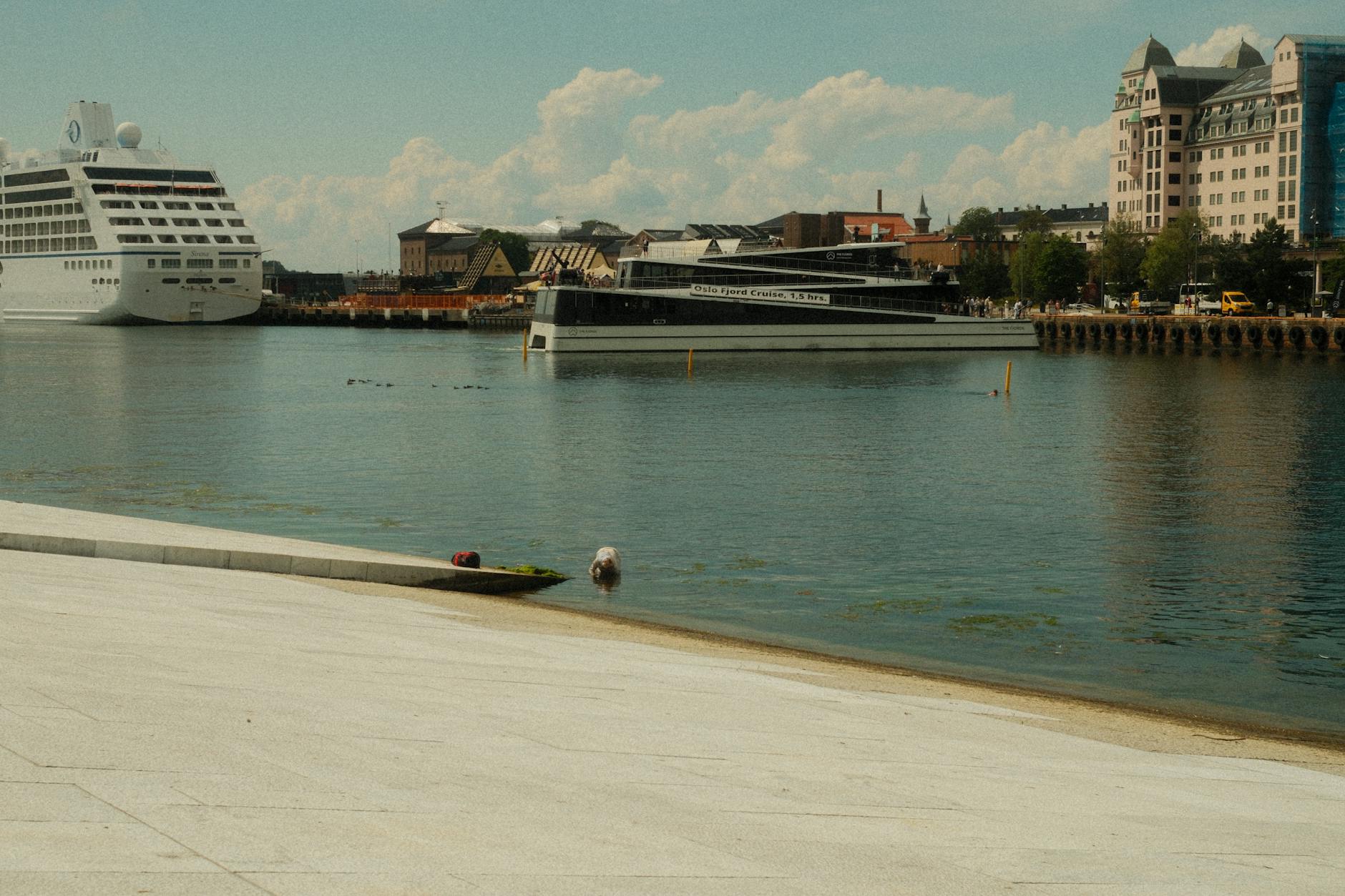
Oslo's seasons matter for women traveling alone, with friends, or for work. Winter can mean short daylight, icy walking surfaces, bulky outerwear, darker returns, and more indoor planning. Summer can mean long light, later social plans, and easier waterfront time, but also a temptation to stretch the day too far.
The itinerary should include weather-aware clothing, shoes that can handle real surfaces, and indoor alternates that still feel worthwhile. Confidence improves when the traveler is not choosing between discomfort and missing the day.
- Plan different daily rhythms for winter darkness, summer light, rain, wind, and ice.
- Pack shoes and layers that support independence rather than just appearance.
- Keep museum, cafe, spa, shopping, or library alternates near the main route.

Handle lodging privacy and transport deliberately
Women travelers should check hotel access, room location preferences, front desk hours, elevator security, luggage storage, and how rides or taxis meet the property. These details are not dramatic, but they affect comfort after a late flight, a long dinner, or a day of winter walking.
Transport should be chosen for the situation. The airport rail may be efficient, walking may be pleasant, and taxis may be worth the cost after dark or in bad weather. A good plan lets the traveler move without having to prove endurance.
- Check front desk hours, room access, elevator setup, luggage storage, and pickup points.
- Use taxis when weather, luggage, late timing, or unfamiliar routes justify the cost.
- Keep the first arrival and last evening especially simple.

Plan solo meals, social time, and spending
Oslo can be expensive, and solo or women-led trips can be weakened by vague meal planning. The traveler should identify cafes, bakeries, food halls, hotel breakfast, casual waterfront options, and any dinner worth reserving. This avoids making every meal a cold-weather search.
Social time should also be chosen intentionally. Guided walks, museum programs, performances, sauna bookings, small tours, and dinners with known contacts can add structure. The traveler should leave room to decline plans that do not fit her energy or boundaries.
- Identify comfortable cafes, food halls, bakeries, hotel breakfast, and dinner options.
- Budget for solo meals, taxis, museum tickets, and flexible weather decisions.
- Use structured social plans only where they improve the trip.
Protect phone, documents, health, and boundaries
A woman traveler should prepare phone service, battery backup, offline maps, payment cards, travel insurance, medication, emergency contacts, and document copies before relying on the city to be easy. Oslo's infrastructure helps, but phone failure or a lost card can still disrupt a short trip.
Boundaries deserve planning too. The traveler should know how to leave a social situation, shorten an evening, call a taxi, or return to the hotel without debate. The best itinerary protects independence and exit options at the same time.
- Prepare eSIM or roaming, battery backup, offline maps, cards, insurance, and documents.
- Know pharmacy, urgent help, hotel contact, and emergency details before they are needed.
- Keep enough budget and route knowledge to leave any situation cleanly.
When to order a short-term travel report
A woman traveler with flexible dates, a central hotel, and an easy summer itinerary may not need a custom Oslo report. A report becomes useful when the trip is short, winter-heavy, expensive, solo, connected to late events, shaped by work obligations, or affected by safety, medical, mobility, or budget concerns.
The report should test hotel location, arrival route, evening returns, winter conditions, transit, taxis, solo meals, social plans, phone reliability, medical fallback, budget pressure, and what to cut. The value is an Oslo trip that feels independent, practical, and calm.
- Order when lodging, winter, late returns, solo plans, health, or budget needs testing.
- Provide dates, arrival times, hotel options, interests, comfort level, and constraints.
- Use the report to protect freedom of movement without overbuilding the trip.