
Oslo can be a practical base for a short volunteer or NGO trip, especially when the traveler is supporting a verified organization, conference-linked project, community program, environmental initiative, student group, refugee or migrant service, or faith-linked outreach. The city is organized and English-friendly, but that does not make a short service trip automatically sound. The traveler should start with the purpose and the host. What work is being done, who benefits, what skills are needed, what boundaries apply, and what does the organization actually want from a short-term visitor? A good Oslo plan protects the community, the host, and the traveler from a well-intentioned but poorly structured trip.
Verify the host and the assignment
A volunteer or NGO traveler should confirm the host organization, local partner, supervisor, assignment, schedule, and limits before booking. Oslo may feel administratively easy, but short-term service still needs a clear operating structure. The traveler should know whether the work involves logistics support, event staffing, translation, community outreach, environmental activity, research assistance, fundraising, or professional expertise.
The host should be able to explain why a short-term visitor helps rather than distracts. If the answer is vague, the traveler should slow down. Good intentions do not replace a defined role, screening, safeguarding, and local accountability.
- Confirm the host, local partner, supervisor, role, schedule, and reporting line.
- Ask why a short-term visitor is useful and what skills are actually needed.
- Avoid assignments with vague responsibilities, unclear beneficiaries, or weak oversight.
Map the work site before choosing lodging
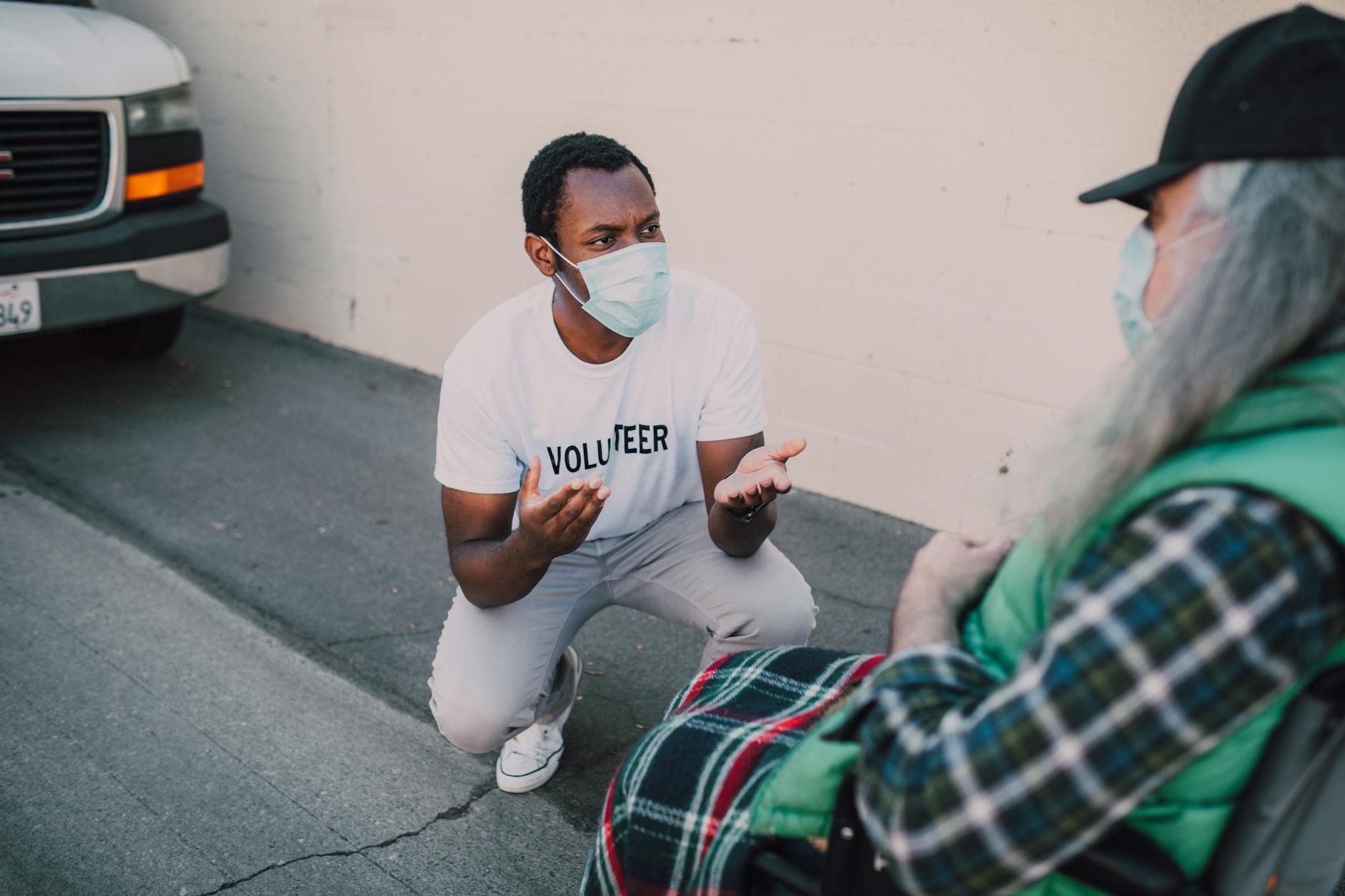
The assignment may not be near the waterfront or the hotel zone a visitor would normally choose. Work could be at a community center, campus, church, nonprofit office, meeting venue, warehouse, school, clinic partner, neighborhood site, or outside central Oslo. Lodging should follow the work geography and daily start time.
The traveler should check the route in both directions, especially after evening activities or in winter. A cheap room that requires awkward transfers, long walks, or late taxis can weaken the whole trip.
- Map the assignment site, host office, meeting points, housing, and evening return route.
- Check transit, walking distance, taxi options, and winter footing for the actual schedule.
- Choose lodging that supports the work day before choosing a visitor neighborhood.
Respect safeguarding and community boundaries
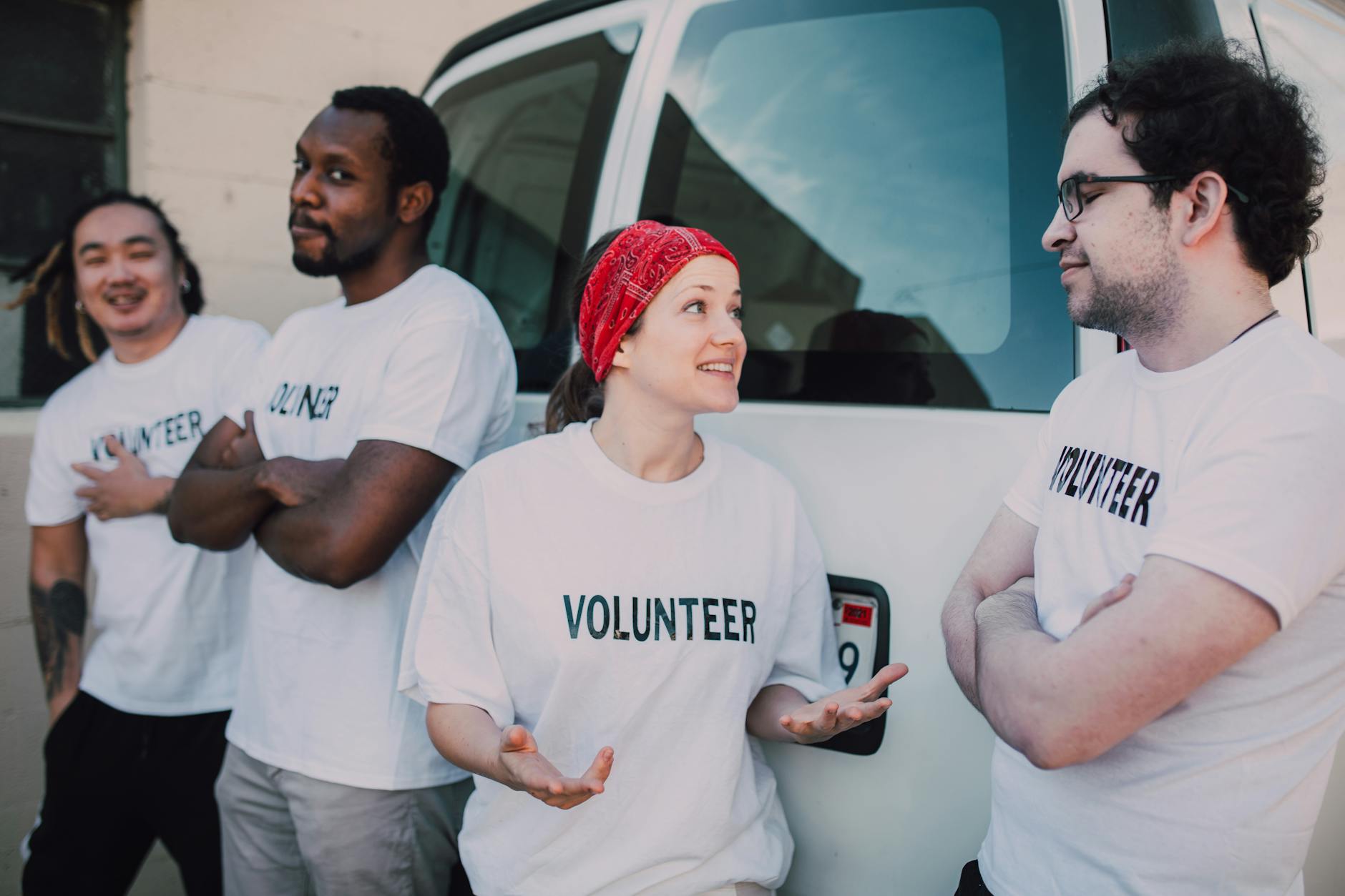
Volunteer travel can create ethical problems when the visitor treats community access as an experience rather than a responsibility. The traveler should understand consent, photography rules, child and vulnerable-person safeguards, data handling, confidentiality, religious or cultural boundaries, and what cannot be shared publicly.
This matters in Oslo as much as anywhere else. A polished city does not make every interaction public. The traveler should let the host set boundaries and should avoid posting people, locations, or stories that the organization has not cleared.
- Confirm safeguarding, consent, photography, data, confidentiality, and social sharing rules.
- Treat community access as a responsibility, not as content or personal validation.
- Let the host decide what can be documented, named, or discussed publicly.

Prepare for language, paperwork, and supplies
Many Oslo organizations can work in English, but the traveler should not assume every beneficiary, form, sign, meeting, or neighborhood interaction will be English-first. The host should clarify whether Norwegian, another language, printed material, translation support, or specific terminology matters for the assignment.
Supplies also need planning. The traveler should know what to bring, what the host provides, what cannot be imported, what should be bought locally, and whether donations are actually wanted. Unrequested supplies can create storage and fairness problems.
- Ask whether Norwegian, English, or another language is needed for the actual role.
- Confirm forms, identification, background checks, insurance, and access requirements.
- Bring only supplies the host has requested and can use responsibly.

Budget for Oslo without pressuring the host
Oslo is expensive for lodging, meals, transit, taxis, laundry, coffee, and last-minute gear. A volunteer traveler should not expect the host to absorb costs that were not agreed in advance. The budget should include simple meals, local transport, weather gear, emergency taxi money, phone data, and a reserve for schedule changes.
A traveler who runs short on funds can become a burden to the organization. The trip should be financially self-contained unless the host has explicitly offered support.
- Budget for lodging, meals, transit, taxis, laundry, phone data, weather gear, and reserves.
- Clarify reimbursements, stipends, meals, and housing support before arrival.
- Avoid making the host solve personal travel costs or preventable logistics.

Plan weather, health, and recovery
Volunteer and NGO days can be physically and emotionally demanding. Oslo winter can add cold, ice, darkness, wet shoes, bulky clothing, and slower movement. Summer can make long days feel easier than they are. The traveler should plan clothing, footwear, rest, meals, medication, and medical fallback for the actual month and assignment.
Recovery time matters because short-term visitors often try to combine service, sightseeing, networking, and personal reflection into too few days. A tired volunteer may make poor decisions or require more support from the host.
- Pack shoes, layers, rain gear, and winter protection for the assignment, not only tourism.
- Confirm medication, insurance, urgent care options, emergency contacts, and host escalation.
- Leave recovery time between work blocks, meetings, and personal city plans.
When to order a short-term travel report
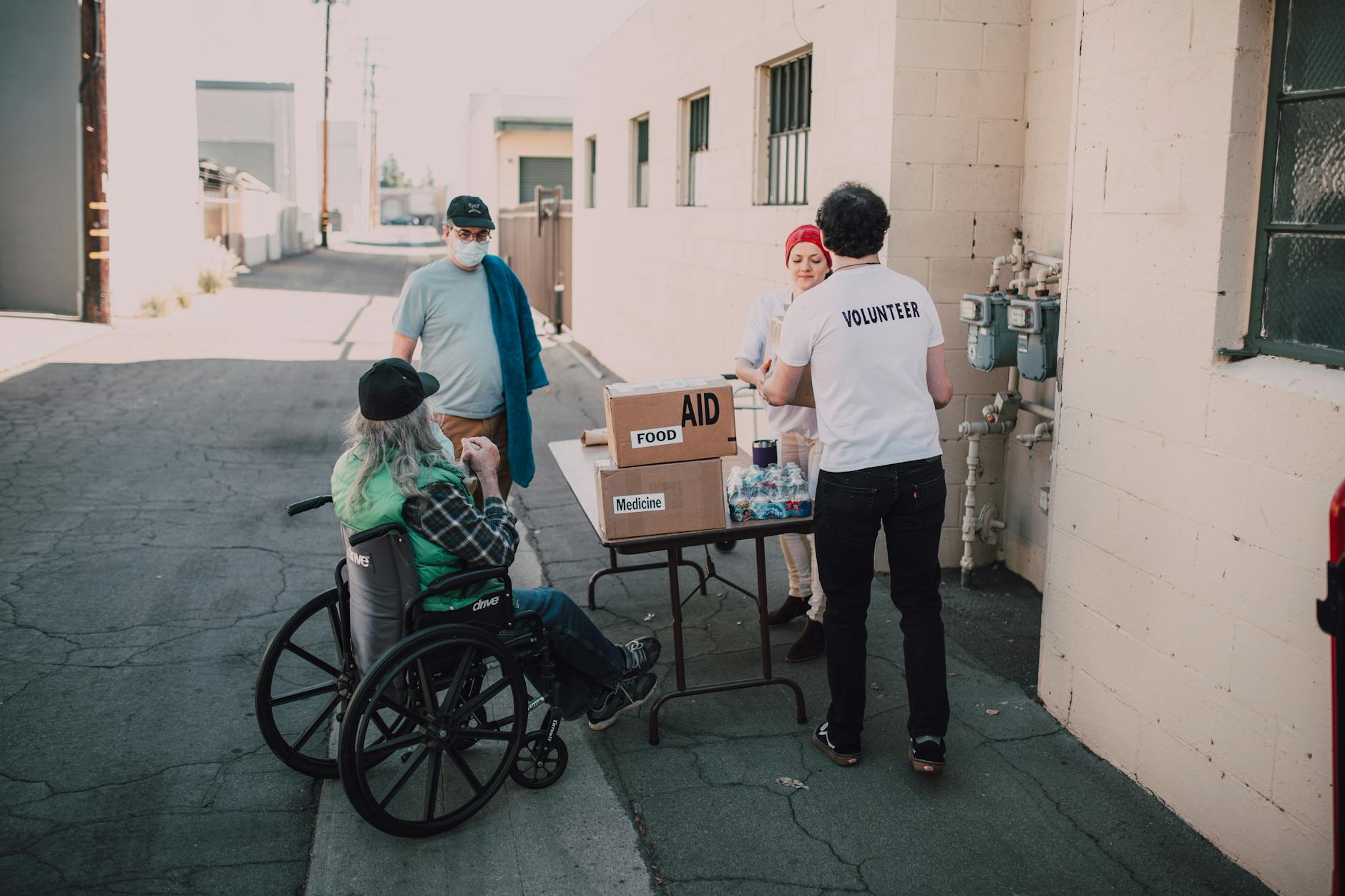
A volunteer with a trusted host, arranged housing, and a clear daily schedule may not need a custom Oslo report. A report becomes useful when the assignment is independent, the host is unfamiliar, the work site is outside the center, winter conditions matter, costs are tight, medical needs exist, or the traveler wants to combine NGO work with city time without weakening either purpose.
The report should test host credibility, assignment geography, lodging, airport arrival, local transport, safeguarding questions, budget, weather, medical fallback, recovery time, and what to cut. The value is a short Oslo service trip that is useful, bounded, and operationally realistic.
- Order when host verification, assignment geography, winter, costs, or health needs require testing.
- Provide host details, site addresses, dates, schedule, housing options, budget, and constraints.
- Use the report to keep the trip useful to the host and manageable for the traveler.