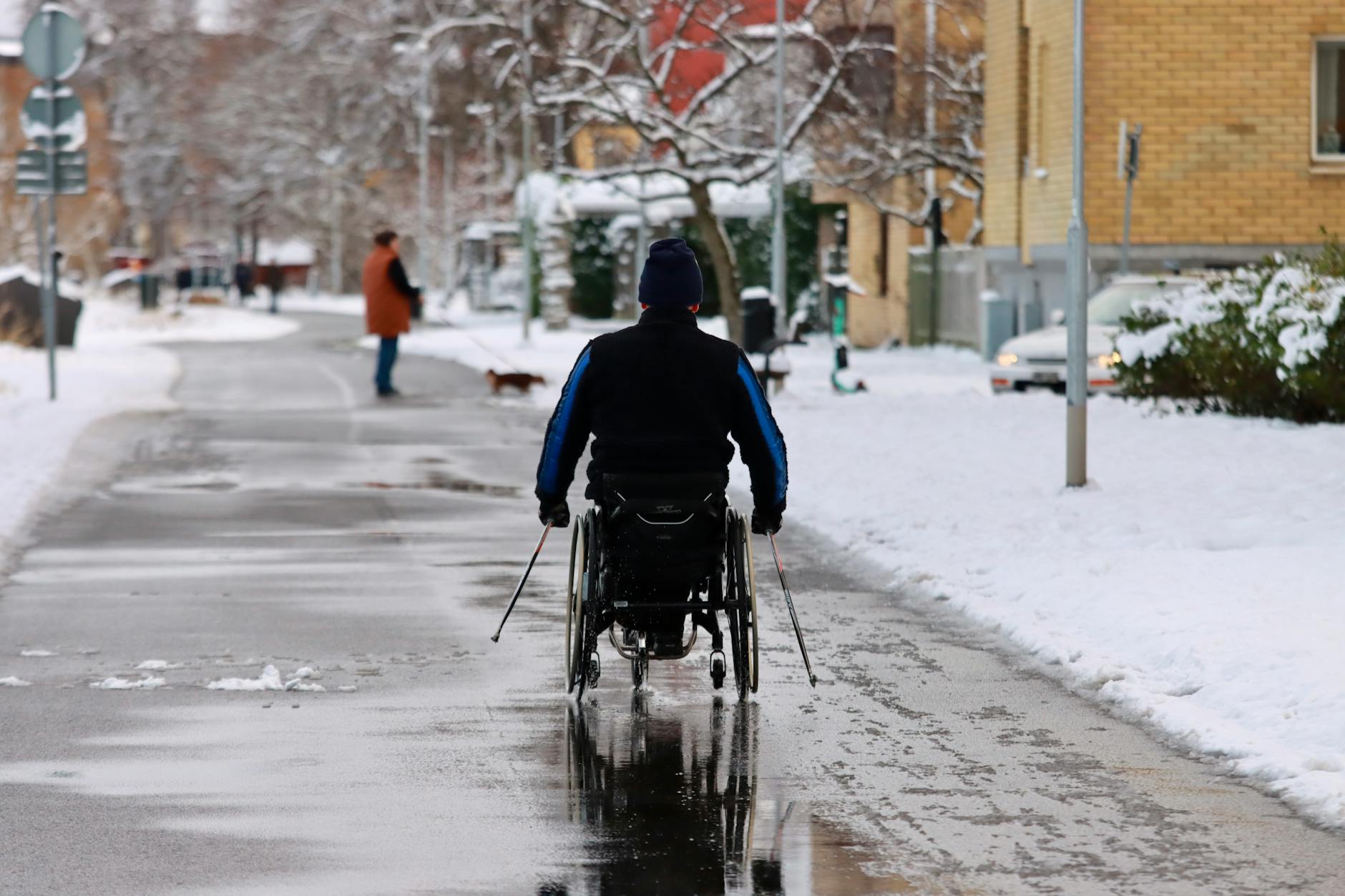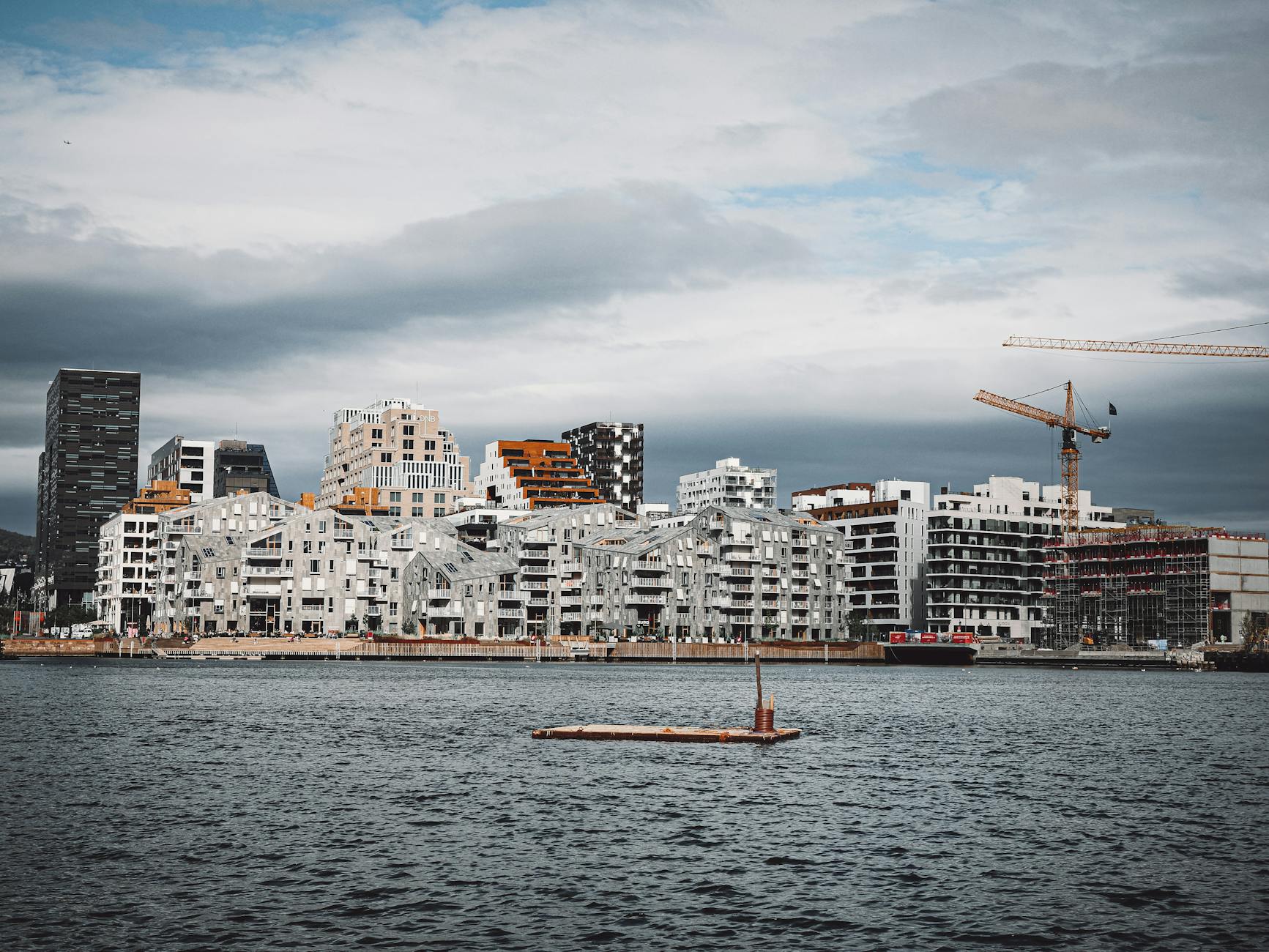
Oslo can work well for travelers with mobility limitations because the city has modern infrastructure, useful public transport, English-friendly services, and several central sights near the waterfront. It is still not a city to plan casually. Winter conditions, slopes, cobbles, long museum days, station transfers, and hotel access can all change the experience. The goal is not to remove ambition from the trip. The goal is to remove avoidable strain. A traveler who chooses the right base, transfer plan, seasonal rhythm, and daily radius can enjoy Oslo's waterfront, museums, parks, and cultural sites without relying on endurance.
Choose lodging by step-free reality
A traveler with mobility limitations should choose Oslo lodging by the full route from arrival to room and from room to the daily plan. Elevator access, entrance steps, bathroom layout, shower setup, bed height, room size, taxi pickup, breakfast location, and nearby food can matter more than neighborhood prestige.
A hotel that looks central may still create friction if the station walk is exposed, the entrance is awkward, or the most important sights require repeated transfers. The traveler should confirm accessibility details directly rather than relying only on a generic accessible label.
- Confirm entrance, elevator, bathroom, shower, bed, room space, and taxi pickup details.
- Choose lodging around arrival access and the daily radius, not only the neighborhood name.
- Verify accessibility directly with the property before committing.

Compare airport rail, taxi, and arranged transfer
Oslo Airport rail can be efficient, but it is not automatically the best answer for every mobility profile. Luggage, assistive devices, fatigue, station distance, weather, platform changes, and the hotel approach all affect the first transfer. A taxi or arranged transfer may be worth the cost after a long flight or in difficult conditions.
The traveler should know the station, platform access, ticketing method, elevator status, hotel route, and backup plan before arrival. The first transfer should be realistic when tired, not only possible on paper.
- Compare airport rail, taxi, and arranged transfer by luggage, devices, fatigue, and weather.
- Check station access, ticketing, elevator status, and the hotel approach.
- Use the simplest transfer when arrival is late, icy, or physically demanding.

Map surfaces, slopes, and distance before each day
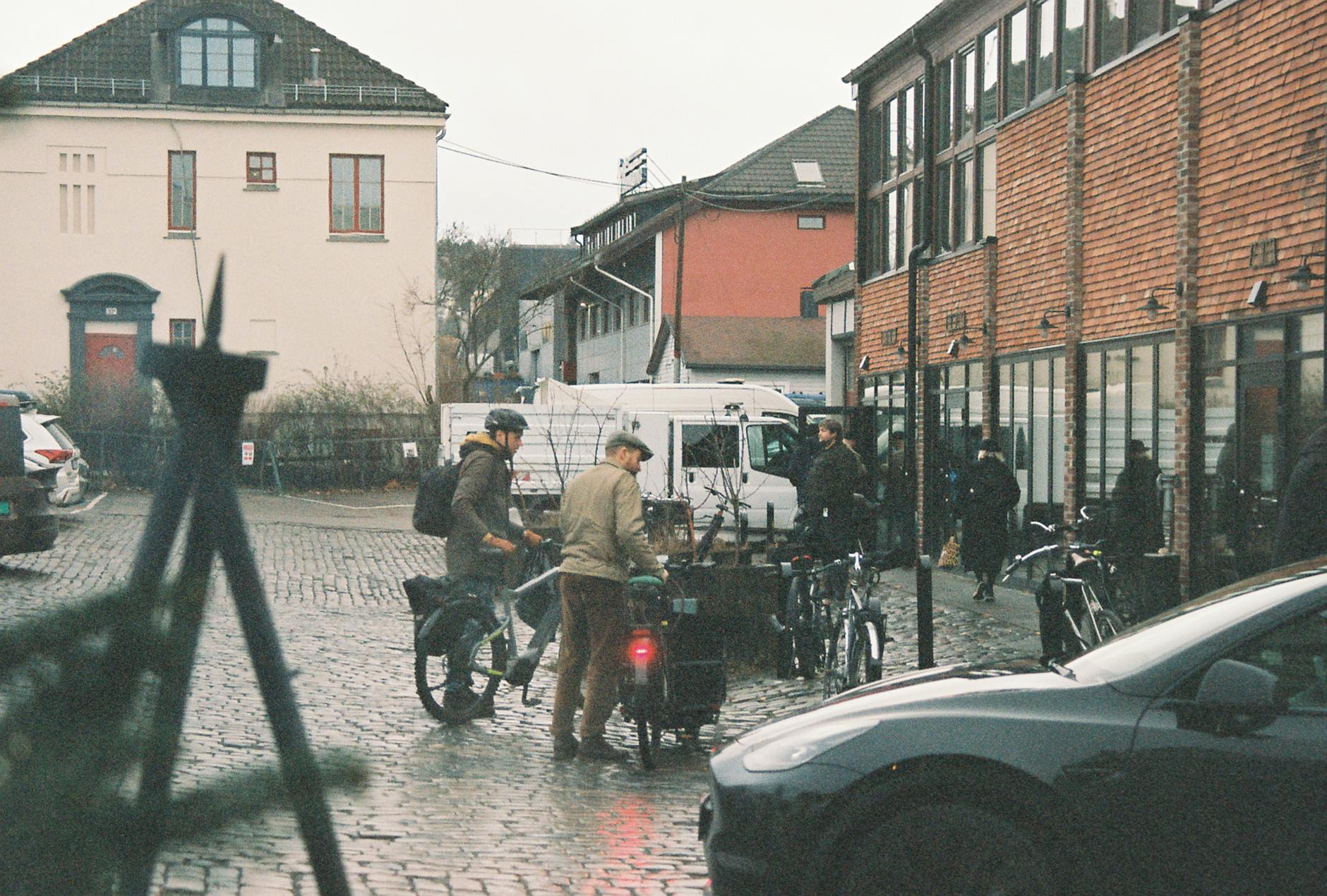
Oslo's central sights can look close on a map while still requiring meaningful distance, standing time, ramps, slopes, exposed waterfront sections, or route changes. The traveler should map door-to-door movement, not just district-to-district distance. This is especially important around museums, parks, station exits, and waterfront routes.
The plan should include rest points, benches, indoor breaks, bathrooms, and taxi escape points. A day that is technically accessible can still be too tiring if it has no pauses.
- Map door-to-door routes, surfaces, slopes, ramps, station exits, and standing time.
- Add rest points, bathrooms, indoor breaks, and taxi options before fatigue builds.
- Keep daily distance lower than the traveler's maximum capacity.
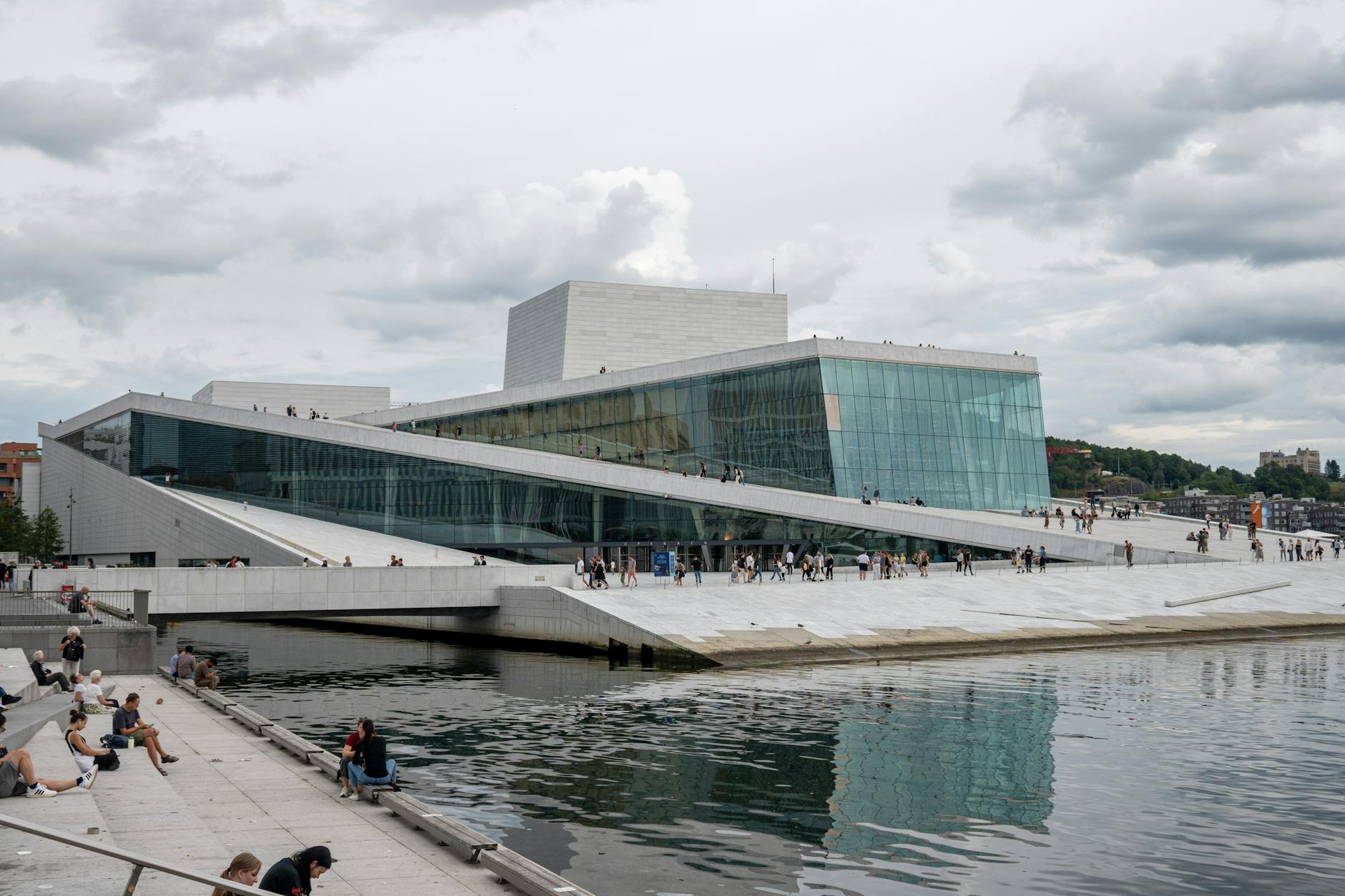
Treat winter footing as a primary constraint
Winter can make Oslo beautiful and harder. Snow, ice, slush, short daylight, wind, cold hands, bulky clothing, and wet entrances can all affect mobility. A route that works in June may be inappropriate in January. The traveler should not assume cleared sidewalks remove all risk.
The itinerary should include weather alternates and enough budget for taxis when conditions shift. Footwear, traction, gloves, and warm waiting plans are part of mobility planning, not afterthoughts.
- Plan for snow, ice, slush, wind, cold, wet entrances, and short winter daylight.
- Budget for taxis or shorter days when conditions change.
- Pack footwear, traction, layers, and hand protection for the actual month.

Check museums, ferries, parks, and transit separately
Accessibility is not one category in Oslo. A museum may be manageable while the route to it is difficult. A ferry may be attractive but affected by boarding, weather, seating, and return timing. A park may have long paths, slopes, or limited shelter. Transit can be useful, but station and stop access should be checked for the actual route.
The traveler should evaluate each experience separately and avoid bundling too many physical variables into one day. The best plan often uses fewer sights with better access.
- Check access for each museum, ferry, park, station, stop, and return route separately.
- Avoid stacking several uncertain accessibility situations into one day.
- Choose fewer activities if that protects comfort and independence.

Protect bathrooms, seating, meals, and recovery
Mobility planning is not only about ramps. Bathrooms, seating, meal timing, hydration, medication, pain management, warm-up breaks, device charging, and recovery windows all affect the trip. Oslo's high costs can tempt travelers to push through rather than take taxis, sit down, or eat when needed.
The traveler should know where to pause before the day begins. A short return to the hotel, a planned cafe, or a taxi can preserve the whole trip.
- Identify bathrooms, seating, cafes, warm indoor breaks, and taxi points in advance.
- Plan meals, hydration, medication, and recovery windows around the route.
- Do not let cost pressure force physically unrealistic choices.
When to order a short-term travel report
A traveler with mild limitations, flexible summer dates, and a central accessible hotel may not need a custom Oslo report. A report becomes useful when the trip involves winter conditions, step-free uncertainty, mobility devices, expensive lodging decisions, airport transfer questions, ferry plans, museum priorities, or limited stamina.
The report should test hotel access, airport rail versus taxi, station routes, walking distances, slopes, winter footing, museums, ferries, parks, bathrooms, seating, meal timing, medical fallback, recovery windows, and what to cut. The value is an Oslo trip that is ambitious without being physically careless.
- Order when mobility, winter, lodging, transfers, ferries, museums, or stamina need testing.
- Provide dates, mobility level, devices, hotel options, interests, budget, and constraints.
- Use the report to make the trip workable without relying on endurance.