
Oslo can work well for a transit or stopover traveler because airport rail access can make the city reachable and the central waterfront can reward even a brief visit. But a stopover is not a normal short break. The traveler is operating between flights, trains, hotel check-in rules, luggage, security, weather, and fatigue. The central question is not whether Oslo is interesting enough. It is whether the available time can support a clean plan without creating risk for the onward journey.
Define the stopover honestly
A stopover traveler should calculate usable time, not scheduled time. Arrival taxiing, deplaning, border or passport steps, baggage claim, storage, rail transfer, hotel check-in, security, and boarding all reduce the day. A six-hour connection may leave little useful city time once the practical steps are counted.
The traveler should create a go/no-go threshold before arrival. If the inbound flight is late or weather makes movement slower, the plan should automatically shrink to an airport hotel, station-area meal, or no city excursion at all.
- Calculate usable time after arrival, bags, border steps, transport, and boarding.
- Set a go/no-go threshold for leaving the airport or station.
- Build a smaller fallback for delays, weather, or fatigue.

Choose airport hotel or city base deliberately
The right base depends on the next departure. An airport hotel can protect an early flight, irregular weather, or a traveler who needs sleep. A city hotel can make sense with a late arrival and midday departure, but only if the rail or taxi route is reliable and the traveler will actually use the city time.
The decision should include check-in hours, breakfast needs, luggage storage, wake-up timing, and the cost of convenience. The cheapest hotel can become expensive if it creates a fragile transfer the next morning.
- Use an airport hotel when sleep and onward timing matter more than sightseeing.
- Use a city base only when arrival and departure timing support it cleanly.
- Check luggage storage, breakfast, check-in, wake-up time, and transfer cost.

Use rail access only when the route is clean
Oslo airport rail can make a stopover feel simple, but the traveler should still check departure frequency, station choice, ticketing, platform access, service disruptions, luggage handling, and the last sensible train back. A missed train may matter more during a connection than it would during a normal vacation day.
The traveler should know exactly where they are going after arrival in the city. Wandering from the station can burn the time that made the rail trip worth taking.
- Check rail frequency, ticketing, station choice, luggage handling, and disruption notices.
- Know the exact city stop, walking route, and return train before leaving.
- Keep a taxi or airport return fallback when the schedule is tight.

Protect luggage, documents, and security timing
Luggage is often the practical constraint in a stopover. The traveler should know whether bags are checked through, whether carry-ons can be stored, whether the hotel accepts early storage, and whether valuables, medication, chargers, and documents stay accessible. A beautiful city plan is weak if the traveler is dragging bags over wet streets or stairs.
Immigration, customs, Schengen rules, airport security, airline check-in deadlines, and boarding requirements should be verified for the specific itinerary. The report should not rely on assumptions from a previous airport or country.
- Confirm checked-through bags, carry-on storage, hotel storage, and valuables access.
- Keep medication, documents, chargers, and onward essentials under control.
- Verify border, security, check-in, and boarding timing for the actual itinerary.
Pick one compact Oslo experience
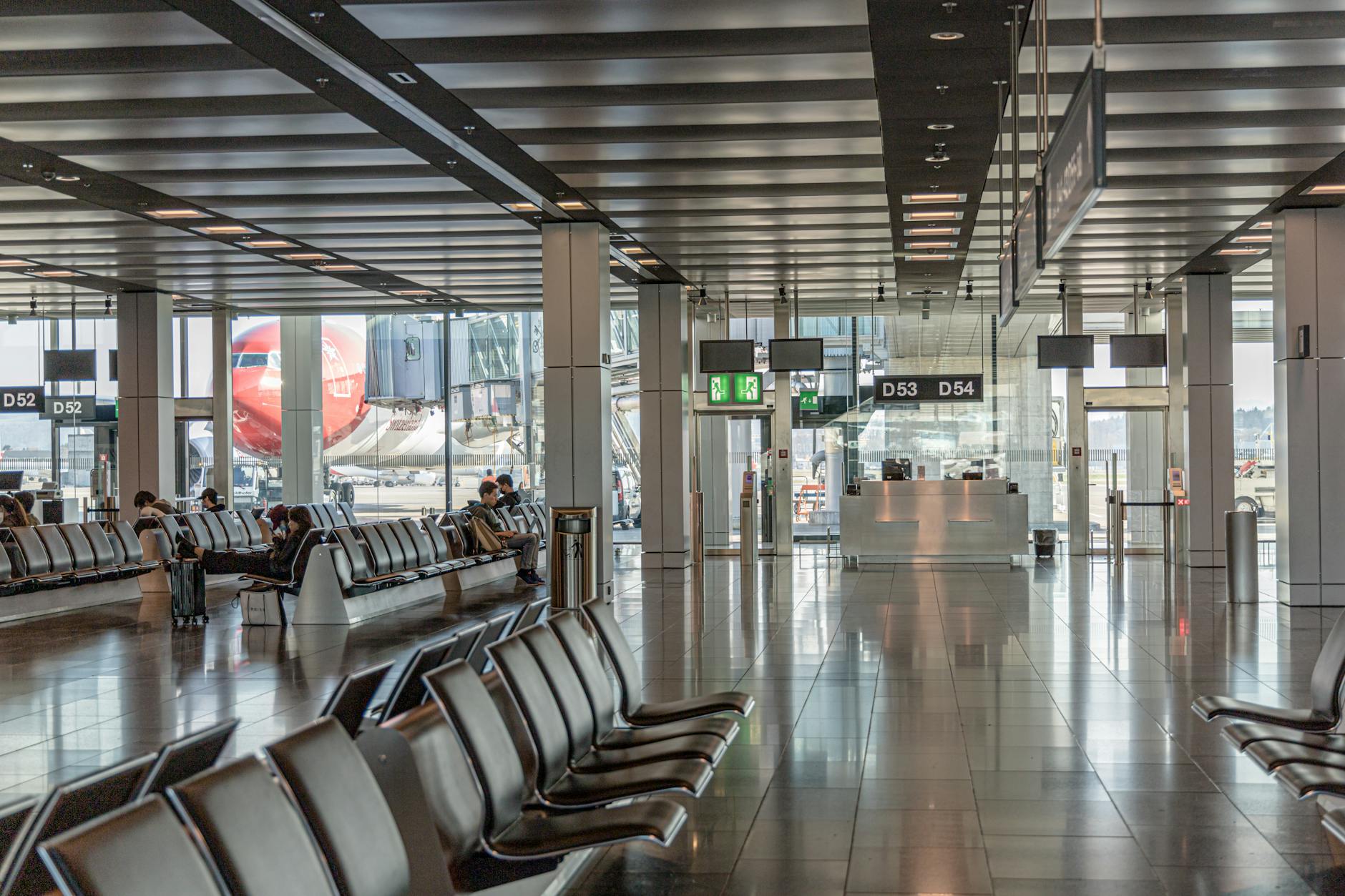
A stopover traveler should choose one compact Oslo experience: waterfront walk, opera house area, fortress view, central cafe, single museum, quick dinner, or a short city stroll. The plan should be close to the station or to a direct return route. A stopover is rarely the moment for scattered sightseeing.
If the traveler has an overnight stop, the plan can include a simple dinner and a morning walk, but the next departure should still control the schedule. The best stopover leaves the traveler refreshed, not worried about the airport.
- Choose one compact experience near the station or direct return route.
- Avoid scattered sightseeing during a connection or brief overnight stop.
- Let the next departure control how ambitious the city portion becomes.
Account for weather, fatigue, and daylight
Stopovers amplify small discomforts. Rain, ice, wind, short winter daylight, a long-haul arrival, a restless child, jet lag, or a delayed meal can turn a good idea into a poor one. Oslo may be easy to navigate, but the traveler is not starting from a rested vacation baseline.
The traveler should decide in advance when to abandon the city plan. A shower, nap, proper meal, and calm airport return may produce a better trip outcome than forcing a landmark visit while exhausted.
- Treat rain, ice, wind, winter daylight, jet lag, and hunger as planning variables.
- Plan an easy exit if the traveler is too tired for the city.
- Protect sleep and the onward journey over symbolic sightseeing.
When to order a short-term travel report
A traveler with a long overnight stop, simple bags, and a comfortable onward departure may not need a custom Oslo report. A report becomes useful when the connection is tight, bags are uncertain, the traveler wants to leave the airport, winter weather is possible, children or medical constraints are involved, hotel choice is unclear, or missing the onward leg would be expensive.
The report should test usable time, airport steps, rail and taxi options, hotel location, luggage, food, weather, sleep, security, backup plans, and what to cut. The value is knowing whether Oslo belongs in the stopover at all, and if so, exactly how small and reliable the plan should be.
- Order when usable time, baggage, weather, hotel choice, or onward timing is uncertain.
- Provide flight or train times, luggage details, party needs, hotel options, and constraints.
- Use the report to decide whether to enter Oslo or keep the stopover simple.