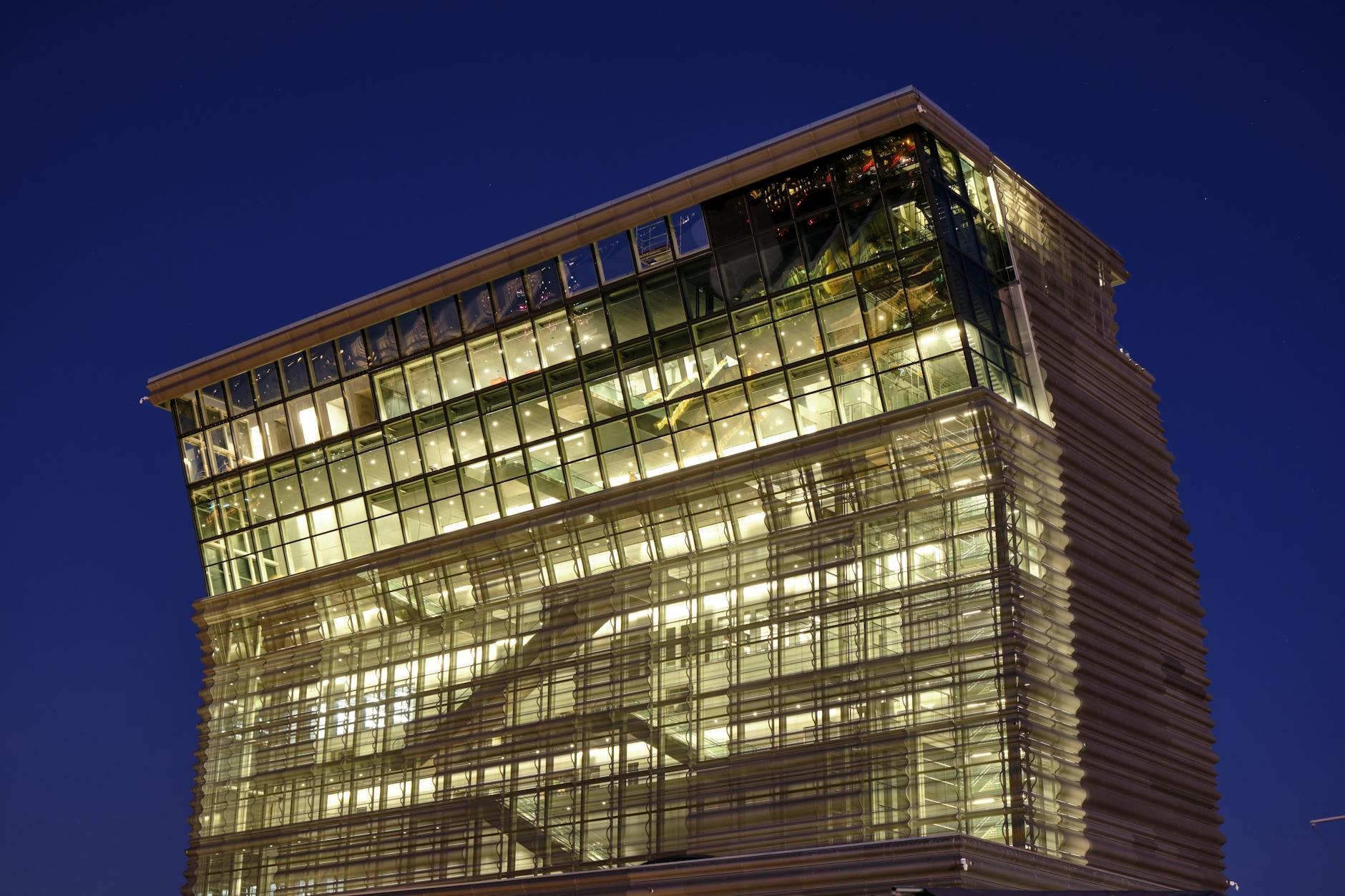
Oslo can support a focused trade-show trip because it has strong airport links, modern venues, reliable city movement, and professional English-friendly settings. It can also be expensive and weather-sensitive, and a trade-show schedule can punish small logistical mistakes. The attendee may be carrying materials, samples, devices, display elements, or client commitments that make the trip more complex than a normal conference. The plan should start with the commercial purpose. Is the traveler exhibiting, selling, scouting, meeting distributors, supporting executives, attending a sector event, or following up with leads? That answer determines hotel location, arrival timing, shipment choices, meeting blocks, wardrobe, and recovery.
Anchor every decision to the show site
A trade-show attendee should start with the exact venue, entrance, registration area, loading or delivery process, hotel shuttle if any, and evening event locations. Oslo addresses can look close while still creating awkward transfers with samples, displays, winter coats, or client materials.
The traveler should map the venue, hotel, airport rail station, storage options, dinners, side meetings, and any client offices before booking. The best hotel may be the one that reduces daily show friction rather than the one with the most attractive neighborhood.
- Map venue entrance, registration, delivery points, hotel, dinners, and side meetings first.
- Choose lodging around show logistics, not only city sightseeing.
- Check whether materials, samples, or display items change the transport choice.
Protect arrival, badge pickup, and setup
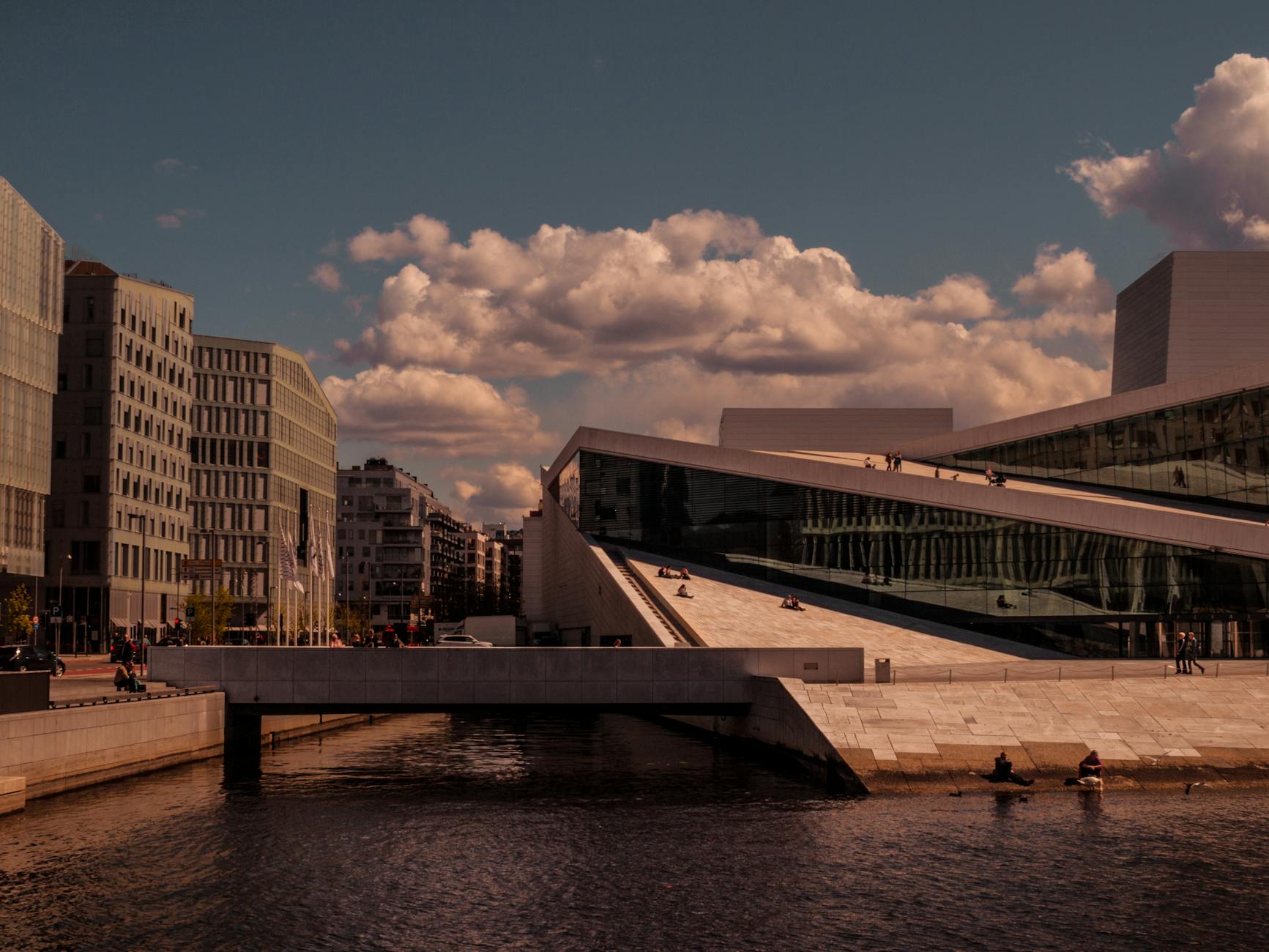
The first trade-show risk is often timing. A delayed flight, slow luggage, unclear rail station, late hotel check-in, missed badge pickup, or display setup problem can weaken the first show day. Oslo Airport rail can be efficient, but only if the traveler knows the station, hotel route, and backup plan.
If the attendee is exhibiting or carrying materials, arrival should include more margin than a standard business trip. Food, sleep, setup, printing, charging, and wardrobe prep all need room.
- Confirm airport rail, taxi backup, hotel access, badge pickup, and first-day setup timing.
- Arrive with enough margin for delayed luggage, printing, charging, and meals.
- Avoid a first morning that depends on every transfer working perfectly.
Handle booth materials, samples, and shipping
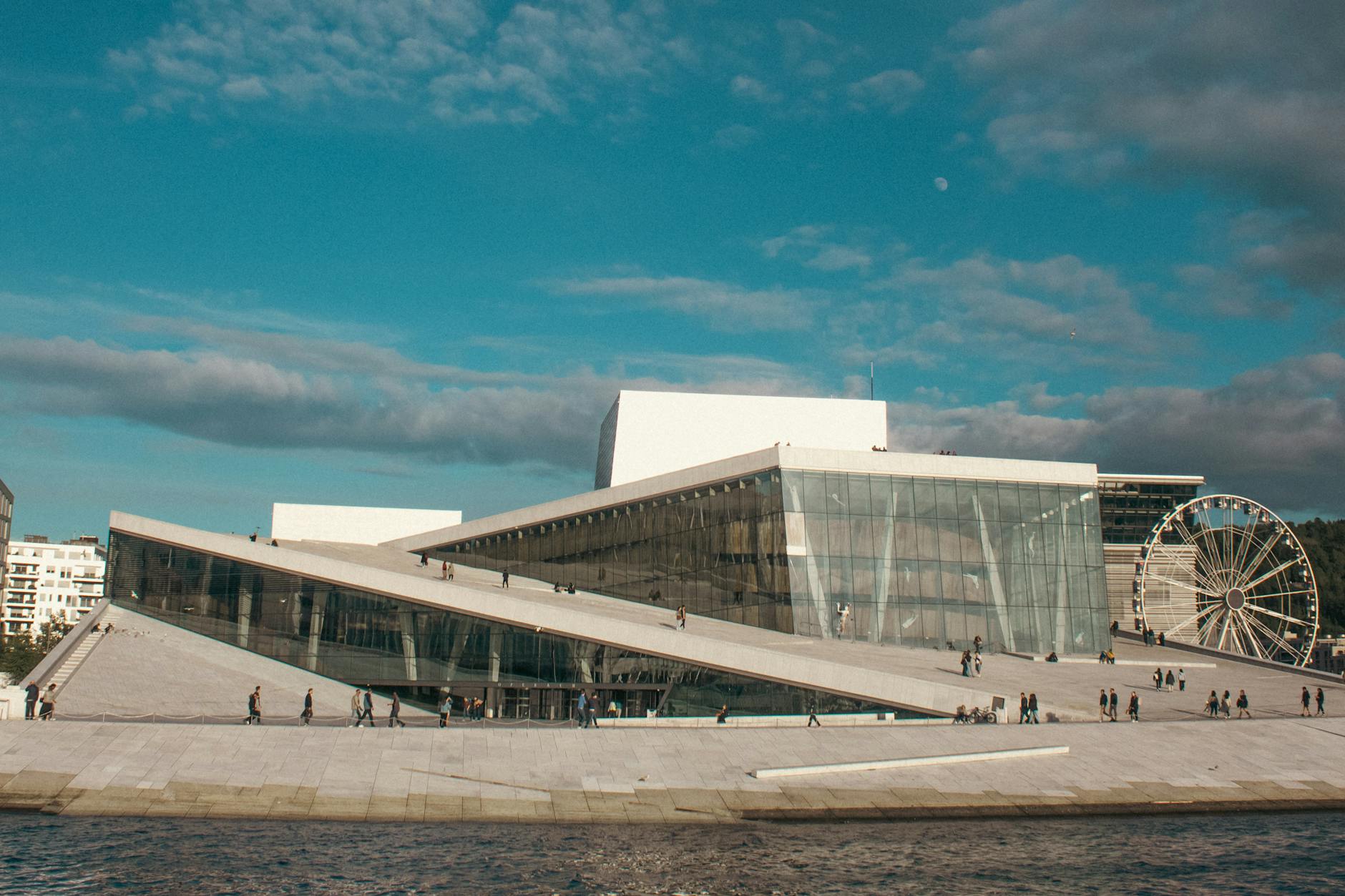
Trade-show travel can fail through material handling. The attendee should decide what travels in hand luggage, what is shipped, what can be printed locally, what needs customs or documentation, and where materials will be stored before and after the event. Oslo's orderliness does not eliminate these details.
The plan should include adapters, chargers, QR codes, samples, business cards, product sheets, demo devices, return shipping, and backups for anything essential. A missing cable or delayed sample box can cost more than a taxi.
- Separate hand-carried essentials from shipped or locally printed materials.
- Plan storage, return shipping, customs documents, adapters, chargers, and backups.
- Treat booth and demo materials as commercial risk, not ordinary luggage.
Schedule meetings around the show rhythm
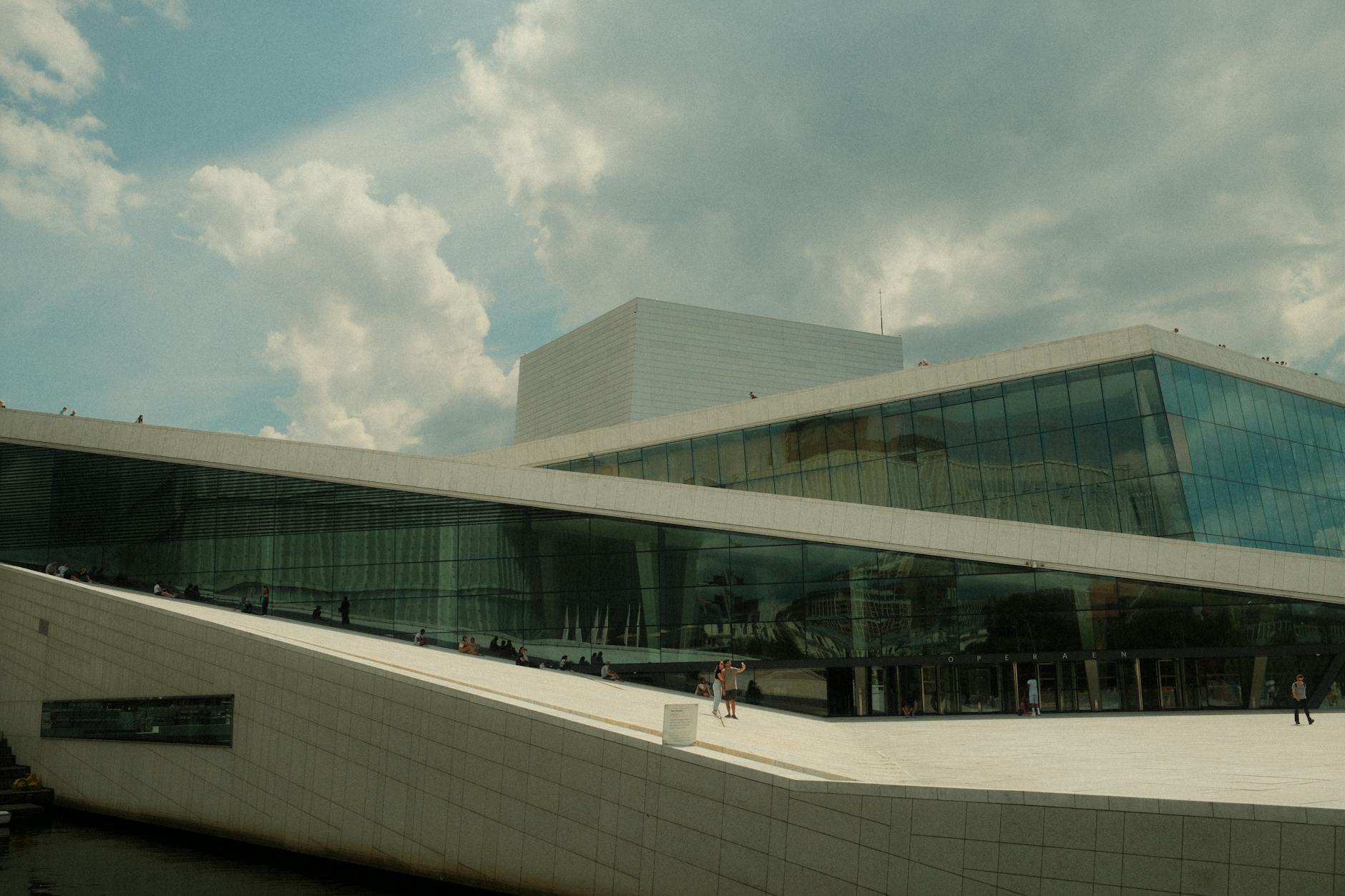
A useful trade-show trip often depends on scheduled meetings, not just floor traffic. The attendee should block time for priority buyers, distributors, partners, press, internal team meetings, and follow-up calls. In Oslo, these meetings may happen at the venue, nearby hotels, waterfront restaurants, or client offices.
The schedule should leave time for notes and lead capture. A show day filled edge to edge can produce many conversations and weak follow-through.
- Block priority meetings before filling the calendar with casual floor time.
- Confirm locations for hotel meetings, dinners, client offices, and venue appointments.
- Reserve time for notes, lead capture, and follow-up while details are fresh.
Budget for Oslo without weakening the show
Oslo can be expensive for hotels, taxis, restaurants, drinks, printing, shipping, and last-minute changes. The attendee should know expense rules for client meals, alcohol, taxis, premium lodging, receipts, and currency conversion before travel. Otherwise cost pressure can interfere with commercial decisions.
Some convenience spending may be justified. A closer hotel, taxi with materials, or suitable client dinner can protect the purpose of the trip. The budget should distinguish waste from necessary show support.
- Check expense rules for hotels, meals, taxis, drinks, shipping, printing, and receipts.
- Budget for client dinners, last-minute materials, and weather-related transport.
- Do not let cost pressure damage the commercial reason for attending.

Plan wardrobe, weather, and recovery
Trade-show clothing in Oslo should work for venue standards, standing time, winter outerwear, wet streets, client dinners, and luggage limits. Winter can add heavy coats, shoe changes, icy sidewalks, and overheated interiors. Summer can make long evenings tempting after already long show days.
The attendee should also protect recovery. Standing, talking, socializing, and following up can be draining. A strong trip includes meals, hydration, sleep, and a realistic end to each day.
- Pack shoes and clothing for standing, weather, dinners, and venue expectations.
- Plan coat storage, winter footwear, and professional arrival appearance.
- Protect sleep, meals, hydration, and follow-up time during the show.

When to order a short-term travel report
A trade-show attendee with a venue hotel, no materials, and flexible timing may not need a custom Oslo report. A report becomes useful when the trip includes booth setup, samples, shipping, tight arrival, winter weather, multiple client meetings, expensive lodging choices, accessibility needs, or high-value sales targets.
The report should test venue geography, airport rail, hotel access, material handling, badge pickup, shipping, client dinner routes, meeting timing, winter movement, budget exposure, recovery blocks, medical fallback, and what to cut. The value is a trade-show trip that supports revenue rather than merely attendance.
- Order when venue, materials, shipping, meetings, weather, or budget needs testing.
- Provide dates, venue, role, materials, flight times, hotel options, meetings, and constraints.
- Use the report to protect the commercial purpose from avoidable logistics.