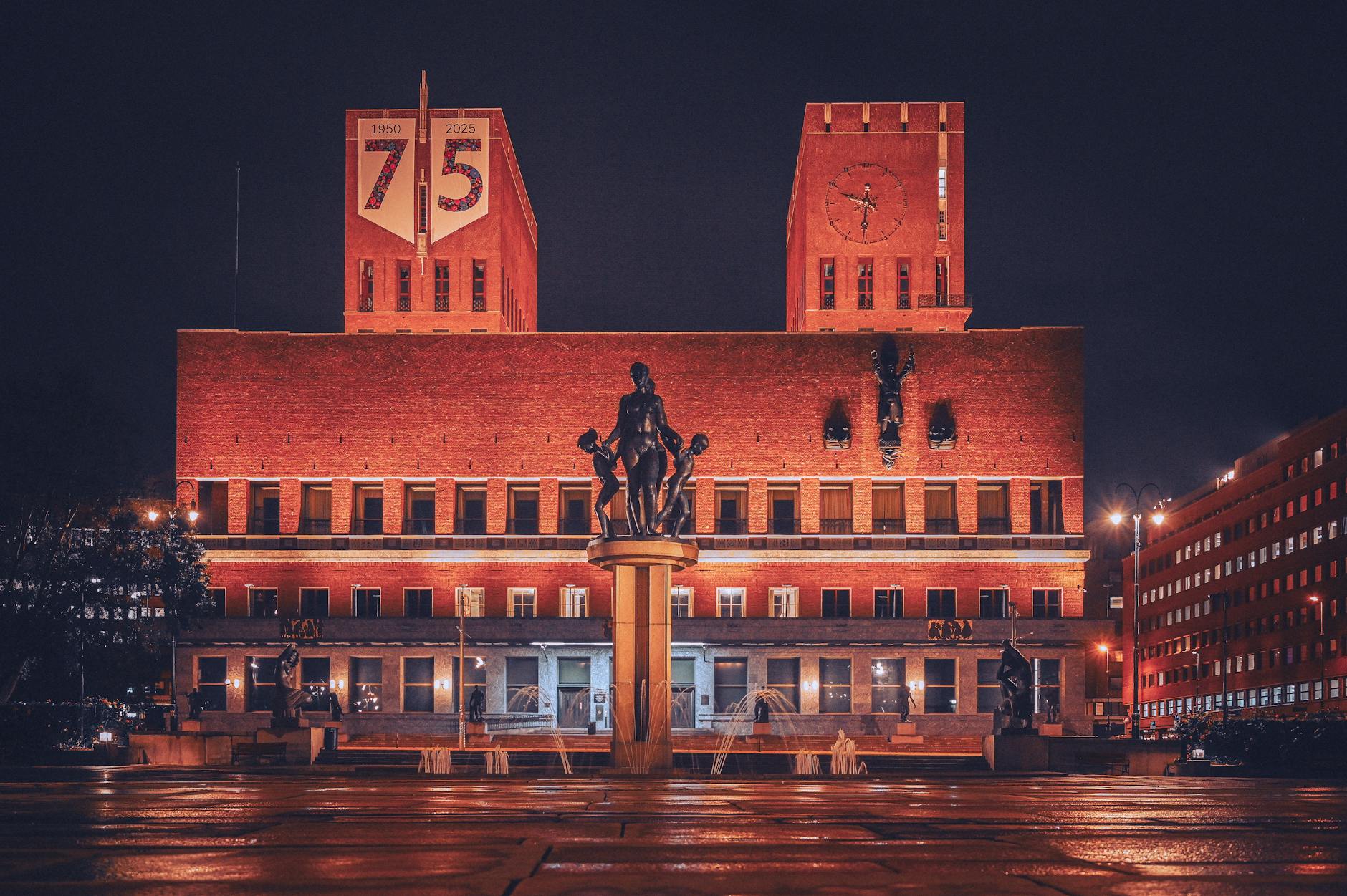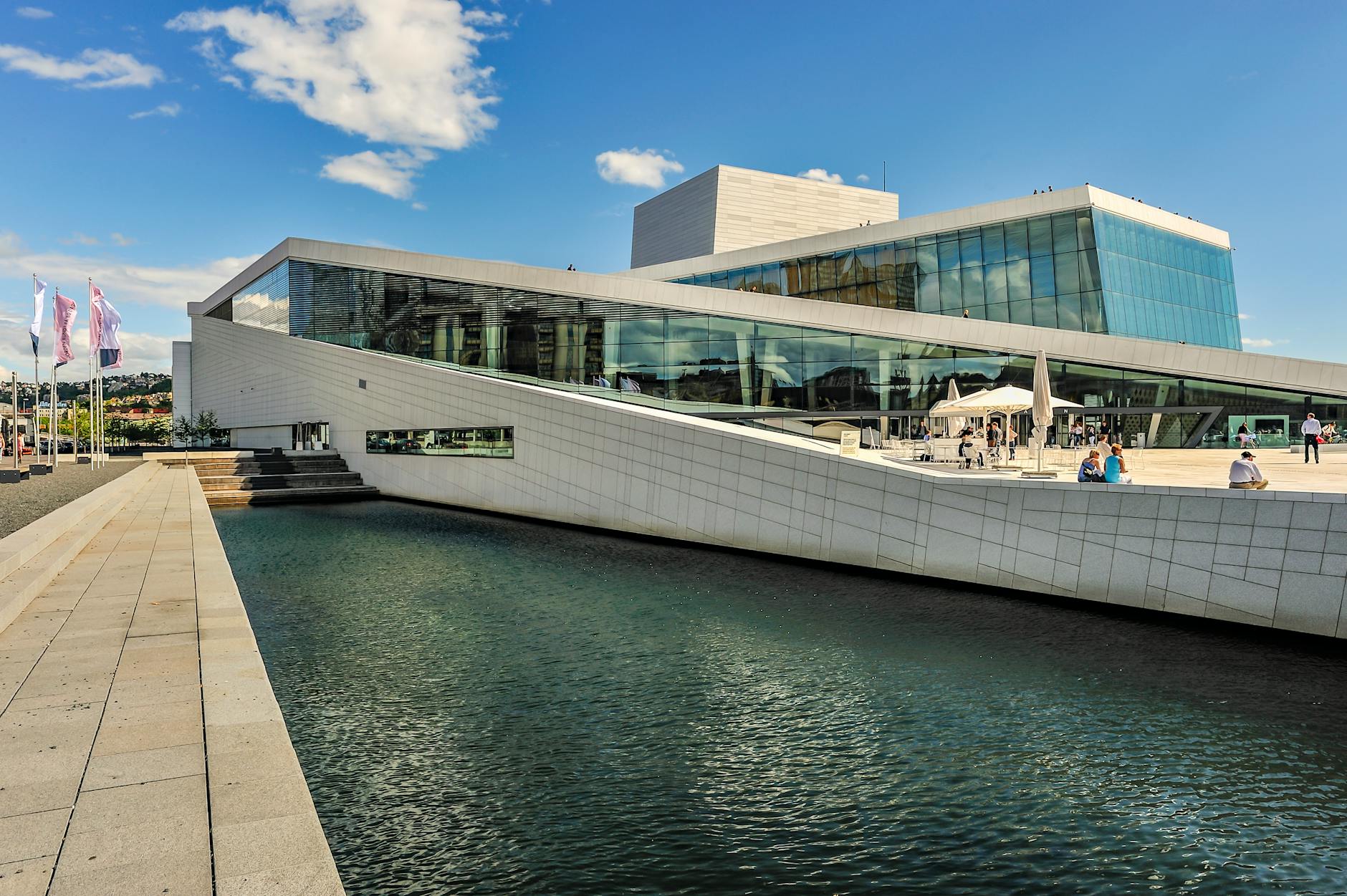
Oslo can be a satisfying tourist city when the visit is planned around its actual shape: airport rail into the center, a compact but spread-out waterfront, major museums, parks, fjord views, and seasons that change how much outdoor time makes sense. It can disappoint tourists who assume it works like a cheap, dense, all-hours sightseeing capital. A good Oslo tourist itinerary is selective. The traveler should decide whether the trip is about architecture, museums, parks, Nordic atmosphere, food, fjord air, winter scenery, or a soft landing before traveling elsewhere in Norway. That decision should determine what to see, where to stay, and what to skip.
Decide what kind of tourist trip this is
A tourist should not try to make Oslo carry every version of Norway at once. A short stay can be built around waterfront architecture, museums, family-friendly parks, fjord views, design and food, winter atmosphere, or a calm first stop before trains, fjords, or mountains. Each version leads to a different daily plan.
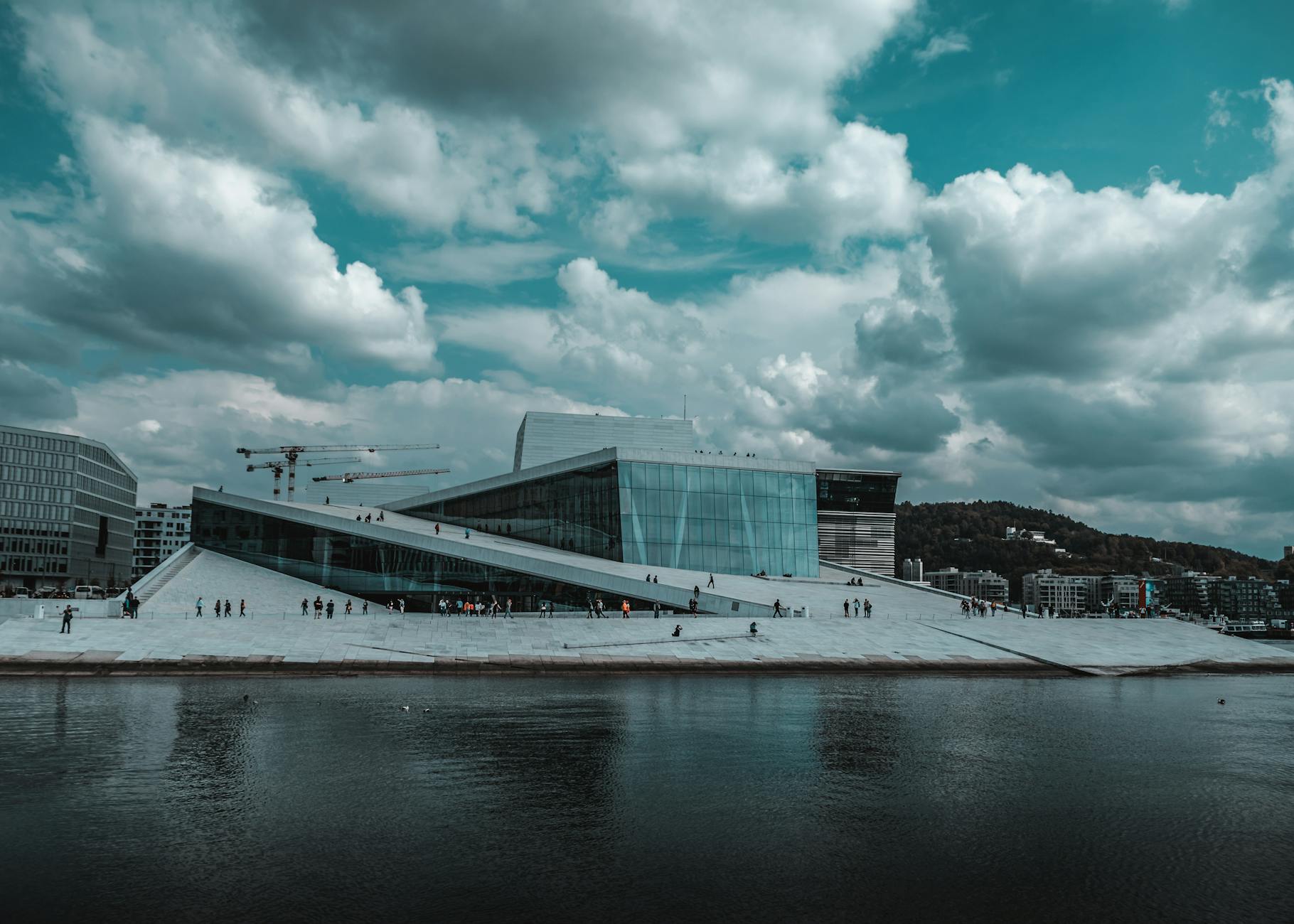
This decision matters because Oslo's headline sights are not all stacked in one tiny core. The Opera House, Munch Museum, City Hall waterfront, National Museum, Vigeland Park, ferry routes, and neighborhoods can fit together well, but only when the traveler groups them intelligently.
- Choose the main trip theme before filling the day with famous names.
- Group waterfront, museum, park, and neighborhood stops by geography.
- Accept that a short Oslo visit is stronger when it cuts deliberately.
Start with arrival and hotel location
Oslo Airport is far enough from the city that the first transfer deserves attention. The airport rail can be efficient, but tourists should know which station they need, how tickets work, where the hotel sits, and what happens if arrival is late or weather is poor. A vague arrival plan can waste the first evening.
Hotel location should support the actual sightseeing route. Staying near Oslo S, Bjorvika, the City Hall waterfront, or another chosen base can reduce transit friction. A cheaper or prettier location may be wrong if it creates repeated long returns.
- Confirm airport rail, station choice, ticketing, luggage route, and hotel access.
- Choose lodging around the intended sightseeing radius, not only room price.
- Treat late arrival, winter weather, and onward travel as hotel constraints.
Build the waterfront day carefully
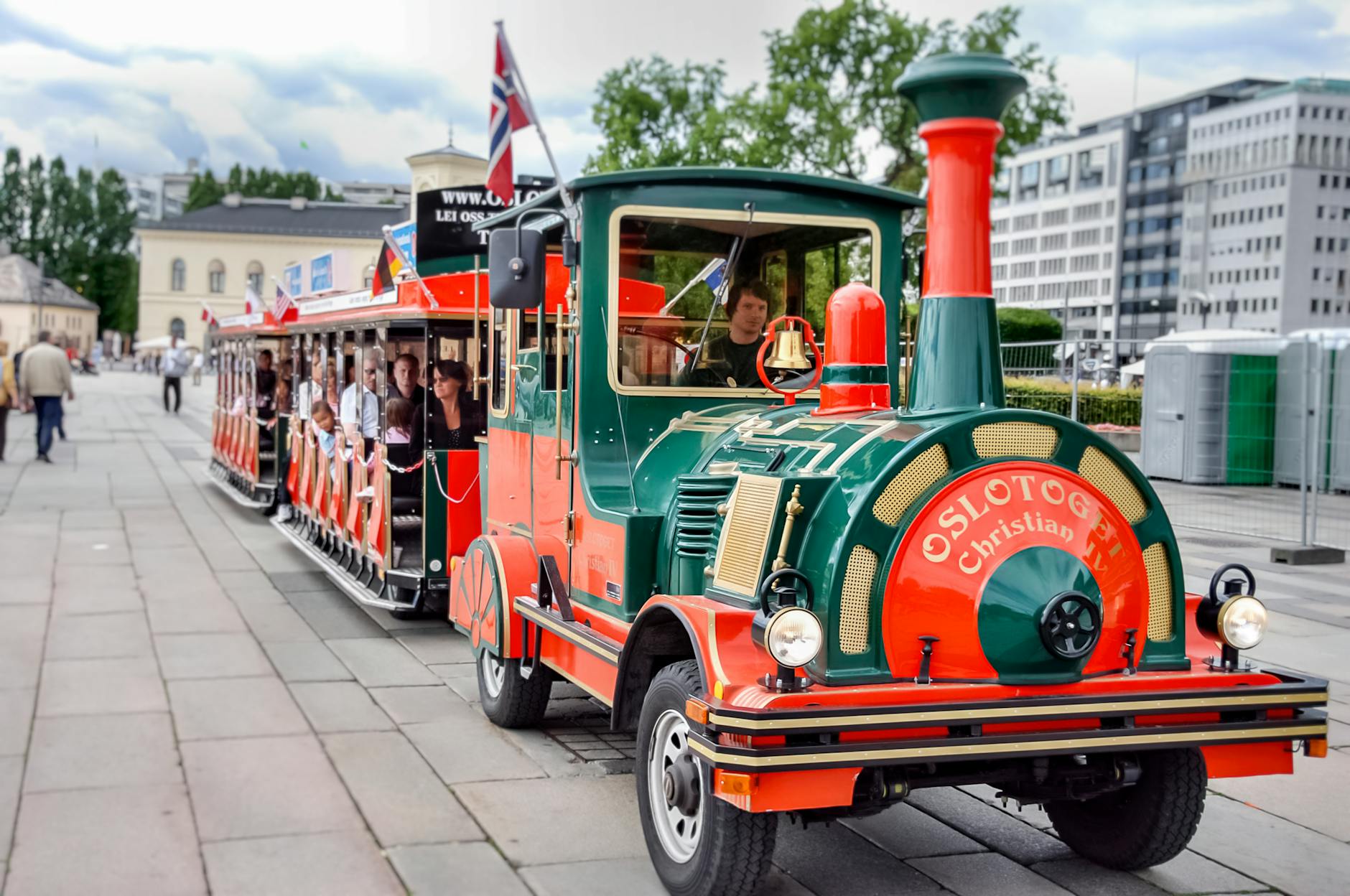
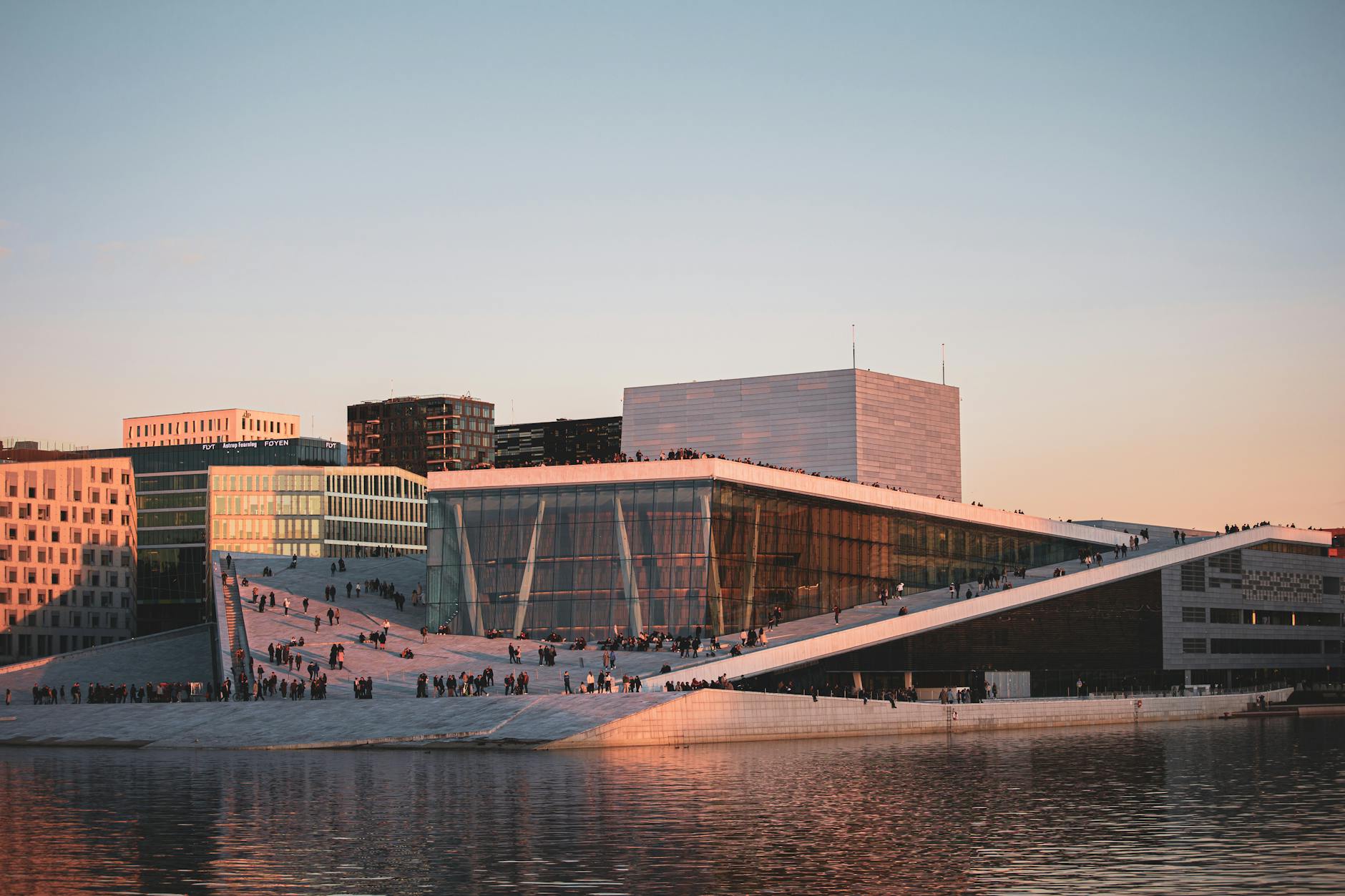
Many tourists start with the waterfront, and that is usually sensible. The Opera House, Deichman Bjorvika, Munch Museum, harbor walks, City Hall, ferries, and nearby restaurants can create a strong Oslo day. The mistake is assuming the waterfront is effortless in every season.
Wind, rain, ice, darkness, cruise crowds, museum hours, and meal timing can all change the value of the route. A good waterfront plan includes one or two anchors, weather alternates, and enough time to enjoy the space instead of rushing through it.
- Anchor the waterfront route around one or two major sights.
- Check museum hours, weather, daylight, wind, and ferry timing before committing.
- Leave enough time for the waterfront to feel spacious rather than hurried.
Use museums, parks, and ferries selectively
Oslo offers more than a first glance suggests: the Munch Museum, National Museum, City Hall, Vigeland Park, the Opera House roof, ferries, seasonal outdoor sites, and neighborhood walks. A tourist should choose by interest and season, not by obligation.
Museum-heavy days need meal and rest breaks. Park-heavy days need weather and daylight. Ferry plans need schedules and return confidence. The best tourist day usually combines one serious cultural stop with one outdoor or neighborhood experience.
- Choose museums and parks by real interest, not by fear of missing a list item.
- Pair one major cultural stop with one outdoor or neighborhood experience.
- Check ferry schedules, park conditions, and return routes before adding distant stops.
Plan by season, daylight, and walking tolerance
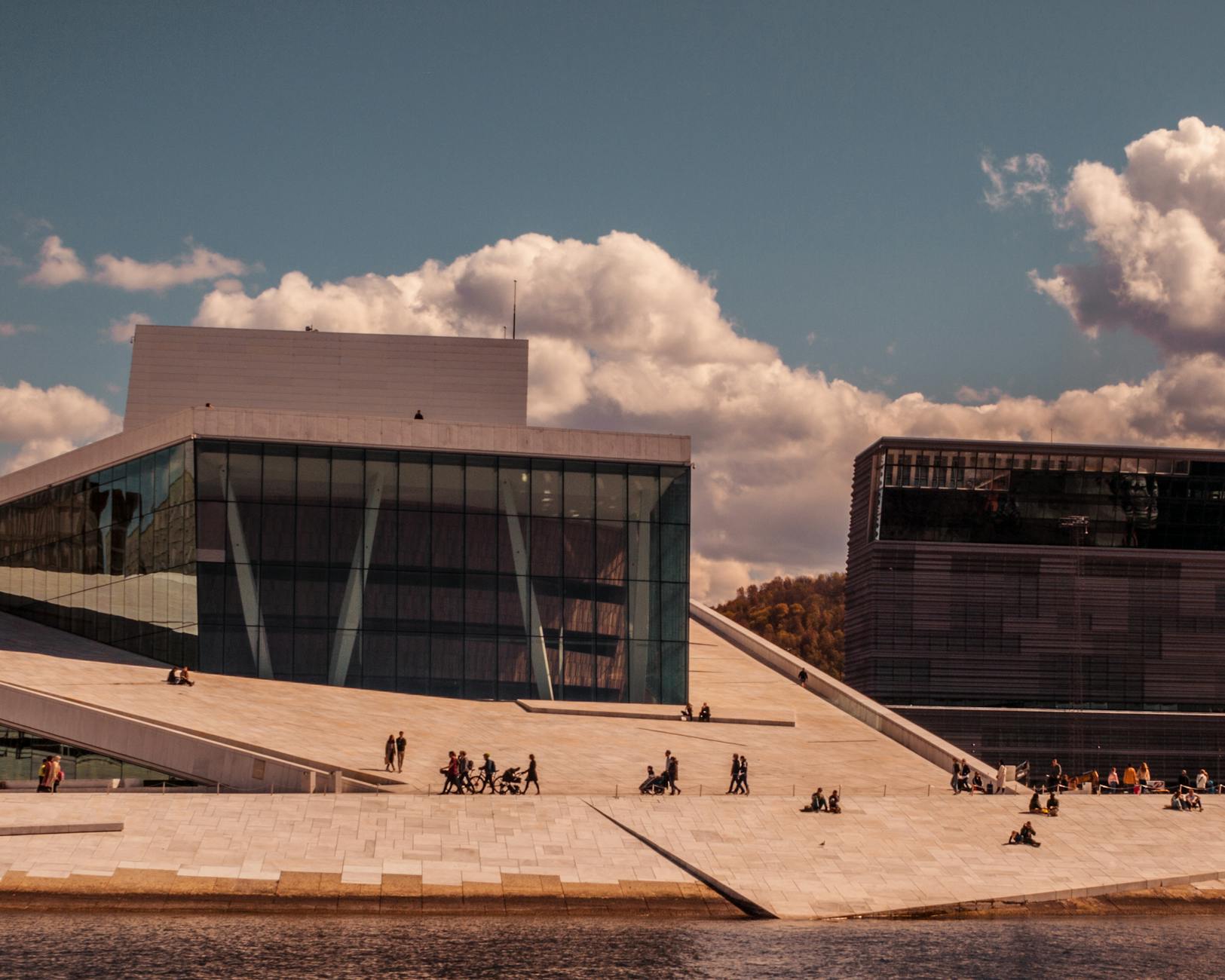
Oslo changes sharply by season. Winter can mean short daylight, snow, slush, ice, wind, and indoor-heavy sightseeing. Summer can bring long light, waterfront energy, and easier walking. Shoulder seasons can be wet or beautiful, sometimes on the same day.
Tourists should also respect walking distances. The map can make Oslo look easier than it feels after museums, stairs, cold wind, or a long flight. Shoes, layers, and backup transit matter.
- Build different plans for winter darkness, summer light, rain, wind, and ice.
- Pack footwear and layers for the actual month of travel.
- Use transit or taxis before cumulative walking drains the day.
Budget for Oslo before the trip starts
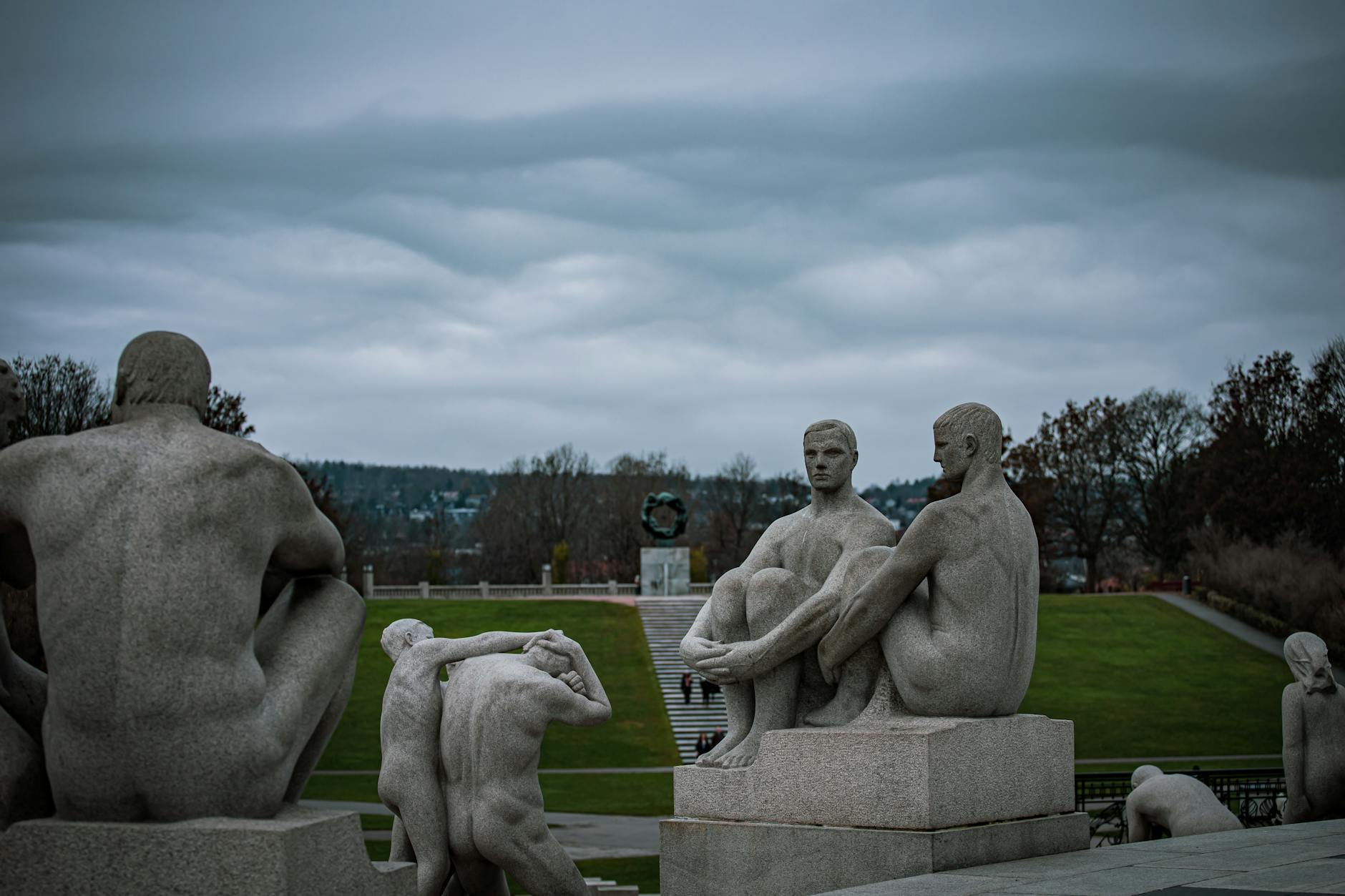
Oslo can surprise tourists with hotel rates, restaurant prices, drinks, taxis, museum tickets, and last-minute changes. A tourist should decide where the money should go: central lodging, paid museums, one good dinner, ferries, convenience taxis, or a special activity.
The city is card-friendly, but that does not make it cheap. A clear budget helps the traveler enjoy paid choices without resenting every coffee, ticket, or taxi.
- Estimate lodging, meals, museum tickets, ferries, transit, taxis, and flexible extras.
- Choose which paid experiences actually matter for this trip.
- Use free or low-cost walks and parks to balance expensive meals or lodging.
When to order a short-term travel report
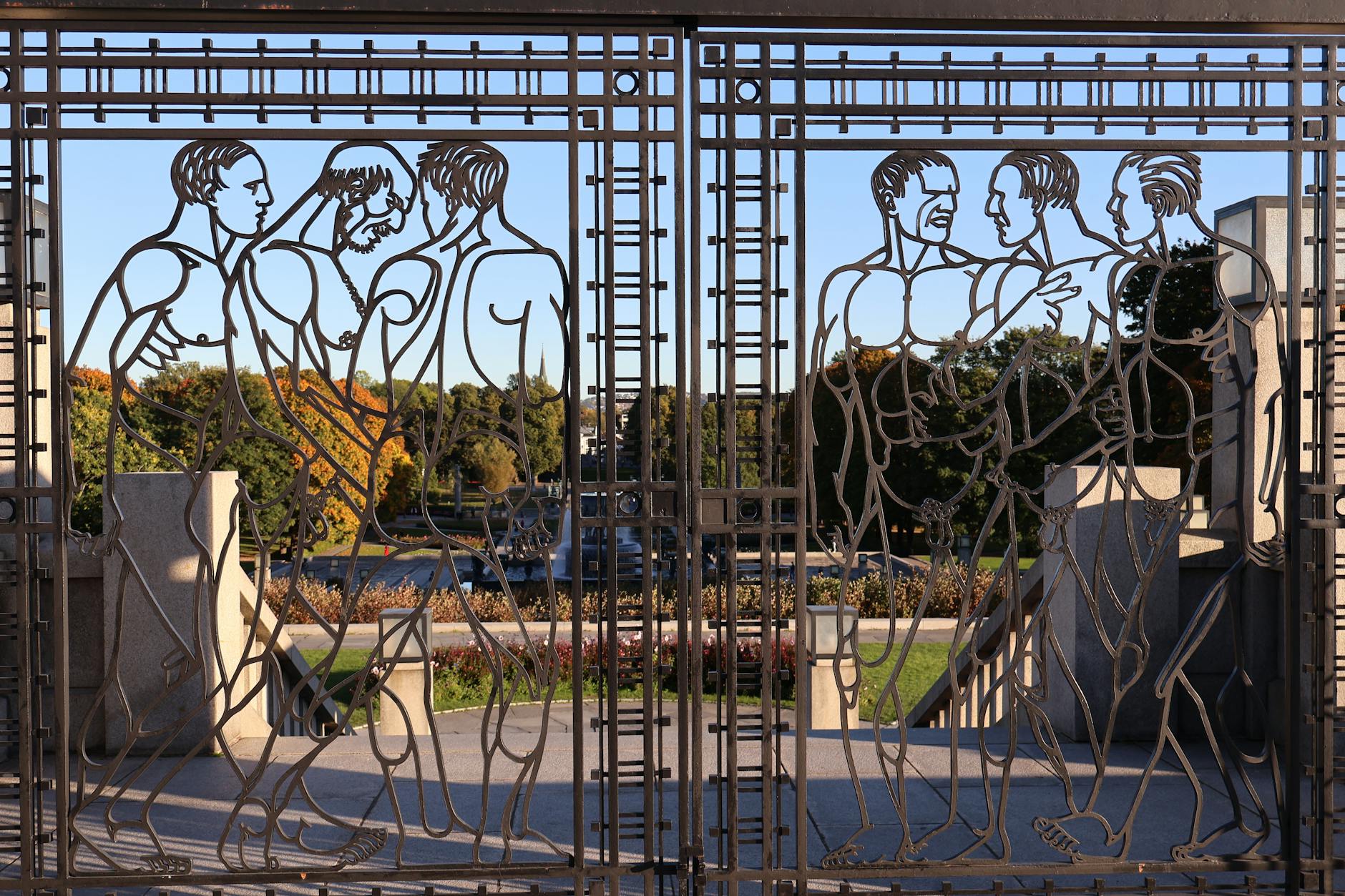
A tourist with flexible summer dates, a central hotel, and a short waterfront plan may not need a custom Oslo report. A report becomes useful when the trip is expensive, winter-sensitive, short, family-heavy, connected to onward Norway travel, or uncertain about which sights are worth the time.
The report should test airport rail, hotel location, waterfront routing, museum grouping, seasonal conditions, food strategy, costs, transit, walking distances, ferries, medical fallback, and what to cut. The value is an Oslo tourist trip that feels coherent rather than improvised.
- Order when lodging, weather, museums, costs, ferries, or onward travel need testing.
- Provide dates, flight times, hotel options, interests, budget, and constraints.
- Use the report to turn Oslo from a list of sights into a workable short stay.