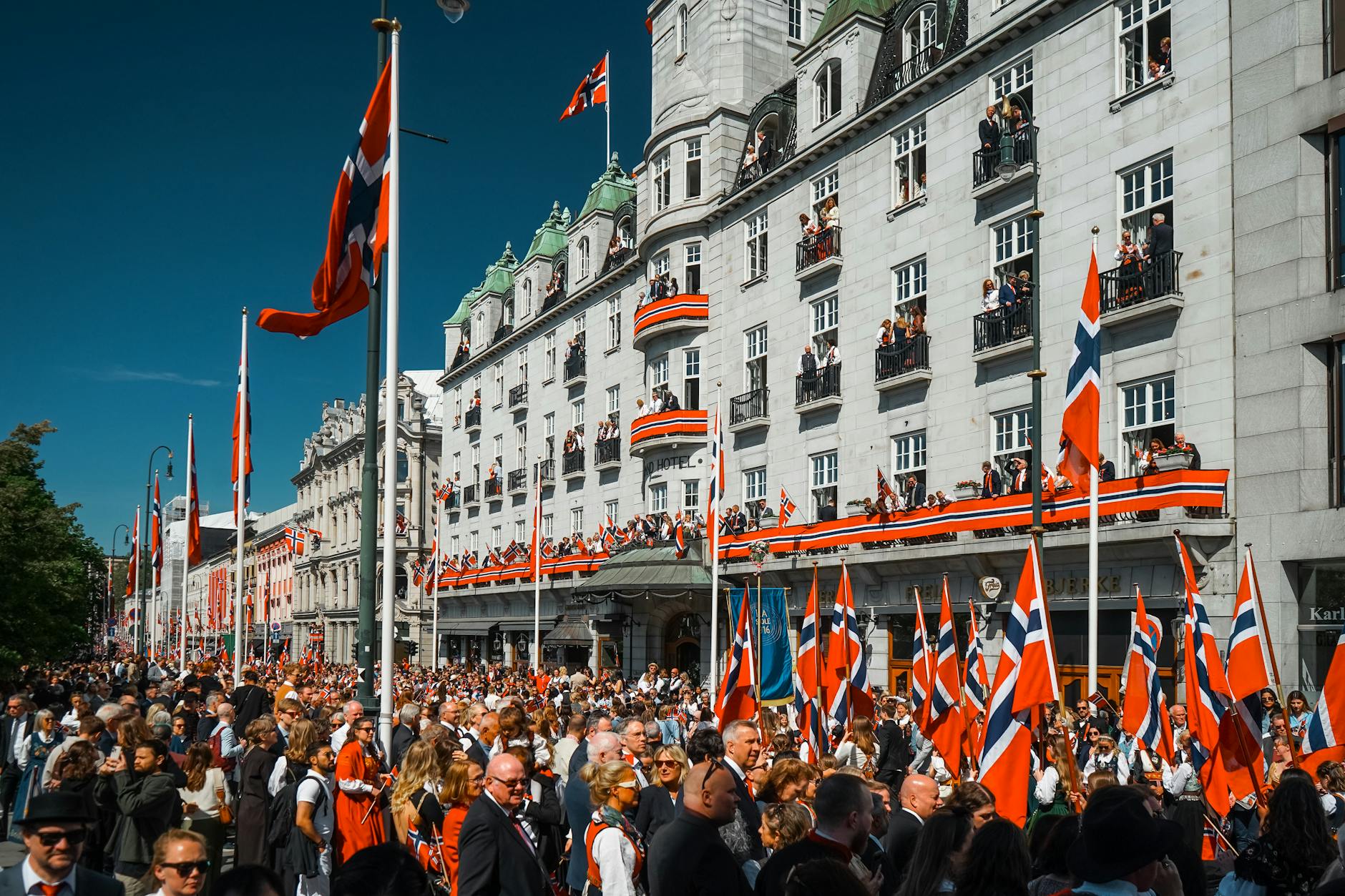
Oslo can be a good destination for a short academic, language, cultural, research, internship, or exchange-style program because the city is organized, safe by many urban standards, English-friendly, and connected to museums, waterfront space, forests, and universities. It is still not a city where students should improvise everything after arrival. A short program has less room for correction than a semester abroad. Housing, airport arrival, transit tickets, winter clothing, budget, group rules, and medical needs should be understood before the student is standing in Oslo with luggage, a phone problem, and a required first meeting.
Start with the program anchor
A student should identify the exact program site before building any free-time plan. The anchor may be a university classroom, language school, research center, internship office, museum partner, field site, or daily meeting point. Oslo is manageable, but daily movement still matters when attendance is required and the stay is short.
The student should know the daily schedule, start times, attendance expectations, supervision rules, meal arrangements, and how far housing is from the program door. The program structure should decide the rhythm before museums, forest walks, ferries, cafes, and evening plans are added.
- Map the exact classroom, school, office, research site, or meeting point before arrival.
- Check attendance rules, start times, meal arrangements, and supervision expectations.
- Let the program schedule control free-time plans rather than the other way around.
Understand housing before arrival
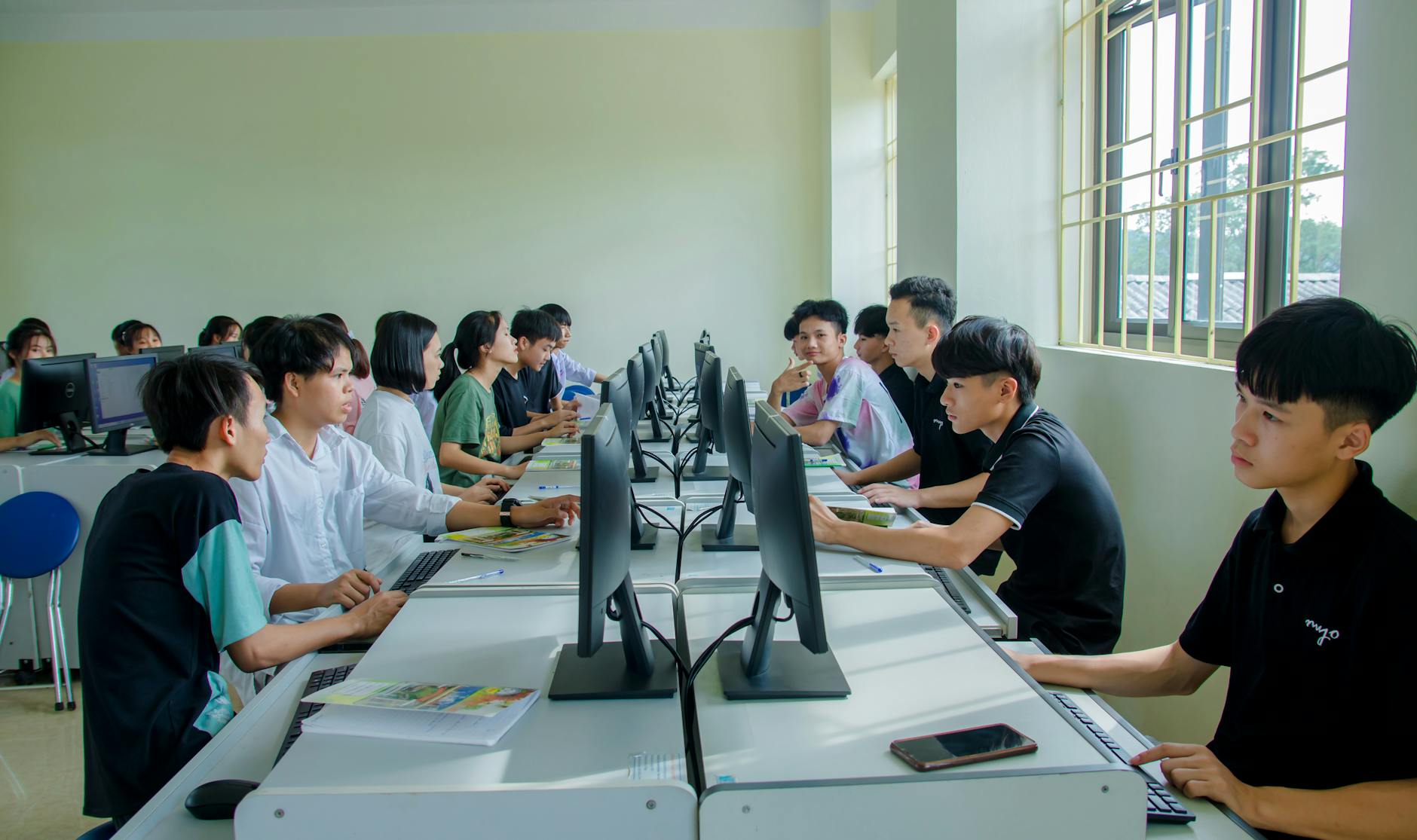
Short-program housing may be a residence hall, hostel, apartment, host family, hotel, or shared room. Each format changes independence. The student should understand check-in timing, keys, quiet hours, visitors, kitchen access, laundry, elevator access, bathroom setup, deposits, and who to contact if something fails.
Oslo's high costs make housing mistakes expensive. A room that is far from the program, poorly heated, awkward with luggage, or weak for studying can drain a short stay. The student should not assume that a clean listing automatically supports the daily program.
- Confirm check-in, keys, quiet hours, visitors, kitchen, laundry, elevator, bathroom, and deposits.
- Check the housing route to the program in both normal and bad-weather conditions.
- Know what the program handles and what the student must solve independently.
Plan airport arrival as the first assignment
Oslo Airport arrival can be straightforward if the student knows the rail option, ticketing, station choice, housing address, check-in time, and backup contact. It can become stressful if the student lands tired, has luggage, has no phone data, arrives before the room is ready, or does not know where to meet the group.
Parents, students, and program staff should agree on what happens if the flight is delayed, luggage is missing, the phone does not connect, or the student cannot enter housing. The arrival plan should work offline and under fatigue.
- Preplan airport rail, taxi backup, ticketing, station choice, and housing access.
- Keep address, program contact, backup phone numbers, and instructions offline.
- Decide what to do if flight, luggage, phone, or housing handoff fails.
Use transit and group movement with discipline
A short program in Oslo may rely on walking, trams, buses, metro, ferries, and airport rail. Students should understand ticketing, zones, validation, late return options, station names, and what to do if separated from the group. A short tram ride is simple until a tired group misses a stop in winter darkness.
Group movement has its own risk. A plan that works for two students can become slow or expensive for twelve students with different budgets, judgment, and attention spans. Meeting points, return times, and rules for splitting up should be clear before the first free evening.
- Learn local transit ticketing, zones, station names, and late return options.
- Set group meeting points, return times, and separation rules before free time.
- Avoid plans that depend on every student making the same good decision at night.
Treat weather, clothing, and daylight as academic support
Oslo weather can affect study quality. Winter cold, snow, ice, rain, wind, and short daylight can make a student late, tired, or less willing to explore. Summer's long evenings can create the opposite problem: students stay out too late because the city still feels awake. The program plan should match the season.
Students should pack footwear, layers, gloves, rain gear, and study-friendly clothing for the actual month. Buying missing gear in Oslo can be expensive. Good clothing is not cosmetic; it protects attendance, energy, and free-time value.
- Plan for winter cold, ice, darkness, rain, wind, or long summer evenings by month.
- Pack shoes, layers, gloves, rain gear, and program-appropriate clothing before arrival.
- Treat weather planning as a way to protect attendance and energy.
Be realistic about budget, health, and evenings
Oslo is expensive for meals, coffee, snacks, transit, museums, taxis, laundry, and last-minute gear. A short-program budget should include groceries, simple meals, transit passes, phone data, laundry, one or two deliberate treats, and emergency taxi money. Running short on money can change safety and judgment.
Health and evening boundaries should be explicit. The student should know medication rules, insurance, nearest urgent care option, emergency contacts, program reporting process, and what changes after the last practical transit option. The safest evening plan is usually clear enough to repeat.
- Budget for meals, transit, laundry, phone data, museums, gear gaps, and emergency transport.
- Confirm medication, insurance, urgent care, emergency contacts, and reporting process.
- Set evening return routes and group rules before nightlife or late social plans.
When to order a short-term travel report
A student on a highly structured Oslo program with supervised housing and clear transfers may not need a custom report. A report becomes useful when the student has independent housing, medical or mobility needs, a loose arrival plan, a tight budget, winter dates, unsupervised free time, nervous parents, or uncertainty about how to balance program work with city exploration.
The report should test program location, housing access, airport arrival, transit, budget pressure, weather, clothing, evening boundaries, medical fallback, group movement, free-time choices, and what to cut. The value is a short Oslo program that feels exciting without forcing the student to solve basic operating problems alone.
- Order when housing, arrival, health needs, winter, budget, or unsupervised movement needs testing.
- Provide program site, housing address, dates, arrival details, budget, student age, and constraints.
- Use the report to turn a short program into a workable daily plan.