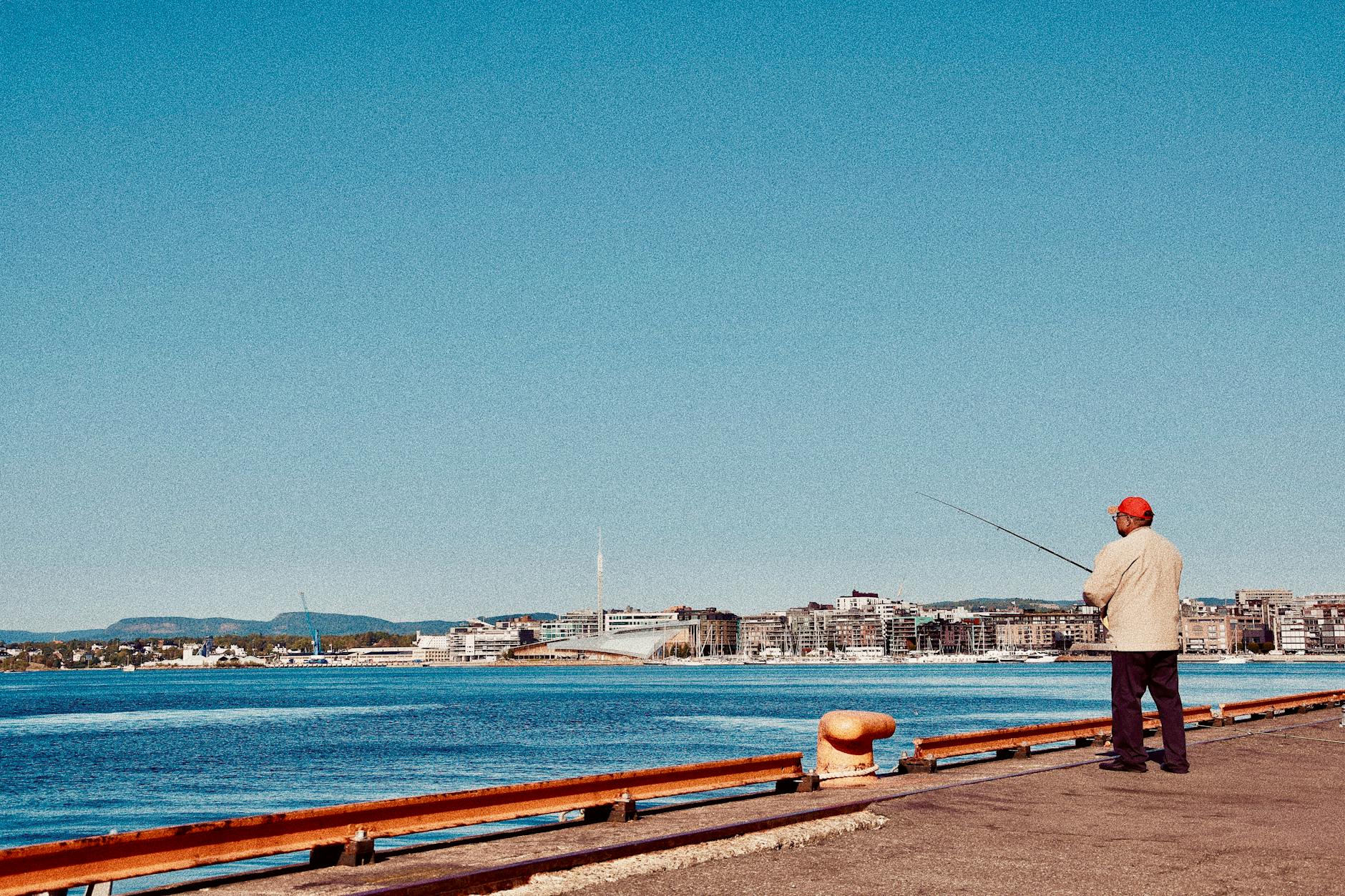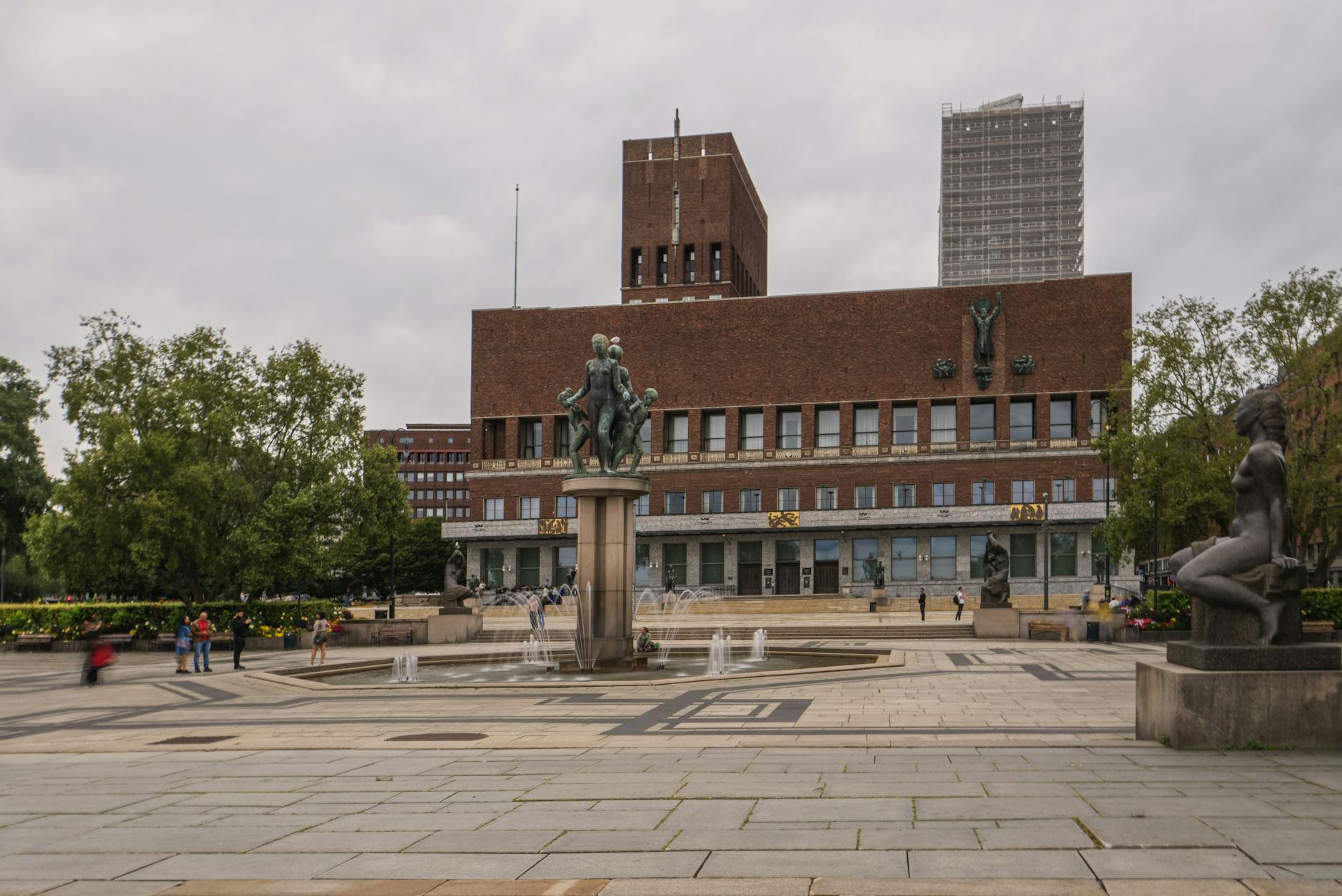
Oslo can be an excellent solo travel city. It is organized, English-friendly, compact enough for confident walking, and rich in museums, waterfront routes, cafes, parks, and transit. It can also feel expensive, quiet, weather-sensitive, and lonely if the traveler arrives with only a loose list of sights. The solo traveler should design the trip around confidence. Where will they stay, how will they return at night, what will they do in bad weather, where will they eat comfortably alone, and how much structure do they need each day? Those questions matter more than squeezing every famous stop into a short visit.
Choose a solo-friendly base before planning sights
A solo traveler should choose lodging by arrival, evening return, transit access, neighborhood feel, and the ability to reset during the day. Bjorvika, the city center, Aker Brygge, Tjuvholmen, Grunerlokka, Majorstuen, and other areas can all work, but they create different rhythms.
The best base is not simply the cheapest or most photogenic. It should make the first arrival simple, keep late returns comfortable, reduce unnecessary taxis, and allow the traveler to change clothes, rest, or avoid bad weather without losing half the day.
- Choose lodging around arrival, transit confidence, evening returns, and daily reset options.
- Compare neighborhoods by actual solo rhythm, not only by hotel rate or style.
- Keep the first night especially simple if arrival is late or in winter.
Use transit and walking with evening discipline
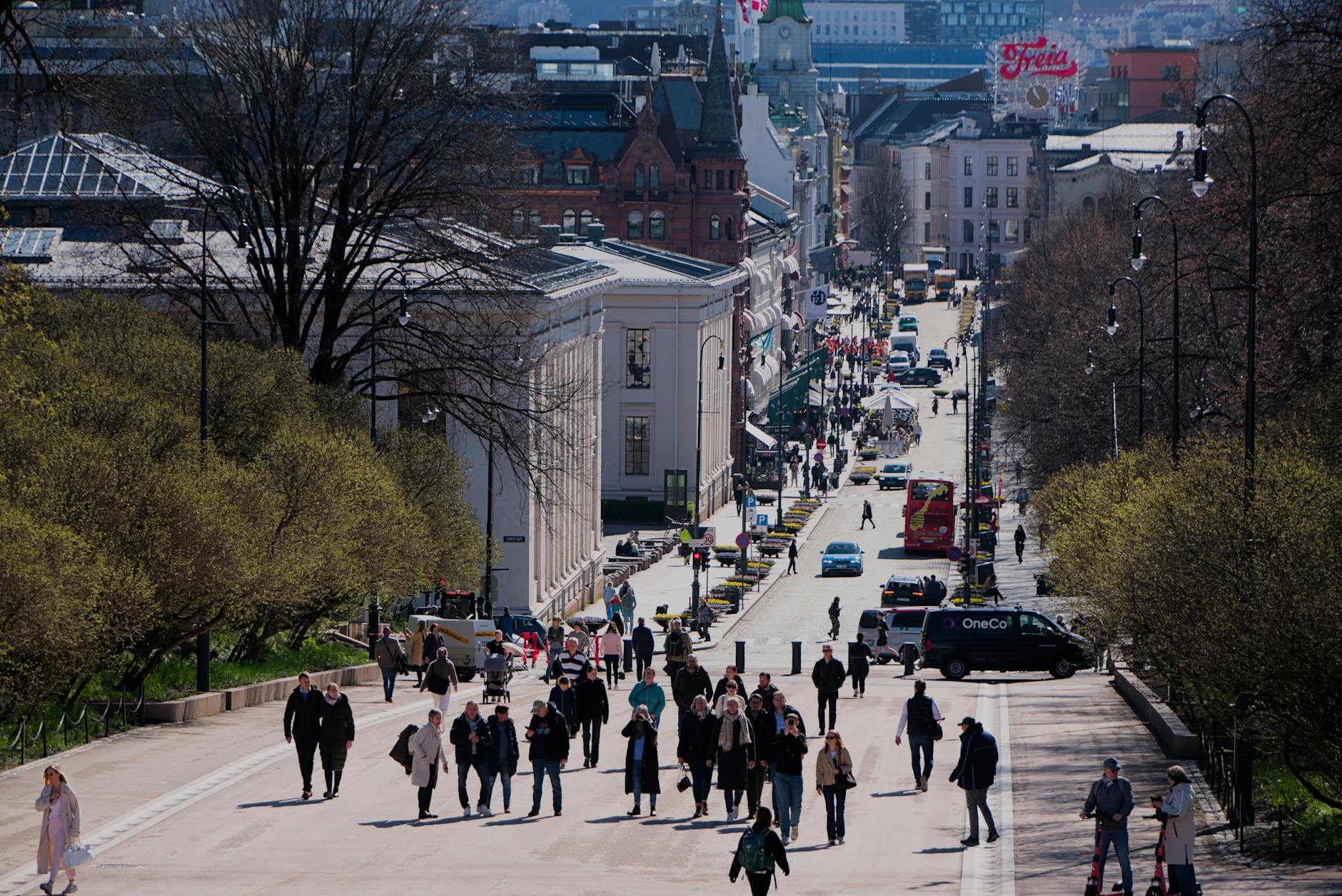
Oslo can be comfortable for a solo traveler who understands the basic transit system and keeps evening returns deliberate. Trams, metro, buses, ferries, and walking can all be useful. The traveler should still know ticketing, last practical departures, station exits, and when a taxi is the better choice.
Winter darkness makes this more important. A route that feels casual at 4 p.m. in summer may feel very different in cold rain, ice, or darkness. Solo travel is easier when the return plan is known before dinner begins.
- Learn basic ticketing, useful lines, station exits, and late-return options.
- Plan evening returns before dinner, events, or waterfront walks.
- Use taxis when weather, fatigue, darkness, or unfamiliar routes make them sensible.
Budget for single-person costs
Oslo's costs can feel sharper when there is no one to split lodging, taxis, or restaurant spending with. A solo traveler should set realistic expectations for hotel rates, coffee, meals, museum admissions, transit, taxis, and spontaneous changes. Small decisions can become expensive quickly.
Budget discipline does not mean making the trip austere. It means deciding where money helps the solo experience: central lodging, one proper dinner, a ferry or fjord moment, a museum pass, or the taxi that makes an evening comfortable.
- Price lodging, meals, museums, transit, taxis, and solo dining before arrival.
- Spend deliberately on the items that make solo travel easier or richer.
- Avoid false savings that create long walks, poor sleep, or awkward late returns.
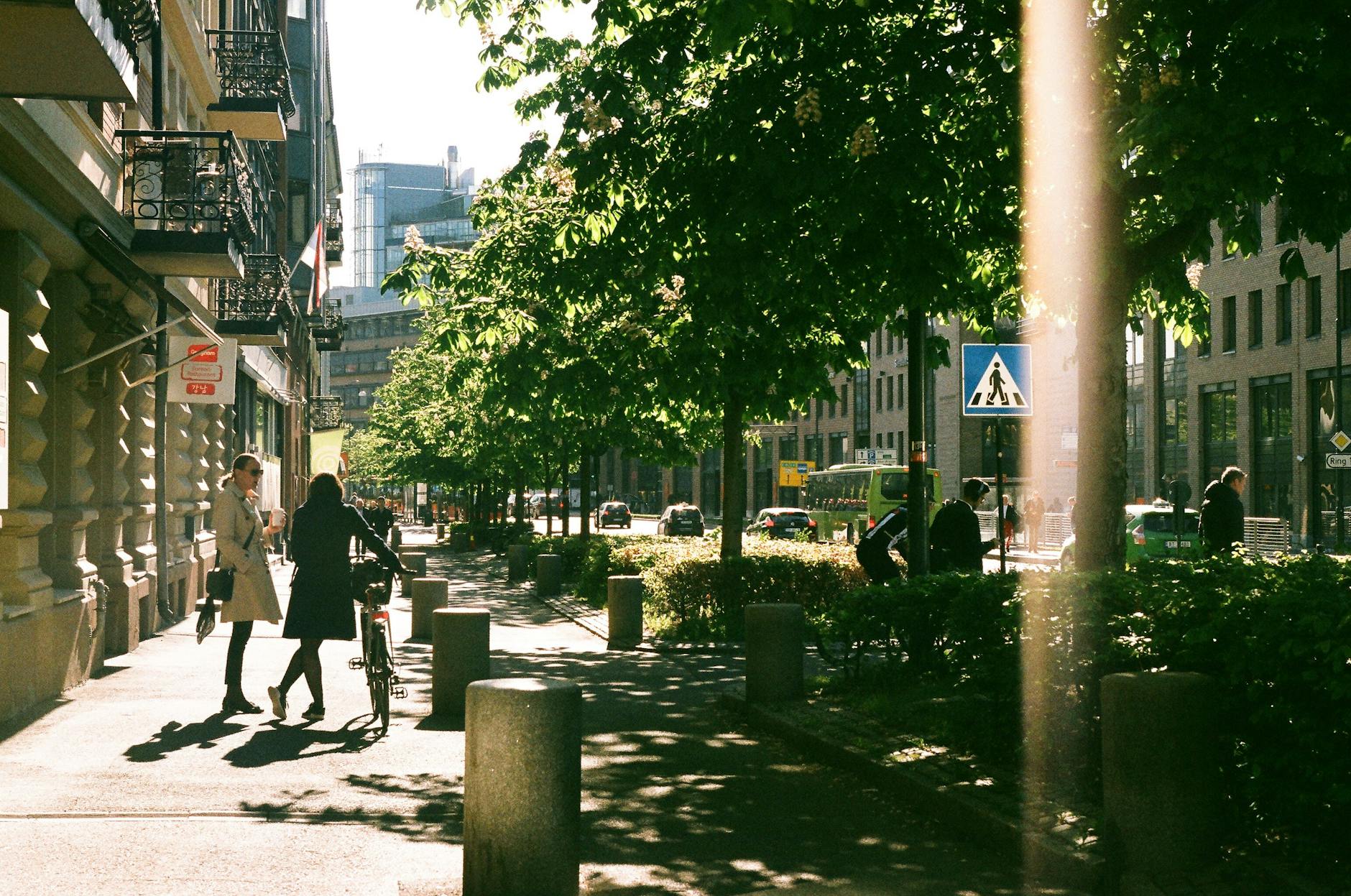
Plan meals and social time deliberately
A solo traveler should decide how they want meals to work. Oslo can support cafes, bakeries, food halls, hotel breakfasts, casual waterfront stops, and more deliberate dinners. Leaving every meal to chance can make the trip feel expensive and thin, especially in poor weather or after a museum-heavy day.
Social energy also needs a plan. Some solo travelers want quiet. Others want tours, classes, concerts, guided walks, or structured encounters. The itinerary should include enough human contact to match the traveler, without forcing social obligations into every day.
- Identify solo-comfortable cafes, food halls, bakeries, hotel breakfasts, and dinner options.
- Use guided walks, performances, classes, or small tours if the trip needs social structure.
- Keep some meals flexible while protecting the ones that anchor the day.
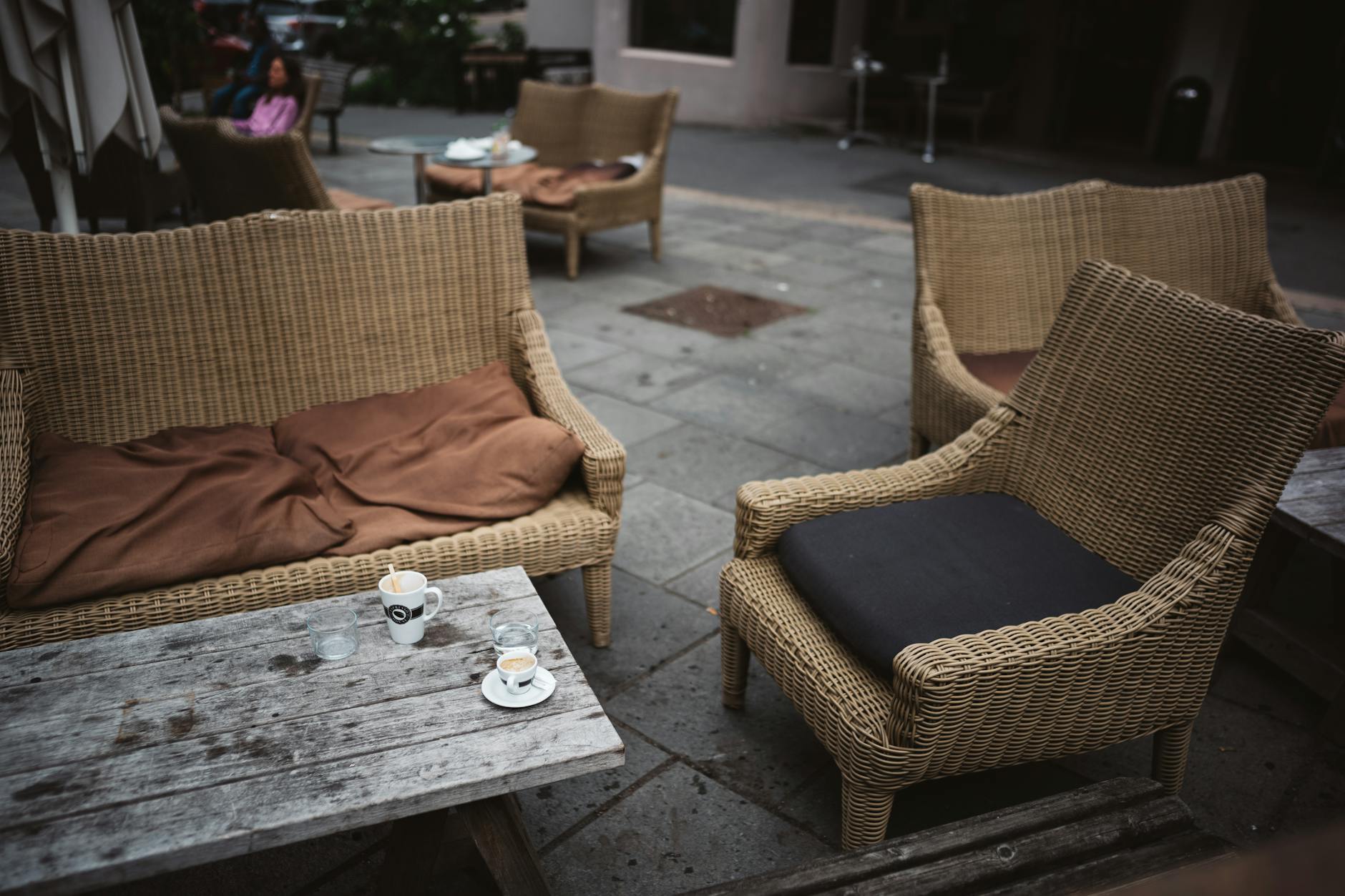
Adjust for winter darkness and weather
Season can decide whether a solo Oslo trip feels easy or draining. Winter brings short daylight, cold, ice, and more indoor planning. Summer brings long evenings, waterfront energy, and easier walking. Shoulder seasons can shift quickly between pleasant and wet.
The solo traveler should carry clothing and footwear that support confidence, not only style. They should also keep a bad-weather plan ready: museums, cafes, library time, a spa or sauna, a short transit ride, or an early return that does not feel like failure.
- Build separate rhythms for winter darkness, summer long light, rain, wind, and ice.
- Pack shoes and layers that make independent movement comfortable.
- Keep indoor alternates ready so bad weather does not erase the day.
Keep phone, documents, and day trips simple
Solo travel depends heavily on phone reliability, payment access, documents, maps, and backup plans. The traveler should confirm roaming or eSIM service, battery backup, card settings, emergency contacts, hotel details, offline maps, and document copies before the first day fills up.
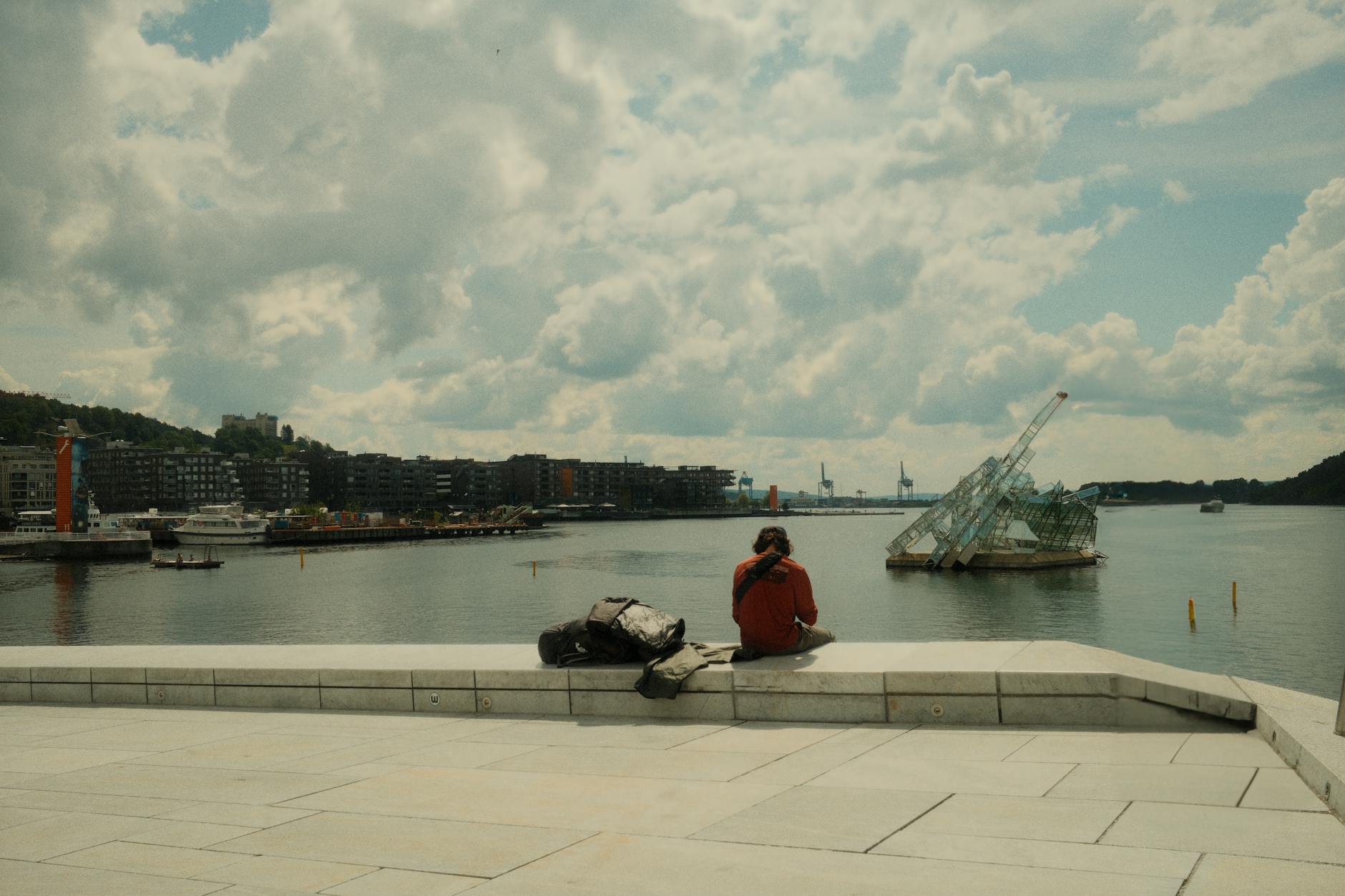
Day trips should also be kept realistic. A fjord outing, ferry ride, ski jump, forest walk, or museum outside the core can be rewarding, but the traveler should know return timing, weather, food, bathrooms, and how much energy remains after the main Oslo plan.
- Prepare roaming or eSIM, battery backup, offline maps, card settings, and document copies.
- Share hotel and route details with a trusted contact when appropriate.
- Choose day trips only when return timing, weather, food, and energy are clear.
When to order a short-term travel report
A confident solo traveler with a central hotel, flexible dates, and a simple museum plan may not need a custom Oslo report. A report becomes useful when the trip is short, expensive, winter-heavy, tied to onward travel, dependent on evening plans, or affected by safety, budget, mobility, medical, or social concerns.
The report should test hotel location, airport rail, evening returns, transit, walking distances, winter weather, solo dining, budget pressure, day trips, phone reliability, medical fallback, and what to cut. The value is a solo Oslo trip that feels independent without feeling improvised.
- Order when lodging, winter, evening returns, budget, safety, or day trips need testing.
- Provide dates, arrival times, hotel options, interests, budget, comfort level, and constraints.
- Use the report to make solo travel structured enough to be calm and flexible enough to be yours.