A repeat leisure visit to Oslo should not simply rerun the first trip with a few extra museums. The value of returning is the chance to go slower, choose neighborhoods more carefully, use the fjord and forests better, revisit favorite places at a different season, and spend less time proving that the city has been seen. The traveler should define what is new this time: food, design, parks, islands, sauna culture, winter atmosphere, local neighborhoods, art, architecture, or a softer pace before onward travel. Without that definition, a repeat trip can become expensive repetition.
Define what should be different this time
A repeat visitor should name the reason for returning before booking the same central hotel and repeating the same waterfront loop. The second or third Oslo trip might focus on neighborhoods, food, architecture, sauna time, ferries, forests, winter atmosphere, art, or simply a calmer version of the city.
This helps prevent the itinerary from becoming both expensive and familiar. A repeat visit works best when the traveler keeps one or two favorites and uses the rest of the time to deepen the trip.
- Choose the new angle before rebuilding the first-trip itinerary.
- Keep a few favorite places but leave room for a different Oslo rhythm.
- Avoid paying Oslo prices for a trip that feels like a rerun.
Choose lodging for the new rhythm
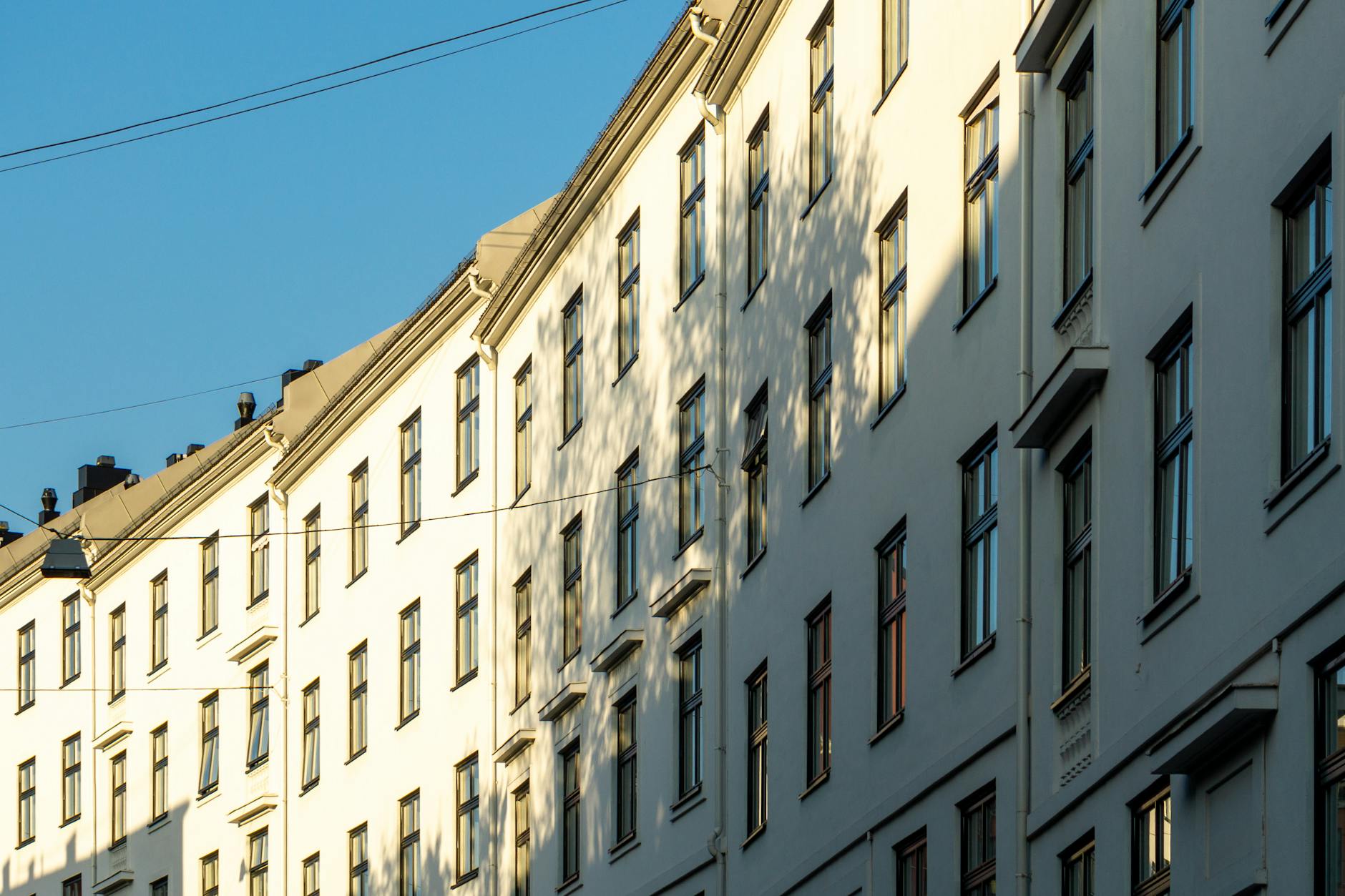
A repeat leisure visitor has more freedom with lodging than a first-time tourist. They may not need to stay beside Oslo S or the most obvious waterfront sights. A neighborhood base can make sense if it supports the new purpose: cafes, local dinners, parks, transit, quiet mornings, or easy access to ferries and museums.
The traveler should still respect arrival, winter conditions, and late returns. Familiarity with Oslo should not become overconfidence about luggage, icy walks, or expensive taxis.
- Consider a neighborhood base only if it improves the purpose of the return trip.
- Check transit, food, evening returns, and airport access before moving away from the core.
- Do not let familiarity erase winter, luggage, or late-arrival constraints.
Use season as a reason to return
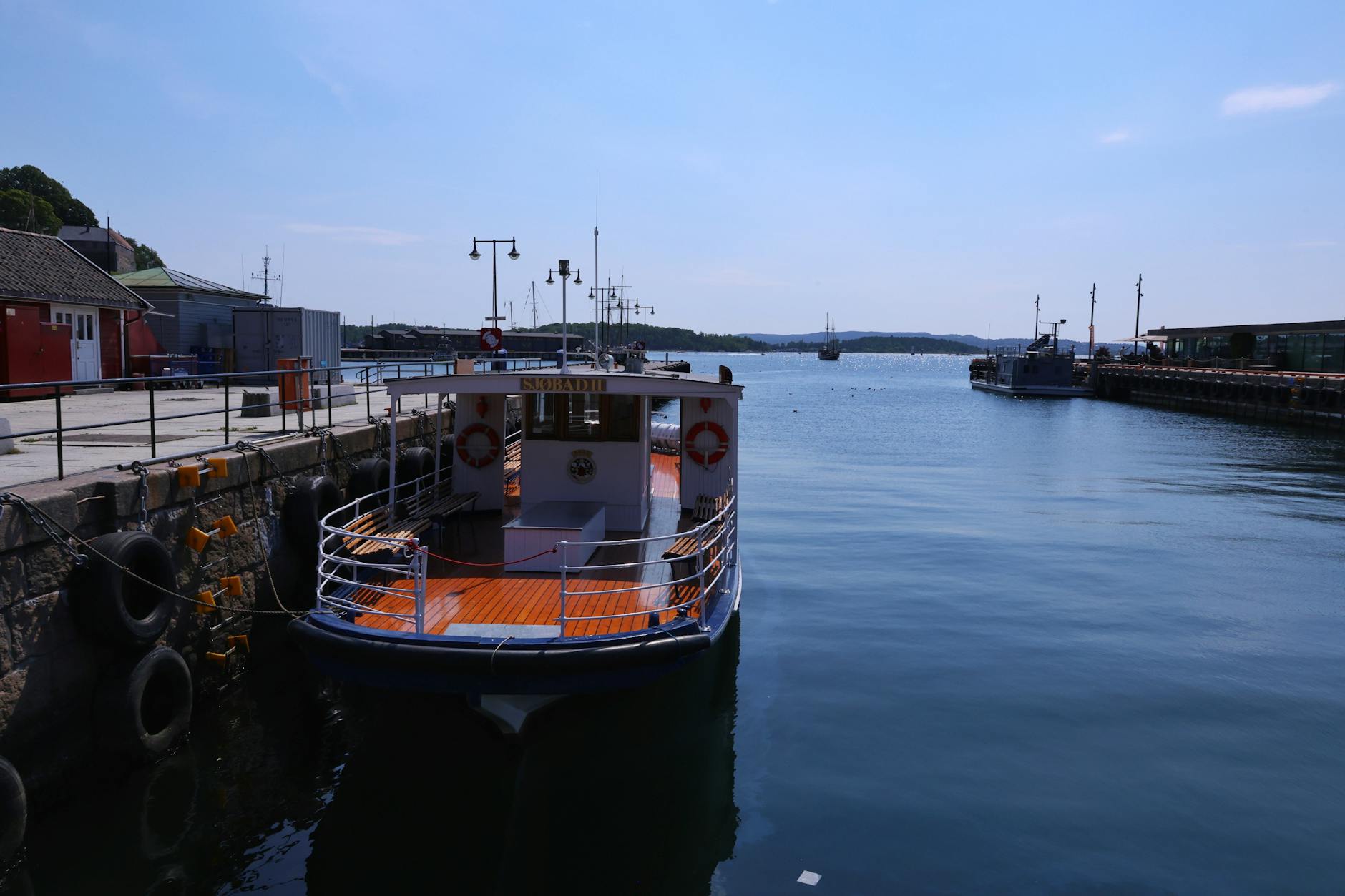
Oslo changes enough by season that a repeat visitor can build the whole trip around the month. Winter can make museums, saunas, snowy parks, short daylight, and cozy meals central. Summer can emphasize long evenings, islands, waterfront time, parks, and outdoor dining. Shoulder seasons can reward flexible travelers who plan alternates.
The repeat visitor should not treat weather as a nuisance alone. The season can be the point of the trip if the itinerary is designed for it.
- Let winter, summer, or shoulder-season conditions shape the actual purpose of the visit.
- Plan indoor and outdoor alternates rather than forcing one fixed schedule.
- Use daylight, wind, rain, snow, and ferry timing as design inputs.

Go deeper on neighborhoods, ferries, and local routes
A repeat leisure trip can use Oslo's smaller pleasures better: neighborhood walks, the Akerselva corridor, local cafes, independent shops, harbor edges, fjord ferries, parks, and less obvious viewpoints. These experiences often need looser pacing than a first-time checklist.
The traveler should still plan transport carefully. A ferry, forest walk, or neighborhood dinner is only relaxing when return timing, weather, and food options are clear.
- Use neighborhood walks, ferries, parks, and local cafes to add depth.
- Check return routes before adding islands, forest time, or distant dinners.
- Leave unscheduled space for the kind of discovery that repeat visits support.
Revisit museums and dining with more intention
A returning visitor can be more selective with museums and restaurants. Instead of repeating the same famous sequence, the traveler can choose one exhibition, one architectural revisit, one food experience, or one neighborhood dinner that matches the current trip. Oslo's prices make this selectivity useful.
Reservations and opening hours still matter. A repeat visitor may be more relaxed, but popular dining, special exhibitions, performances, and seasonal hours can still shape the trip.
- Choose cultural revisits by current interest, not habit.
- Reserve the meals, performances, or exhibitions that matter most.
- Balance one favorite repeat with one new experience each day.
Keep costs and comfort honest
Repeat visitors can underestimate Oslo because they already know the basics. Hotels, meals, taxis, drinks, museum tickets, ferries, and last-minute weather changes still add up. The traveler should decide what is worth paying for this time and where simplicity is better.
Comfort also deserves attention. A return trip can become too ambitious because the traveler feels familiar with the city. Walking distances, winter footing, and late evenings still affect enjoyment.
- Reprice hotels, meals, transit, taxis, ferries, and tickets for the actual dates.
- Spend on the experiences that make the return visit different.
- Do not let familiarity lead to overloaded walking days or weak weather plans.
When to order a short-term travel report
A repeat visitor with flexible dates and a simple return to favorite places may not need a custom Oslo report. A report becomes useful when the traveler wants to change neighborhoods, add ferries or forest time, visit in winter, control costs, avoid repetition, or connect Oslo to a wider Norway itinerary.
The report should test the new trip purpose, hotel base, neighborhood routes, seasonal conditions, ferries, museums, dining, budget, walking distances, weather alternates, medical fallback, and what to cut. The value is a repeat Oslo visit that feels intentionally different.
- Order when the return trip needs a different neighborhood, season, pace, or focus.
- Provide previous Oslo experience, dates, hotel options, interests, budget, and constraints.
- Use the report to make the second visit deeper instead of merely familiar.