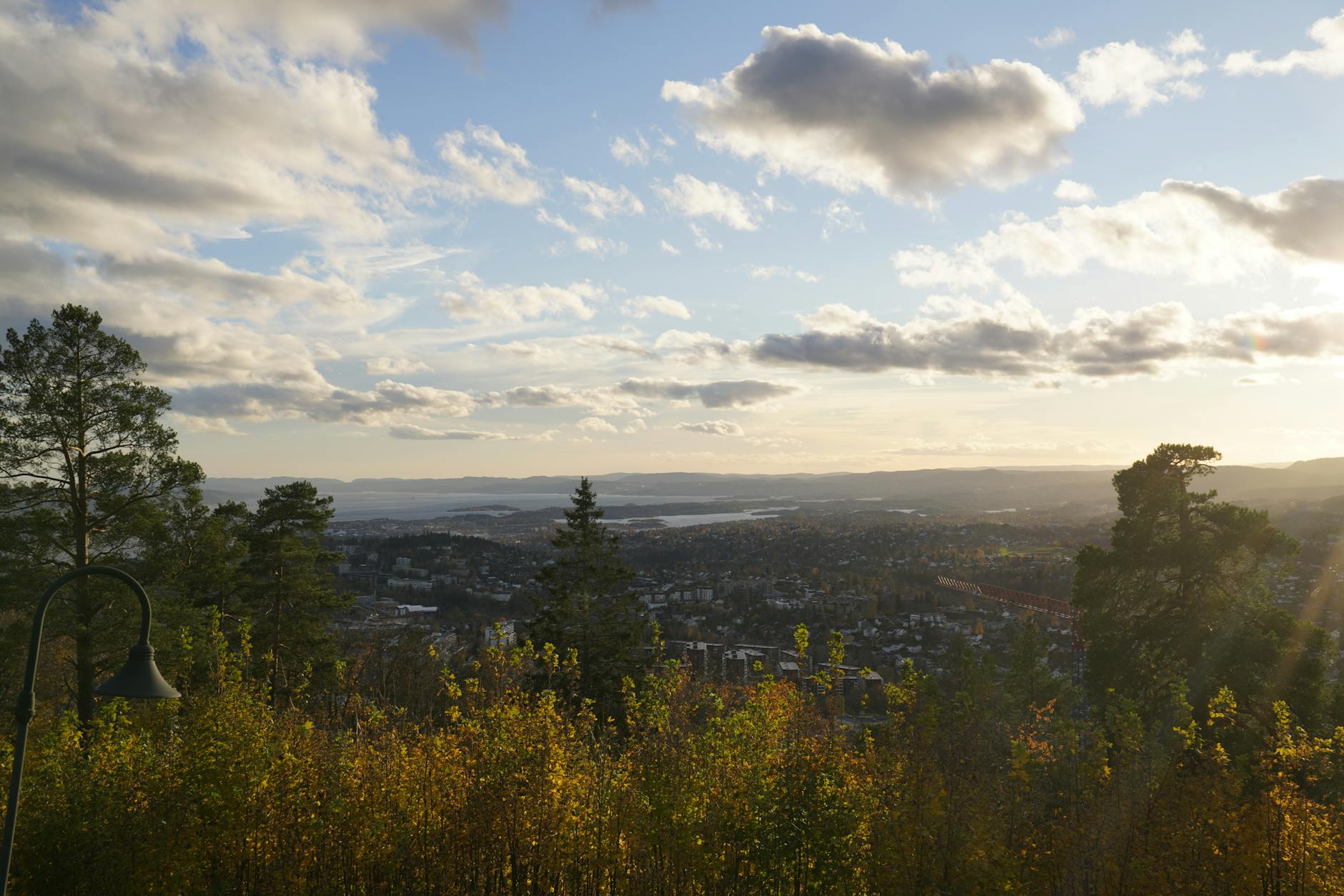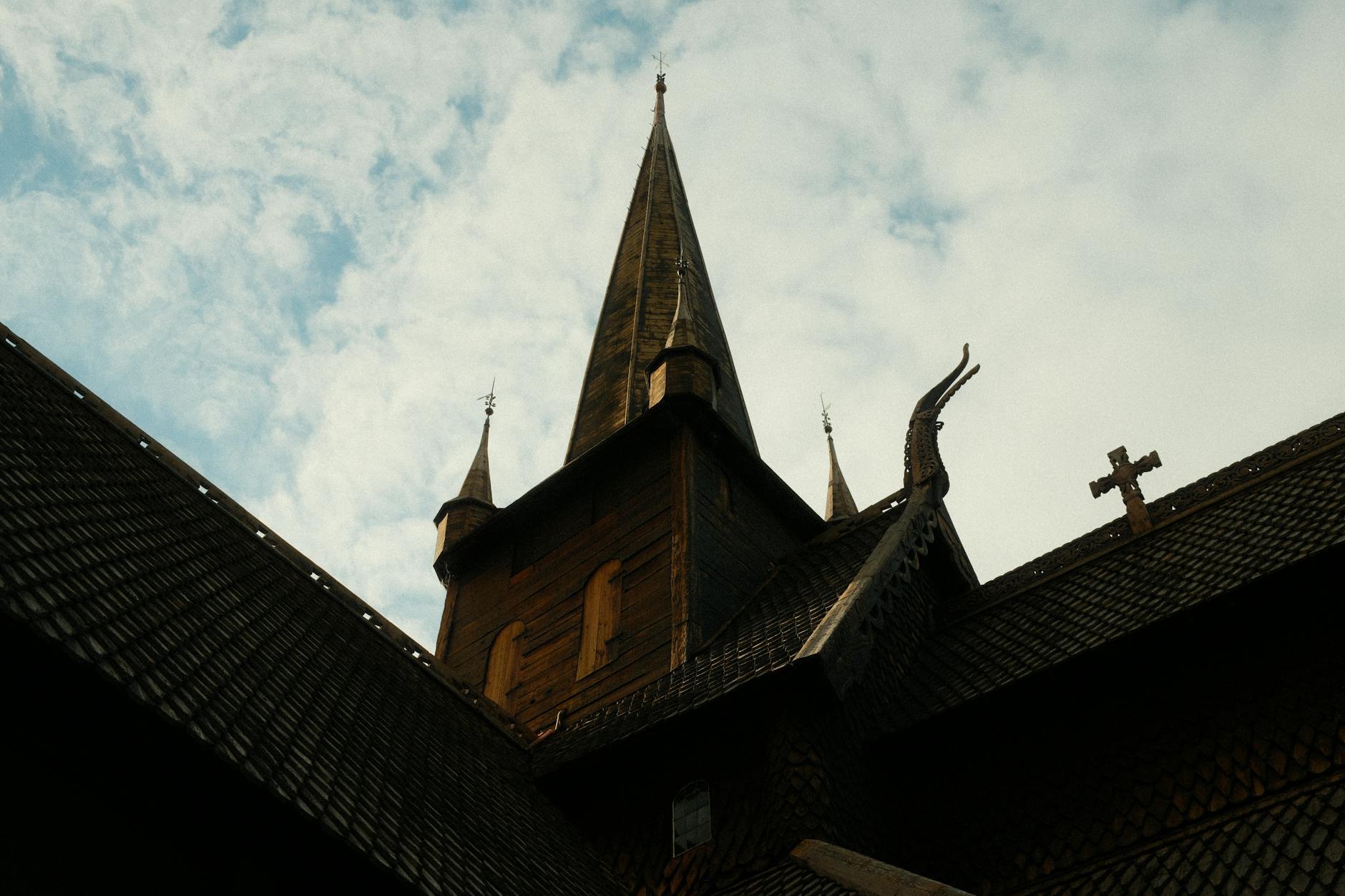
Oslo can support a meaningful short religious or pilgrimage trip, but the traveler should define the purpose before building the itinerary. The trip may involve worship, church history, interfaith visits, a retreat-like pause, family heritage, cathedral architecture, religious community meetings, or a wider Norwegian pilgrimage route that only begins or ends in Oslo. The city itself has important churches, quiet spaces, museums, cemeteries, waterfront walks, and access to wider Norwegian sacred geography. The practical question is what kind of journey the traveler is actually making. A devotional trip, cultural religion trip, family-history trip, and regional pilgrimage all need different timing, etiquette, lodging, and energy.
Name the purpose of the journey
A religious or pilgrimage traveler should first decide whether the Oslo trip is primarily devotional, historical, cultural, interfaith, family-related, or restorative. That distinction matters. A traveler attending worship needs service schedules and community contact. A traveler studying church architecture needs opening hours and photography rules. A pilgrim using Oslo as a gateway needs route logistics.
Without that clarity, the trip can become a shallow mix of churches, museums, and pleasant walks. Oslo rewards travelers who know what kind of meaning they are trying to protect.
- Define whether the trip is devotional, cultural, historical, interfaith, family-related, or restorative.
- Match worship, site visits, meetings, and quiet time to that purpose.
- Avoid treating sacred spaces as a generic sightseeing category.
Check worship schedules and community access
Oslo worship planning should be done before arrival. Service times, language, holiday calendars, visitor expectations, community meals, confession, prayer access, synagogue or mosque security, and pastoral appointments may not align with a short stay. Some communities are easy for visitors; others require advance contact or identification.
The traveler should also consider whether attending a service is appropriate or whether a private visit is better. Participation, observation, and tourism are different roles, and the traveler should be honest about which one applies.
- Confirm service times, language, holidays, visitor rules, security, and community contacts.
- Contact communities in advance when attendance, meetings, or access is important.
- Distinguish worship participation from respectful observation.
Respect etiquette, access, and photography
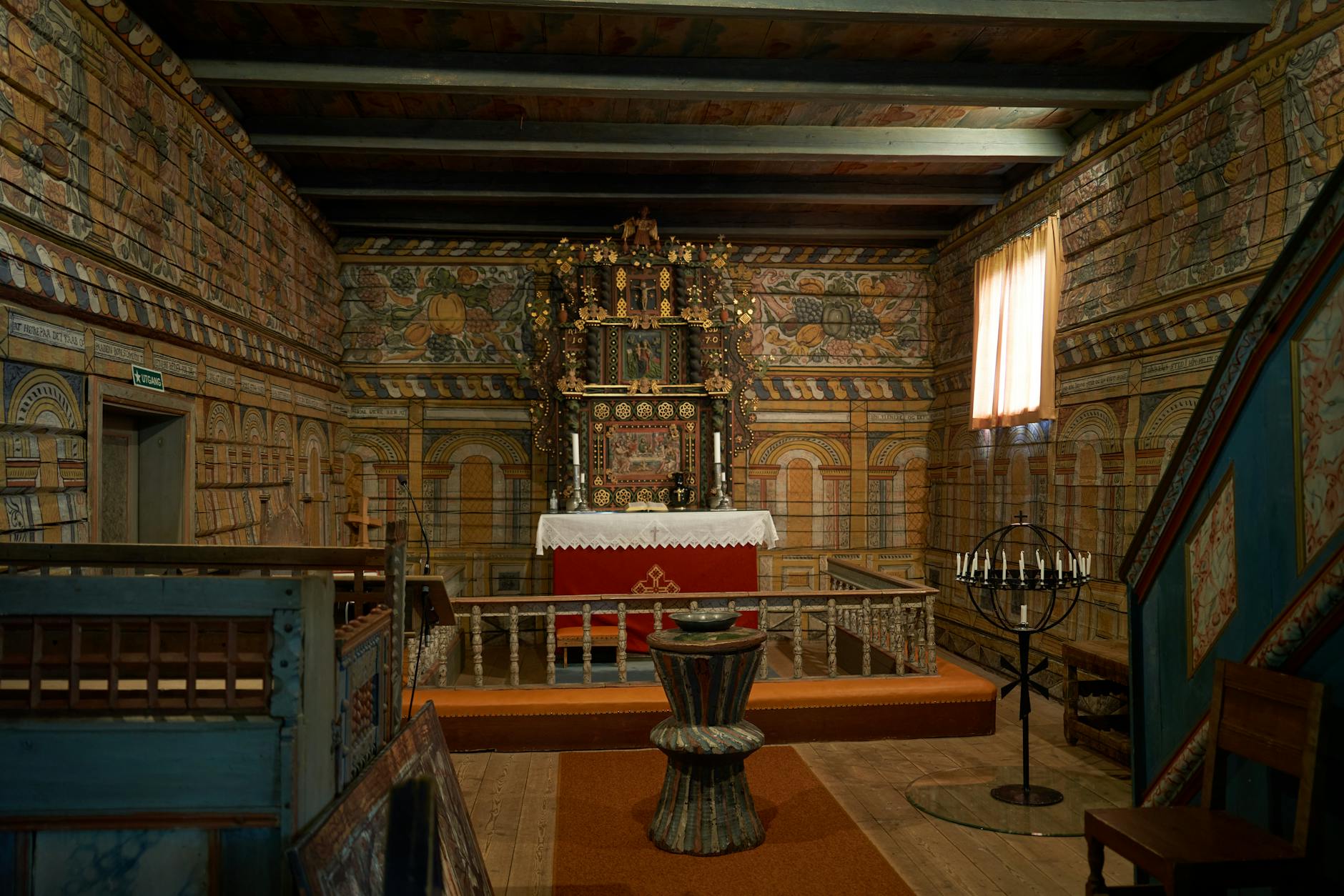
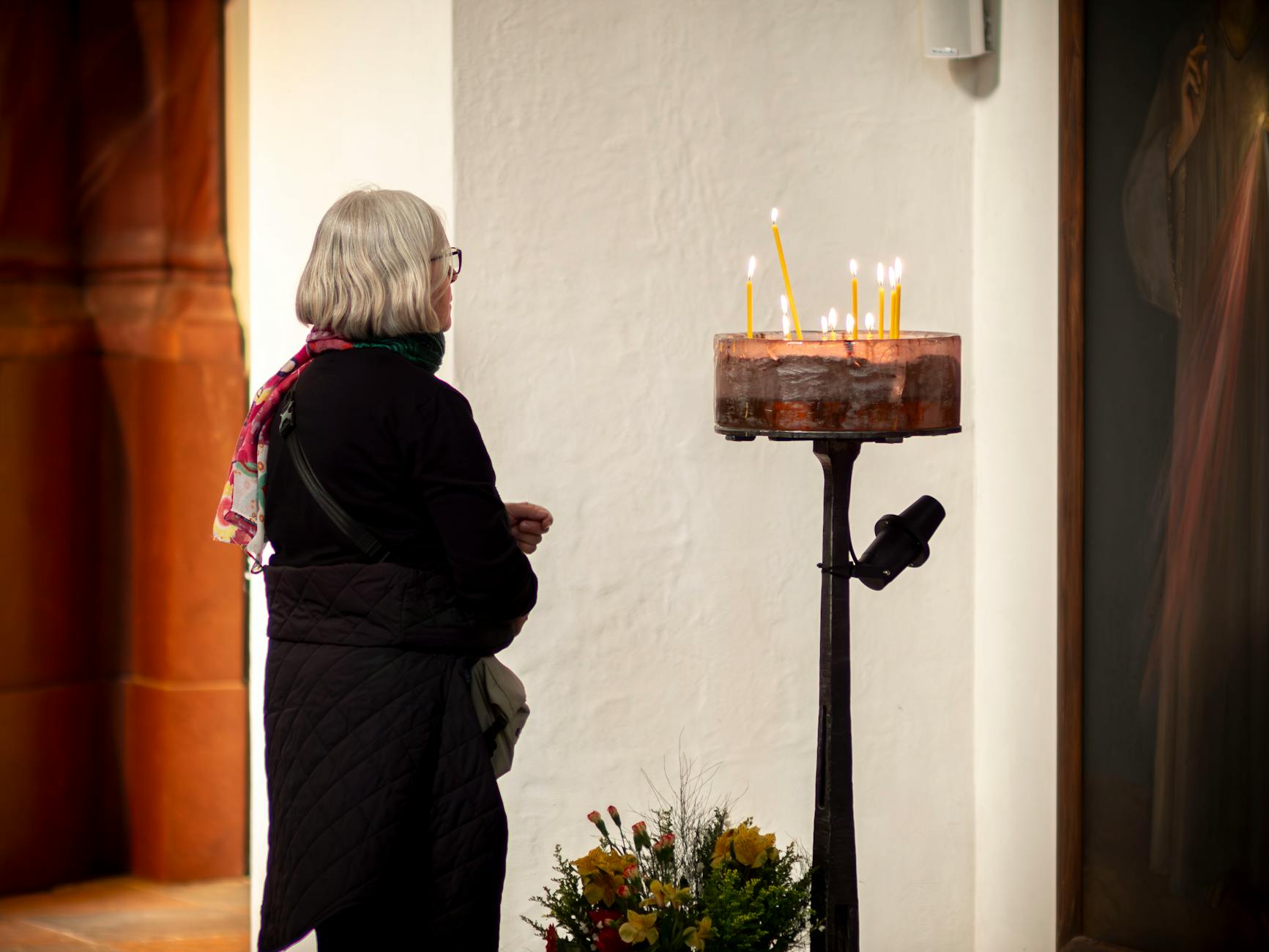
Sacred spaces deserve more planning than ordinary attractions. The traveler should check dress expectations, photography limits, silence, seating, offerings, accessibility, service disruption, and whether specific areas are private. A site that permits visitors may still expect restraint during prayer, cleaning, funerals, rehearsals, or community events.
This applies beyond churches. Interfaith visits, memorial sites, cemeteries, and community centers may have their own rules. The traveler should let the site's purpose govern behavior, not the camera or checklist.
- Check dress, silence, photography, offerings, seating, private areas, and accessibility.
- Avoid filming or posting people at worship or memorial spaces without clear consent.
- Let the site's religious or memorial function outrank the visitor schedule.
Decide how far beyond Oslo the pilgrimage goes
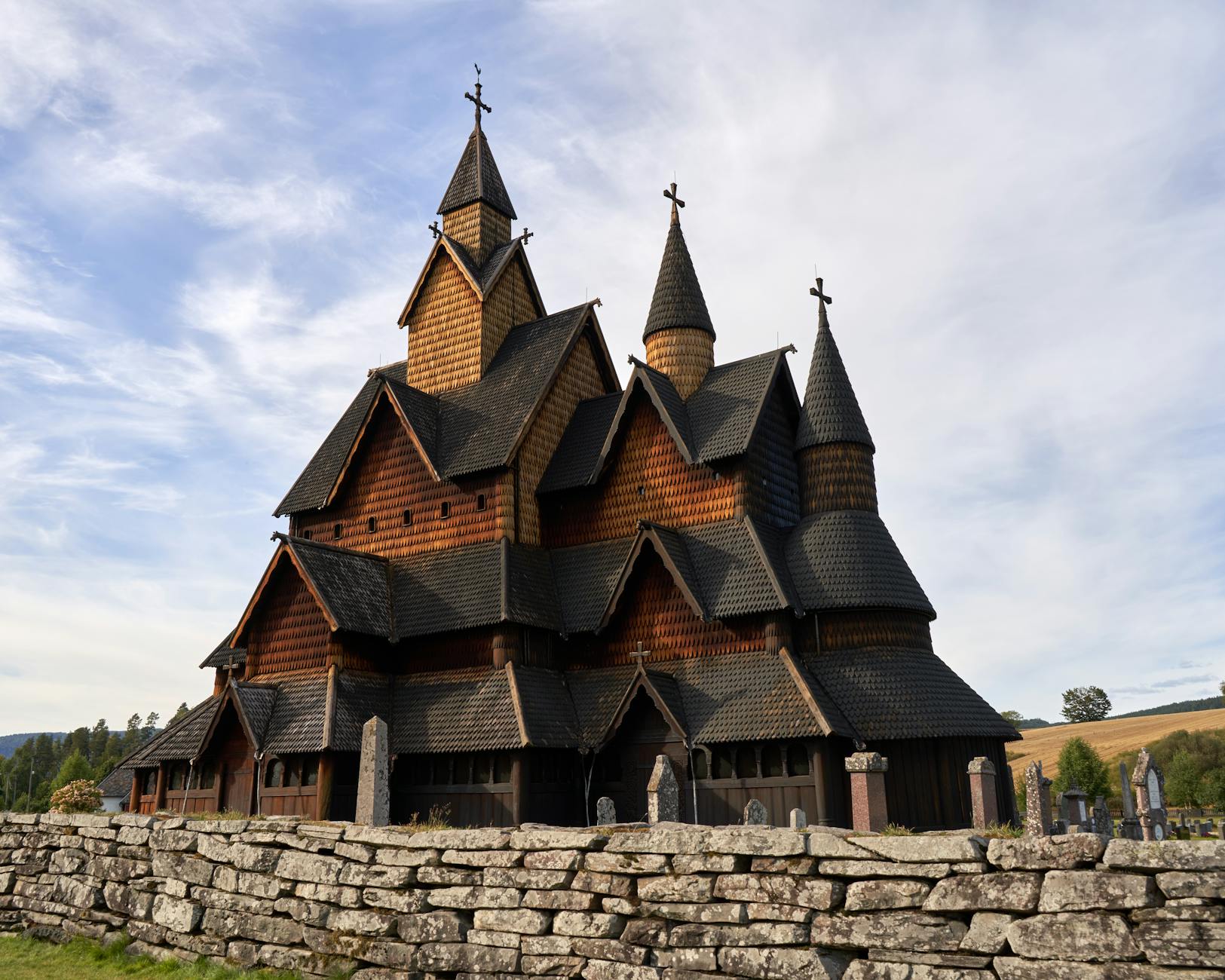
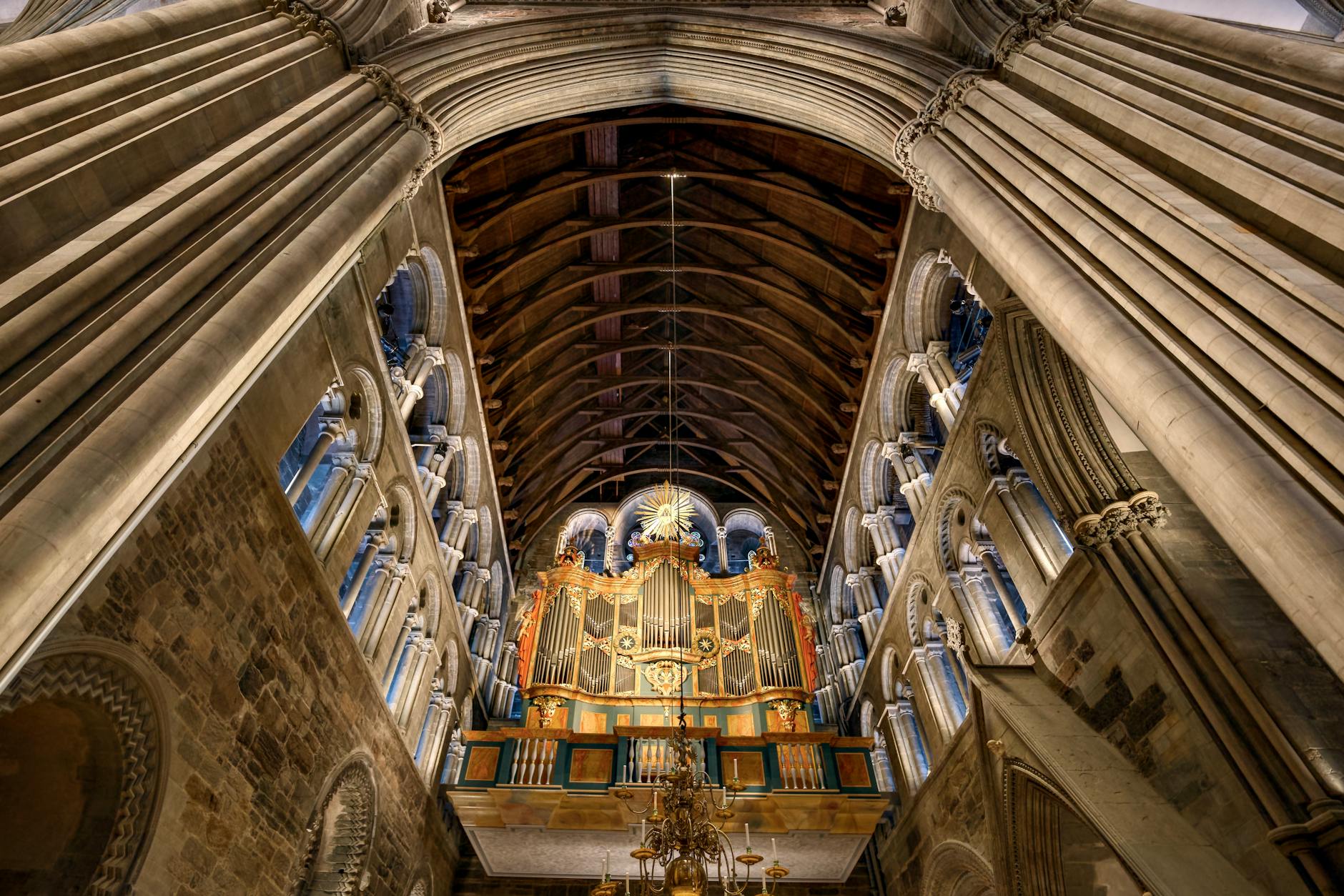
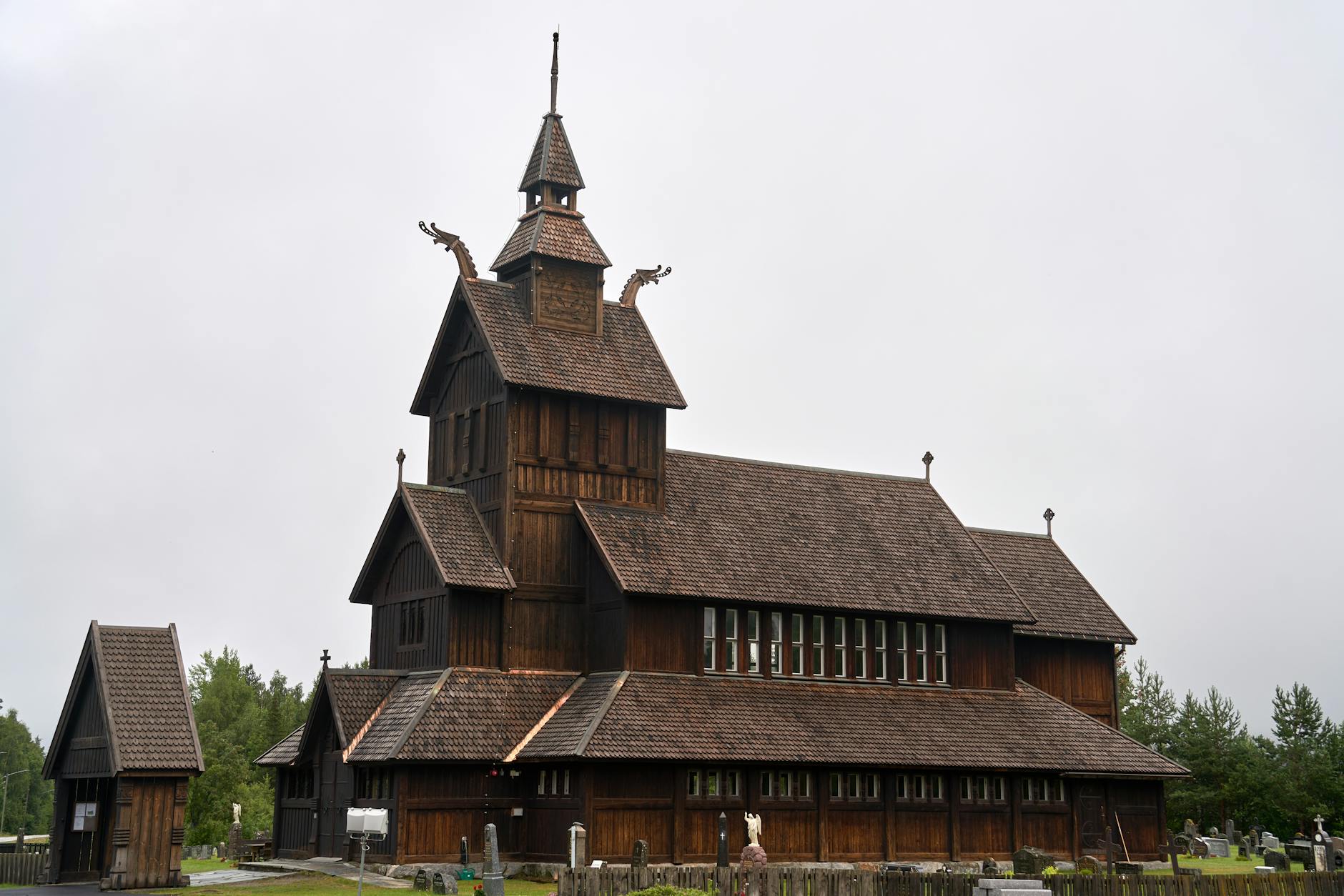
Some religious travelers can keep the trip within Oslo. Others may want Heddal Stave Church, Nidaros Cathedral in Trondheim, historic wooden churches, family parishes, cemetery research, or a route connected to the St. Olav tradition. Those ambitions may not fit a short Oslo visit unless the traveler adds days and accepts regional logistics.
The traveler should decide whether Oslo is the destination, the gateway, or the recovery base. A rushed regional pilgrimage can reduce the reflection the trip was meant to create.
- Decide whether the trip stays in Oslo or includes regional sacred sites.
- Check rail, road, opening hours, weather, and overnight needs before adding distant sites.
- Do not let a regional wish list erase quiet time in the city.
Plan lodging, meals, and transport around observance
Religious needs can affect ordinary logistics. The traveler may need walking distance to worship, quiet lodging, dietary access, Sabbath or holiday constraints, modest clothing, private prayer space, accessibility, or a hotel that supports early departures. Oslo's costs make weak planning expensive.
Transport should also match the traveler’s observance and energy. Airport rail, trams, walking, taxis, and regional trains can all work, but not every option fits every religious schedule or mobility profile.
- Choose lodging around worship access, quiet, dietary needs, prayer space, and mobility.
- Check food options, holiday closures, and timing before relying on improvisation.
- Match transport to observance, weather, luggage, and physical capacity.
Protect winter daylight and reflection time
Oslo's season can change the emotional and practical shape of the trip. Winter brings short daylight, cold, ice, and a quieter atmosphere that may suit reflection but make movement slower. Summer brings long light and easier walking, but the traveler may overfill the day because the city stays bright late.
A religious or pilgrimage trip should leave room for prayer, silence, reading, journaling, rest, or unstructured walking. If every hour is scheduled, the traveler may complete the itinerary without receiving much from it.
- Plan around winter daylight, cold, ice, summer late light, rain, and wind.
- Leave time for prayer, reflection, journaling, rest, or quiet walking.
- Keep the pace modest enough for the trip to feel meaningful, not merely efficient.
When to order a short-term travel report
A traveler with one familiar worship community and flexible timing may not need a custom Oslo report. A report becomes useful when the trip includes regional sacred sites, specific worship requirements, dietary needs, winter conditions, mobility constraints, family-history research, multiple faith communities, or uncertainty about how much can fit without losing the trip's purpose.
The report should test worship schedules, sacred-site access, etiquette, lodging, food, airport arrival, local transport, regional pilgrimage options, winter daylight, medical fallback, reflection time, and what to cut. The value is an Oslo religious trip that is practical without becoming spiritually thin.
- Order when worship, sacred sites, regional travel, observance, food, or winter needs testing.
- Provide faith tradition, dates, sites, worship needs, lodging options, mobility, and constraints.
- Use the report to protect the journey's purpose as well as its logistics.